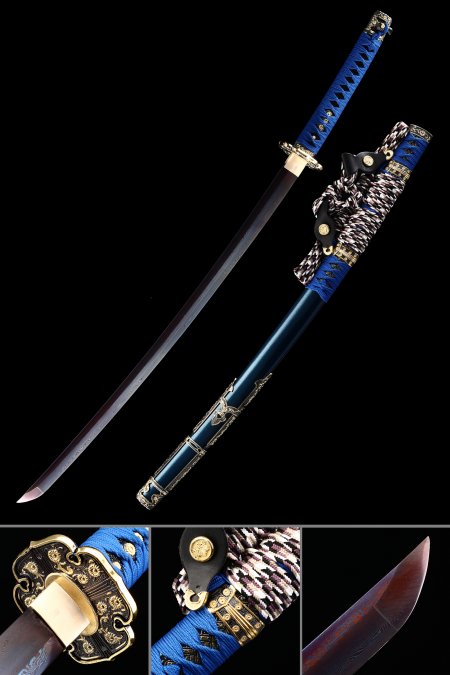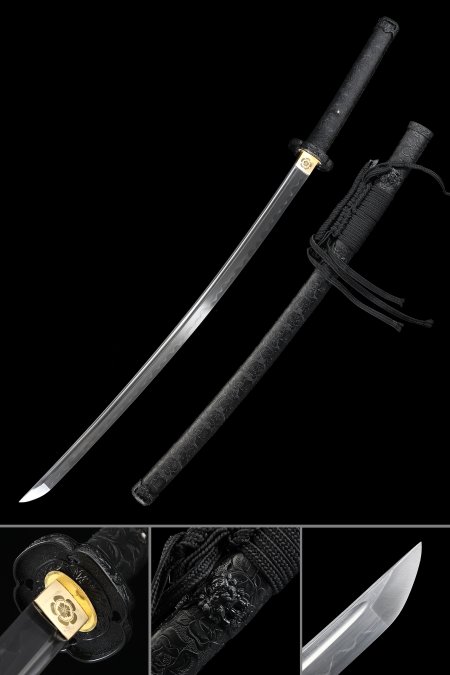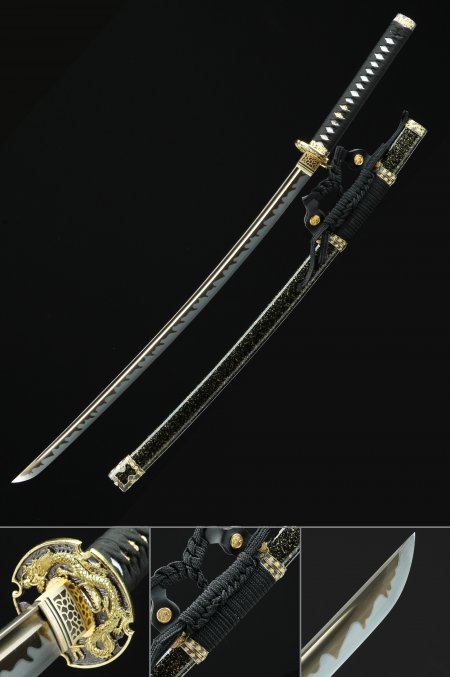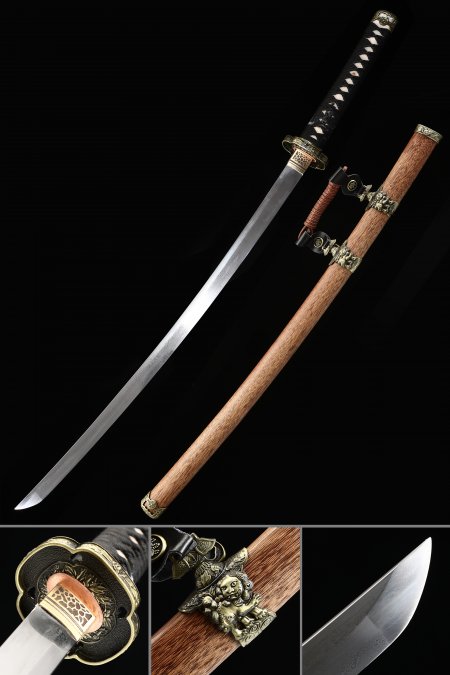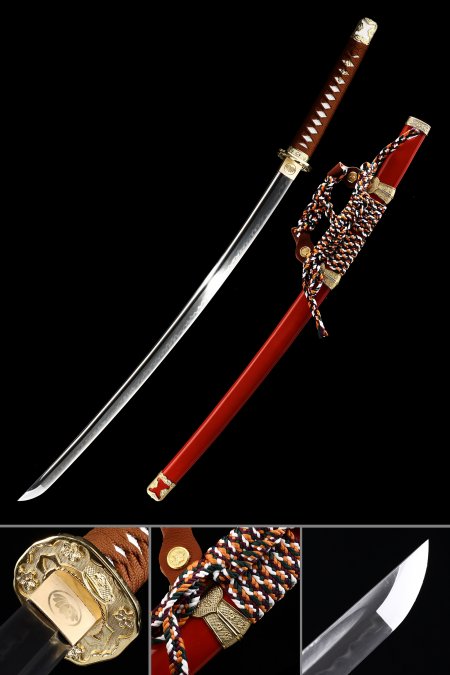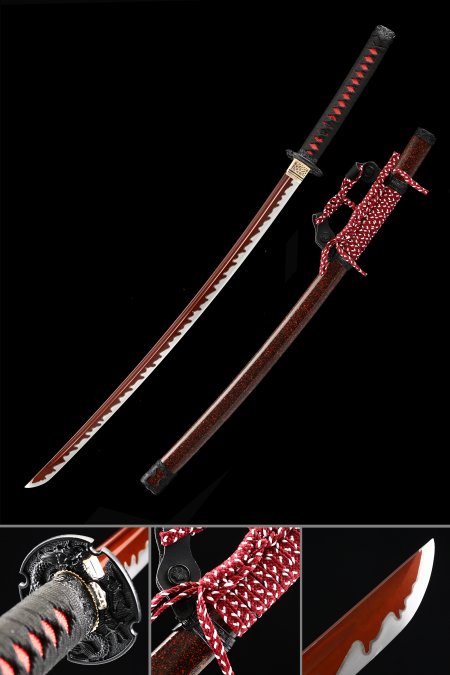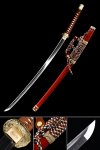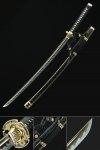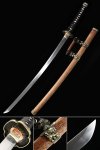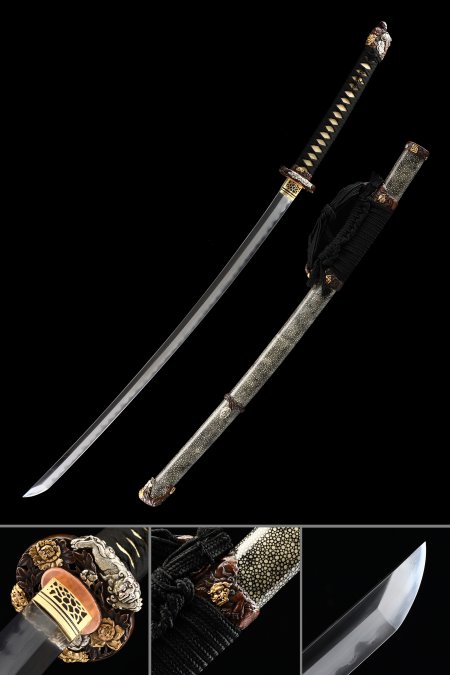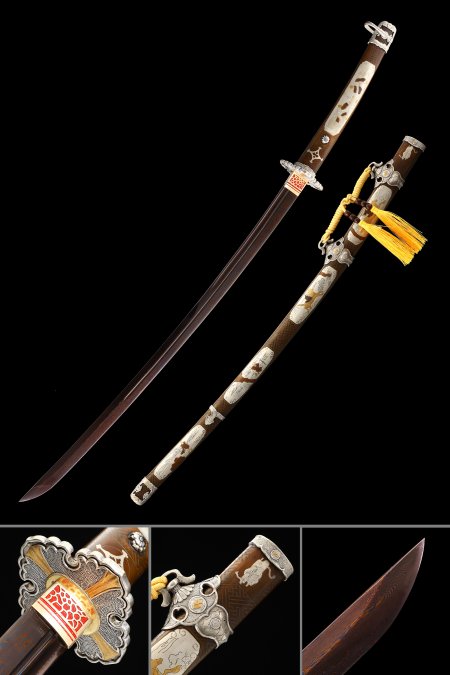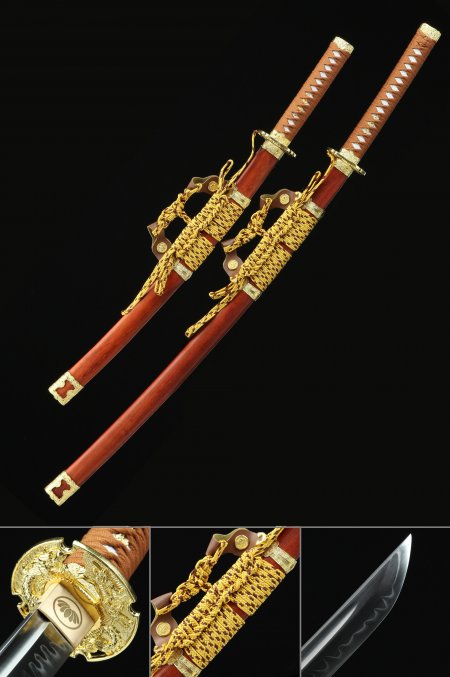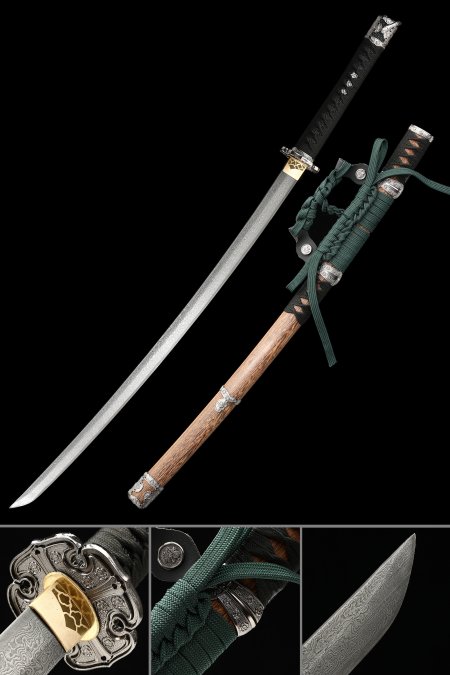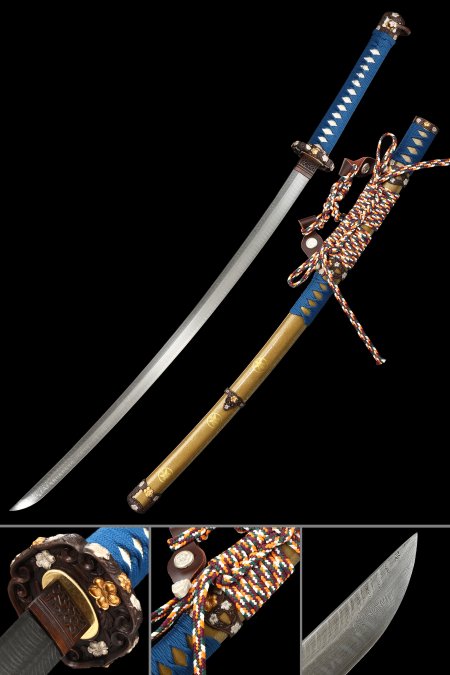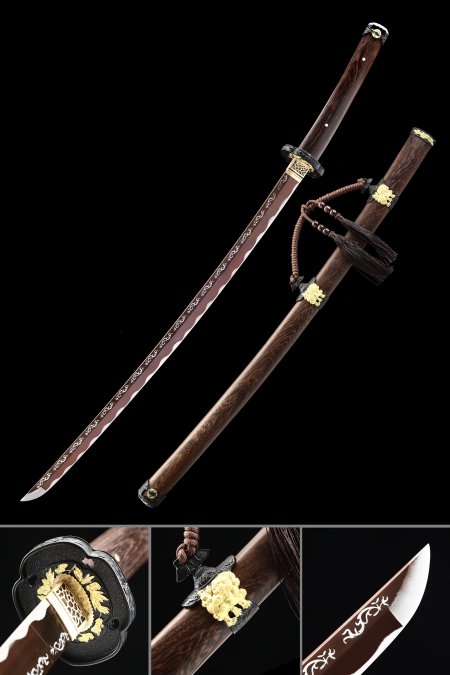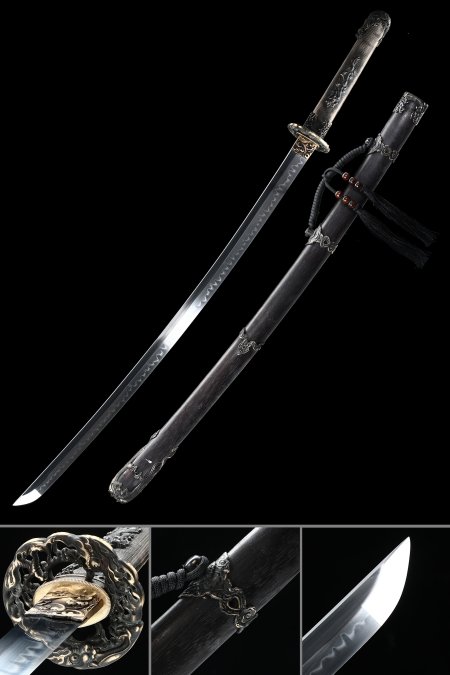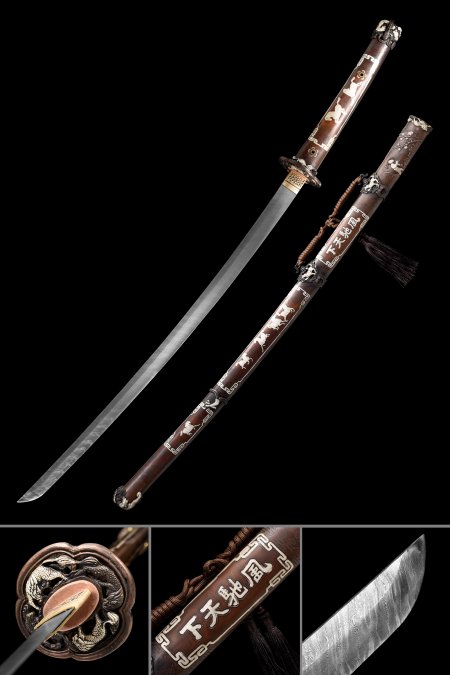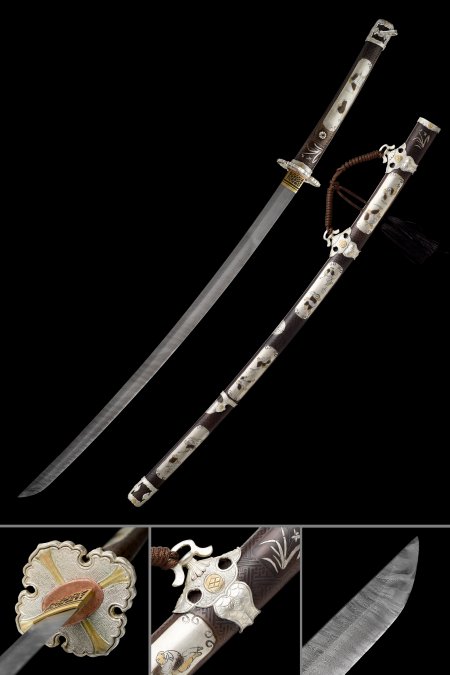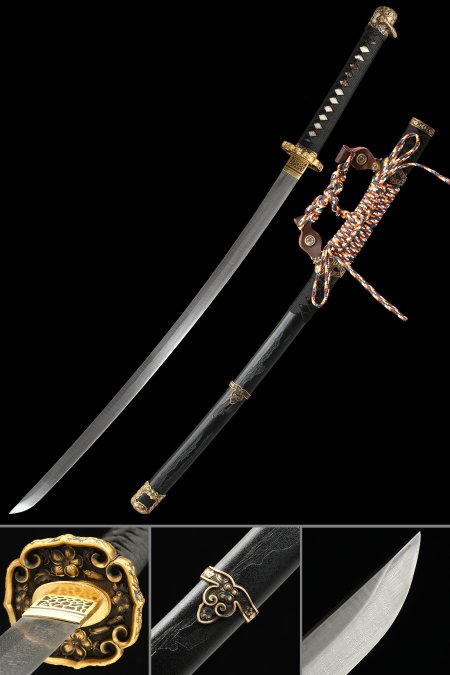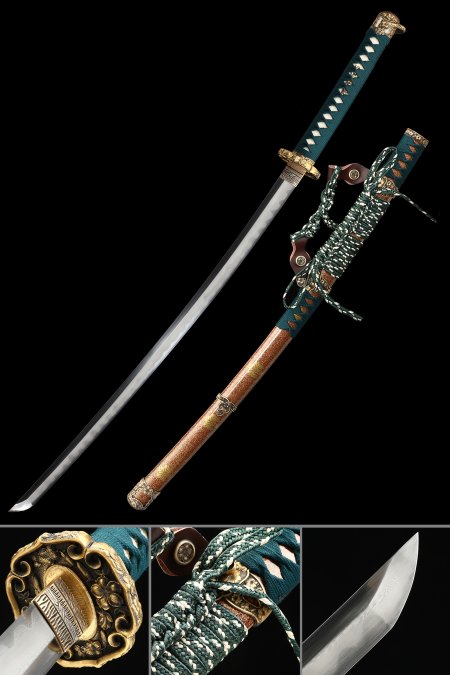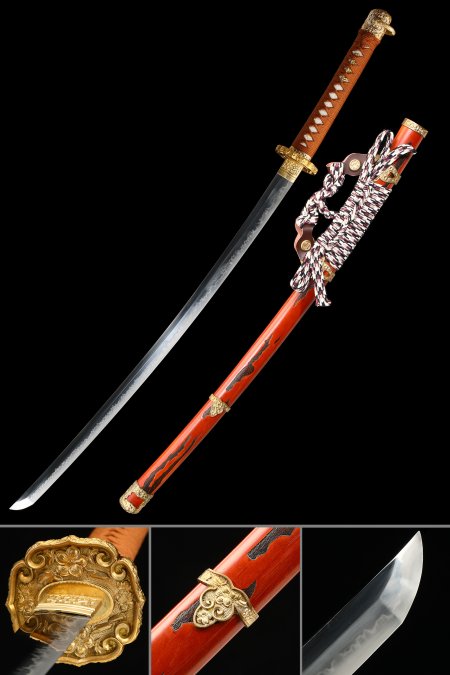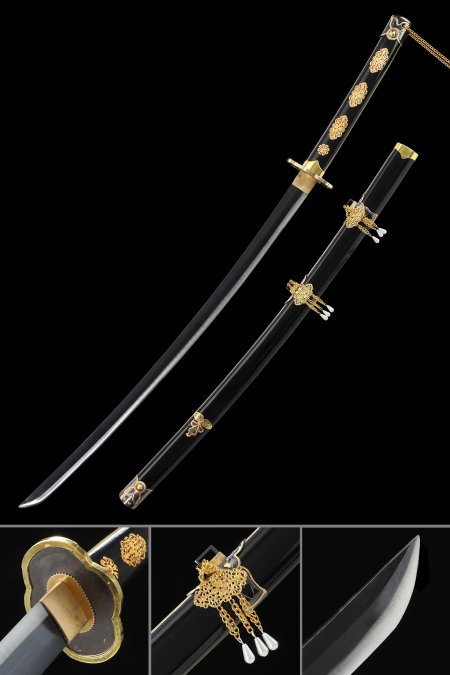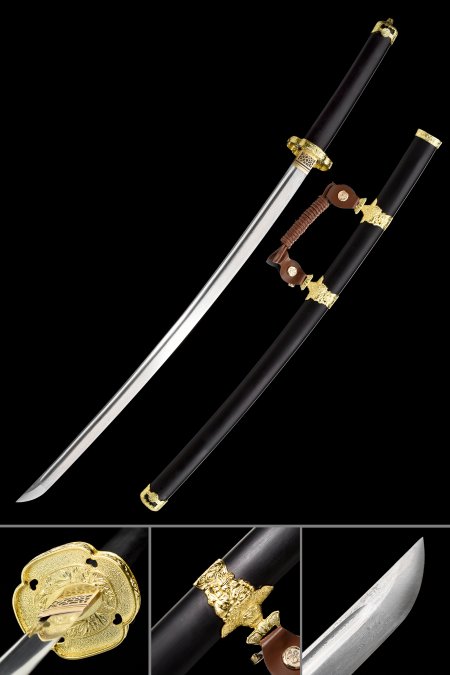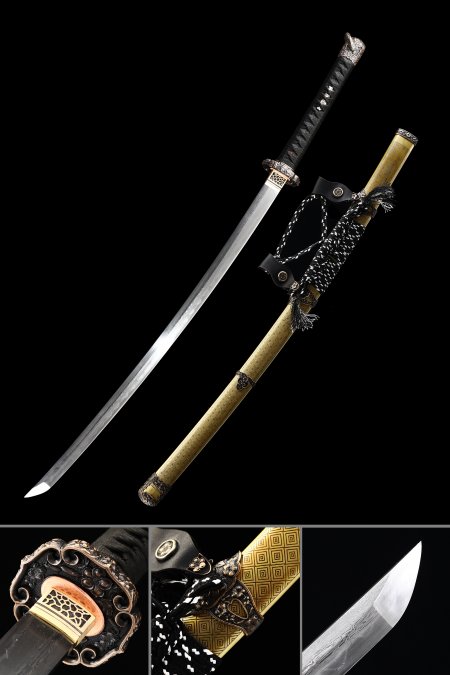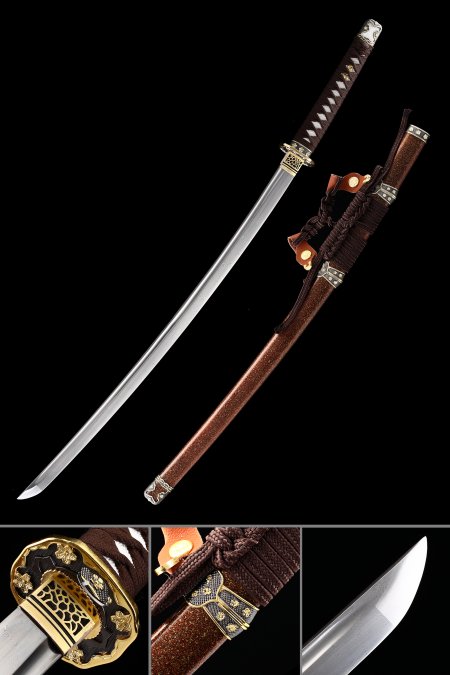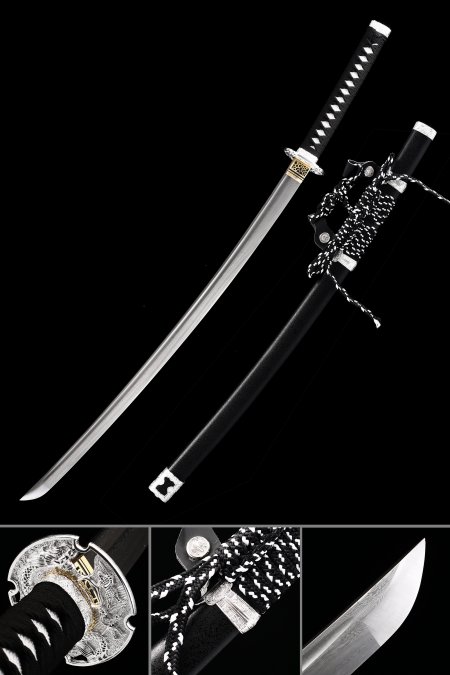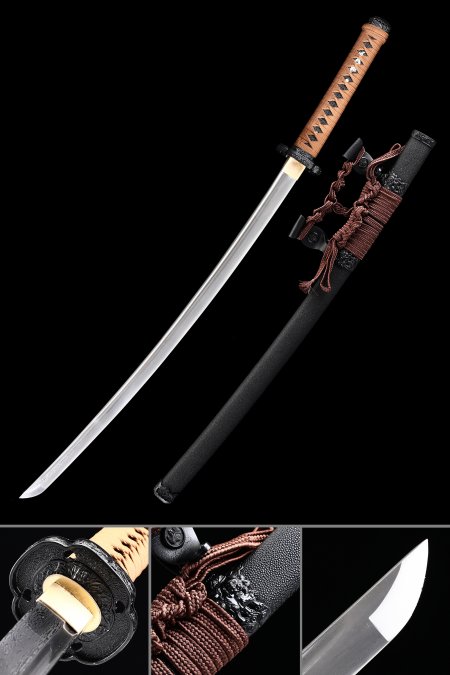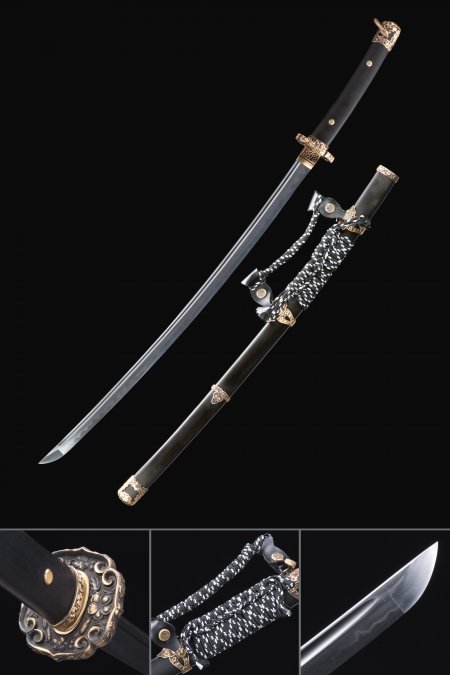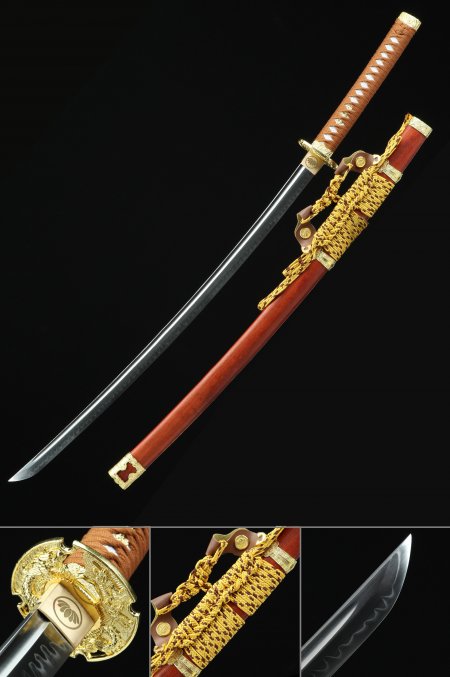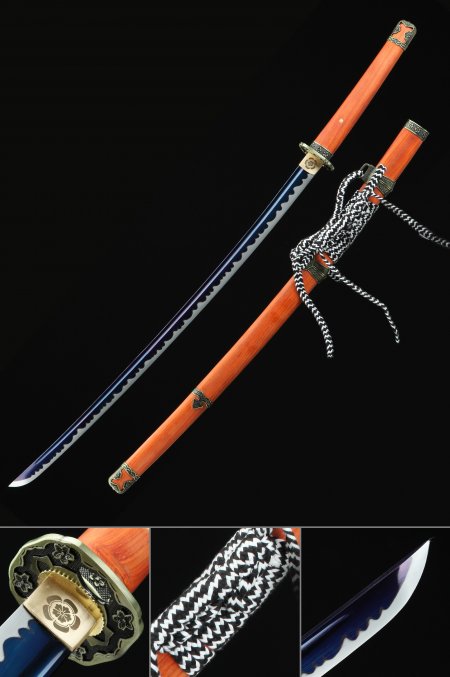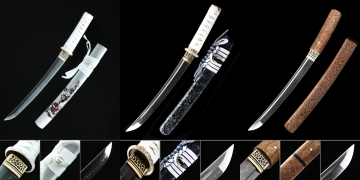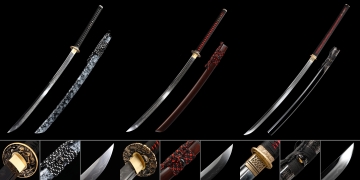
Real Hamon Tachi Swords

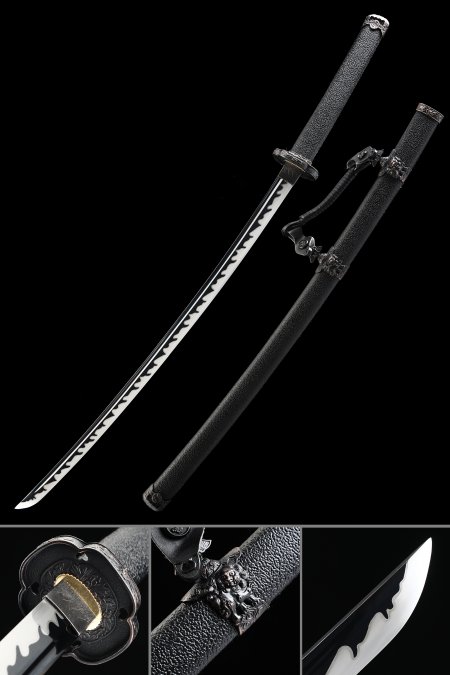
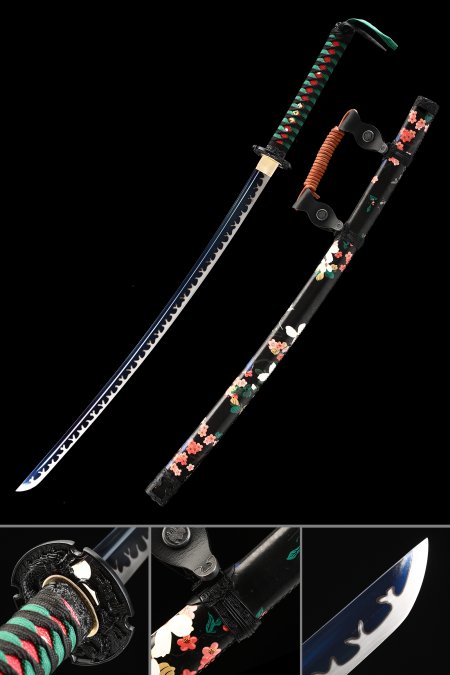
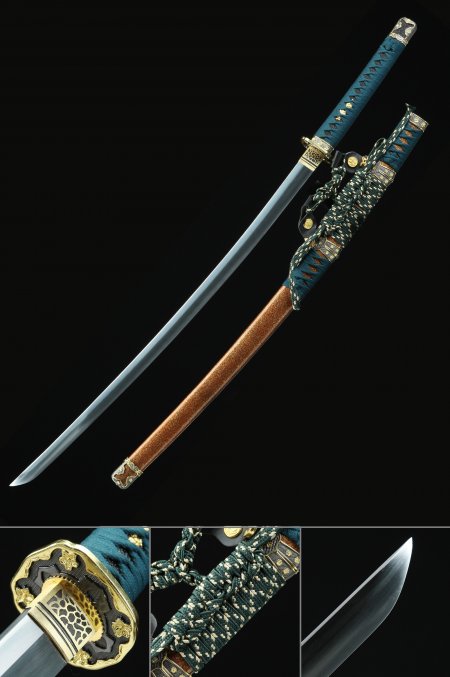
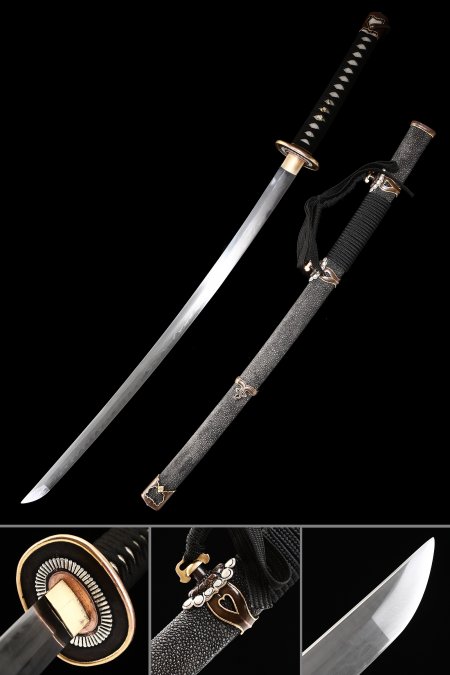
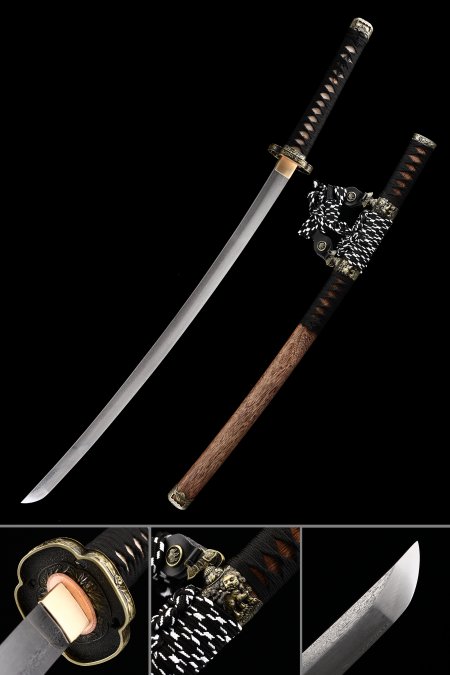
A genuine hamon is the hallmark of authentic Japanese blade craft - the result of differential clay tempering that produces a distinct crystalline boundary along the edge. Every tachi and odachi in this collection features a real, visible hamon formed through traditional heat treatment, not etched or painted onto the steel. Materials range from high-carbon T10 and 1095 to layered Damascus, each hand-forged and finished with period-accurate fittings: rayskin saya, copper or gold alloy tsuba, and hand-wrapped ito. Enjoy free shipping and hassle-free returns on every order.
Showing 32 Products

Related Collections

Real Katana Sword112 items


271 Reviews

Hamon Katana121 items


1001 Reviews

White Sageo Tachi Swords11 items


26 Reviews

Frequently Asked Questions

What exactly makes a hamon "real" vs. an etched one?
A real hamon is a structural feature created during the heat-treatment process, not applied to the surface afterward. The smith coats the blade's spine in clay before quenching; the uncoated edge cools rapidly and hardens into martensite, while the clay-protected spine stays softer and tougher. The visible boundary - the hamon - is where these two metallurgical zones meet. Under good light, a real hamon shows nie (tiny reflective crystals) and nioi (a misty, cloud-like glow) that shift as the blade angle changes. An etched or acid-drawn hamon, by contrast, is a uniform line cut chemically into the steel's surface - it looks flat, lacks crystal activity, and does not change appearance under different lighting. On any blade in this collection, the hamon you see is the direct result of differential clay tempering.
How does T10 steel compare to Damascus for a hamon tachi?
T10 and Damascus steel produce very different hamon characters, and the choice comes down to what a collector values visually and materially. T10 is a high-carbon tool steel with a small tungsten addition that stabilizes fine carbides during quenching. This gives the hamon a crisp, high-contrast appearance with dense nie activity - the temper line tends to look sharp and well-defined against the polished body. Damascus, built from forge-welded layers of alternating steels, produces a hamon that overlaps with the billet's natural grain pattern. The result is more complex and less predictable: the folded layers ripple beneath the temper line, creating depth that makes each blade unique. Neither is superior - T10 rewards collectors who appreciate metallurgical clarity, while Damascus appeals to those drawn to surface artistry and layered visual texture.
What's the difference between a tachi and an odachi in this collection?
Both tachi and odachi are long-bladed, edge-down worn swords from Japan's classical period, but they differ in scale and historical application. A tachi typically measures between 70-80 cm in blade length and was the standard long sword of mounted samurai from the Heian through Muromachi periods. An odachi (also called nodachi) pushes beyond that - blades of 90 cm or more were produced for specific ceremonial, votive, or battlefield applications, and some examples in this collection reach over 40 inches in blade length alone. From a display perspective, the odachi commands more physical presence and pairs well with a floor stand or wall mount as a room centerpiece. Both formats in this collection share the same clay-tempering process and real hamon construction.
How should I store and maintain a hamon tachi for long-term display?
Proper storage protects both the steel and the fittings. Apply a thin coat of choji oil (or a light mineral oil alternative) to the blade every two to three months, or more frequently in humid climates. Wipe the blade clean with a soft cloth before re-oiling to remove any residue or fingerprints - skin oils accelerate oxidation on high-carbon steel. Store the sword horizontally on a display stand with the edge facing upward, or in its saya (scabbard) in a low-humidity environment away from direct sunlight, which can fade lacquered saya finishes and ito wrapping over time. Avoid storing in sealed leather cases, which trap moisture. For display-only pieces, a wall-mounted rack in a climate-controlled room is ideal. Do not store the blade in its saya for months at a time without periodic inspection, as trapped humidity can cause rust along the hamon line where the steel is most reactive.
Is a real hamon tachi a good centerpiece gift for a Japanese history collector?
A clay-tempered tachi with a visible hamon is one of the more meaningful gifts in this category precisely because it requires explanation - and that explanation is itself part of the gift. Unlike a decorative piece with no technical story, a real hamon blade gives the recipient something to study: the activity along the temper line, the interaction between steel grain and hardening zone, the historical context of the tachi as a pre-katana long sword form worn by mounted samurai. Presentation options in this collection include elaborate lacquered saya in blue, dark red, and gold finishes with coordinated tsuba in copper and bronze - making the aesthetic case as strong as the historical one. For a collector who already owns katana pieces, a full-length tachi or odachi adds a distinct format and period reference that a second katana simply cannot.

Customer Reviews