Silver Saya Ninjato

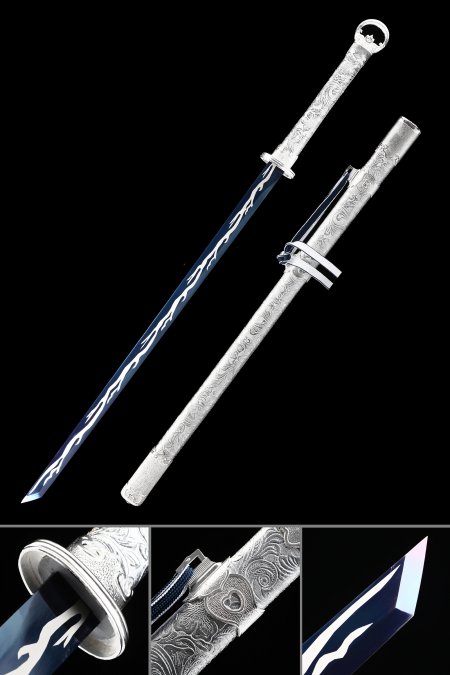
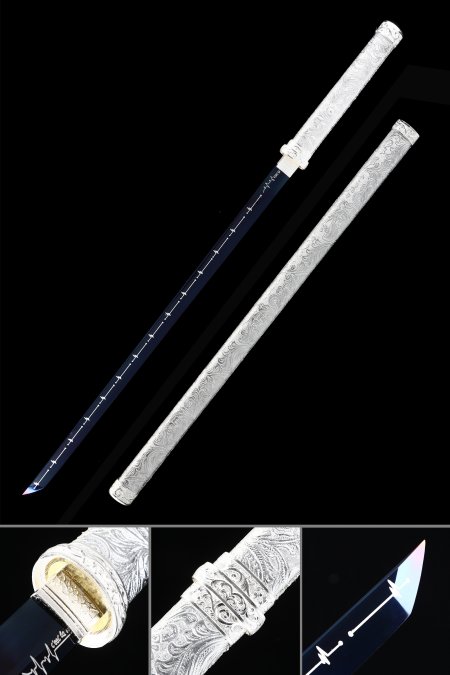
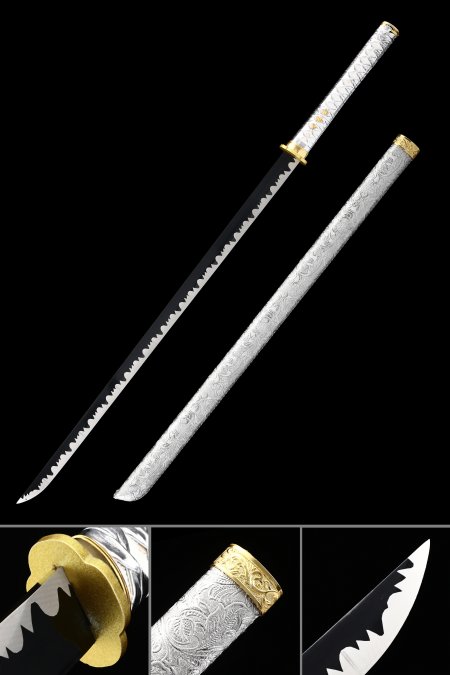
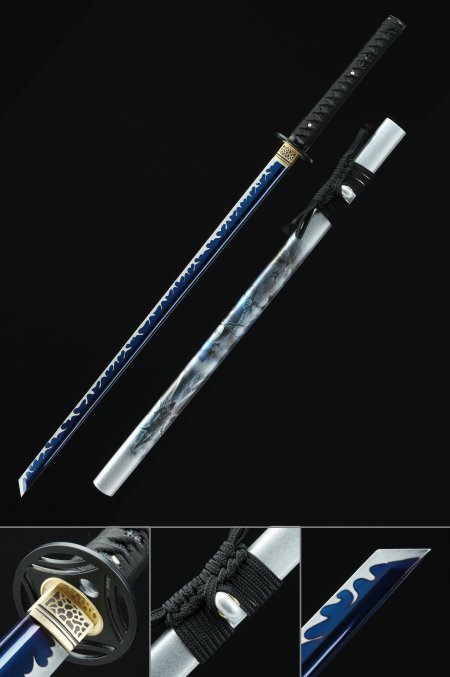
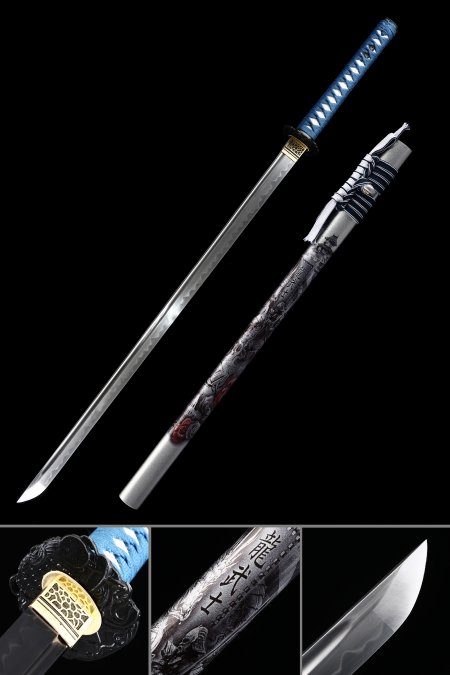
Silver Saya Ninjato swords from TrueKatana combine hand-forged carbon steel blades with elegantly engraved silver scabbards, creating display pieces that appeal to serious collectors and martial arts enthusiasts alike. Each sword is crafted with full-tang construction, authentic hamon lines, and ornate dragon or vine motifs that elevate the saya into genuine decorative art. Enjoy free shipping on your order and hassle-free returns, so you can collect with complete confidence.
Showing 5 Products

Related Collections

Gold Katana17 items


172 Reviews

White Katana56 items


787 Reviews

Purple Katana22 items


99 Reviews

Silver Katana9 items


22 Reviews

Frequently Asked Questions

What makes a ninjato different from a katana?
While the katana is defined by its curved, single-edged blade and traditional tachi-style geometry, the ninjato features a straighter blade profile, shorter overall length, and a more compact, utilitarian silhouette. Historically, the ninjato's squared or rectangular tsuba and plain mountings distinguished it from the ornate fittings of samurai swords. In collectible form, this straight-blade aesthetic creates a strikingly modern visual contrast, especially when paired with a decorative silver saya — making ninjato a popular choice among collectors who appreciate a less conventional Japanese blade form.
What steel types are used in these Silver Saya Ninjato?
This collection features three primary steel types, each with distinct collector appeal. High manganese steel offers excellent toughness and impact resistance, making it ideal for display pieces that may also see occasional test cutting use. 1095 high-carbon steel is a reliable, well-regarded choice with a good balance of hardness and flexibility, holding a fine edge through proper heat treatment. T10 tool steel is the premium option — clay-tempered T10 develops a visible hamon, the temper line formed during differential hardening, which is a hallmark of authentic Japanese-style blade craft and a key detail that serious collectors specifically seek out.
How should I care for the engraved silver saya?
The engraved silver saya requires gentle, consistent care to maintain its decorative detail and finish. Always handle it with clean, dry hands, as natural skin oils can dull and tarnish the silver surface over time. After each handling session, wipe the saya lightly with a soft, lint-free cloth to remove fingerprints and dust from the engraved crevices. Avoid abrasive polishes or harsh chemical cleaners, which can erode fine engraving lines. Store the sword in a low-humidity environment away from direct sunlight, which can fade lacquer accents on the scabbard. A padded sword bag or display case with moisture control is ideal for long-term preservation.
Are these ninjato good choices as collector gifts?
Silver Saya Ninjato make particularly thoughtful gifts for collectors who appreciate both Japanese blade tradition and decorative craftsmanship. The combination of a hand-forged steel blade, engraved silver scabbard, and detailed fittings — such as dragon motifs or blue ito handle wrap — gives each piece genuine visual storytelling that goes beyond a standard replica. For gift-givers looking to match or complement a ninjato with related pieces, our Silver Sageo Ninjato collection offers coordinated cord and scabbard styling, while the Kodachi Sword collection provides a shorter companion-blade option that pairs beautifully on a dual display stand.
Does the blade require oiling for long-term display?
Yes, even swords kept exclusively on display benefit from periodic blade maintenance. Carbon steel — including 1095 and T10 — is reactive to ambient humidity and can develop light surface oxidation if left untreated. Applying a thin coat of choji oil or food-grade mineral oil every two to three months creates a protective barrier against moisture. Use a clean, soft cloth or a dedicated uchiko ball to apply the oil evenly across the blade surface, then wipe away any excess to avoid pooling near the habaki or handle collar. In coastal or high-humidity environments, more frequent oiling may be warranted to keep the blade surface pristine.

Customer Reviews

Cart 0 Items

Your cart is empty