FAST SHIP
18 Reviews
ON SALE 20% OFF
$219.00$269.00

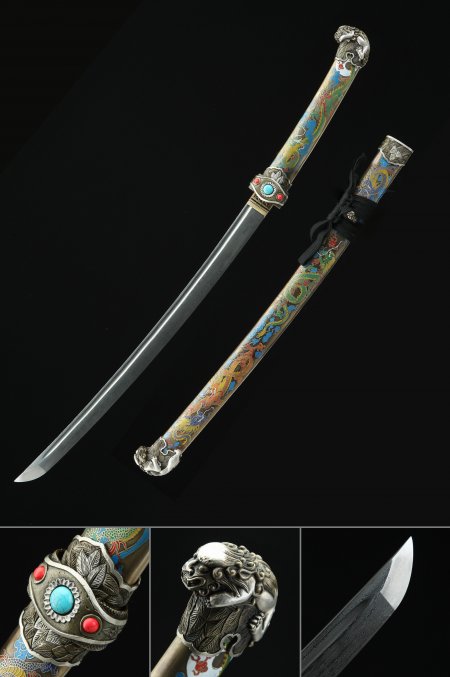
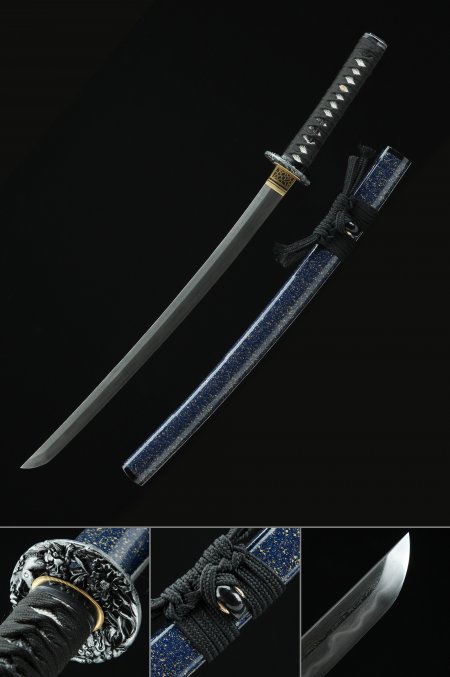
A silver tsuba wakizashi bridges centuries of Japanese sword-making tradition with the refined elegance of ornamental metalwork. Each piece in this collection features a distinctive silver-toned guard - a detail that elevates the overall aesthetic while complementing hand-forged blades in T10, Damascus, or high-carbon steel. Crafted for collectors and display enthusiasts who demand authentic construction over mass-produced replicas. Enjoy free shipping on your order, along with our straightforward return policy for a confident buying experience.
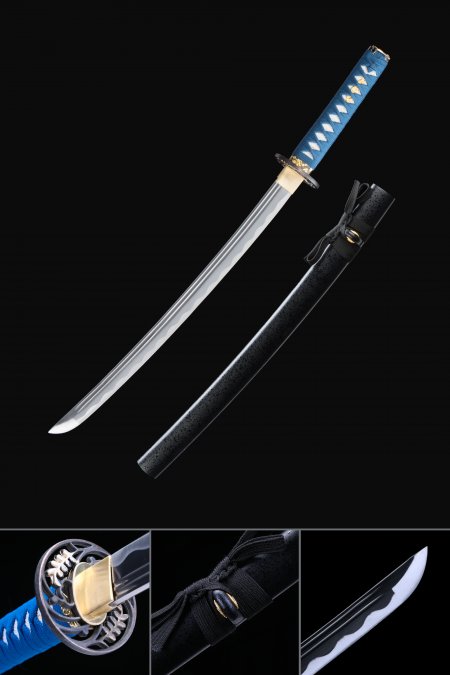
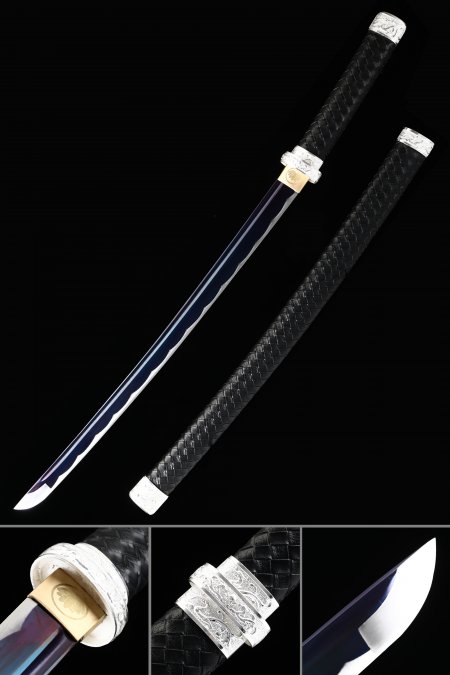
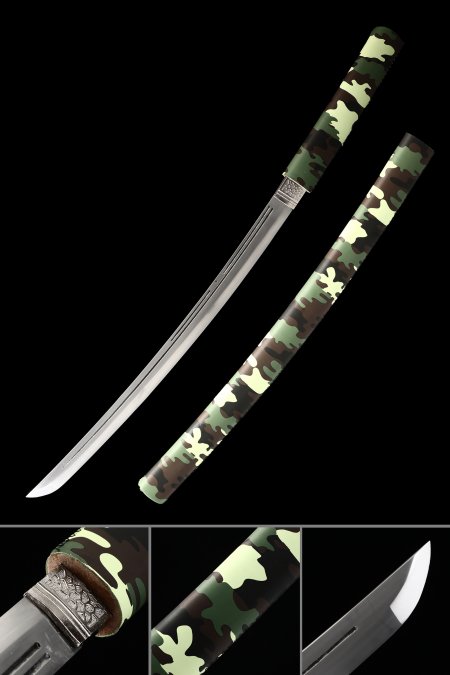
My Sword came fast and it's a nice looking sword. I might buy more in the future. Thank you TrueKatana
 |
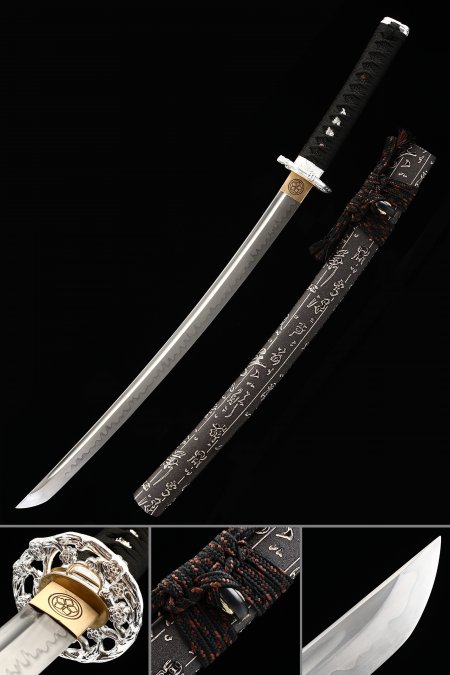
T10 Clay Tempered Wakizashi with Real Hamon and Silver Floral Tsuba in Kanji Engraved Black Saya |
I love what I ordered, very good craftsmanship. Very good shipping.
|
T10 Clay Tempered Wakizashi with Real Hamon and Silver Floral Tsuba in Kanji Engraved Black Saya |
Great quality and craftsmanship! Will definitely purchase additional items in the future.
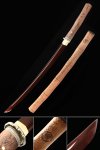 |
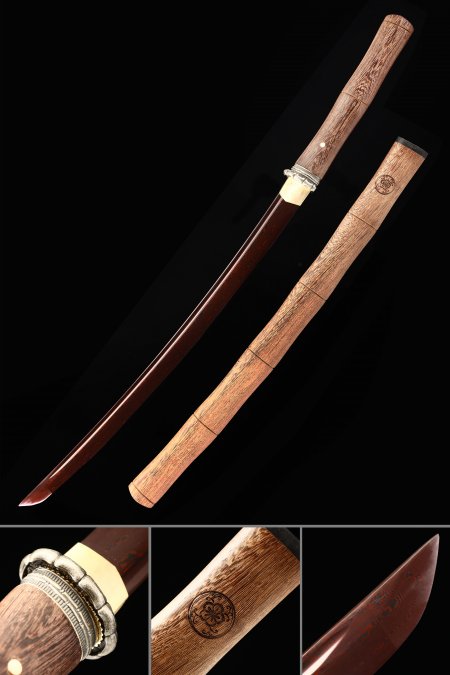
Pattern Steel Wakizashi with Red Blade and Natural Wenge Wood Saya - Full Tang Japanese Short Sword |
I am a practitioner of Iaido. This is normally done with a sword that is blunt. I did want something with a live edge. I am happy with the quality of the build. I purchased these two items and I actually had the smaller one customized to match the bigger one. I appreciate their communication and it was easy to have the discussion about what needed to be done. I was constantly updated and in contact with them. They were pleasant in their conversation, everything happened at an expedient and I am happy to say that I am pleased with my purchase.
|
T10 Clay Tempered Wakizashi with Real Hamon and Silver Floral Tsuba in Kanji Engraved Black Saya |
I love my new katana such amazing contrast to blade and color. I can feel the weight of the katana.
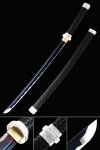 |
Manganese Steel Wakizashi with Rainbow Blue Blade in Black Leather-Wrapped Saya with Silver Alloy Fittings |
This is the wakizashi to pair with the brown katana. Both are amazing! Beautiful hamon on a T10 blade with that gorgeous leather wrapped saya.
|
T10 Clay Tempered Wakizashi with Real Hamon and Silver Floral Tsuba in Kanji Engraved Black Saya |
My wakizashi was exactly what I ordered and expected, and arrived in good condition and in a timely manner. Thank you for that. My only complaint is that a left-handed saya does not appear to be available. One added note is that I very much enjoyed the enclosed instruction and warnings sheet. I realize that those "Do Not . . ." are probably based on some person actually acting that stupid, and are therefore needed for liability purposes; but wow, some are rather unbelievable!
Thank you; I'll be ordering a tanto in the future.
|
T10 Clay Tempered Wakizashi with Real Hamon and Silver Floral Tsuba in Kanji Engraved Black Saya |
Great sword as far as an amateur sword weeb like me can tell! Solid and tight fit on the sheath and the blade has a beautiful red black Damascus pattern.
|
Pattern Steel Wakizashi with Red Blade and Natural Wenge Wood Saya - Full Tang Japanese Short Sword |