ON SALE 30% OFF
$129.00$189.00

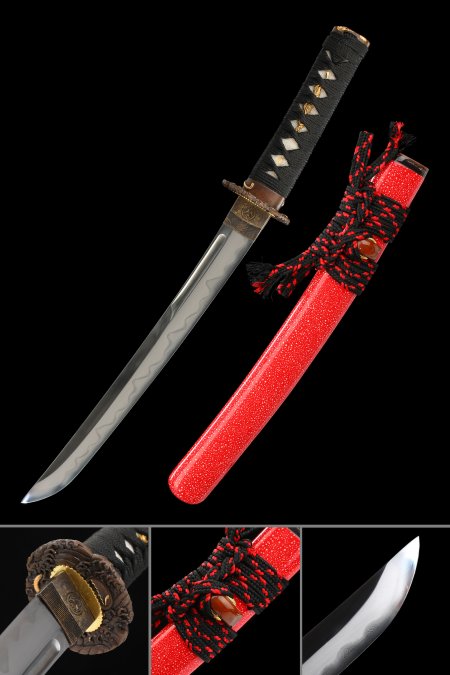
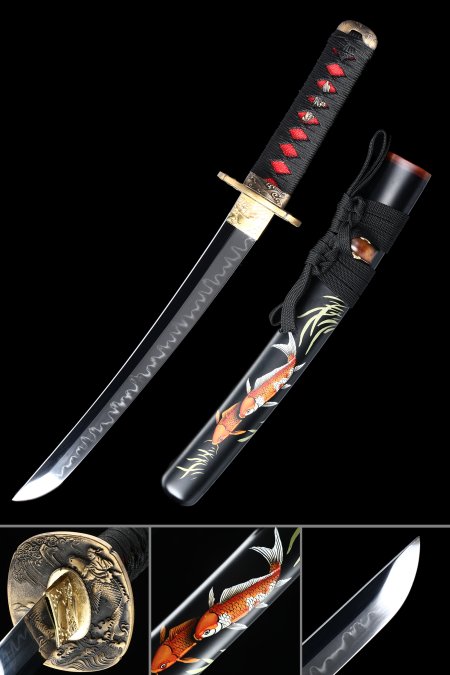
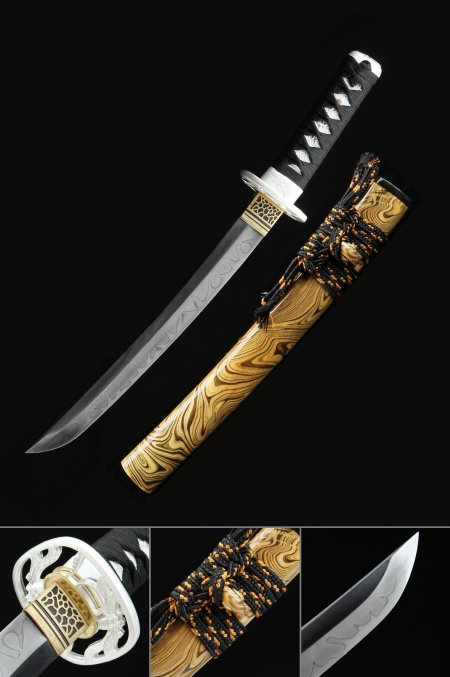
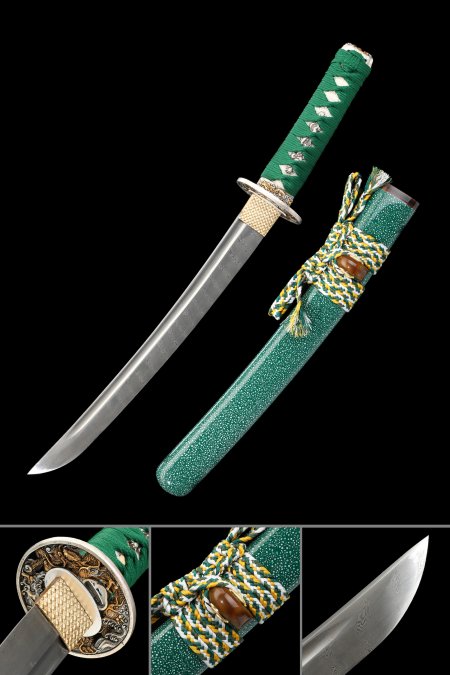
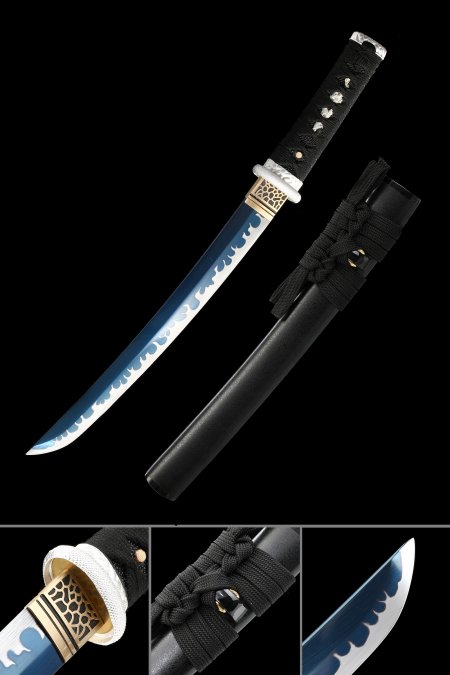
Wave Blade Tanto brings together the distinctive undulating geometry of traditional Japanese blade smithing with premium materials — hand-forged T10 carbon steel, Damascus layered patterns, and clay-tempered edges that reveal authentic hamon along every curve. Each piece is finished with hand-lacquered saya, rayskin wrapping, and ornate tsuba chosen to complement the blade's character. Free standard shipping is included on every order, along with a straightforward return policy so you can collect with confidence.
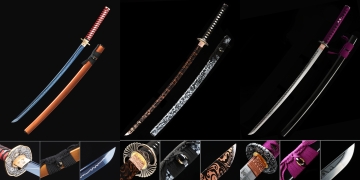
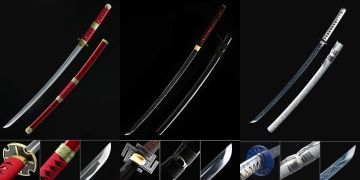
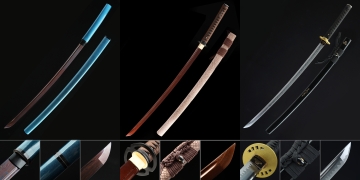
True Katana never ceases to amaze me with the quality each blade I purchase, I can’t wait to purchase more!
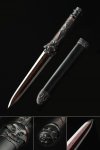 |
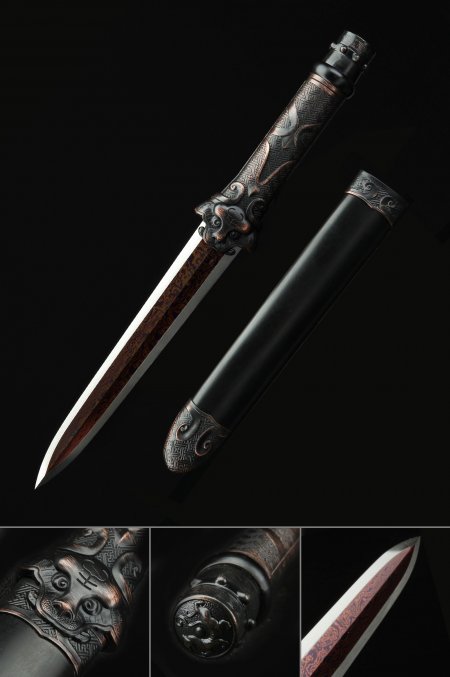
Double Edge Tanto in Folded Red Pattern Steel with Bronze Beast Guard and Ebony Saya |
Never received it!r
The Item was seized by the toll control in my country...r
But i know the quality from your company is always amazing!!! Its unfortunate for me, then i have to pay additional charges...
|
Double Edge Tanto in Folded Red Pattern Steel with Bronze Beast Guard and Ebony Saya |
Nice peace of art!r
We only missed some mailing and shipping info.r
From the moment we ordered we only got a mail that is was ordered.......r
r
One day it was delivered......we could not Track our order and for spending that kind of money it would be nice to be informed about the status of our order a bit more!
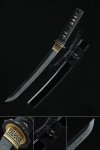 |
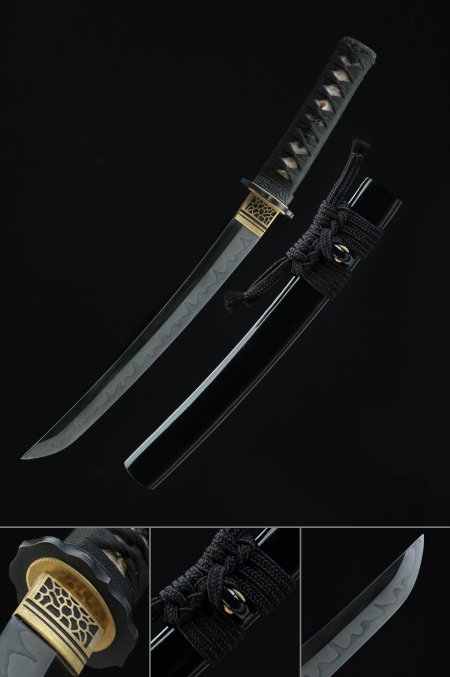
T10 Steel Clay-Tempered Tanto with Real Hamon in Black Piano Lacquer Saya - Folded Japanese Short Sword |
Great quality. Will look into getting a stand. I assumed the katanas would be sharpenable and not for display only.
|
Double Edge Tanto in Folded Red Pattern Steel with Bronze Beast Guard and Ebony Saya |
Quality is great. I purchased to be a prop for my surrealistic art. So much better than to just use as a prop!
|
Double Edge Tanto in Folded Red Pattern Steel with Bronze Beast Guard and Ebony Saya |
This Saya is flawless and beautiful. The blade is light and elegant and the pattern steel is stunning to look at everything is tight and flush and the cord on the Saya is two tone of a thick high quality, there is a slight difference in the grinds on the blade, but this is definitely one of my favorites.
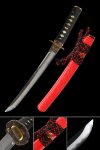 |
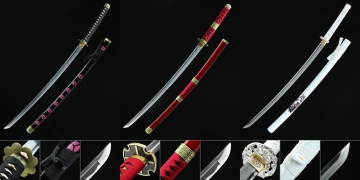
Damascus Steel Tanto with Red Rayskin Saya - Bronze Tsuba, Black-Red Sageo, Wave Hamon Blade |
Excellent little weapon. Well crafted, everything is tight and fits well. Very light weight for the quality. No rattling in the Saya. The blade is very sharp. This is exactly what I wanted in a tanto. Way to go!
|
Damascus Steel Tanto with Red Rayskin Saya - Bronze Tsuba, Black-Red Sageo, Wave Hamon Blade |
Great looking and well constructed keep up the great workmanship
|
Double Edge Tanto in Folded Red Pattern Steel with Bronze Beast Guard and Ebony Saya |