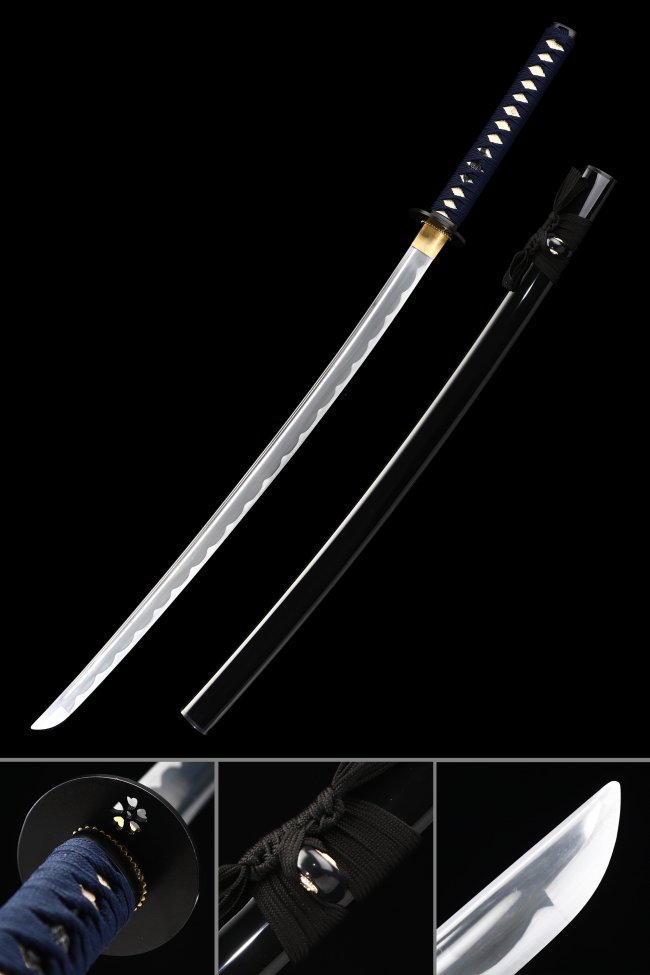
Aluminum Katana
Browse our collection of 7 unsharpened aluminum katana swords — full-size, full-metal replicas with intentionally dull blades. Made from aircraft-grade aluminum with iron tsuba, ray skin handles, and traditional fittings, these swords look and feel like a real katana without the safety concerns of a sharpened edge. Ideal for martial arts practice, cosplay, stage performance, home display, and as gifts for enthusiasts of all ages. Every unsharpened katana ships free to the US with a 30-day satisfaction guarantee.
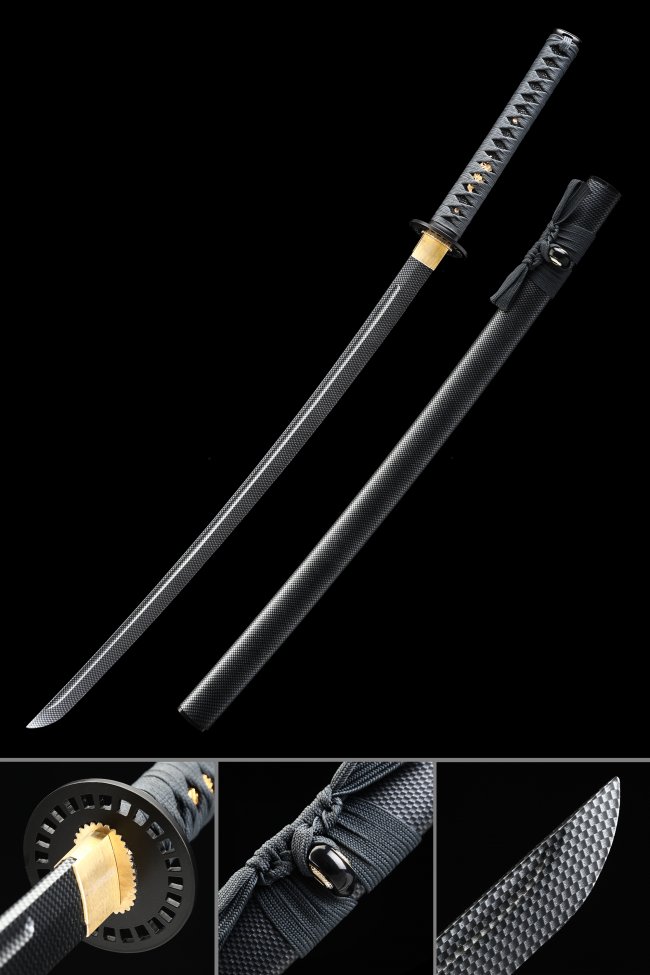
Gray Blade Aluminum Practice Katana - Unsharpened 41-inch, Iron Tsuba, Ray-skin Handle, Cosplay
10 Reviews
ON SALE 15% OFF
$139.00
$169.00
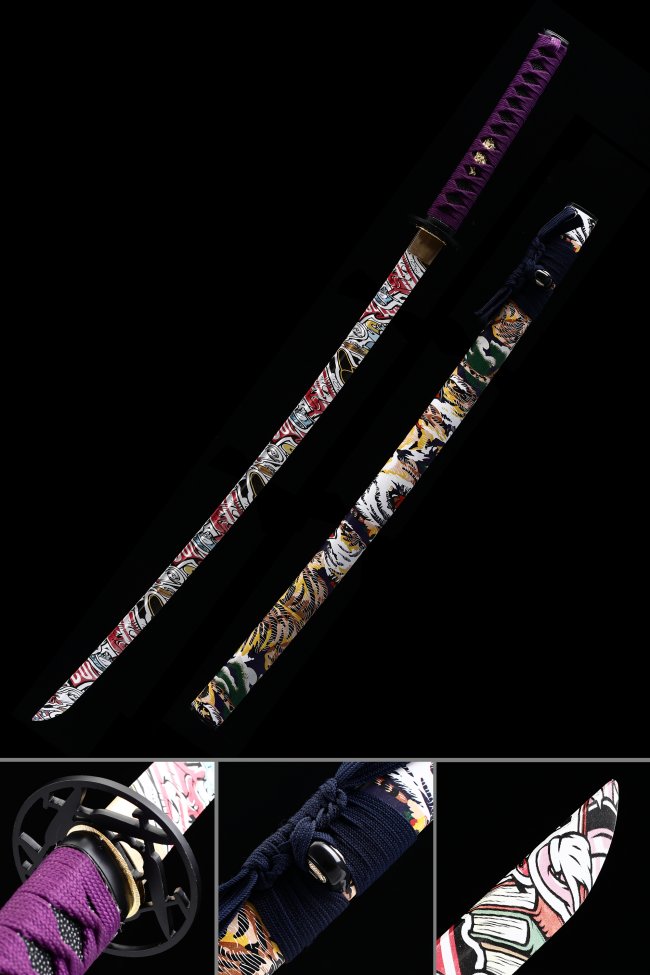
Multi-color Aluminum Practice Katana - Unsharpened 41-inch, Purple Handle, Cosplay Prop
6 Reviews
ON SALE 15% OFF
$139.00
$159.00
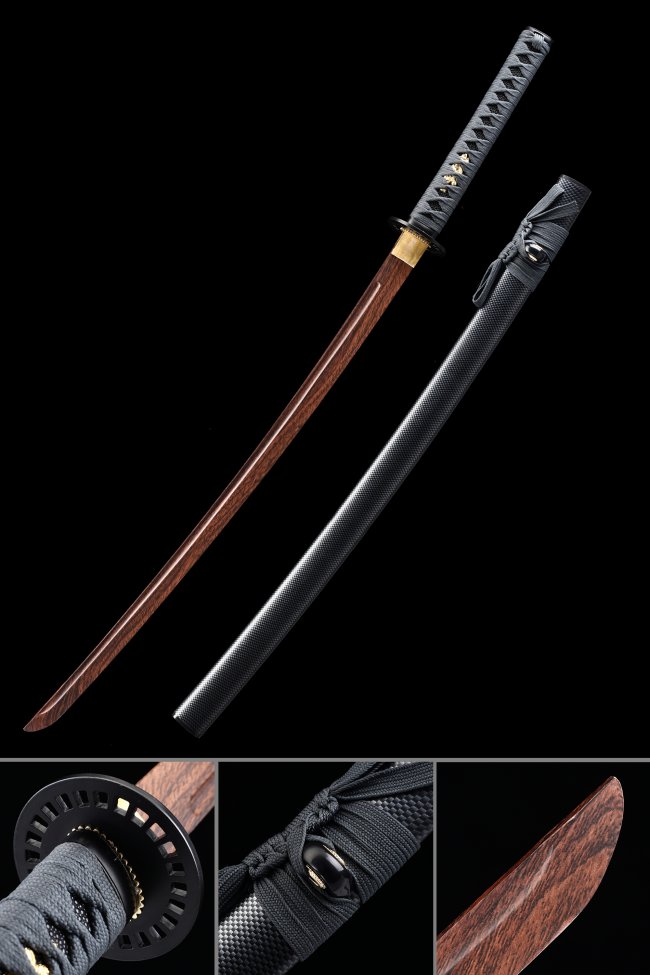
Brown Blade Aluminum Iaito Practice Katana - Unsharpened 41-inch, Iron Tsuba, Training Sword
2 Reviews
ON SALE 15% OFF
$139.00
$169.00
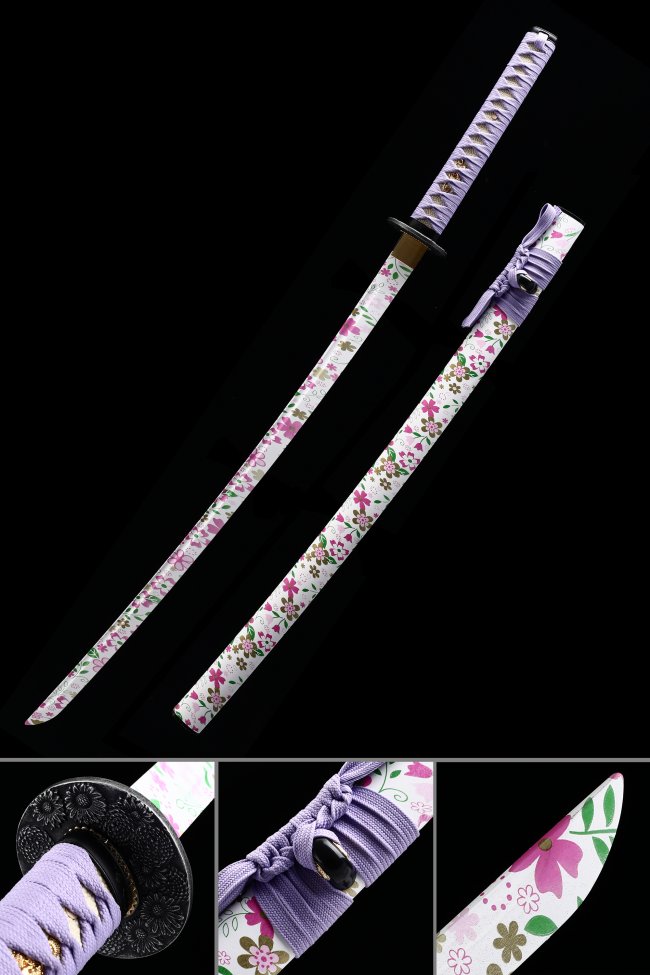
Flower Blade Aluminum Practice Katana - Unsharpened 41-inch, Flower Tsuba, Purple Handle, Cosplay
1 Reviews
ON SALE 15% OFF
$139.00
$159.00
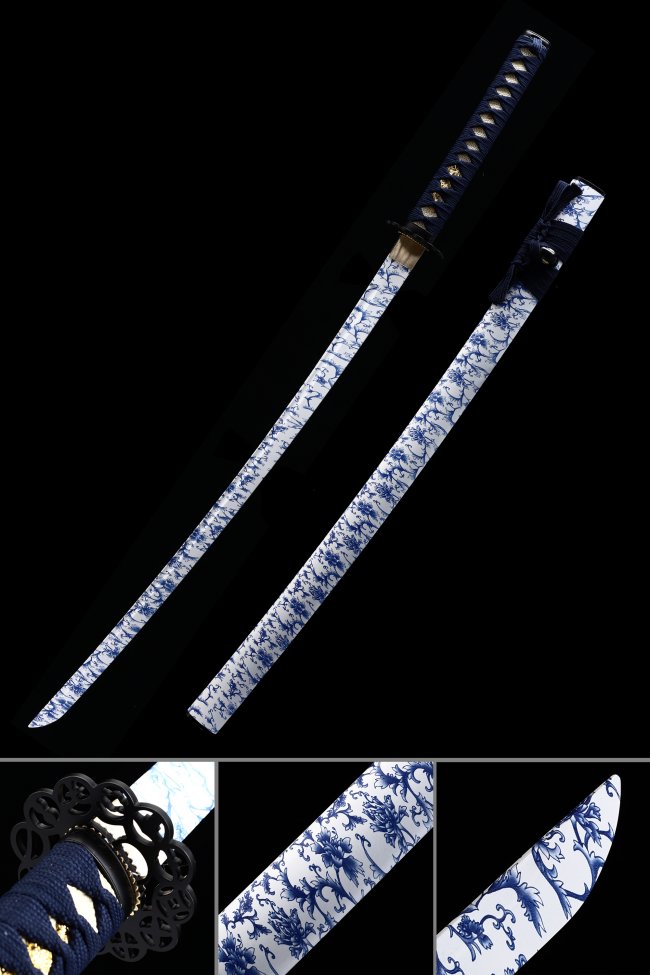
Marble Blade Aluminum Practice Katana - Unsharpened 41-inch, White Scabbard, Dark Blue Handle, Cosplay
4 Reviews
ON SALE 15% OFF
$139.00
$159.00
Customer Reviews
Love it, Clean and looks as sharp as one could expect. Feels Great !r
r
Dr. Jimmy Steger, Dai Soker
Grand Master/ Fujikan
 Black Aluminum Practice Katana - Unsharpened 41-Inch, Iron Tsuba, Dark Blue Handle, Training Sword
Verified Purchase
Black Aluminum Practice Katana - Unsharpened 41-Inch, Iron Tsuba, Dark Blue Handle, Training Sword
Verified Purchase
Excellent seller and excellent communication. I fully recommended. My students from Kasumi Dojo love aluminium swords Iaitō for training. We order maybe 15pcs. And We still need some pieces again 😅🤣😇 People love it ! Good quality and light weight 🙏🏻😎
Black Aluminum Practice Katana - Unsharpened 41-Inch, Iron Tsuba, Dark Blue Handle, Training Sword
Verified Purchase
Ordered the practice sword and it arrived on time and as described. Very happy with it and am enjoying learning and getting in lots of practice. Would recommend
Black Aluminum Practice Katana - Unsharpened 41-Inch, Iron Tsuba, Dark Blue Handle, Training Sword
Verified Purchase
The unsharpened training Katana was perfect. Exactly as pictured and described. Shipping was fast and easy. Thank you, True Katana.
Black Aluminum Practice Katana - Unsharpened 41-Inch, Iron Tsuba, Dark Blue Handle, Training Sword
Verified Purchase
It’s pretty good to handle with. It’s my first ever katana sword and training with it is pretty good. I love it
Black Aluminum Practice Katana - Unsharpened 41-Inch, Iron Tsuba, Dark Blue Handle, Training Sword
Verified Purchase
We needed a training sword to practice stances, grips and technique, I was skeptical at first but willing to give it a try. The sword does not disappoint at all. The fit and finish are very nice, it looks beautiful and well made.r
I would buy this over any of the other training weapons I have worked with in the past.
Black Aluminum Practice Katana - Unsharpened 41-Inch, Iron Tsuba, Dark Blue Handle, Training Sword
Verified Purchase
The sword design is elegant and using it feels so much better for kenjutsu and iaido training. I was disappointed about the saya being plastic instead of wood, but overall I’m happy with what I got.
Black Aluminum Practice Katana - Unsharpened 41-Inch, Iron Tsuba, Dark Blue Handle, Training Sword
Verified Purchase
Online ordering was simple and user friendly. My sword was packaged with care and S&H was extremely fast with no issues!
Black Aluminum Practice Katana - Unsharpened 41-Inch, Iron Tsuba, Dark Blue Handle, Training Sword
Verified Purchase
Very good, a little loose from the tsuba but easy to fix. Perfect light training sword.
Black Aluminum Practice Katana - Unsharpened 41-Inch, Iron Tsuba, Dark Blue Handle, Training Sword
Verified Purchase
I received my aluminum practice sword in 13 days. Very light and and blunt blade makes the swoosh sound. It is about what I expected.
Black Aluminum Practice Katana - Unsharpened 41-Inch, Iron Tsuba, Dark Blue Handle, Training Sword
Verified Purchase
Just excellent service, communication and delivery!!
Black Aluminum Practice Katana - Unsharpened 41-Inch, Iron Tsuba, Dark Blue Handle, Training Sword
Verified Purchase
I have absolutely LOVED every actual katana I have purchased from you and I love these unsharpened ones too! They're perfect to keep up practice without damaging my kickboxing stand on the off chance I miss. Cool swords! Thank you!
Black Aluminum Practice Katana - Unsharpened 41-Inch, Iron Tsuba, Dark Blue Handle, Training Sword
Verified Purchase
Note: Katana arrived in styrofoam without an outer box and had some smudges on the handle that needed to be cleaned. However, it is great quality, arrived in a timely manner and overall, very happy with my purchase. Received many compliments.
Black Aluminum Practice Katana - Unsharpened 41-Inch, Iron Tsuba, Dark Blue Handle, Training Sword
Verified Purchase
The Good: this iaito has a nice simple aesthetic. The blade and handle are well balanced and it is sufficient for beginner Iaido training.
The Bad: at this price point there are some compromises that have been made that I would like to see changed on a newer model. They are as follows.
1. The plastic saya is disappointing. Plastic shavings get stuck to the blade, there’s a lot of rattle, and even a cheap wooden saya would have been much preferred to plastic.
2. The edge of the iaito is kind of fat. This might be a good thing for beginners worried about stabbing themselves (iaito can still be sharp on the tip, even sharp enough to cut flesh or stab into something) but a thinner and more refined edge would have been better.
3. The handle wrapping is a little loose, but for the price that is expected.
Despite all these negatives the sword definitely allows me to train in a way that’s better than a bokken for Iaido and for that I would recommend it for a tight budget iaidoka looking for their first training iaito.
Black Aluminum Practice Katana - Unsharpened 41-Inch, Iron Tsuba, Dark Blue Handle, Training Sword
Verified Purchase
I really like this particular unsharpened katana. I went the unsharpened route to avoid damaging my kickboxing stand I practice swings with sometimes and am happy with the weight distribution as it's a bit lighter feeling than some of the sharpened katanas I've used in the past. This makes me want another for my other hand which I'll probably get at some point.
Thanks!
P.S. I wish you still had an Amazon store (maybe I'm missing it) so I can add your stuff to my wishlist
Black Aluminum Practice Katana - Unsharpened 41-Inch, Iron Tsuba, Dark Blue Handle, Training Sword
Verified Purchase
Loading more reviews...