FAST SHIP
252 Reviews
Free Shipping
139.00 USD
ON SALE! 15% OFF
Was: $169.00

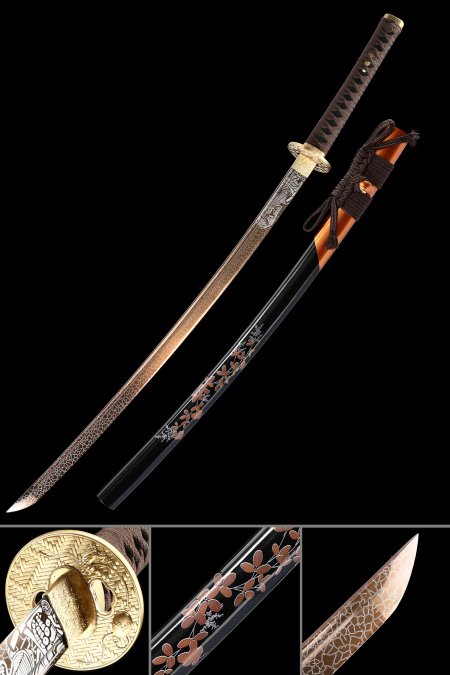
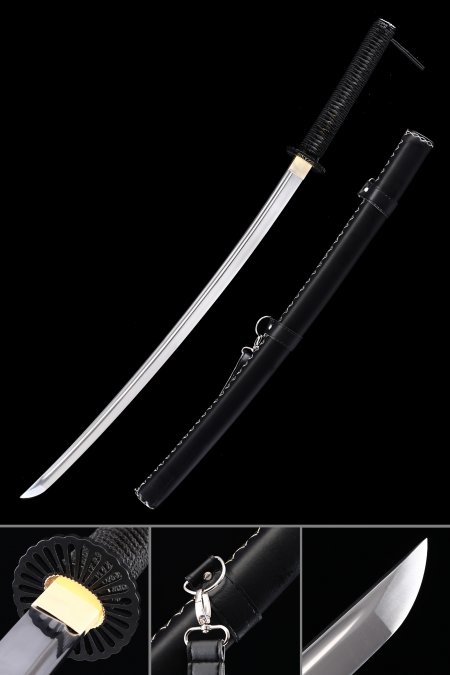
A cheap katana does not have to mean a low-quality katana. At TrueKatana, every affordable blade in this collection is still hand-forged by experienced smiths, fitted with a real full tang, and built from genuine carbon steel rather than stamped stainless. Whether you are buying your very first sword, adding a budget-friendly piece to a growing display, or looking for a reliable trainer for tameshigiri practice, you will find dozens of value options here. Each cheap katana follows the same proportions and balance as a traditional samurai sword, and many models are ideal as a first step into the world of authentic Japanese Sword ownership before moving up to higher-end clay-tempered or folded steel pieces.
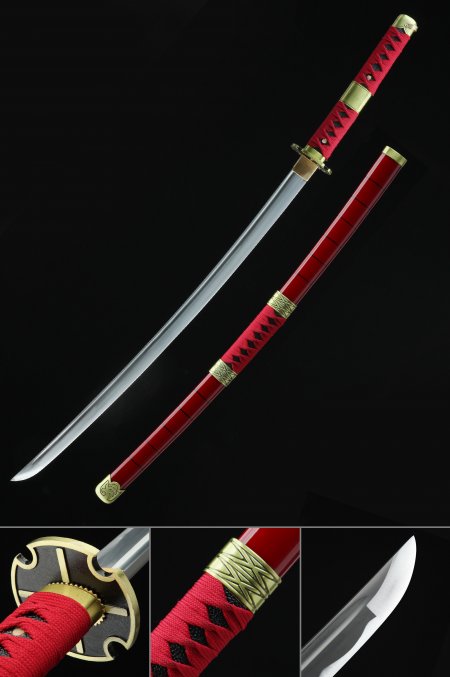
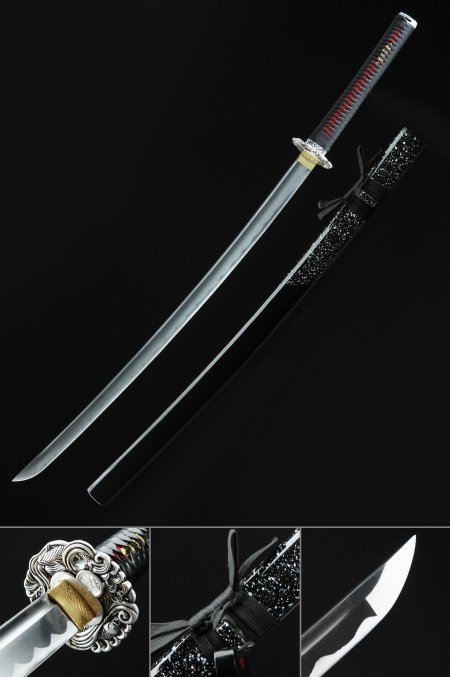
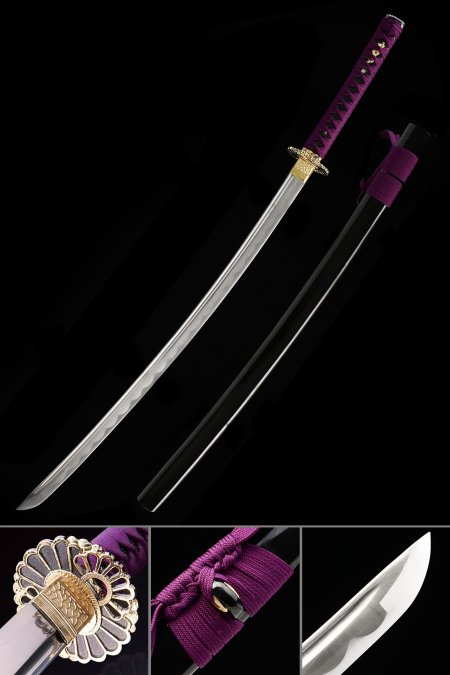
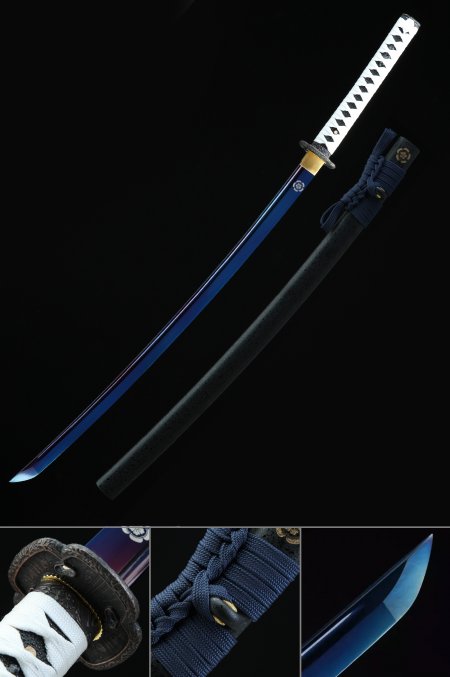
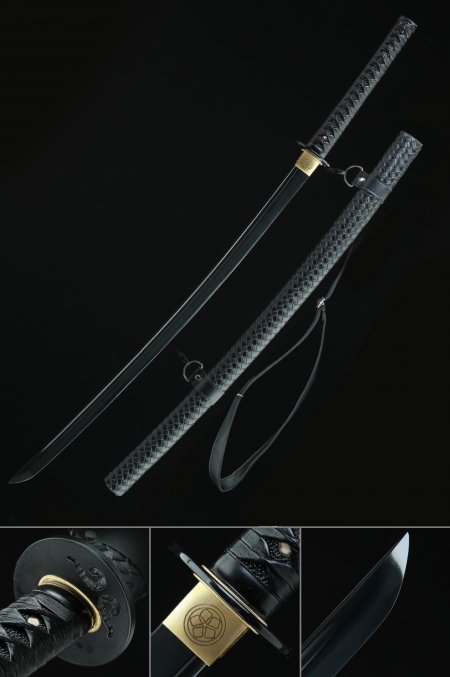
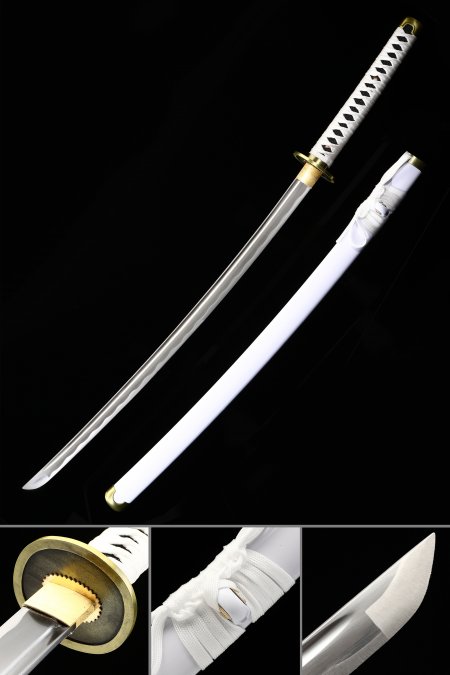
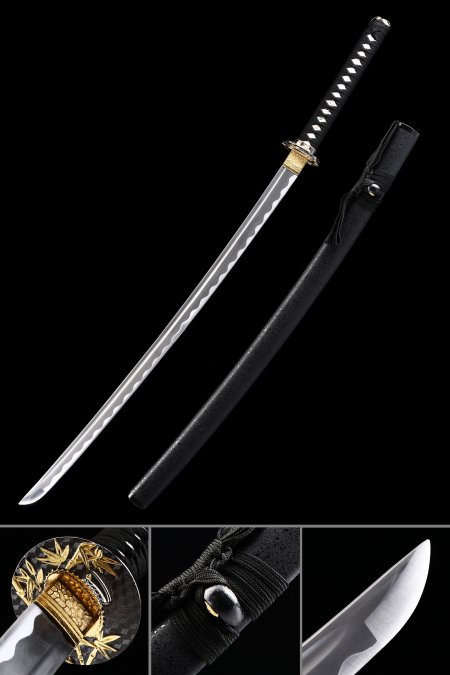
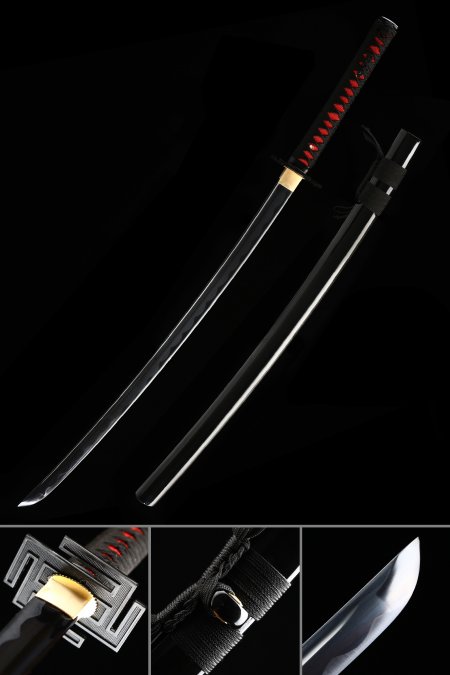
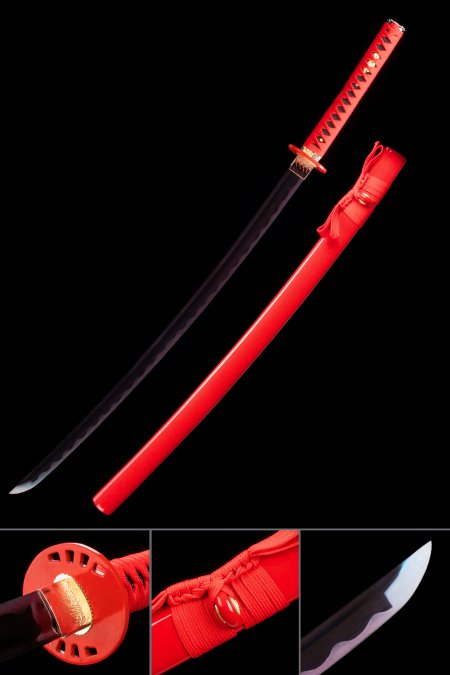
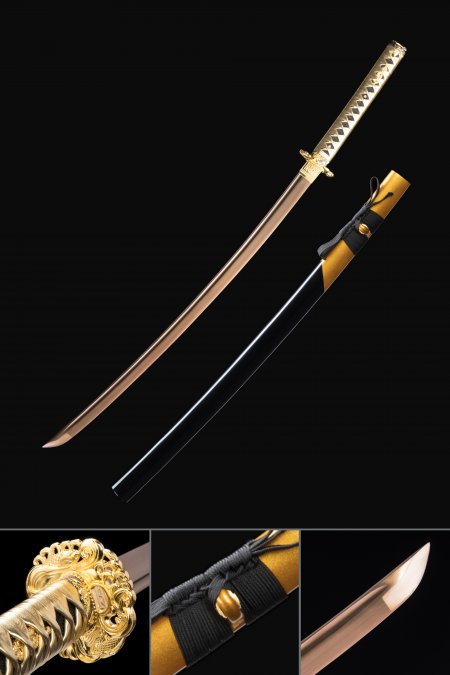
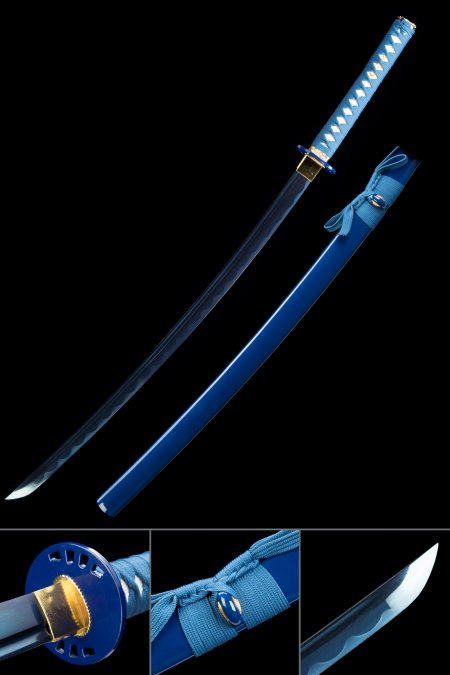

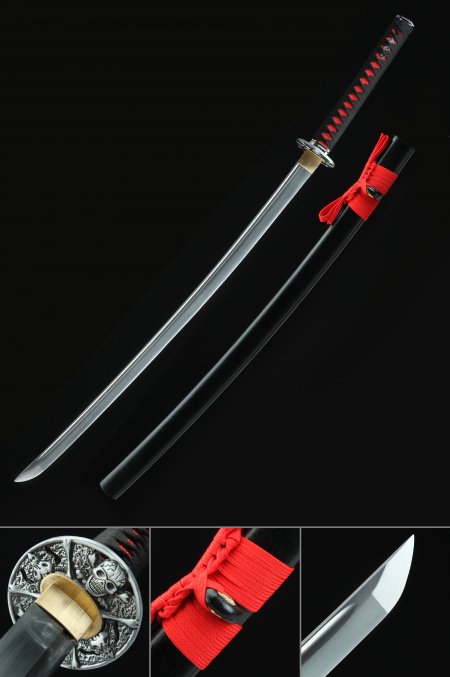
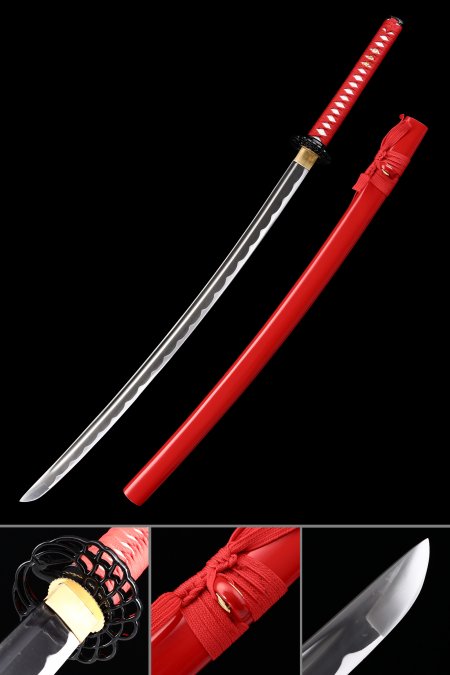
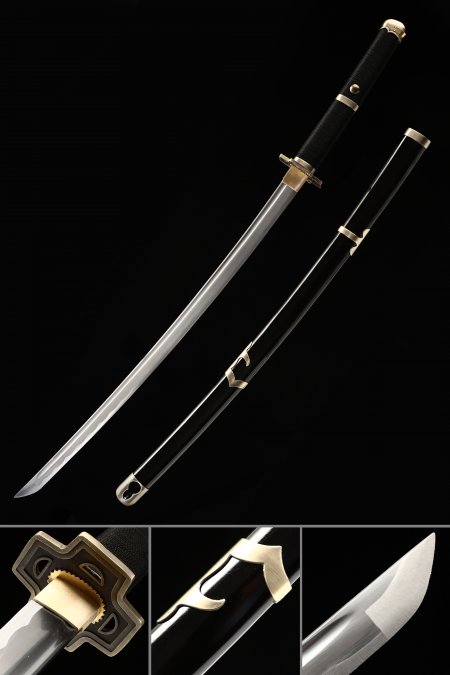
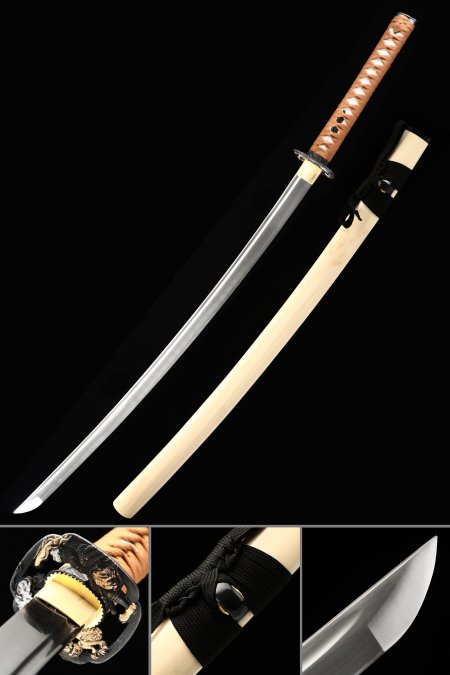
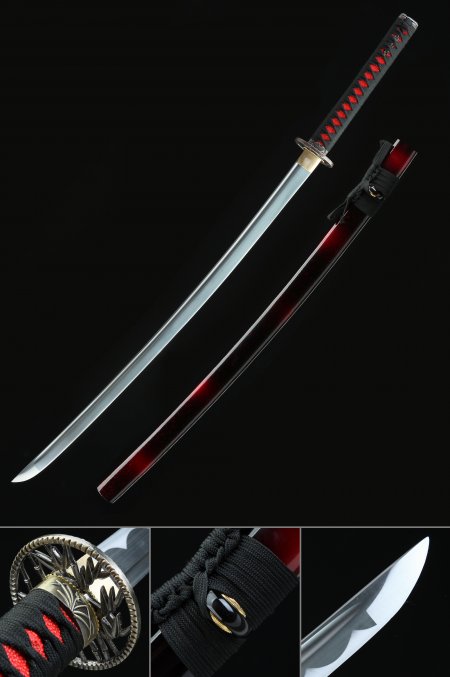
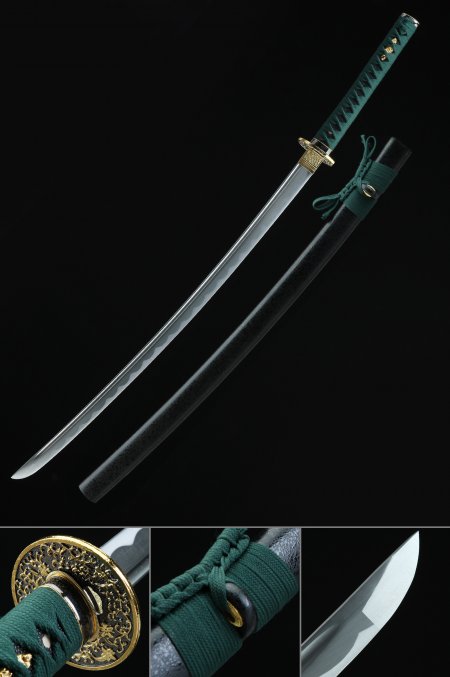
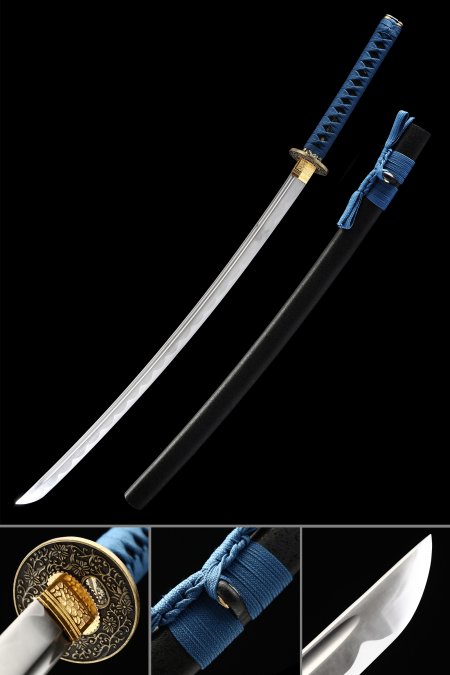
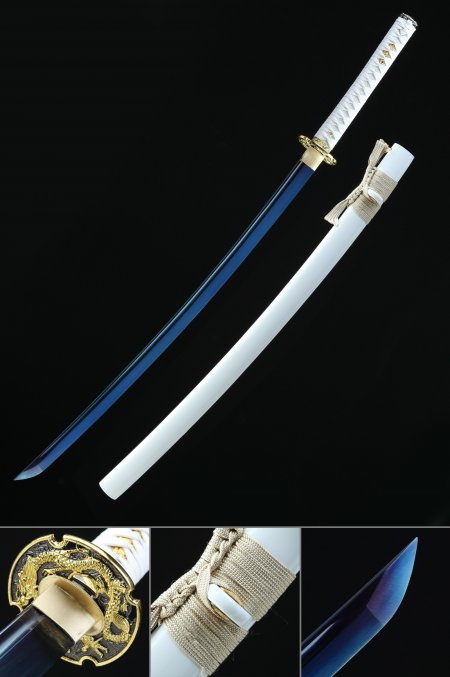
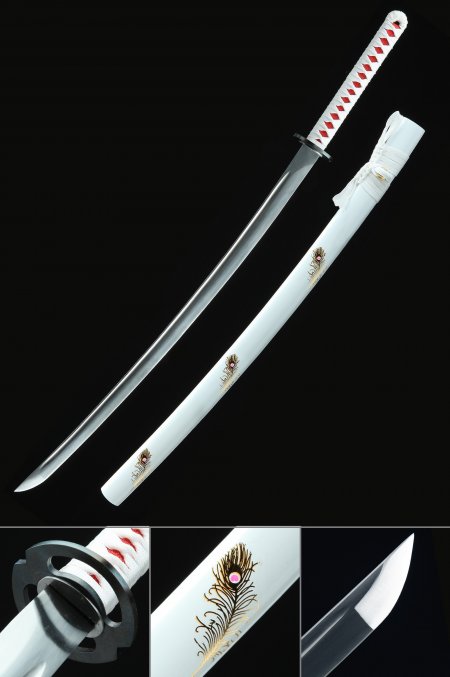
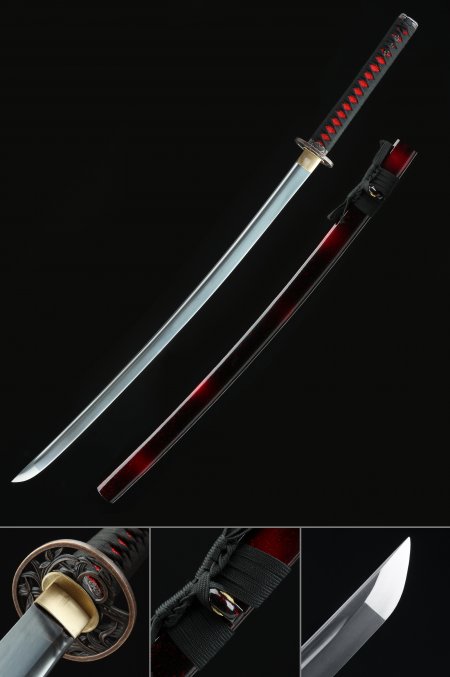
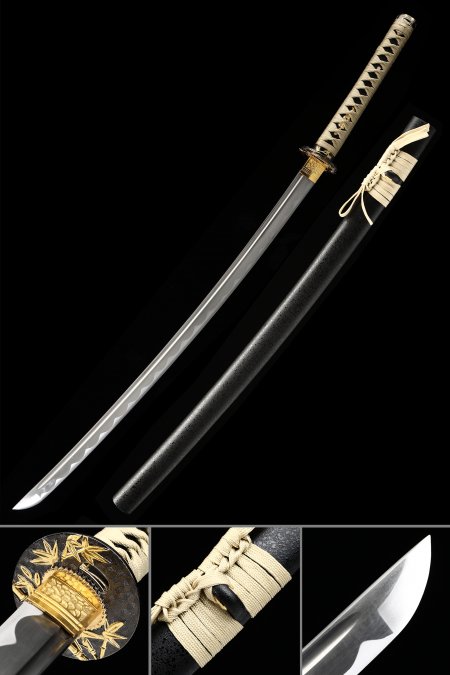
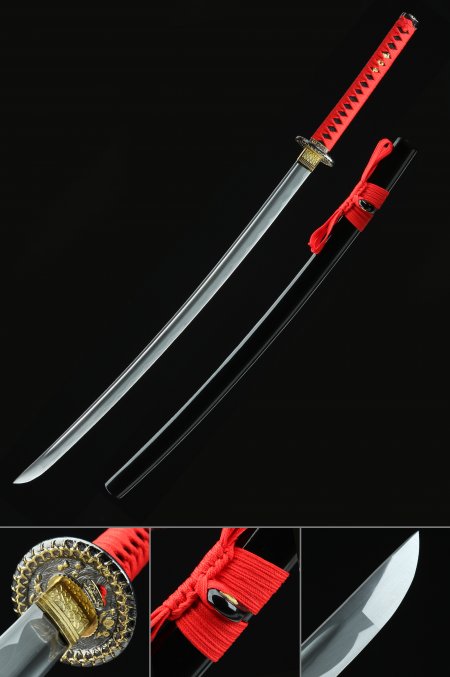
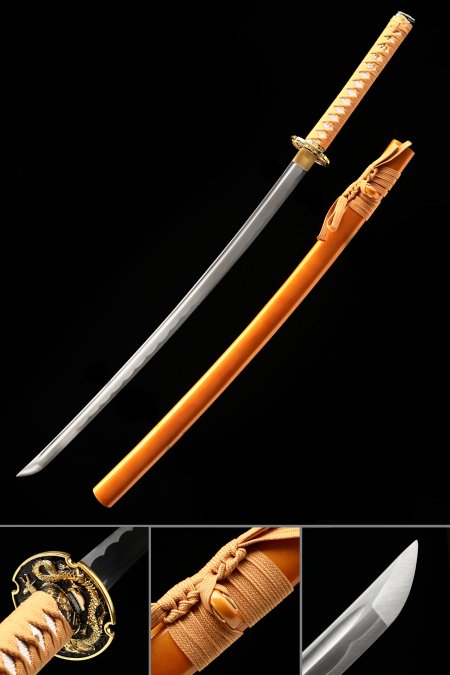
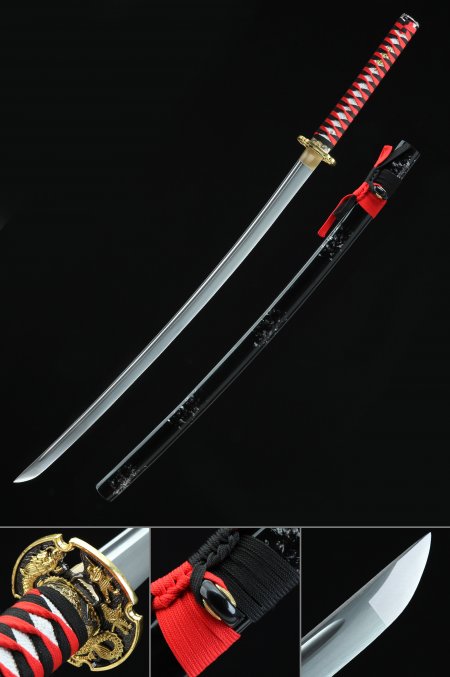
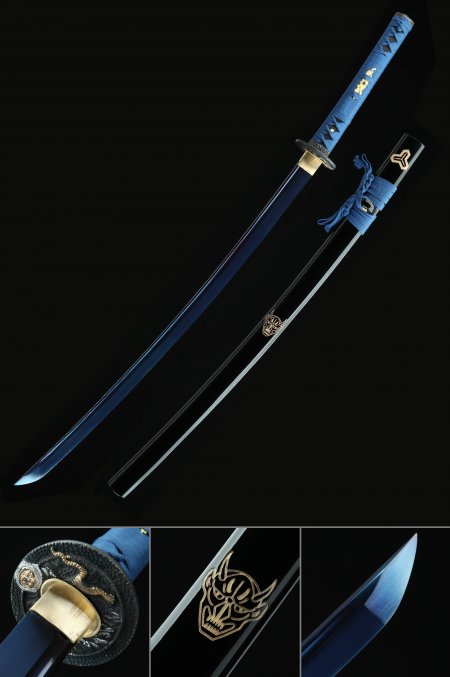
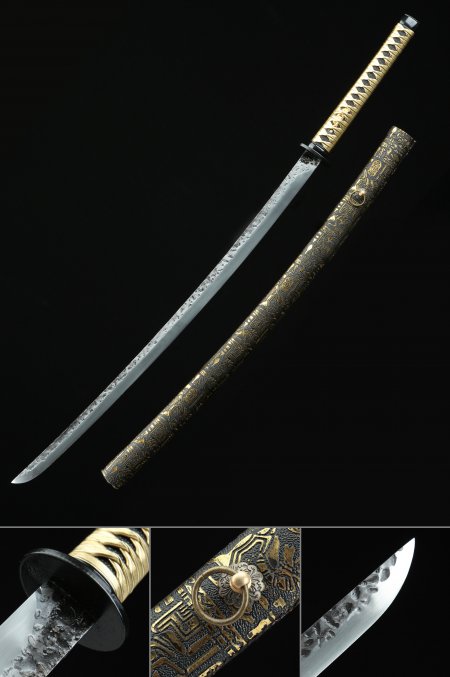
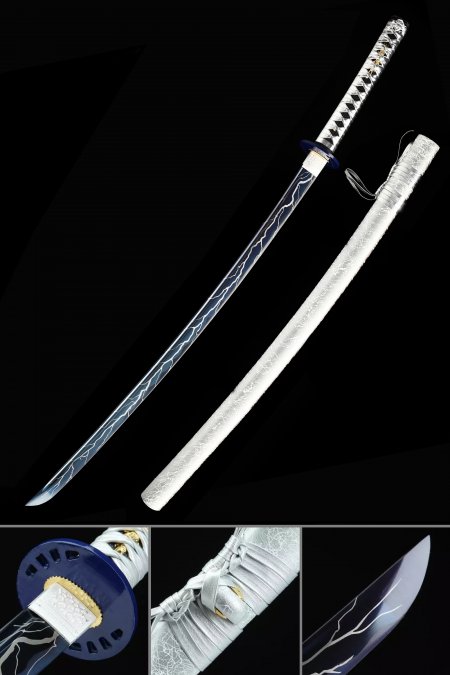
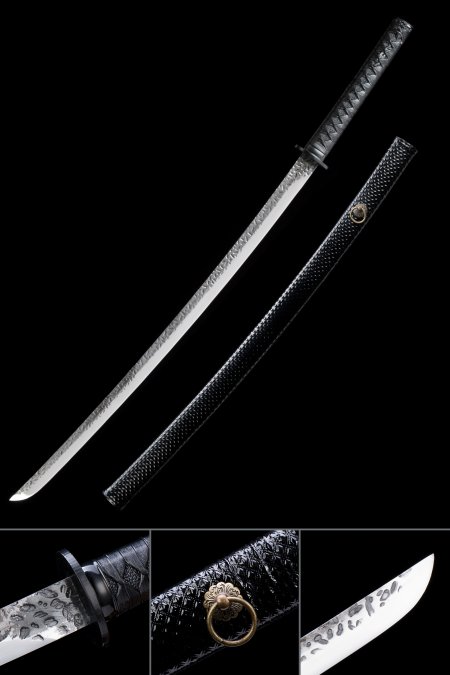
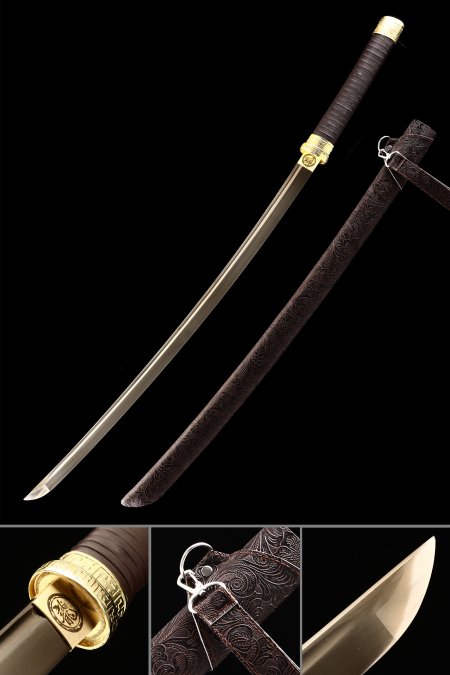
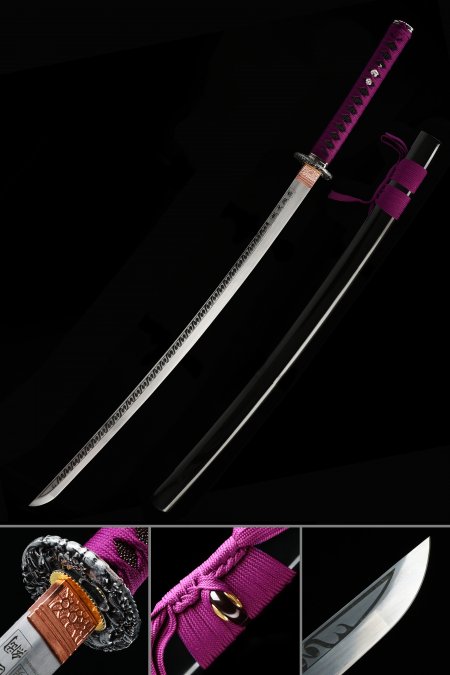
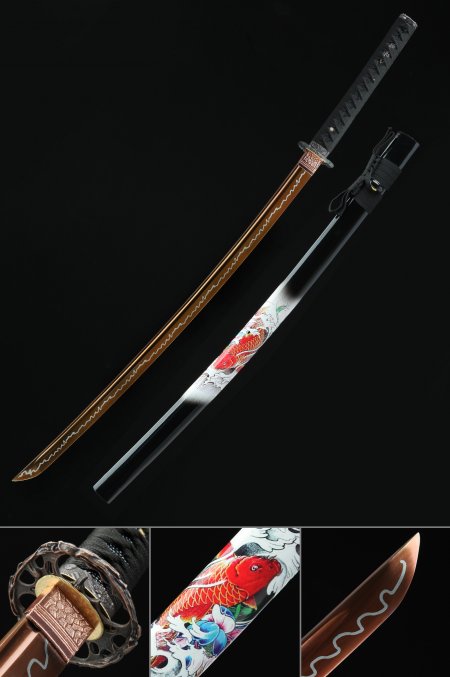
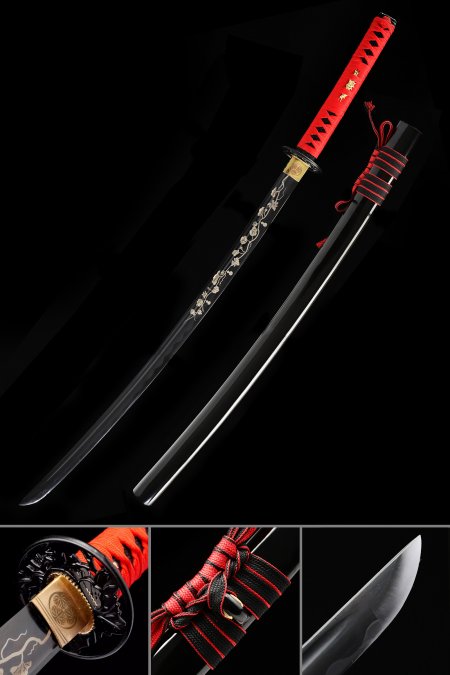
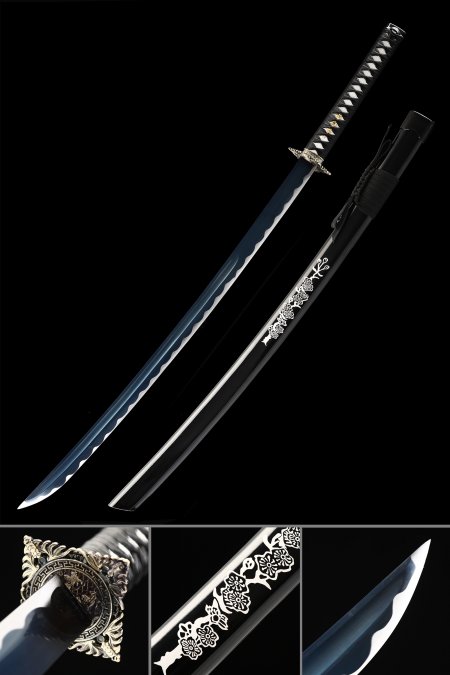
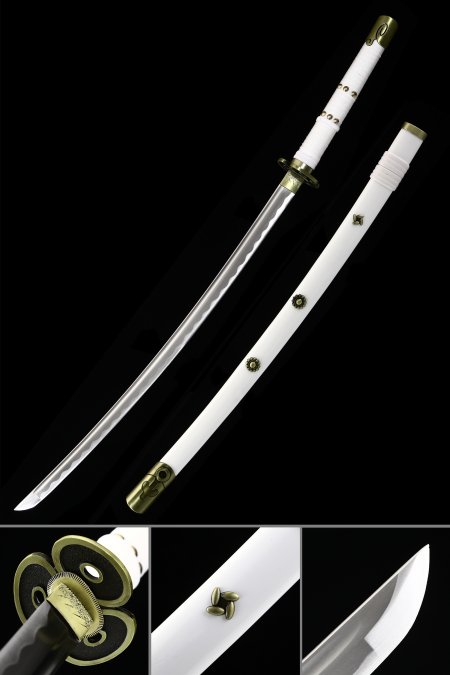
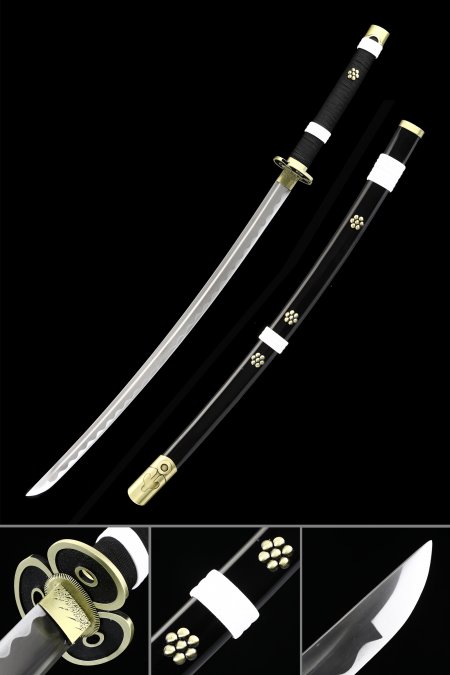
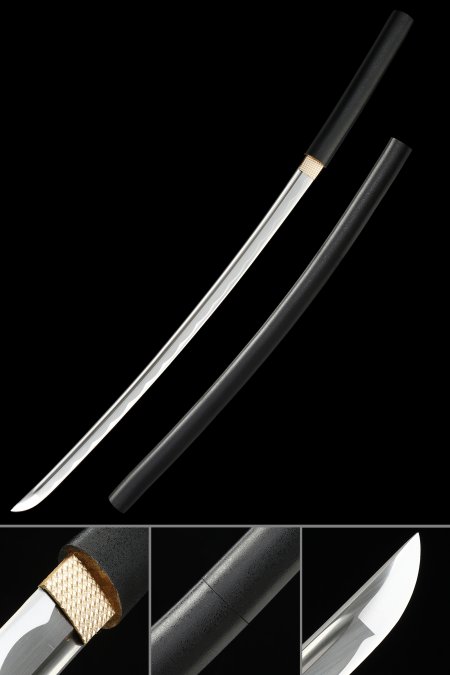
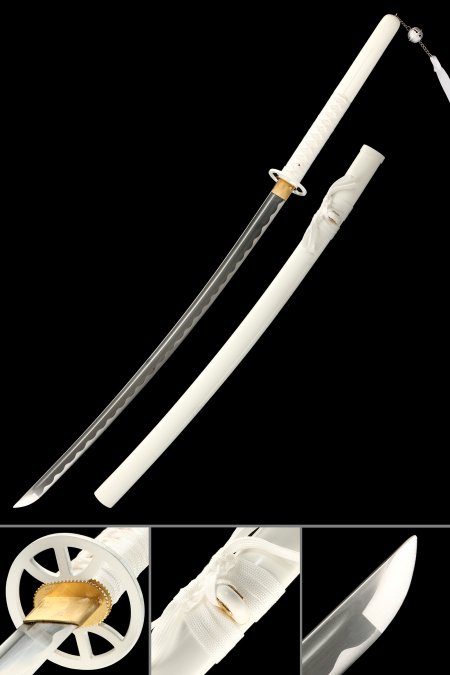
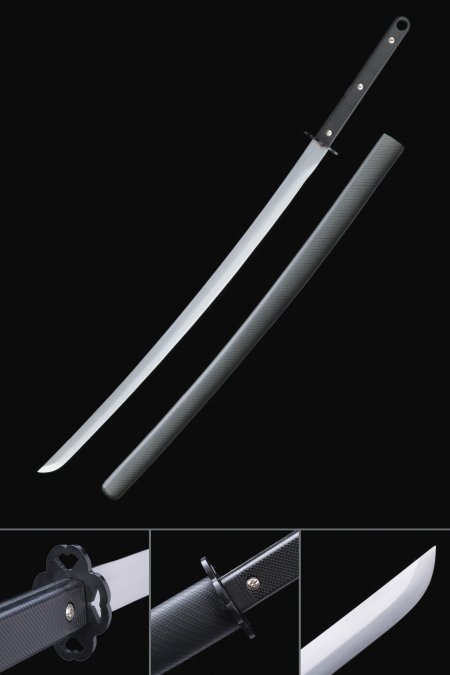
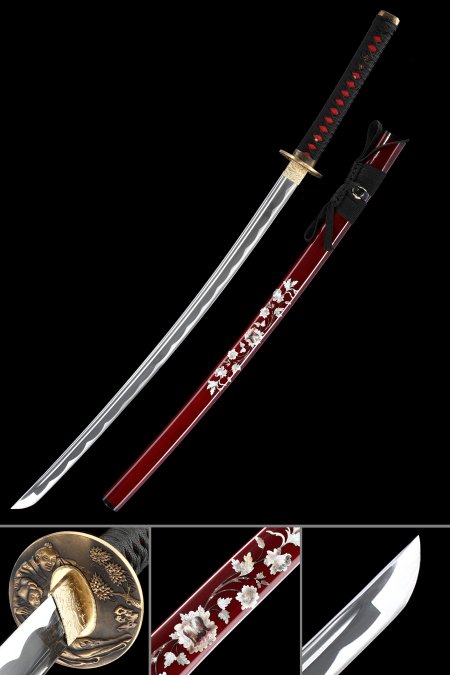
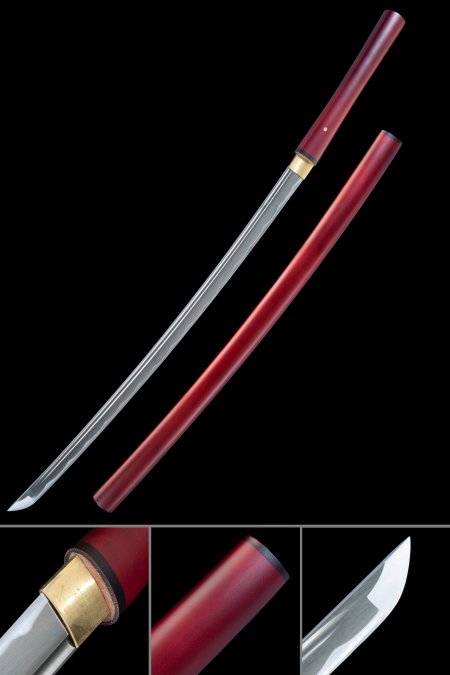
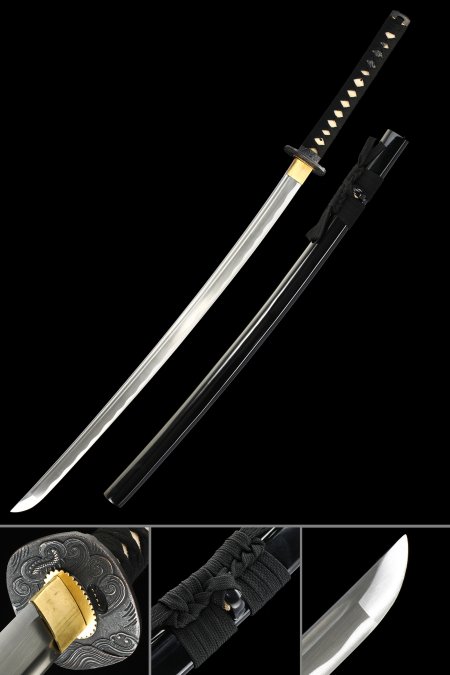
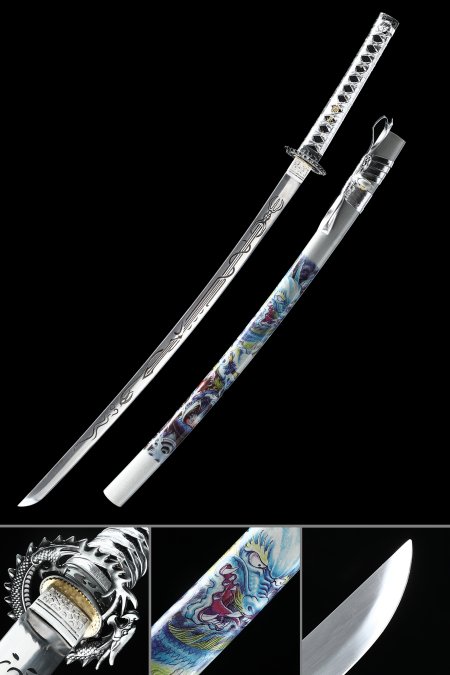
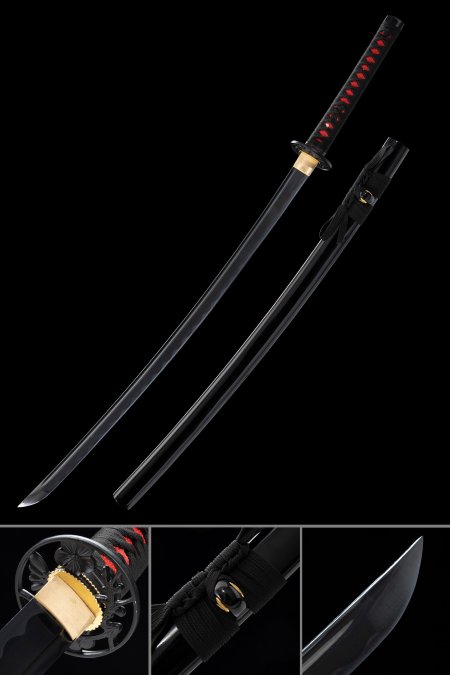
Yes, cheap katanas can be excellent, as long as you buy from a reputable maker and understand the difference between a low price and low quality. A real cheap katana from TrueKatana is hand-forged from carbon steel, built with a full tang, fitted with a wooden saya, and assembled by experienced craftsmen using traditional methods. The price is lower not because the sword is poorly made, but because the steel grade, polish level, and fittings are simplified compared to premium clay-tempered or folded options. That makes them ideal for first-time buyers, beginner trainees, and collectors who want an additional piece without spending a fortune. By contrast, ultra-cheap swords sold on generic marketplaces are often stainless steel with rat-tail tangs and glued fittings, which can fail dangerously when swung. To avoid that trap, look for clear specifications: high-carbon steel, full tang, real wooden saya, and a credible warranty. A properly built Beginner Katana in the affordable tier delivers the look, balance, and feel of a genuine Japanese sword while keeping the entry price approachable. If you are unsure where to start, choose a 1045 carbon-steel model with a clean black saya; it pairs well with a basic katana stand and gives you years of reliable display, light cutting, or practice use.
The cheapest truly battle-ready katanas in our collection are typically built around 1045 or 1060 carbon steel with full-tang construction. The key phrase is "battle ready," which means the blade can survive controlled cutting against tatami mats, water bottles, or rolled bamboo when used with proper technique. Anything below this construction standard, particularly stainless-steel wall hangers, is not battle ready and should never be swung at a target. A correctly forged 1045 model is the most affordable entry point, while a 1060 model provides better edge retention for more frequent practice. Both are fully heat-treated and assembled with traditional habaki, tsuba, mekugi pin, ito wrap, and wooden saya. If you want the most affordable certified Battle Ready Katana in the cheap-katana lineup, prioritize a 1060 monosteel blade with a basic black saya; it delivers the best balance between price and real-world cutting performance. Remember that "battle ready" does not mean indestructible. Edge-on-edge contact with another sword, hitting metal, or chopping hard wood can damage even premium blades. Use the right targets, follow correct technique, and inspect the mekugi after every session. Pair it with a sturdy sword stand and basic care kit, and a well-chosen cheap battle-ready katana will give you years of safe, satisfying training without breaking your budget.
Yes, a cheap katana can be safe for cutting practice as long as the blade is built from real carbon steel and uses a full-tang construction. Safety is mostly a function of construction, not price tier. A properly forged 1045 or 1060 sword is heat-treated so the cutting edge stays hard while the spine remains flexible, which means the blade can absorb impact without snapping. Always do a basic safety check before practice: confirm the mekugi pin is tight, the tsuba does not rattle, and the handle does not twist. Use approved targets such as soaked tatami omote, water bottles, pool noodles, or rolled newspaper. Avoid metal poles, tree branches, and edge-on-edge contact, which can chip even high-end blades. Wear closed-toe shoes, keep bystanders well clear, and never practice when tired or distracted. A reliable Practice Katana from this collection is purposely built for repeated drawing, cutting, and sheathing, with balance and weight chosen to support proper form. If your goal is iaido or kata work without live cutting, an honest Unsharpened Katana Sword at the same affordable price keeps the silhouette of a real katana while removing the risks of a sharpened edge. With the right model and the right habits, an affordable katana is a perfectly safe training tool.
The biggest differences between cheap and expensive katanas come down to steel grade, polish, fittings, and finishing time. Cheap katanas typically use 1045 or 1060 carbon steel, machine-polished blades, simpler tsuba and menuki, synthetic ray skin under the ito, and basic lacquered wooden saya. They are still hand-forged and full-tang, but the artisans spend less time on cosmetic refinement, which keeps prices low. Expensive katanas, by contrast, often use T10 tool steel, clay tempering, or folded Damascus construction, with hand-polished blades that bring out the hada (grain pattern) and a vivid hamon. Their fittings may include genuine ray skin, hand-cast iron tsuba with custom motifs, premium silk ito, and high-gloss multi-coat lacquer saya. A premium Folded Steel Katana can require many extra days of forging and polishing per blade, which directly drives up the cost. Performance-wise, both can cut effectively, but premium blades hold a sharper edge longer, look more dramatic in the light, and tend to retain or grow in value. For most beginners, hobbyists, and casual collectors, a cheap katana provides 90% of the experience at a small fraction of the cost. Buyers who eventually want to step up often start with an affordable 1060 model, then graduate to a clay-tempered Clay Tempered Katana once they understand their preferences in length, weight, and aesthetics.
Absolutely. A cheap katana makes a memorable, distinctive gift for fans of samurai films, anime, martial arts, history, and Japanese culture. Because the affordable price tier still delivers a real, hand-forged blade, the gift feels substantial and authentic, not like a toy. Before ordering, think about three things: the recipient's experience level, where they will store the sword, and the look they prefer. For a complete beginner or younger fan, an unsharpened version is safer and easier to display, while an experienced practitioner may appreciate a properly sharpened cutter. Ask casually about their favorite anime or film characters; many cheap katanas are themed to popular series. A vibrant Anime Katana in the budget tier turns the gift into something personal rather than generic. Pay attention to color too. Classic black or brown saya works for almost everyone, while a striking Red Katana in the affordable lineup stands out beautifully for fans who love bold visuals. Add a basic stand, a cleaning kit, and a small care guide so the recipient can display and maintain the sword properly from day one. Wrap the sword horizontally in its provided box, include the warranty paperwork, and let the recipient know that returns and exchanges are easy if the sizing or aesthetic is not quite right.
Cleaning and oiling a cheap katana follows the same basic routine as caring for any carbon-steel blade. Lay the sword horizontally on a soft towel in a well-lit space. Hold the blade with a lint-free cloth—never bare fingers—and gently wipe along the length from habaki to kissaki to remove any dust, fingerprints, or moisture. If you spot early signs of rust, use uchiko powder or a microfiber pad with a small amount of light mineral oil to lift the marks. Once the surface is clean, apply a thin, even film of choji oil along both sides of the blade and the spine. A few drops are plenty; over-oiling collects dust inside the saya. Resheathe the blade slowly and edge-up, then store it on a stable stand. Repeat this routine every two to four weeks for actively handled swords and once every couple of months for pure display pieces. Practitioners who train regularly with a budget 1060 Katana should also wipe and oil the blade after every cutting session, since sweat and target debris accelerate corrosion. Keep your sword on a dedicated katana stand away from sunlight, heating vents, and humid rooms. With this simple routine, a cheap katana maintains its appearance and structural integrity for many years, often outlasting much pricier blades that are stored carelessly.
Carbon-steel blades, including those used in cheap katanas, will rust if they are neglected, but they are not rust-prone when basic care is followed. The key is to prevent moisture and acidic skin oils from sitting on the blade. Always wipe down the sword after handling, even briefly, and apply a thin film of choji oil before resheathing. Store the katana horizontally on a stand in a room with stable temperature and low humidity. Avoid bathrooms, kitchens, basements, and garages where humidity changes can cause condensation on the steel. If you live in a coastal or tropical climate, consider silica packs near the display area or a small dehumidifier in the room. Inspect the blade once a month by wiping it gently with a clean cloth; small surface spots can be removed early with uchiko powder, while deeper pitting requires professional polishing. Display-only models that never leave the saya still need to be opened and oiled occasionally, because trapped moisture inside the scabbard can cause hidden rust. Some collectors mitigate this by keeping a low-maintenance Modern Katana on permanent display and reserving their main cutting blade for protected storage. If you ever want a near rust-free decorative option, an Unsharpened Katana Sword with a modern coated finish is a sensible choice, especially in difficult climates or busy households.
Sharpening any katana, cheap or expensive, is a skilled task. While you can do basic edge maintenance at home, full polishing and reshaping should be left to a qualified togishi (sword polisher). For light upkeep, a fine ceramic rod or a high-grit waterstone (around 3000 to 6000 grit) can refresh a slightly dulled edge after several cutting sessions. Lay the blade flat on a stable surface, support it carefully, and follow the existing bevel angle—usually about 30 degrees inclusive—using long, even strokes from the habaki toward the kissaki. Avoid power tools at all costs; bench grinders heat the steel and ruin the temper, which destroys the cutting performance permanently. Never grind on the side of the blade, only along the edge bevel, and inspect frequently to ensure you are keeping a consistent angle. Most cheap katanas leave the workshop with a usable factory edge; in many cases you may not need to sharpen them for years if you only practice on tatami and water bottles. If your Sharp Katana develops chips or a heavily uneven edge, send it to a professional polisher rather than risking permanent damage. For collectors who simply want a clean look without cutting performance, a polished Display Katana with a lightly sharpened edge often makes a better long-term choice than constantly resharpening a working blade.
Amazing as always, will keep continuing to buy from this company. Always quality with y’all!
 |
1045 Carbon Steel Katana With Purple Blade And Red Piano Lacquer Saya - Full Tang Collectible Sword |
My kids are jealous! It's so beautiful and I will display it better soon.
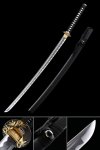 |
1045 Carbon Steel Katana Sword with Gold Bamboo Tsuba in Black Matte Hardwood Saya - Full Tang Collectible |
I love the katana quality but I never got my katana stand
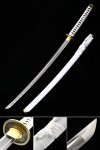 |
Roronoa Zoro Wado Ichimonji - One Piece Katana Replica, 1045 Carbon Steel, White Lacquer Saya |
This sword is really nice and sharp. its a pretty blue tent to the blade. The only small complaint would be the container that holds the sword. The inside is like wood maybe if they color that black instead of raw material I guess it’s not really a complaint. It’s more of a suggestion honestly there there’s really no complaints really it’s a nice product.😅 I bought it for my brothers birthday! I want one myself!💛
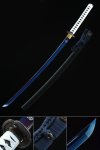 |
Ghost of Tsushima Katana - Jin Sakai Replica, 1065 Carbon Steel, Blue Blade, Black Saya |
Happy I’m sword came on time and excited to gift it to a really special person
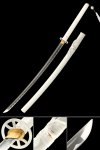 |
Sode no Shirayuki Rukia Kuchiki Katana in White - Clay-Tempered 1065 Steel Bleach Replica Sword |
Amazing sword. Exceeded my expectations on almost every level, especially for the price. I'm definitely buying another one!
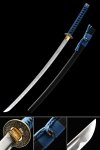 |
1045 Carbon Steel Katana with Blue Ito Handle and Gold Floral Tsuba - Full Tang Japanese Sword in Black Hardwood Saya |
This was a birthday gift for my brother and he absolutely loved it. The quality was amazing. Definitely would buy from here again. And shipping was quick!
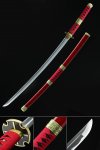 |
Roronoa Zoro Sandai Kitetsu - One Piece Cursed Sword Replica, 1045 Carbon Steel, Red Saya |
an absolutely beautiful sword, came exactly how I thought it would!
|
Roronoa Zoro Wado Ichimonji - One Piece Katana Replica, 1045 Carbon Steel, White Lacquer Saya |