Marble Damascus Steel Katana
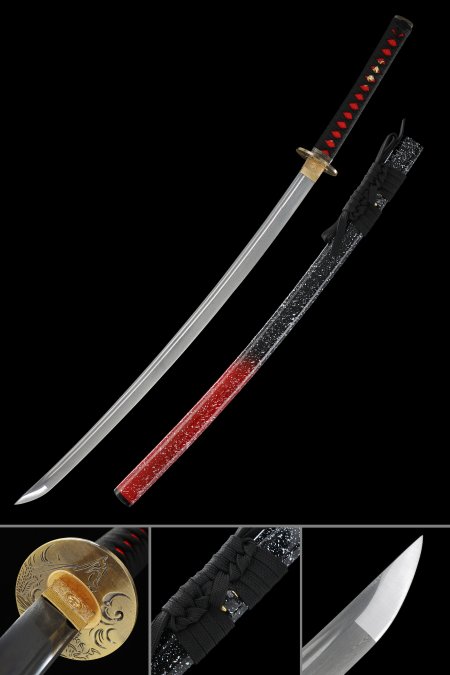
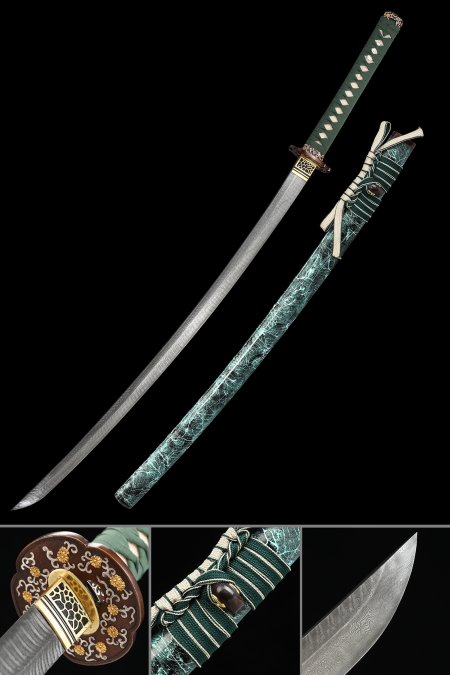
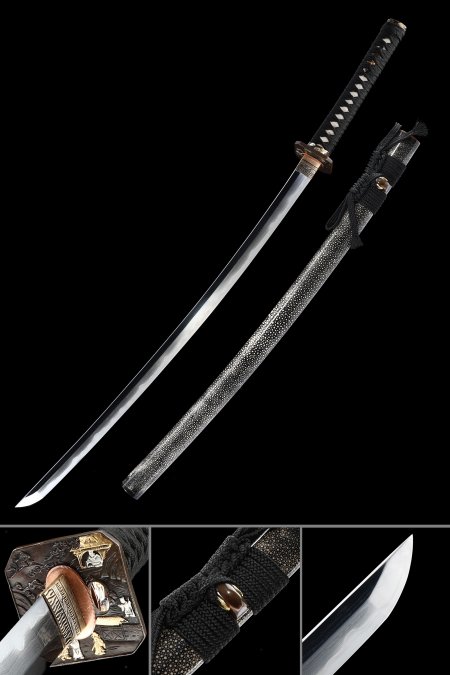
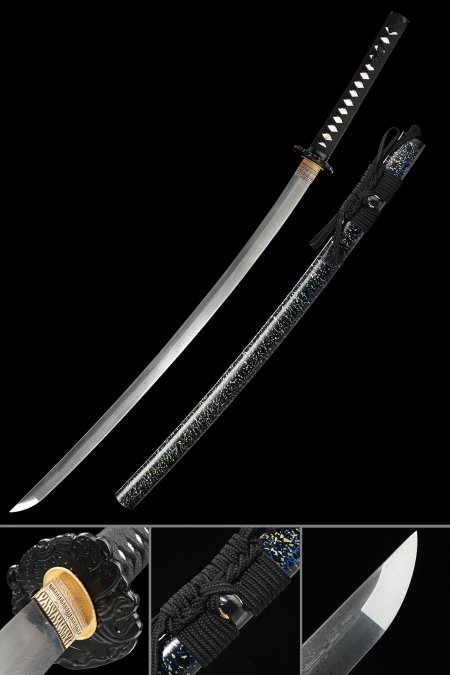
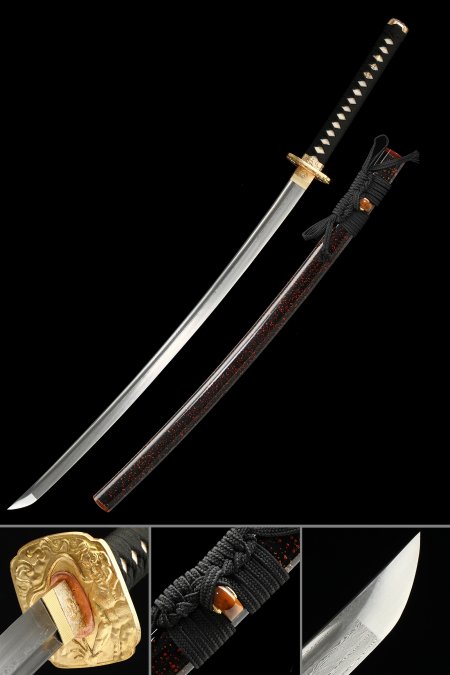
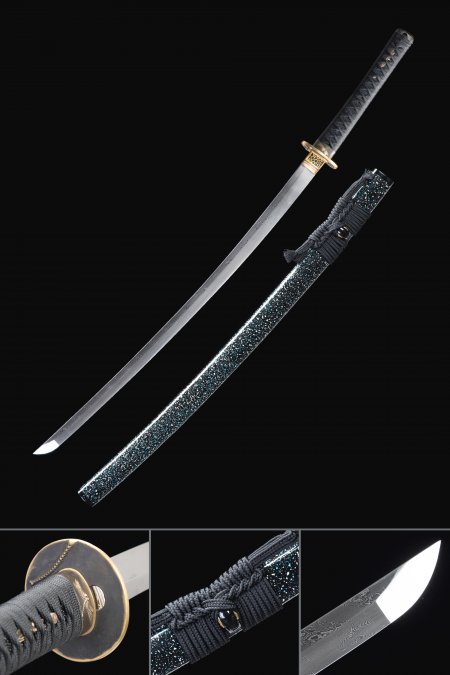
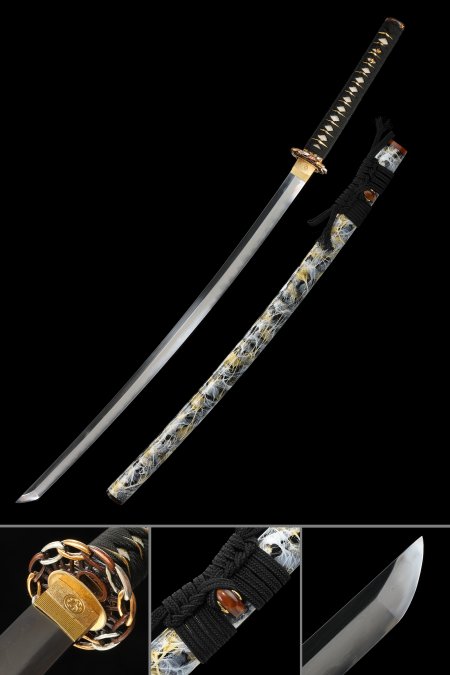
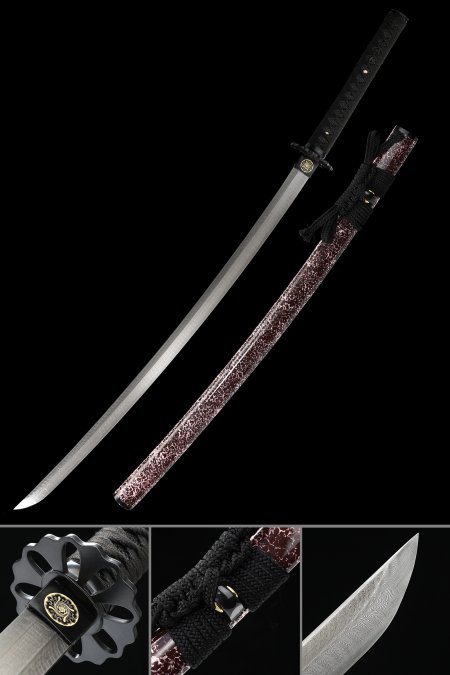
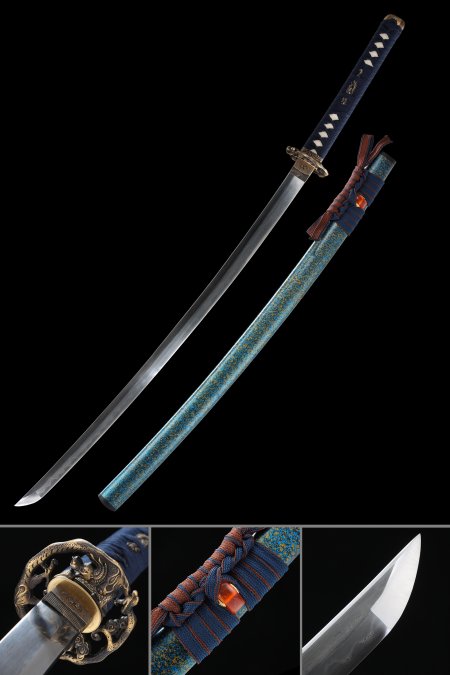
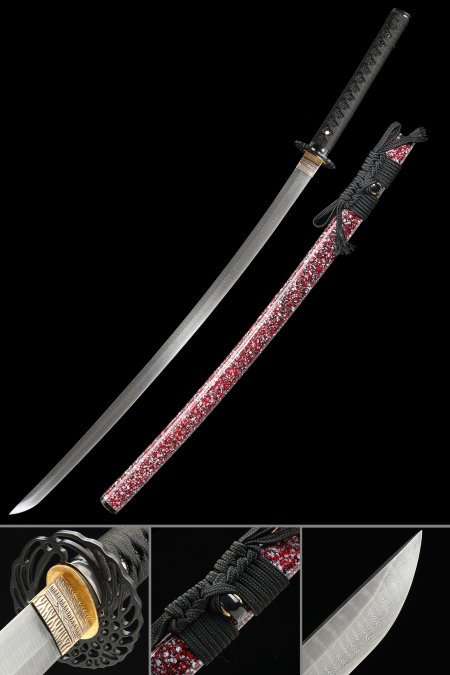
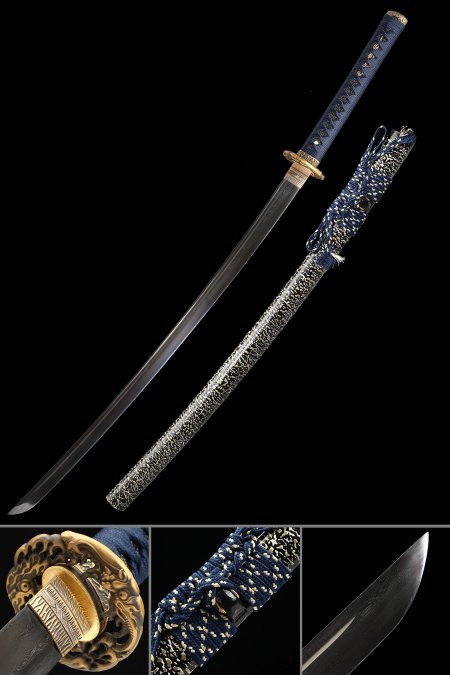
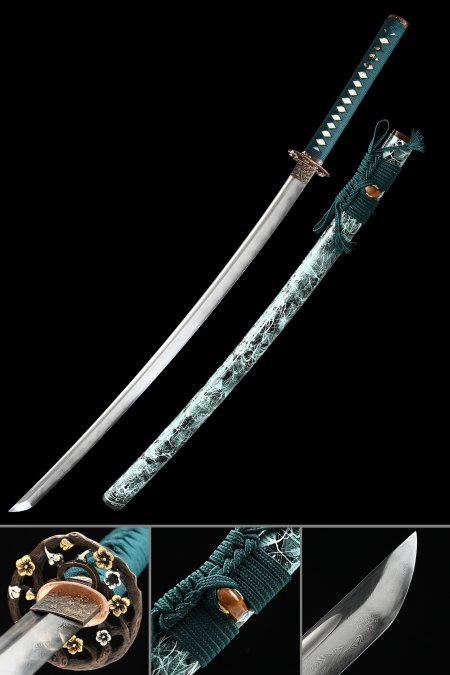
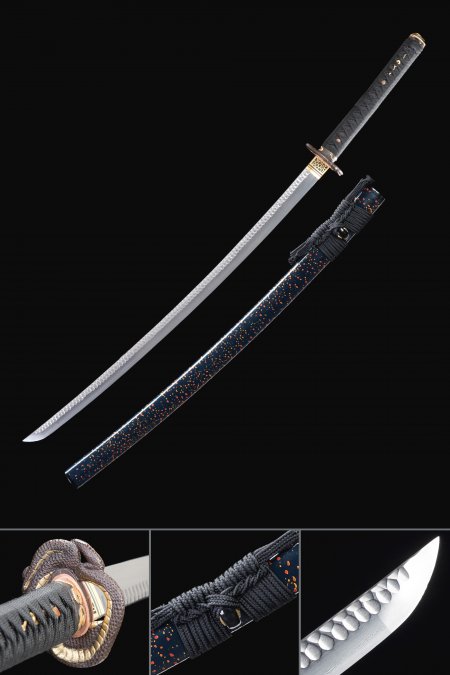
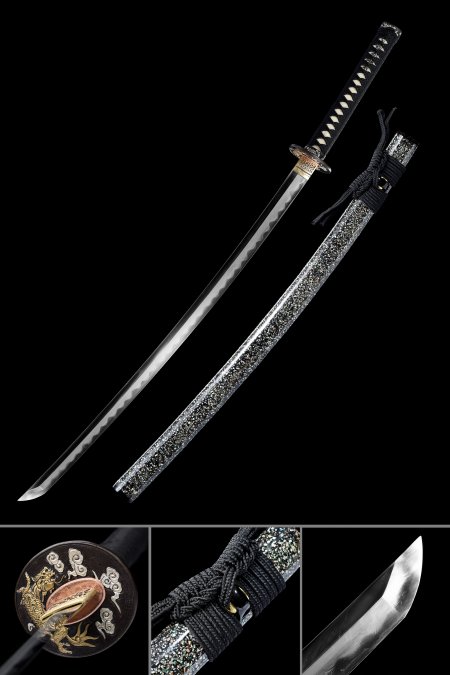
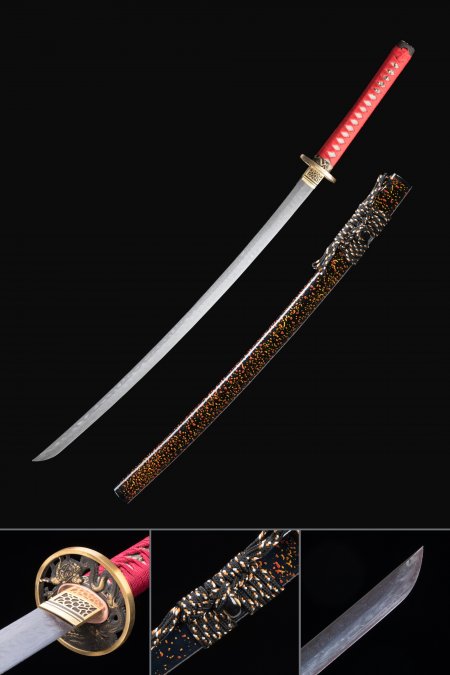
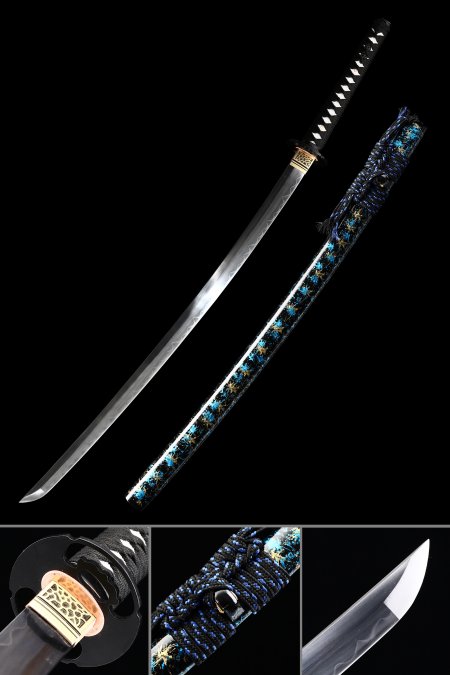
Marble Damascus steel katana swords unite the ancient art of pattern-welded steel with striking lacquered sayas that mirror the swirling depth of natural stone. Every piece in this collection is hand-forged to full-tang construction, finished with a genuine hamon line, and paired with ornate tsuba - from gold chrysanthemum to coiling dragon motifs. Whether displayed on a stand or added to a serious collection, each sword arrives ready to impress. Enjoy free shipping on your order, backed by our hassle-free return policy.
ON SALE 20% OFF
$779.00$969.00
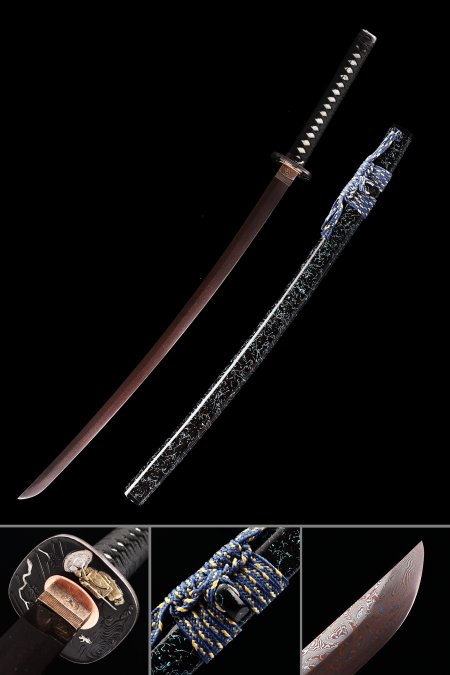
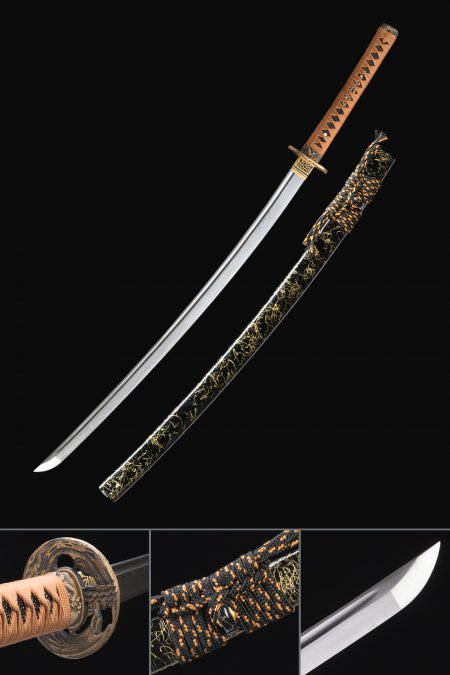
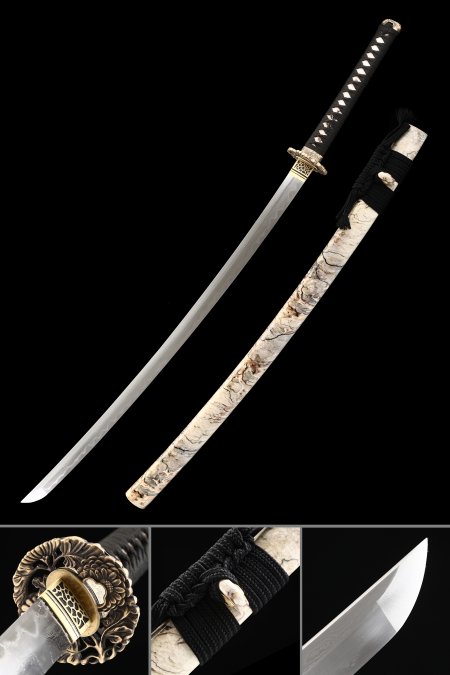
Related Collections
Frequently Asked Questions
What makes Damascus steel visually distinct from regular high-carbon steel?
Damascus steel - properly called pattern-welded steel in modern forging - gets its distinctive surface appearance from layering two or more types of steel with differing carbon content, then forge-welding and folding them repeatedly. After grinding and polishing, an acid-etching step reveals the contrast between iron-rich and carbon-rich layers, producing flowing grain patterns that range from tight ladder designs to wide water-ripple waves. This patterning is entirely structural, not printed or coated on afterward, which means every blade carries a genuinely unique surface that no two collectors will own in identical form. Standard mono-steel blades, even high-quality ones, display none of this visible grain.
How are the marble-effect lacquer sayas made?
The marble-look sayas in this collection start with a fitted hardwood core shaped precisely to the blade profile for secure retention. Craftsmen then apply multiple layers of lacquer, using techniques such as controlled drip, splatter, and brushwork to replicate the veined patterning of marble or stone. Colors are built up in translucent layers so depth is visible rather than flat, and a final clear topcoat seals the finish against moisture and minor abrasion. The result is visually convincing at close inspection while remaining significantly lighter than mineral stone, which matters for wall-mounted or stand-displayed pieces where weight distribution affects hardware stress over time.
What should I know about maintaining a Damascus katana in a display setting?
For long-term display, the primary concern is oxidation of the blade surface. Apply a thin coat of choji oil or food-grade mineral oil every two to three months, wiping on with a soft cotton cloth and buffing off any excess. Avoid leaving fingerprints on the blade - skin oils accelerate surface tarnish. Store or display the sword in a low-humidity environment; moisture is the principal cause of spotting on pattern-welded steel. If the saya is lacquered hardwood, keep it away from prolonged direct sunlight, which can fade the color layers over time. Inspect the mekugi pin annually to confirm the handle-to-tang connection remains snug.
How does a full-tang construction differ from a partial-tang katana?
Full-tang construction means the steel of the blade extends as a single continuous piece through the entire length of the handle, typically secured by one or two mekugi pins passing through aligned holes in the tang and the tsuka. Partial-tang designs use a shorter steel extension that may rely primarily on adhesive or friction to hold the handle in place. For collectors, full-tang construction is significant as a quality indicator: it confirms the maker committed to the more labor-intensive method and used more raw material. It also means the sword's balance point and overall structural integrity are closer to historically referenced Japanese sword construction standards.
Are these katana appropriate as display gifts for someone who appreciates Japanese art?
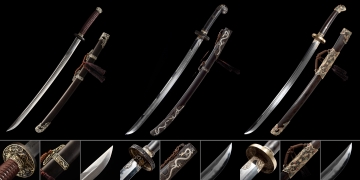
Yes - the combination of Damascus patterned steel, hand-painted lacquer sayas, and cast or forged decorative tsuba makes these pieces genuinely suitable as art-object gifts rather than novelty items. When selecting for a gift, consider the recipient's existing aesthetic: dragon tsuba with black-and-gold sayas suit a bolder, more dramatic display style, while crane tsuba with brown ito and vine-patterned sayas read as more classically understated. Most pieces in the collection include matching sageo cord and come ready to display. Adding a dedicated sword stand completes the presentation without additional effort on the recipient's part.