Most Expensive Katana
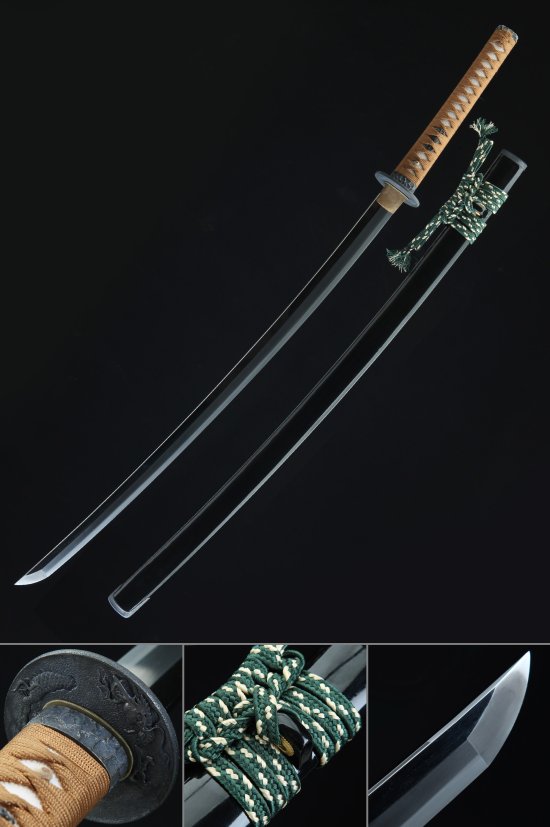
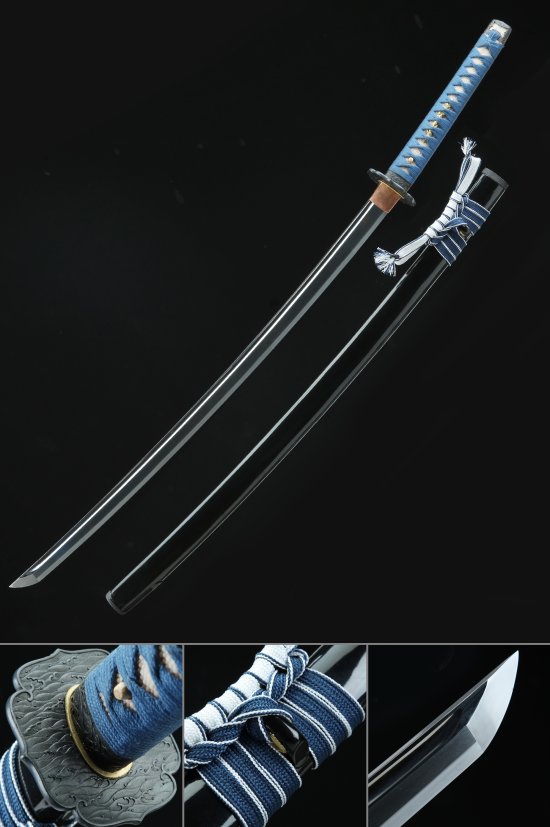
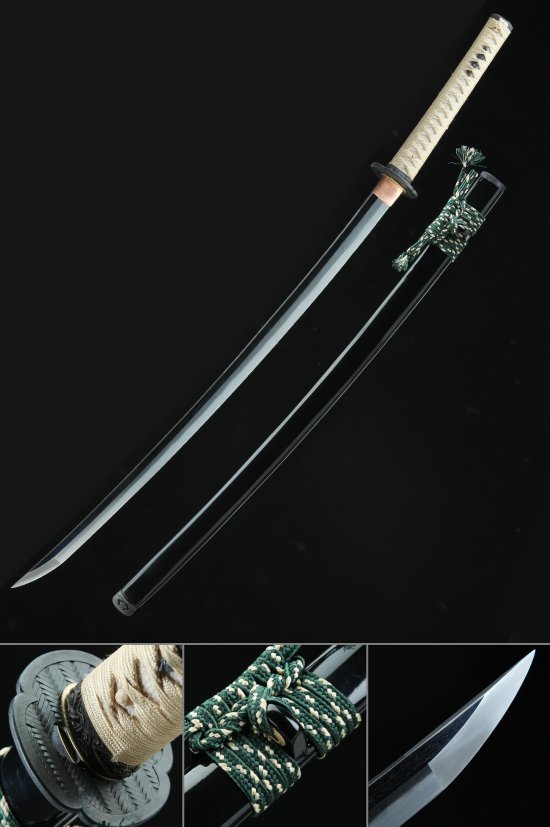
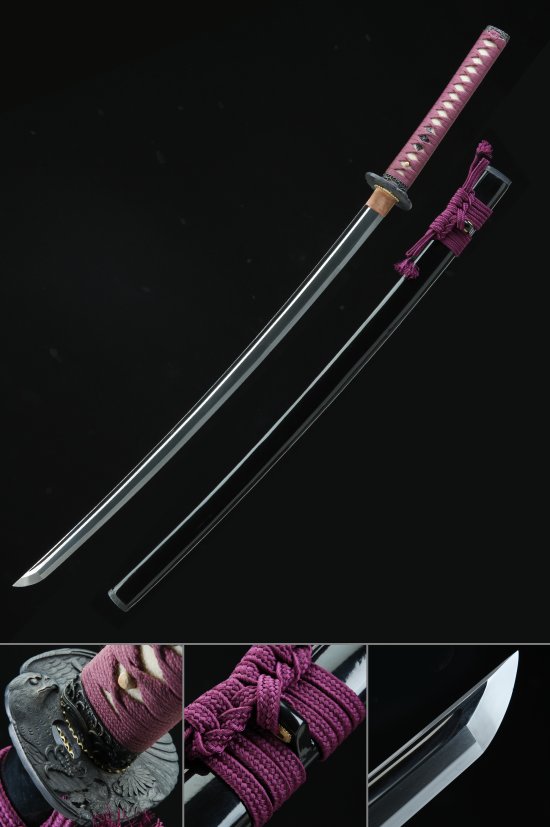
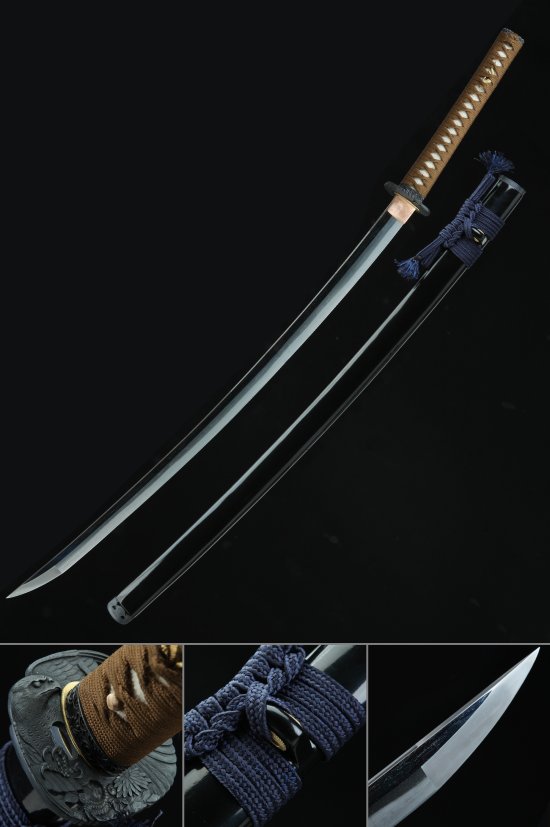
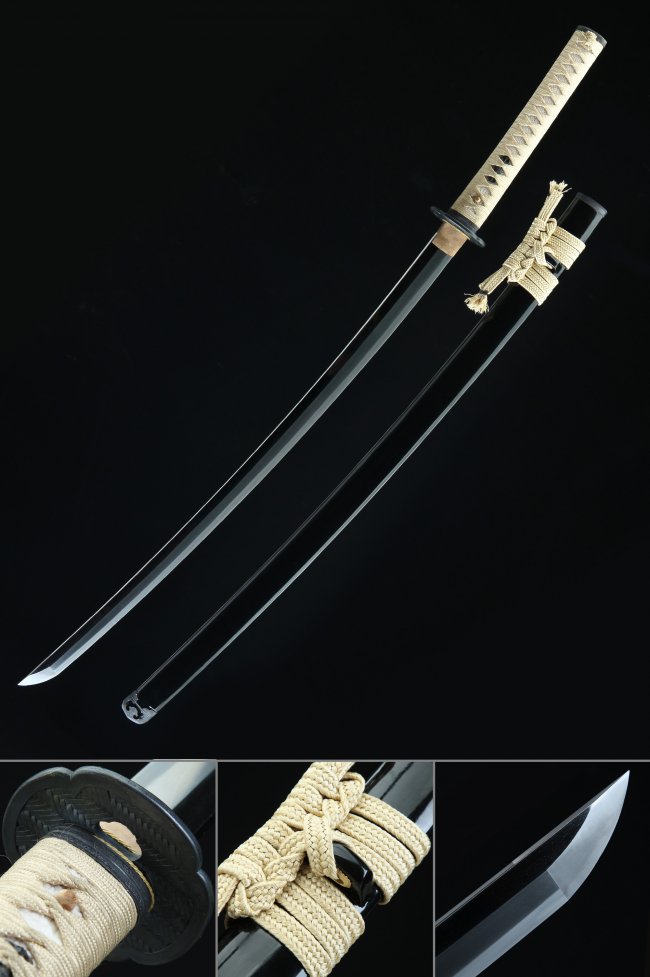
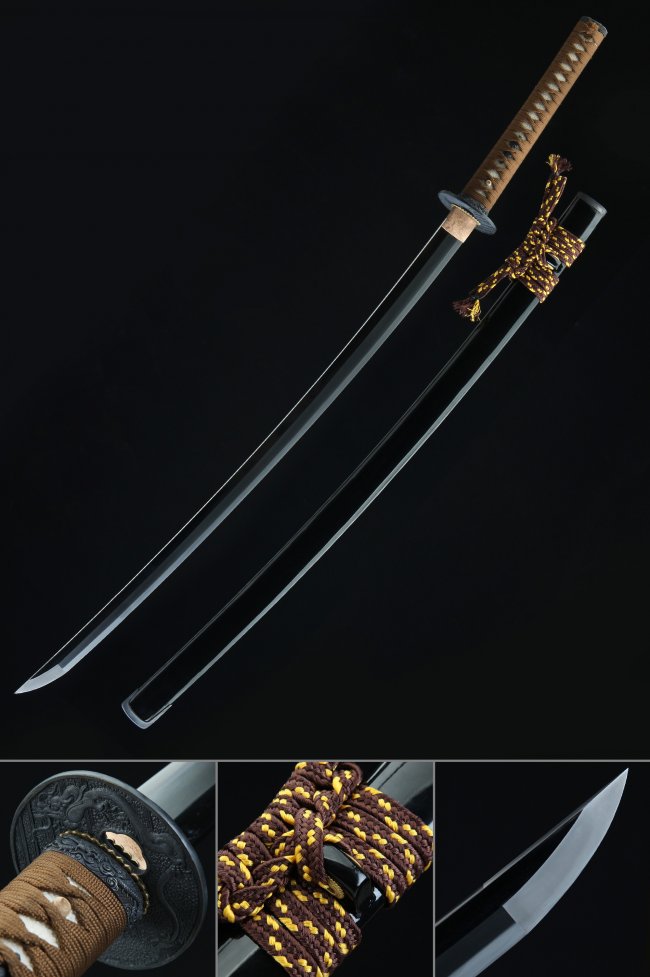
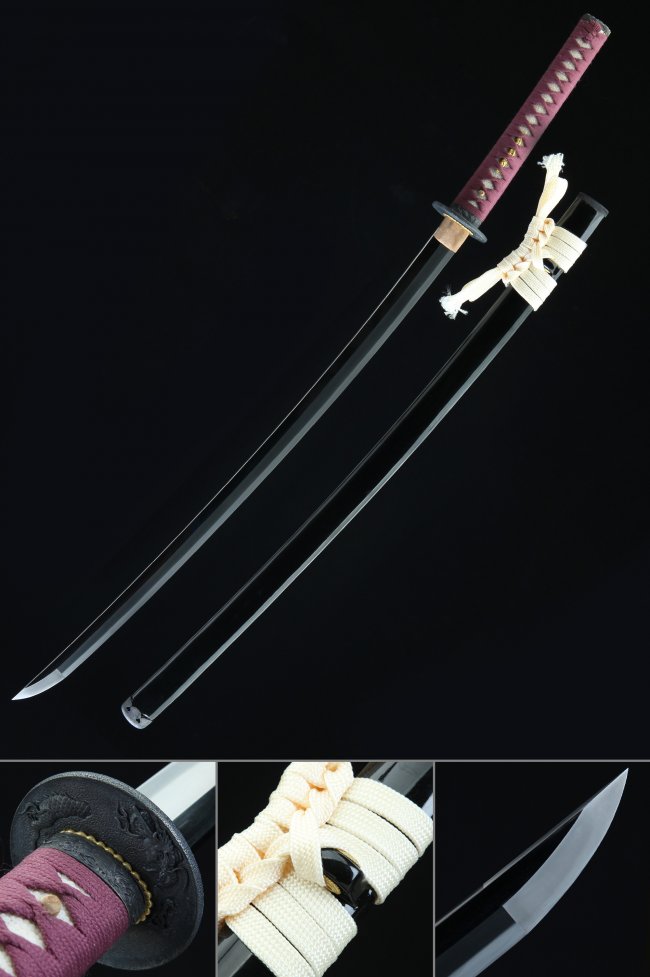
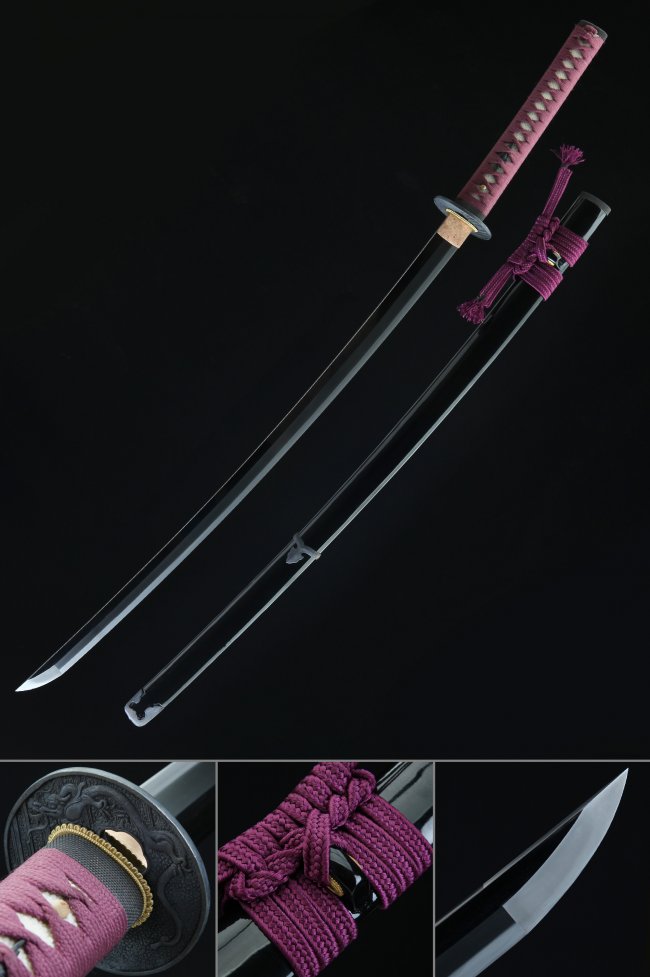
At the top of the price range, what you're paying for is precision that takes longer to achieve — tighter tolerances on the grind, more time on the hamon, fittings that are finished rather than assembled. The most expensive katanas in this collection are built to that standard: premium steel, clay tempering done properly, handle work and lacquer that hold up under close inspection. These aren't priced high because of the name on the box. The price reflects what went into making them. Whether you're ready to invest in something serious or just want to see what's at the top — take a look at what we have below.
Related Collections
Customer Reviews
It's a beautiful sword and sturdy sword with fine craftsmanship and detail, well packaged and good delivery. The only issue i have is that the description of the sword on the site said it was razor sharp while on delivery i noticed it was quite dull. r
This was something i specifically looked for upon ordering and was disappointed with when it arrived.r
Maybe you could monitor the descriptions of the swords on the site better so customers buy exactly what they want in a blade. r
r
Beside this one detail it's a fantastic sword and good service.
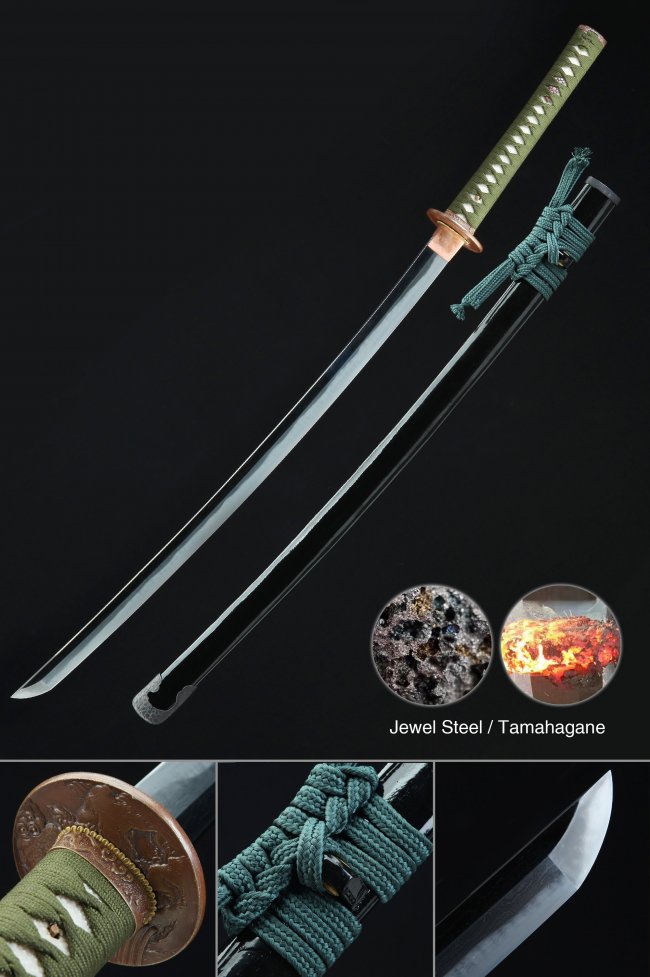
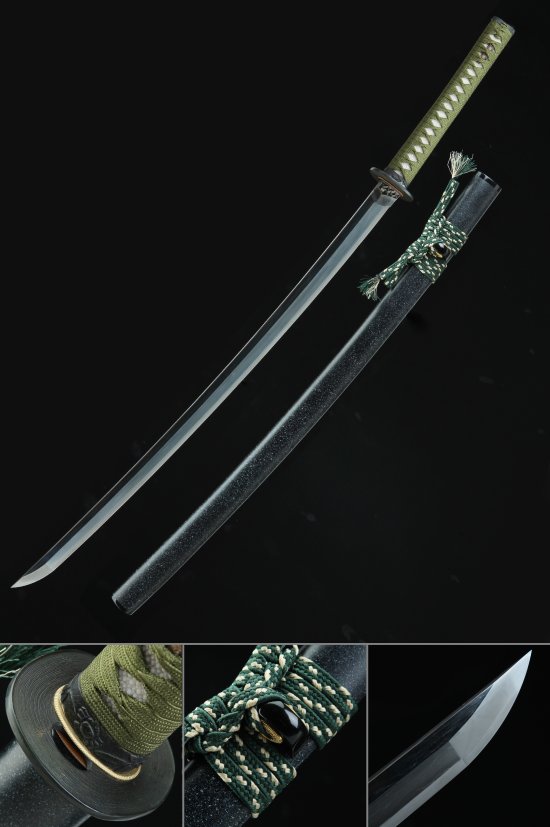
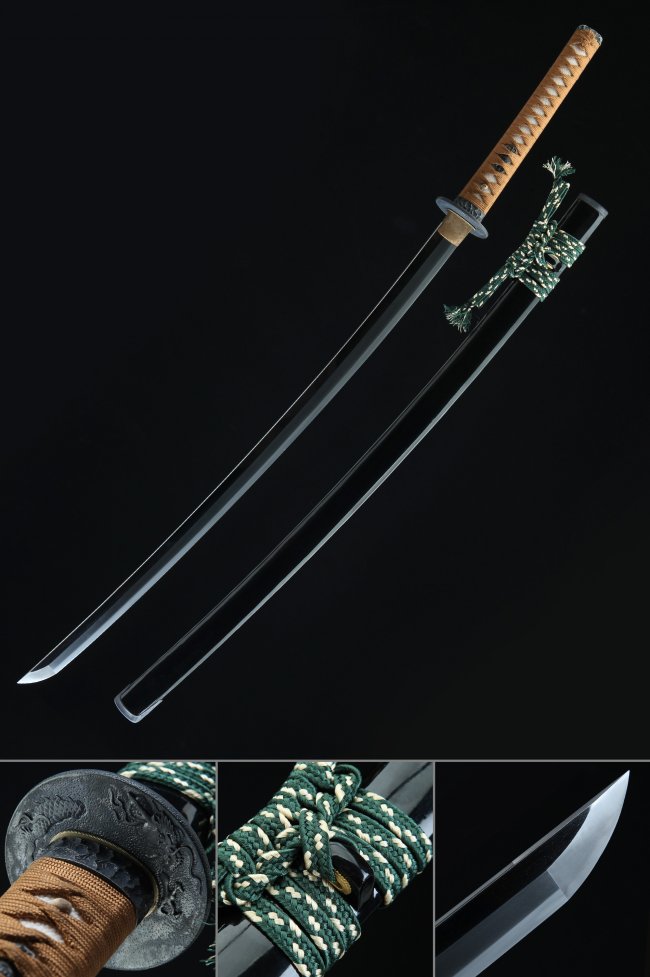
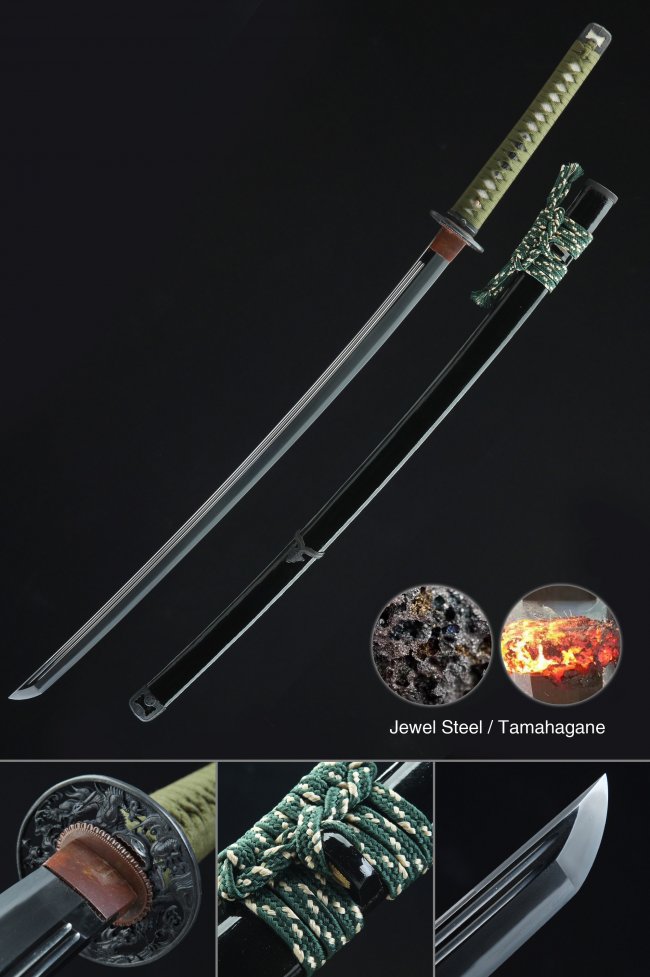
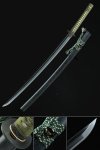 Tamahagane Steel Katana with Hamon Blade in Black Saya & Green Ito Wrap
Verified Purchase
Tamahagane Steel Katana with Hamon Blade in Black Saya & Green Ito Wrap
Verified Purchase
The black one on top, in the image. Excellent quality, a true masterpiece. I have compared it to my other one, white one. As far as quality, balance and cutting potential. The one I bought from true katana (black one) is unparalleled in every way.
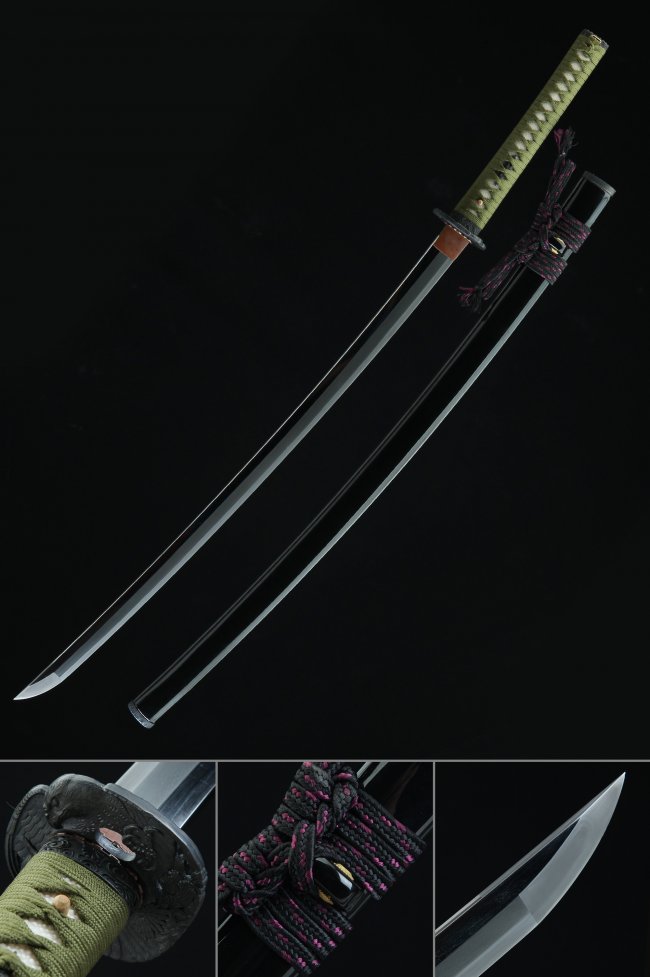
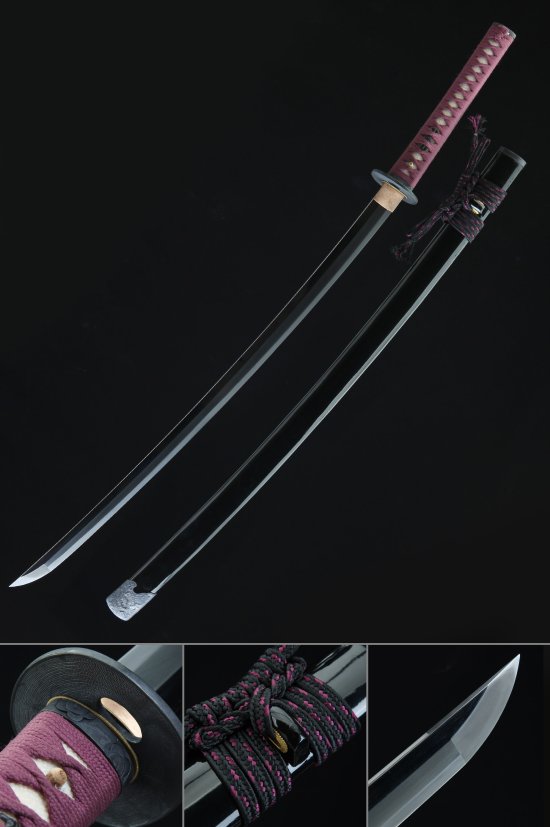
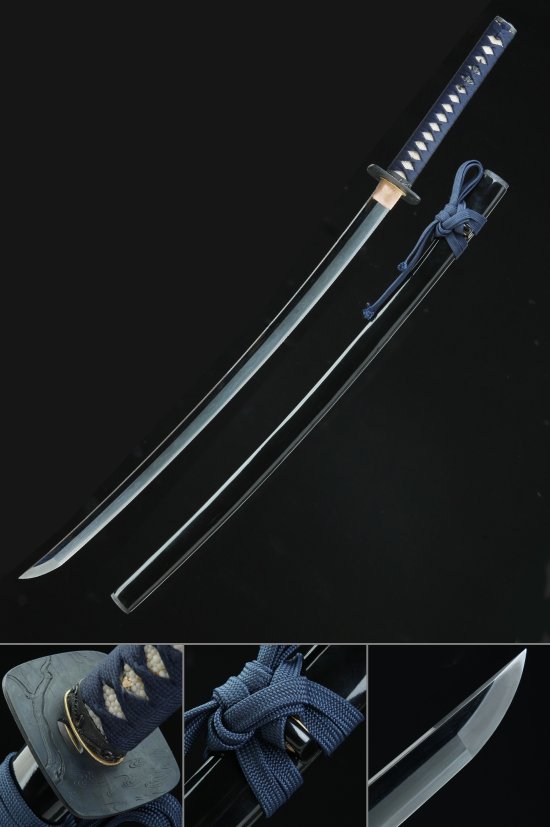
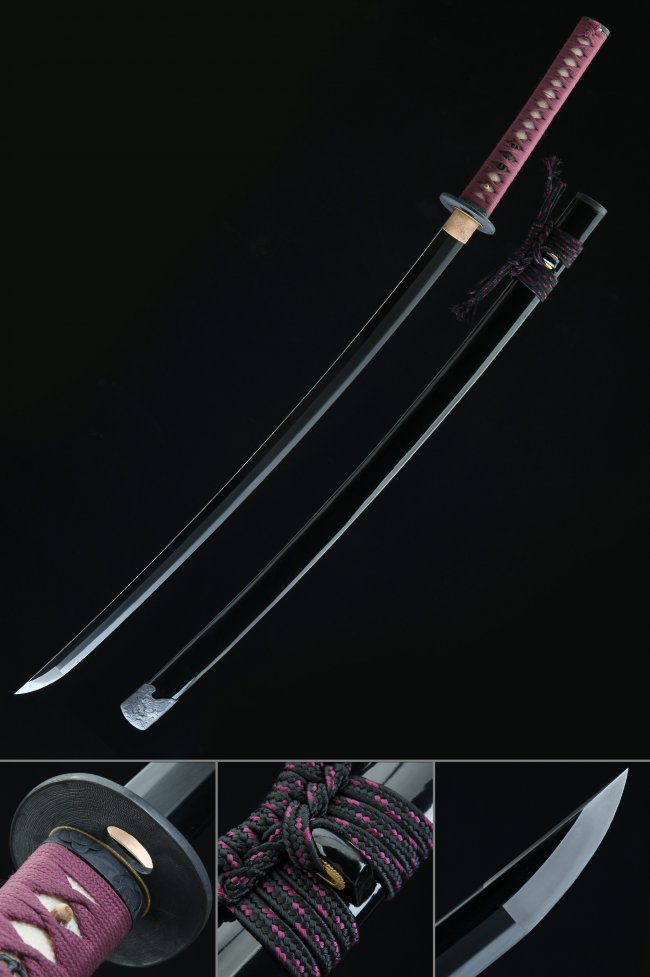
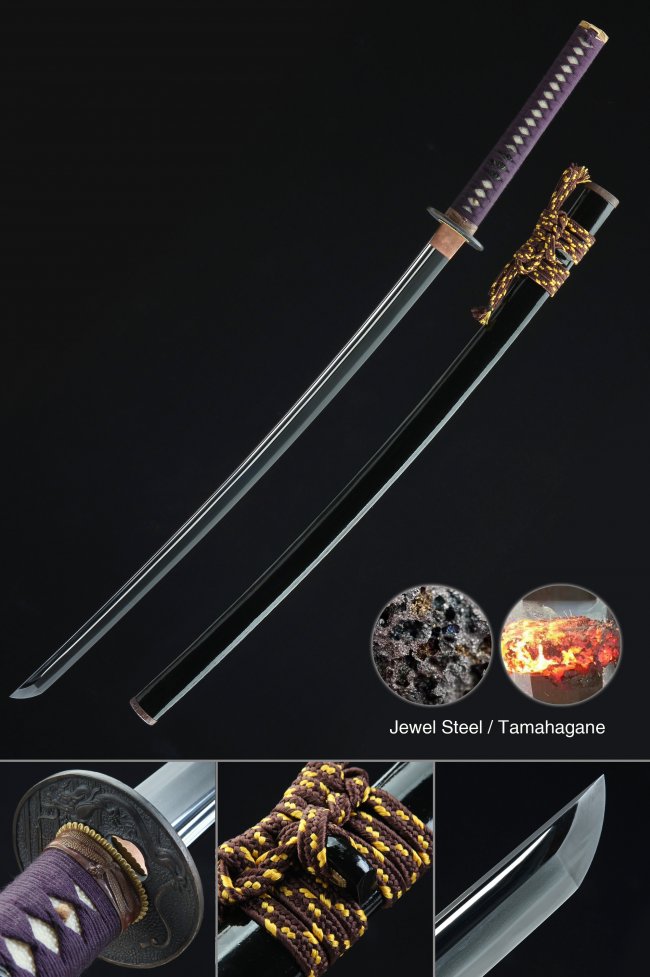
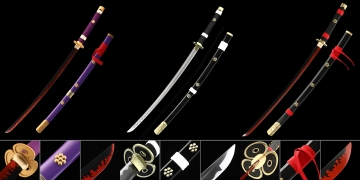
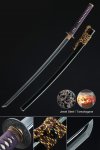 Tamahagane Steel Katana with Hamon Blade, Purple Tsuka & Black Lacquer Saya - Koshirae Style
Verified Purchase
Tamahagane Steel Katana with Hamon Blade, Purple Tsuka & Black Lacquer Saya - Koshirae Style
Verified Purchase
Very nice looking sword with good balance and weight. However, the blade was not evenly sharpened as I requested. Moreover, the blade is not razor sharp like I wanted it to be. Therefore, I would not describe it as "Battle Ready" as advertised. r
r
The upper half of the blade is sharp enough to remove some hairs on my arm, but does not shave the skin. The lower half of the blade is not sharp enough to remove any hairs on my arm. Will have to buy some fine ceramic wet stones to finish the sharpening myself, because I want the blade to razor sharp across the full length of the blade. Swords can't be shipped back to China to correct the poor full blade sharpening.
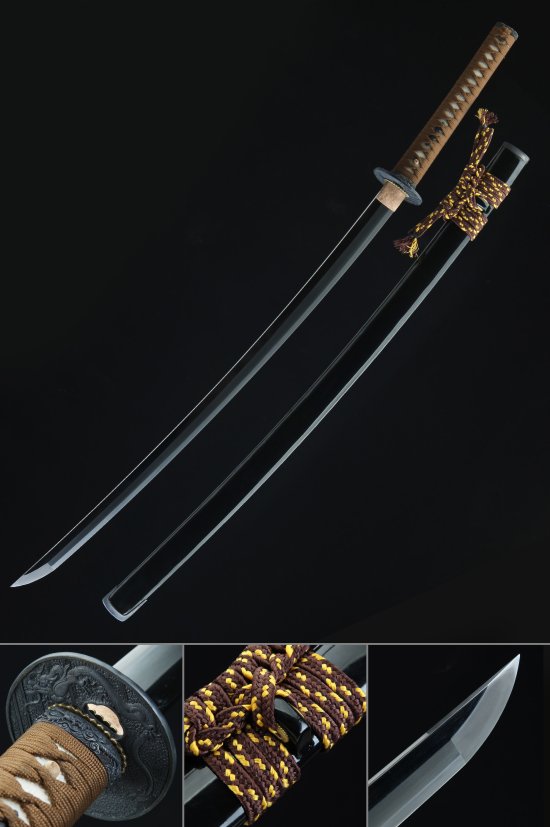
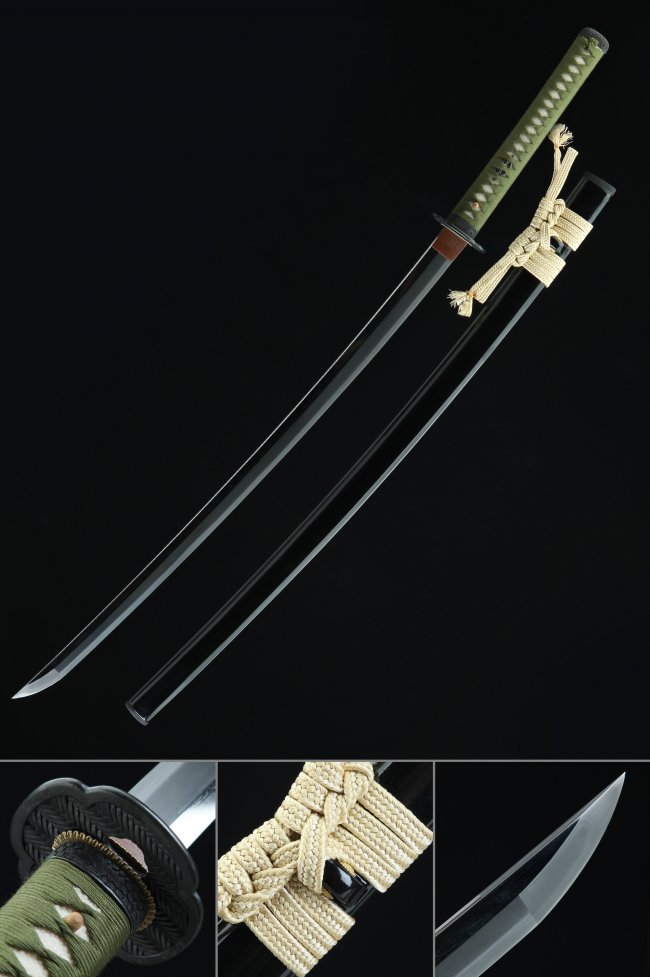
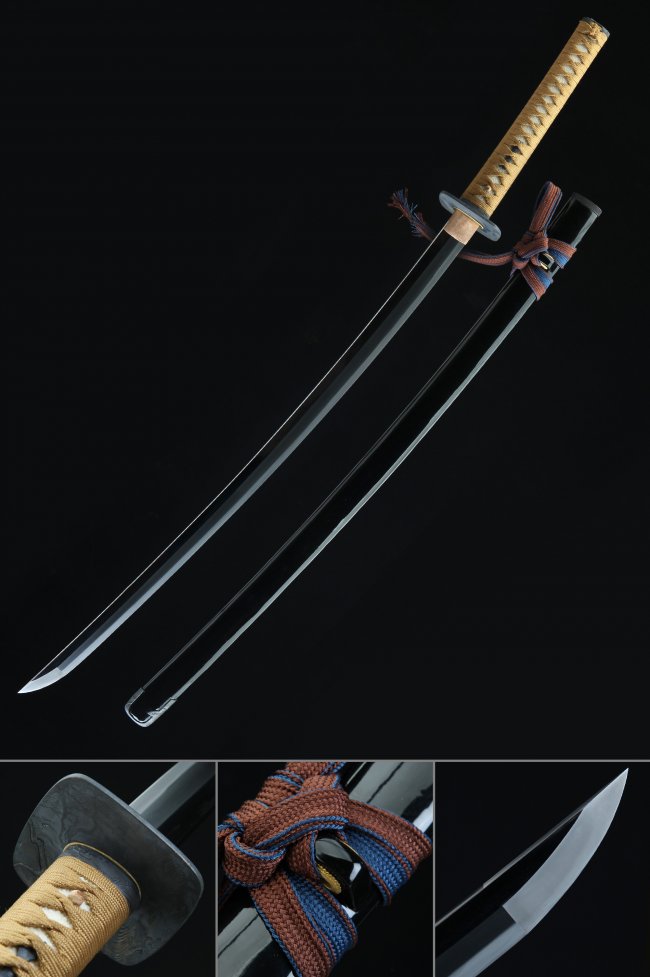
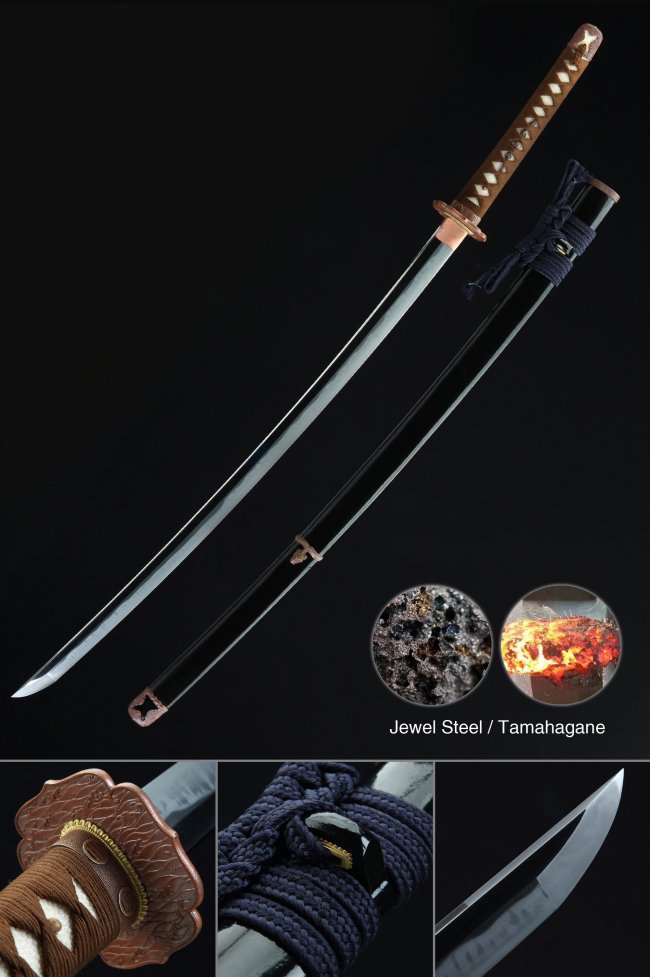
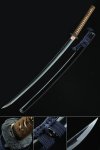 Chrysanthemum Tsuba Tamahagane Steel Katana, Handcrafted, Black Saya & Brown Tsuka
Verified Purchase
Chrysanthemum Tsuba Tamahagane Steel Katana, Handcrafted, Black Saya & Brown Tsuka
Verified Purchase
Thia katana might be expensive, however the steel and the design is top notch! After i have held the blade and practice with it, I have to say that this blade will protect and serve me well.r
r
Thank you to true katana for the blade. Well made and well done!
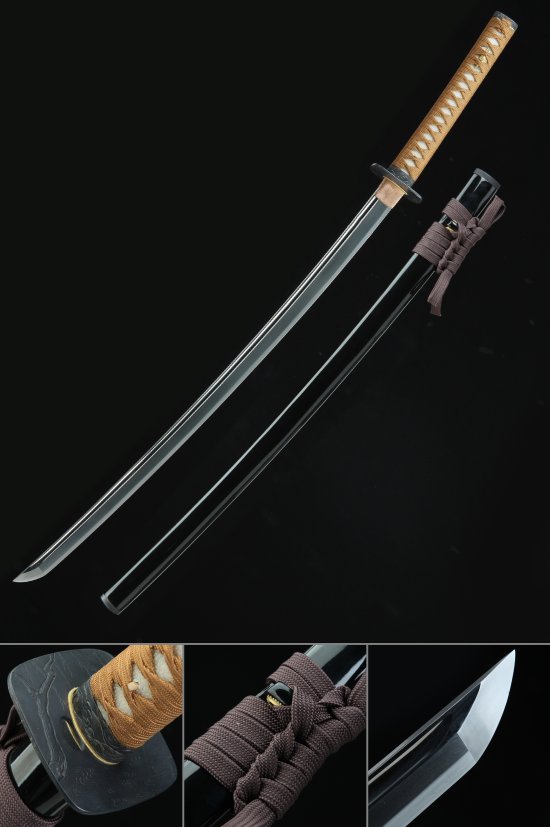
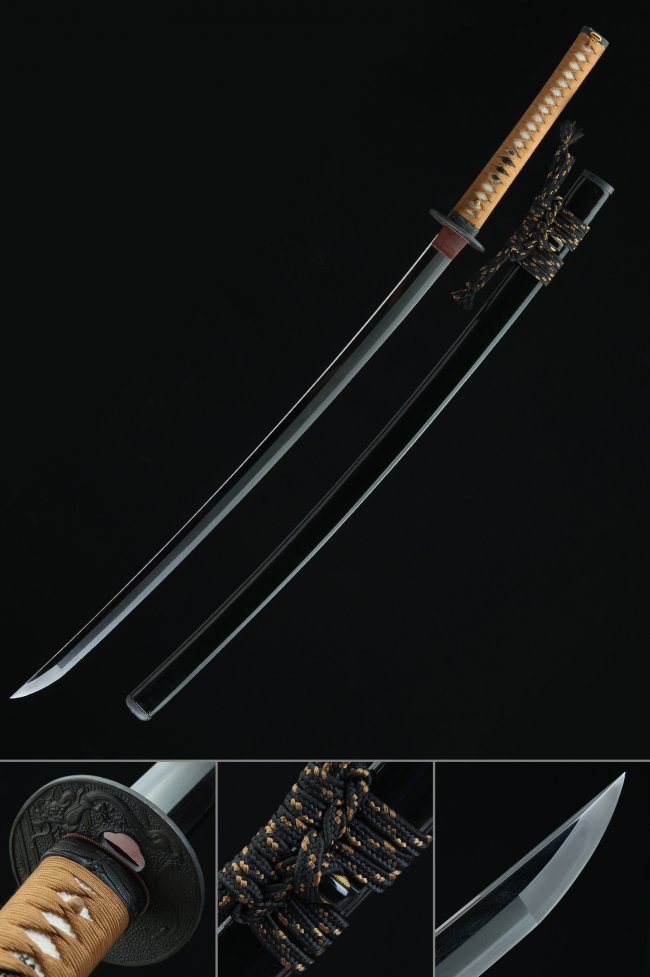
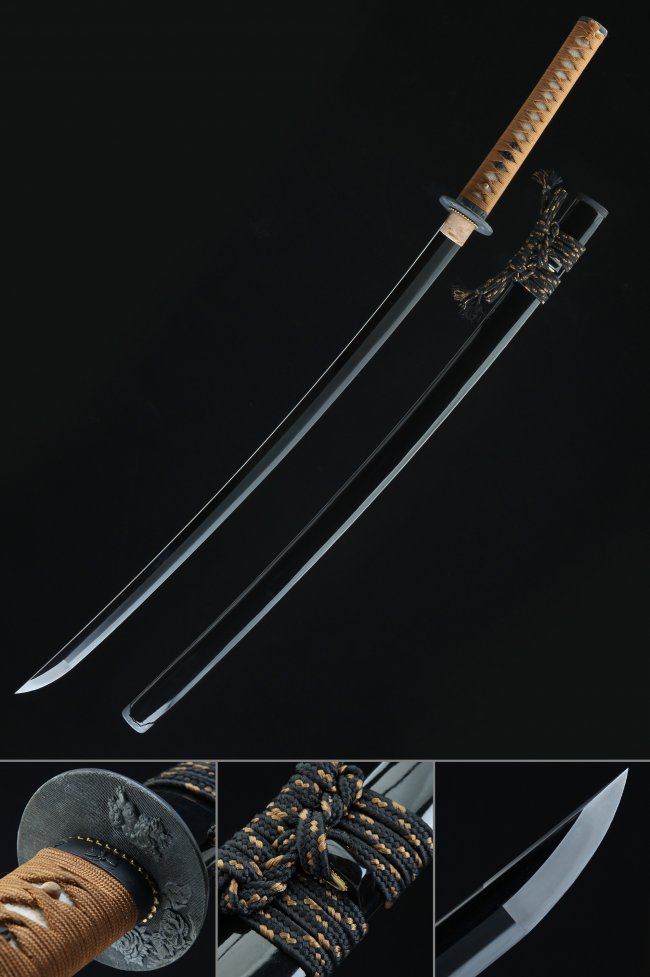
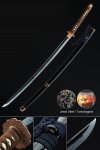 Tamahagane Steel Katana with Dragon Tsuba, Brown Cord Handle in Black Lacquer Saya
Verified Purchase
Tamahagane Steel Katana with Dragon Tsuba, Brown Cord Handle in Black Lacquer Saya
Verified Purchase
This is a real katana, well-balanced with unique detail. Everything was as advertised and like other reviews, shipping was fast.
Tamahagane Steel Katana with Hamon Blade, Purple Tsuka & Black Lacquer Saya - Koshirae Style
Verified Purchase
Thank You
I am so happy :)
The Katana is real and wort that money.
I have also received a discount code while before Christmas buy.
I can recommend Truekatana
I am thinking about order one more too :)
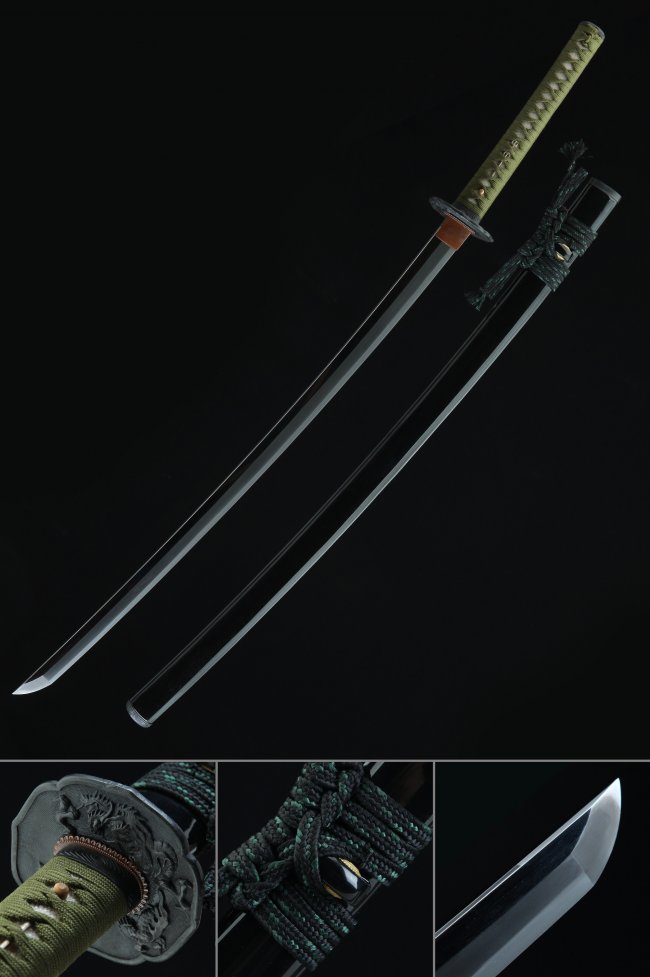
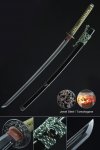 Tamahagane Steel Katana with Black Lacquer Saya - Dragon Tsuba, Green Ito & Hamon Blade
Verified Purchase
Tamahagane Steel Katana with Black Lacquer Saya - Dragon Tsuba, Green Ito & Hamon Blade
Verified Purchase