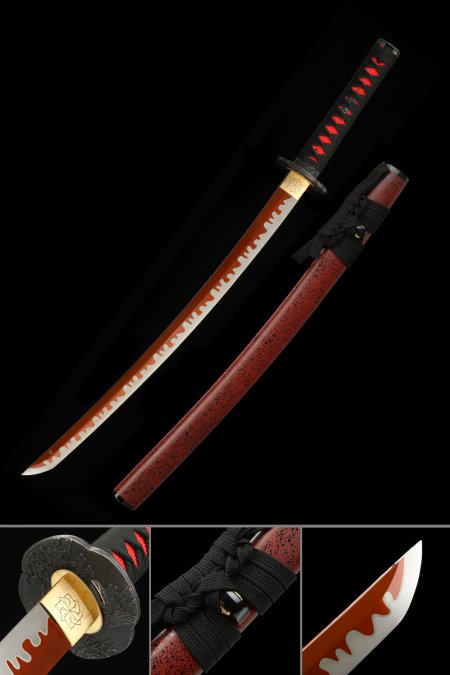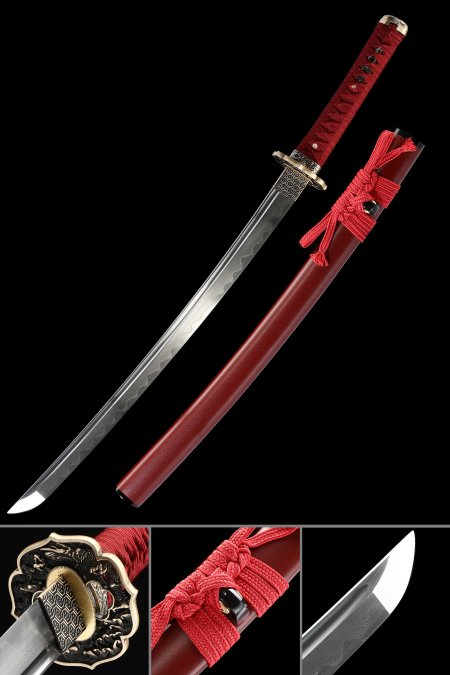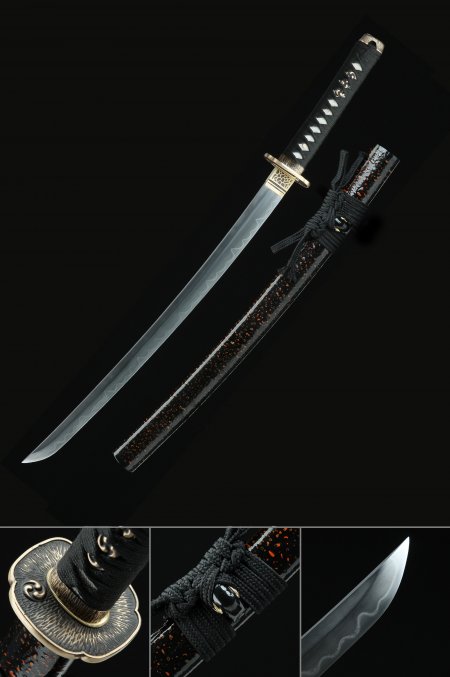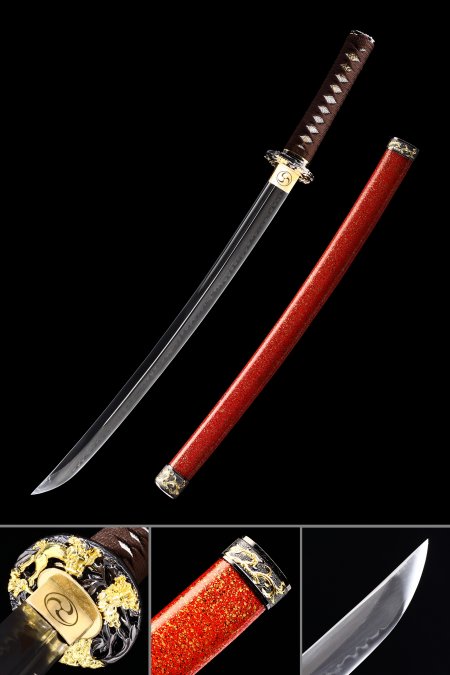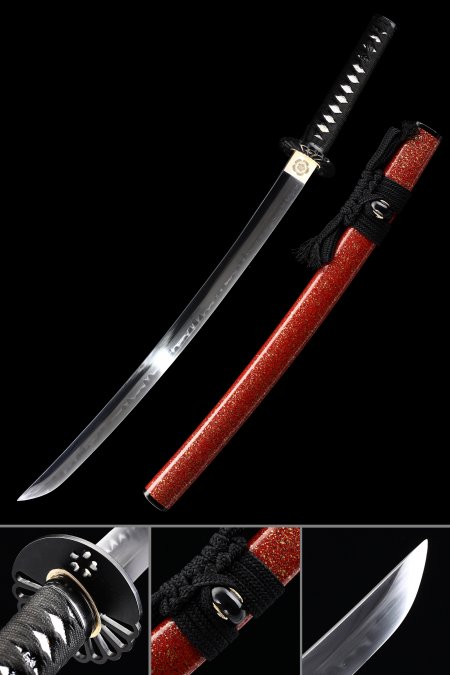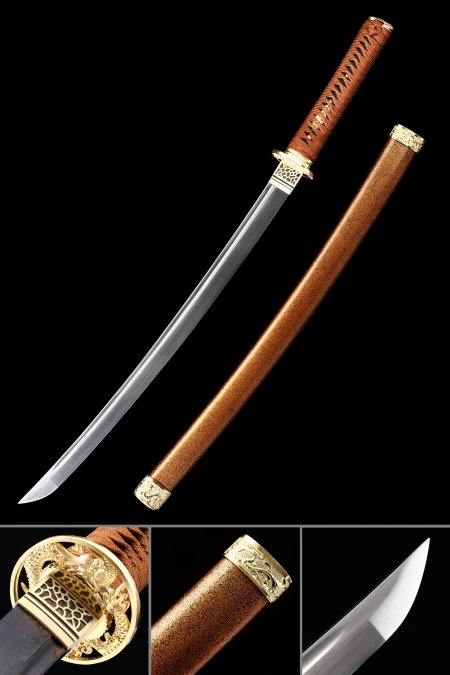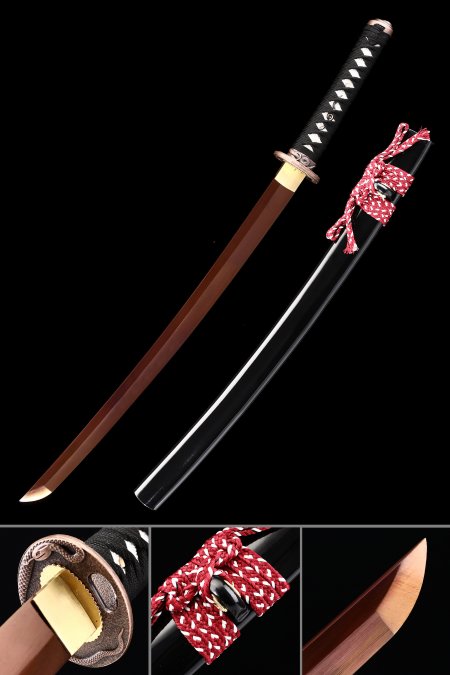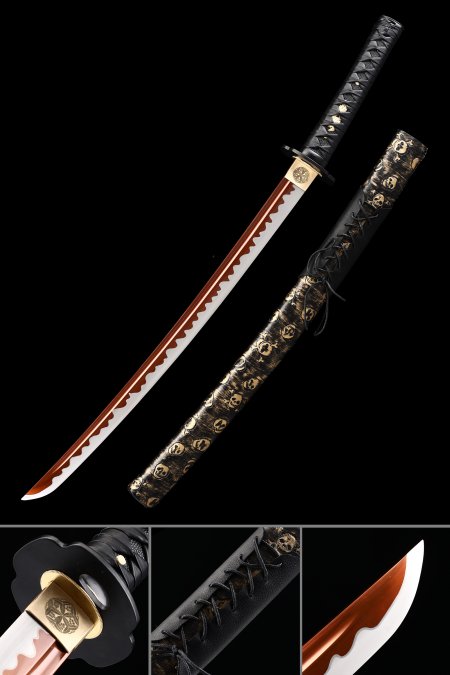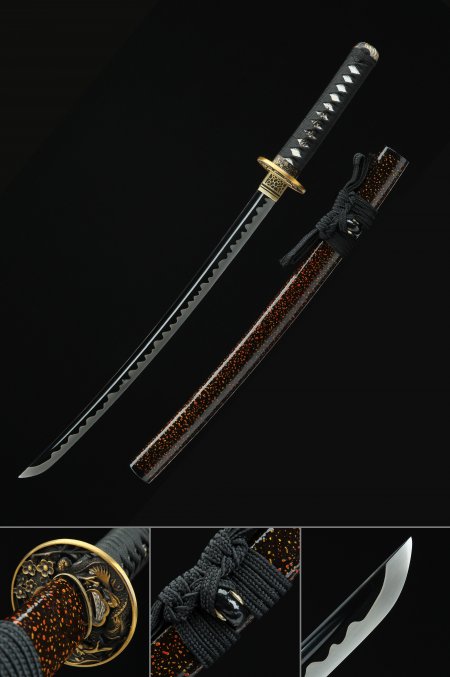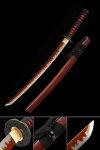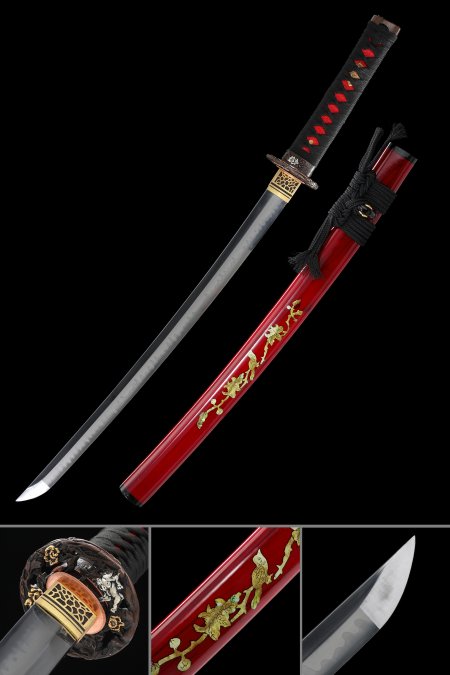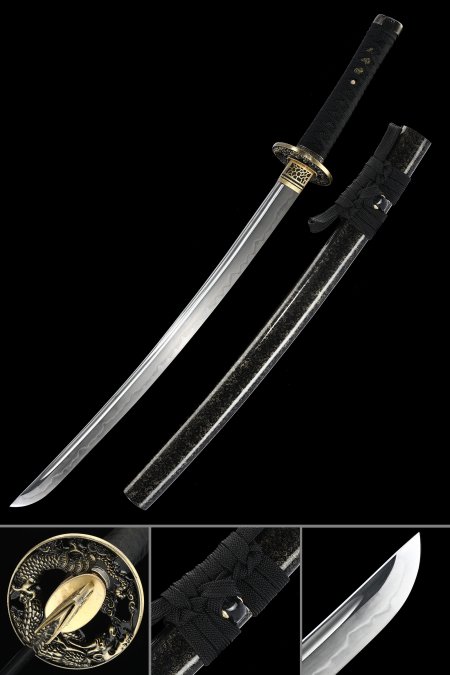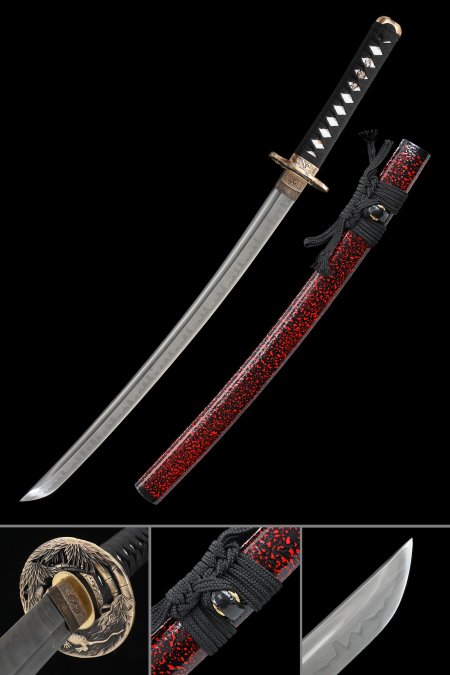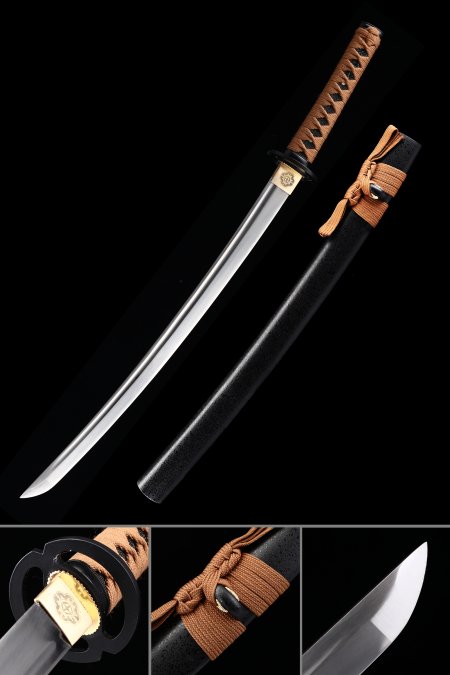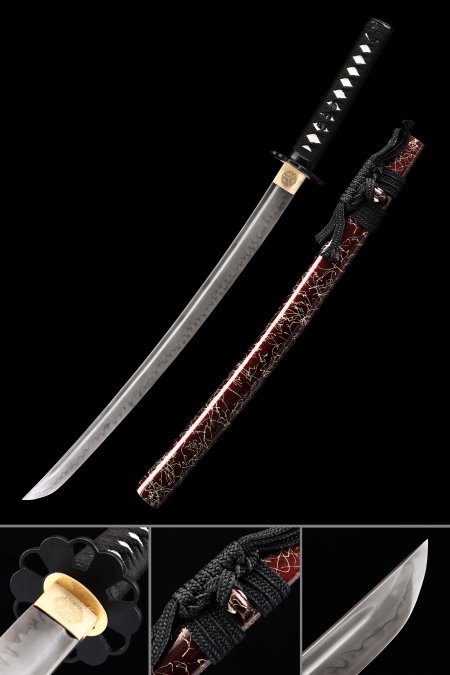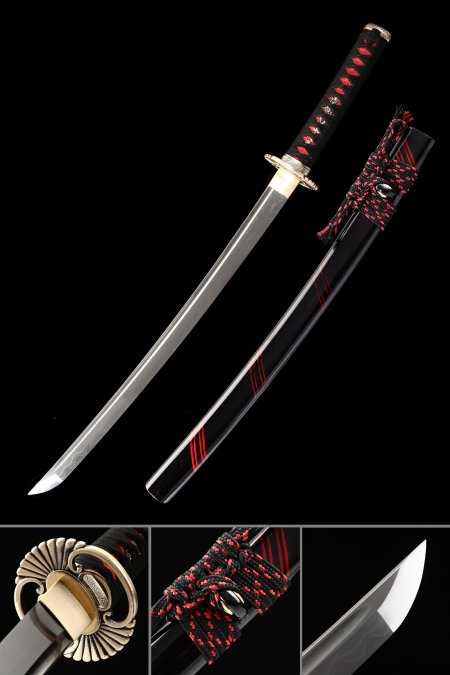
Multi-colored Wakizashi

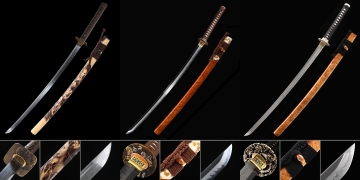
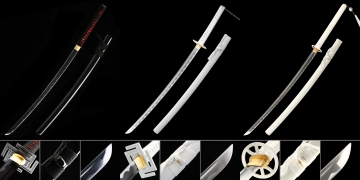
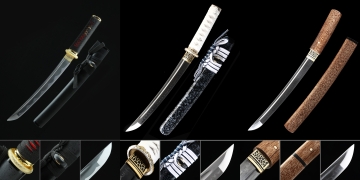
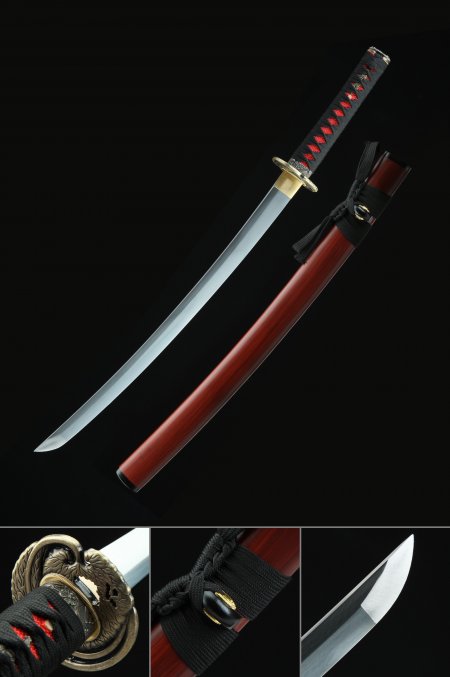
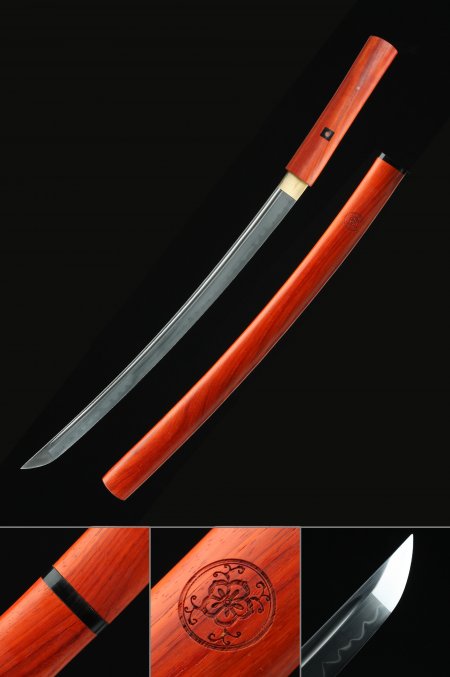
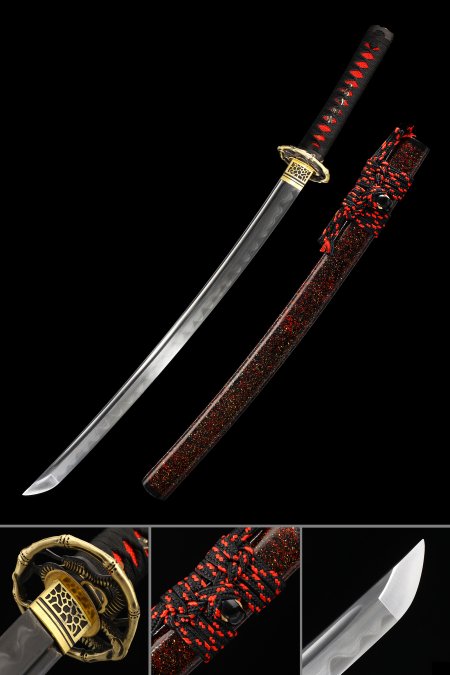
A multi-colored wakizashi is where traditional Japanese craftsmanship meets bold aesthetic expression - each piece distinguished by vivid lacquer saya, intricately wrapped ito, and ornate tsuba that elevate it well beyond an ordinary display piece. Our collection spans T10 carbon steel, Damascus, and high manganese steel blades, many featuring authentic hamon and full-tang construction that serious collectors genuinely appreciate. Every sword is hand-assembled with care, making it an exceptional addition to any collection or a thoughtful gift for the discerning enthusiast. Enjoy free standard shipping on all orders, plus a hassle-free return policy for your peace of mind.
Showing 18 Products

Related Collections

Antique Tanto82 items


383 Reviews

Natural Katana102 items


294 Reviews

Zangetsu Sword2 items


311 Reviews

Aikuchi Tanto120 items


584 Reviews

Frequently Asked Questions

What steel types are used in multi-colored wakizashi?
Multi-colored wakizashi in this collection are crafted from several distinct steel types, each with its own visual and structural character. T10 high-carbon steel is frequently clay-tempered to produce a real hamon - a visible temper line that emerges from differential hardening and is a hallmark of traditional Japanese blade craft. Damascus steel offers surface-layer patterning created through folding and forge-welding, resulting in a flowing visual texture that interacts uniquely with various lighting conditions. High manganese steel is valued for its toughness and consistency, making it a practical choice for display pieces that may occasionally be handled. Each steel type pairs differently with colored lacquer saya and decorative tsuba, so your choice of blade material will influence the overall aesthetic and long-term maintenance requirements of your collectible.
How does a wakizashi differ from a katana in a collection?
The wakizashi typically measures between 30 and 60 centimeters in blade length, making it notably more compact than the katana. In a collection context, this shorter form factor offers distinct advantages: it requires less display space, pairs naturally with a katana to form a daisho set, and often draws focus to the intricate details of its fittings - tsuba, ito wrapping, and saya finish - that might read as smaller accents on a longer blade. Multi-colored wakizashi with ornate tsuba designs such as phoenix, dragon, or chrysanthemum motifs can serve as standalone display centerpieces without the spatial demands of a full-length katana. For collectors building a diverse Japanese sword display, wakizashi offer a visually complementary scale that balances a collection rather than duplicating it.
What does "real hamon" mean on a collectible wakizashi?
A real hamon is the temper line that appears along the blade edge as a result of clay tempering - a process where clay is applied to the blade spine before quenching, causing the edge to harden more rapidly than the back. This differential hardening creates a visible boundary line between the hardened edge (ha) and the softer spine (mune), with characteristic crystalline activity patterns called nie and nioi. Unlike a false hamon produced through acid etching or mechanical simulation, a real hamon is embedded in the steel's metallurgical structure and cannot be polished away. It is one of the most prized features a collector can look for, as it signals authentic heat-treatment methodology and gives each blade a visually unique signature that no two pieces will replicate exactly.
How should I care for a lacquered saya on a display wakizashi?
Piano lacquer and hardwood saya on multi-colored wakizashi are susceptible to a few specific environmental hazards. Prolonged direct sunlight is the most damaging, as UV exposure fades lacquer pigments and can dry out the wood beneath, causing micro-cracking over time. Store your piece horizontally on a sword stand in a stable indoor environment, ideally between 40-60% relative humidity. Avoid placing the sword near air conditioning vents or radiators, which create rapid humidity fluctuations. Clean the saya surface occasionally with a soft, dry cloth - avoid water or chemical cleaners that can strip the lacquer finish. The ito wrapping on the handle should also be inspected periodically; silk or synthetic cord can loosen with seasonal humidity changes, and gentle re-tensioning from a skilled craftsman will restore its appearance without damaging the underlying same (ray skin) panel.
Are multi-colored wakizashi a good gift for sword enthusiasts?
Multi-colored wakizashi make particularly thoughtful gifts for collectors because their visual distinctiveness sets them apart from the more uniformly finished pieces that tend to dominate entry-level collections. The combination of an ornate tsuba - such as a gold dragon or brass snake design - with a vividly lacquered saya and coordinated ito wrapping communicates both aesthetic intention and material investment, which experienced collectors immediately recognize and appreciate. Full-tang construction found in many of these pieces further signals quality to a knowledgeable recipient. For gift-giving purposes, pairing a multi-colored wakizashi with a dedicated display stand enhances the presentation and shows awareness of how the piece will actually be used. If the recipient already owns a katana, a complementary wakizashi in a matching color palette can serve as a meaningful addition to an evolving daisho-style display.

Customer Reviews

Cart 0 Items

Your cart is empty