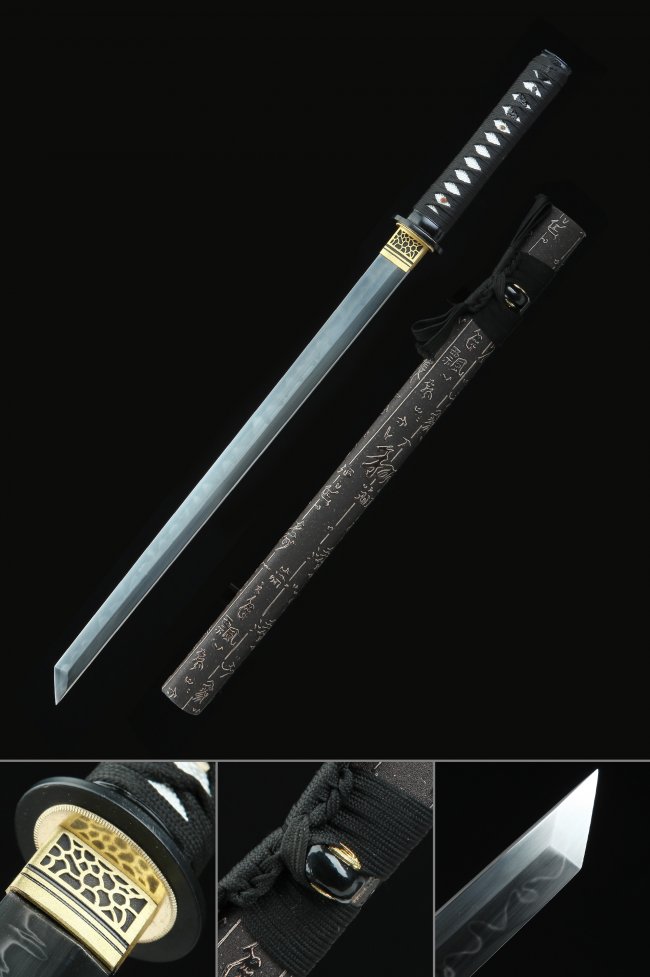
Ninjato
Browse over 199 handmade ninja swords and ninjato, each hand-forged with a straight blade in the iconic shinobi tradition. Our collection includes carbon steel, T10, and damascus steel options — from classic all-black designs to custom pieces with unique saya finishes. Whether you're adding to a Japanese sword collection or looking for a distinctive display piece, every ninjato ships free to the US with a 30-day satisfaction guarantee.
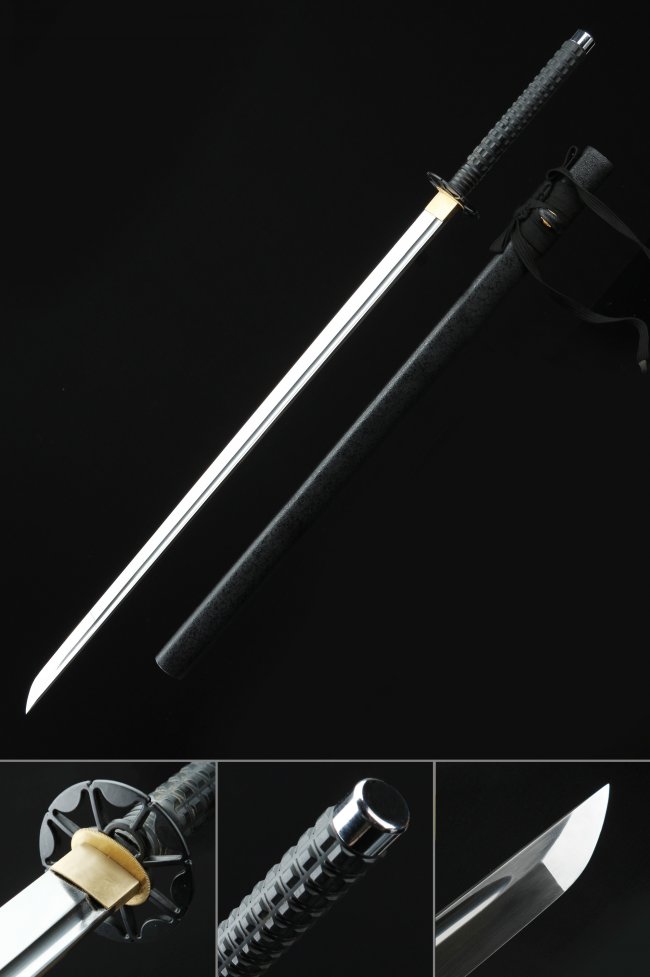
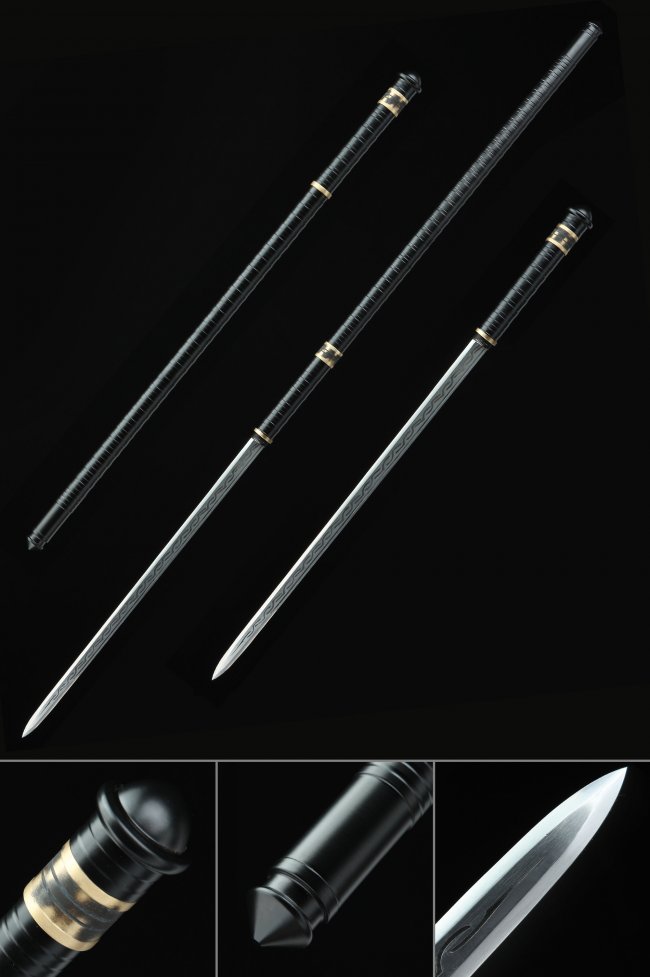
Chokuto Ninjato Sword In Manganese Steel With Black Alloy Tsuba And Matte Hardwood Saya - Full Tang Straight Blade
19 Reviews
ON SALE 15% OFF
$169.00
$199.00
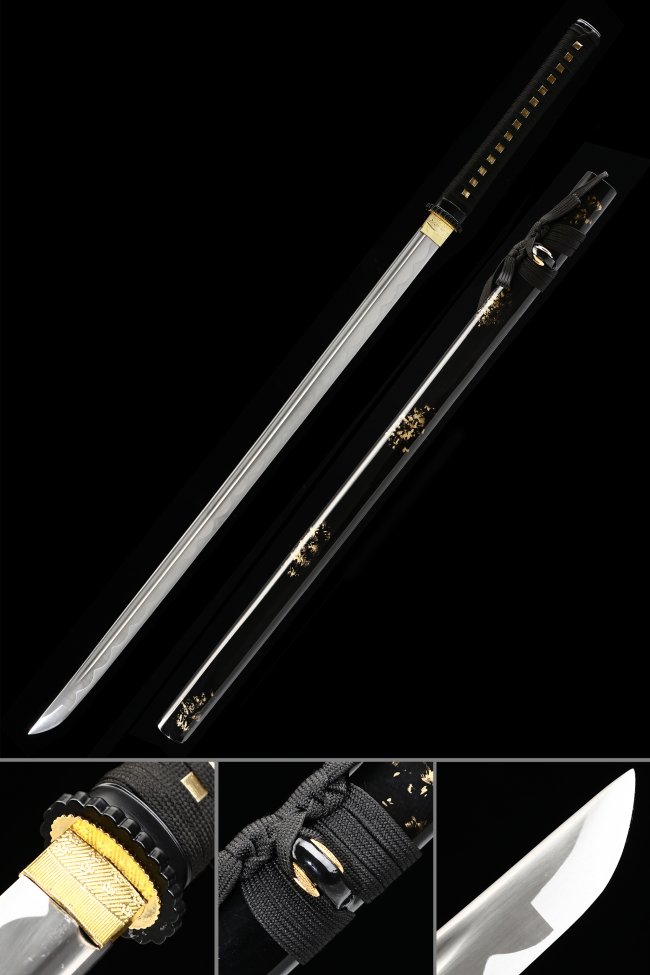
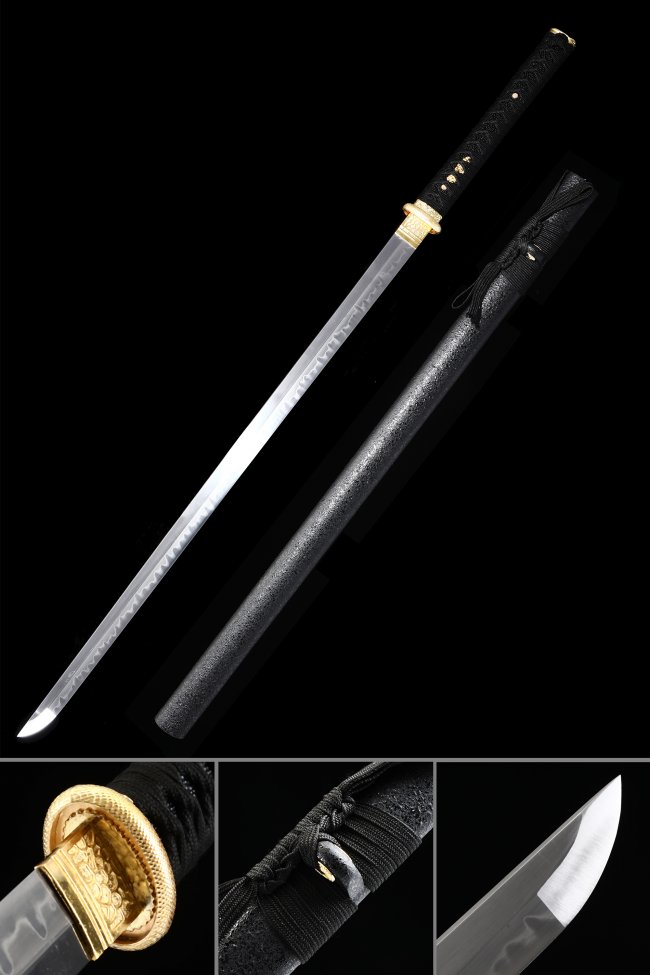
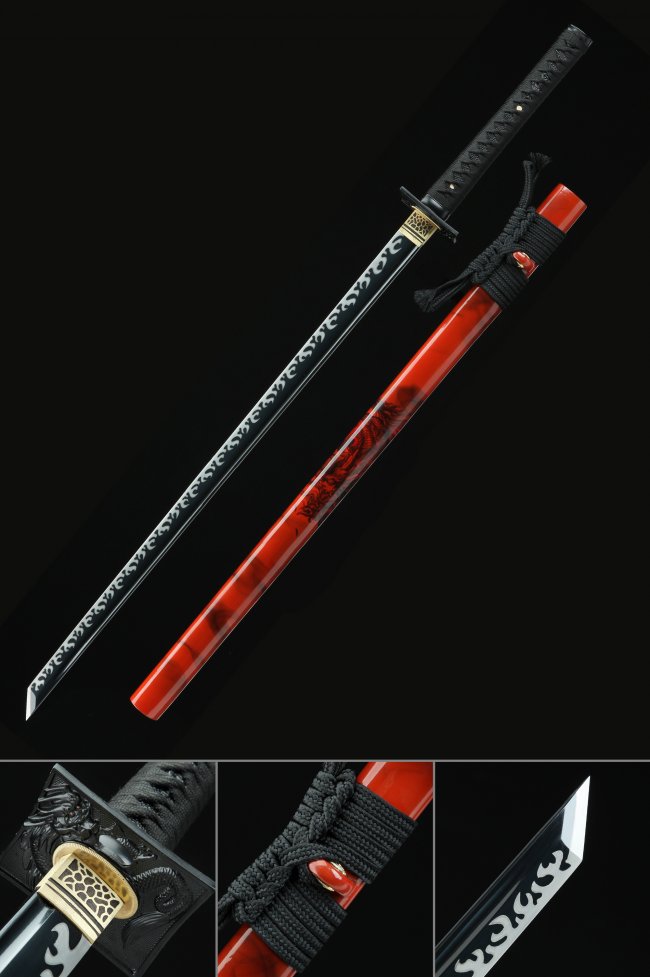
Chokuto Ninjato Sword 1045 Carbon Steel With Flame Engraved Black Blade In Red Dragon Saya
16 Reviews
ON SALE 15% OFF
$189.00
$219.00
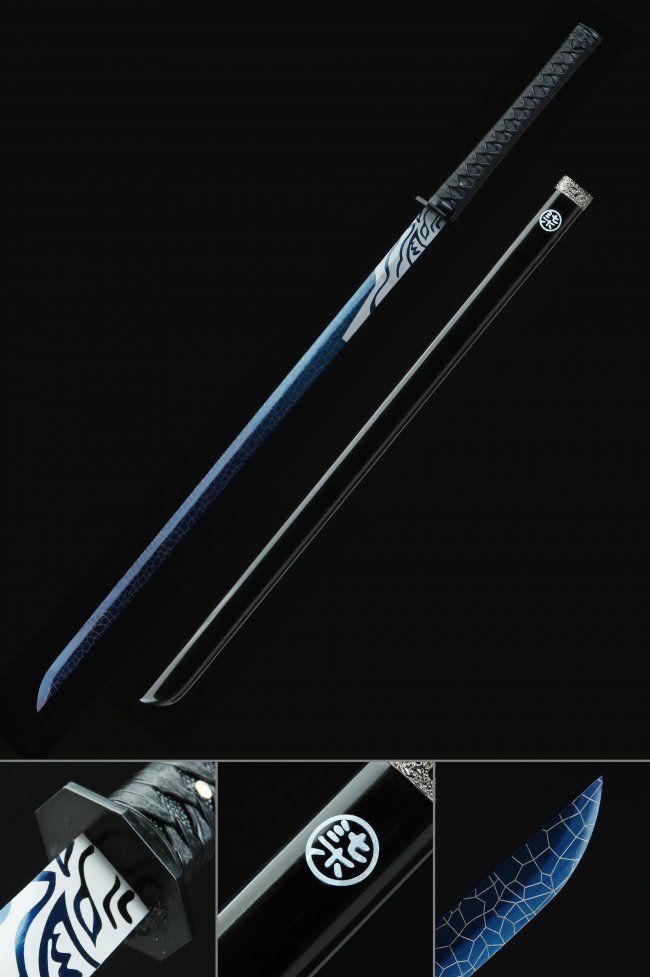
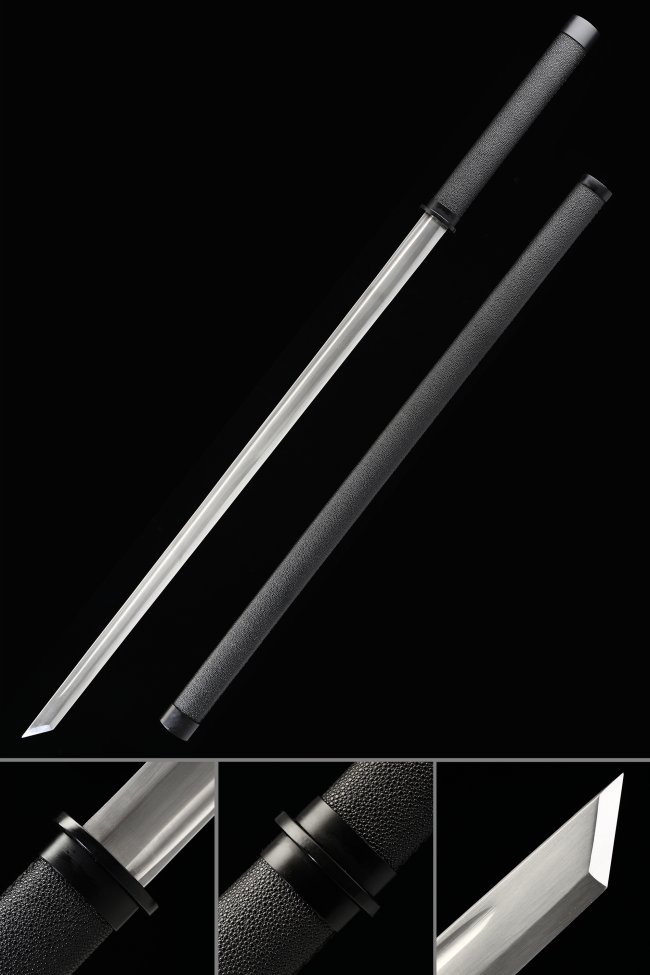
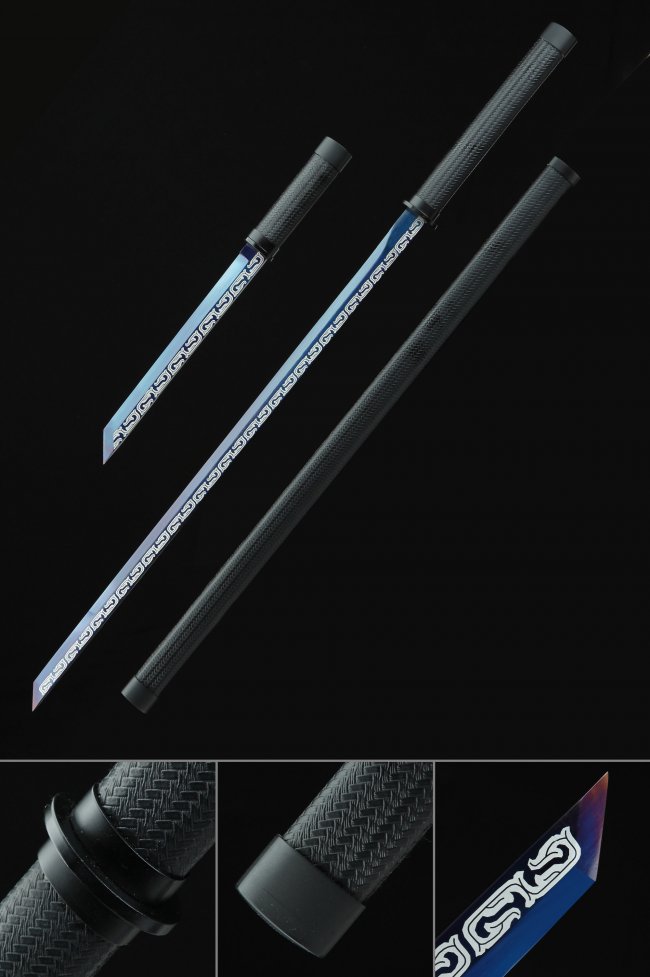
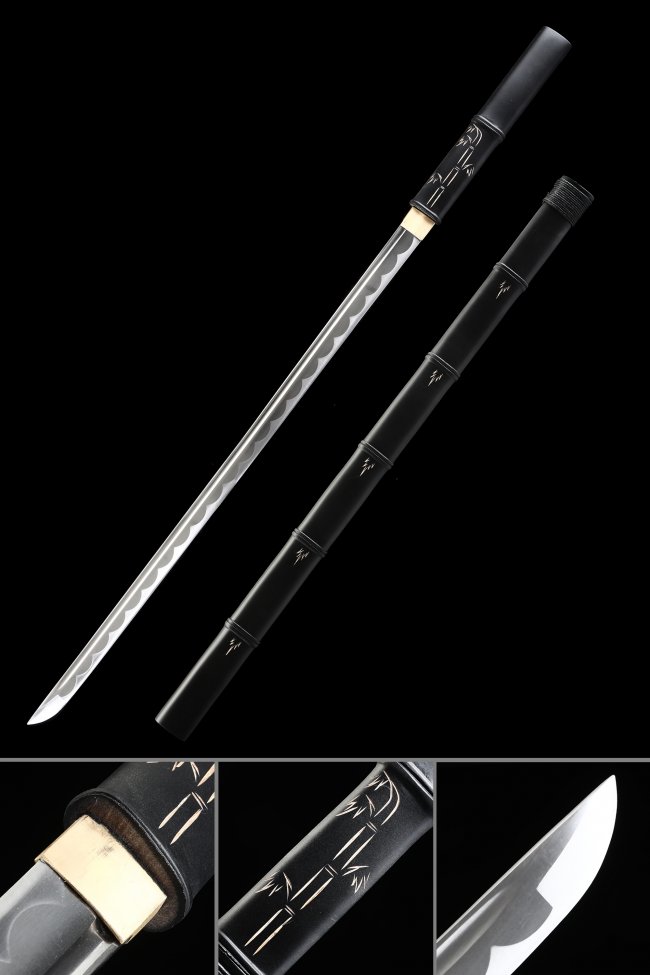
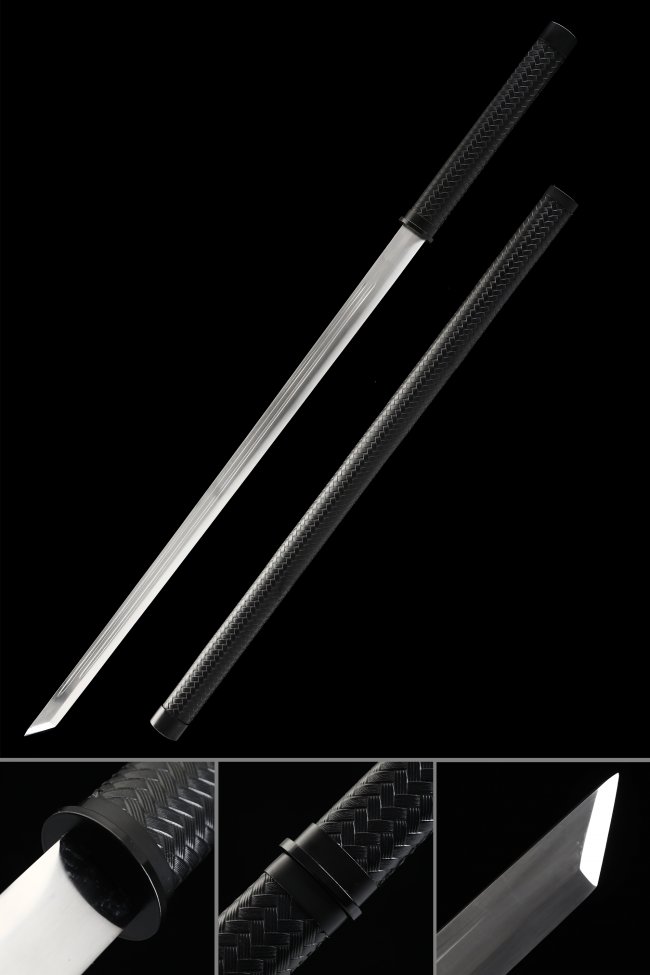
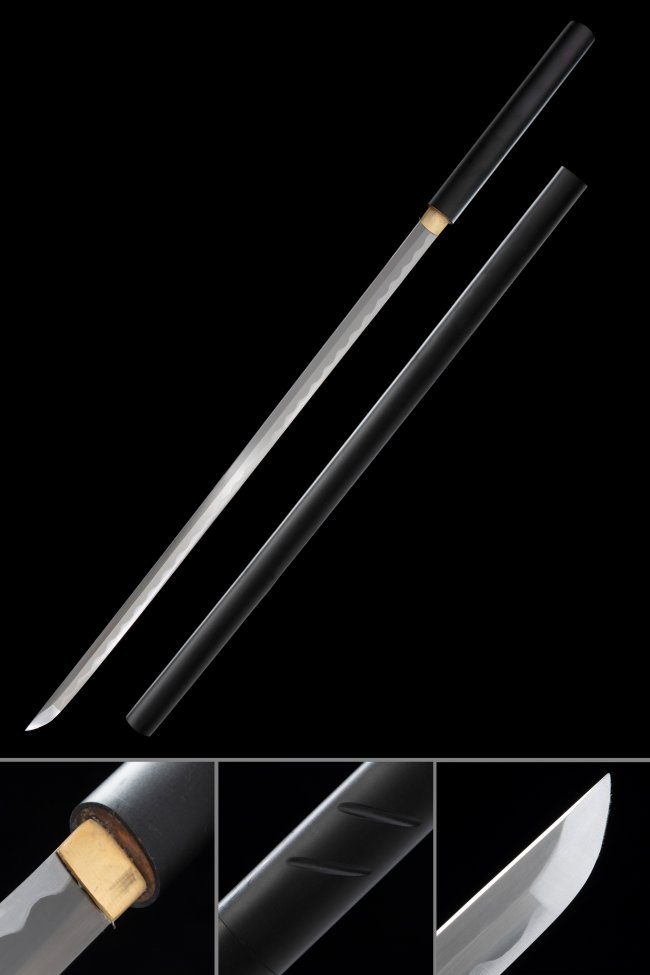
Full Tang 1045 Carbon Steel Ninjato, Black Bamboo Saya & Black Tsuka
83 Reviews
ON SALE 15% OFF
$139.00
$169.00
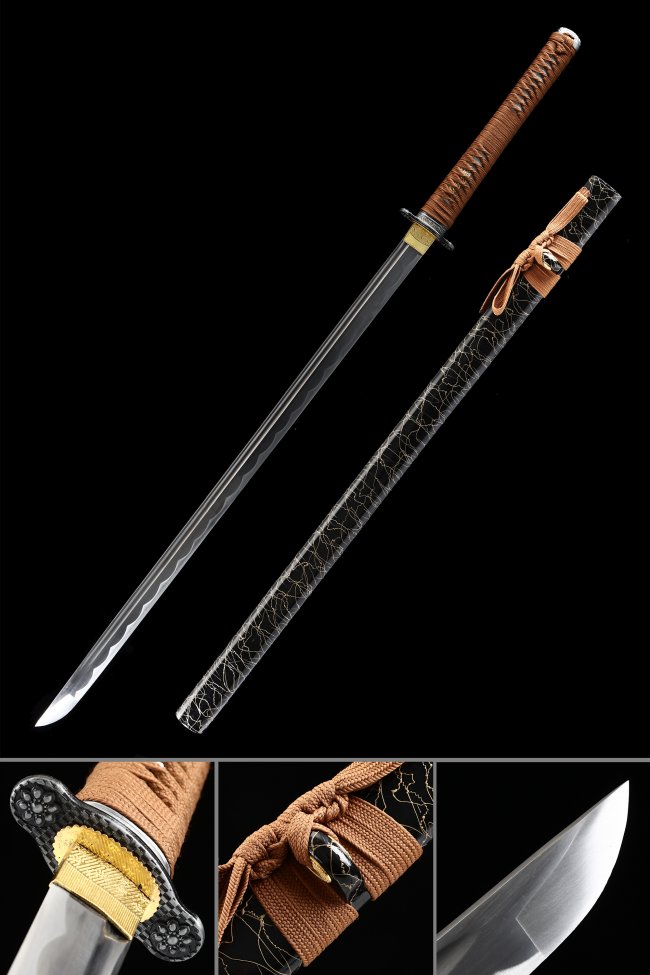
1045 Carbon Steel Chokuto Ninjato Sword With Brown Ito Wrap And Gold Vine Patterned Black Saya - Full Tang
6 Reviews
ON SALE 15% OFF
$139.00
$169.00
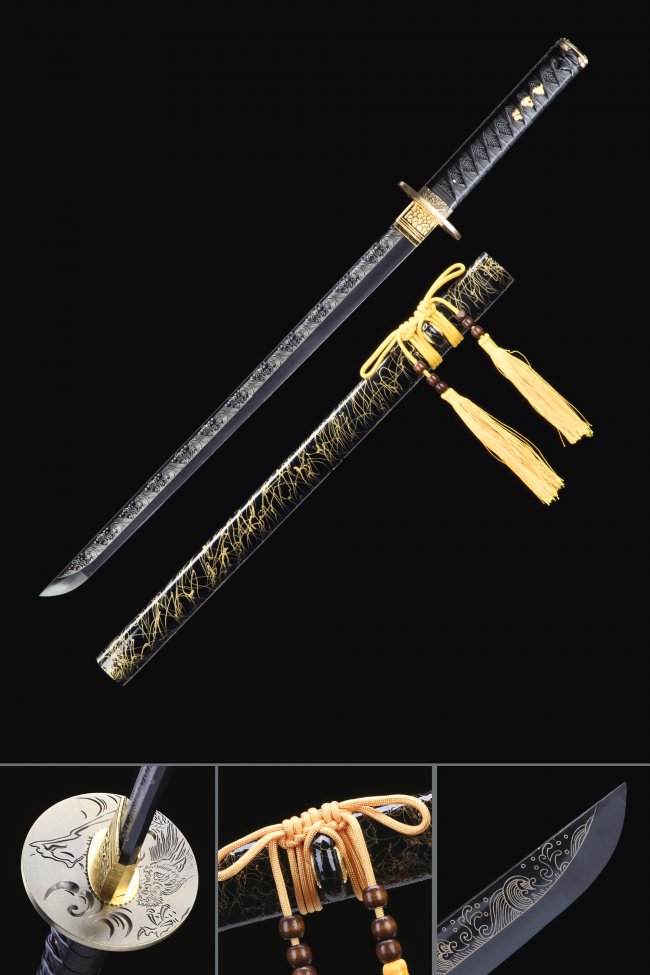
1045 Carbon Steel Ninjato With Wave-engraved Black Blade And Gold Vine Saya - Dragon Tsuba Ninja Sword
6 Reviews
ON SALE 15% OFF
$159.00
$189.00
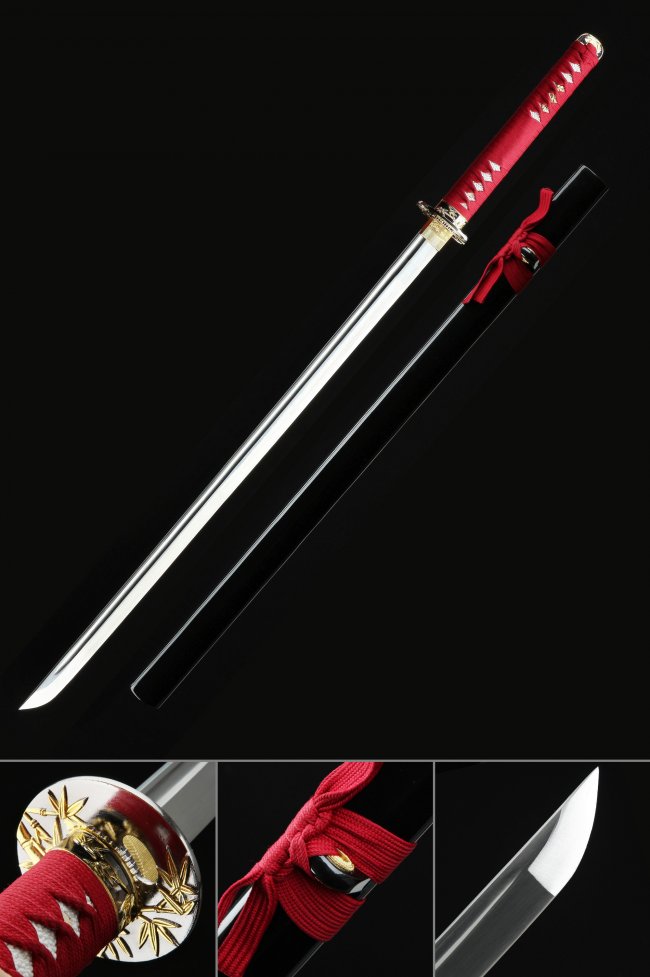
1045 Carbon Steel Ninjato Sword With Gold Bamboo Tsuba In Red And Black - Full Tang Ninja Sword
10 Reviews
ON SALE 15% OFF
$139.00
$159.00
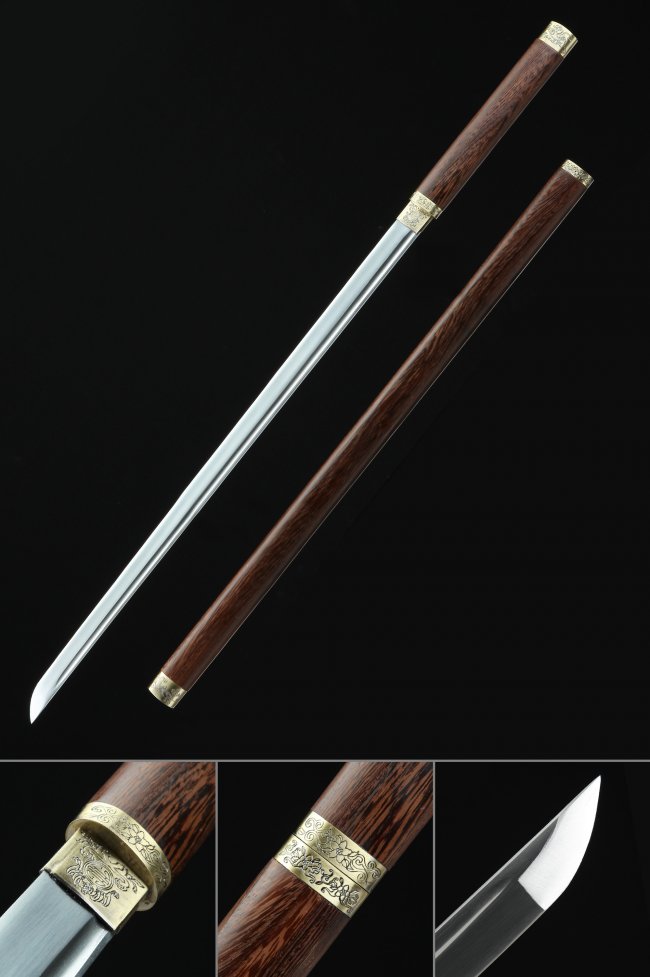
Fujitora Issho Sword - 1045 Carbon Steel Ninjato With Rosewood Saya And Gold Alloy Fittings
12 Reviews
ON SALE 15% OFF
$139.00
$169.00
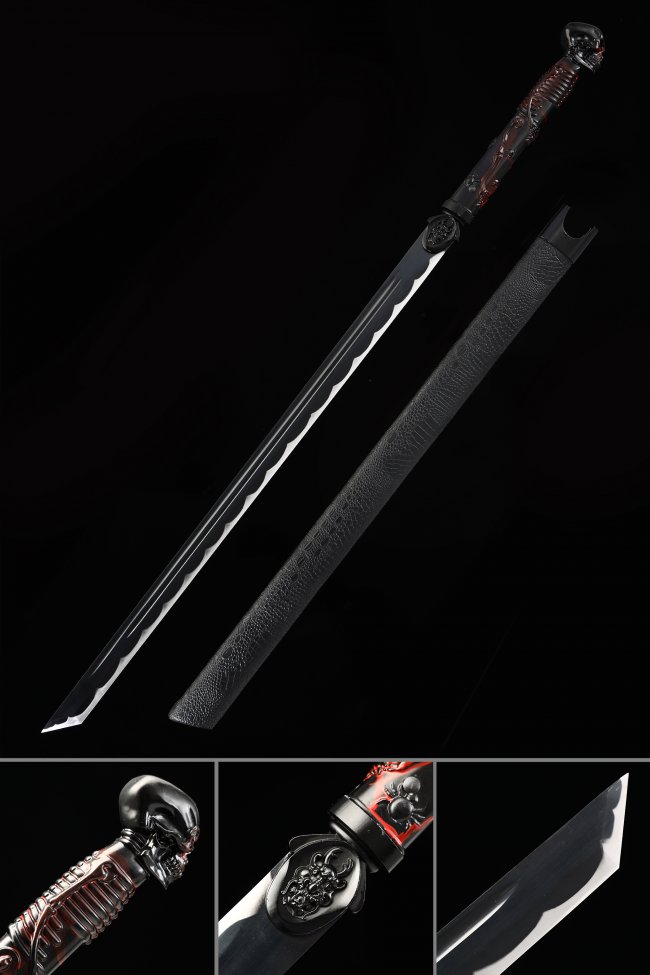
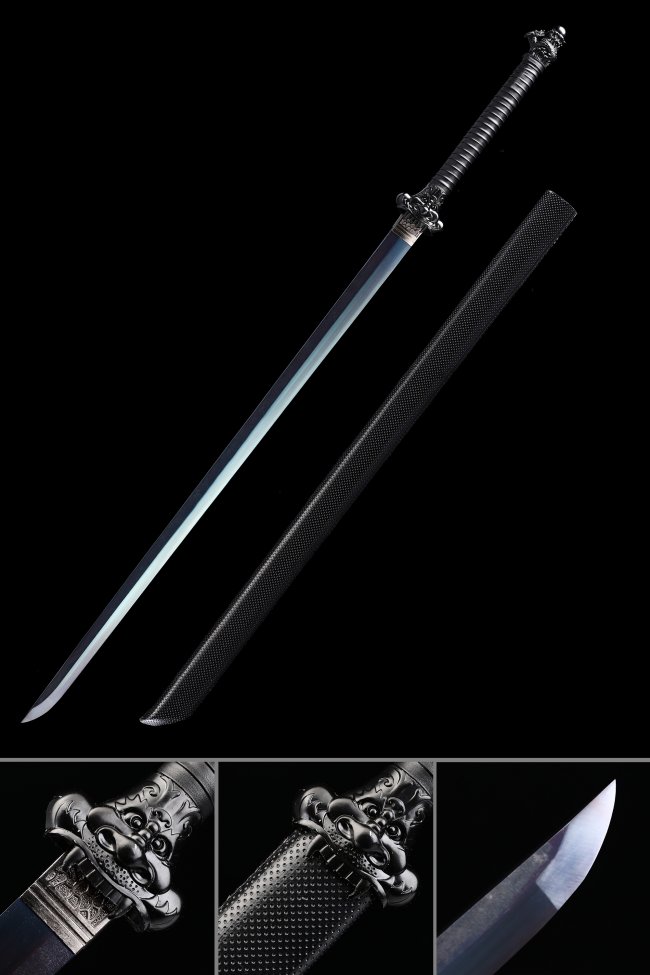
T10 Steel Clay-tempered Ninjato With Skull Pommel In Black Pu Leather Saya - Straight Ninja Sword
36 Reviews
ON SALE 15% OFF
$159.00
$189.00
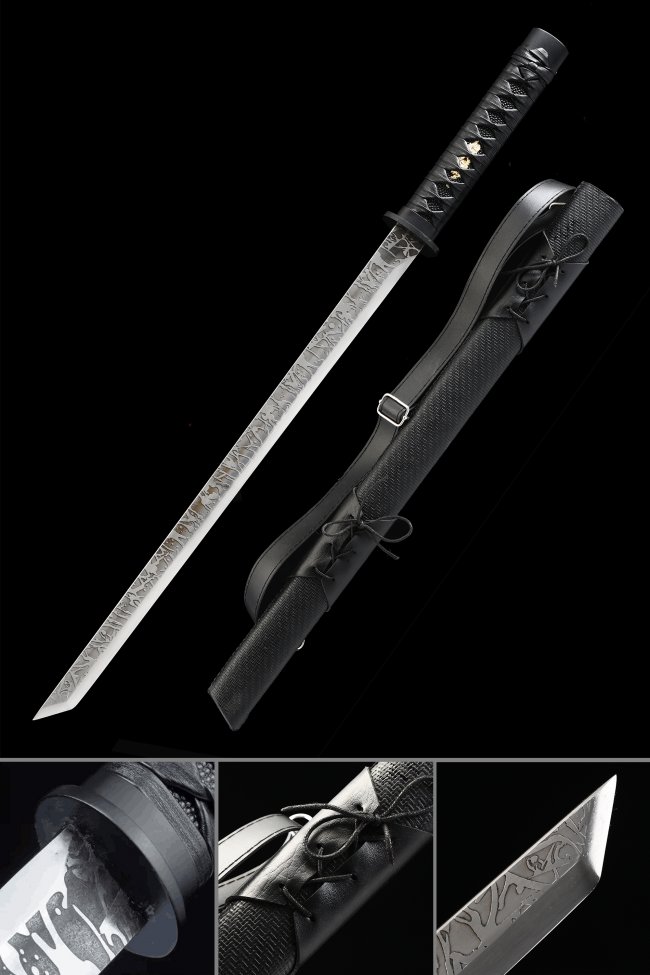
T10 Steel Clay-tempered Ninjato Sword With Black Leather-wrapped Saya And Alloy Tsuba
8 Reviews
ON SALE 15% OFF
$139.00
$169.00
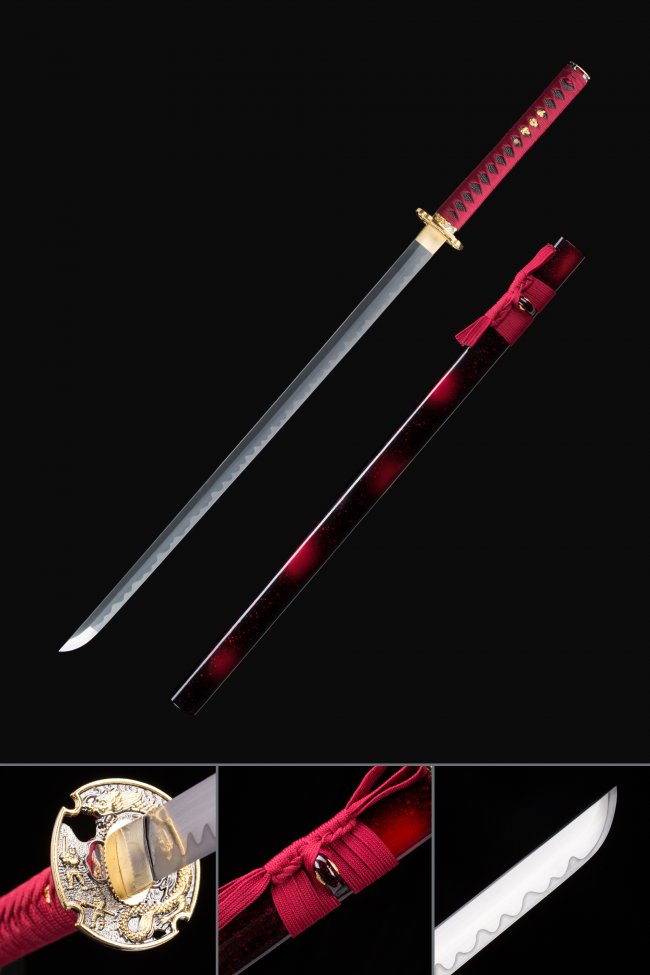
High Manganese Steel Katana With Dragon Tsuba - Red Cord Handle & Dark Red Lacquer Saya
4 Reviews
ON SALE 20% OFF
$169.00
$209.00
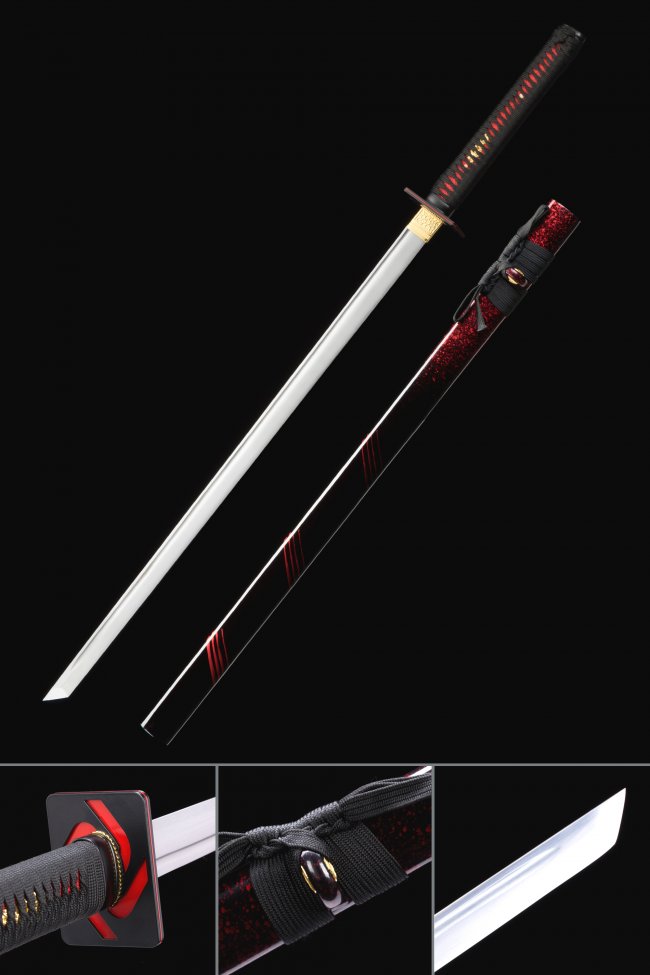
Manganese Steel Straight Ninjato With Red-black Saya And Black Cord Tsuka - Chokuto Replica
3 Reviews
ON SALE 20% OFF
$169.00
$209.00
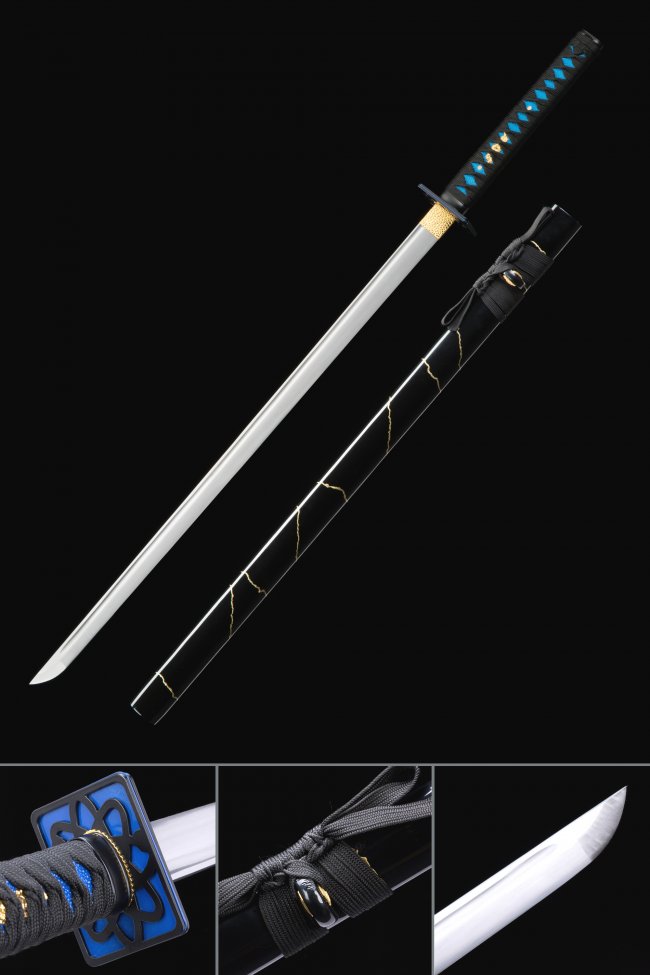
1095 Carbon Steel Ninjato With Black-gold Lightning Saya & Blue Geometric Tsuba - Real Ninja Sword
5 Reviews
ON SALE 20% OFF
$159.00
$199.00
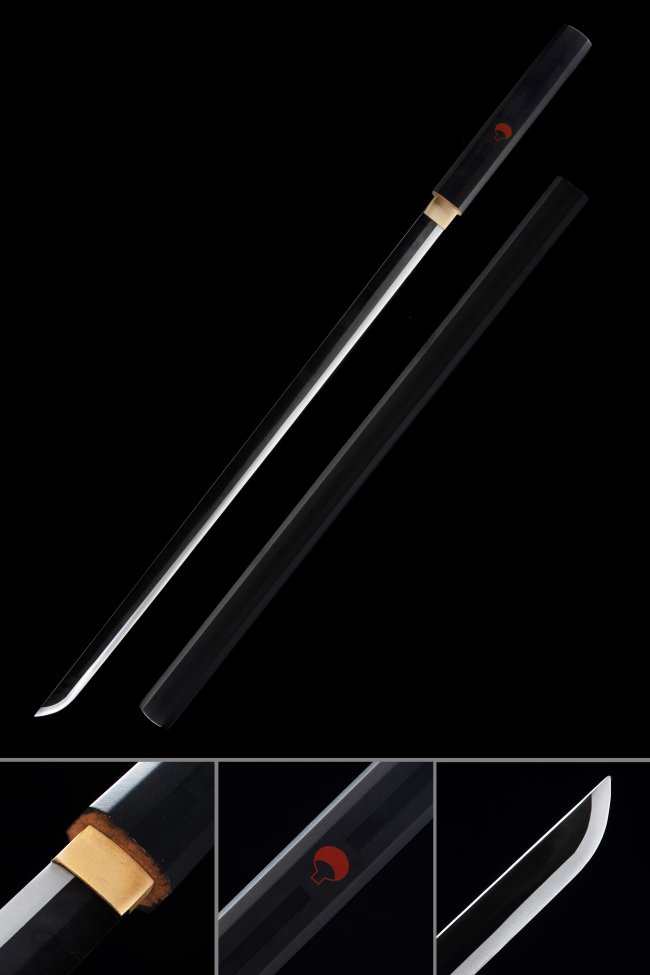
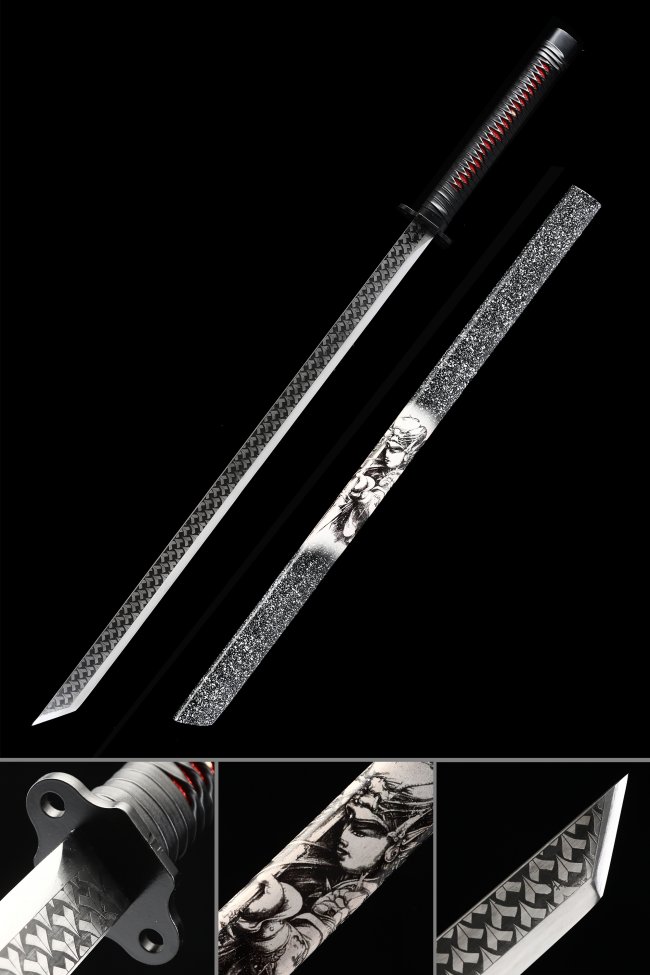
Sasuke Uchiha Sword 1045 Carbon Steel Straight Blade With Black Matte Saya And Uchiha Clan Crest
3 Reviews
ON SALE 15% OFF
$179.00
$209.00
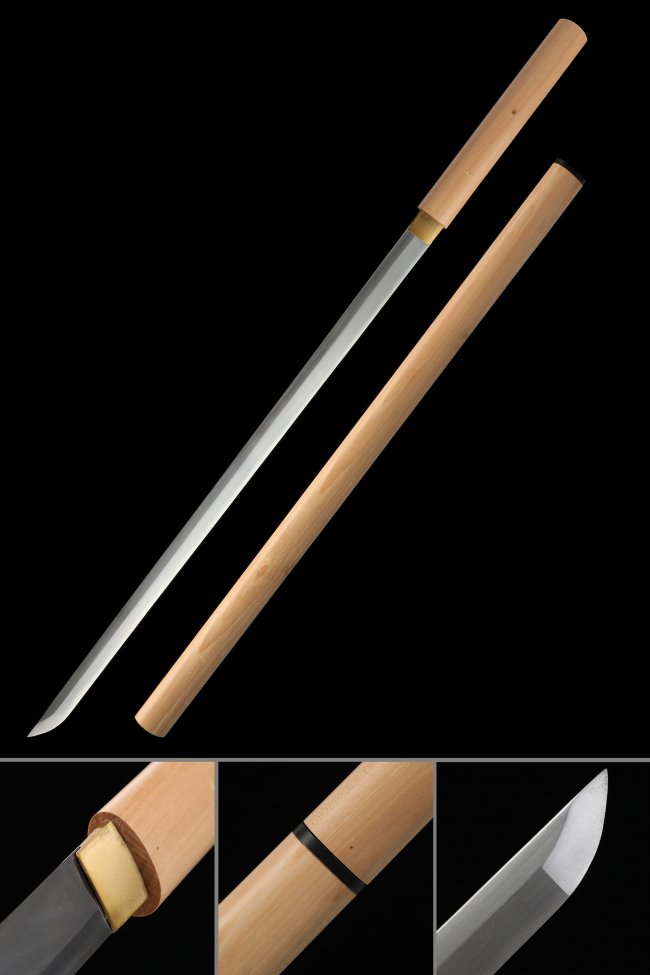
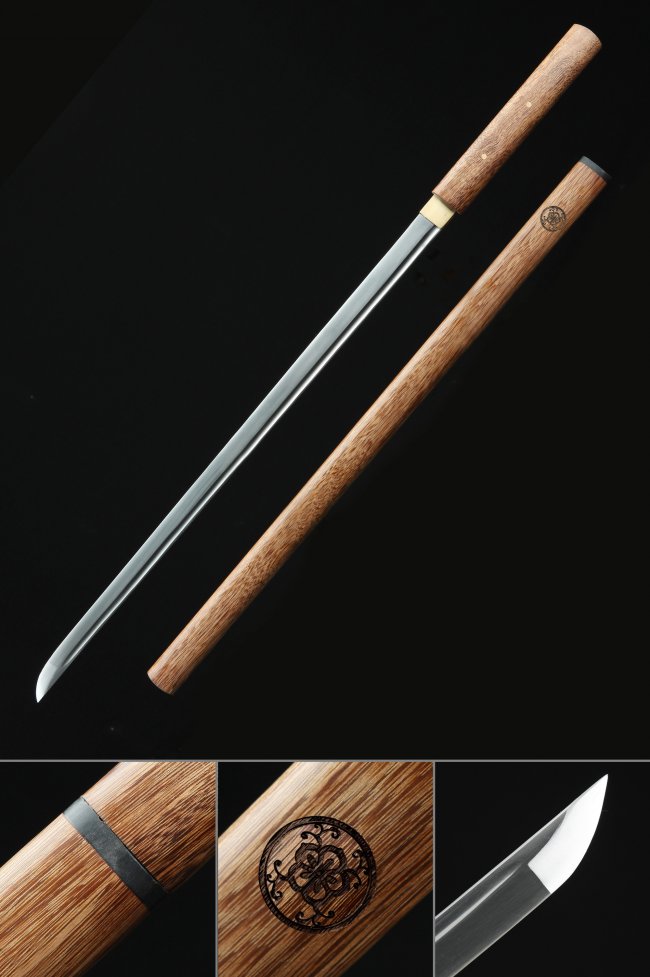
Full Tang 1090 Carbon Steel Ninjato, Natural Wood Saya, Natural Wood Tsuka & 40"
8 Reviews
ON SALE 15% OFF
$149.00
$179.00
Loading more products...
Customer Reviews
The quality and craftsmanship is excellent. More than I could of hoped for.
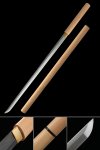 Full Tang 1090 Carbon Steel Ninjato, Natural Wood Saya, Natural Wood Tsuka & 40"
Verified Purchase
Full Tang 1090 Carbon Steel Ninjato, Natural Wood Saya, Natural Wood Tsuka & 40"
Verified Purchase
For the price this item is worth the money. The quality is OK there was a slight warp in the blade. Other than that it’s really well done for the price..
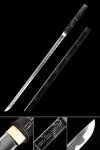 Full Tang 1045 Carbon Steel Ninjato, Black Bamboo Saya & Black Tsuka
Verified Purchase
Full Tang 1045 Carbon Steel Ninjato, Black Bamboo Saya & Black Tsuka
Verified Purchase
Love the weight and the subtle sound of this Ninjato slicing the air is my favorite out of all the swords I have. Thank you!!
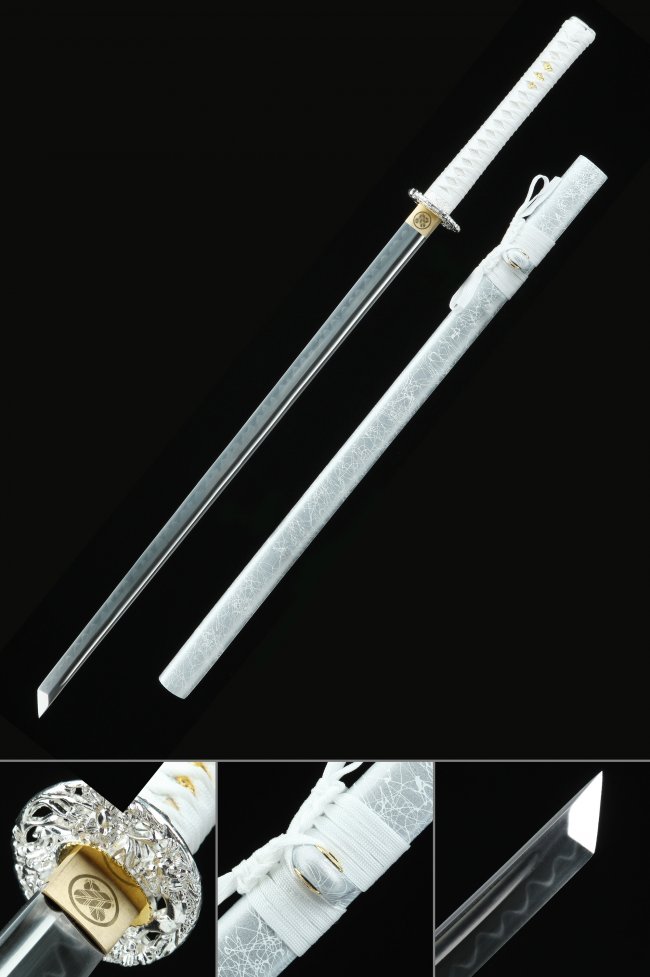
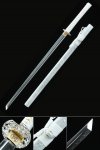 T10 Carbon Steel Chokuto Ninjato with Real Hamon in White Saya - Silver Orchid Tsuba Collectible Sword
Verified Purchase
T10 Carbon Steel Chokuto Ninjato with Real Hamon in White Saya - Silver Orchid Tsuba Collectible Sword
Verified Purchase
Very well built. Highly suggest if this is what you're looking for ,AAA quality.
Full Tang 1045 Carbon Steel Ninjato, Black Bamboo Saya & Black Tsuka
Verified Purchase
Excellent quality. Good weight. I wish the wood was a little darker and no gloss coat but it looks fabulous.
Full Tang 1090 Carbon Steel Ninjato, Natural Wood Saya, Natural Wood Tsuka & 40"
Verified Purchase
Amazinggg will be purchasing other products!! Thank youu!
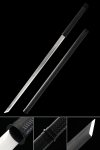 1045 Carbon Steel Ninjato Sword with Black Faux Leather Wrapped Saya in Full Tang Construction
Verified Purchase
1045 Carbon Steel Ninjato Sword with Black Faux Leather Wrapped Saya in Full Tang Construction
Verified Purchase
I loved almost everything about the sword, only giving a 4 because the clips on the strap immediately broke.
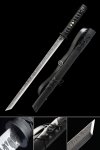 T10 Steel Clay-Tempered Ninjato Sword with Black Leather-Wrapped Saya and Alloy Tsuba
Verified Purchase
T10 Steel Clay-Tempered Ninjato Sword with Black Leather-Wrapped Saya and Alloy Tsuba
Verified Purchase
Nice blade good quality and it got here a day earlier then when I was supposed to
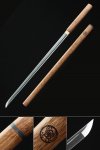 Full Tang Manganese Steel Ninjato, Natural Wood Saya, Natural Wood Tsuka & 41"
Verified Purchase
Full Tang Manganese Steel Ninjato, Natural Wood Saya, Natural Wood Tsuka & 41"
Verified Purchase
It’s rlly clean and sharp I gonna buy more, this is my first purchase, so I’m definitely buy more.
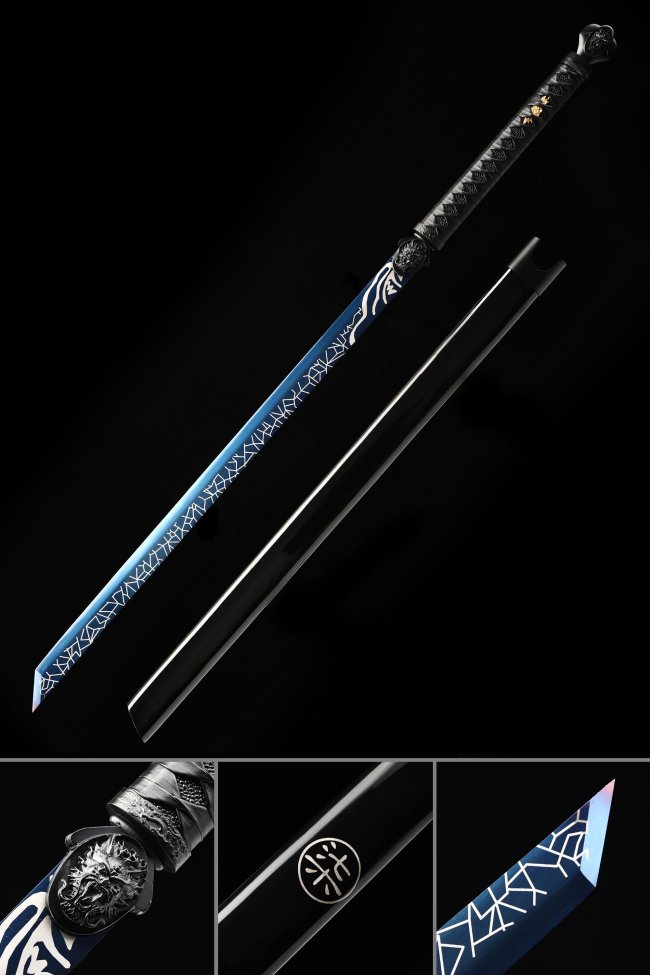
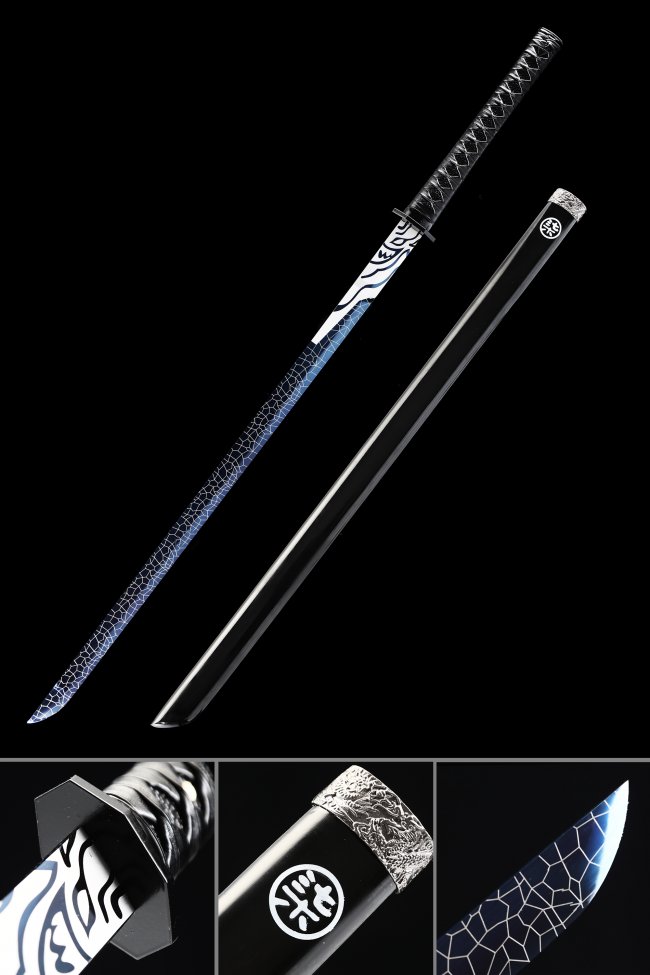
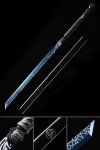 Blue Blade Manganese Steel Ninjato Sword Full Tang with Black Leather Handle and Dragon Pommel
Verified Purchase
Blue Blade Manganese Steel Ninjato Sword Full Tang with Black Leather Handle and Dragon Pommel
Verified Purchase
The sword arrived unscathed, excellent craftsmanship. Well balanced and blade was sharp, Plan to get more in the near future.
Full Tang Manganese Steel Ninjato, Natural Wood Saya, Natural Wood Tsuka & 41"
Verified Purchase
I am not a swordsman so I can't comment on how good it is but as an amateur I'm very happy it looks sturdy and made with quality materials
Blue Blade Manganese Steel Ninjato Sword Full Tang with Black Leather Handle and Dragon Pommel
Verified Purchase
Really love the sword. Better than I expected. Will definitely be a returning customer
1045 Carbon Steel Ninjato Sword with Black Faux Leather Wrapped Saya in Full Tang Construction
Verified Purchase
Outstanding craftsmanship and attention to detail, I am very pleased.
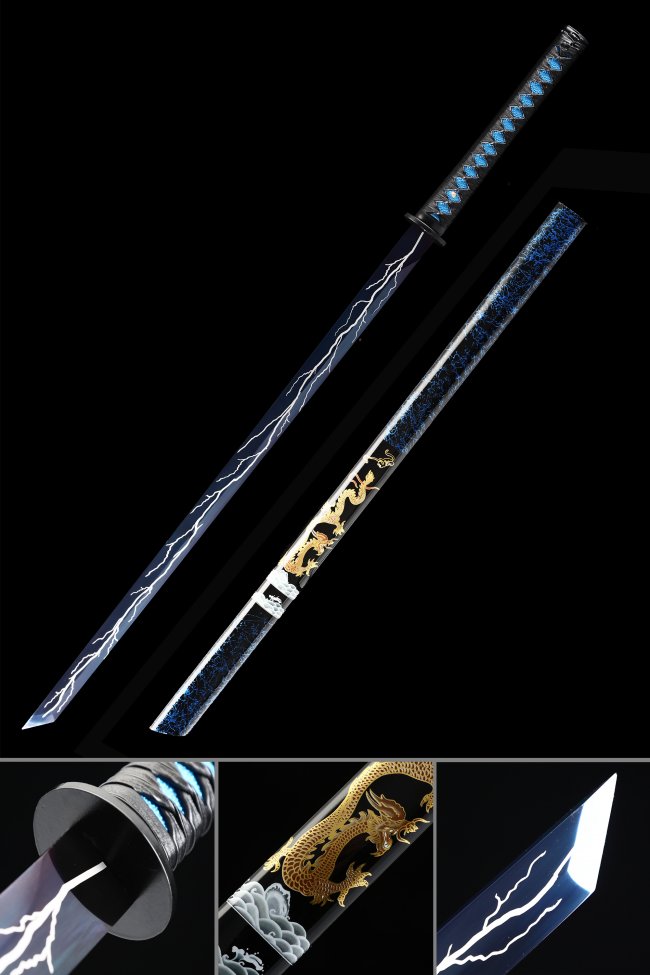
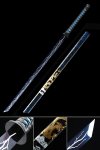 Chokuto Ninjato Straight Sword in Manganese Steel with Blue Lightning Blade and Dragon Saya
Verified Purchase
Chokuto Ninjato Straight Sword in Manganese Steel with Blue Lightning Blade and Dragon Saya
Verified Purchase
Very nice quality sword. Very well crafted, sharp, and looks great on display. Came packaged very well. Over, very nice product and will certainly purchase more in the future.
T10 Carbon Steel Chokuto Ninjato with Real Hamon in White Saya - Silver Orchid Tsuba Collectible Sword
Verified Purchase
This is another great addition to my collection all purchased from TrueKatana. The swords are beautifully crafted and the designs are remarkable. Highly recommended.
Chokuto Ninjato Straight Sword in Manganese Steel with Blue Lightning Blade and Dragon Saya
Verified Purchase
Loading more reviews...