What steel types are used in red blade ninjato swords?
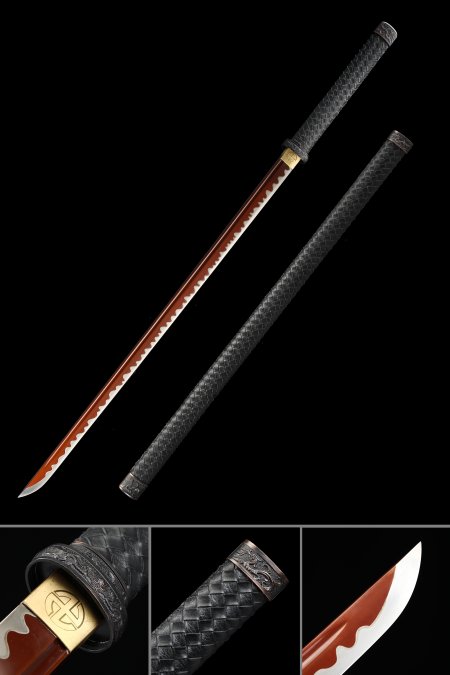
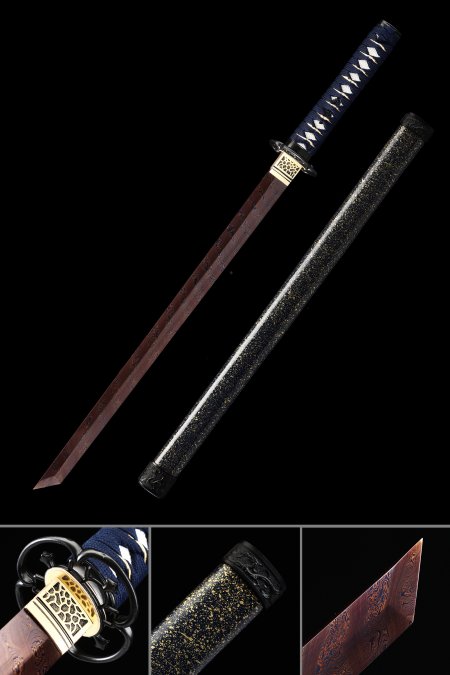
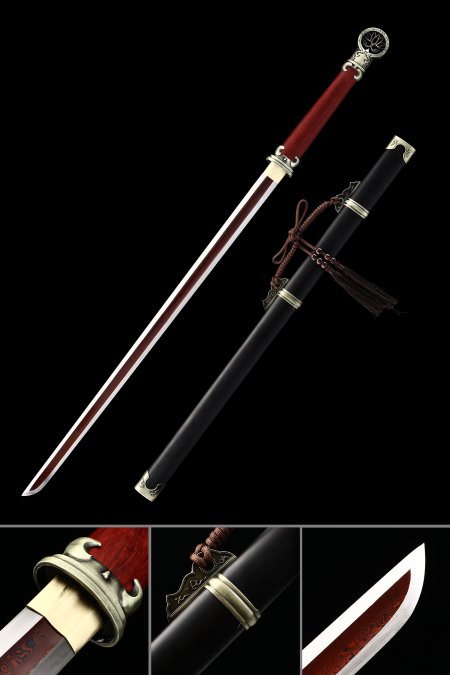
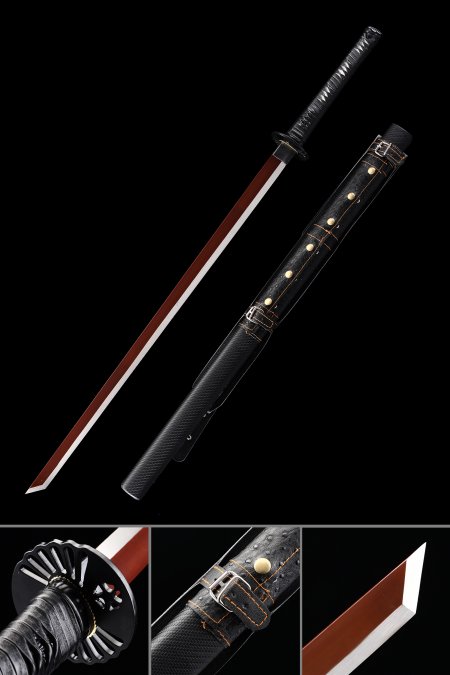
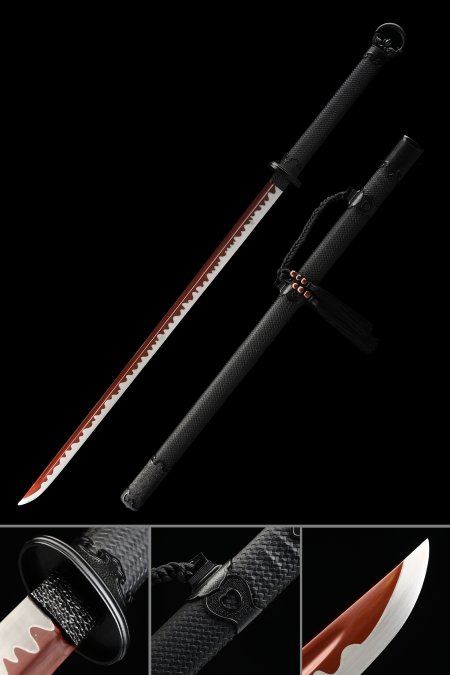
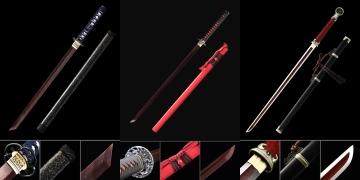
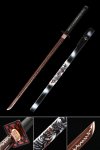
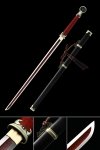
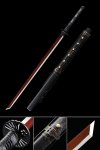
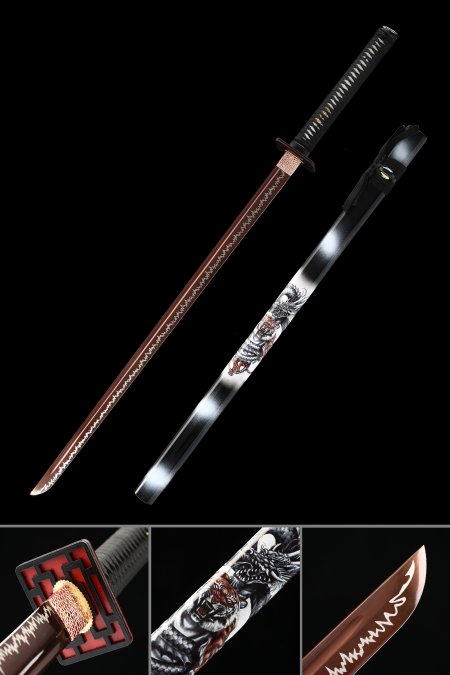
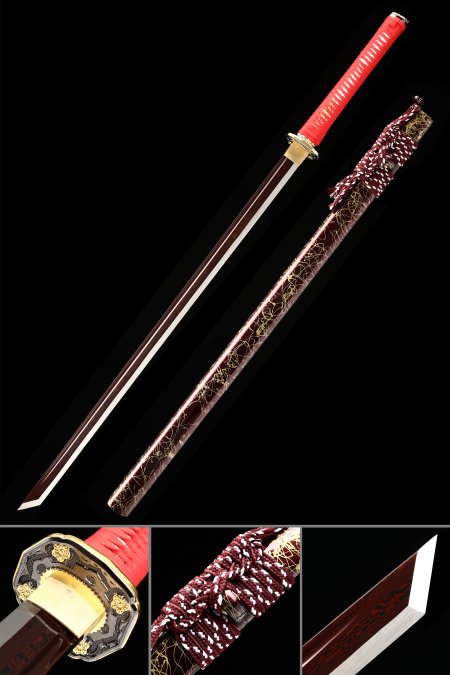
Red blade ninjato in this collection are forged from three distinct steels, each with different characteristics. Damascus steel is created by folding and welding multiple steel layers, producing visible grain patterns on the surface that interact uniquely with red blade finishes. 1095 high-carbon steel offers a dense, uniform grain ideal for deep oxide or etched red treatments, and it holds surface detail from dragon or geometric engravings with exceptional sharpness. Manganese steel is valued for its natural resistance to deformation and its slightly warm surface tone, which complements red lacquer or flame-etch blade finishes particularly well. Collectors often choose based on aesthetic preference — Damascus for visible texture complexity, 1095 for clean engraving crispness, and manganese for a heavier, more solid feel in hand.
How is the red color applied to a ninjato blade?
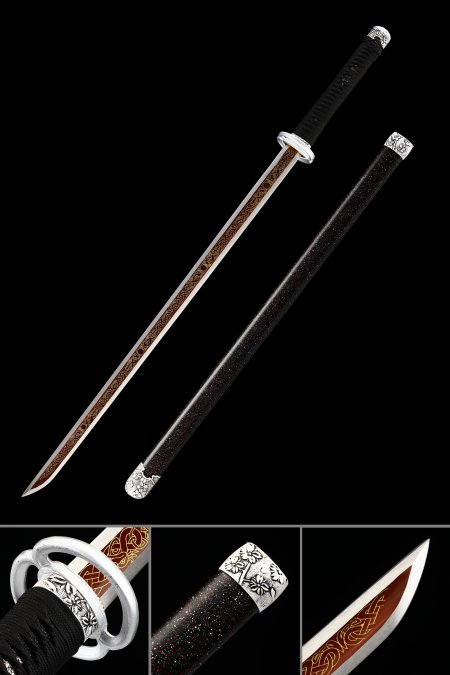
The red coloration on ninjato blades is achieved through one of two primary techniques. The first is an acid-etching or oxidization process applied directly to the steel surface, building up a controlled rust-patina layer that is then sealed — this method produces color variation and depth, especially visible on Damascus fold patterns. The second technique uses a hand-applied lacquer or coating layer, resulting in a more uniform, vibrant crimson appearance. Engraved designs such as dragons or flame motifs are typically cut into the blade before the coloring process, so the engraving lines stand out in contrast against the finished red surface. Neither method affects the full-tang structural integrity of the piece, which is constructed for display stability rather than active use.
How does a ninjato differ from a katana in collector terms?
The most immediate distinction is blade geometry. A katana features a curved blade optimized through centuries of Japanese smithing tradition, while a ninjato has a straight or minimally curved blade reminiscent of earlier Chinese jian-influenced designs. In collecting terms, this straight profile means a ninjato displays differently on a stand — the blade line reads as architectural and angular rather than flowing. Ninjato also typically feature a square tsuba and shorter overall length, making them more compact display pieces. For collectors interested in the shadow of ninja mythology in Japanese cultural history, a ninjato represents a distinct aesthetic category from mainstream samurai sword collecting, with its own koshirae conventions including square scabbard tips and utilitarian wrap styles.
What maintenance does a display ninjato need long-term?
Display ninjato require minimal but consistent care. The most important routine is light oiling of the blade every three to six months using choji oil or pharmaceutical-grade camellia oil applied with a soft cloth — this creates a thin barrier against humidity-driven oxidation, especially critical for 1095 carbon and Damascus steel. Avoid fingerprints on the blade surface during handling, as skin oils accelerate micro-oxidation. Lacquered saya should be stored away from prolonged direct sunlight, which can cause the finish to yellow or crack over years. For the tsuka, inspect the ito wrap annually — cotton and silk wraps can loosen slightly over time and can be re-tightened without professional tools. In environments above 65% relative humidity, a small silica gel pack inside a closed display case will significantly extend the pristine condition of both blade and fittings.
Is a red blade ninjato a good gift for a sword collector?
A red blade ninjato makes a distinctive and memorable gift precisely because it occupies a specific niche — it is neither a standard katana nor a conventional decorative piece, but a collectible that signals genuine knowledge of Japanese sword aesthetics. For someone who already owns katana or wakizashi, a ninjato adds a geometrically different form to their display. The red blade finish adds visual drama that photographs exceptionally well, which matters to collectors who document their pieces. When selecting as a gift, consider the steel type the recipient gravitates toward — Damascus is the most visually complex and tends to be the centerpiece choice, while 1095 or manganese pieces offer a more understated but equally authentic character. Pairing a ninjato with a matching red wakizashi creates a cohesive display set that experienced collectors particularly appreciate.