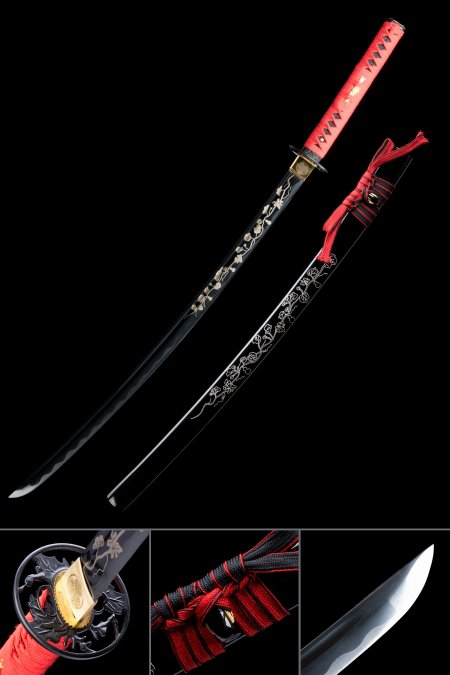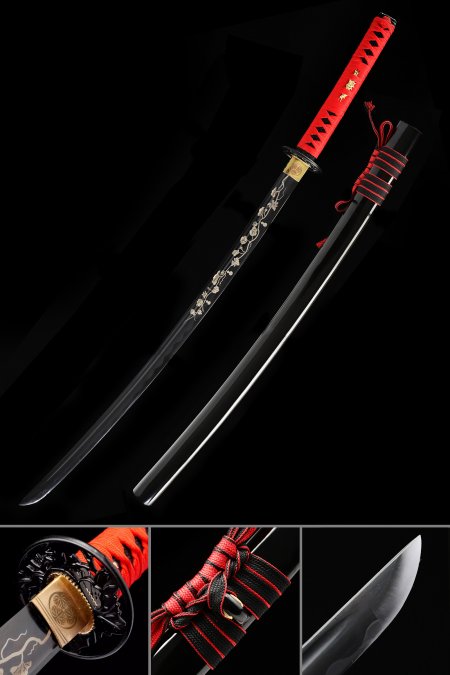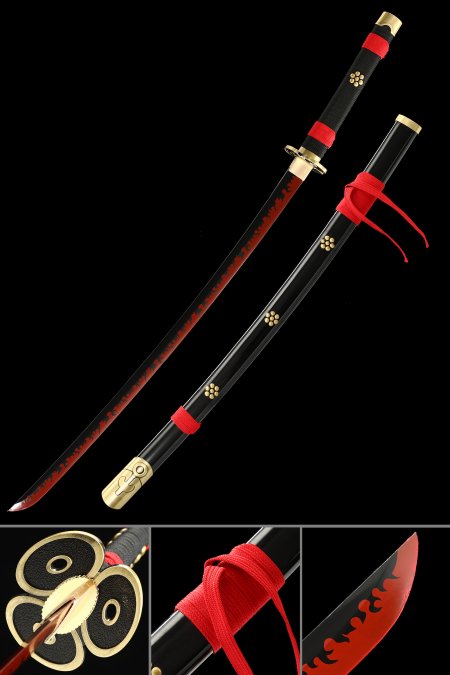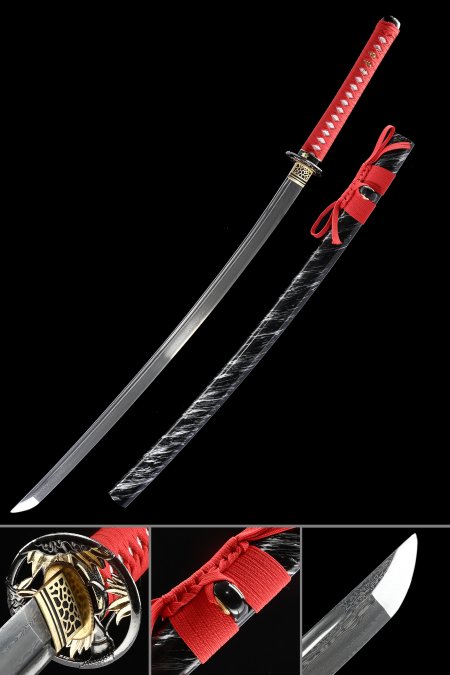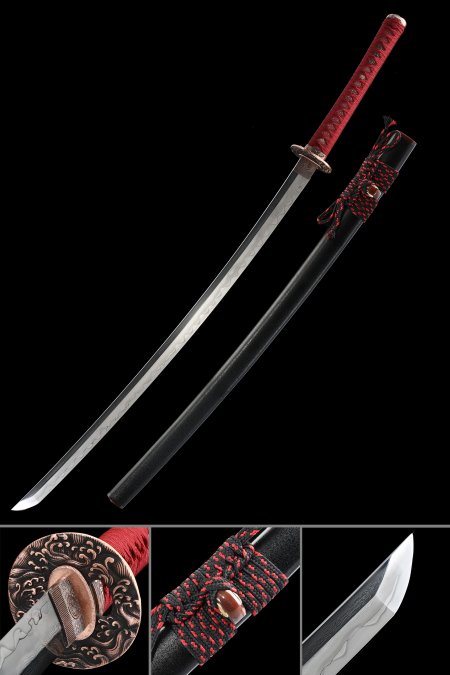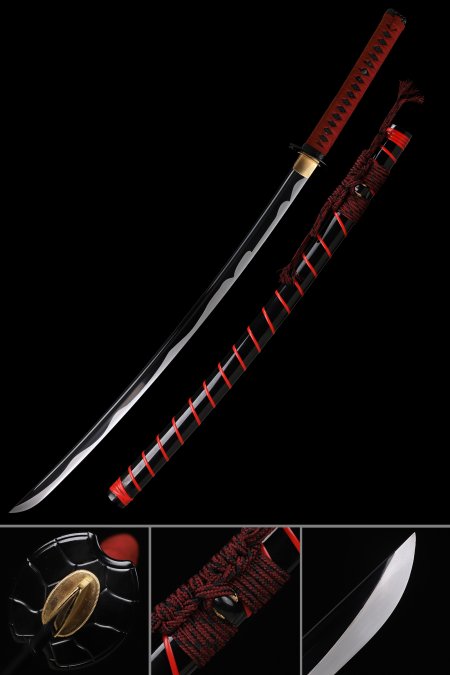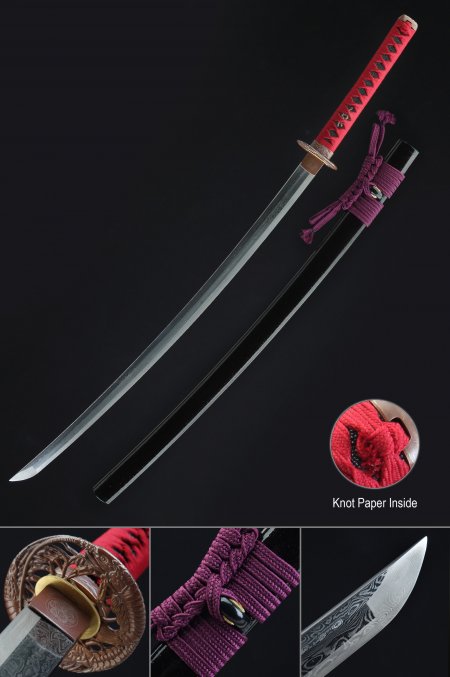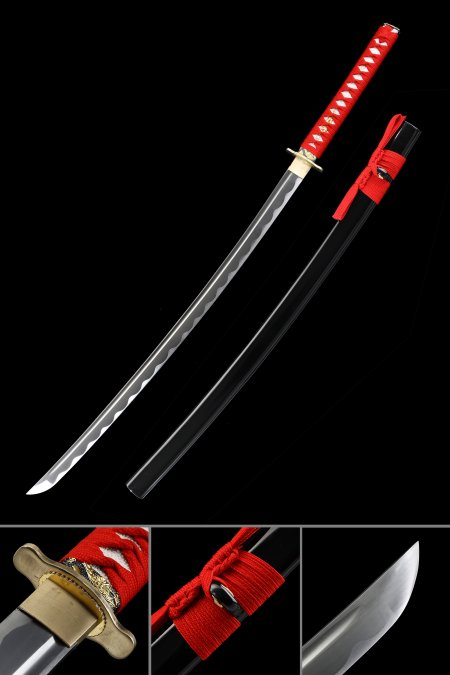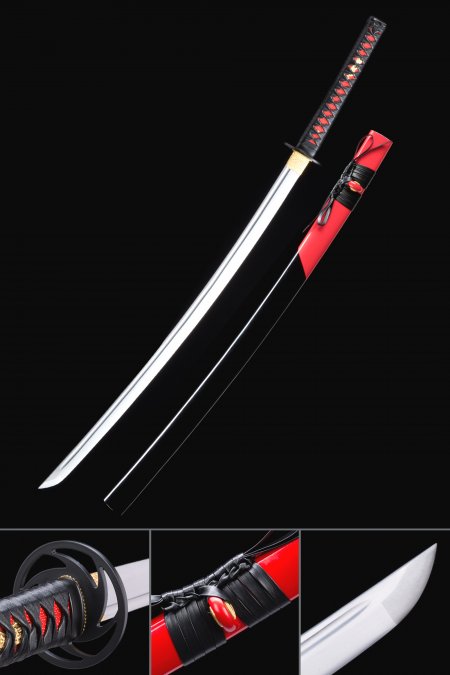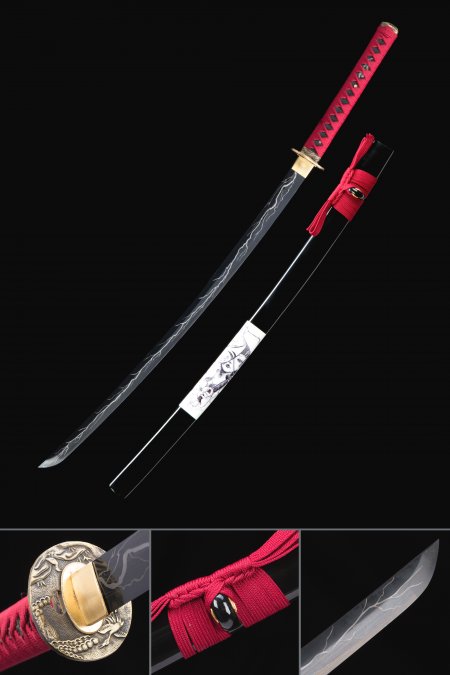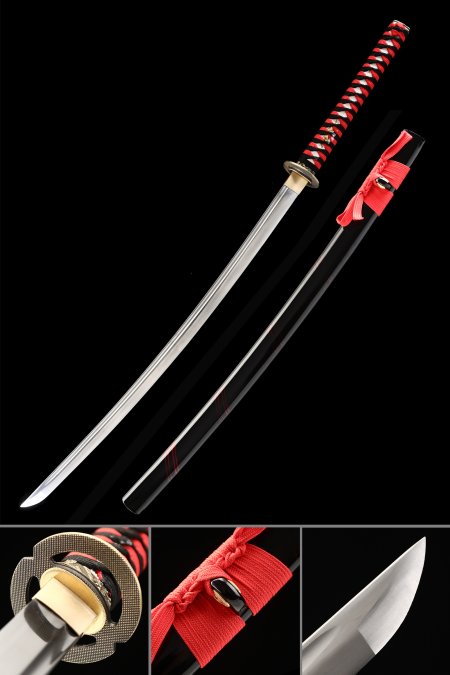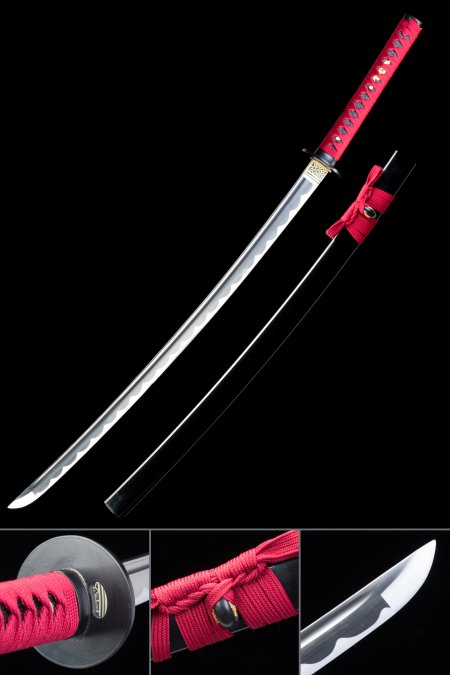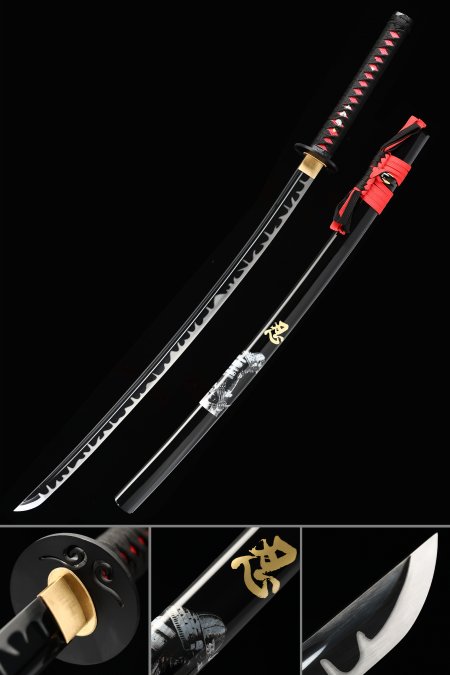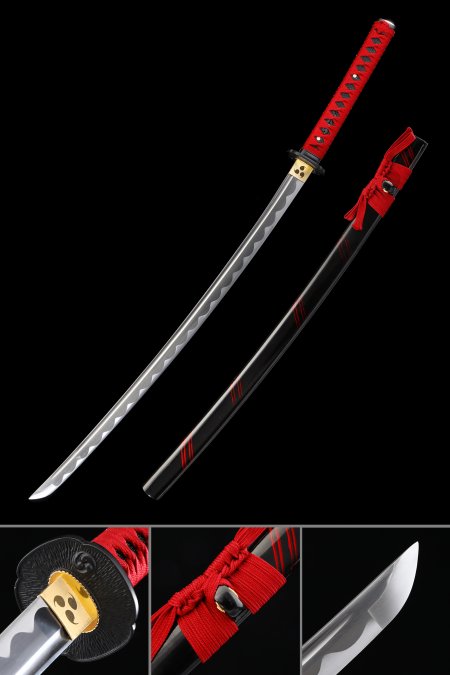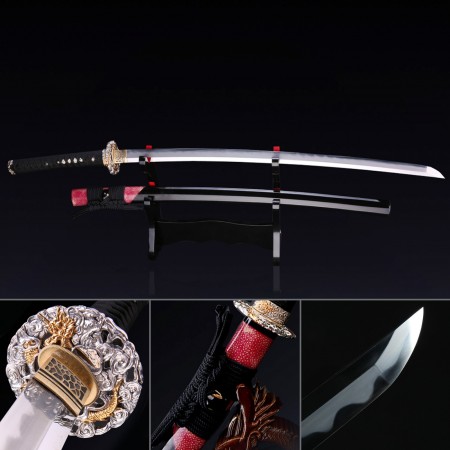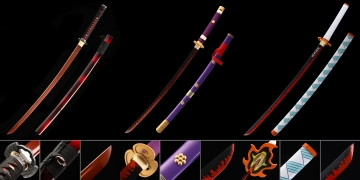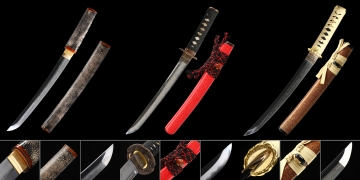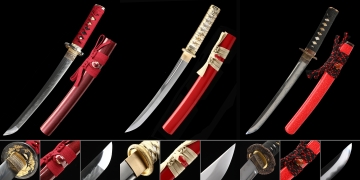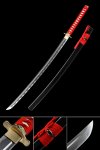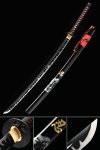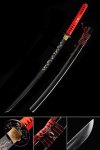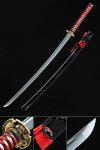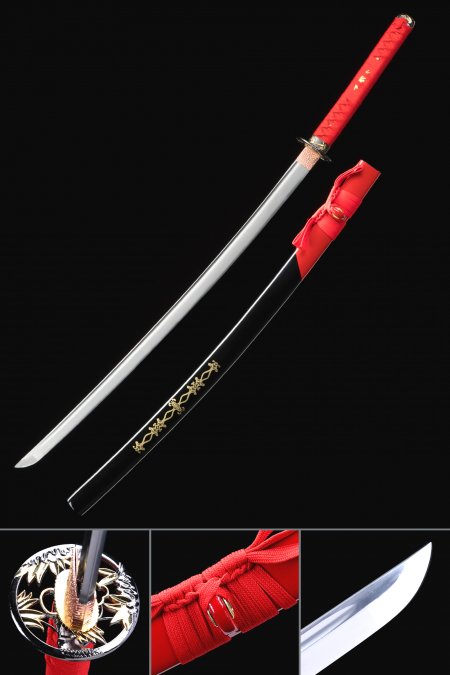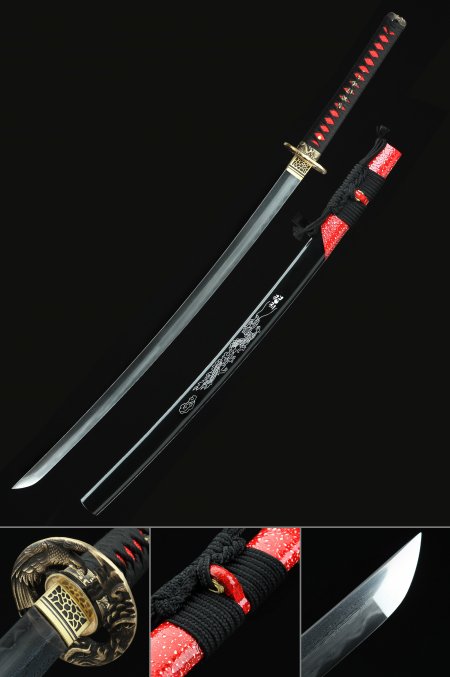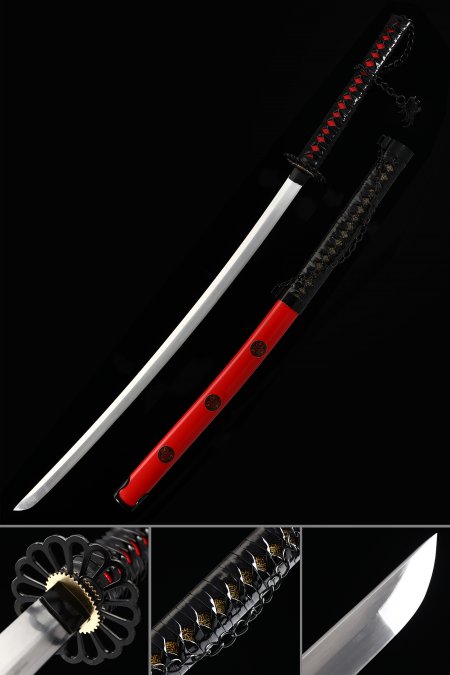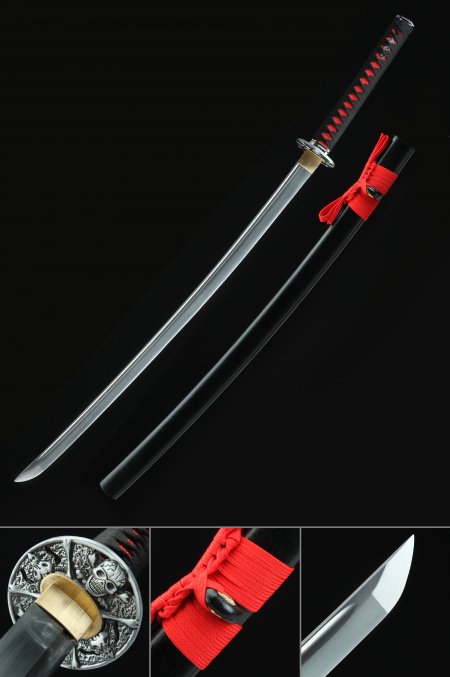
Red And Black Katana Sword

Red and black katana swords bring together the visual drama of contrasting lacquerwork and ito wrapping with the disciplined craftsmanship of traditional Japanese blade-making. Each piece in this collection is built on full-tang construction, quality carbon or tool steel, and hand-fitted fittings - making them as compelling on a display stand as they are meaningful to a serious collector. Enjoy free shipping on your order, and shop with confidence knowing returns are always straightforward.
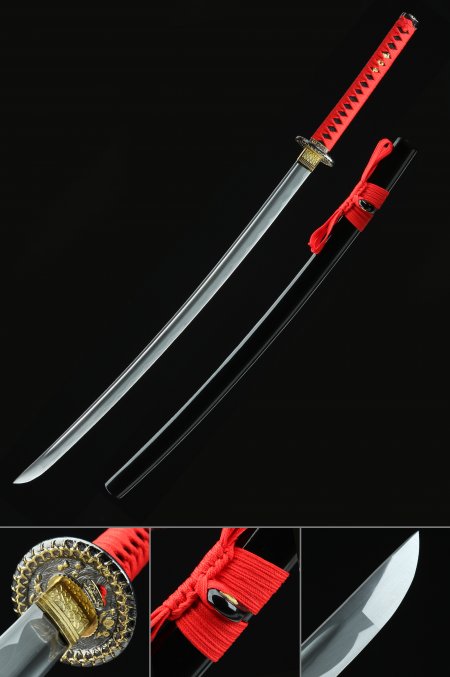
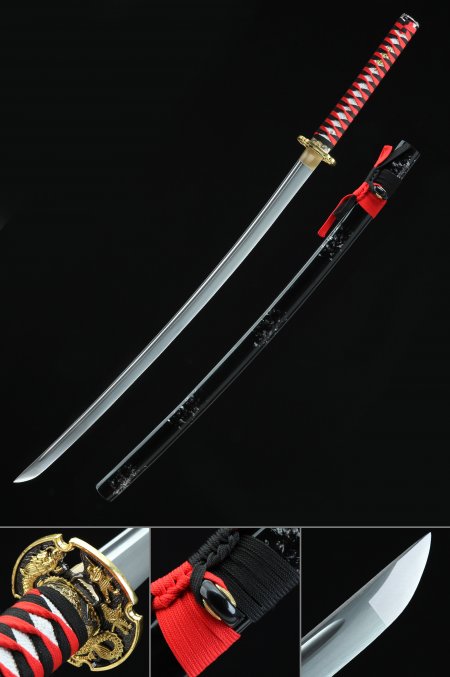
Showing 21 Products

Related Collections

Red Katana100 items


768 Reviews

Red Blade Katana21 items


61 Reviews

Red Rayskin Scabbard Tanto14 items


13 Reviews

Red Tanto Swords11 items


17 Reviews

Frequently Asked Questions

What steel grades are used in red and black katanas?
This collection spans several steel types, each suited to different collecting priorities. 1045 carbon steel is the most common entry point - it machines cleanly and takes a traditional geometry well, making it a solid choice for display-focused collectors. 1060 and 1065 carbon steel, along with manganese steel variants, offer a finer grain structure and slightly better edge retention. T10 tool steel sits at the top tier, prized for its high carbon content and the ability to produce a genuine clay-tempered hamon - the undulating temper line that forms during differential quenching and is never identical between two blades. Spring steel rounds out the range, offering exceptional resilience for collectors who also engage in occasional supervised cutting practice. Understanding these distinctions helps you match the right blade to your collecting intent.
How is a real hamon different from an acid-etched one?
A genuine hamon is created through clay tempering: the spine of the blade is coated in clay before quenching, causing the edge to cool faster and harden to a higher degree than the spine. This produces a visible crystalline boundary - the hamon - that runs along the blade and contains unique activity patterns called nie and nioi visible under raking light. An acid-etched hamon, by contrast, is a surface treatment applied to uniformly hardened steel purely for visual effect. It can look convincing in photographs but lacks the dimensional character of a true temper line and offers no structural differentiation along the blade. In this collection, T10 clay-tempered katanas carry authentic hamon, and product descriptions clearly note clay tempering where it applies - a key detail for collectors evaluating long-term display and investment value.
Can a red and black katana be displayed as part of a daisho set?
Yes, and pairing a katana with a matching wakizashi is one of the most visually cohesive display approaches for Japanese sword collectors. A daisho - literally 'big-small' - traditionally refers to the paired long and short blades worn by samurai. For a red and black themed daisho display, the key is matching the color elements across both pieces: coordinated ito wrapping, matching saya lacquer finish, and complementary tsuba motifs. The Red Wakizashi Sword collection offers short blades finished in aligned red and black themes specifically suited to this kind of ensemble display. A horizontal double sword stand or a wall-mounted rack with two tiers presents both blades at their best and creates a strong focal point in a collector's display space.
How do I properly oil and maintain the blade long-term?
Blade maintenance for a collectible katana centers on controlling oxidation and fingerprint acid damage. After any handling, wipe the blade from habaki to tip with a soft, lint-free cotton cloth using gentle strokes along the edge direction - never across it. Follow with a light application of choji oil (a traditional clove-infused mineral oil) or a neutral, acid-free mineral oil applied with a small cloth or dedicated oil paper. Use the smallest amount needed to leave a thin, even film - excess oil can pool near the habaki and attract dust. In humid climates or during seasonal changes in humidity, increase oiling frequency to every six to eight weeks. Store the katana in its saya to protect the polish, and keep it in a location with stable temperature and low UV exposure. Never store in an airtight case without a silica desiccant, as trapped moisture accelerates rust even on well-oiled steel.
What makes red and black katanas distinct from other themed katanas?
The red and black color pairing is one of the most historically grounded themes in Japanese sword furniture. Black lacquer on the saya was standard for high-ranking samurai arms during the Edo period, conveying discipline and formality. Red accents in ito wrapping and sageo were associated with vitality and were used in both ceremonial and military contexts. Unlike blue, purple, or novelty color schemes that are largely modern inventions for the collector market, the red and black combination has genuine historical footing, which gives these pieces stronger cultural resonance for informed collectors. Within TrueKatana's range, red and black katanas are also available as companion pieces to Red Japanese Katana variants in alternate furniture styles, allowing collectors to build thematically consistent displays across different blade lengths and fitting configurations.

Customer Reviews