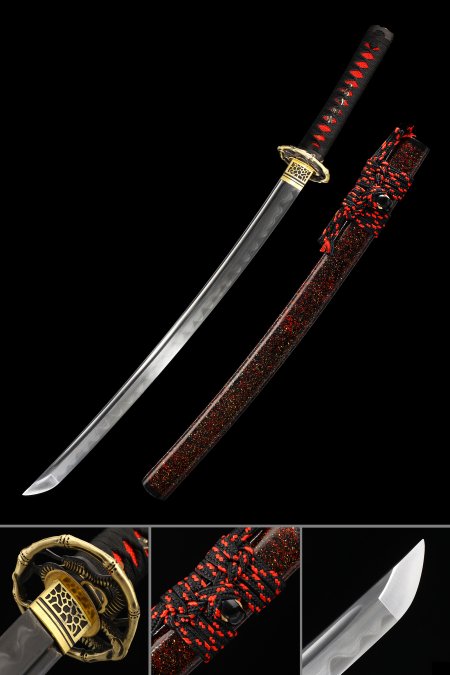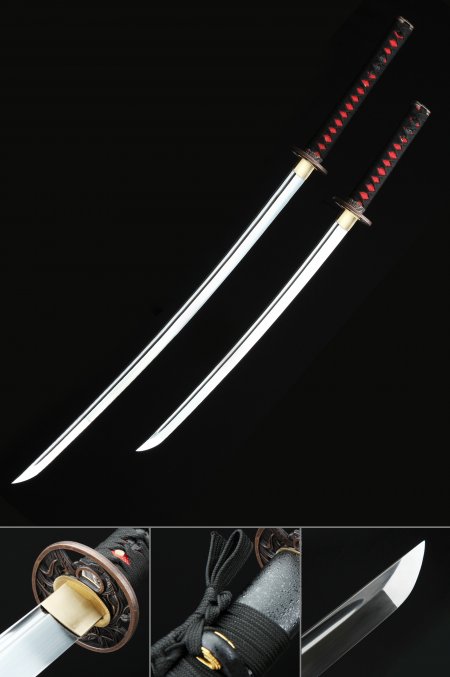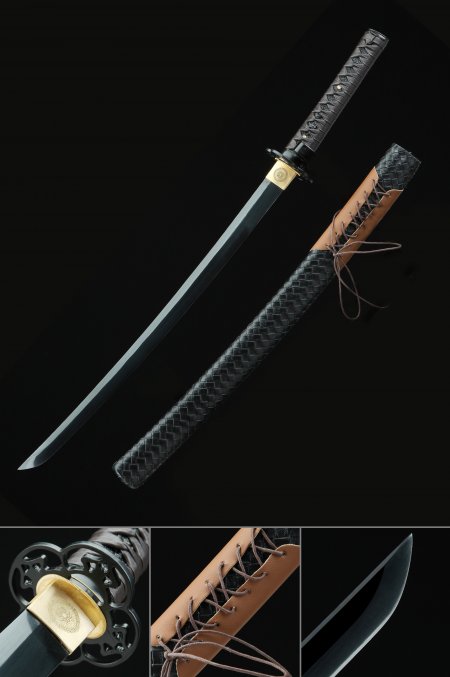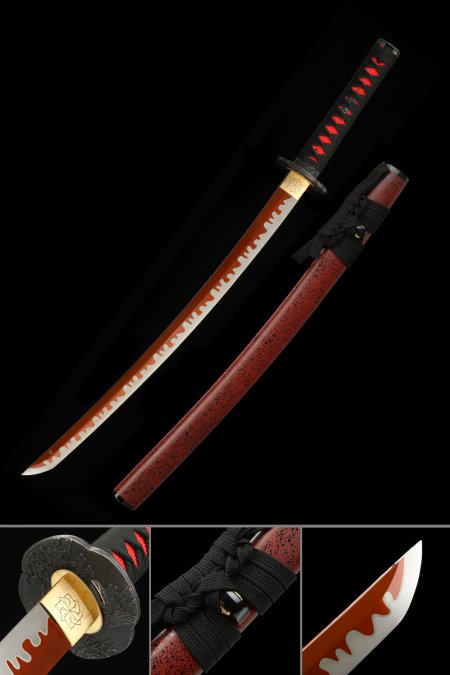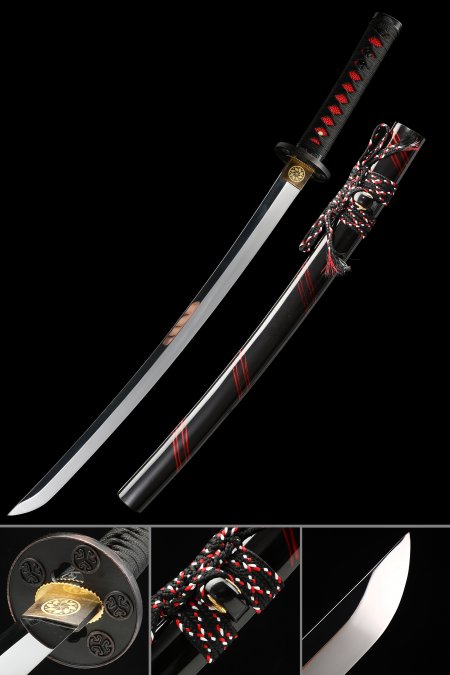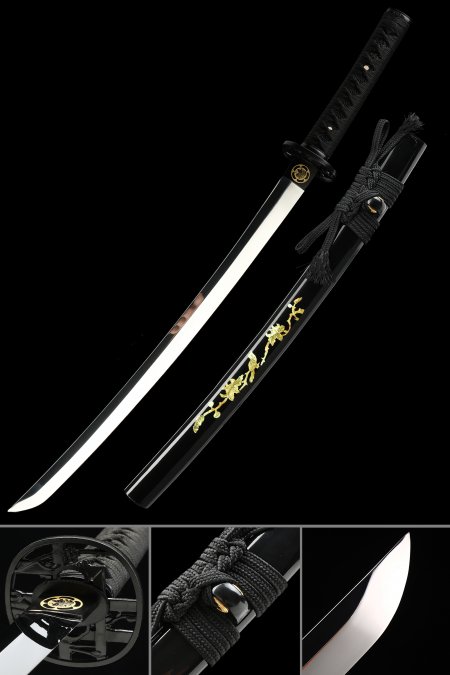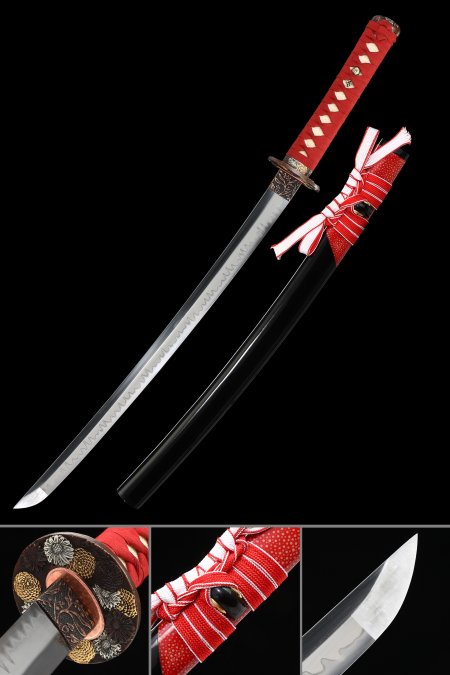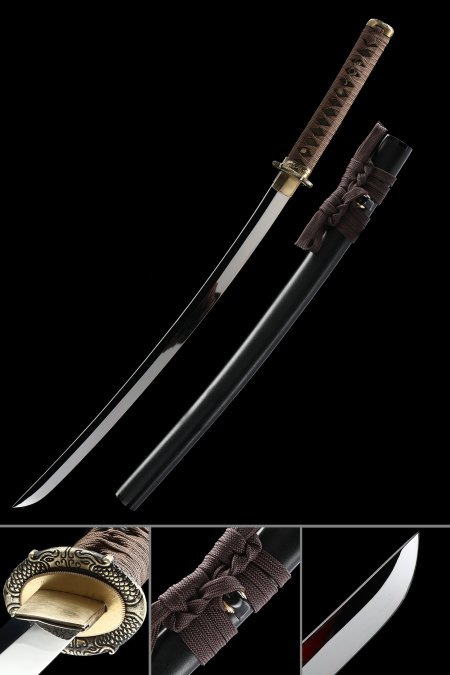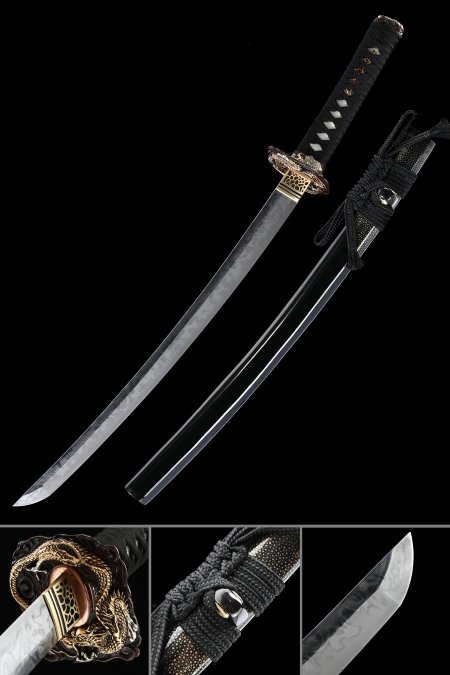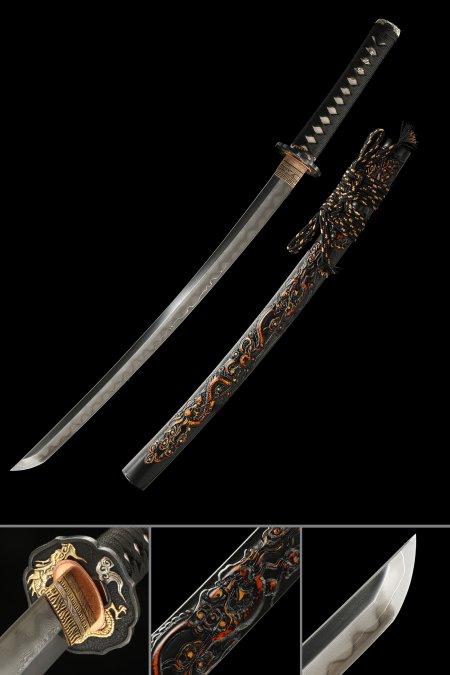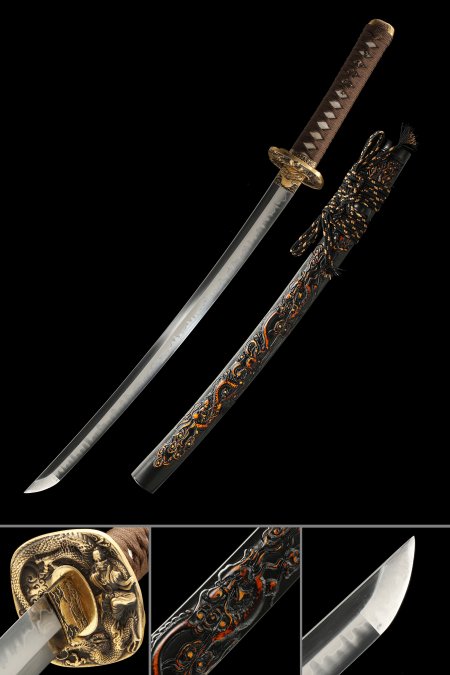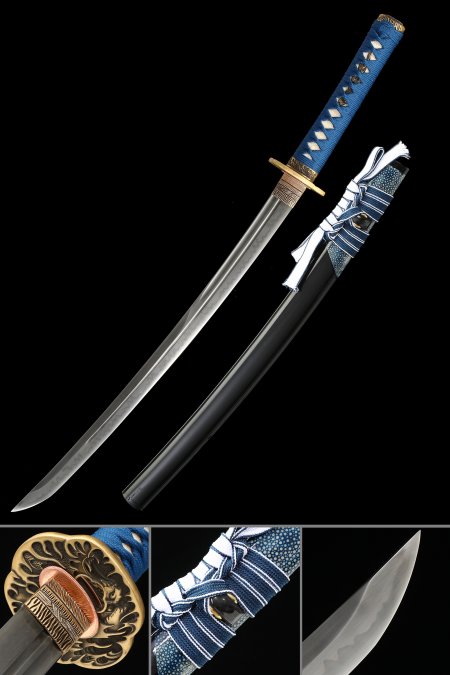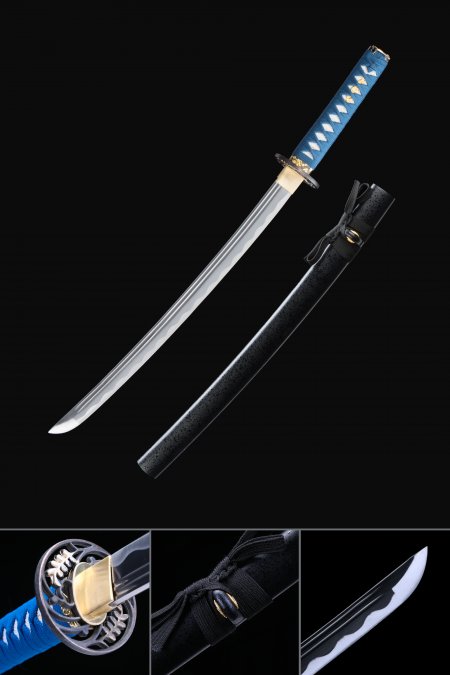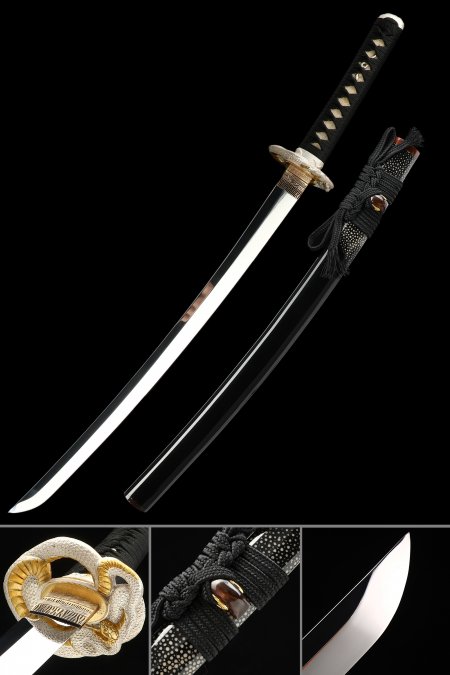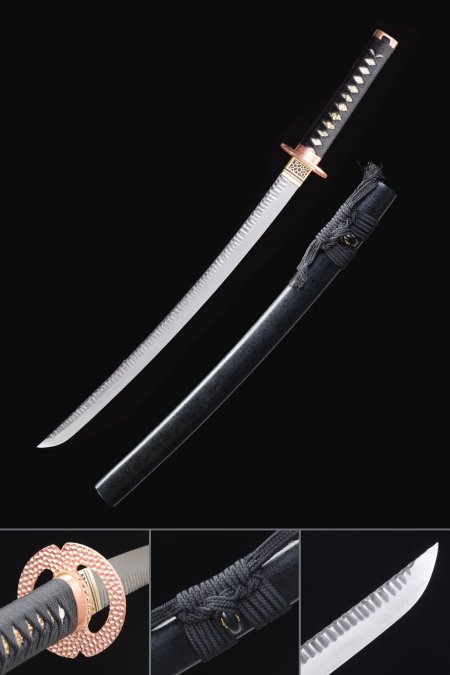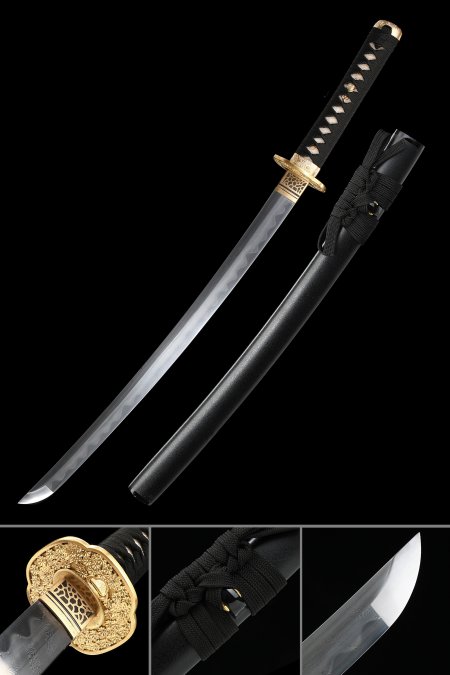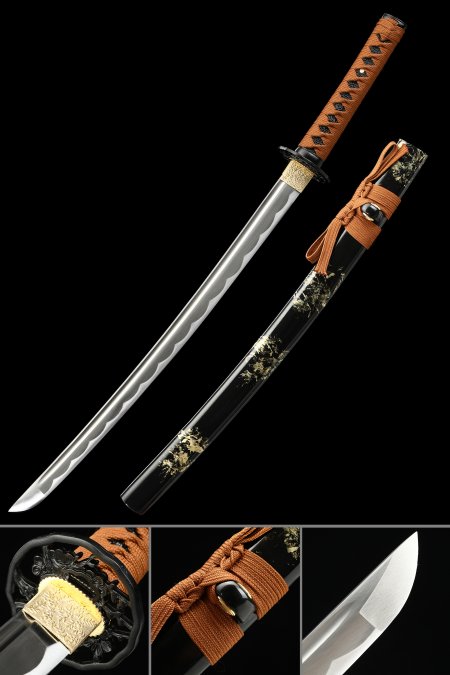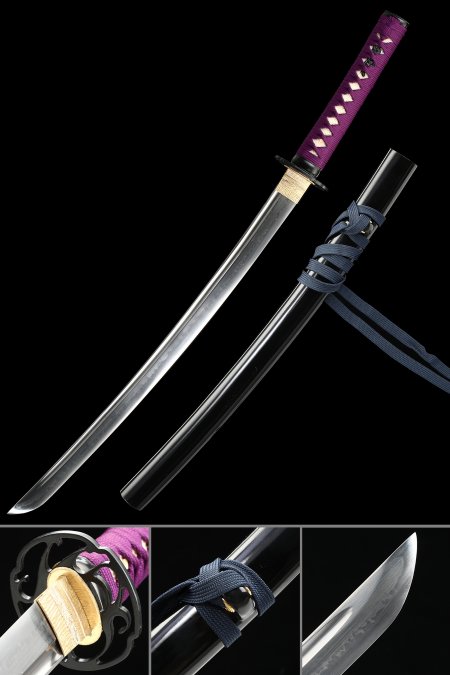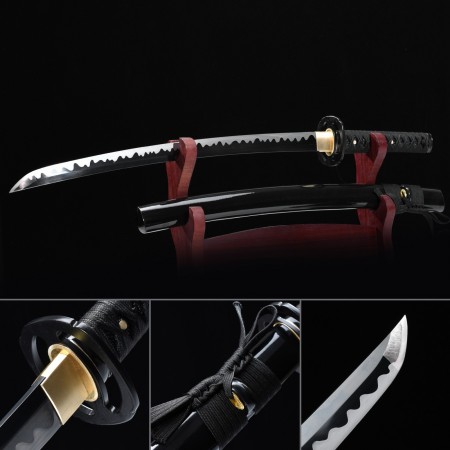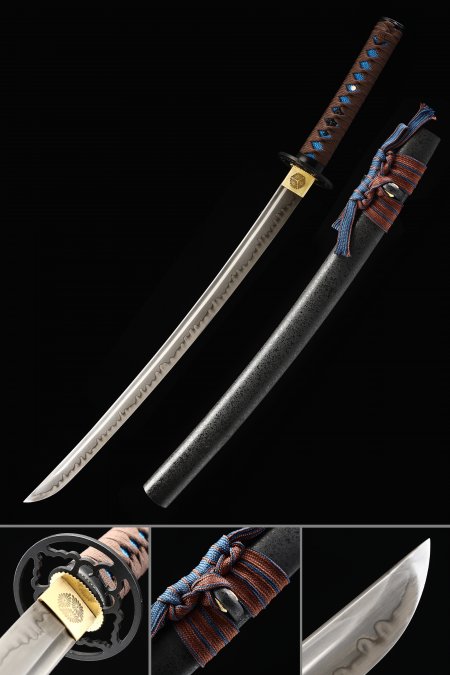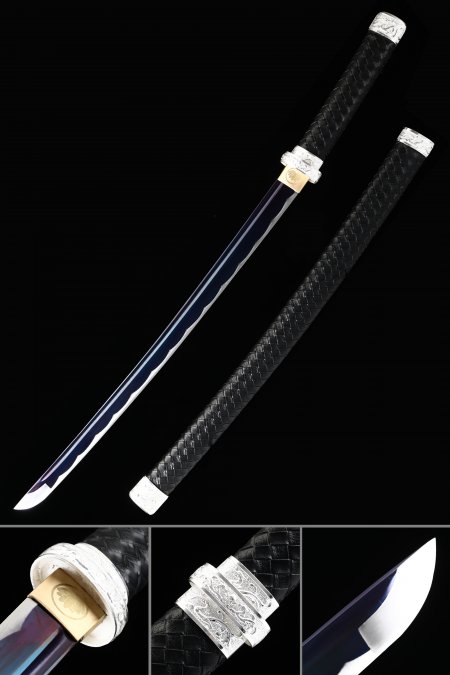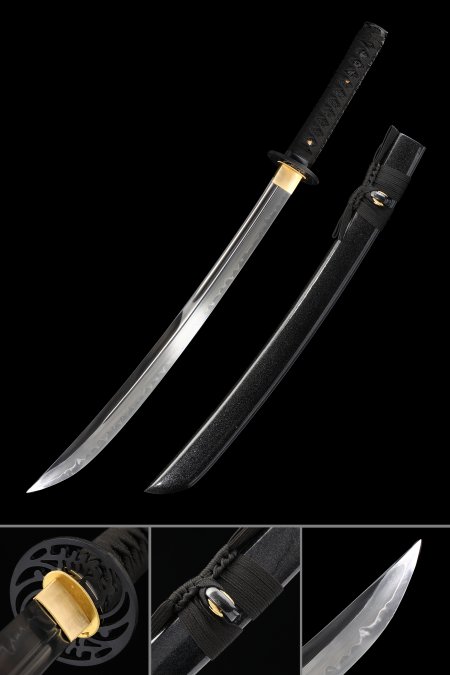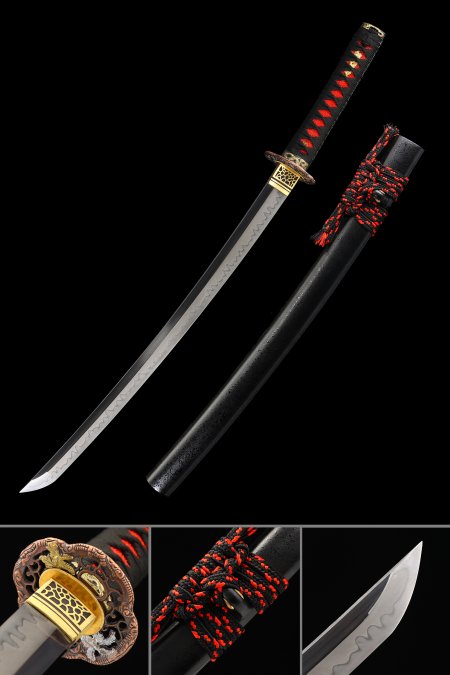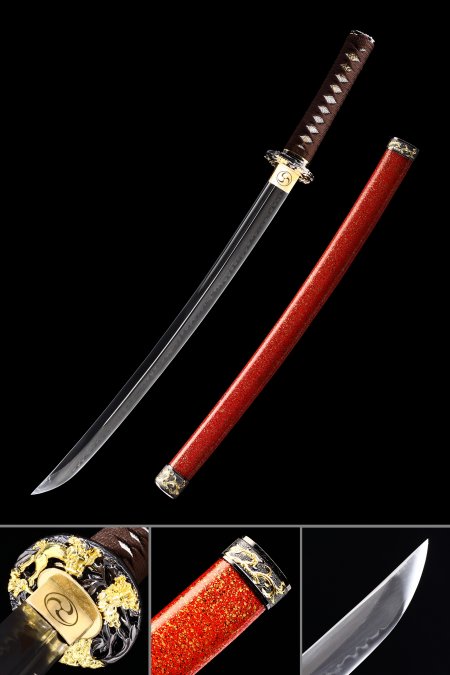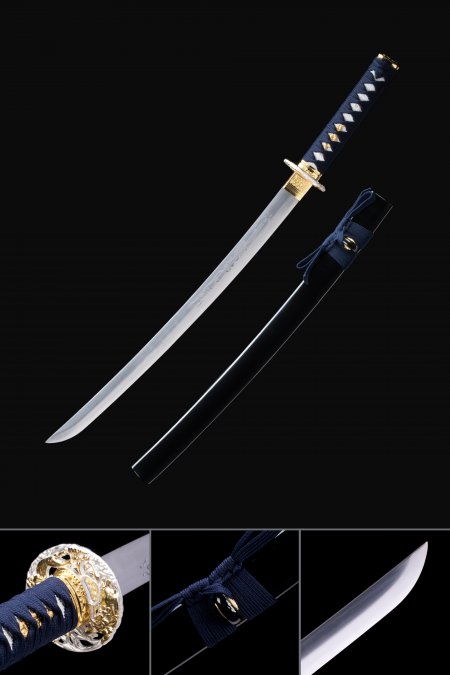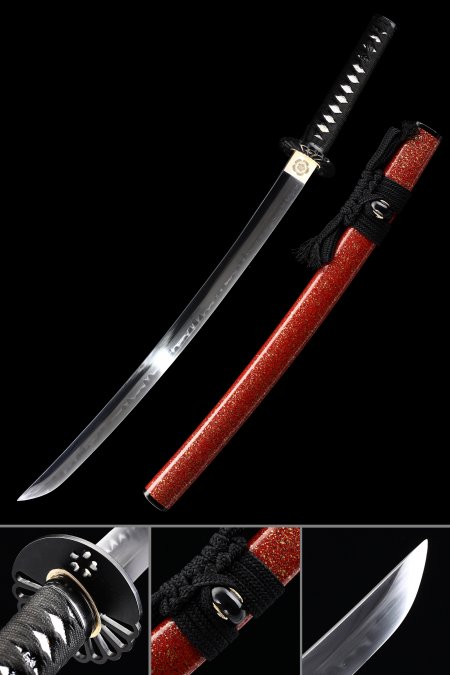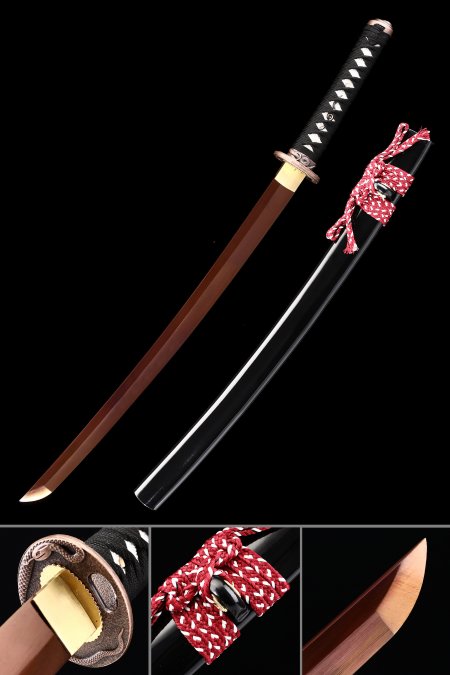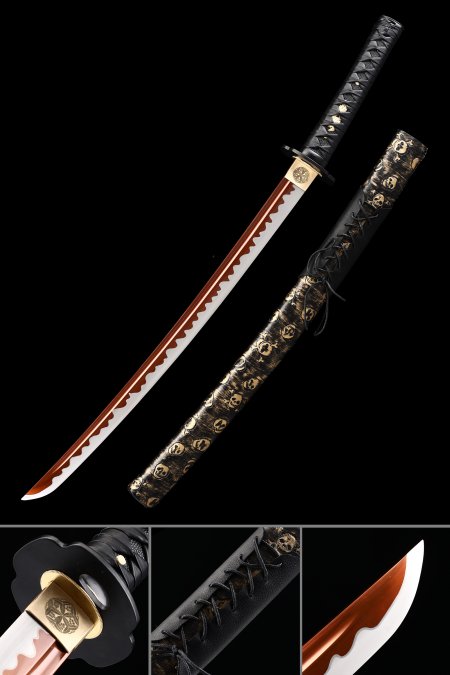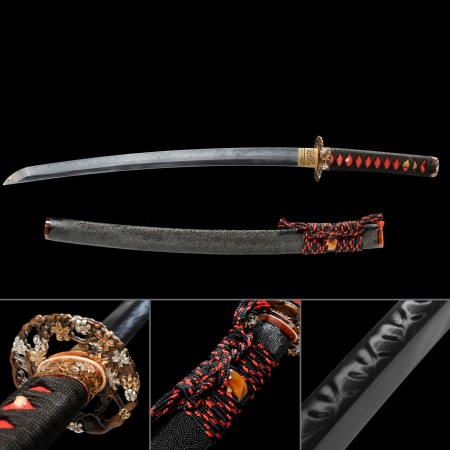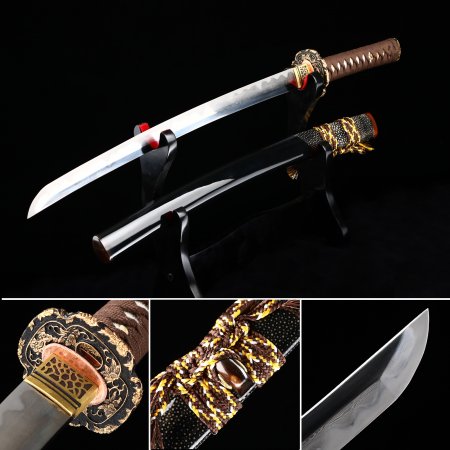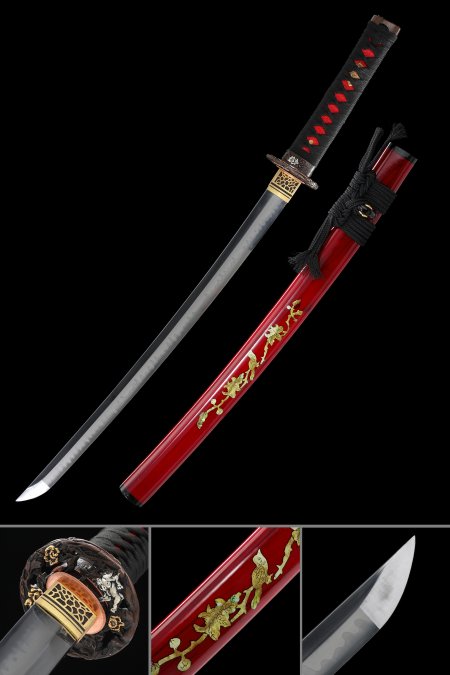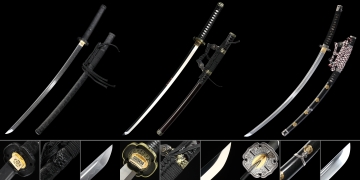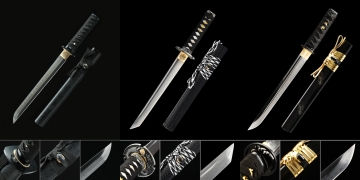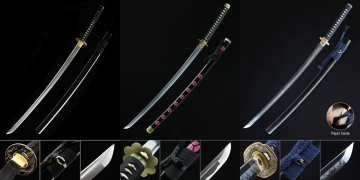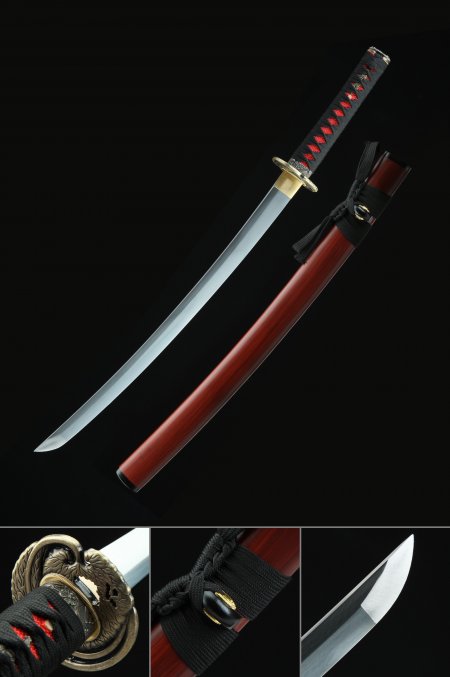
Black And Red Wakizashi

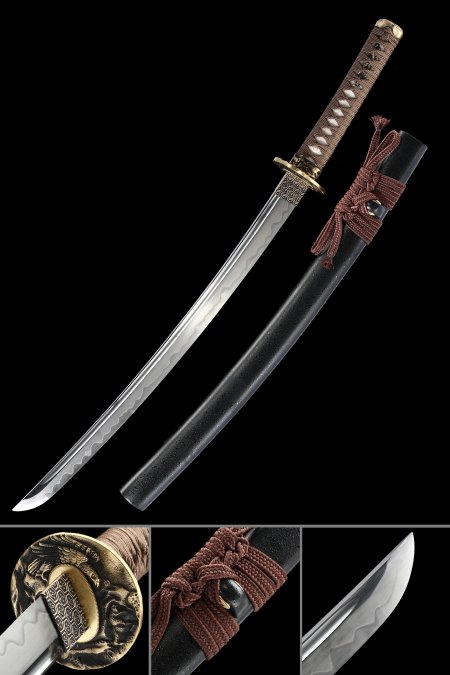
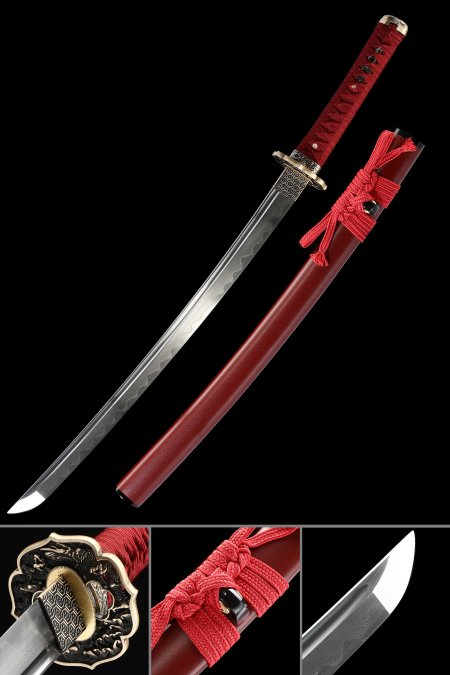
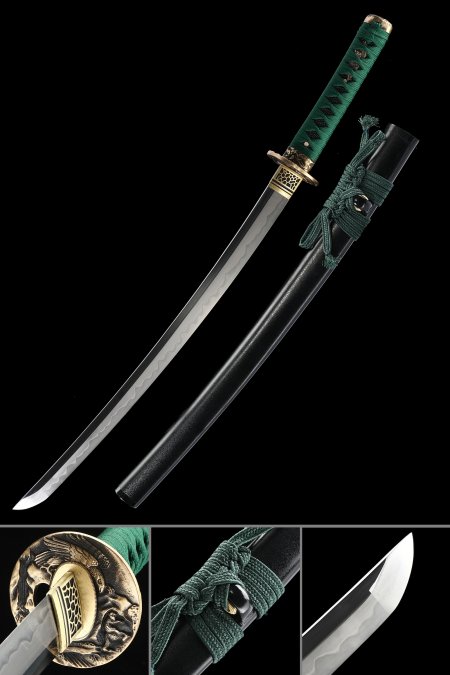
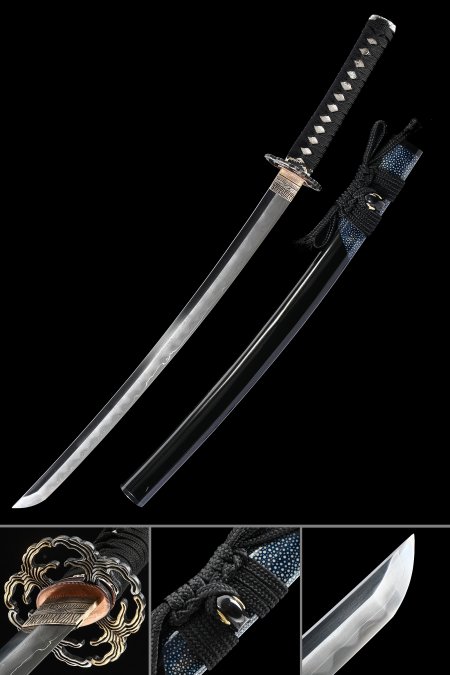
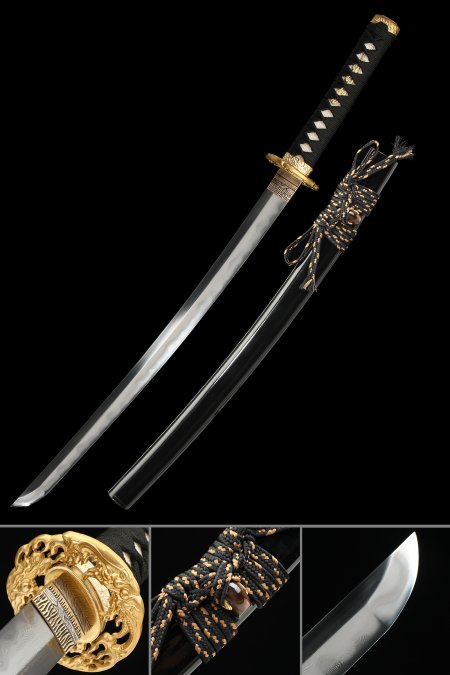
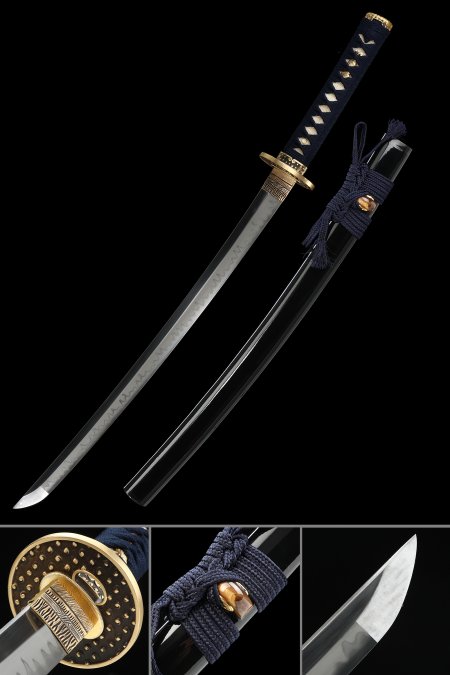
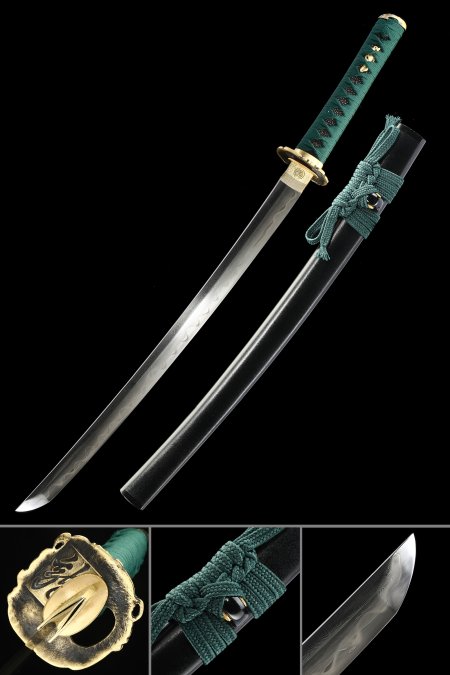
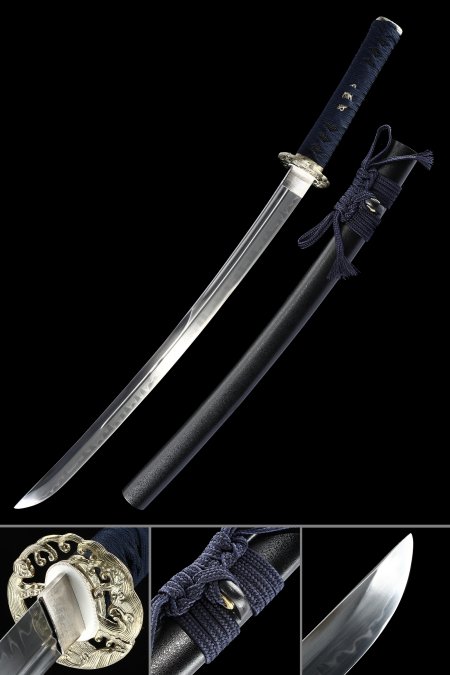
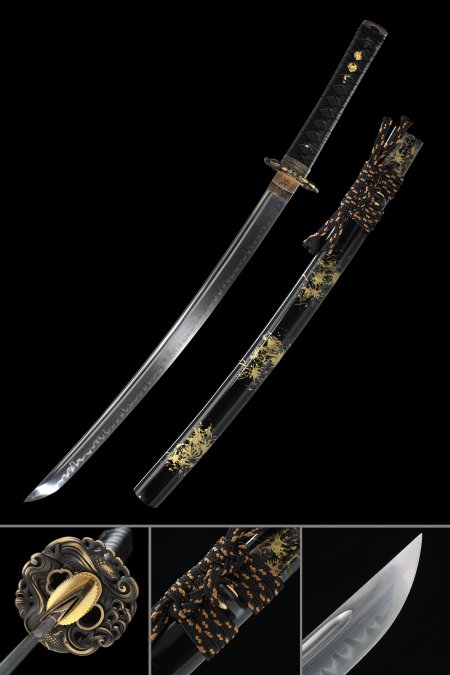
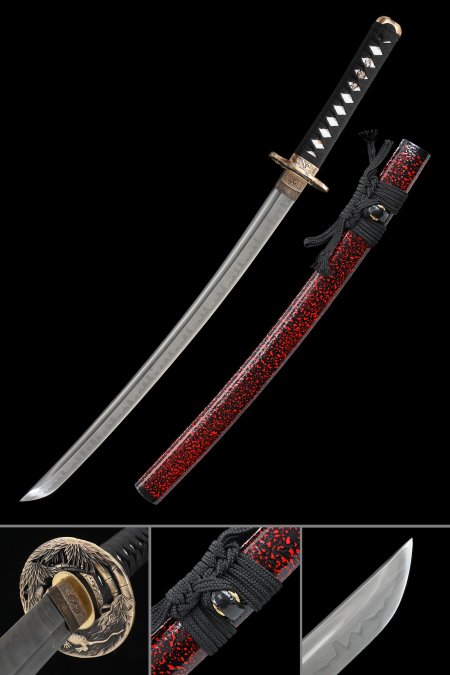
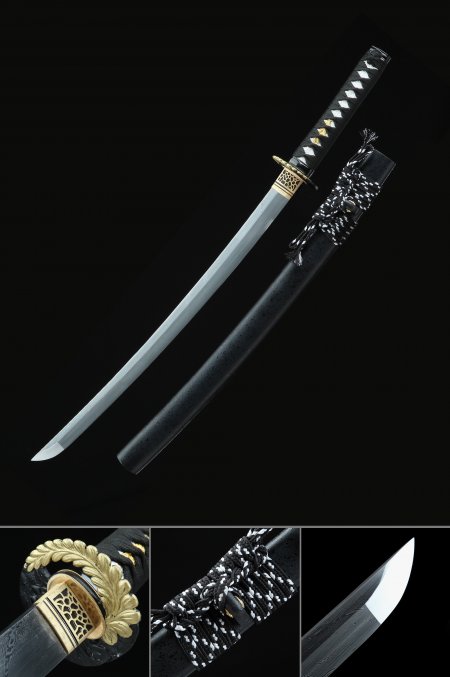
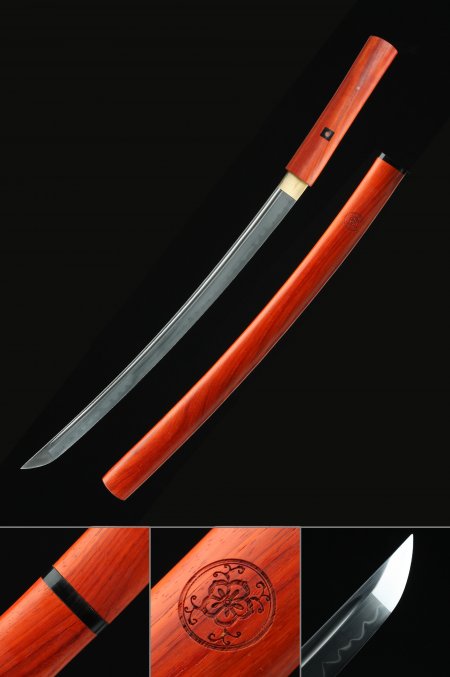
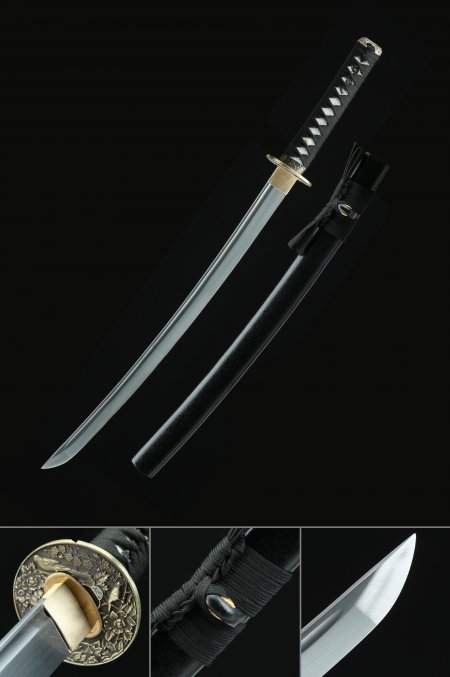
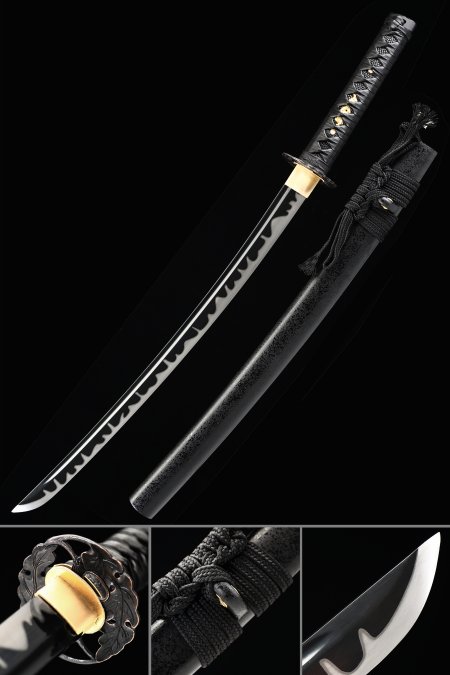
Black and red wakizashi bring together centuries of Japanese sword-making tradition and a bold aesthetic that stands apart in any serious collection. Each piece in this curated selection is hand-forged by skilled artisans, combining proven steel compositions with carefully lacquered saya, wrapped handles, and intricately cast tsuba to deliver a cohesive visual statement. Free standard shipping is included on all orders, and we back every purchase with a hassle-free return policy so you can collect with complete confidence.
Showing 49 Products

Related Collections

Red Ninjato7 items


29 Reviews

Black Odachi11 items


14 Reviews

Black Hamidashi7 items


31 Reviews

Black Saya Katana590 items


3142 Reviews

Frequently Asked Questions

What makes a wakizashi different from a katana?
A wakizashi is a shorter Japanese sword, typically measuring between 12 and 24 inches in blade length, compared to the katana's longer 24-to-32-inch range. Historically, the wakizashi was worn alongside the katana as part of the daisho pairing — the formal two-sword set that identified a samurai's rank and status. The wakizashi was not simply a miniature katana; it had its own distinct role, often worn indoors where the longer katana was impractical. For collectors, this means wakizashi offer the full range of traditional fittings — tsuba, ito, same, saya — in a proportionally compact form that is often easier to display and store. The shorter length also makes wakizashi a popular entry point for collectors new to Japanese swords.
Is a real hamon on T10 steel actually different from an etched one?
Yes, and the difference matters significantly to serious collectors. A genuine hamon is the result of clay tempering, where a layer of clay is applied to the spine of the blade before quenching. This insulates the spine from rapid cooling, leaving it softer and more flexible, while the exposed edge hardens into a high-carbon structure. The boundary between these two zones creates the visible hamon line. An etched or acid-treated hamon is applied chemically to the surface of uniformly hardened steel and does not reflect any real metallurgical difference across the blade. On T10 clay-tempered pieces, the hamon is unique to each individual blade and cannot be exactly replicated, which is part of what makes these pieces genuinely collectible rather than mass-produced decoratives.
How should I store a black lacquer saya to prevent damage?
Black piano lacquer saya are particularly sensitive to humidity fluctuations and direct sunlight, both of which can cause the lacquer surface to crack, bubble, or fade over time. Store your wakizashi horizontally on a sword stand in a climate-controlled indoor environment, ideally between 40 and 60 percent relative humidity. Avoid placing the saya near heating vents, windows, or exterior walls where temperature swings are more pronounced. Before storing the blade inside the saya for extended periods, apply a very light coat of choji oil to the blade to prevent moisture from being trapped against the steel. Wipe the lacquer surface gently with a dry, soft cloth to remove fingerprints and dust, as oils from skin contact can degrade lacquer finishes over time if left unaddressed.
What is the significance of the black and red color combination in Japanese swords?
In traditional Japanese aesthetics, black and red carry layered meanings that extend well beyond decorative preference. Black — used extensively in lacquered saya and iron tsuba — was associated with formality, discipline, and the restrained authority of the samurai class. Red appeared in cord wrappings, lacquer accents, and textile elements as a symbol of vitality and protective power. Together, the two colors created a visual language of contrasts that was both visually striking and culturally deliberate. In contemporary collecting, this combination has become one of the most recognizable aesthetic signatures in Japanese sword presentation, making black and red pieces immediately identifiable and highly coherent as a display theme. The contrast also highlights individual craft elements — the ito wrap pattern, the lacquer grain, the tsuba silhouette — in ways that monochromatic fittings often do not.
Is a daisho set a good starting point for a wakizashi collection?
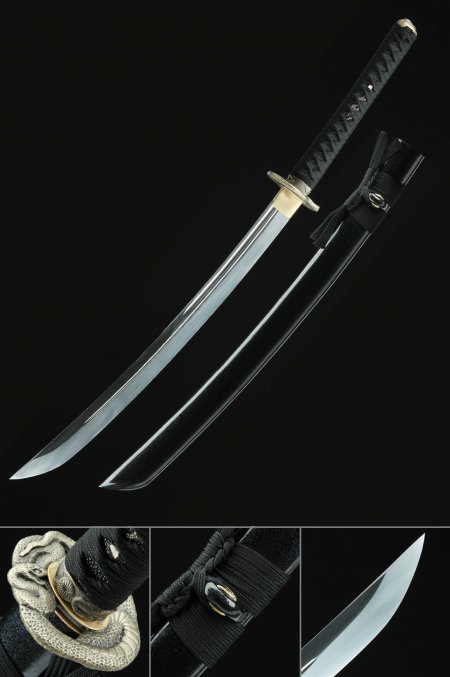
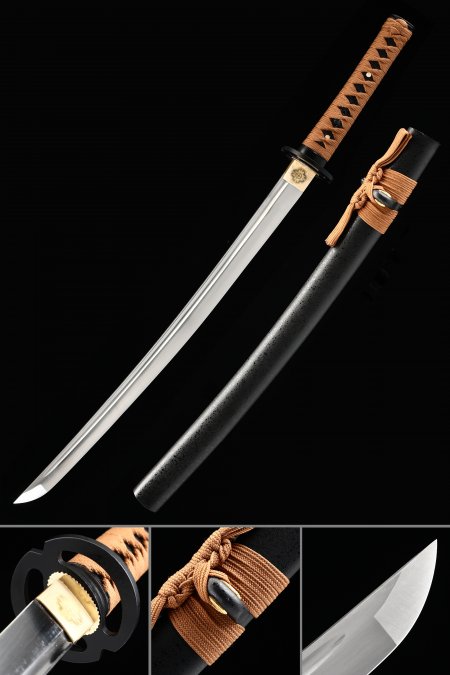
A daisho set — a matched katana and wakizashi — is an excellent choice for collectors who want both visual impact and historical context in a single acquisition. Because both blades share the same ito color, tsuba design, and saya finish, the set presents a unified aesthetic that individual pieces cannot replicate. Historically, the daisho was the defining symbol of samurai identity, so owning a matched set carries genuine cultural resonance. From a practical collecting standpoint, daisho sets also simplify display decisions since the two blades are designed to be shown together. For gift-giving, a daisho set in black and red ito with coordinated fittings is a compelling option for someone beginning a Japanese sword collection, as it immediately establishes a display centerpiece rather than a single standalone piece.
Customer Reviews

Cart 0 Items

Your cart is empty