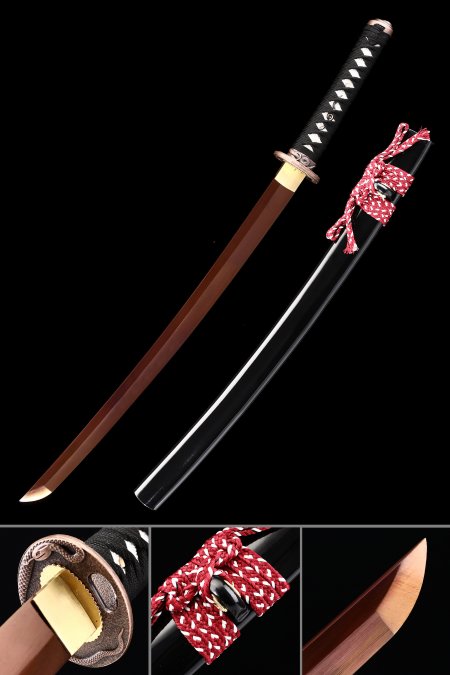
Red Blade Wakizashi

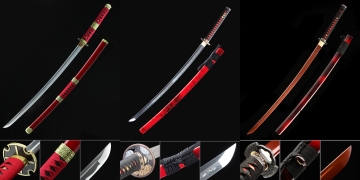
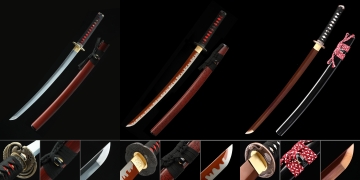
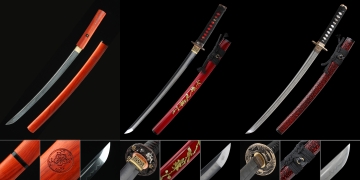
The Red Blade Wakizashi collection brings together a distinctive range of short swords defined by their bold crimson blades and traditionally inspired fittings. Each piece is crafted from manganese steel and built on a full-tang construction, offering the structural integrity that serious display collectors demand. From ornate skull-themed saya to snake tsuba detailing, every design element is intentional and refined. Enjoy free shipping on your order, and shop with confidence knowing returns are always covered.
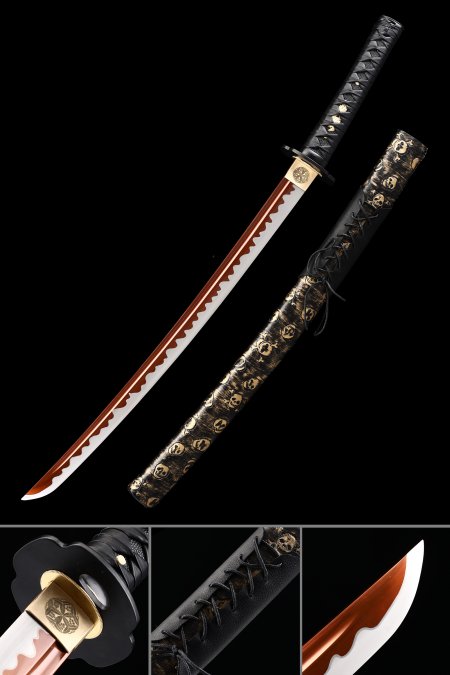
Showing 2 Products

Related Collections

Red Dragon Katana6 items


Reviews

Red Steel Katana119 items


672 Reviews

Frequently Asked Questions

What steel is used in red blade wakizashi collectibles?
The red blade wakizashi pieces in this collection are forged from manganese steel, a material well-regarded in the display and replica sword market for its toughness and resistance to surface cracking under stress. Unlike basic stainless steel, manganese steel holds its structural integrity better over time and provides a stable base for the vivid red finish applied to the blade. This makes it a practical and visually striking choice for collectors who want a piece that looks exceptional on display while maintaining long-term durability.
How does a wakizashi differ from a katana in a collection?
The most immediate difference is length. A wakizashi blade typically measures between 12 and 24 inches, compared to the katana's longer profile of 24 inches or more. In historical Japanese culture, the two swords were worn together as the daisho — a paired set that signified the status of a samurai. For today's collector, the wakizashi offers a more compact display footprint, making it ideal for smaller wall spaces or tabletop stands. Its shorter format also tends to emphasize the quality of fittings like the tsuba, saya, and sageo more prominently, since those elements occupy a larger visual proportion of the overall piece.
What does the red blade color mean in Japanese sword aesthetics?
In Japanese cultural tradition, red is associated with protection, strength, and warding off misfortune — which is why it appears throughout shrine architecture, ceremonial objects, and symbolic artifacts. Applied to a wakizashi blade, red transforms the piece into a bold decorative statement that also carries layers of cultural resonance. For collectors, a red blade is a deliberate choice: it signals an interest in expressive, thematic swordwork rather than purely historical reproduction. It bridges traditional Japanese design philosophy with a modern collector's sensibility, making these pieces particularly striking when displayed as part of a curated Japanese sword collection.
How should I care for a red blade wakizashi on display?
Preserving both the blade finish and the lacquered saya requires consistent but simple care. Keep the piece away from direct sunlight, which can fade the red blade finish and degrade lacquer over time. Humidity is the other main concern — store or display the sword in a climate-controlled environment to prevent rust or lacquer lifting. Apply a light coat of choji oil to the blade every two to three months using a soft cloth, which protects the steel and maintains the richness of the colored finish. The saya can be gently wiped with a dry microfiber cloth to remove dust without scratching the lacquer surface.
Can a red blade wakizashi be paired with other swords for display?
Absolutely — thematic pairing is one of the most rewarding aspects of Japanese sword collecting. A red blade wakizashi pairs naturally with a Red Dragon Katana Sword to recreate the visual spirit of the daisho set in a cohesive red palette. Collectors building a broader Japanese-inspired display might also consider the Red Cord Handle Ninjato as a complementary piece that extends the red color story across different blade formats. A two-tier stand is the most traditional way to display a katana and wakizashi together, while wall-mounted horizontal brackets work well for a gallery-style arrangement.

Customer Reviews