How To Tell If A Katana Is Full Tang?

Post by TrueKatana    Mar 22, 2026

What "full tang" actually means on a katana

The tang (nakago) is the unsharpened steel extension of the blade that runs inside the handle. A full tang katana is one where the blade steel runs continuously through the entire handle, rather than being welded to a thin rod or partial piece of metal — this is what makes a katana suitable for real cutting instead of display only. The dangerous alternative is a "rat-tail tang," where the tang is welded onto the blade at a much narrower width — sometimes as thin as a chopstick. The welded joint is sensitive to stress and can snap under heavy use, potentially sending the blade flying.


How to check without disassembling

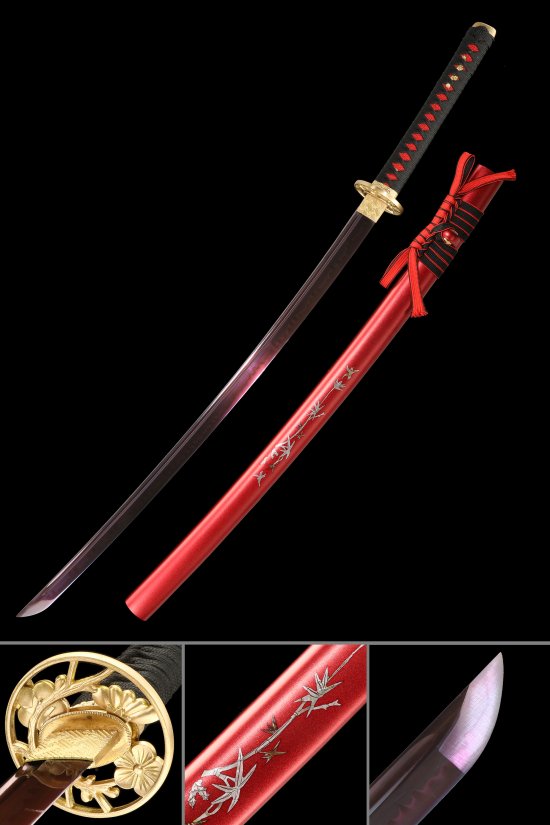
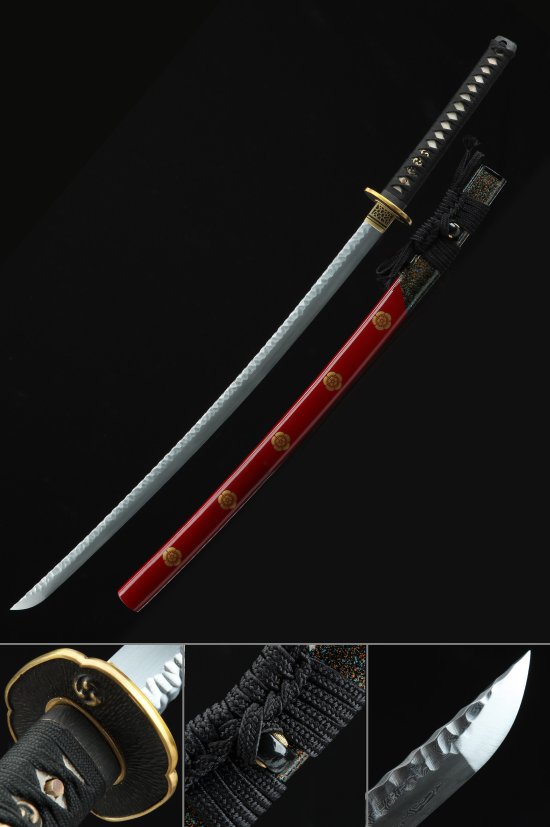
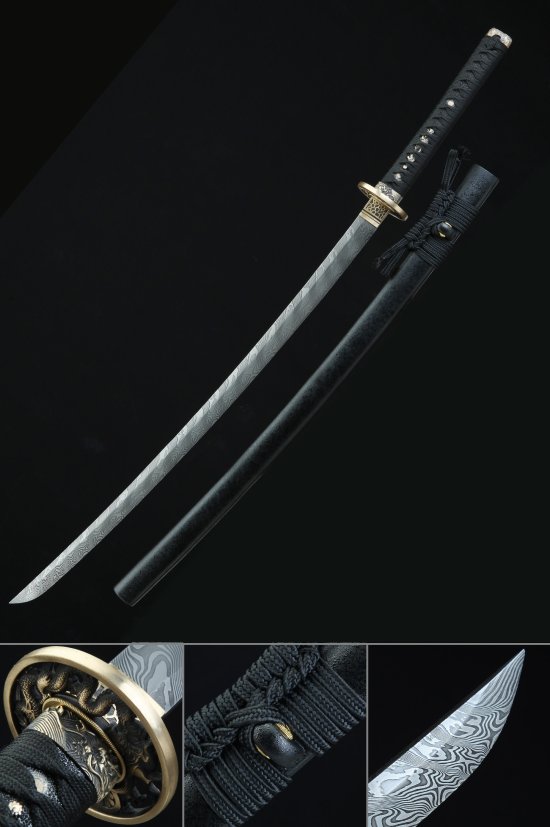
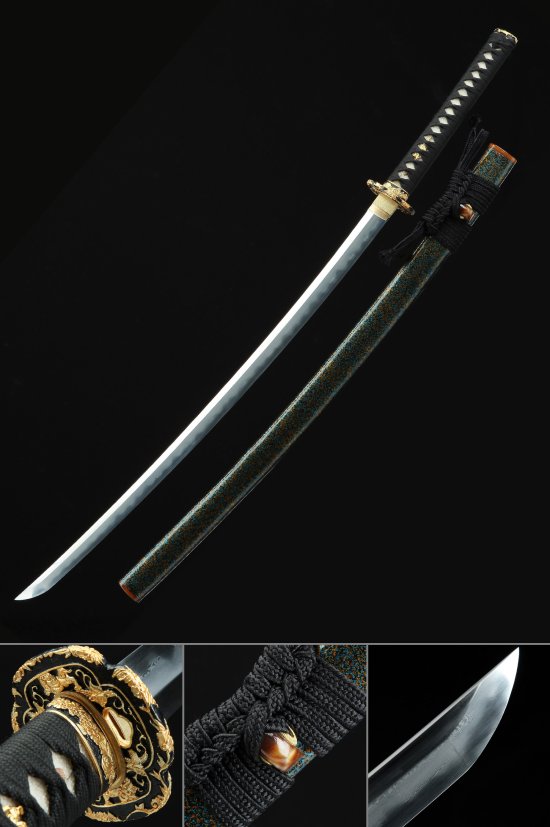
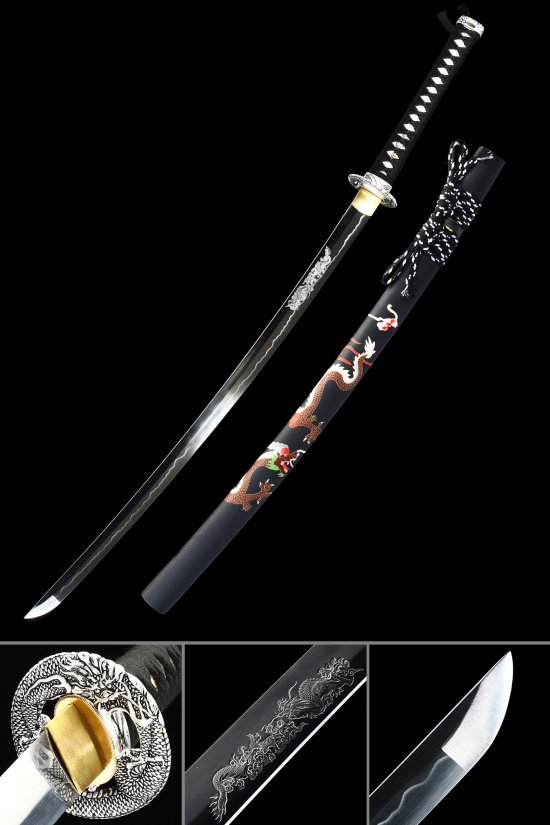
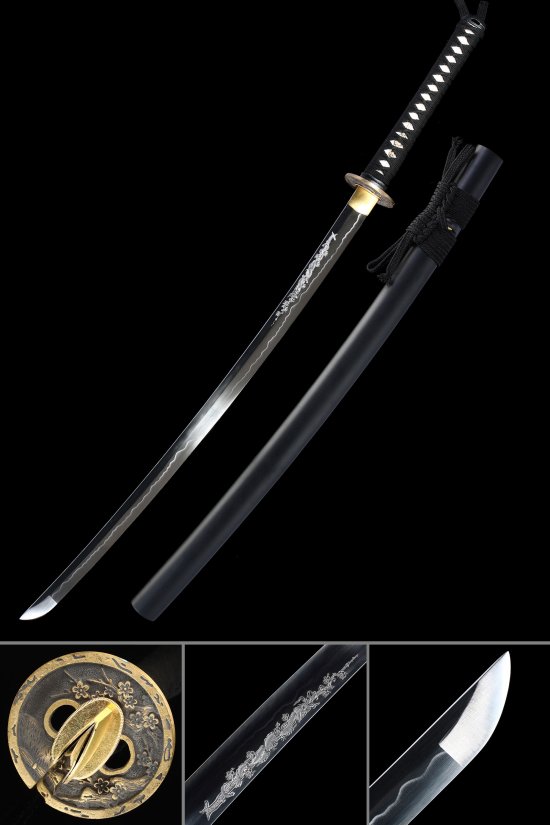
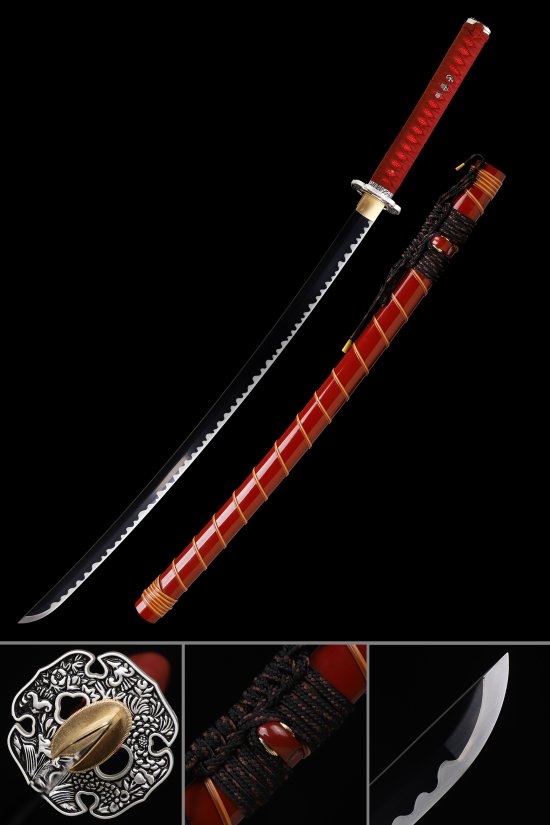
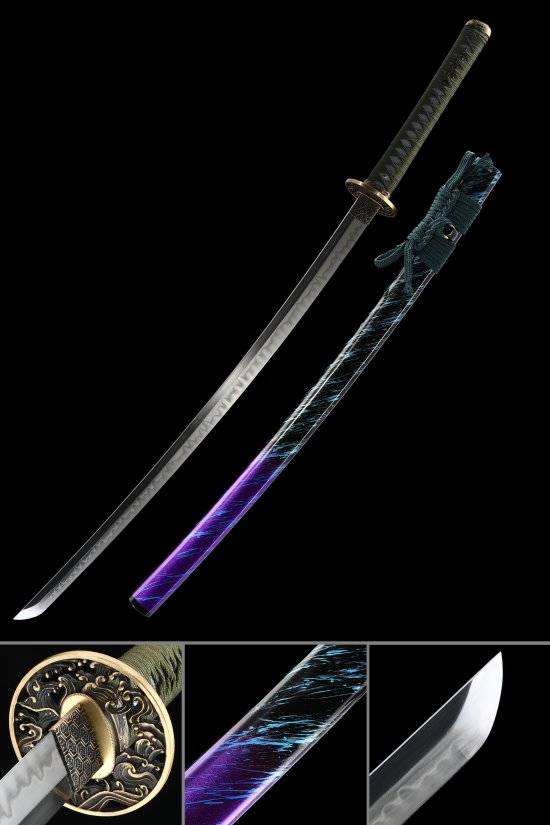
1. Look for mekugi pins in the handle Full tang katana will have one or two mekugi pins that resemble screws from afar, centrally placed on the tsuka (handle), about 1.5 to 2.5 inches from the tsuba (guard) or kashira (pommel). If a katana has no pegs at all, it likely does not have a full tang.

2. Test whether the mekugi pins are functional Some katana have pins that are merely decorative — they are not real pegs that function to hold the handle together and can be easily removed. If they can be loosened without resistance, the katana is unlikely to have a full tang, because on a genuine sword the pegs fit tightly inside the mekugi-ana holes.

3. Check the balance The point of balance for a full tang katana should be in the center or the first half of the blade, just after the tsuba handguard. If the weight is entirely in the blade and the sword feels unbalanced when held horizontally, it may not have a full tang.

4. Inspect the handle construction If the handle is made of two obvious halves with visible seams, it is more likely to be a partial tang construction. A full tang sword typically has a handle that is a single wooden core tightly wrapped with traditional materials such as tsukamaki cord.


The definitive check: disassembly

The mekugi pegs can be removed by tapping them out with a traditional hammer called a Mekugi Nuki. Once the pegs are out, the handle slides off and the tang can be directly observed.

The nakago should be approximately the same width as the blade itself. A narrow tang is not considered a true full tang — it does not follow the traditional method of katana making and is significantly weaker.

A simple trick to estimate tang length without full disassembly: put your thumb on the last peg and look at the distance from the pommel (kashira). In a properly made modern katana, the tang extends a few inches past the last bamboo peg.


Red flags that suggest a fake or rat-tail tang

  • Price under ~$100 — if you think you can buy a battle-ready katana for $50, you are far more likely to end up with a rat-tail tang.
  • No mekugi pins visible in the handle
  • The kashira (pommel) unscrews with a bolt — if you remove the pommel and find a bolt and nut, that is a rat-tail tang construction.
  • Seller won't provide disassembly photos or construction details
  • Some listings use "full tang" as a marketing term without backing it up — they avoid disassembly photos, skip construction explanations, and rely on the term alone.

Bottom line: the mekugi pin test and balance check are your first quick indicators. If you want certainty before committing to real use, either disassemble it yourself or ask the seller for photos of the nakago. Any reputable seller of functional swords should be able to provide them without hesitation.

Explore Related Collections
Explore Your Favorites Samurai Swords

Shop 2,500+ hand-forged swords. Free shipping. 30-day returns.

Shop All Katanas