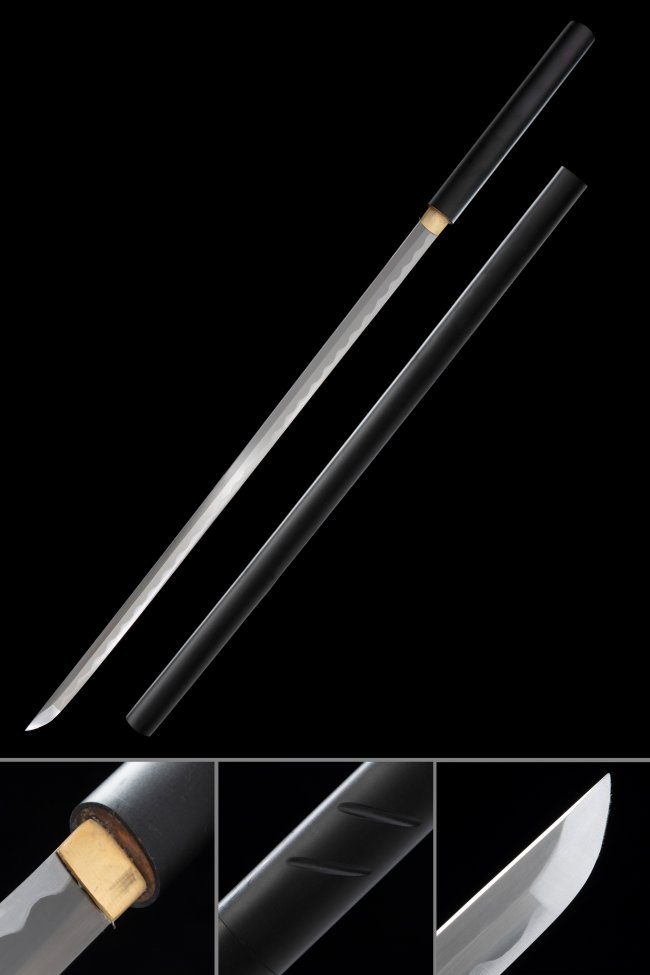
1060 Carbon Steel Ninjato
The straight profile of a ninjato gives it a completely different feel from a traditional katana — cleaner lines, a more understated look, and strong ties to classic ninja imagery. Our 1060 carbon steel ninjato collection is built for collectors and enthusiasts who want something more substantial than a lightweight replica. Each 1060 carbon steel ninja sword features a real steel blade, solid construction, and a balanced feel that works well for display, cosplay, or appreciation of Japanese-inspired sword design. The 1060 steel also gives the blade dependable durability without losing that traditional look people expect from a well-made ninjato. If you prefer swords with a simpler silhouette and a bit of old-school ninja character, this collection is worth exploring.
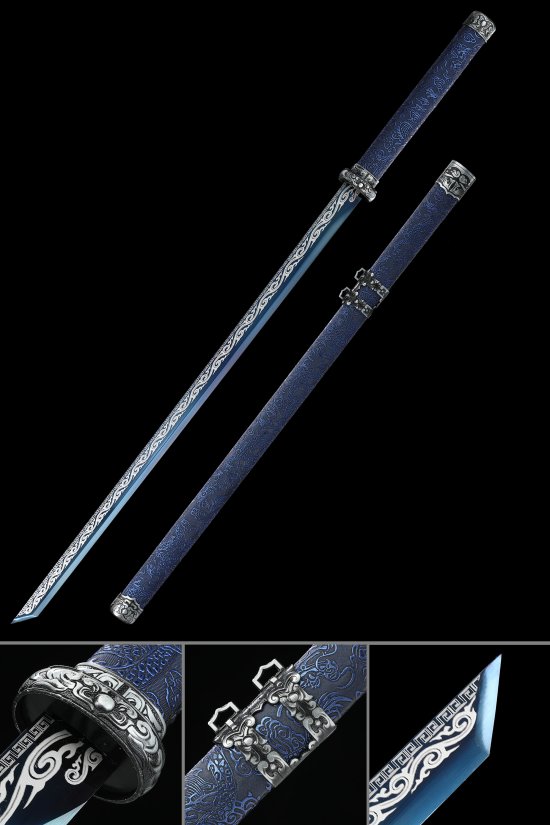
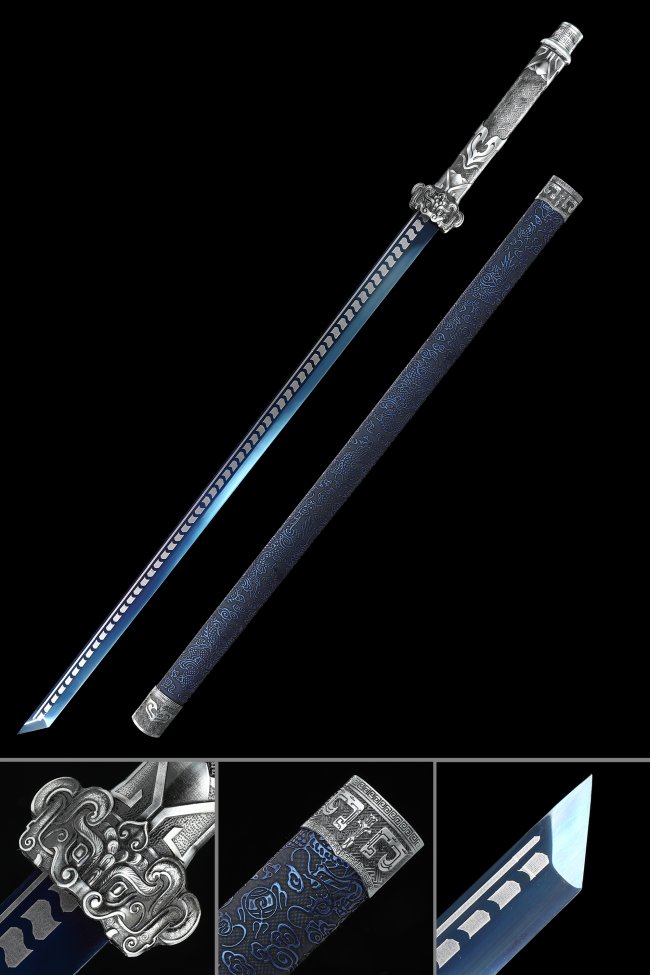
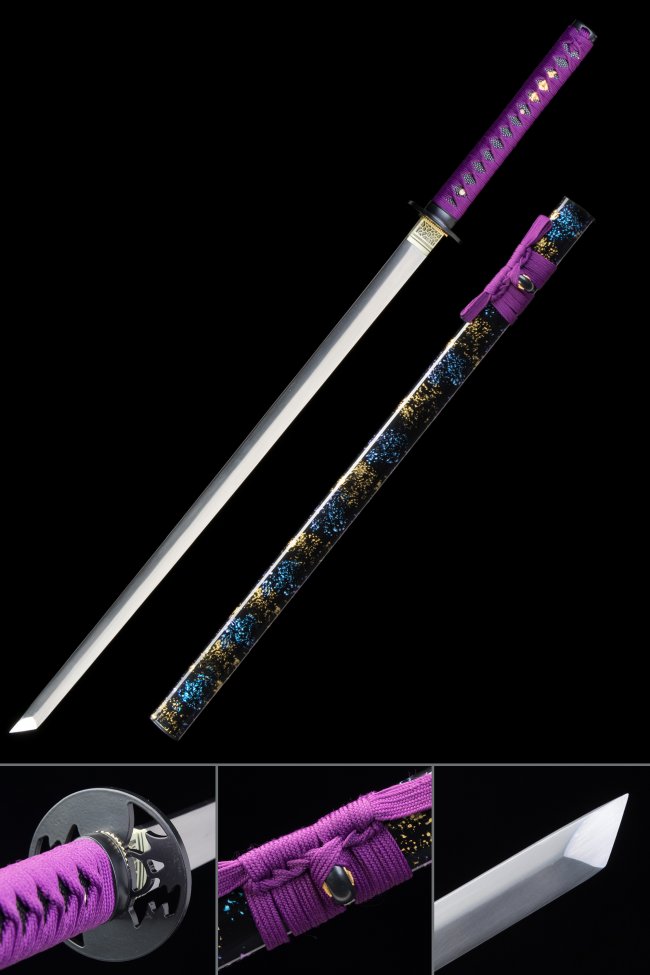
1060 Carbon Steel Ninja Sword With Blue Blade, Dark Blue Dragon Saya & Silver Alloy Tsuba
5 Reviews
ON SALE 30% OFF
$109.00
$159.00
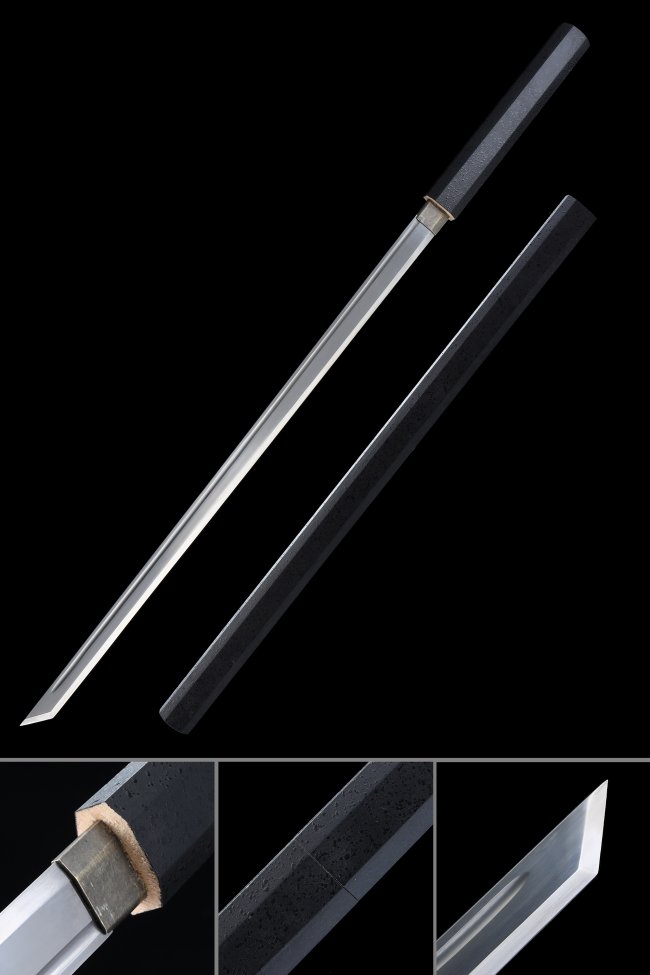
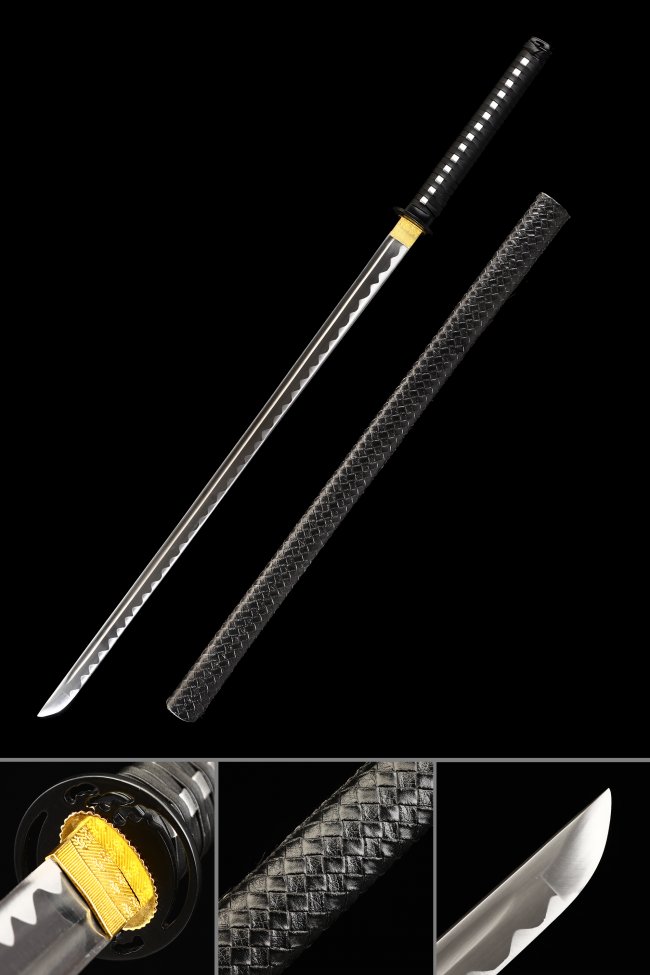
Full Tang 1060 Carbon Steel Ninjato, Black Saya, Black Tsuka & 40"
5 Reviews
ON SALE 15% OFF
$179.00
$209.00
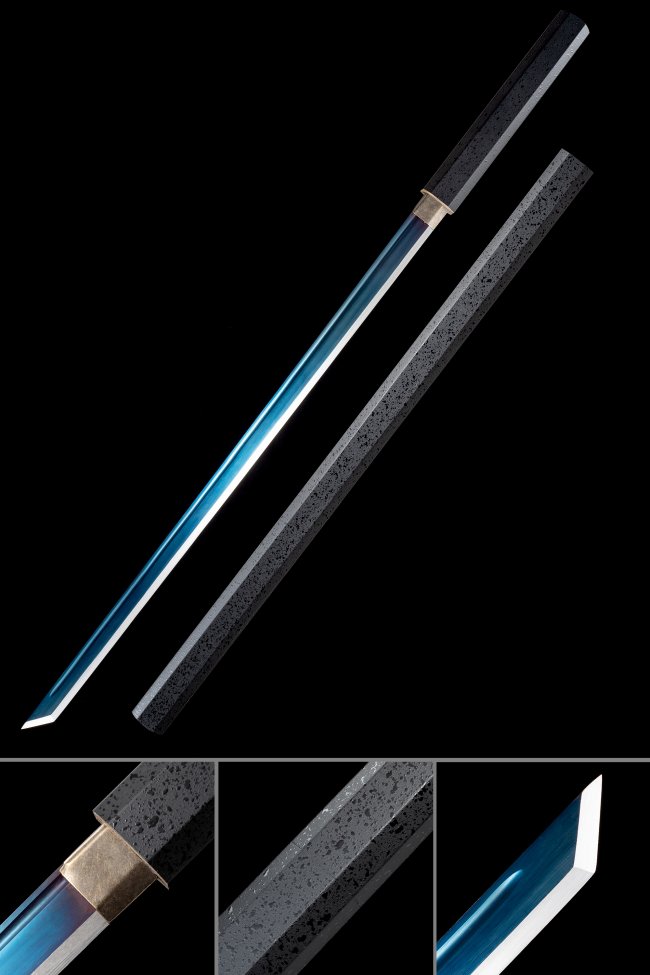
1060 Carbon Steel Shirasaya With Blue Blade & Matte Black Hardwood Saya - Anime Sword
2 Reviews
ON SALE 15% OFF
$169.00
$199.00
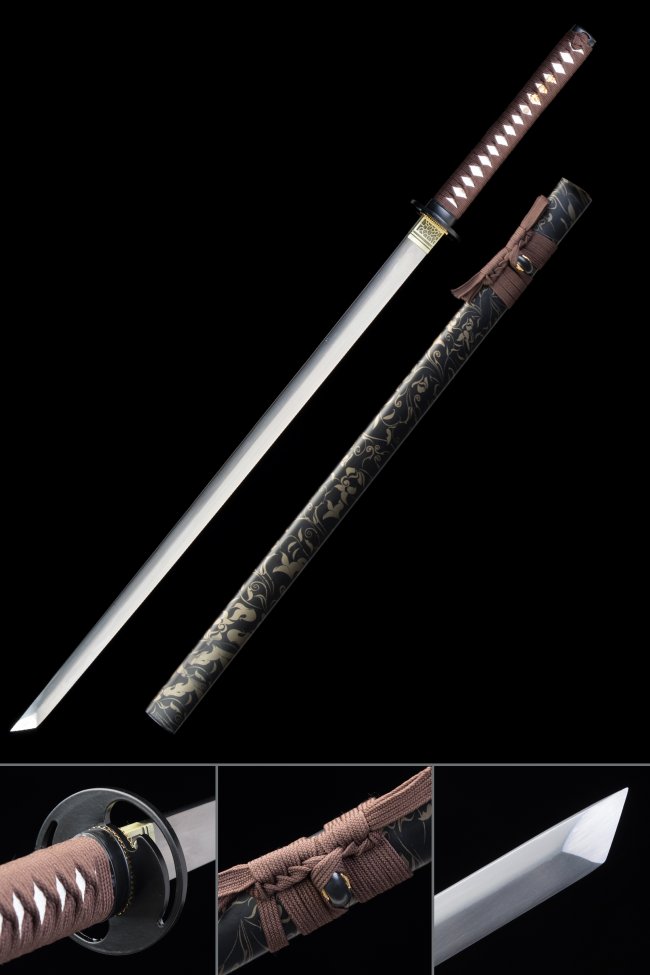
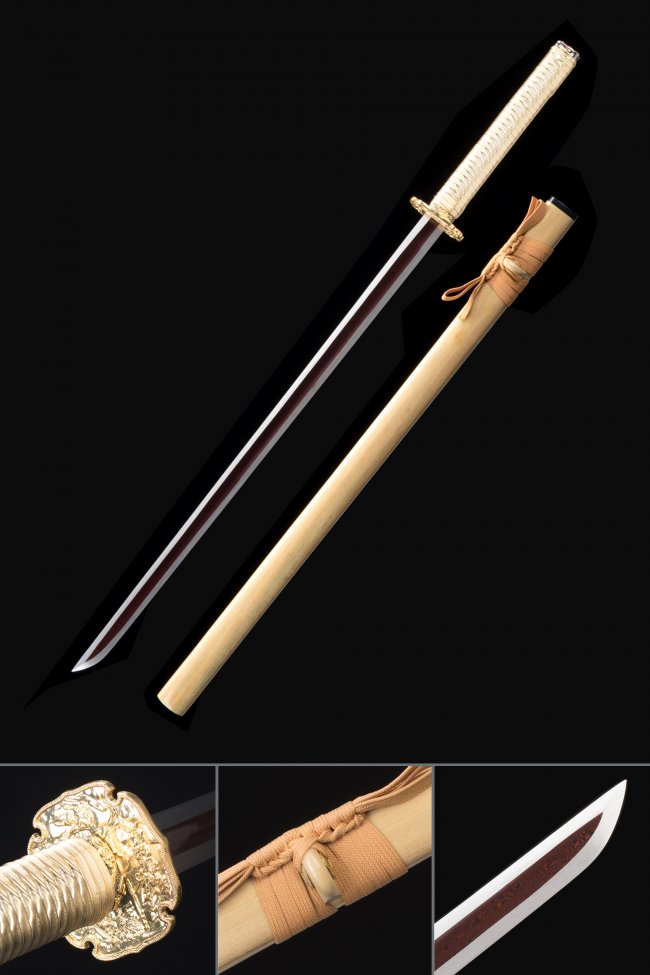
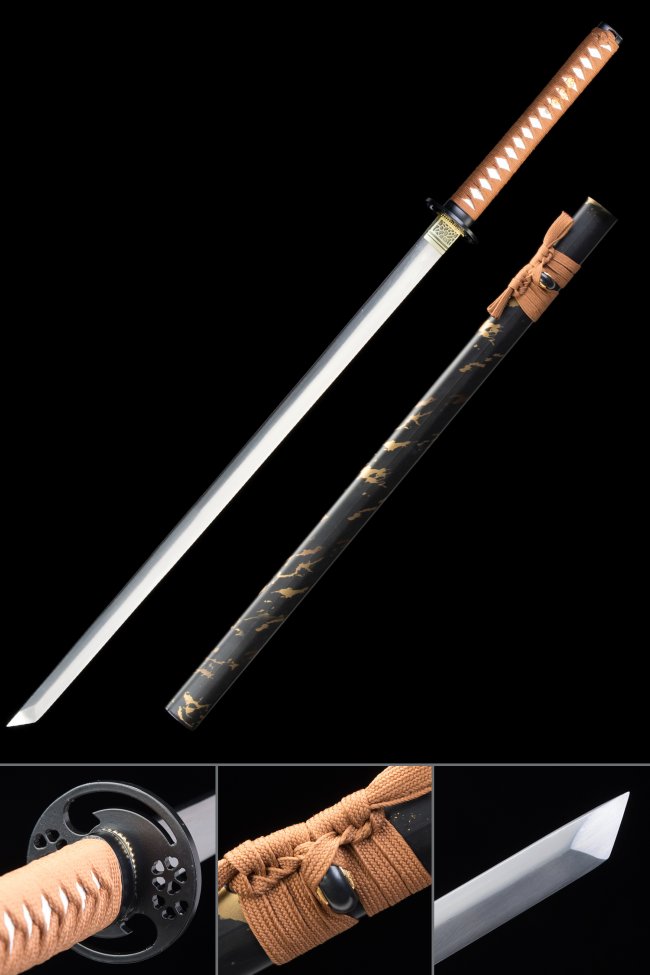
Ornate Scroll Tsuba 1060 Carbon Steel Ninjato, Full Tang, Handmade & Beige Saya
2 Reviews
ON SALE 15% OFF
$209.00
$249.00
Related Collections
1060 Katana 77 items
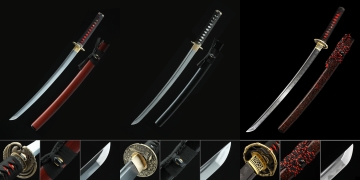
1060 Wakizashi 41 items
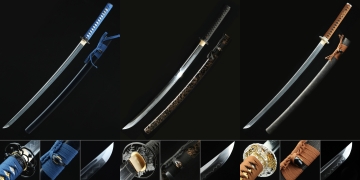
T10 Carbon Steel Katana 30 items
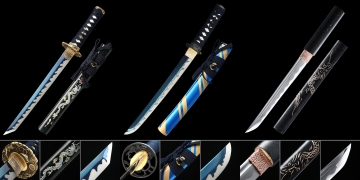
1095 Carbon Steel Tanto 6 items
Customer Reviews
It looks very nice, but I was really hoping it would be sharper.
 1060 Carbon Steel Ninja Sword with Blue Blade, Dark Blue Dragon Saya & Silver Alloy Tsuba
Verified Purchase
1060 Carbon Steel Ninja Sword with Blue Blade, Dark Blue Dragon Saya & Silver Alloy Tsuba
Verified Purchase
I would rate my ninjato sword 5 out of 5 because the reference image compare the sword I received are 95 percent same. The quality is great but a mineral suggestion add a soft warp so when swing the sword it won’t hurt our hands
1060 Carbon Steel Ninja Sword with Blue Blade, Dark Blue Dragon Saya & Silver Alloy Tsuba
Verified Purchase
Love it bought from before and liked previous order only issue is the habaki or collar was loose causing it to rattle.
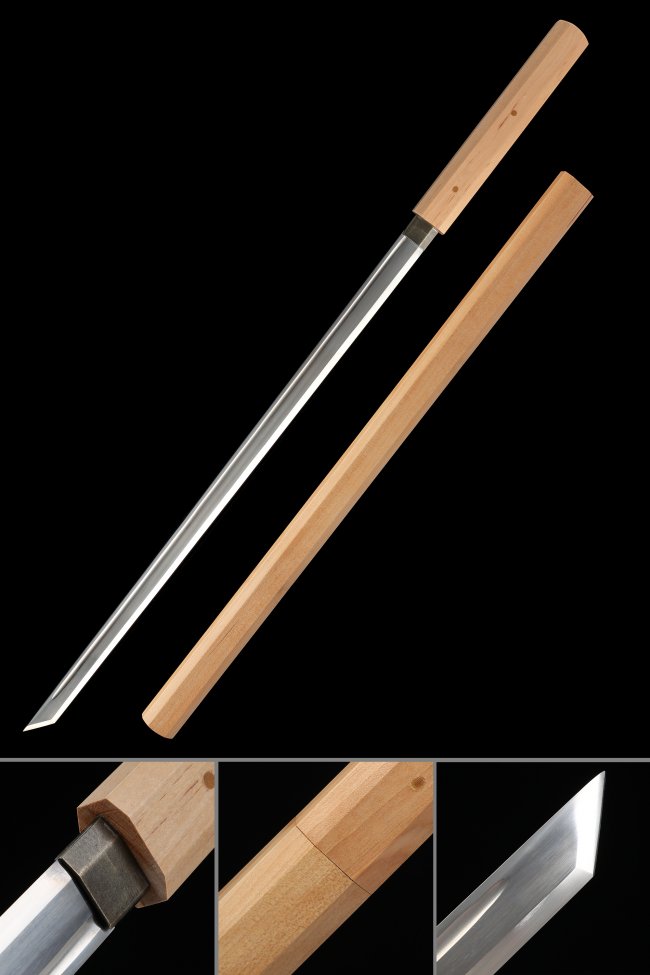
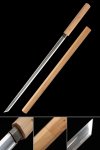 Natural Wood Saya 1060 Carbon Steel Ninjato, Natural Wood Tsuka, 40" & Bronze Tsuba
Verified Purchase
Natural Wood Saya 1060 Carbon Steel Ninjato, Natural Wood Tsuka, 40" & Bronze Tsuba
Verified Purchase
I absolutely love this. I got it just yesterday and I’m continuing to gush over it. Sleek profile and well built. Everything I was hoping it would be and it arrived faster than I thought it would!
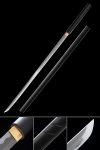 Black Saya 1060 Carbon Steel Ninjato, Black Tsuka & 38"
Verified Purchase
Black Saya 1060 Carbon Steel Ninjato, Black Tsuka & 38"
Verified Purchase
Very nice it will be a nice addition to my collection
Black Saya 1060 Carbon Steel Ninjato, Black Tsuka & 38"
Verified Purchase
Couldn't be happier with my experience. My new walking stick/sword is beautiful. It arrived quickly without paying any extra shipping fees. The sword is super sharp. Only minor criticisms I have is there's a little bit of a rattle when using as a walking stick and had to add a adhesive rubber stopper to the bottom of the sheath as to not scratch up the finish. I might be mistaken in thinking it was intended for actual use and not just a display piece. Either way I will definitely be making future purchase from turekatana.com.
Black Saya 1060 Carbon Steel Ninjato, Black Tsuka & 38"
Verified Purchase
Very nice and very sharp. It's going to be hung on a wall in our trophy room.
Black Saya 1060 Carbon Steel Ninjato, Black Tsuka & 38"
Verified Purchase
Fantastic sword second time buying cause the first 1 came in half so I had to order a new one but will be again 🫡
1060 Carbon Steel Ninja Sword with Blue Blade, Dark Blue Dragon Saya & Silver Alloy Tsuba
Verified Purchase
The sheath was broken on arrival but that’s okay the sword was beautiful
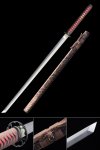 Chokuto Sword 1060 Carbon Steel - Brown-Red Cord Handle, Dragon Patterned Brown Saya
Verified Purchase
Chokuto Sword 1060 Carbon Steel - Brown-Red Cord Handle, Dragon Patterned Brown Saya
Verified Purchase
Get walking stick ...with piece of mind in and out of site.r
Good workmanship. 👍
Black Saya 1060 Carbon Steel Ninjato, Black Tsuka & 38"
Verified Purchase
The cane sword was as advertised and sharp, which is a plus and dealing with the company was a pleasure. Thanks.r
r
The only additional desire would be if there were rubber tips that would fit the cane sword for future reference.
Black Saya 1060 Carbon Steel Ninjato, Black Tsuka & 38"
Verified Purchase
This is review if Katana Cane,1060 blade,Shipped and arrived very quickly! Katana'sfinished nicely! Handle/ Tsaba was a bit slippery so I covered it in Elk hide,also added a rubber bump pad to bottom to actually use as Cane. You get what you pay for some say! All in all very Happy with it, doing a few more mods though..r
I Have many Edged weapons, and this is good deal for price.r
Will do a couple more reviews when N if I get another/ different steel and build..r
Thanks
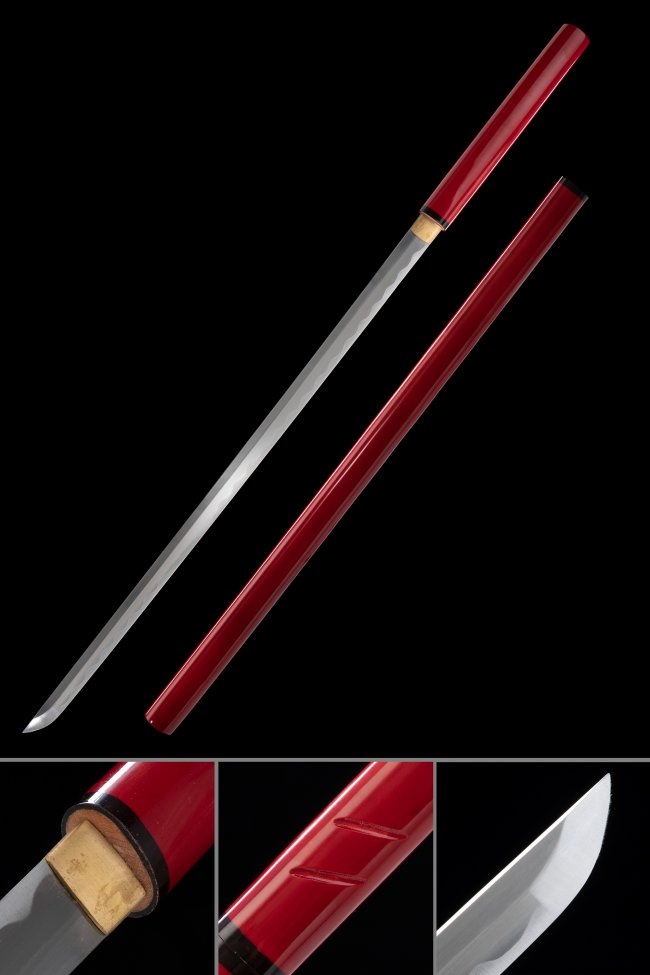
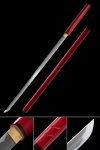 Zatoichi Stick Sword 1060 Carbon Steel Blade with Red Piano Lacquer Hardwood Saya - Shirasaya Style
Verified Purchase
Zatoichi Stick Sword 1060 Carbon Steel Blade with Red Piano Lacquer Hardwood Saya - Shirasaya Style
Verified Purchase
Awesome. Not as sharp as I would have liked but I can sharpen it myself. I'll definitely buy from here again.
Black Saya 1060 Carbon Steel Ninjato, Black Tsuka & 38"
Verified Purchase
Love my sword best thing ever ever owned. I just want to know if that gap right there is okay still going to give you a five star. I just did love the sword
Zatoichi Stick Sword 1060 Carbon Steel Blade with Red Piano Lacquer Hardwood Saya - Shirasaya Style
Verified Purchase
The sword is beautiful and very sharp. It arrived almost a week earlier than expected. Will use again!
Black Saya 1060 Carbon Steel Ninjato, Black Tsuka & 38"
Verified Purchase
Loading more reviews...