168 Reviews
ON SALE 20% OFF
$149.00$189.00

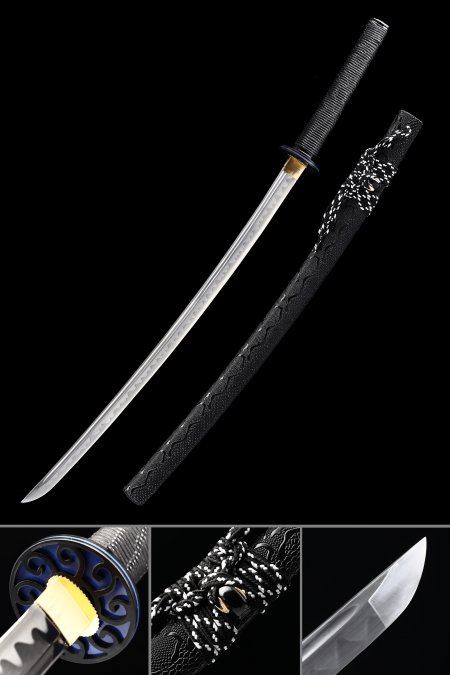
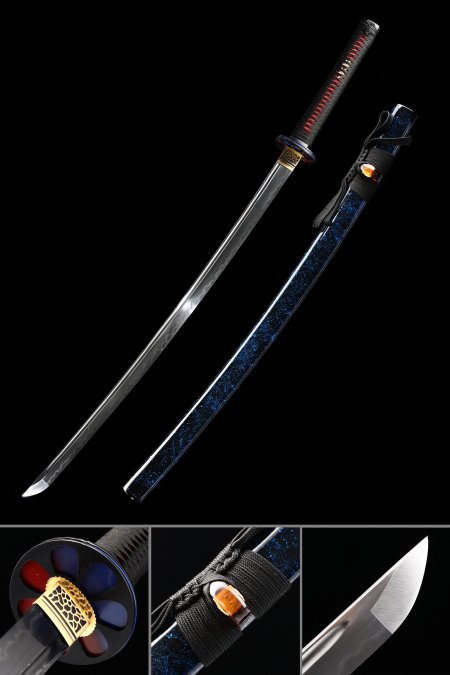
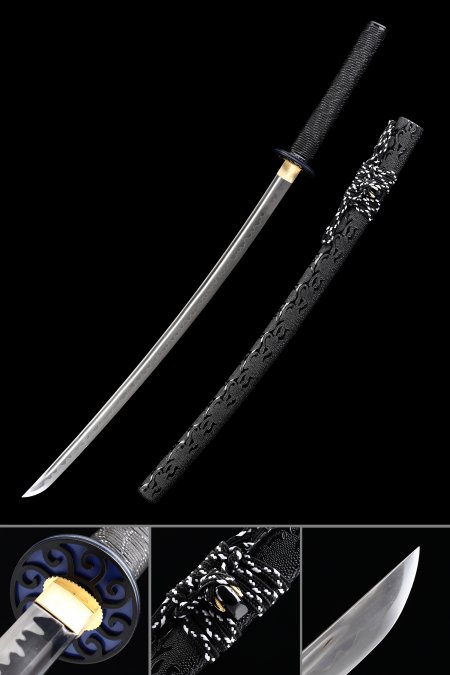
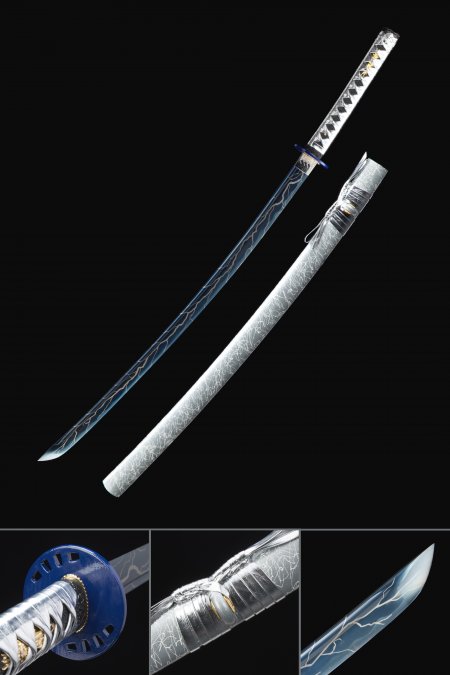
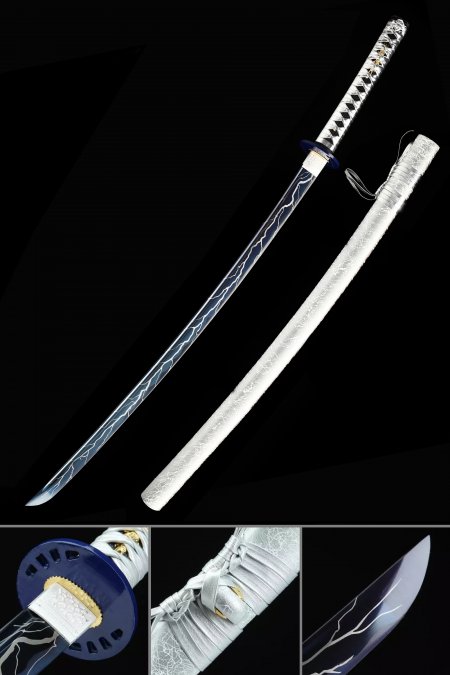
A blue tsuba katana brings together disciplined Japanese sword-making tradition and striking aesthetic refinement - the guard's deep blue tones transforming each piece into a collector's focal point. Our handcrafted selection spans 1045 carbon steel, T10 high-carbon, manganese steel, and folded Damascus blades, each paired with thoughtfully coordinated fittings including lacquered saya, ornate tsuba, and hand-wrapped tsuka-ito. Every sword arrives full-tang constructed and finished to display-ready standards. Enjoy free shipping on your order, backed by our hassle-free return policy.
Incredible quality to cost ratio. Exceeded expectations in every way. I just wish you offered a laser etching option.
 |
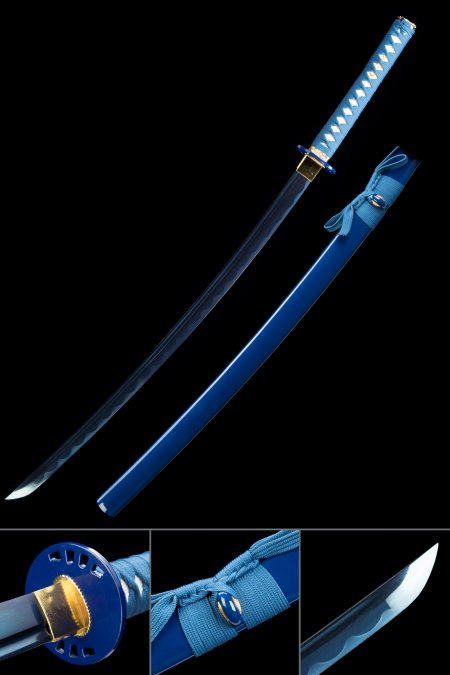
1045 Carbon Steel Blue Blade Katana with Blue Saya and Light Blue Tsuka-ito - Full Tang Collectible Samurai Sword |
An amazing work of art! Brilliant color and feels magnificently balanced in the hand that wields it. The sharp cold steel of the blade is perfect. There is no disappointment here!
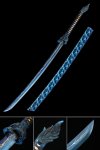 |
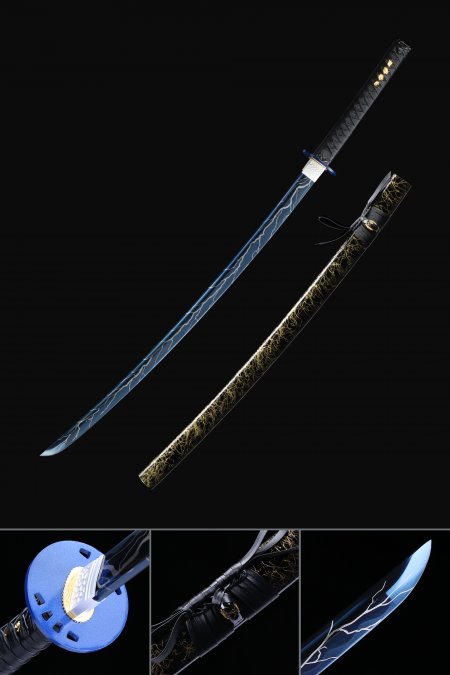
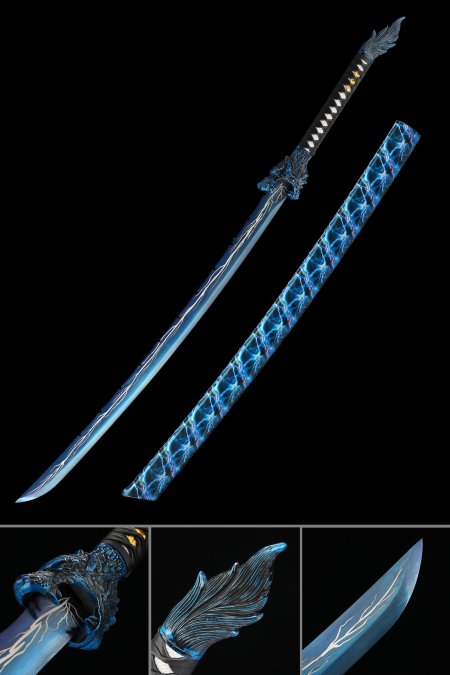
Blue Lightning T10 Steel Katana with Dragon Tsuba and Electric Storm Saya - Collectible Japanese Sword |
The sword looked pretty online but is JAW DROPPING in person! Such a beautiful blade!
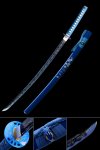 |
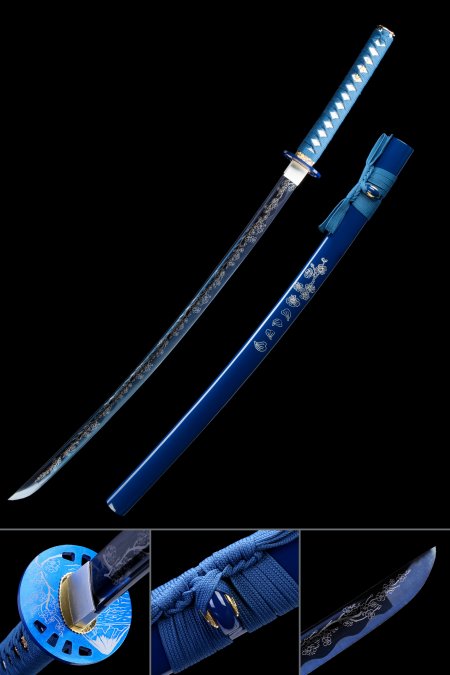
1045 Carbon Steel Blue Katana with Cherry Blossom Engraved Blade and Piano Lacquer Saya - Collectible Japanese Sword |
This katana is a Christmas gift for my best friend and it came out perfect!! He’s going to love it!
|
1045 Carbon Steel Blue Katana with Cherry Blossom Engraved Blade and Piano Lacquer Saya - Collectible Japanese Sword |
I ordered this as my future husband’s wedding present. It came yesterday and he is going to absolutely love it! It is beautiful, and so well made. Thank you!
|
1045 Carbon Steel Blue Katana with Cherry Blossom Engraved Blade and Piano Lacquer Saya - Collectible Japanese Sword |
The product looked great! I only wish there was an option to engrave the blade and/or scabbard.
|
1045 Carbon Steel Blue Katana with Cherry Blossom Engraved Blade and Piano Lacquer Saya - Collectible Japanese Sword |
The shipping was very fast the item was perfect just as described it has amazing details on the handle and the blade was thicker than I thought it would be not that that's a problem all and all the katana was very beautiful.
|
Blue Lightning T10 Steel Katana with Dragon Tsuba and Electric Storm Saya - Collectible Japanese Sword |
Gorgeous and high quality blade. The art is absolutely stunning. Was purchased for a Christmas gift, it was the best decision.
|
1045 Carbon Steel Blue Katana with Cherry Blossom Engraved Blade and Piano Lacquer Saya - Collectible Japanese Sword |