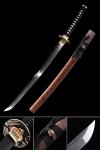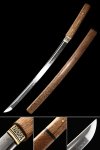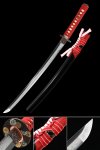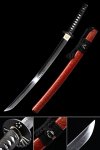
Carbon Steel Wakizashi

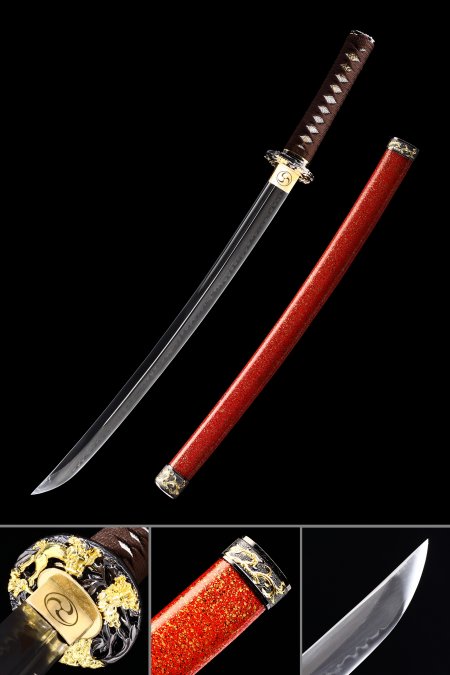
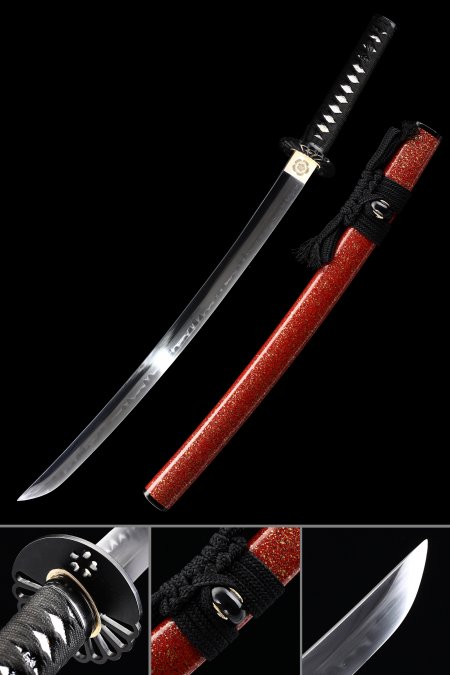
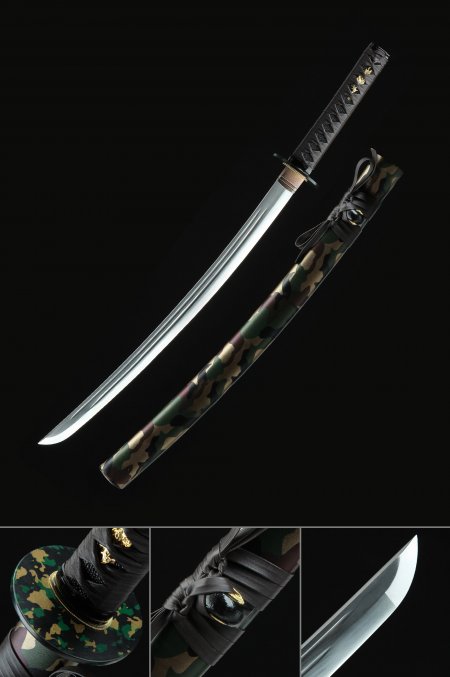
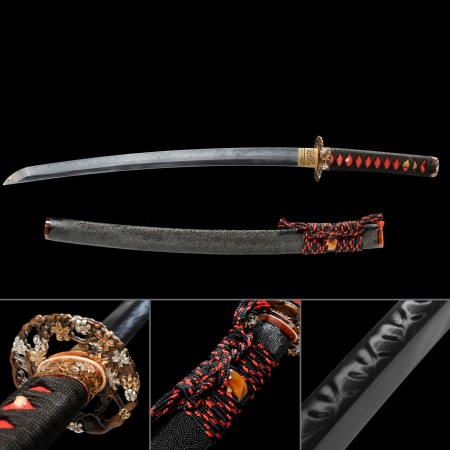
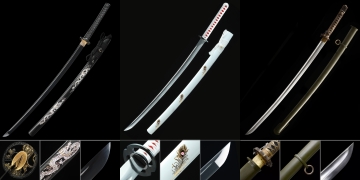
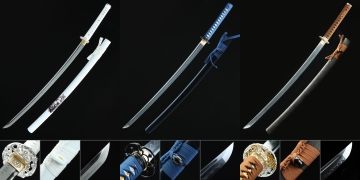
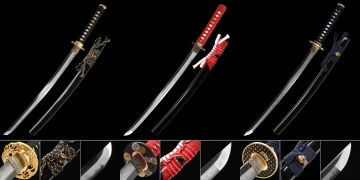
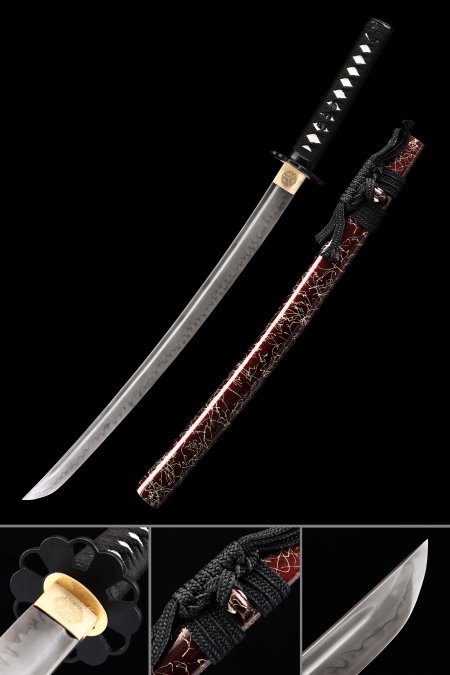
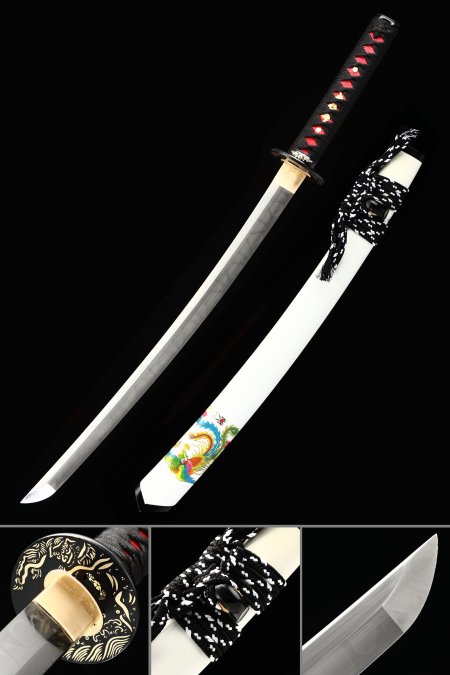
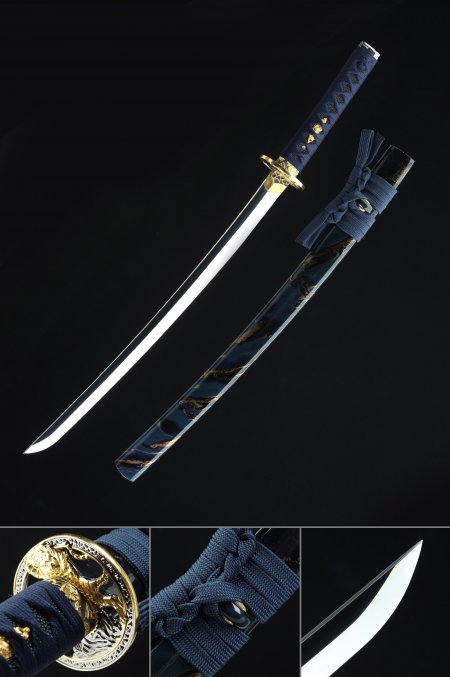
Shop our collection of carbon steel wakizashi swords - hand-forged Japanese companion blades built around high-carbon steel grades including T10, 1065, Manganese Steel, and Damascus, covering the full range of wakizashi styles from clay-tempered T10 pieces with visible hamon to colorful scabbard configurations in blue, green, brown, and natural wood. Every piece features full-tang construction and authentic samurai-tradition fittings. Free US shipping and hassle-free returns included.
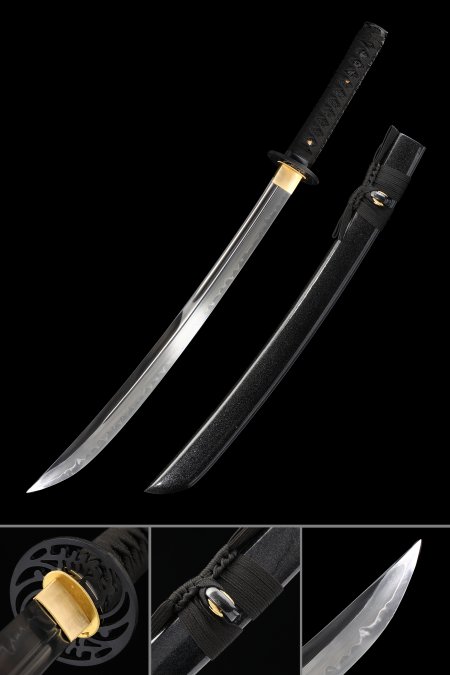
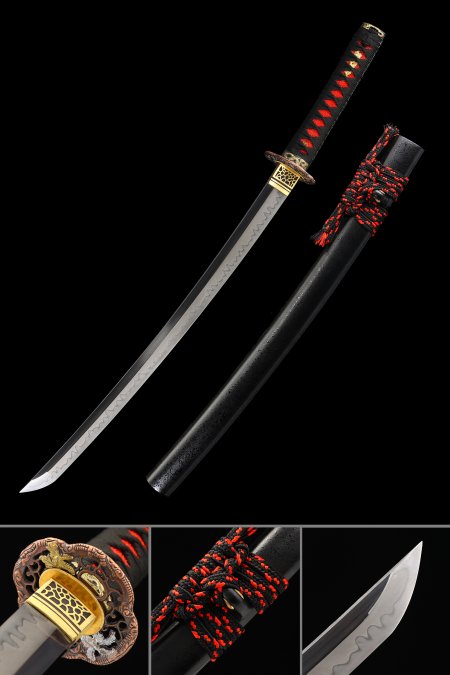
Showing 57 Products

Related Collections

Frequently Asked Questions

What carbon steel grades are available in the wakizashi collection?
The carbon steel wakizashi collection covers a wide spectrum of high-carbon steel grades, each with different properties that suit different collector preferences. T10 carbon steel is the premium option and the grade most closely associated with traditional Japanese sword-making quality: its fine grain structure and controlled carbon content allow for differential heat treatment that can produce a clearly visible hamon temper line, which is the most prized visual indicator of quality in Japanese sword collecting. 1065 carbon steel offers a high-carbon composition that achieves substantial hardness during heat treatment, making it well suited to the wakizashi format that benefits from a refined blade surface. Manganese Steel delivers exceptional surface hardness and a deep, consistent finish quality that makes it well suited to bold color treatments. Damascus Steel brings fold-forged layered surface patterning unique to each blade. 1045 carbon steel provides a reliable, accessible starting point with proper full-tang construction and consistent quality. All grades are used with full-tang construction and mekugi retention pins.
What is a hamon and how do I identify it on a T10 wakizashi?
The hamon is the visible temper line that forms along the blade edge of a Japanese sword during the differential heat treatment process. In the clay-tempering technique used for premium Japanese blades, clay is applied to the blade spine before quenching, insulating that area so it cools more slowly than the uncovered edge. This differential cooling creates a boundary zone between the harder edge section and the tougher spine - and the hamon is where this boundary becomes visible on the polished blade surface. On a T10 wakizashi, the hamon typically appears as a white or grey undulating line running from the kissaki tip toward the habaki collar, against the darker background of the blade surface. The hamon may be a simple straight line, a wave pattern, a cloud formation, or a complex shape with visible crystalline activity within the transition zone - all of these variations are genuine indicators of differential heat treatment. To see the hamon clearly, hold the blade under a directed light source at a low angle to the blade surface: the boundary line will become visible as light plays across the edge zone.
What wakizashi styles are available in the carbon steel collection?
The carbon steel wakizashi collection covers all major styles within the Japanese short sword tradition. The most represented format is the conventional full-fitted wakizashi: a curved single-edged blade with tsuba guard, ito-wrapped handle, and matching lacquered scabbard in a range of color options including blue, green, brown, yellow, and natural wood alongside the classic black and dark finishes. Shirasaya-mounted wakizashi are available in T10 carbon steel - these plain-wood presentation pieces strip away all conventional fittings to present the blade in its most direct and minimalist format, emphasized particularly for pieces with a well-defined hamon. Damascus Steel wakizashi bring fold-forged layered patterning to the short sword category. The full variety of scabbard colors across the collection makes this one of the most visually diverse wakizashi ranges available, giving collectors who are drawn to specific color aesthetics a wide selection to work with within the carbon steel quality standard.
How does a carbon steel wakizashi work in a daisho display?
A carbon steel wakizashi is the natural partner for a katana in a daisho display - the matched long-and-short sword arrangement that was the defining mark of samurai status in feudal Japan. For a daisho display, the most important aesthetic consideration is matching the fittings and finish between the two pieces: a black scabbard wakizashi pairs with a black scabbard katana, a natural wood shirasaya wakizashi pairs with a shirasaya katana, and matching handle wrapping colors tie the two pieces together as a visual set. A two-tier wall-mounted daisho display bracket positions the katana above and the wakizashi below in the traditional arrangement, with the two blades parallel and the edge of each blade facing upward. The consistent carbon steel grade across both pieces creates a unified material character, and if both are T10 clay-tempered pieces, matching or complementary hamon patterns make the two blades a genuinely harmonious pair. For display hardware suitable for a daisho arrangement, a two-tier bracket sized for standard katana and wakizashi blade lengths is available through most Japanese sword display hardware suppliers.

Customer Reviews