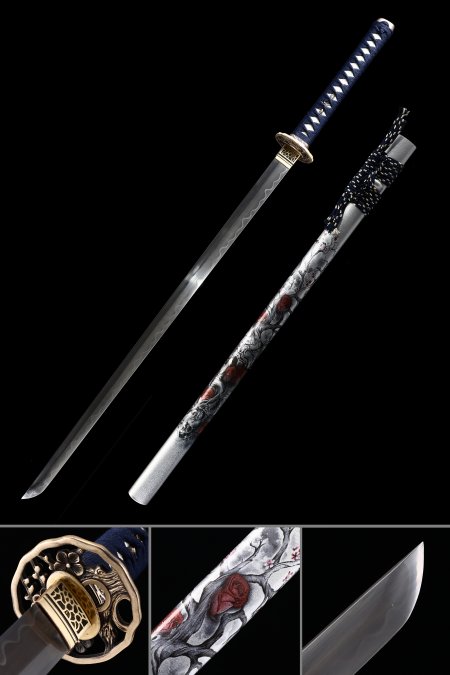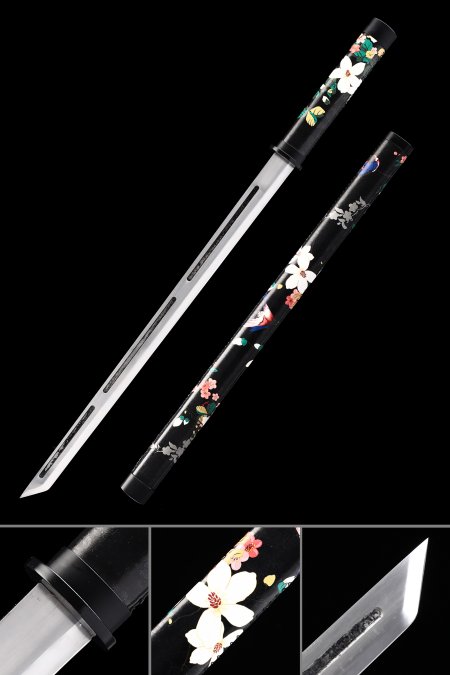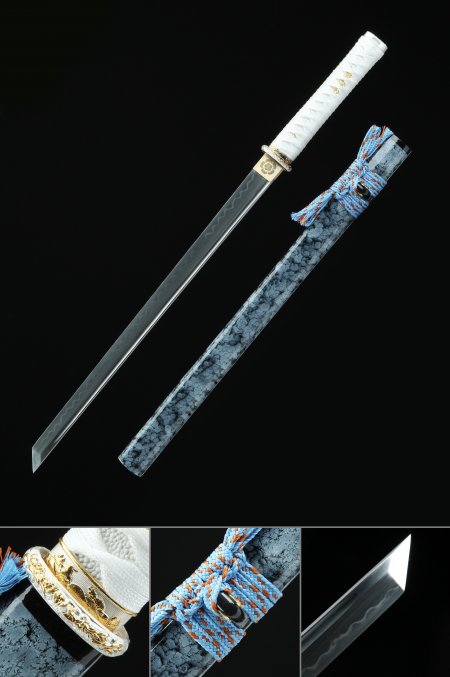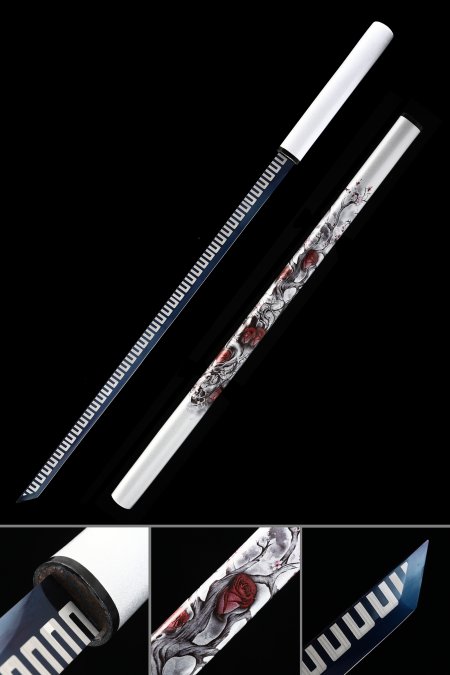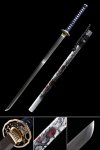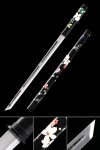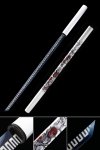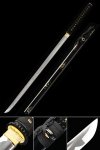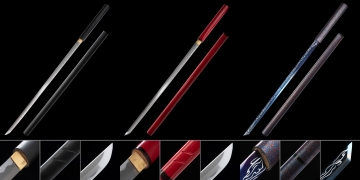
Flower Saya Ninjato

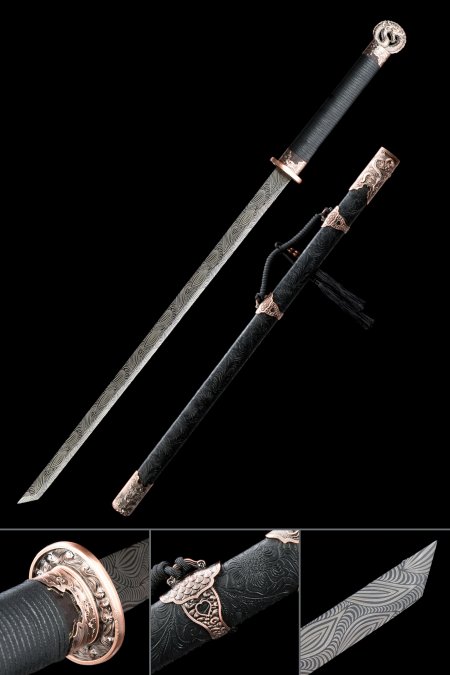
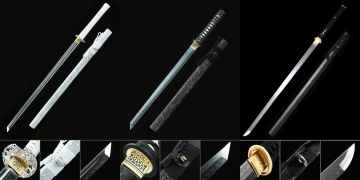
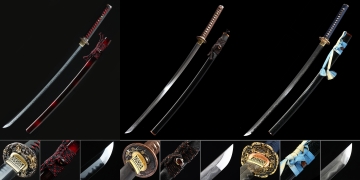
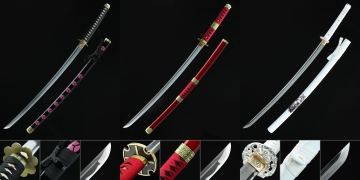
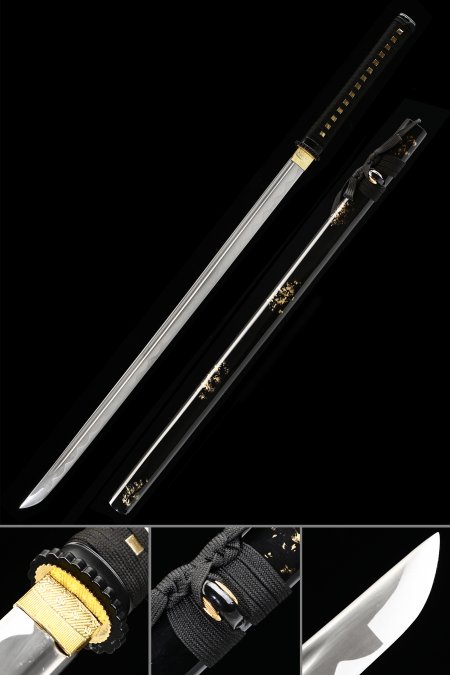
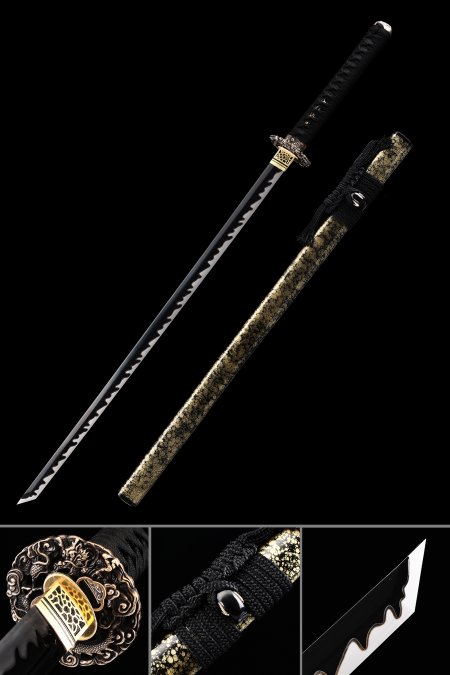
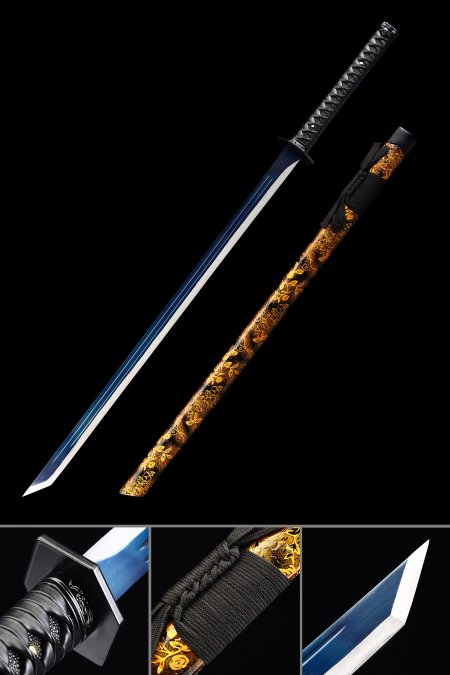
The Flower Saya Ninjato collection brings together hand-forged straight-blade swords dressed in lacquered and hand-painted scabbards adorned with floral motifs — from gold plum blossoms to chrysanthemum carvings. Each piece is crafted from high-grade steel including T10, Damascus, 1045, and Manganese, with full-tang construction and carefully fitted furniture that rewards close inspection. These are collectibles built with the same integrity demanded by serious display enthusiasts. Enjoy free shipping on your order, and shop with confidence backed by our hassle-free return policy.
Showing 8 Products

Related Collections

T10 Ninja Sword19 items


81 Reviews

Hand Forged Katana45 items


28 Reviews

O Katana103 items


2137 Reviews

1060 Steel Ninja Swords16 items


34 Reviews

Frequently Asked Questions

What makes a flower saya different from a standard lacquer saya?
A flower saya is distinguished by intentional decorative motifs — typically blossoms, vines, or botanical relief work — applied through hand-painting, carved hardwood, lacquer overlay, or gold-leaf inlay. A standard lacquer saya achieves a uniform color finish (black, red, or brown) with minimal ornament. Flower saya work demands additional skilled labor: a hand-painted plum or chrysanthemum motif requires steady brushwork and multiple sealant layers to protect the artwork, while carved hardwood floral relief is shaped before lacquering to create tactile depth. From a collector's perspective, a well-executed flower saya represents a convergence of two separate craft traditions — the swordsmith's scabbard fitting and the decorative lacquer artist's technique.
How does T10 steel compare to Damascus steel for a ninjato collectible?
T10 and Damascus steel serve different collector priorities. T10 is a high-carbon tool steel with a tight grain structure, prized for producing a clean, consistent surface finish that pairs elegantly with refined furniture like gold chrysanthemum tsuba. Its hardness profile sits comfortably for display pieces that are also handled for form study or tameshigiri. Damascus steel — produced by folding and forge-welding multiple steel layers — develops a visible surface pattern unique to each billet, making every blade individually distinct. No two Damascus blades are identical, which is a significant draw for collectors who value singularity. The trade-off is that Damascus requires more attentive maintenance to prevent surface oxidation along the layered seams. For purely visual display impact, Damascus is unmatched; for a cleaner, more formal aesthetic that lets the saya take visual precedence, T10 is the stronger pairing.
What is the best way to store a flower saya ninjato for long-term display?
Lacquered and hand-painted sayas are more sensitive to environmental conditions than plain hardwood. For long-term preservation, store the piece horizontally on a padded sword stand away from direct sunlight, which fades hand-painted pigments and can cause lacquer to yellow or crack over time. Maintain ambient humidity between 40–60%; both very dry and very damp conditions stress lacquer finishes — dryness causes micro-cracking, while excess moisture risks lifting painted layers or warping the hardwood beneath. Apply a light coat of choji oil or camellia oil to the blade every few months, carefully avoiding contact with the saya interior, as oil residue inside the scabbard can soften certain lacquer finishes over time. When removing the blade for inspection, wipe fingerprints from the steel surface with a soft cloth before resheathing.
Are these ninjato pieces suitable as display gifts for sword enthusiasts?
Flower Saya Ninjato pieces are among the more visually impactful display gifts available within Japanese sword collectibles, specifically because the decorative saya commands attention even to a viewer unfamiliar with blade geometry or steel types. A recipient who appreciates Japanese aesthetics will immediately recognize the craft language — the plum blossom, chrysanthemum, or dragon motifs carry established cultural resonance, and the contrast of an ornate floral scabbard against a blackened or patterned blade creates an immediate visual narrative. From a presentation standpoint, these pieces arrive ready for wall mounting or stand display without requiring additional accessories. For enthusiasts who already own katana or wakizashi, a straight-blade ninjato in a flower saya introduces a different silhouette to the display collection, adding visual variety alongside the curved forms.
Why do some ninjato in this collection feature blackened blades?
Blackened blades — achieved through controlled oxidation, kurouchi finishing, or acid-patina treatments — serve both an aesthetic and a practical function on collectible ninjato. Visually, a dark blade creates a high-contrast pairing with gold hardware and brightly painted or lacquered floral sayas, a combination that reads as dramatically intentional rather than incidental. The dark surface also reduces light reflection during display, drawing the viewer's eye toward the ornate fittings and scabbard decoration rather than the blade geometry itself. From a preservation standpoint, a properly applied oxidized finish adds a modest layer of surface protection against minor humidity exposure, though it does not eliminate the need for periodic light oiling. The blackened finish is particularly well-suited to manganese steel pieces, where the base metal's natural coloring complements the treatment.

Customer Reviews

Serhii Nazarov New York, United States

Got it well packed with oiled blade in 2 weeks after order, quality totally equal the price and attractive as on the photos.r
r
Features: very heavy and not so sharp, no I didn't plan to cut the heads with it, only for cosplay, but if I would find something attractive as this with T10 steel, I'd rather prefer it.
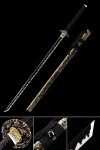
Manganese Steel Ninjato with Black Blade & Dragon Tsuba in Gold-Black Flower Saya Manganese Steel Ninjato with Black Blade & Dragon Tsuba in Gold-Black Flower Saya
Tomas Goolmeer Nsw, Australia

Some paint off the scarab and the iron is scratched. The sword is very tight, solid and straight. Fits scarab perfectly. Not 100 perfect build or quality. However it is absolutely straight and solid. Definitely a legit sword and very beautiful. Well worth the money. I absolutely love it. Couldn't expect anything more. Great design and legit handy work. Will buy another.
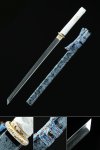
T10 Carbon Steel Ninjato with Blue Marble Saya, White Tsuka & Gold Chrysanthemum Tsuba T10 Carbon Steel Ninjato with Blue Marble Saya, White Tsuka & Gold Chrysanthemum Tsuba