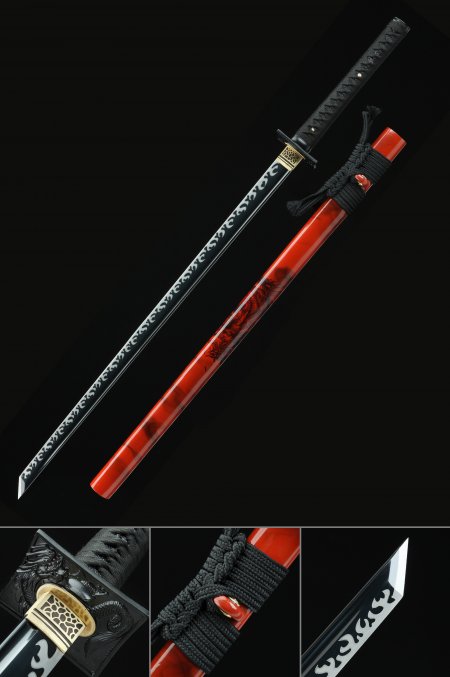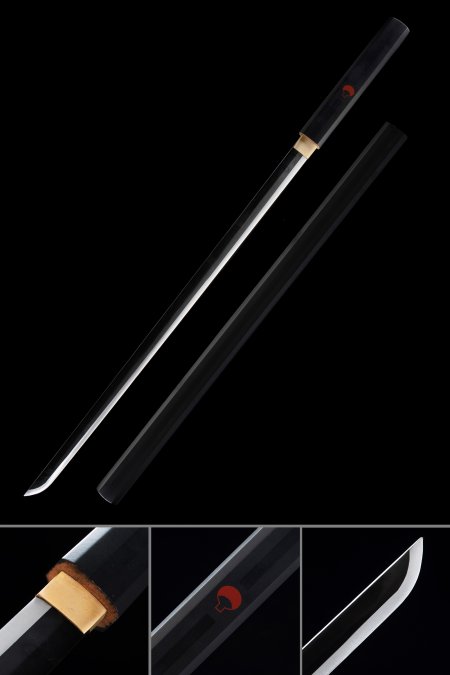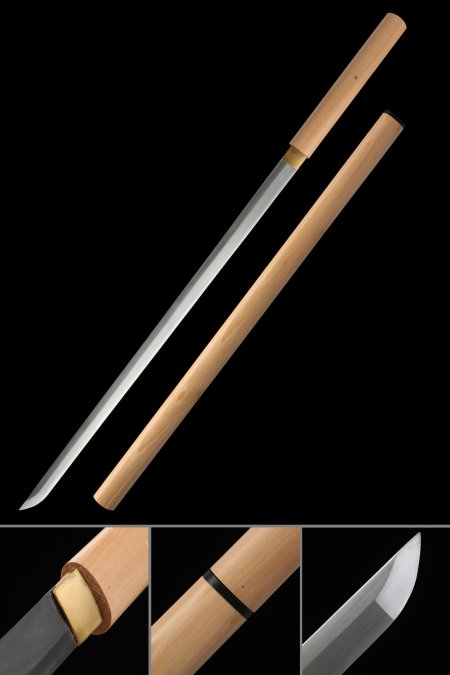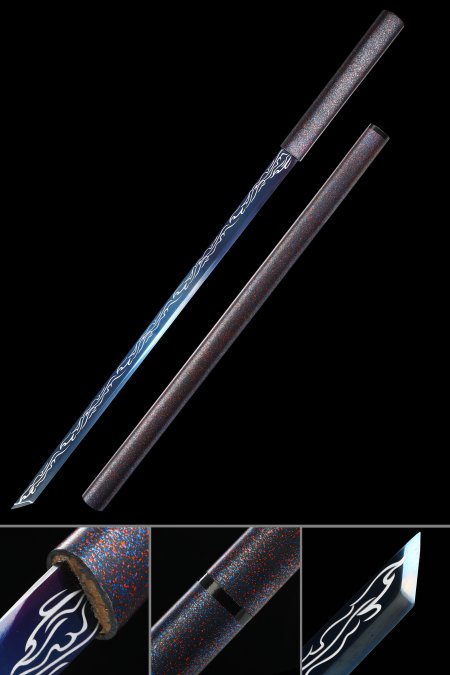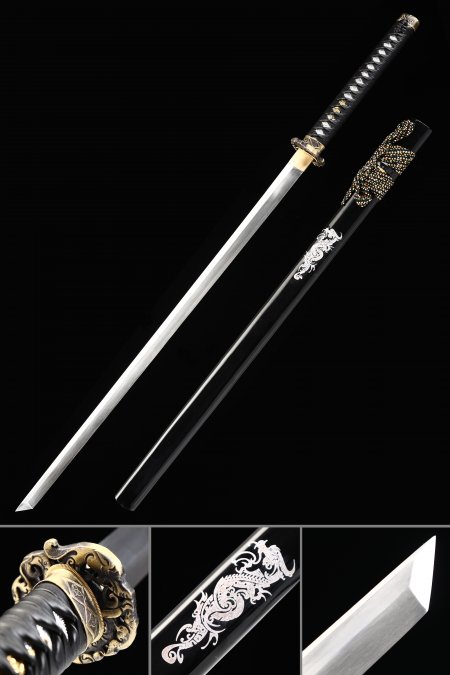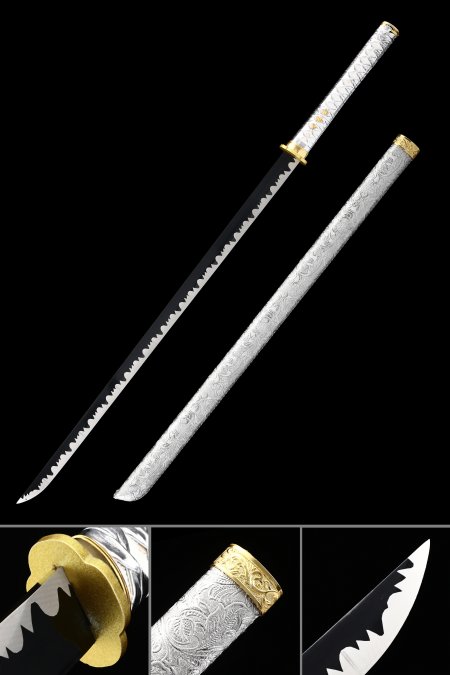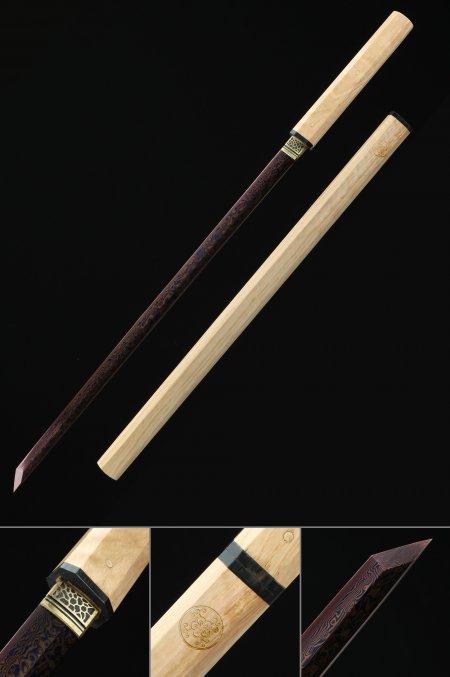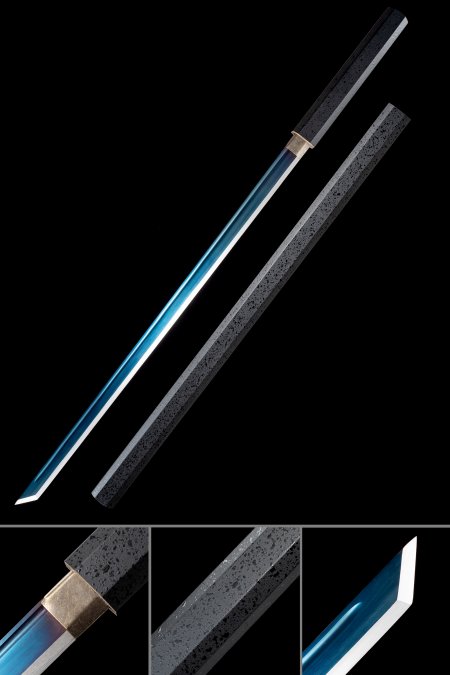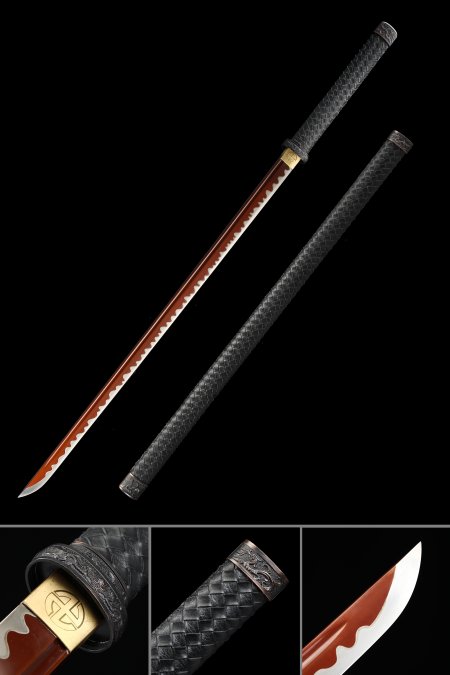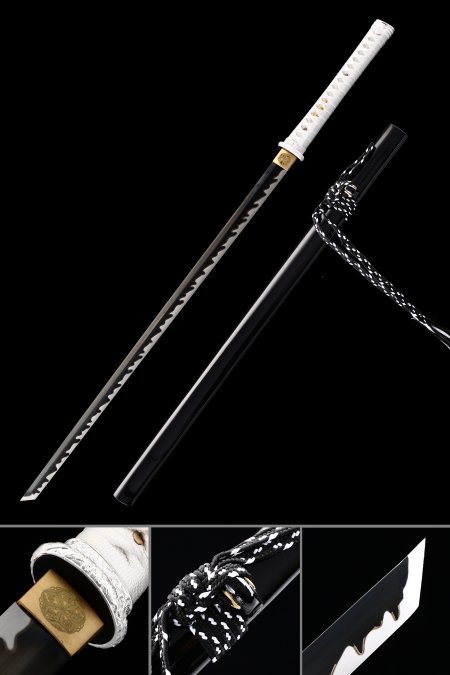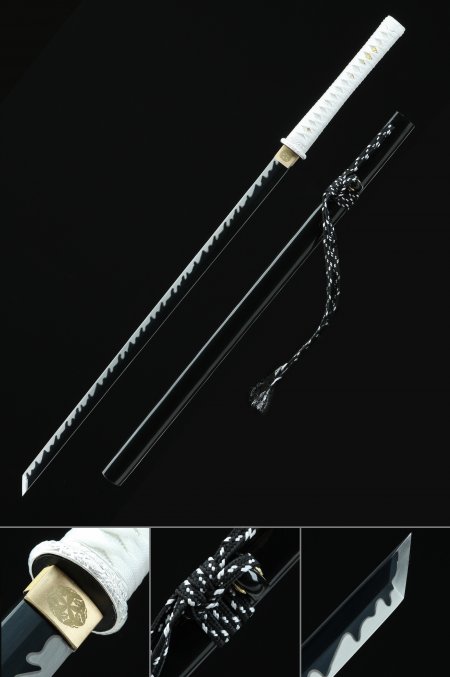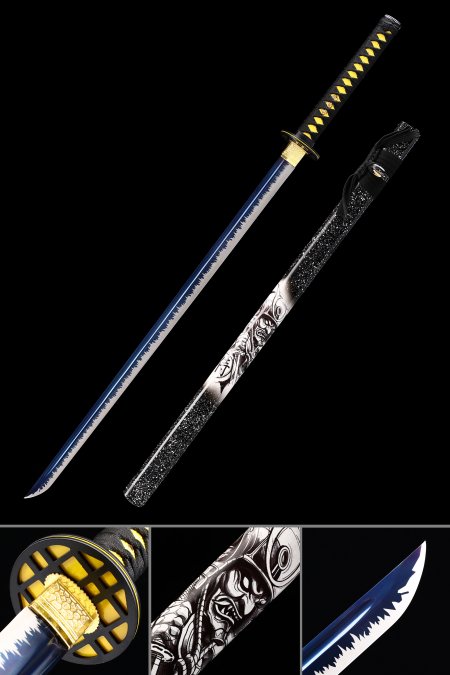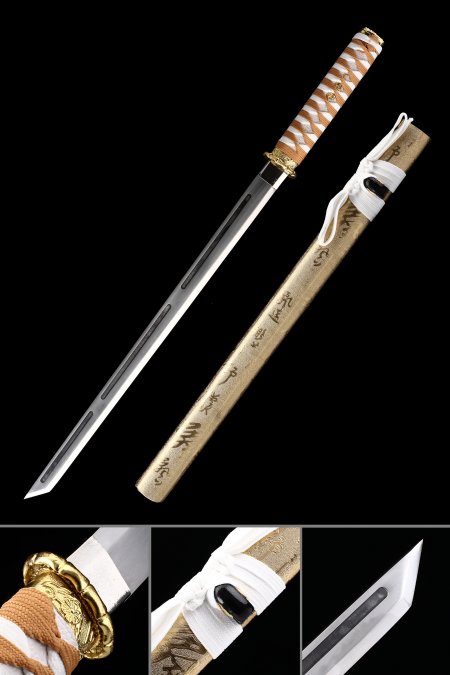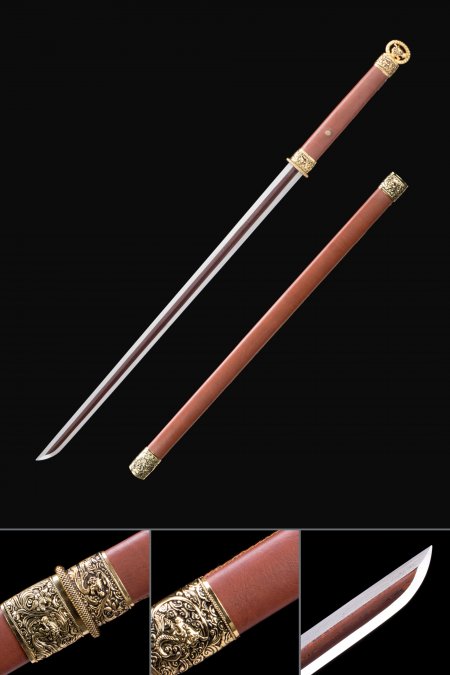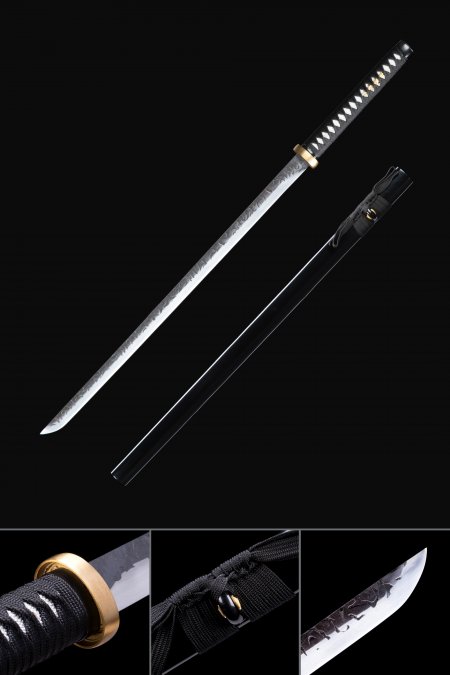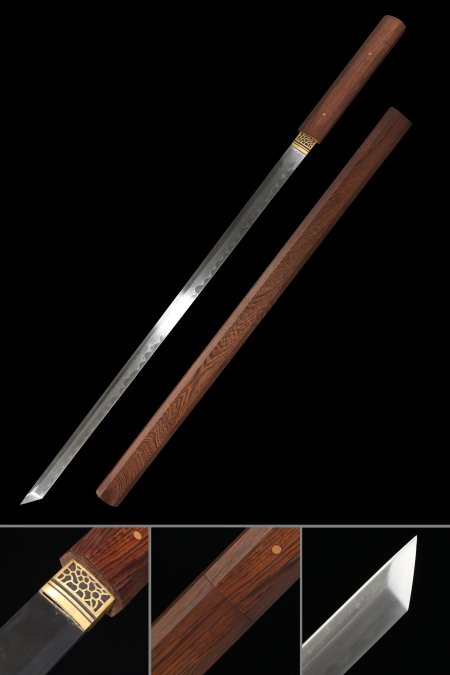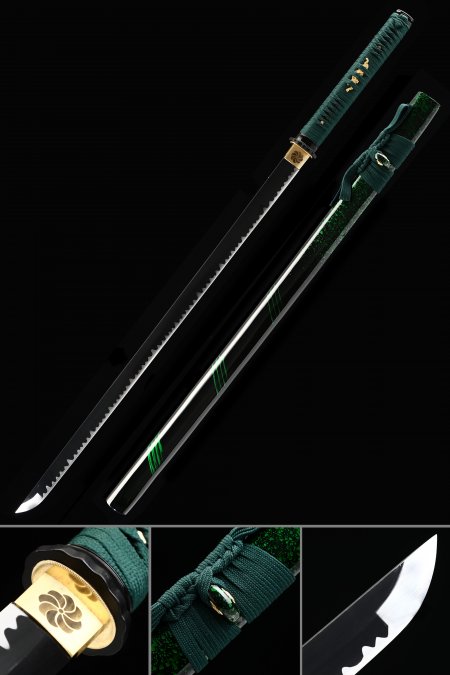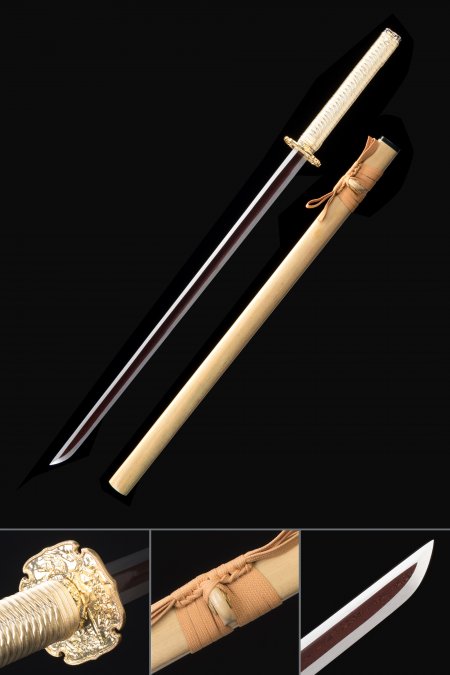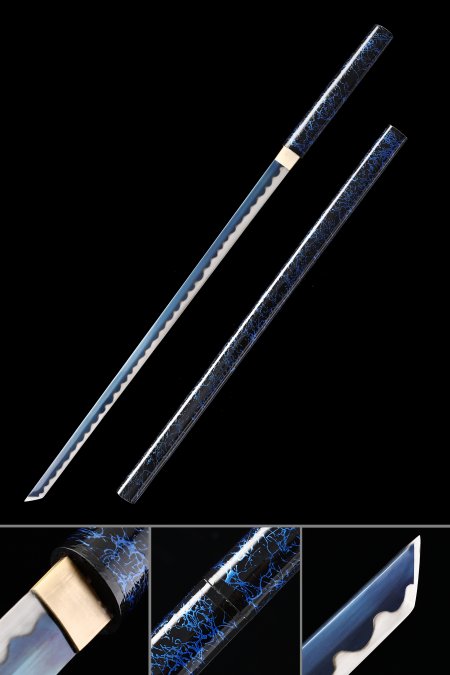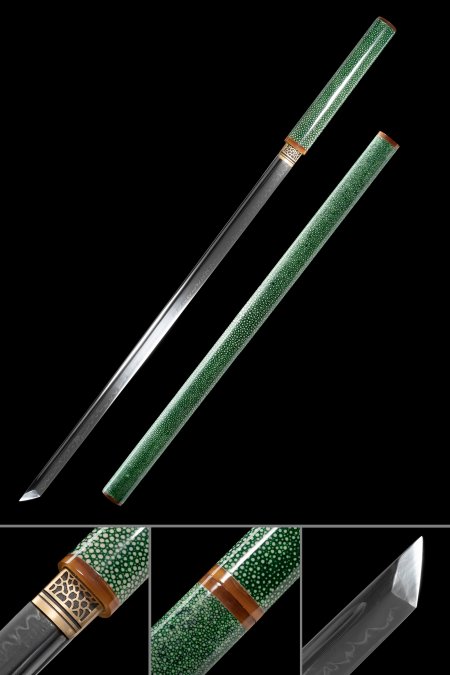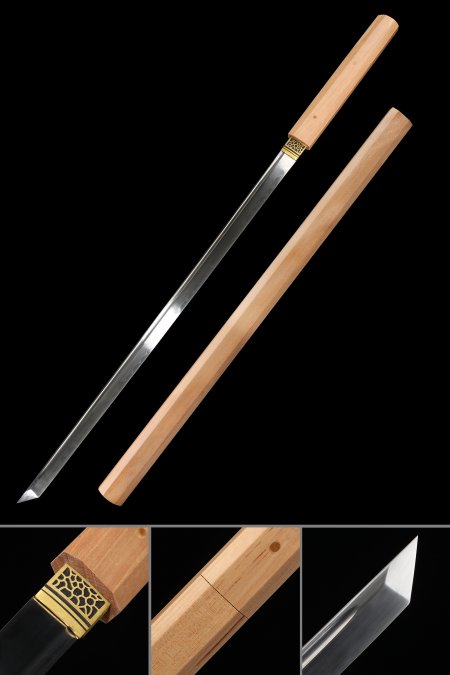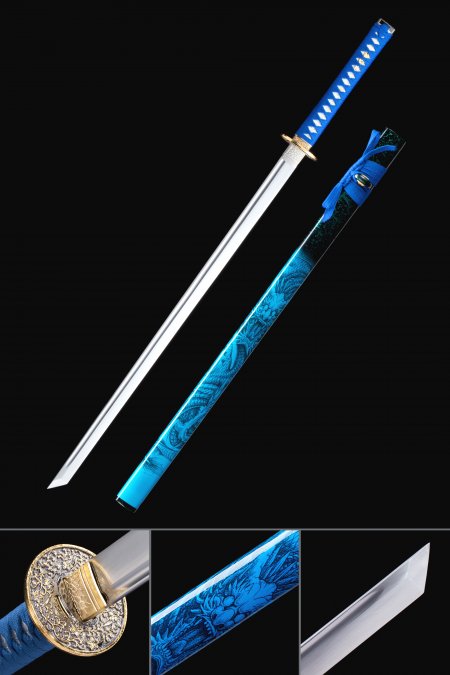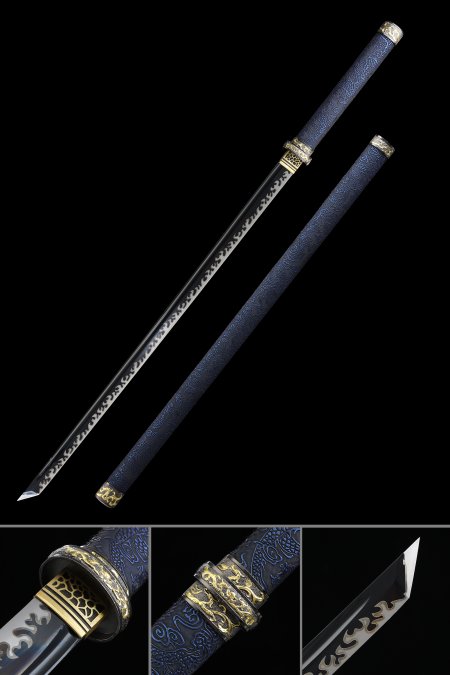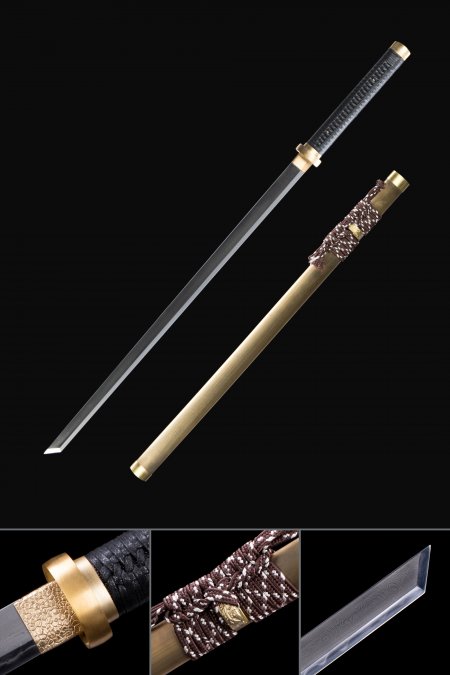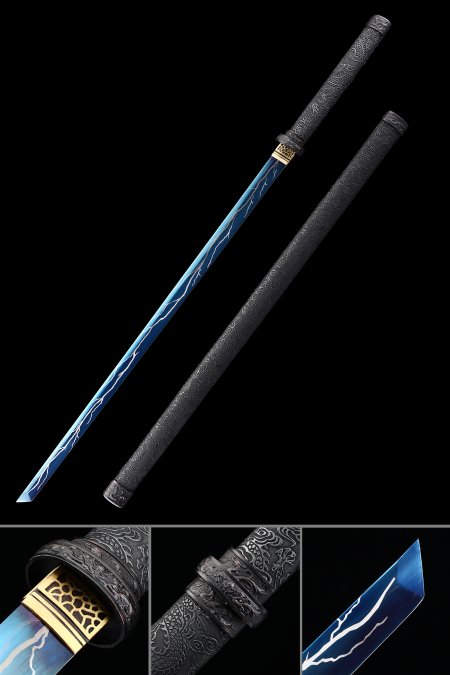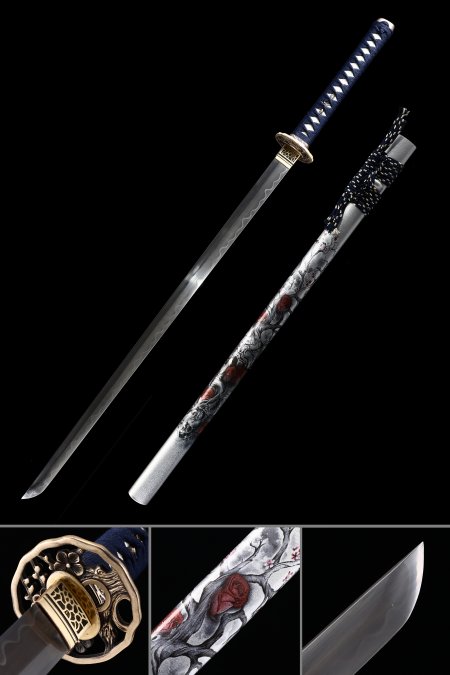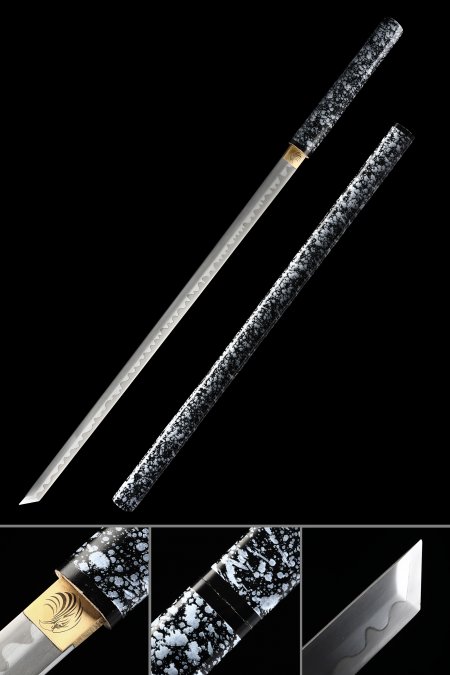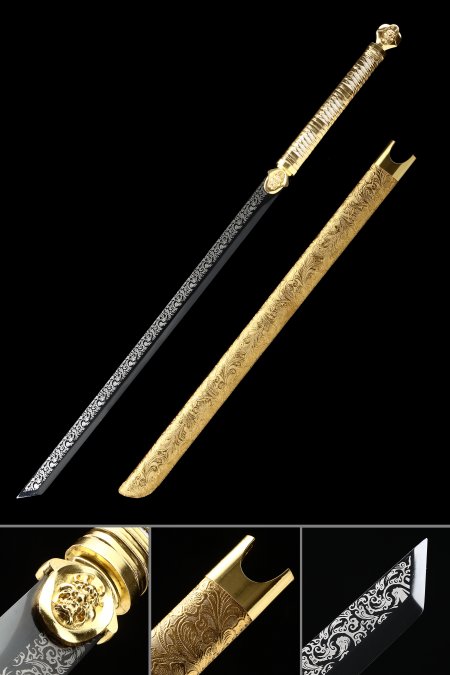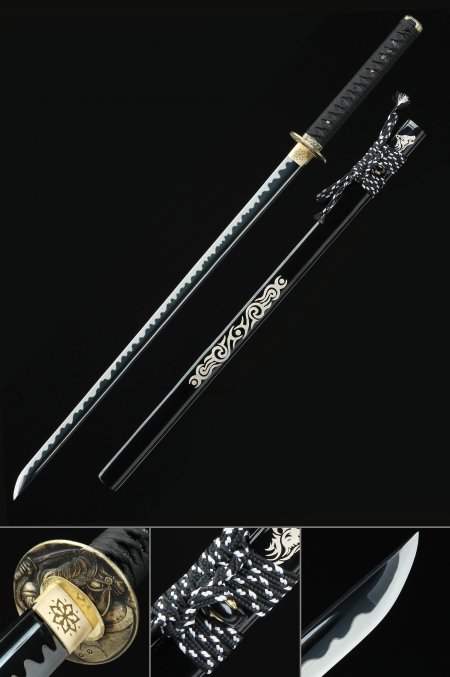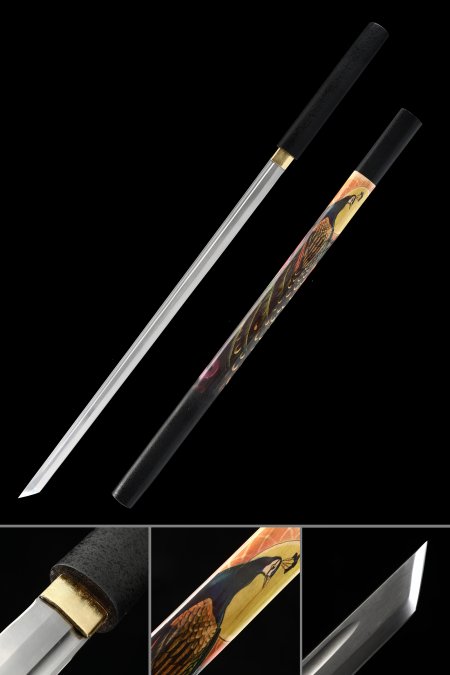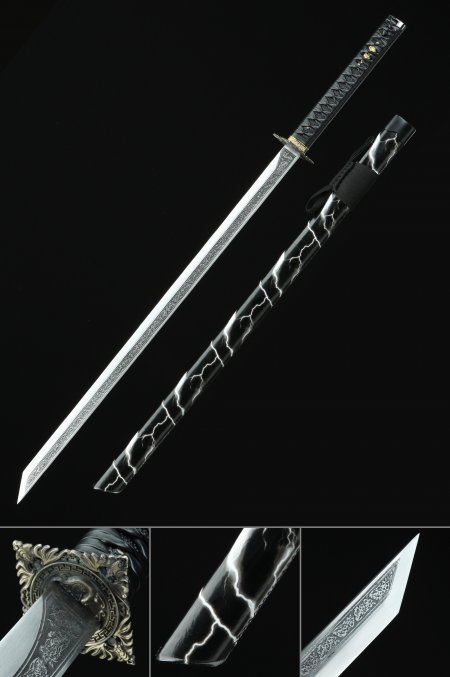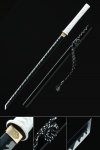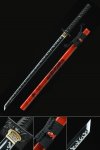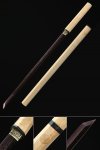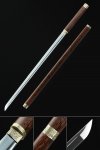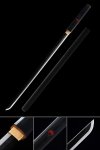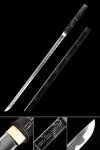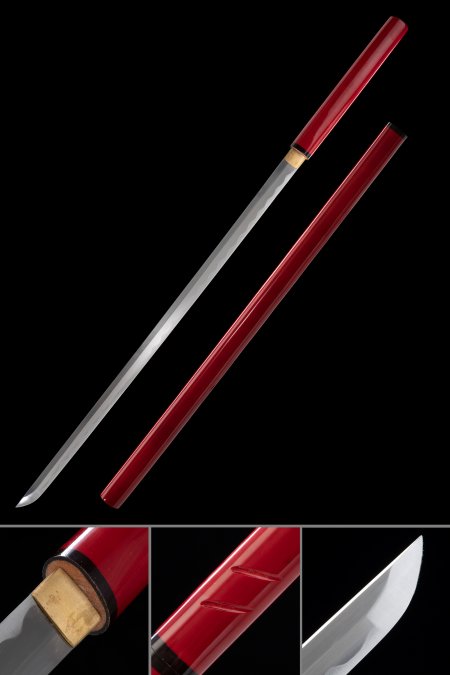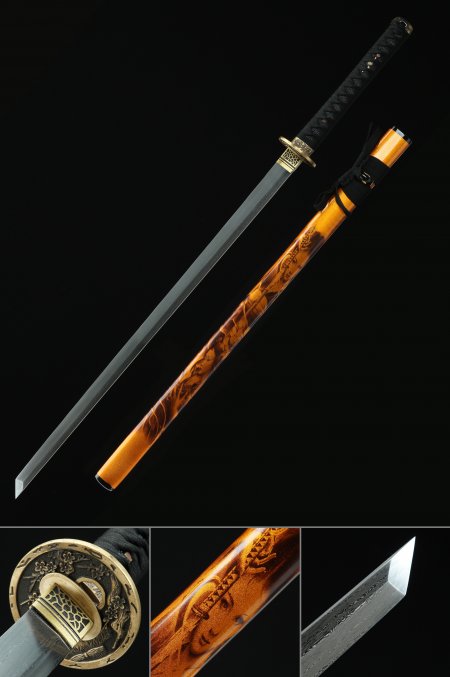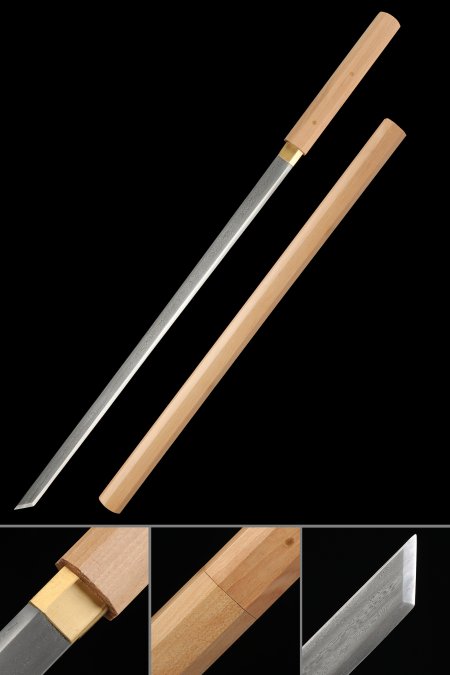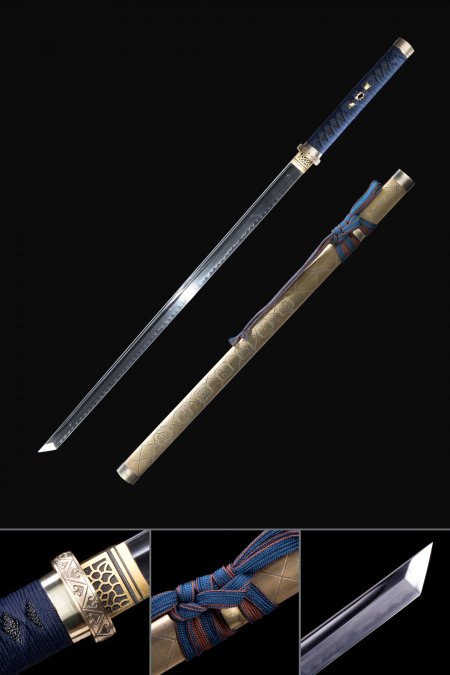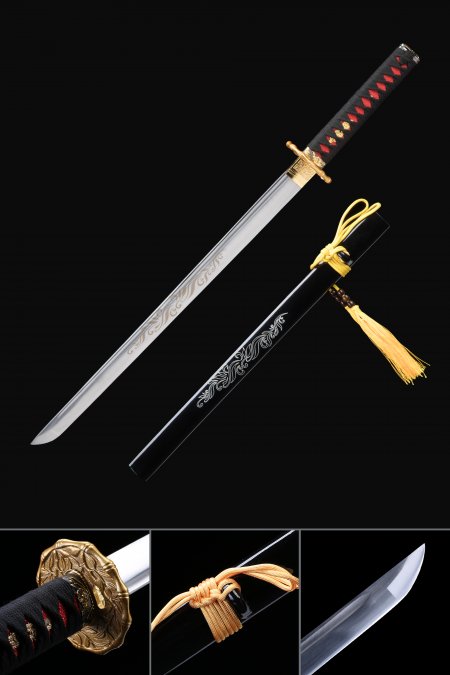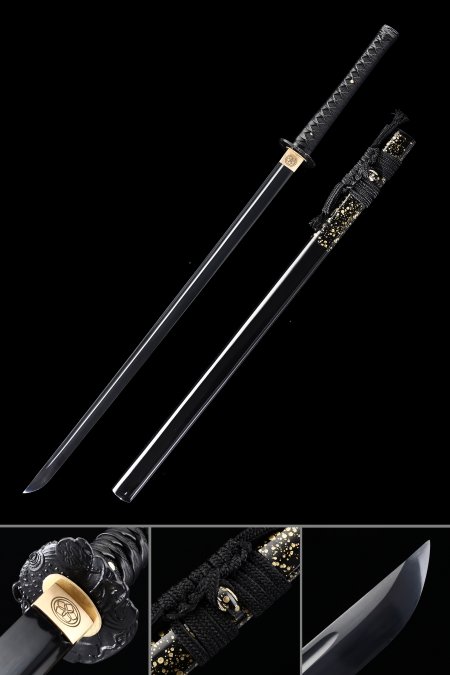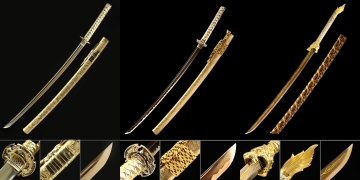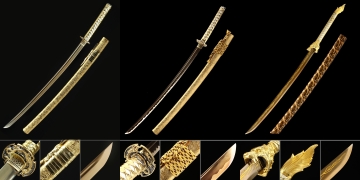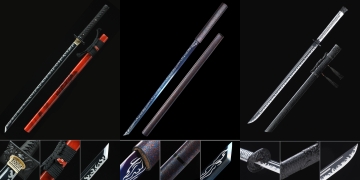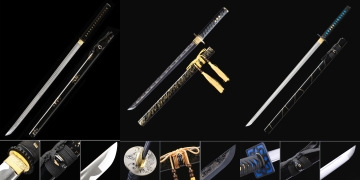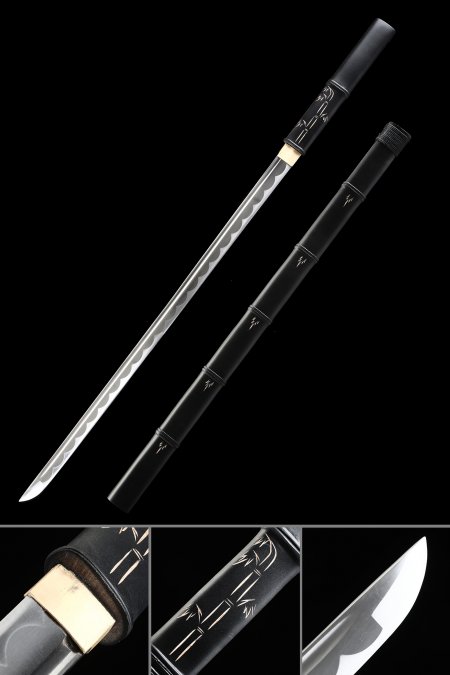
Gold Tsuba Ninjato

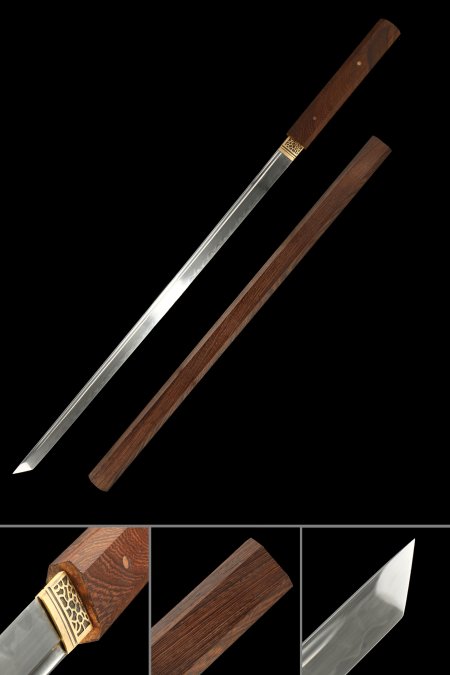
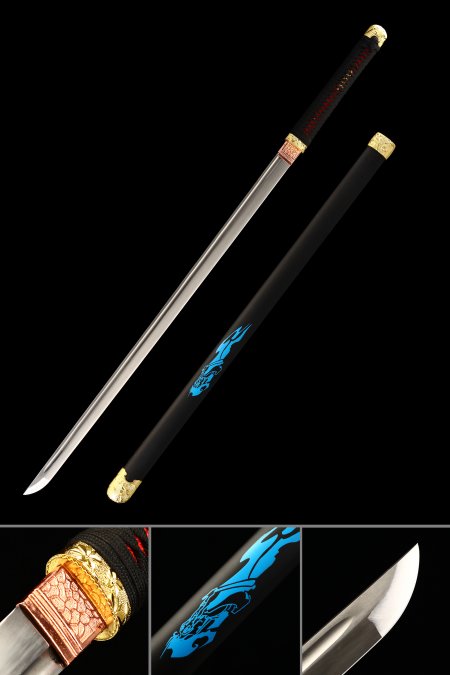
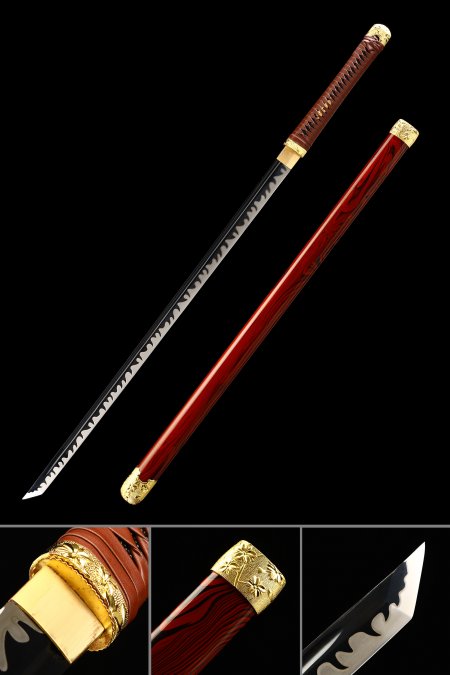
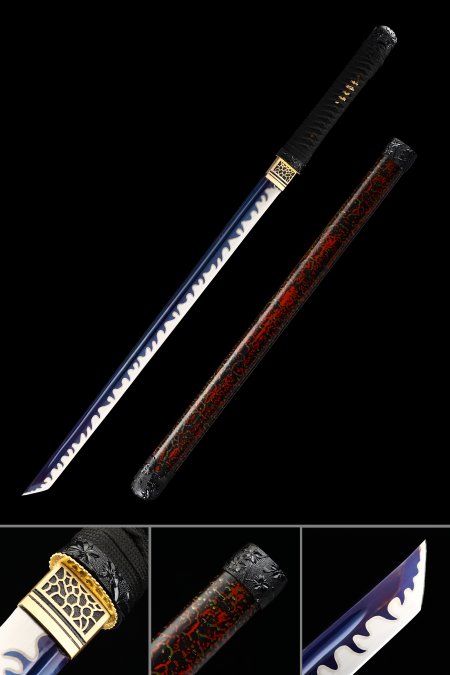
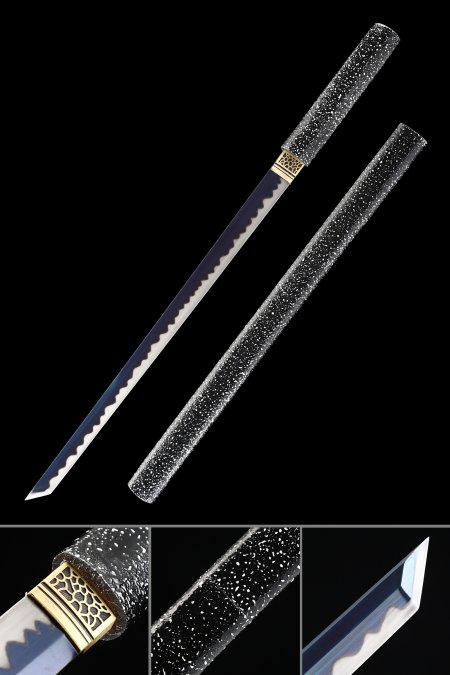
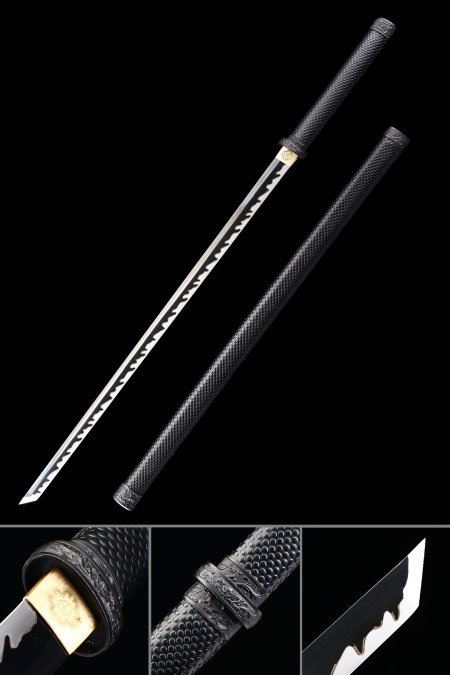
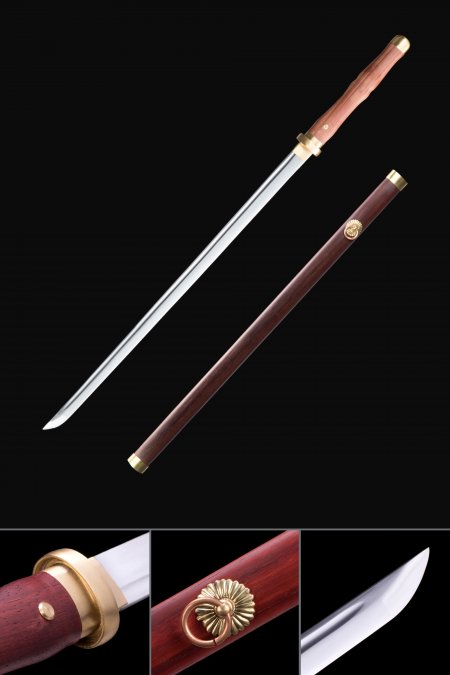
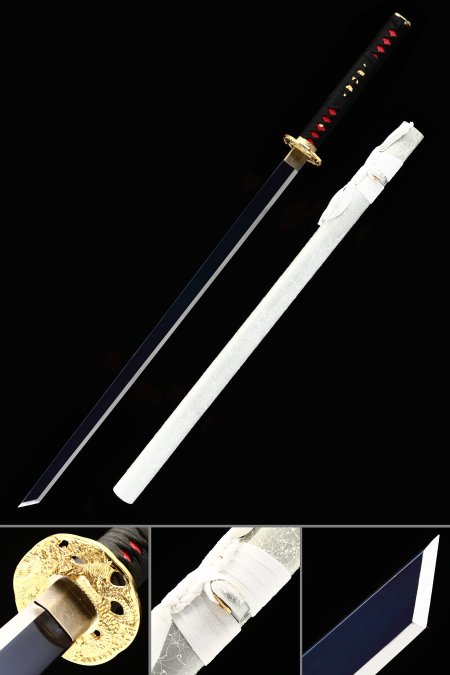
A gold tsuba ninjato brings together two of the most visually striking elements in Japanese blade craft — the straight, purposeful silhouette of the ninjato and the warm, luminous accent of gold-finished fittings. Each piece in this collection is hand-forged from quality steel, fully tang-constructed, and finished with carefully fitted gold alloy tsuba that elevate it from a simple display piece to a genuine collector's statement. Whether you're adding to a curated display or searching for a memorable gift, these ninjato are built with the attention to detail that discerning collectors expect. Enjoy free shipping on your order, backed by our hassle-free return policy.
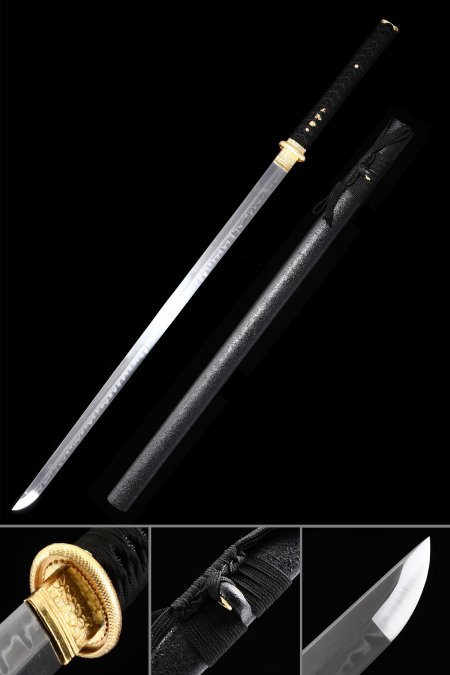
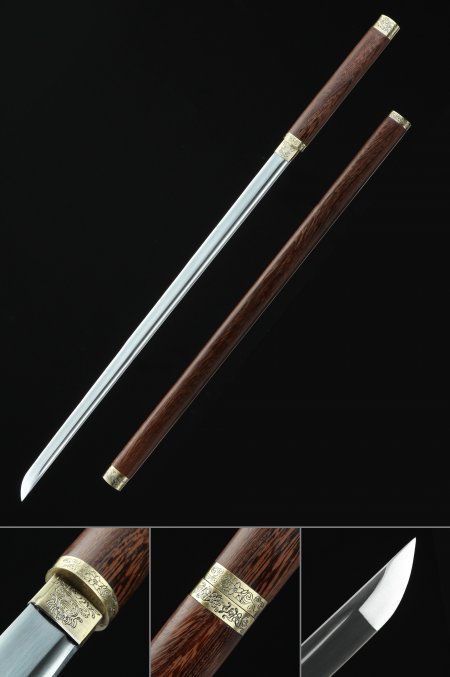
Showing 50 Products

Related Collections

Gold Dragon Katana36 items


109 Reviews

Gold Dragon Sword43 items


125 Reviews

Gold Saya Ninjato4 items


5 Reviews

Frequently Asked Questions

What steel types are used in gold tsuba ninjato?
This collection spans several steel grades, each offering a distinct collector profile. 1045 high-carbon steel is a reliable baseline — it holds its finish well, polishes cleanly, and suits display use with occasional test cutting. Manganese steel is tougher and more flexible, making it a strong choice for collectors who also practice with their pieces. Damascus steel is layered through repeated forging and folding, producing surface grain patterns that are visually unique on every blade. At the top of the range, clay-tempered T10 steel undergoes differential heat treatment to form a genuine hamon — the undulating temper line visible along the edge — which is a significant craft marker and relatively uncommon on straight ninjato blades. Your choice of steel directly affects both the blade's visual character and its long-term display value.
How does a ninjato differ from a katana for collectors?
The most immediate difference is geometry. A katana features a curved blade optimized for drawing cuts, while a ninjato has a straight or minimally curved blade with a squared-off profile — closer in form to a chokuto, the straight swords that preceded the development of the curved katana in Japanese history. For display purposes, the straight blade reads very differently on a wall mount or stand, offering a graphic, architectural quality that curved blades don't replicate. The ninjato also tends to carry a shorter overall length, which affects how it fits into a display arrangement. Collectors who maintain mixed displays often find that a straight ninjato provides a strong visual contrast alongside curved katana or wakizashi, enriching the overall composition.
Why do gold fittings raise a ninjato's collectible appeal?
Gold alloy fittings — tsuba, fuchi, and kashira — introduce a level of visual hierarchy that plain iron or blackened steel fittings simply cannot match. In Japanese decorative tradition, gold tones have historically signaled prestige and craftsmanship, appearing across lacquerware, armor fittings, and ceremonial sword furniture. On a ninjato, where the straight blade already creates a bold visual statement, gold fittings add warmth and contrast that makes the piece stand out in any collection. Motifs like the chrysanthemum tsuba, which appear in several pieces here, also carry historical resonance — the kiku pattern has been a symbol of refinement in Japanese culture for centuries. Practically speaking, gold alloy fittings also tend to be more display-stable than raw iron, which can oxidize over time without regular maintenance.
How should I store and maintain a ninjato on display?
Proper storage protects both the blade and the fittings. For the blade, apply a light coat of choji oil or camellia oil every one to two months — this prevents surface oxidation, especially in humid environments. Use a soft cloth or traditional uchiko powder to remove fingerprints before applying oil, as skin oils accelerate rust on high-carbon steel. Keep the sword horizontally or in its saya on a display stand away from direct sunlight, which can fade lacquer and dry out any wood components in the handle. For gold alloy fittings, a dry microfiber cloth is usually sufficient to maintain their luster — avoid abrasive polishes, which can wear the surface finish. In coastal or very humid climates, consider a display case with silica gel packets to regulate moisture around the piece.
Is a gold tsuba ninjato a good gift for a sword collector?
It's one of the more thoughtful options in the Japanese blade collector category, particularly for someone who already owns katana and wants to diversify their display. The ninjato's distinctive straight profile means it won't duplicate what they likely already have, and the gold tsuba adds an aesthetic detail that photographs well and displays prominently. For gift purposes, pieces with a named decorative motif — like a chrysanthemum tsuba or dragon-engraved saya — carry a natural conversation point and a sense of intentional design that generic pieces lack. If the recipient is a more advanced collector, consider steering toward T10 clay-tempered options with a real hamon, as these represent a meaningful craft distinction that seasoned collectors genuinely appreciate.

Customer Reviews