What makes a tachi different from a katana?
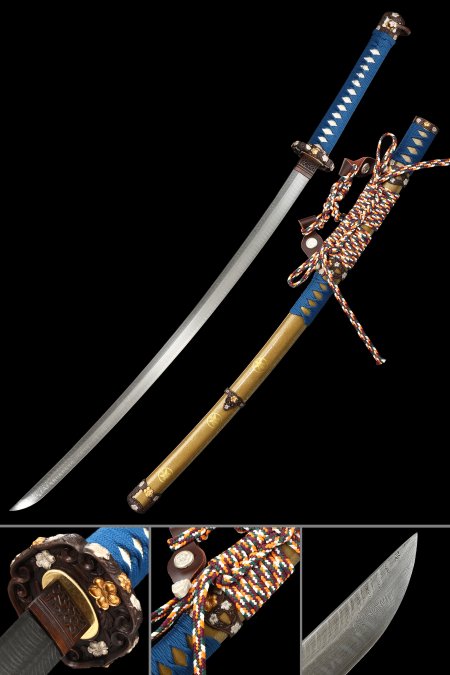
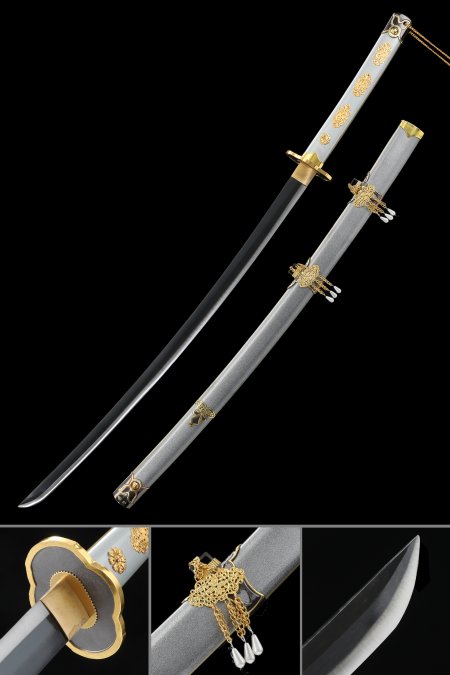
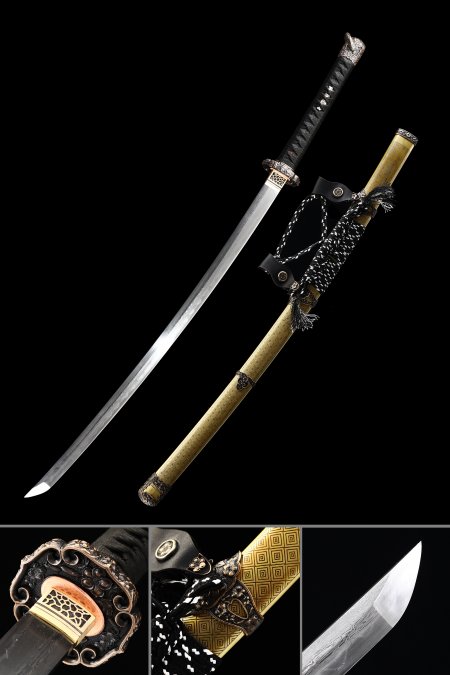
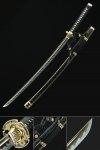
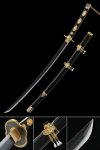
The tachi is the older of the two sword forms, developed for use by mounted samurai during Japan's Heian and Kamakura periods. Its most defining characteristic is how it was worn: suspended edge-downward from the belt, in contrast to the katana which is thrust through the obi edge-upward. This difference in carry position influenced the blade's design directly - tachi tend to have a deeper, more pronounced curvature (sori) and a longer overall length to accommodate drawing from a hanging position while on horseback. The signature and mei (smith's inscription) on an authentic tachi are positioned so that they face outward when the sword is worn in its traditional suspended manner, which is one of the ways specialists orient and authenticate historical examples. For collectors, these proportional and historical distinctions make the tachi a fascinatingly different display object from the more familiar katana.
What is a real hamon and why do collectors value it?
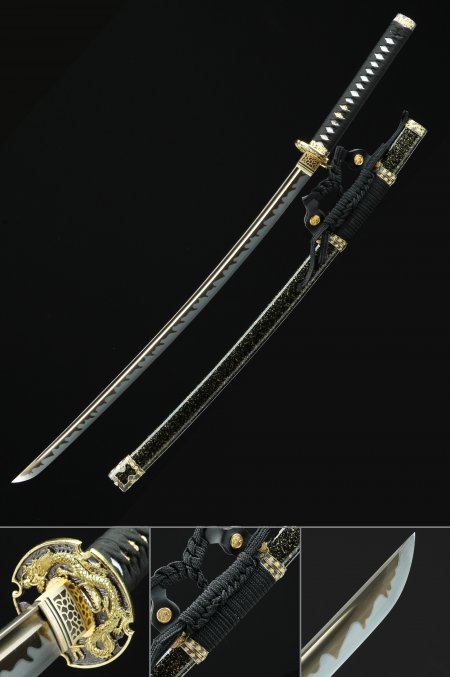
A hamon is the visible temper line that forms along a blade during the differential hardening process known as tsuchioki and yaki-ire. The swordsmith applies a clay mixture to the blade before quenching - thinner along the edge, thicker along the spine - which causes the edge to cool rapidly and form a harder crystalline structure called martensite, while the spine remains softer and more resilient. The boundary between these two zones appears on the polished surface as a misty, undulating line that can take many recognized pattern forms, including suguha (straight), notare (wavelike), and gunome (repeating arcs). A real hamon is produced by this actual metallurgical process, as opposed to an acid-etched or engraved line that mimics the appearance without the underlying structure. Collectors value real hamon pieces because the pattern is a direct record of the smith's technique and clay application skill - no two are identical, making each blade a unique artifact of its maker's hand.
How does Damascus steel differ from 1060 or 1095 carbon steel in a tachi?
Damascus steel, in the context of modern hand-forged swords, refers to pattern-welded construction where two or more steel types are forge-welded together and manipulated through folding and twisting to create a layered grain visible on the surface. The resulting pattern - often described as flowing, woodgrain-like, or watered - is the primary visual distinction and is prized for its aesthetic complexity. 1060 and 1095 designations refer to monosteel carbon content: 1060 contains approximately 0.60% carbon and offers a balance of edge retention and flexibility, while 1095 at roughly 0.95% carbon is harder and capable of a sharper, more defined edge with clear hamon definition under proper heat treatment. For display collectors, Damascus offers dramatic surface texture; for those interested in the technical and historical study of blade geometry and temper lines, high-carbon monosteel like 1095 often presents a cleaner picture of the smith's hardening work.
How should I store and maintain a gold lacquer tachi saya?
Gold lacquer saya are both the most visually striking and the most environmentally sensitive component of a display tachi. Lacquer finishes expand and contract with humidity and temperature changes, so the single most important storage practice is maintaining a stable environment - ideally between 40-60% relative humidity. Avoid placing the sword near heating vents, exterior walls in cold climates, or areas that receive direct sunlight for extended periods, as UV exposure can cause lacquer to yellow and eventually crack. Never use chemical cleaners or polishing compounds on the saya surface; a soft, dry cloth to remove dust is sufficient for routine care. For the blade itself, apply a light coat of choji oil (or a quality mineral oil alternative) every three to four months, wiping with a clean cloth before reapplication to avoid buildup. Store the tachi horizontally or in a dedicated stand that keeps the saya from resting under pressure on any single point.
Is a gold tachi a good gift for a Japanese sword enthusiast?
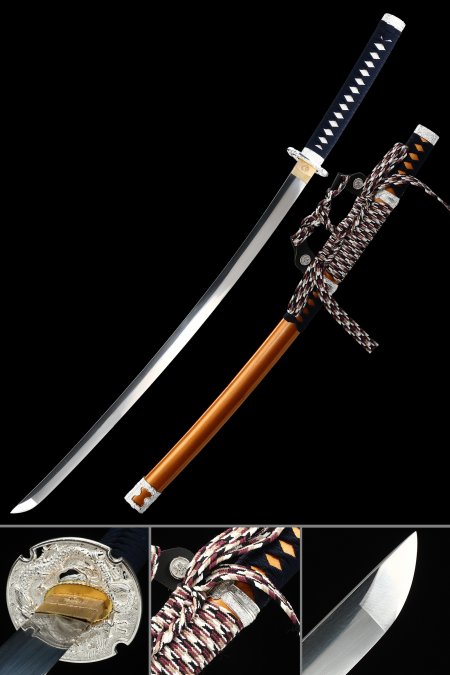
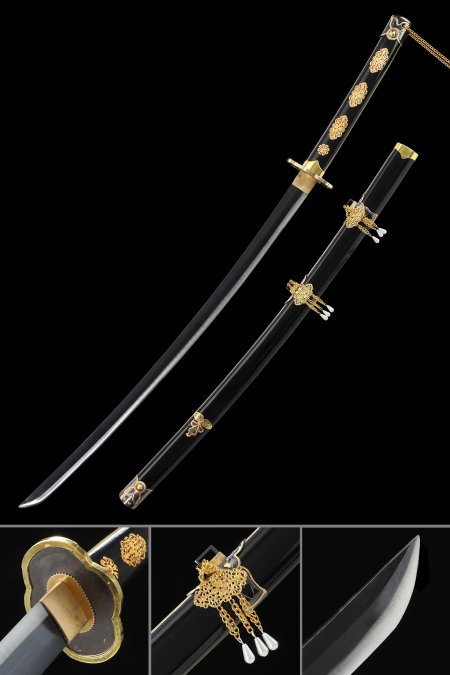
A gold tachi makes a genuinely distinctive gift precisely because it occupies a different collecting category than the more commonly gifted katana. Enthusiasts who already own one or more katana will find the tachi's longer proportions, deeper curvature, and historical context add meaningful variety to a display collection rather than simply duplicating what they have. The gold lacquer saya and ornate tsuba also give these pieces a visual presence that photographs and displays exceptionally well, which matters to collectors who enjoy showcasing their pieces. When selecting a specific tachi as a gift, consider whether the recipient gravitates toward historical replica aesthetics - in which case a Touken Ranbu-inspired design or a piece with a real hamon and classical fittings would resonate - or whether they prefer dramatic visual impact, where a Damascus blade with a contrasting blue or orange saya tends to be the stronger choice.