FAST SHIP
Free Shipping
179.00 USD
ON SALE! 20% OFF
Was: 219.00 USD

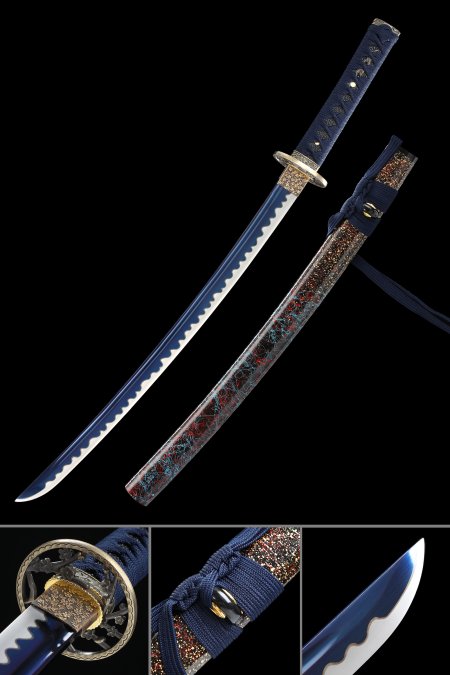
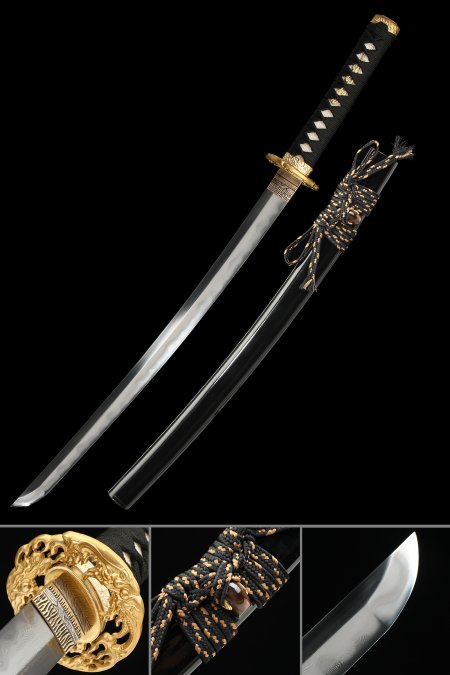
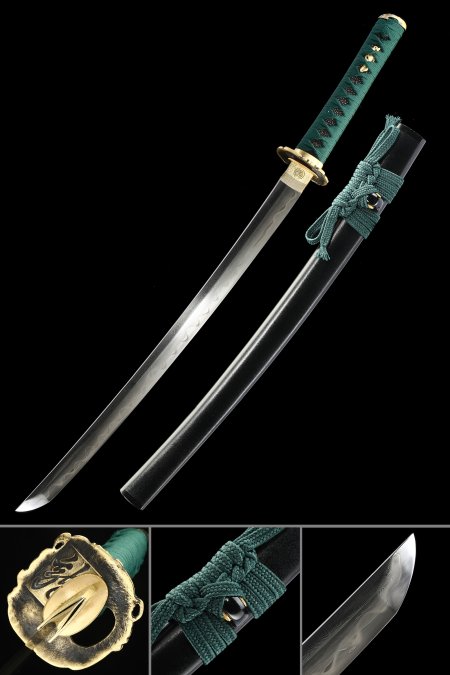
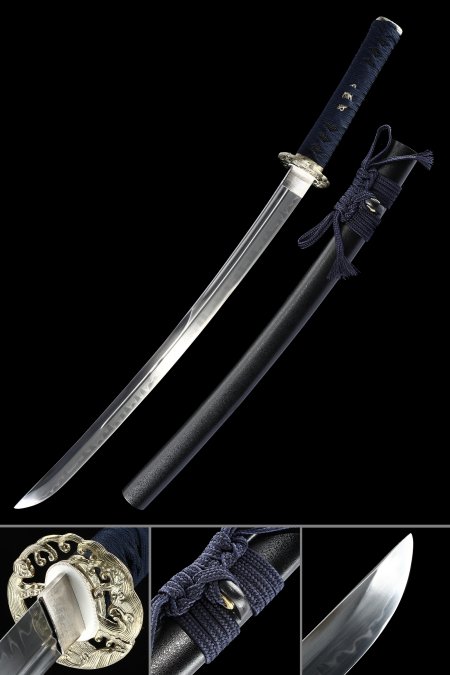
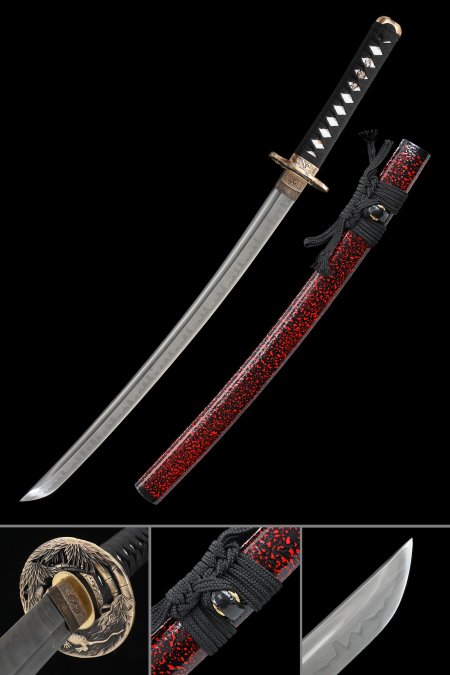
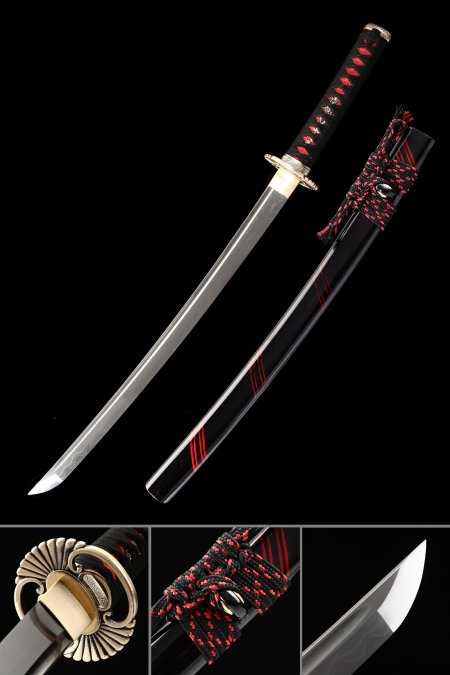
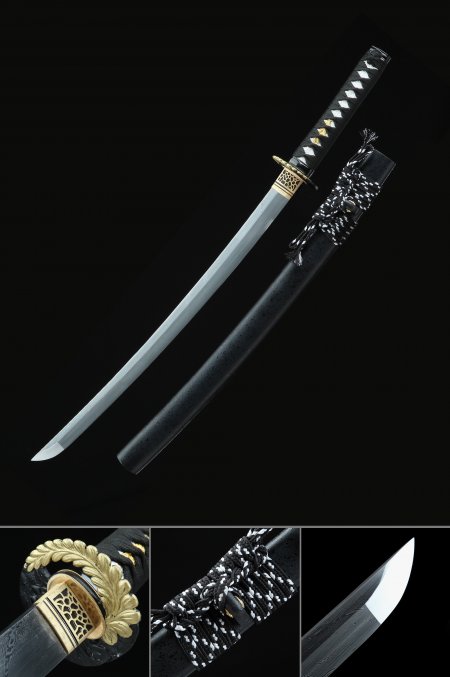
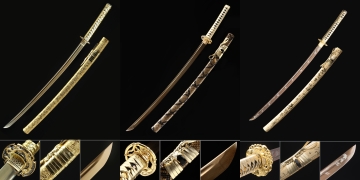
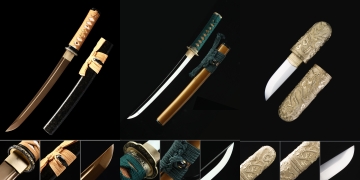
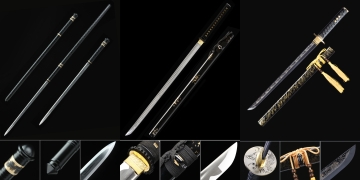
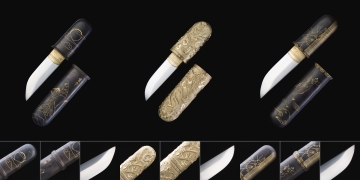
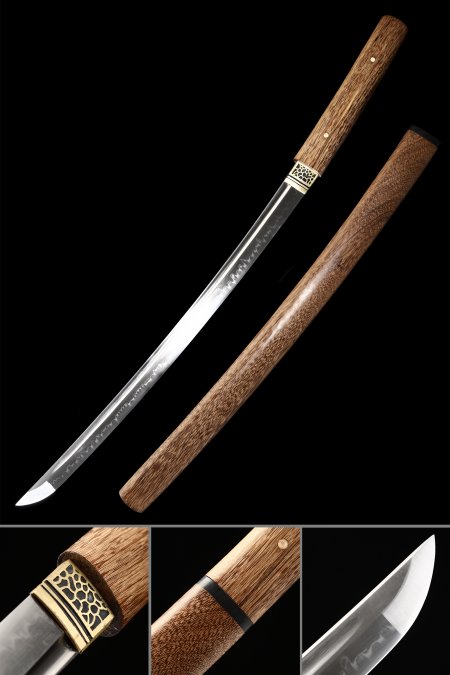
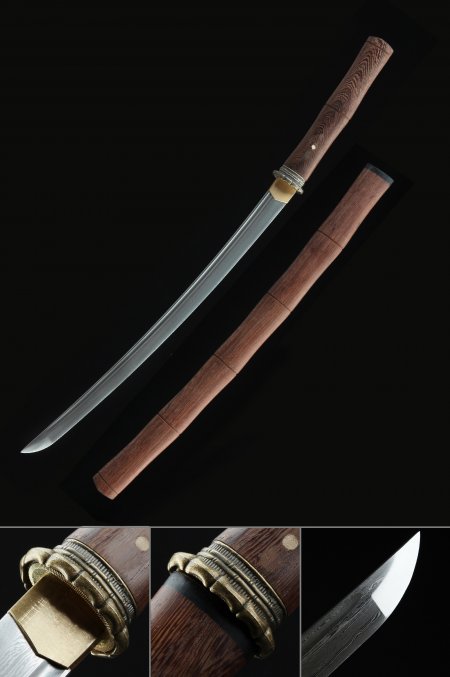
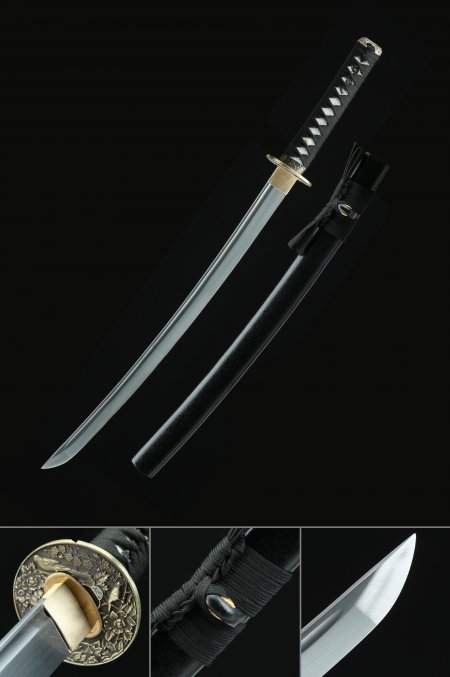
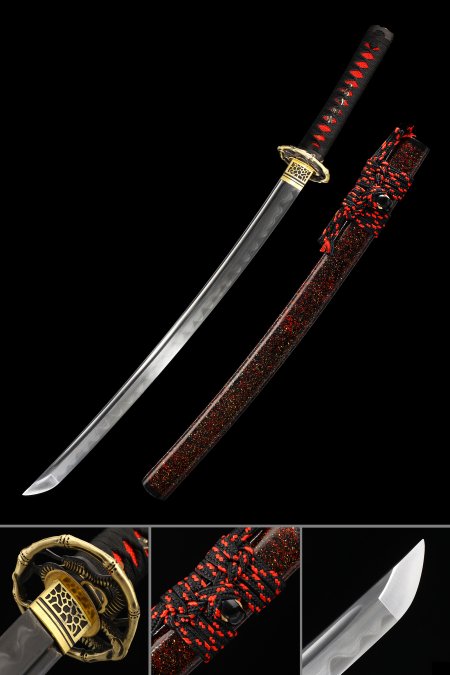
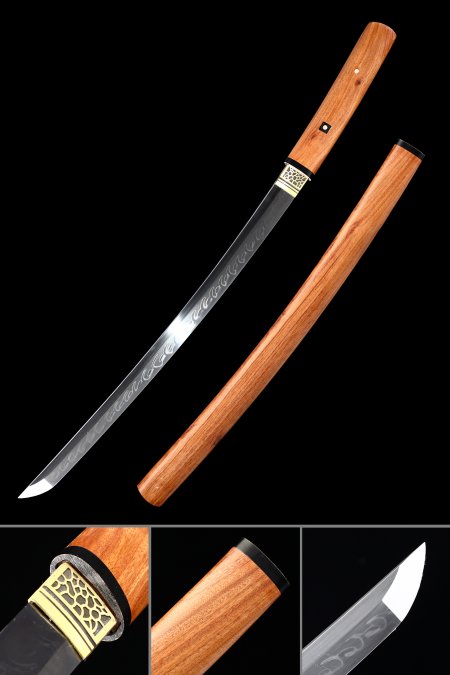
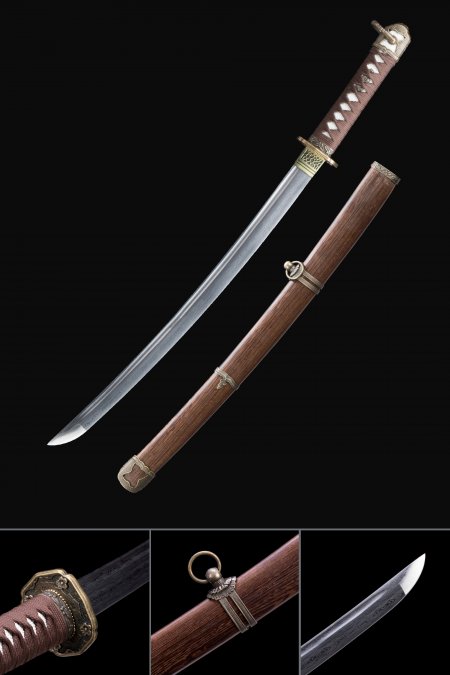
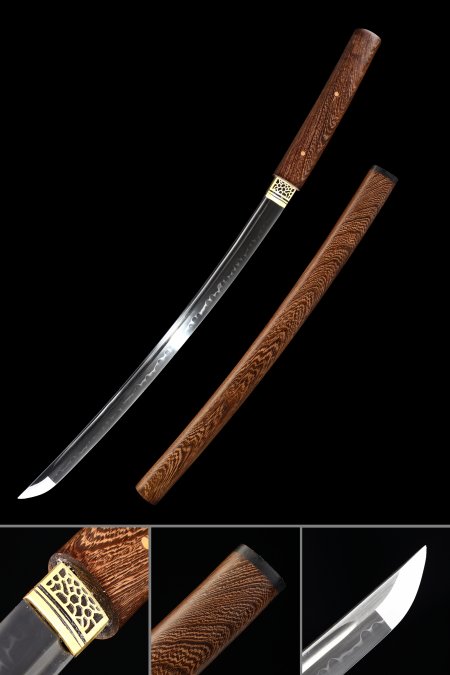
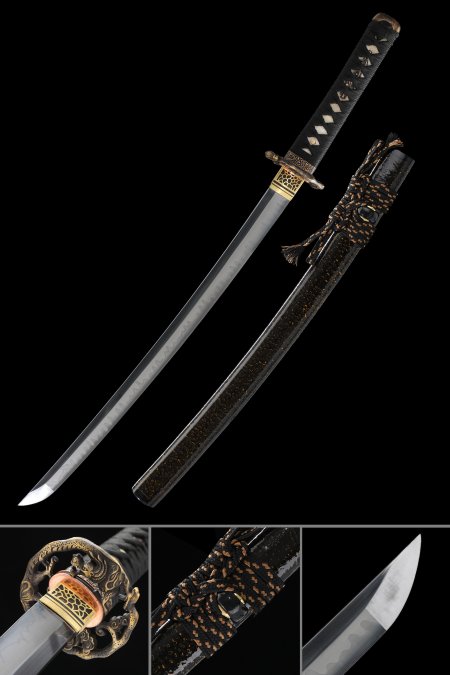
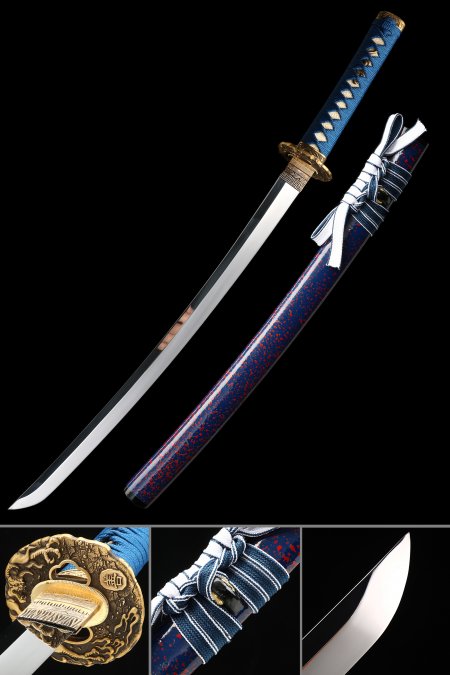
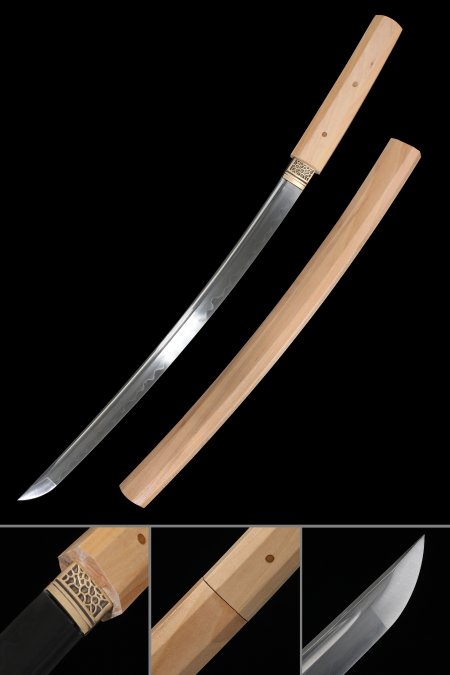
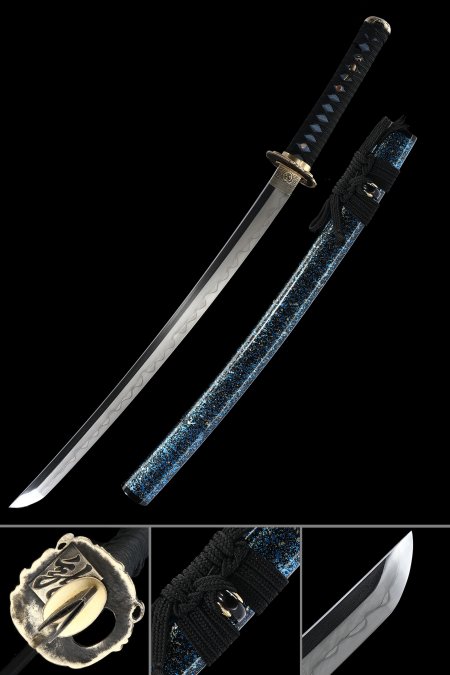
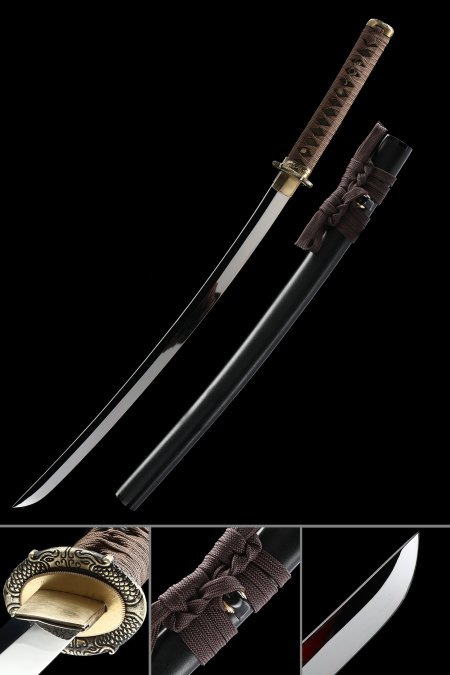
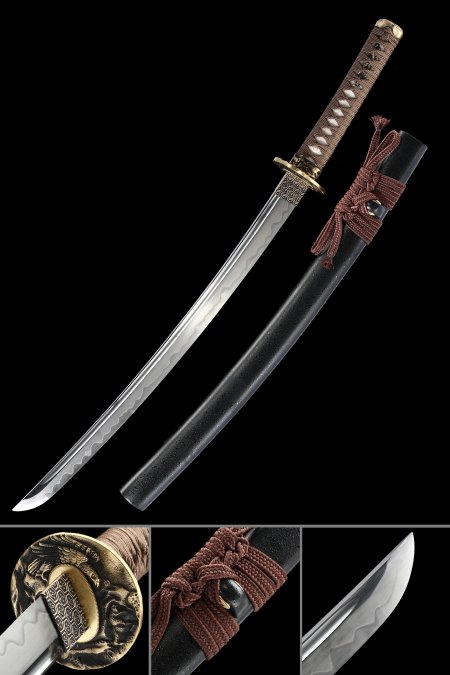
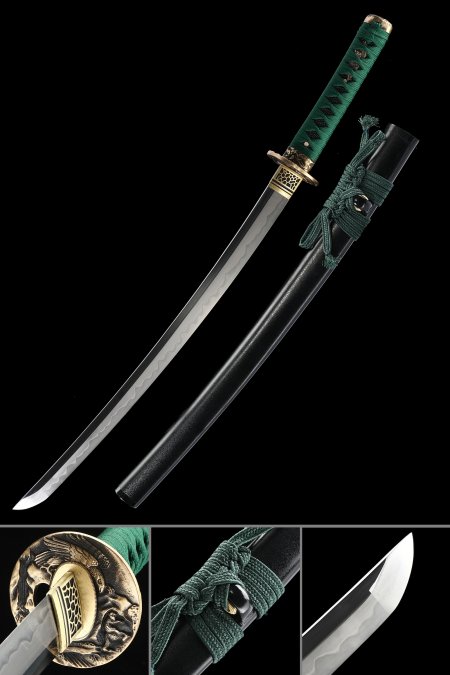
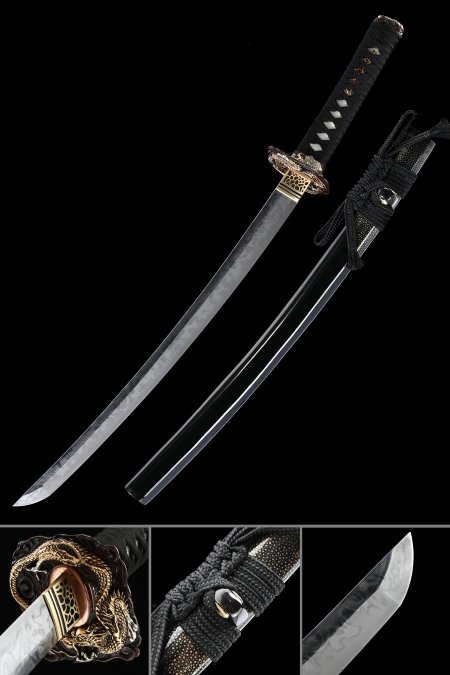
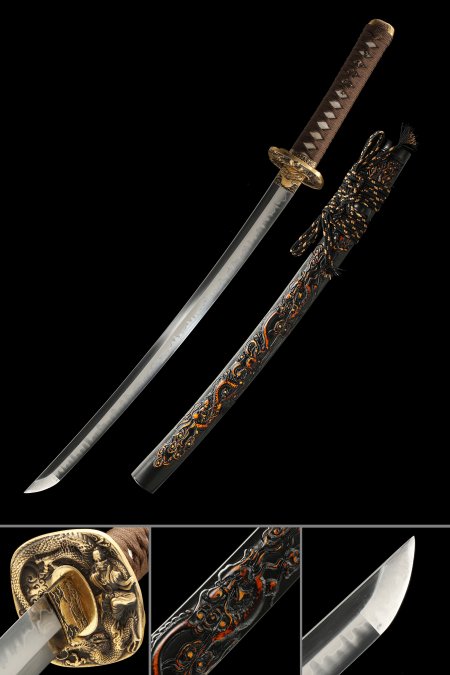
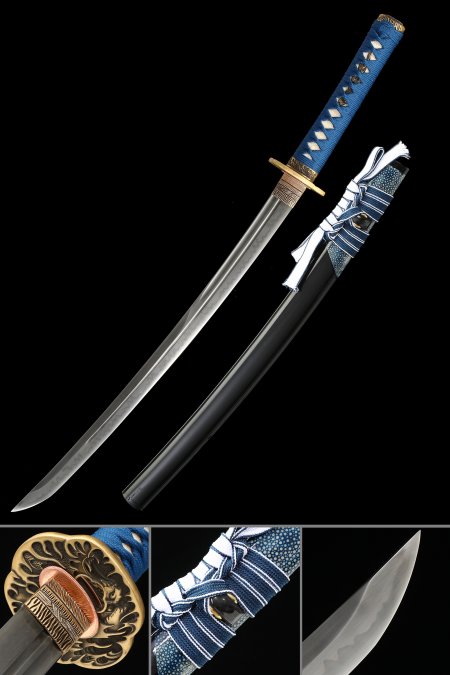
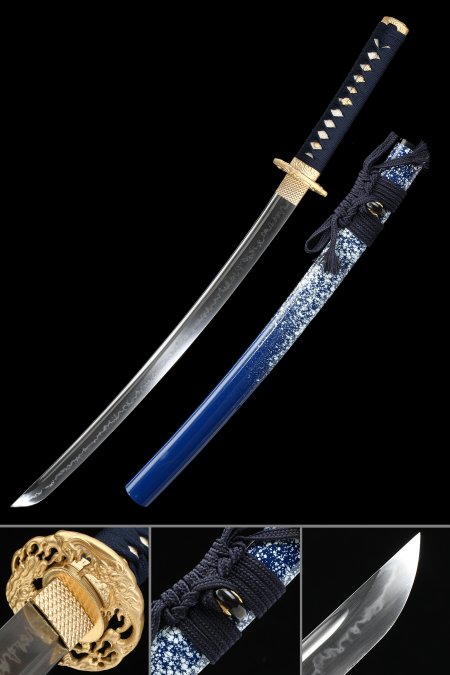
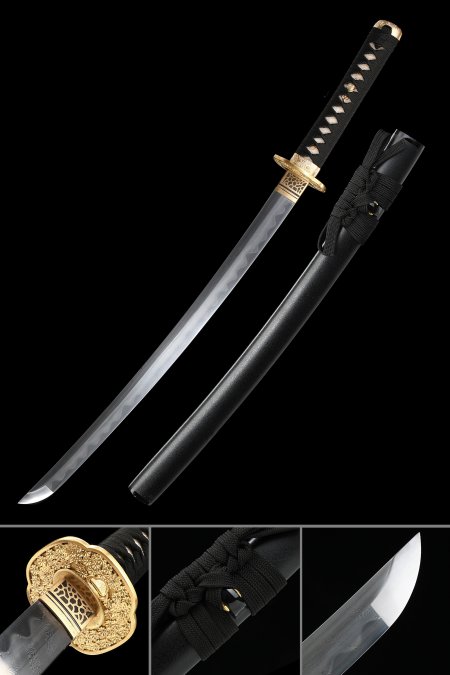
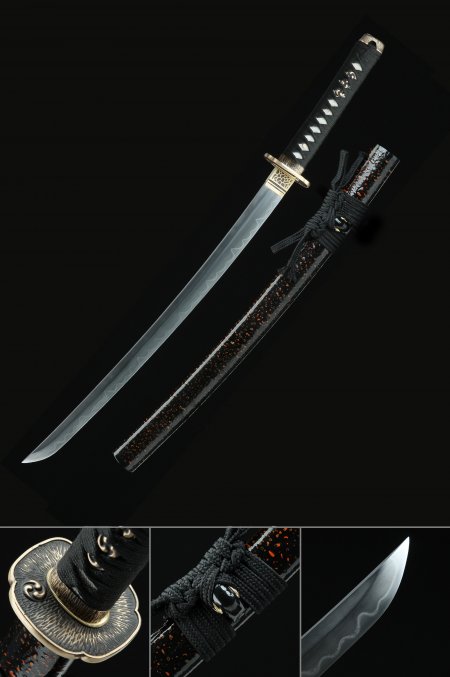
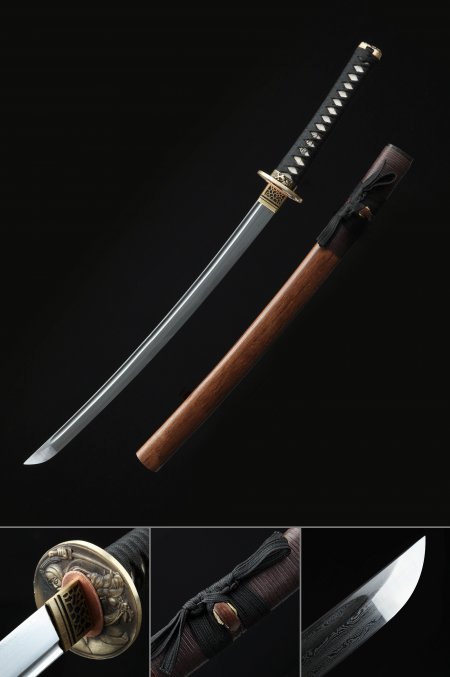
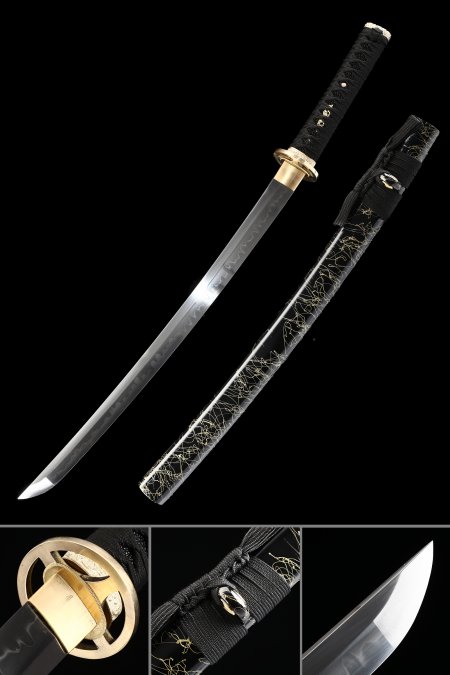
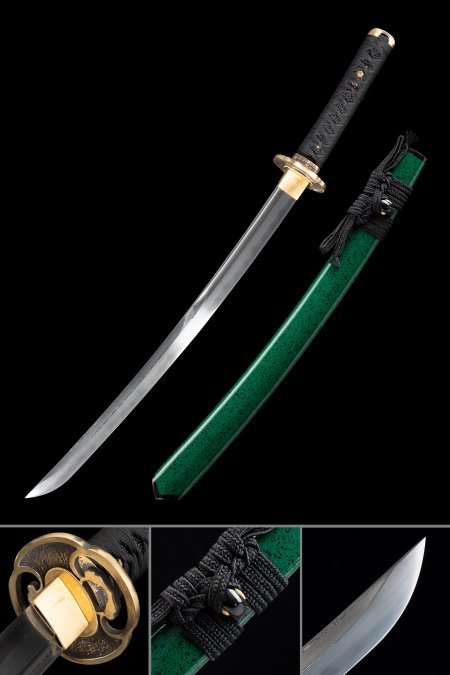
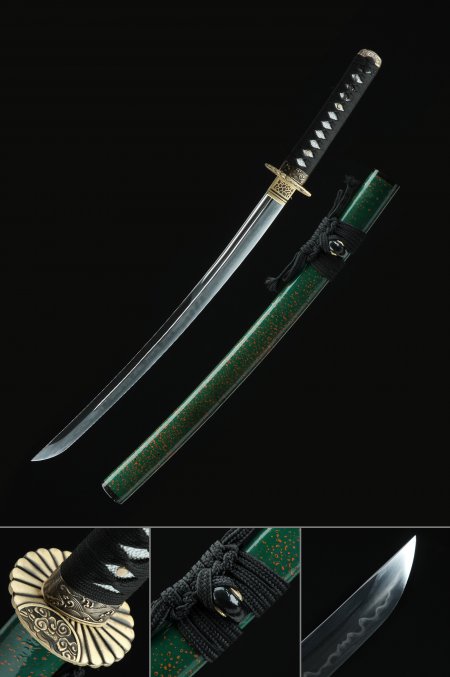
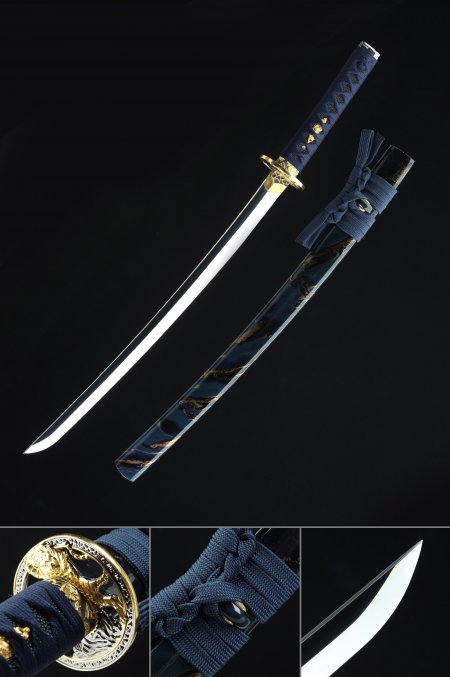
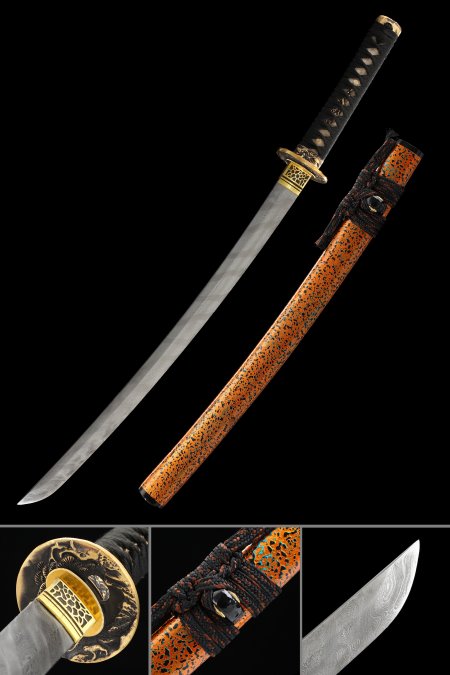
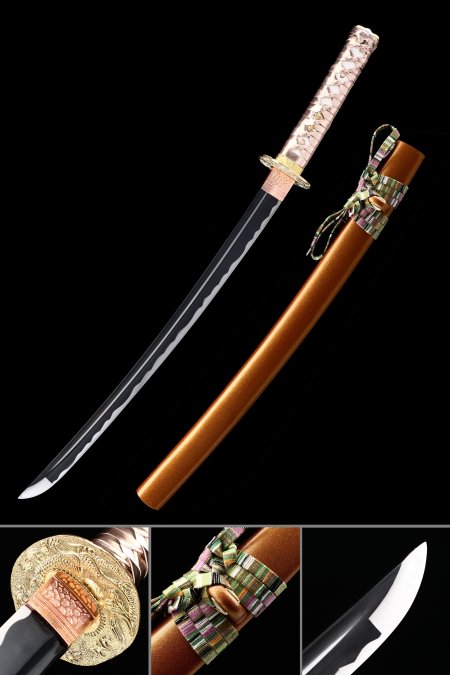
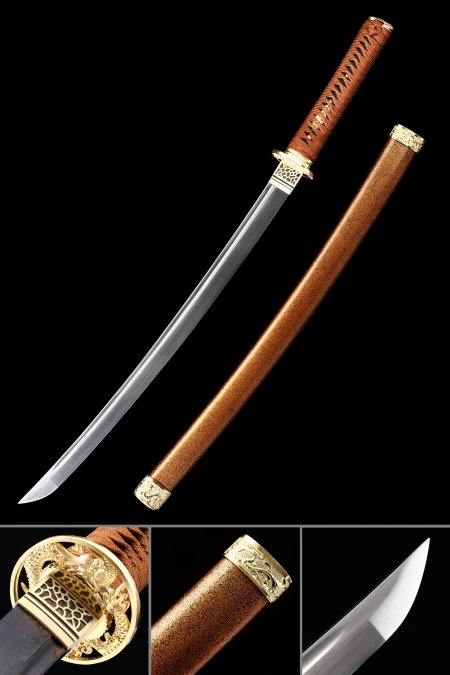
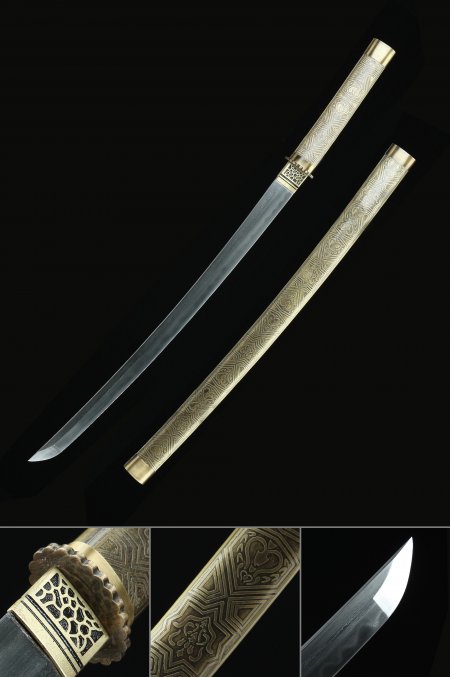
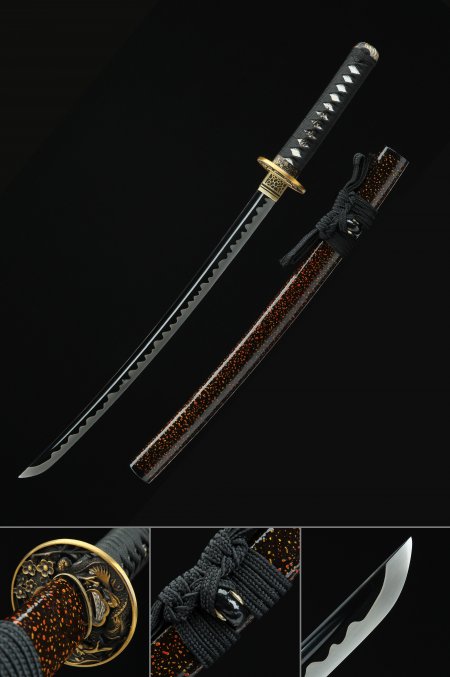
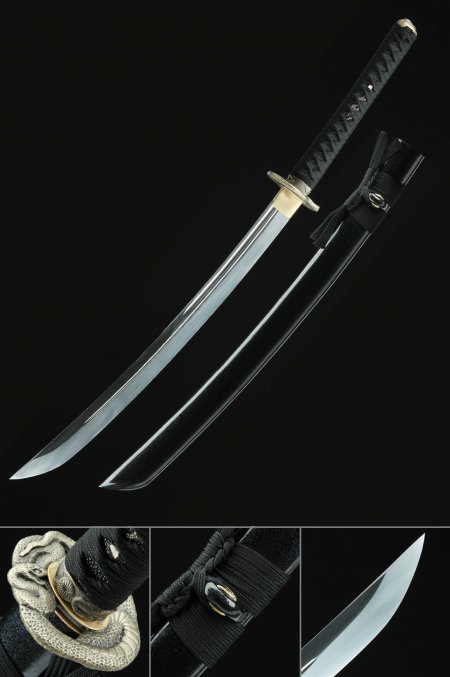
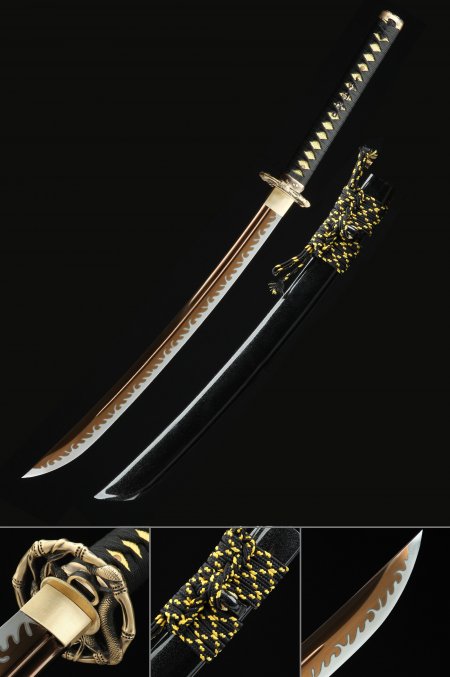
Gold tsuba wakizashi bring together the refined proportions of the companion blade and the luminous presence of gilded fittings - a pairing that has long defined prestige in Japanese sword craft. Each piece in this collection is hand-forged from quality steel, fitted with distinctly crafted gold-tone tsuba ranging from chrysanthemum motifs to serpent and vine patterns, and finished with lacquered saya that complete the koshirae with collector-grade attention to detail. These wakizashi are offered as display collectibles and make an exceptional gift for enthusiasts who appreciate authentic Japanese blade aesthetics. Enjoy free shipping on your order, with hassle-free returns for your peace of mind.
Super cool sword. Feels relatively sturdy. The fittings were a little messy, I had to file off some excess material but the blade is beautiful. I would say it's a pretty sword with good display value and it makes for some fun if you did want to cut softer objects with it. Although they have a long list of don't do's that's come with the blade. All in all I think the sword is well worth the price. The team is friendly and responds quickly. The shipping was quick as well.
 |
Damascus Steel Wakizashi with Natural Rosewood Saya and Gold Alloy Fittings - Folded Steel Collectible Sword |
really nice wakizashi. sharpens right up. looks great on it's stand. well packed, on time, as advertised.recommended.
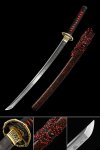 |
1000 Layer Folded Steel Japanese Wakizashi with Real Hamon - Red Sparkle Saya and Brass Snake Tsuba |
I've bought 3 swords: katana, tanto and wakuzishi from Truekatana. Very happy with service and quality. Would recommend to anyone.
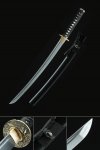 |
Manganese Steel Wakizashi Sword With Black Piano Lacquer Saya And Floral Bird Tsuba |
All three blades were made beautifully. My now ex fiancé loved them
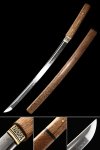 |
Shirasaya Wakizashi Sword in T10 Carbon Steel with Natural Wenge Wood Saya and Bronze Habaki |
It's a beautiful piece, finely crafted and perfect to hang up
|
Damascus Steel Wakizashi with Natural Rosewood Saya and Gold Alloy Fittings - Folded Steel Collectible Sword |
It is a wonderful object…r
Though I made a mistske; I wanted the one blonde one that is 1.5 pounds!r
Any chance to exchange, or have a good deal on that lighter one?
|
Shirasaya Wakizashi Sword in T10 Carbon Steel with Natural Wenge Wood Saya and Bronze Habaki |
Très réactifs, envoi sécurisé, item en parfait état, très bonne qualité. True katana is the best! Merci beaucoup.
|
Shirasaya Wakizashi Sword in T10 Carbon Steel with Natural Wenge Wood Saya and Bronze Habaki |
Beautiful and well made Shirasaya Wakizashi. Fast delivery to Lithuania
|
Shirasaya Wakizashi Sword in T10 Carbon Steel with Natural Wenge Wood Saya and Bronze Habaki |