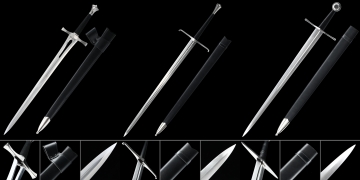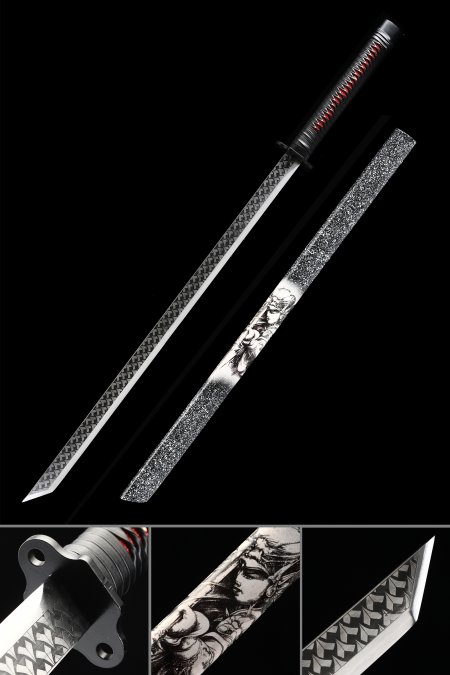
Gray Ninjato

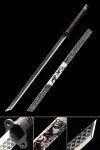
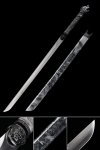
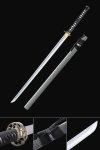
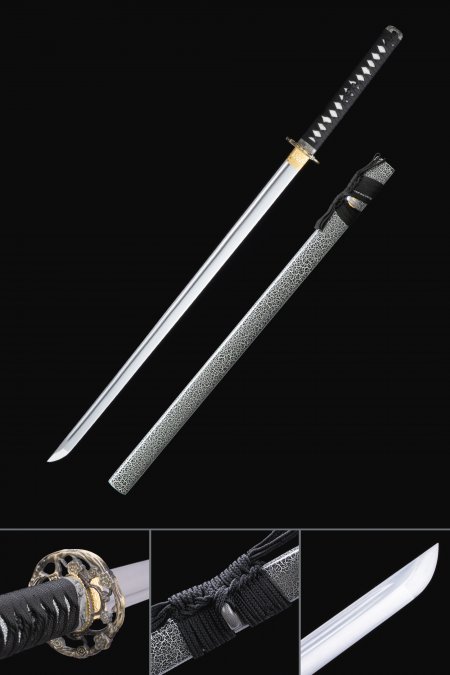
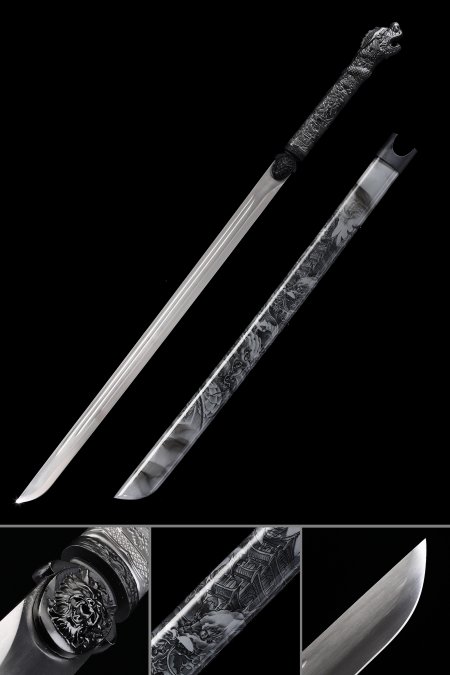
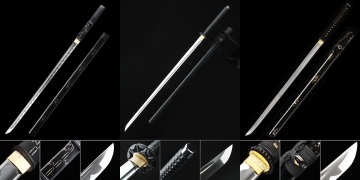
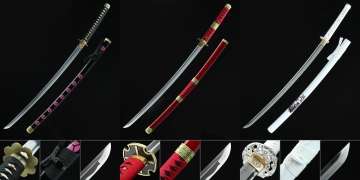
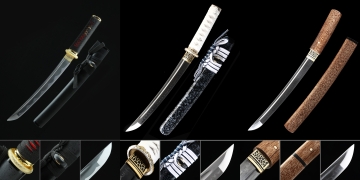
Explore our Gray Ninjato collection — straight-bladed Japanese swords finished in refined gray tones, crafted with full-tang construction and traditional hand-forged techniques. Each piece pairs a sleek scabbard with detailed fittings, making it a distinctive addition to any display. Every order ships with free standard shipping and hassle-free returns.

Showing 3 Products

Related Collections

Straight Sword22 items


11 Reviews

Vintage Katana128 items


2371 Reviews

Aikuchi Tanto120 items


580 Reviews

Knight Sword16 items


8 Reviews

Frequently Asked Questions

What makes a ninjato different from a katana?
The most immediate distinction is blade geometry. A ninjato carries a straight or near-straight blade, typically shorter than a standard katana, which features a pronounced curvature along its spine. This straight profile changes the balance point, shifting weight closer to the handle and giving the sword a different visual proportion when displayed. Historically, the ninjato is associated with covert operatives rather than the samurai class, so its fittings tend to be more utilitarian — plainer tsuba, simpler wrapping patterns, and a compact overall length. For collectors, these differences mean a ninjato occupies its own niche on a display wall, contrasting nicely against curved blades.
Why choose high manganese steel for a collectible ninjato?
High manganese steel strikes a practical balance between hardness and resilience that matters even in a display context. It typically registers around 55–60 HRC on the Rockwell scale, which means the blade holds a clean edge profile without becoming so brittle that minor handling risks chipping. Compared to basic stainless alternatives, manganese steel develops a subtler, more authentic patina over time, which many collectors find visually appealing. It also responds well to traditional hand-forging methods, allowing smiths to achieve consistent grain structure throughout the blade — a quality you can sometimes observe under angled light as fine, even lines along the flat.
How should I maintain a gray-finished ninjato on display?
Begin with a soft microfiber cloth to remove fingerprints after each handling session, since skin oils accelerate tarnish on exposed steel. Every two to three months, apply a thin layer of choji oil or food-grade mineral oil along the blade using a lint-free applicator, then buff away excess. For the gray-finished saya and fittings, a dry cloth is usually sufficient; avoid silicone-based polishes that can leave a sticky residue. Position your display away from direct sunlight and heating vents, because UV exposure fades lacquer finishes and temperature swings promote condensation that invites surface oxidation.
Is a full-tang build important in a display sword?
Full-tang construction means the steel extends the entire length of the handle, secured by one or more mekugi pins through both the tang and the tsuka. Even for a piece that will never leave its stand, this build method matters because it determines how well the sword holds together over time. A rat-tail or partial tang can loosen with temperature and humidity cycles, eventually causing a wobble between blade and handle. Full-tang ninjato maintain a solid, rattle-free feel that preserves the sword's presentation quality and makes the piece more credible in the eyes of knowledgeable collectors.
What display options work best for a straight-blade ninjato?
A horizontal katana-kake stand works well, though the straight blade profile also suits vertical wall-mounted brackets that emphasize its linear silhouette. When choosing a stand, look for padded contact points — felt or microfiber — to prevent scratches on the saya's gray finish. Some collectors prefer a two-tier setup, pairing the ninjato above or below a curved katana to highlight the geometric contrast. If you opt for a glass-front cabinet, include a small silica gel packet to regulate humidity inside the enclosure and protect both the steel and any wood or lacquer elements from moisture damage.

Customer Reviews