What type of hardwood is typically used to make a bokken?
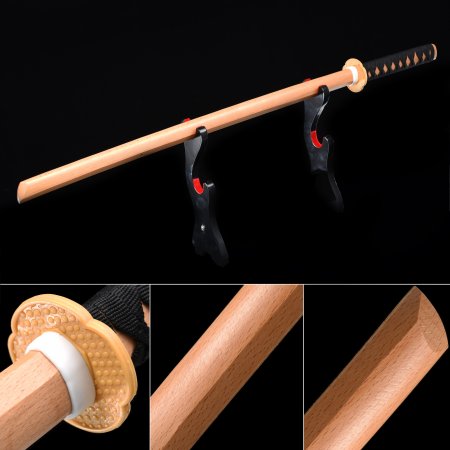
Traditional Japanese bokken are most commonly shaped from white or red oak (shiro-gashi and aka-gashi), prized for their density, resistance to splitting along the grain, and the subtle figuring that emerges after finishing. Contemporary craft pieces also make use of other close-grained hardwoods that offer similar structural properties. The key quality indicator is grain tightness - a tight, consistent grain resists stress along the length of the blade profile and holds a finished surface far better than softer or more porous woods. When examining a bokken, look at the cross-section near the handle: uniform, closely spaced growth rings signal a slow-grown, denser wood that will hold its shape and finish over many years of display.
How does a hardwood bokken differ from a bamboo practice sword?
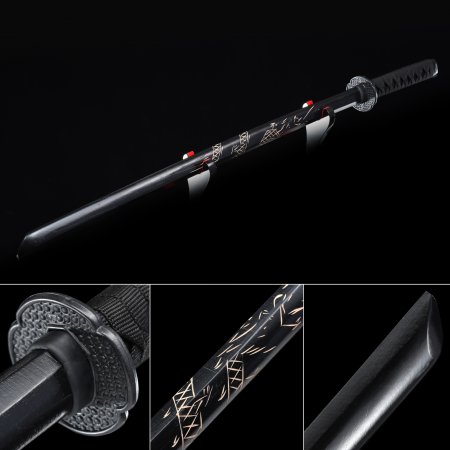
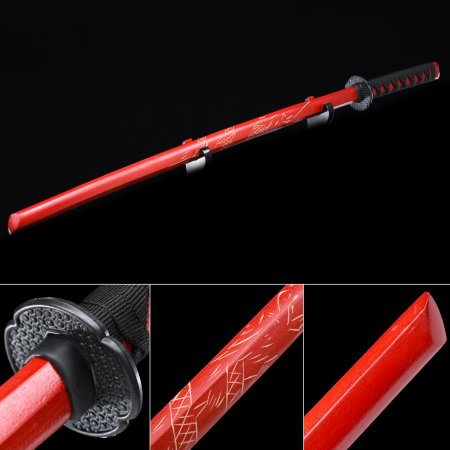
The primary difference lies in material structure and the resulting character of each piece. Hardwood bokken are carved from a single solid billet, giving them a rigid, weighty feel and a smooth, paintable or lacquerable surface ideal for decorative finishing - black lacquer, red lacquer, or a natural oil finish. Bamboo practice swords, by contrast, are typically constructed from bundled bamboo slats and are engineered to flex and absorb impact, making them particularly well-suited for contact sparring formats like kendo. For display and collection purposes, the hardwood bokken generally presents a more refined, finished appearance; the solid construction allows for carved decorative details such as dragon motifs that simply cannot be replicated on a laminated bamboo structure. Both are legitimate additions to a Japanese martial arts collection, but they serve different aesthetic and functional roles.
Are lacquered bokken - black or red finish - harder to maintain than natural wood?
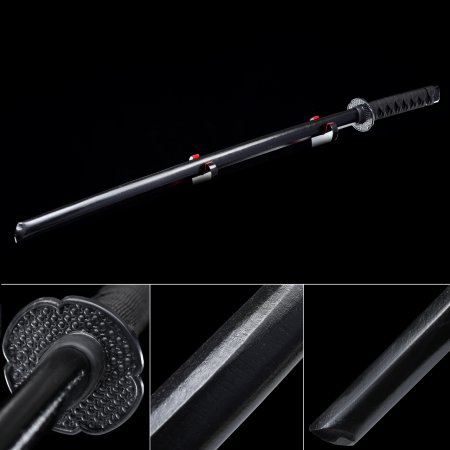
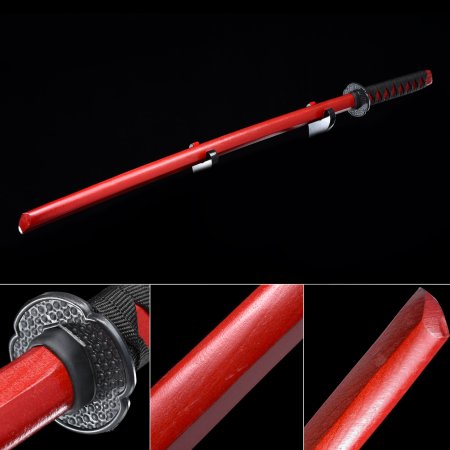
Lacquered bokken are actually somewhat easier to maintain as display pieces because the lacquer layer seals the wood completely, preventing moisture exchange with the surrounding environment. This means the underlying wood is less susceptible to seasonal expansion, contraction, and surface checking. Maintenance is straightforward: wipe the surface with a soft, dry cloth periodically to remove dust, and avoid prolonged exposure to direct sunlight, which can gradually dull or yellow a lacquered finish over time. Natural-finish bokken, while equally beautiful, benefit from an occasional application of a light wood conditioning oil - camellia oil is a traditional choice - to keep the grain nourished and prevent surface dryness in low-humidity environments. Neither finish type requires the rust-prevention oiling regimen associated with steel blades.
What makes a dragon-carved bokken a good collectible or gift choice?
Dragon motifs carry deep symbolic resonance in both Japanese and broader East Asian cultural traditions, representing strength, wisdom, and auspicious fortune - qualities that make a dragon-carved bokken a meaningful gift for martial arts practitioners, Japanese culture enthusiasts, or anyone who appreciates hand-detailed decorative craftsmanship. From a collector's standpoint, the engraved or relief-carved surface adds a sculptural dimension that elevates the piece beyond a standard wooden blade and gives it strong visual presence on a display stand. The carving also makes each piece subtly unique, since hand-engraved lines always carry slight individual variation. Paired with a matching sword stand, a dragon bokken makes a particularly strong display centerpiece and a more personal, considered gift than a generic decorative item.
How should I store and display a hardwood bokken long-term?
For long-term display, a horizontal sword stand is the preferred option - it distributes the weight of the bokken evenly and prevents any gradual warping that can occur when a wooden piece is stored vertically and unsupported for extended periods. Position the display away from heating vents, air conditioning units, and windows with direct sun exposure, as repeated cycles of heat and UV light are the primary causes of finish degradation and wood movement over time. If your display space tends toward low humidity (below 40%), a small room humidifier nearby helps stabilize the wood. For lacquered pieces, an occasional gentle buff with a soft cloth keeps the surface looking its best. Natural-finish bokken benefit from a light conditioning oil treatment once or twice a year. No special edge care, rust prevention, or blade oil is required - a distinct practical advantage of wooden collectibles over their steel counterparts.