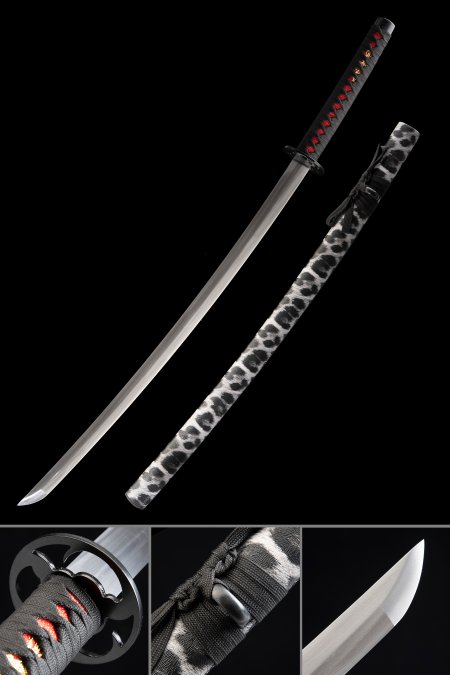
Leopard Katana

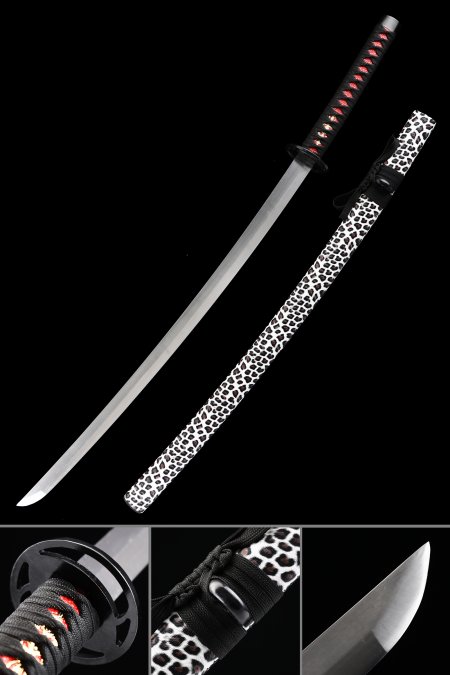
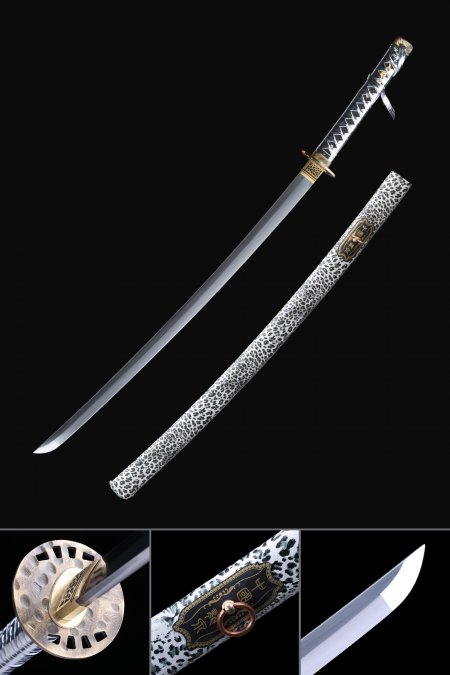
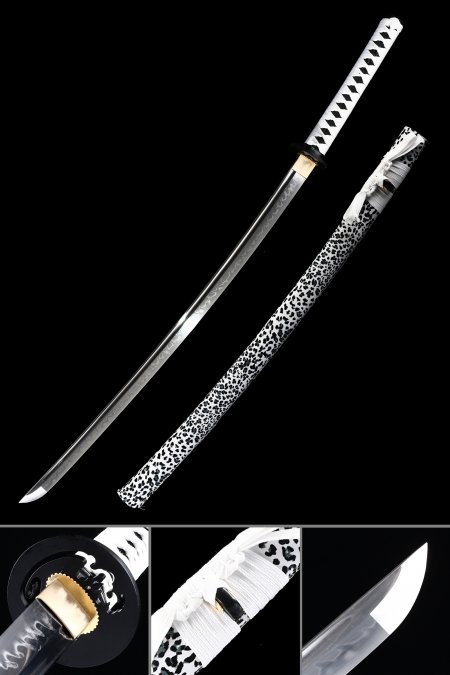
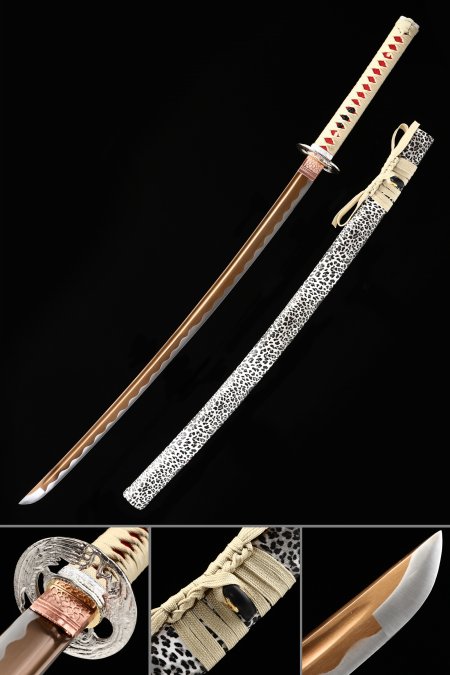
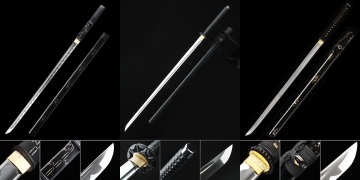
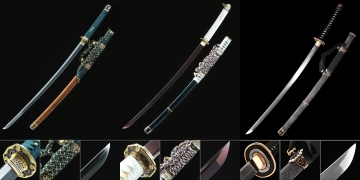
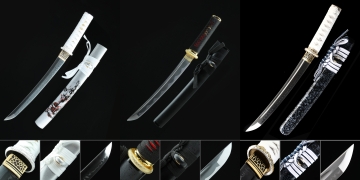
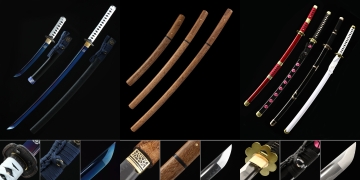
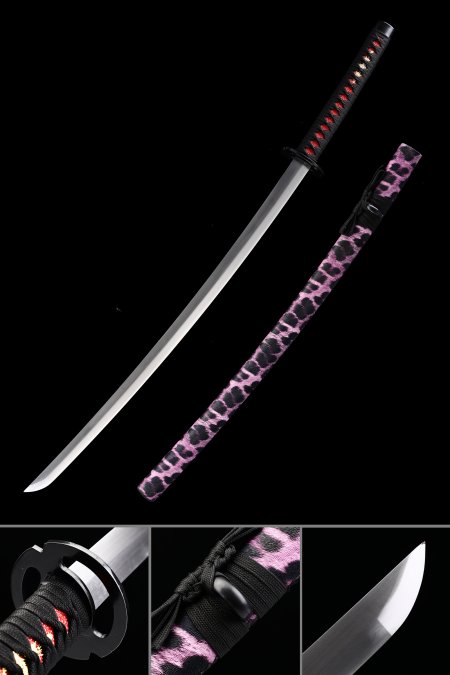
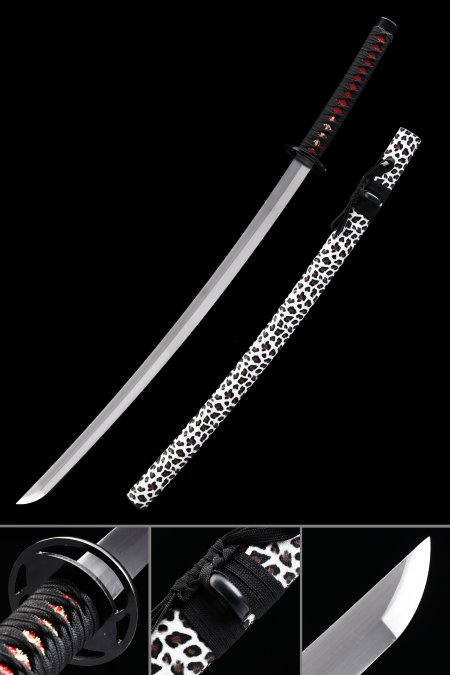
Explore our Leopard Katana collection — hand-forged blades paired with striking leopard-themed saya and fittings that bring wild elegance to any display. Each piece features carefully selected carbon or clay-tempered steel, distinctive rayskin and PU leather scabbard wraps, and artisan-finished tsuka detailing. Free shipping and hassle-free returns on every order.
Showing 7 Products

Related Collections

Small Tanto113 items


422 Reviews

Blue Handle Swords128 items


771 Reviews

Blue Dragon Samurai Sword95 items


319 Reviews

Mini Tanto111 items


319 Reviews

Frequently Asked Questions

What steel types are used in the Leopard Katana collection?
Most Leopard Katana models are forged from 1060 carbon steel, a medium-high carbon alloy that sits at a practical sweet spot between hardness (roughly 56–58 HRC after heat treatment) and flexibility. This means the blade can hold a well-defined edge while still absorbing lateral stress without cracking. Select premium models use T10 tool steel, which contains a small addition of tungsten for improved wear resistance. T10 pieces in this collection are clay tempered, producing a genuine hamon — a visible wavy temper line along the edge created by differential hardening. The softer spine absorbs shock, while the harder edge retains its geometry over time. Both steels respond well to hand polishing, so the leopard-themed aesthetic of the fittings is complemented by a clean, reflective blade surface.
How does the leopard-print saya differ from a traditional lacquered scabbard?
A traditional katana saya is typically finished in solid-color urushi lacquer or a wood-grain motif, offering understated elegance. The leopard-print saya in this collection achieves its pattern through one of two methods: high-quality PU leather wrapping or direct print transfer sealed under clear lacquer coats. The PU leather versions, such as the pink leopard model, add a subtle texture you can feel when drawing the blade, while printed lacquer versions stay smooth and glossy. Structurally, both use the same lightweight honoki or composite wood core shaped to match each blade’s unique curvature. The koiguchi (scabbard mouth) is reinforced with buffalo horn or resin to maintain a snug fit over years of display and occasional drawing.
What is the best way to display and preserve a Leopard Katana?
Horizontal display on a traditional katanakake stand with the edge facing upward is ideal — this prevents oil from pooling at the kissaki (tip) and distributes the blade’s weight evenly across the saya. Keep the sword away from direct sunlight, which can fade PU leather saya wraps and dry out tsuka-ito over time. Every two to three months, draw the blade, wipe it with a soft microfiber cloth, and apply a thin layer of choji clove oil using a flannel pad. For the leopard-print scabbard itself, a lightly damp cloth removes dust without disturbing the finish. Avoid silicone-based polishes, as they can leave a film that traps moisture against the wood core.
Are Leopard Katanas full tang, and why does that matter?
Yes, every model in the Leopard Katana lineup features full-tang construction, meaning the steel extends from the kissaki all the way through the handle and is secured with one or two mekugi bamboo pegs. This is significant for collectors because full tang is the hallmark of a properly assembled katana — it ensures the blade and handle act as a single unit rather than relying on adhesive or a short rat-tail tang that can loosen over time. Even for swords displayed rather than used, full tang prevents the subtle wobble that cheapens the feel when a piece is handled or drawn for inspection. It also means the sword is balanced closer to how historical Japanese smiths intended, giving it an authentic weight distribution when you pick it up.
How does a Leopard Katana compare to a more traditional-themed sword?
The core forging and assembly process is identical — the same 1060 or T10 steel, the same hand-sharpening workflow, and the same full-tang assembly with mekugi pins. Where the Leopard Katana diverges is purely in its koshirae (exterior fittings and furniture). Traditional collections like our Dark Blue Katana line lean on solid-color saya, classic menuki, and subdued tsuba patterns. The Leopard series, by contrast, uses printed or leather-wrapped scabbards, bolder tsuka color pairings such as red-and-black wraps, and occasionally themed engravings on the habaki or blade collar. Choosing between them is a matter of display aesthetic rather than quality — collectors who favor nature-inspired or contemporary visual themes tend to gravitate toward the Leopard lineup, while purists prefer understated finishes.