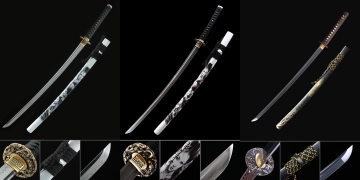
Marble T10 Carbon Steel Naginata

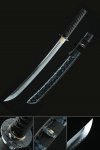
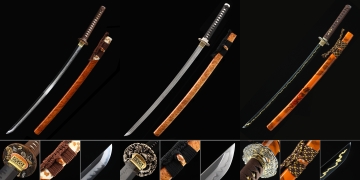
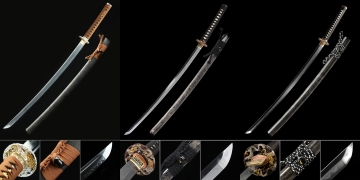
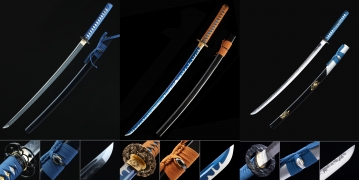
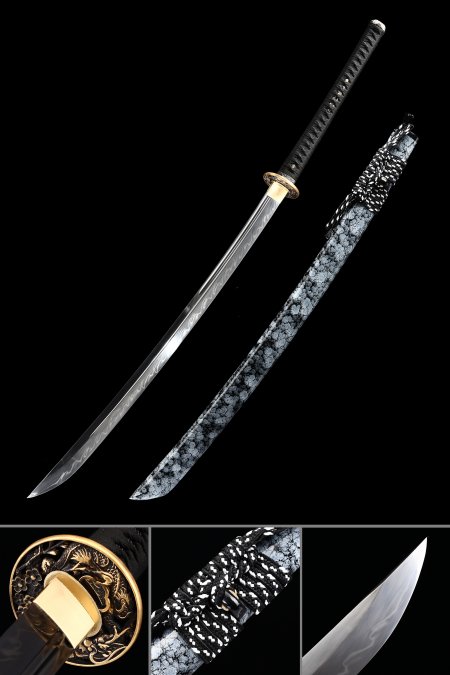
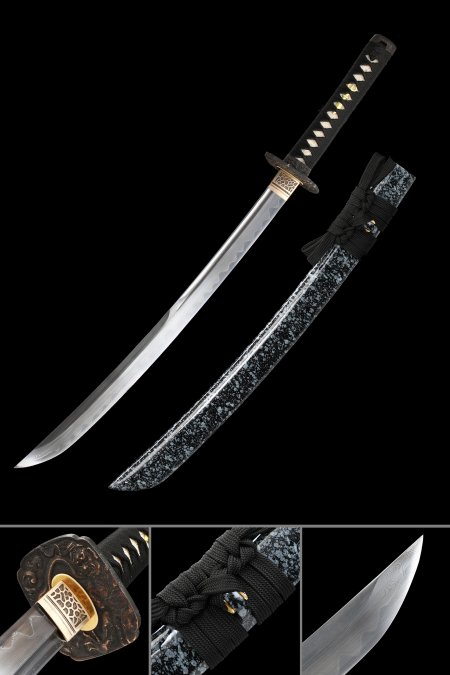
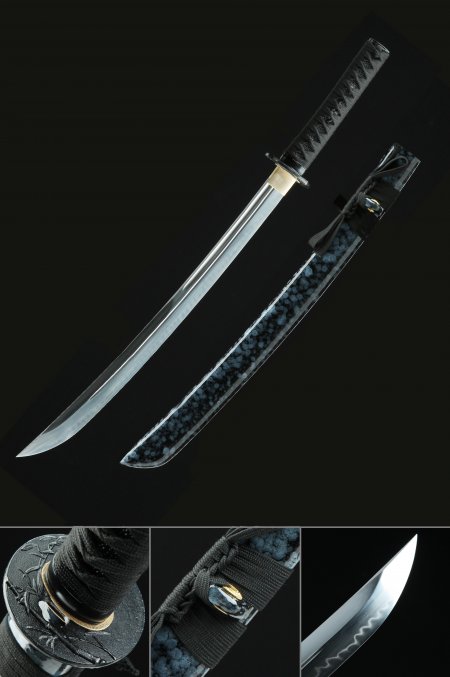
Crafted for the serious collector, each Marble T10 Carbon Steel Naginata in this collection features hand-forged T10 high-carbon steel, authentic clay tempering, and a genuine hamon line - hallmarks of traditional Japanese polearm craftsmanship. Distinctive marble-patterned saya, iron tsuba, and full-tang construction bring both visual elegance and structural integrity to every piece. Every order ships free with easy returns, so building your collection is as seamless as the blades themselves.
Showing 3 Products

Related Collections

Frequently Asked Questions

What makes T10 steel a preferred choice for naginata blades?
T10 is a high-carbon tool steel containing approximately 1.0% carbon along with trace amounts of silicon, which contributes to its fine grain structure and excellent edge retention after heat treatment. Unlike simpler carbon steels, T10 responds exceptionally well to clay tempering - the traditional differential hardening technique that produces a genuine hamon. The edge zone becomes harder and more resilient, while the spine retains a degree of flexibility that prevents catastrophic brittleness. For collectors, this means a blade that carries the authentic visual signature of classical Japanese metallurgy, not a surface-treated imitation. The resulting hamon pattern on each blade is entirely unique, shaped by the specific clay application and quench conditions of that individual piece.
How does a marble saya differ from a standard lacquered saya?
A standard lacquered saya typically features a single-color or subtly textured finish applied over a wooden core. A marble saya, by contrast, uses a multi-layered lacquering technique that creates swirling, stone-like visual patterns across the surface - no two sayas are identical. The process requires additional preparation steps and careful layering of contrasting lacquer tones to achieve the marbled effect, which means these scabbards are inherently more labor-intensive to produce. From a collector's perspective, the marble saya elevates the display presentation significantly: the organic patterning creates a visual counterpoint to the steel's polished geometry, making the overall piece more compelling as a display object. The wooden core beneath is typically magnolia or a similarly lightweight hardwood, keeping the overall assembly well-balanced.
What should I know about displaying a naginata at home?
Naginata typically range from 150 to 220 cm in total length when fully assembled, so horizontal wall mounts or dedicated floor-standing polearm racks are the most practical display solutions. Avoid placing the piece in direct sunlight for extended periods, as UV exposure can fade lacquer finishes over time. For the blade itself, a light application of choji oil or a neutral camellia oil every few months will prevent surface oxidation - apply with a soft cotton cloth and wipe away any excess to avoid residue buildup. Store or display in a climate-controlled environment where humidity stays below 60%, as high moisture accelerates rust formation on high-carbon steel. When removing the blade from the saya for maintenance, always handle the mune (spine) rather than the edge, and use a clean cloth as a barrier.
How does the naginata compare to a katana as a collectible?
While katana are the most widely collected form of Japanese edged art, the naginata occupies a distinct and arguably more specialized niche. As a polearm, the naginata presents a dramatically different display profile - the extended shaft and curved blade create a commanding visual presence that no short-form blade can replicate. From a metallurgical standpoint, the blade construction on a hand-forged T10 naginata follows the same differential tempering principles as a fine katana, so collectors with an existing katana collection will find the craftsmanship language familiar while gaining something visually and historically distinct. The naginata also carries different cultural associations, historically linked to noble households and classical Japanese martial traditions, which adds a separate layer of historical context to the collecting experience. For those interested in the broader O-Naginata format, the larger blade geometry introduces yet another dimension of comparison.
Is a hand-forged naginata a suitable gift for a Japanese history enthusiast?
A hand-forged T10 naginata makes an exceptionally meaningful gift for anyone with a genuine interest in Japanese history, classical martial traditions, or decorative metalwork. Unlike mass-produced decorative pieces, a clay-tempered blade with a real hamon carries authentic material and historical integrity that knowledgeable recipients will immediately recognize and appreciate. The marble saya and iron tsuba fittings add further visual refinement that sets these pieces apart from entry-level collectibles. For gifting purposes, it is worth noting that these pieces are substantial in size - plan for appropriate presentation and consider including a brief card noting the steel type and tempering process, as that context significantly enhances the recipient's appreciation of what they are holding.

Customer Reviews

Shawn P Franco New Mexico, United States

I have to say I'm impressed with the high quality and astounding prices. Here is my latest acquisition on the top tier. Extremely satisfied with this company's vast array of offerings. Very good business model ends up a win for all involved in any transaction. TRUEKATANA HAS IT NAILED!! Many thanks.
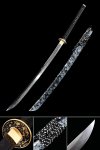
T10 Clay Tempered Naginata - Handcrafted Folded Steel, Real Hamon, Blue Saya, 118cm T10 Clay Tempered Naginata - Handcrafted Folded Steel, Real Hamon, Blue Saya, 118cm
Cart 0 Items

Your cart is empty