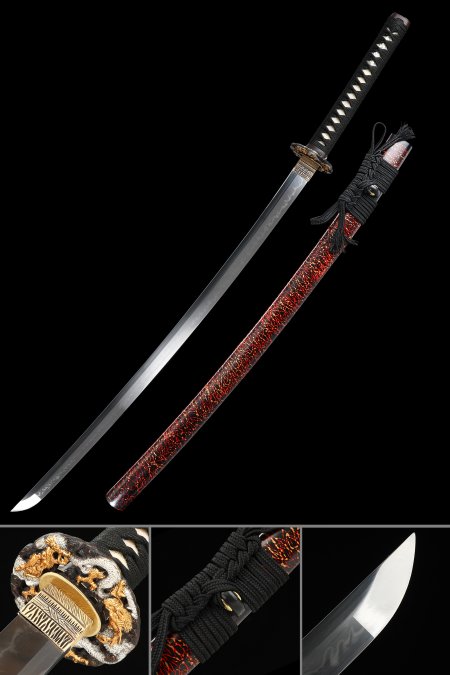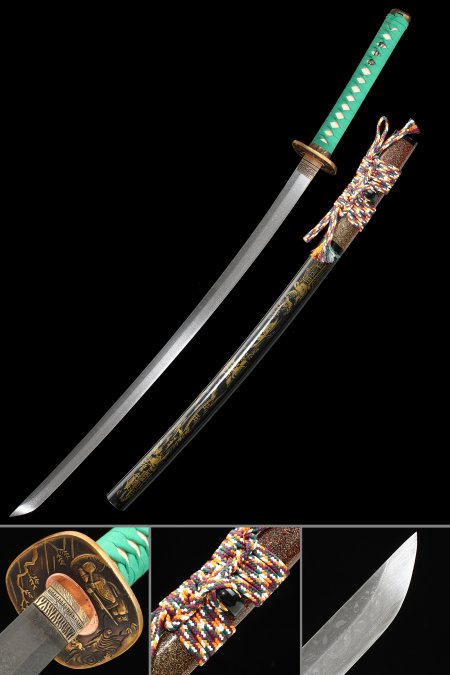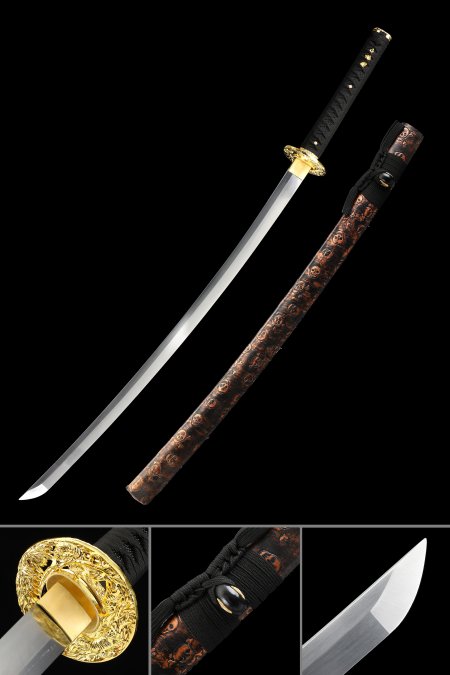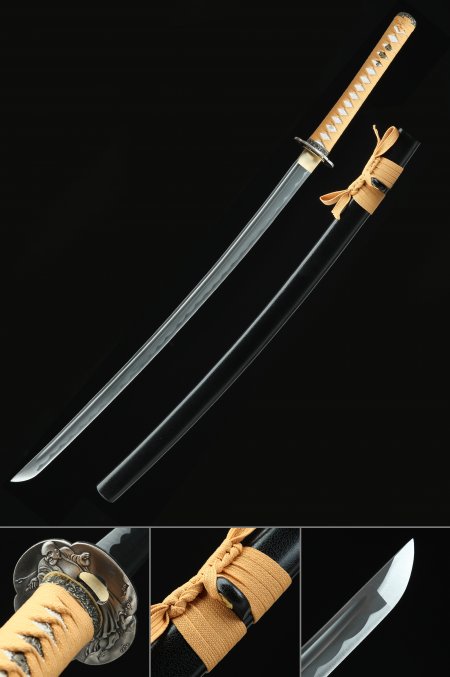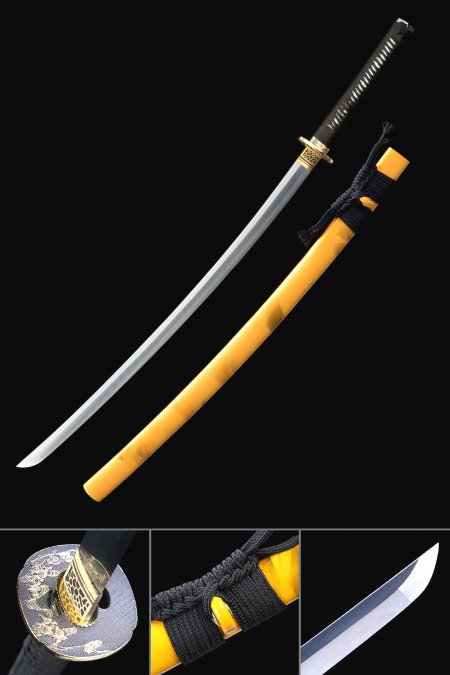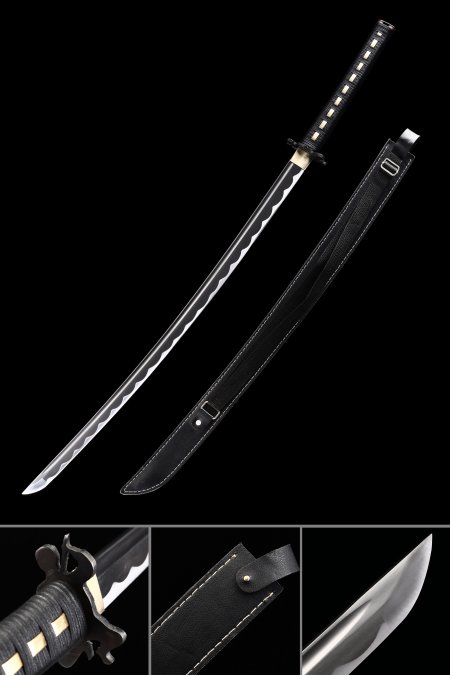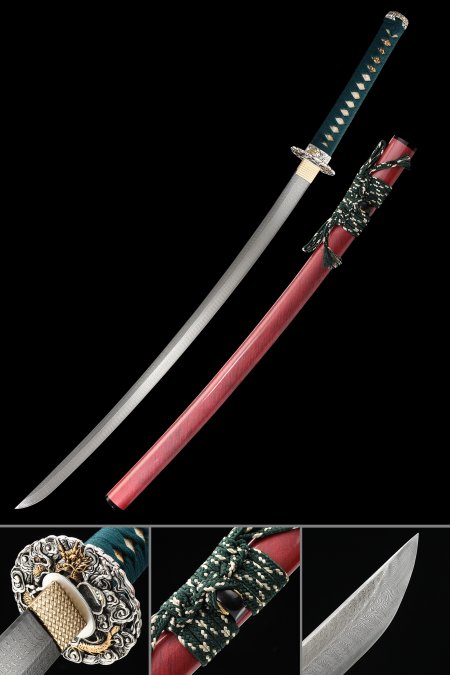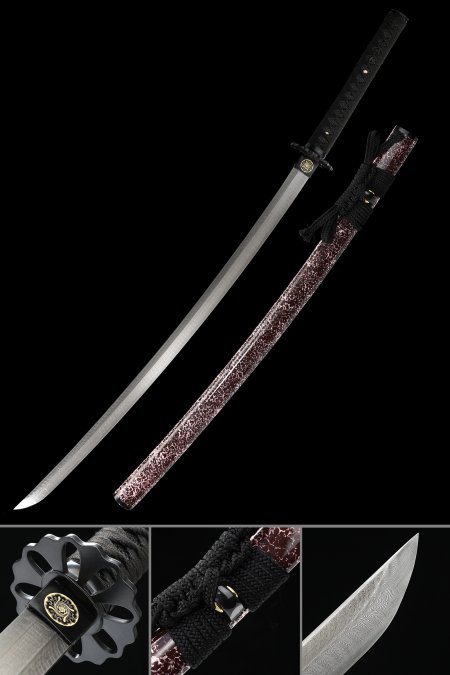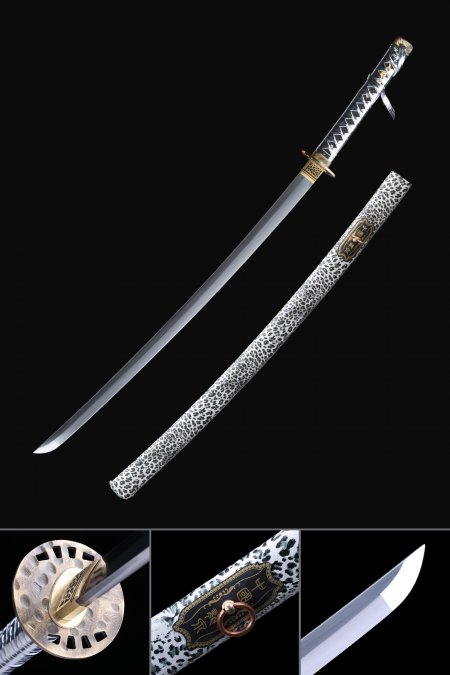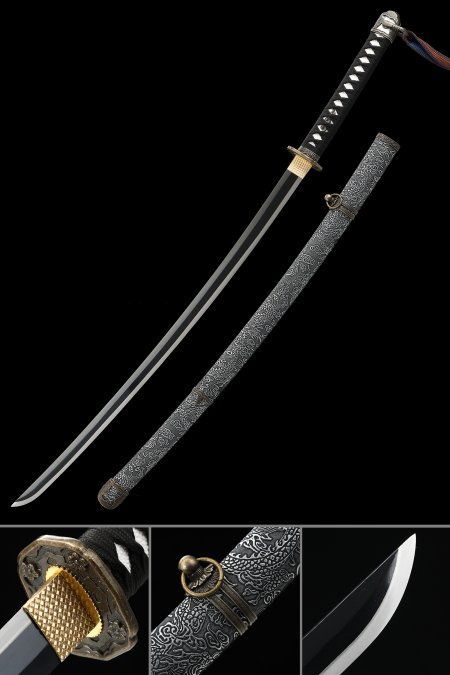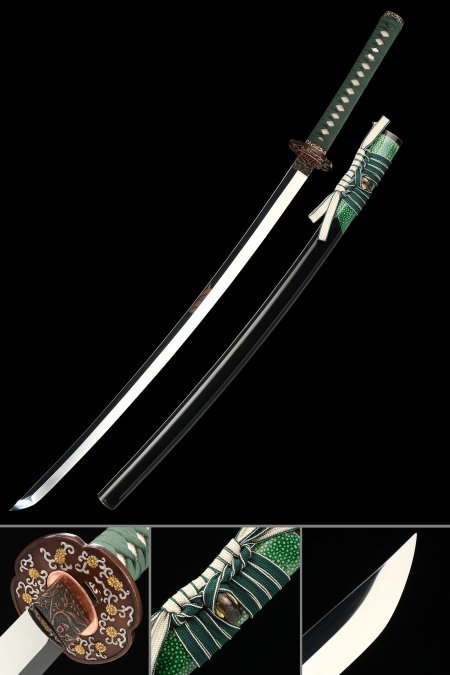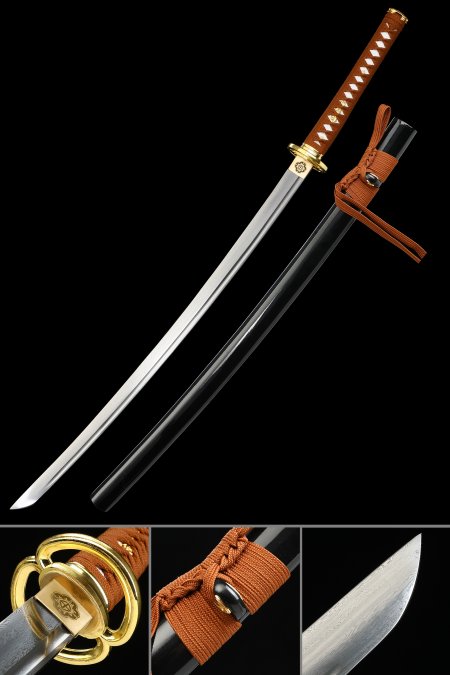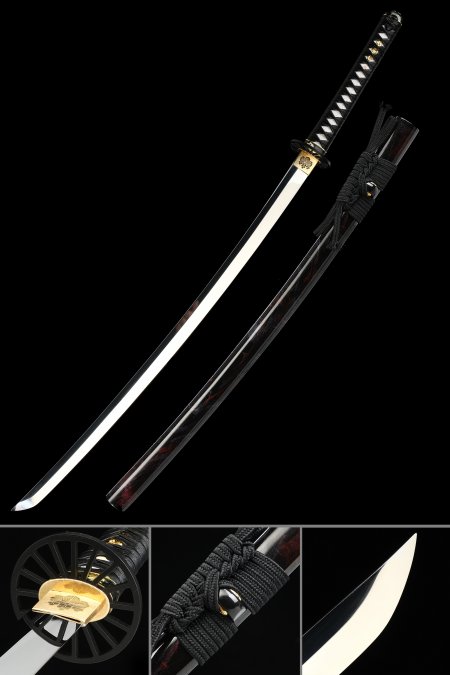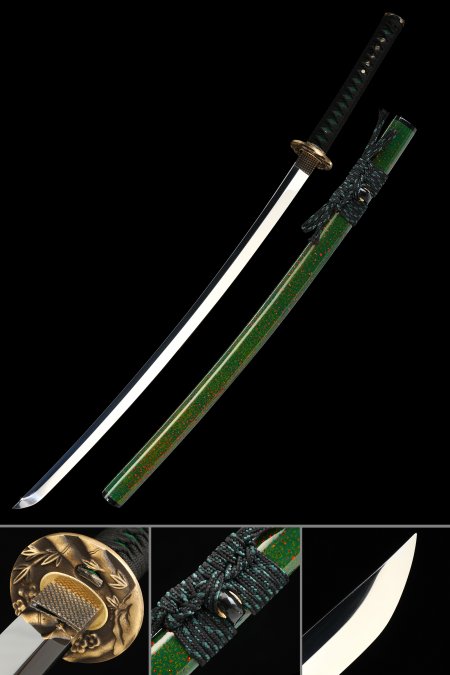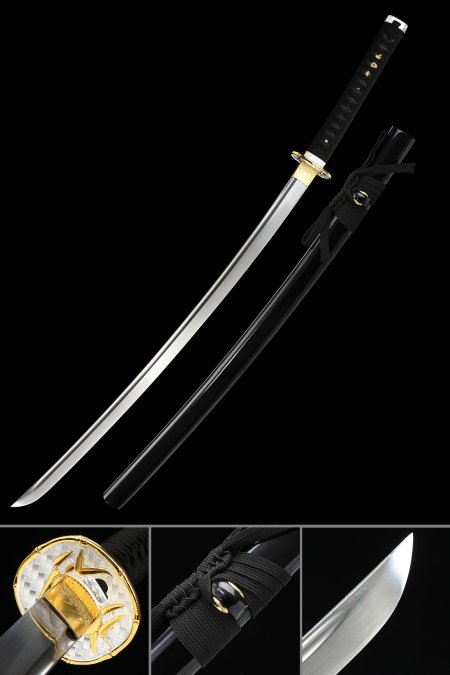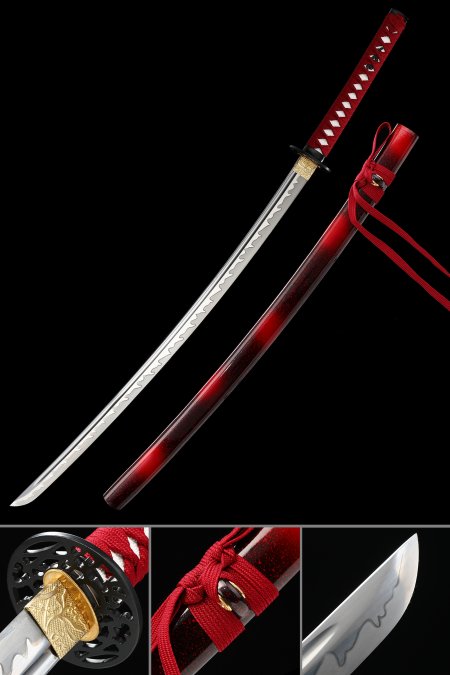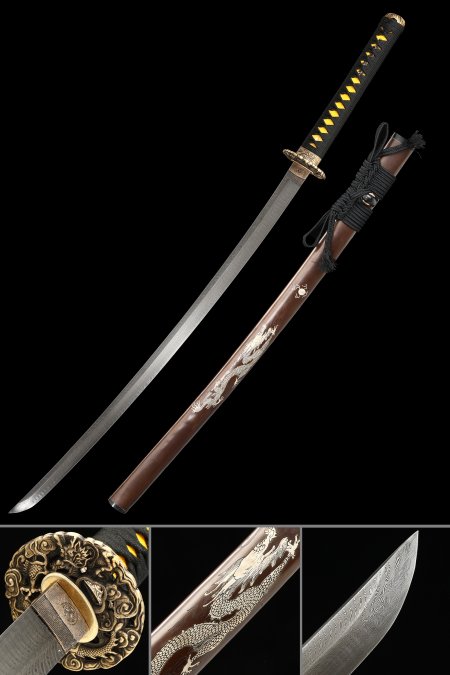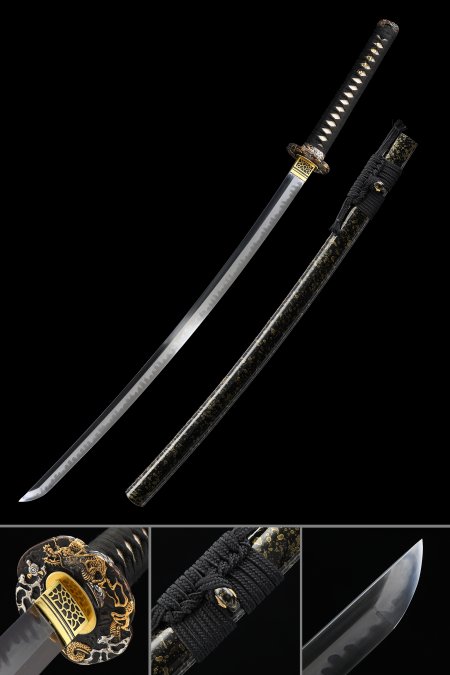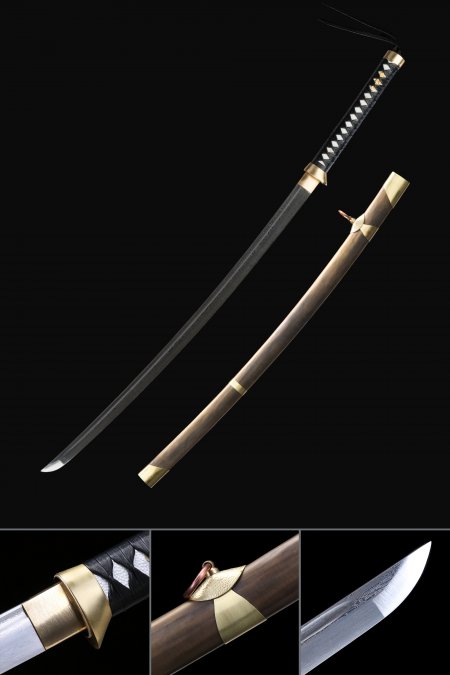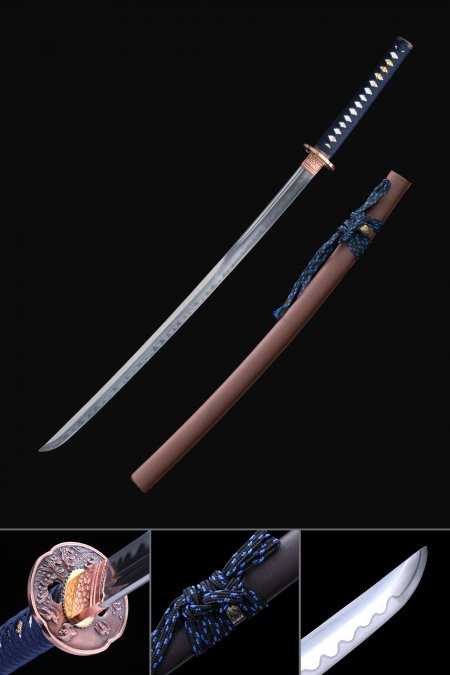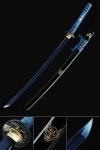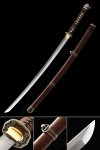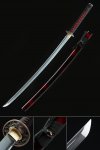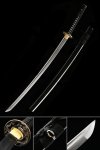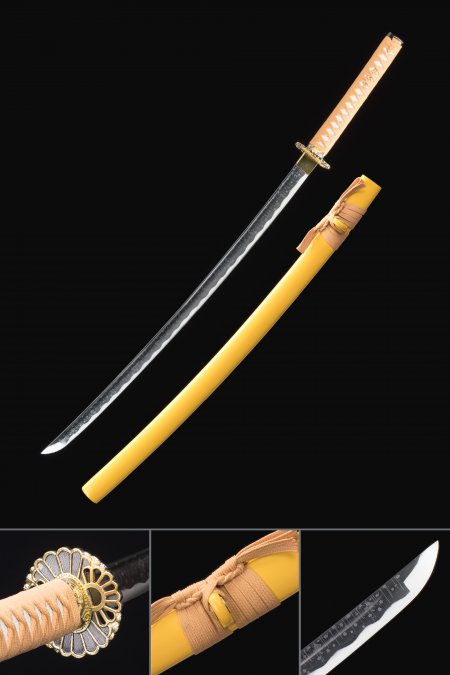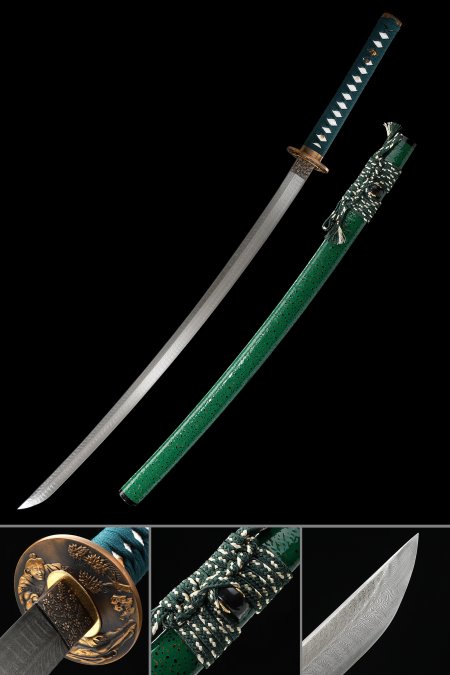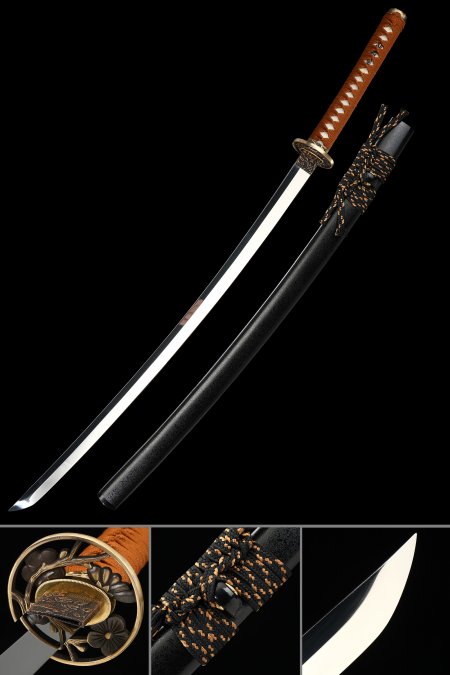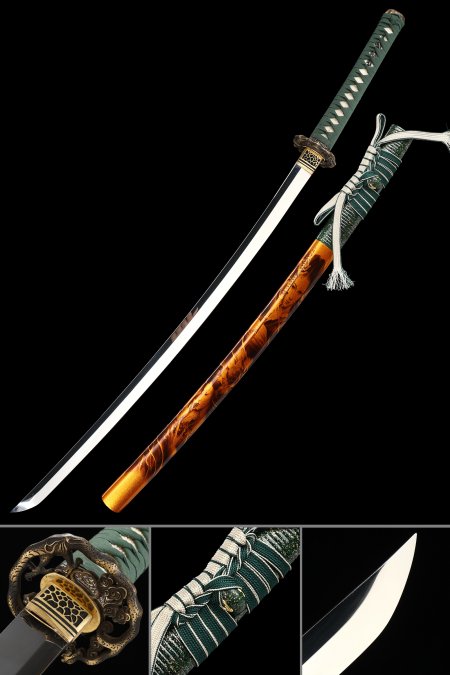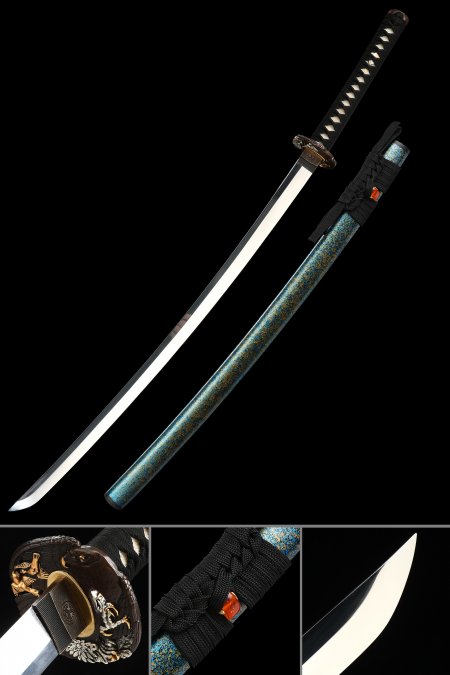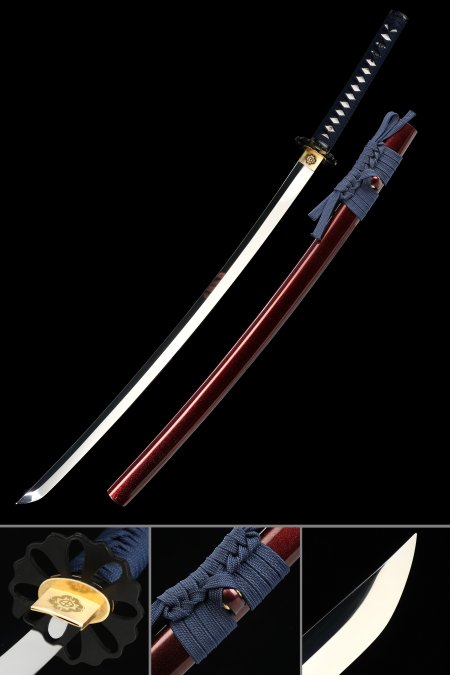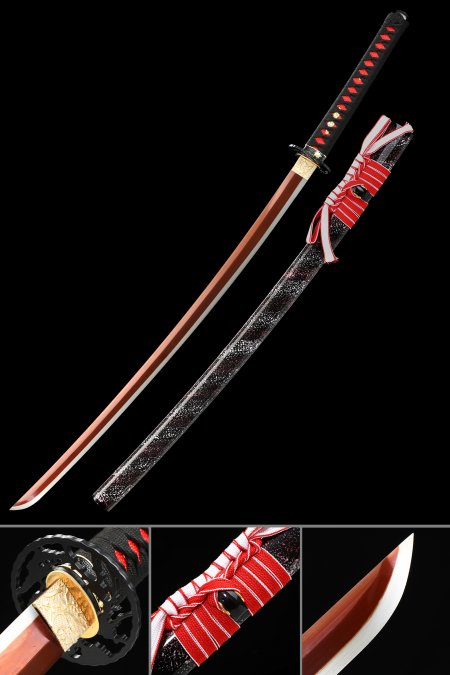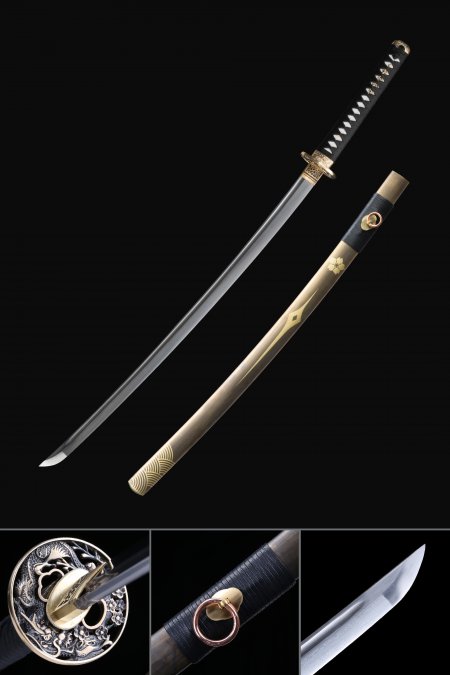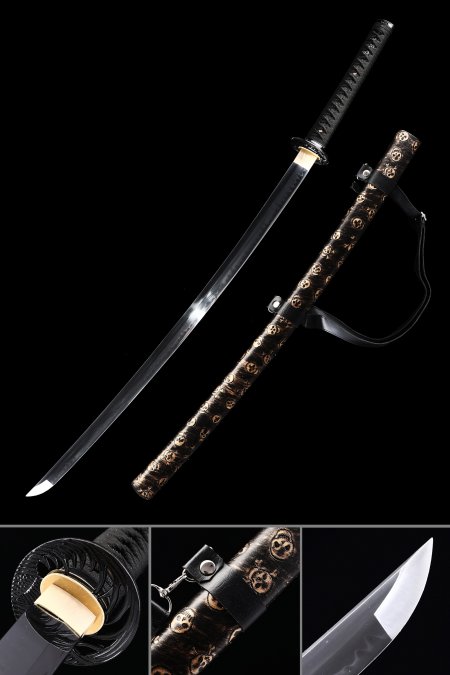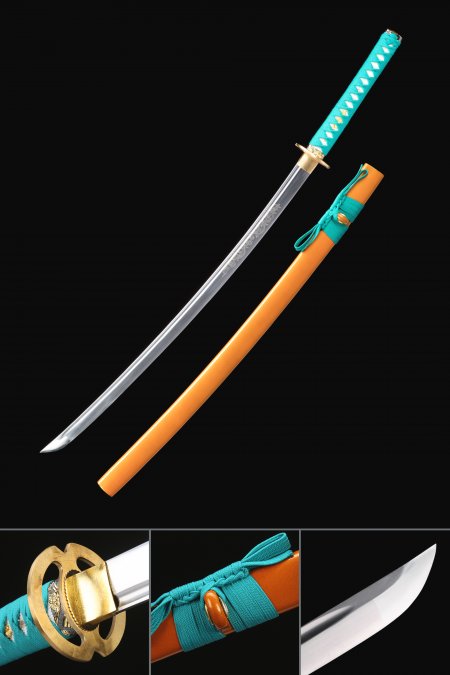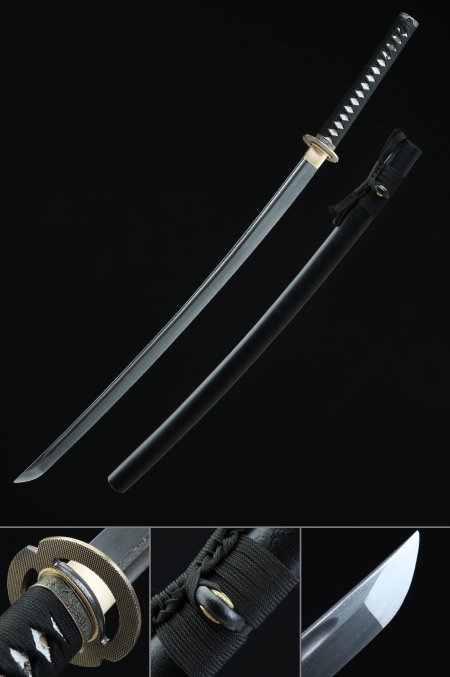
Original Japanese Katana

Shop our collection of original Japanese katana swords - hand-forged Japanese katana in authentic construction across T10, Damascus, 1060, 1065, and 1045 carbon steel with full-tang construction, featuring the traditional curved blade, complete samurai mounting, and classical visual presentations that define the Japanese katana in its most genuinely realized form. Free US shipping and hassle-free returns included.
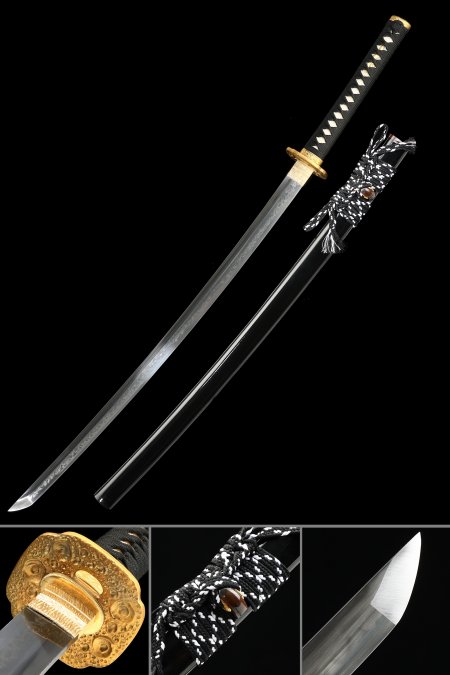
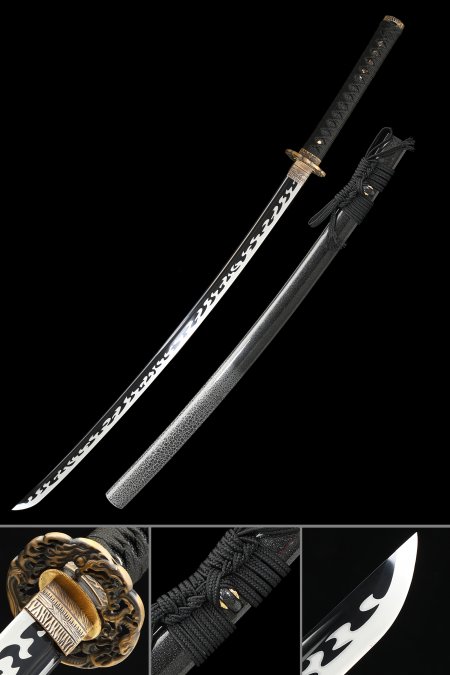
Showing 112 Products

Related Collections

Damascus Katana74 items


192 Reviews

Chokuto Sword47 items


315 Reviews

Shirasaya Wakizashi8 items


126 Reviews

Damascus Steel Sword78 items


336 Reviews

Frequently Asked Questions

What construction standards define an original Japanese katana as authentic?
An original Japanese katana is defined by a specific set of construction standards that have been consistent in Japanese sword-making tradition across the centuries. The blade must be forged from high-carbon steel - 1045, 1060, 1065, T10, Damascus, or similar quality grades - and properly heat treated to achieve genuine blade hardness, typically in the Rockwell 55-60 HRC range. Full-tang construction means the blade steel runs from the kissaki tip through the complete handle body, with mekugi retention pins confirming structural integrity. The handle must be wrapped in genuine ito cord over a samegawa ray skin foundation - this traditional handle construction provides both grip security and the tactile confirmation of authentic construction standards. The tsuba guard must be properly fitted at the habaki-kissaki boundary, with habaki blade collar securing the blade-to-scabbard relationship. The scabbard should be lacquered wood that properly houses the blade without rattling or excessive tightness. All original Japanese katana in this collection meet these standards.
What steel grades are used in original Japanese katana from this collection?
Original Japanese katana in this collection are available across the primary high-carbon steel grades of authentic Japanese sword construction. T10 carbon steel is the most traditionally grounded grade, used with clay tempering to create the differential hardening process that produces a visible hamon along the blade length. On a T10 original Japanese katana, the hamon is the primary visual marker of authentic construction - its presence confirms that the blade went through the clay tempering and quenching process that creates the characteristic hard-edge, tough-spine differential. Damascus steel original Japanese katana feature fold-forged layered patterning - the individual fold pattern on each blade is a result of the forge-welding process and is unique to each piece. 1060 carbon steel provides excellent hardness and surface quality in classic configurations. 1065 carbon steel offers similar performance with distinctive surface character. 1045 carbon steel represents the foundational high-carbon grade in the most widely available configurations.
How does an original Japanese katana differ from a stainless steel or decorative replica?
The difference between an original Japanese katana and a stainless steel or decorative replica is fundamental and affects every aspect of the piece. Stainless steel - despite its similarity to carbon steel in appearance - cannot be properly heat treated to achieve genuine blade hardness. The metallurgical properties of stainless steel prevent the quenching process from creating the crystalline structure that gives carbon steel its hardness, so stainless steel blades are typically soft and unable to hold an edge under any real-world conditions. Zinc alloy and pot metal decorative replicas similarly lack any genuine blade characteristics and exist purely as display props. An original Japanese katana in high-carbon steel - 1045, 1060, T10, or Damascus - has been heat treated to genuine hardness through the quenching process, creating a blade with the physical characteristics of a real sword collectible: proper weight, balance, hardness, and the surface quality that comes from genuine high-carbon steel construction. Full-tang construction with mekugi retention pins is the second key differentiator - decorative replicas often have rat-tail tangs or threaded bolt construction that is immediately distinguishable from the full-tang standard.
What classical visual configurations define original Japanese katana aesthetics?
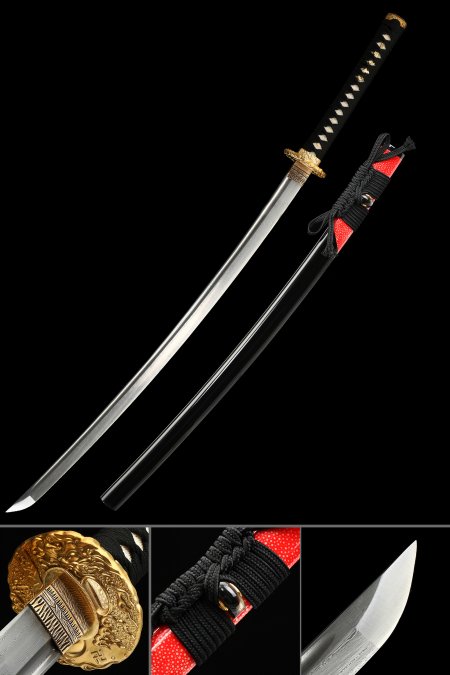
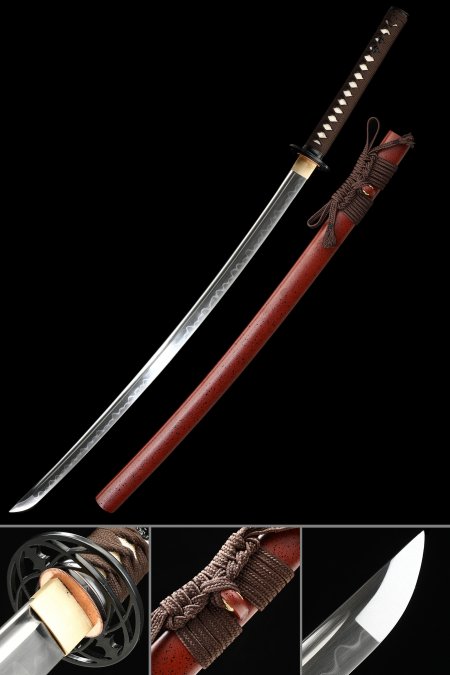
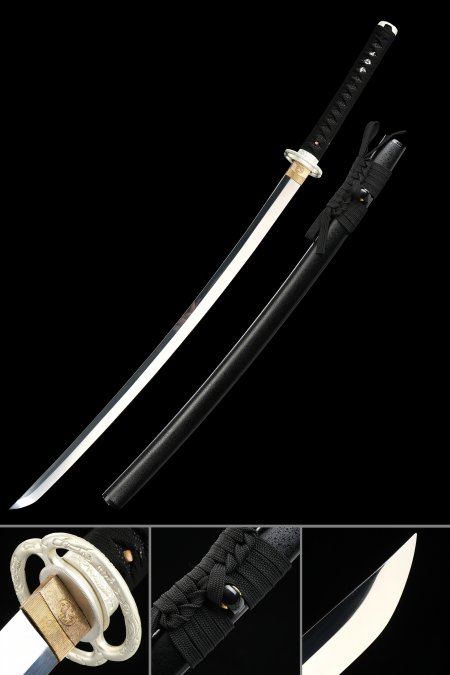
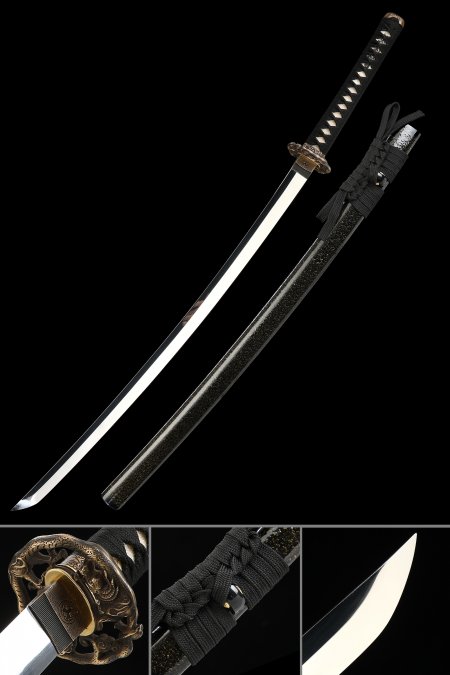
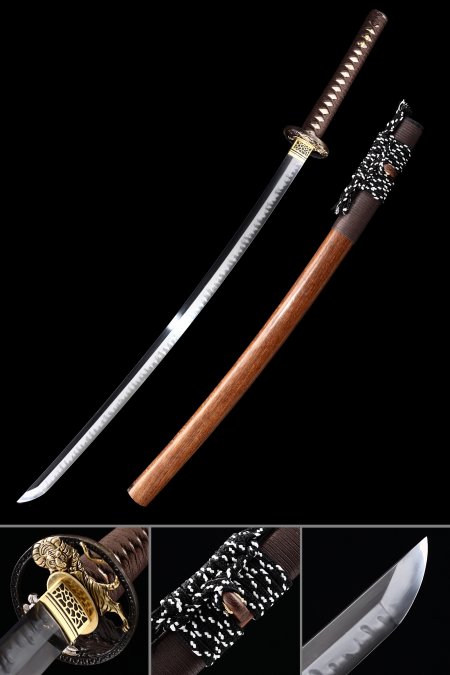
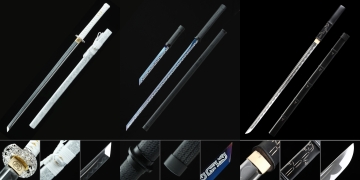
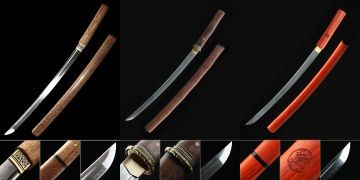
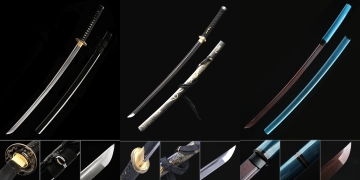
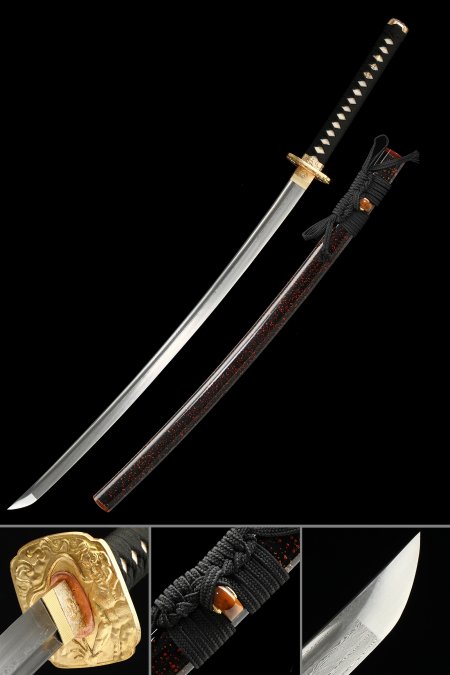
Classical visual configurations in original Japanese katana are defined by the traditional presentation standards of the Japanese sword as it was made and displayed by the samurai class. The most classical presentation is the black-scabbard katana: black lacquered wooden scabbard, black or dark-color ito handle wrapping, iron or dark metal tsuba guard in a simple geometric or naturalistic design, and a metallic-silver carbon steel blade. This configuration has been the most consistently represented katana aesthetic across the full history of Japanese sword production and remains the reference visual against which all other configurations are compared. Natural wood grain scabbard configurations - typically in brown or natural-wood tones rather than lacquered black - represent a second classical aesthetic associated with everyday practical wear rather than formal presentation. Dark brown or deep earth-tone scabbard configurations with natural metal fittings provide a third classical variant. These classical configurations are distinguished from specialty configurations by their absence of vivid color blade treatments, anime themes, or decorative customizations, presenting the original Japanese katana in its most historically grounded visual form.

Customer Reviews

Michael Deshaun Taliaferro North Carolina, United States

Not like any videos were saying slandering the tk it's not flimsy, doesn't rust easily, is infact very sharp, saya isn't weak wood and overall is just a very decent maybe even entry level katana for only 200$ I will say though it did bend the very tip of the katana when I hit something metal on accident but that aside its very great qualityr
r
5 stars to the smith
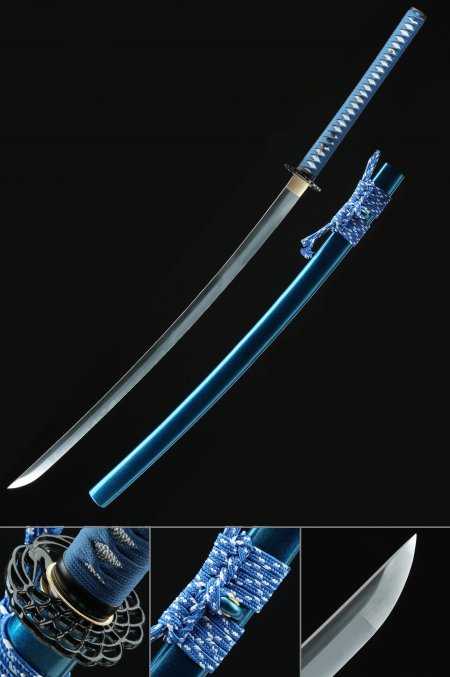
Clay Tempered T10 Carbon Steel Katana with Blue Ito Handle and Black Flower Tsuba - Full Tang Japanese Sword Clay Tempered T10 Carbon Steel Katana with Blue Ito Handle and Black Flower Tsuba - Full Tang Japanese Sword
Mv Elias Kansas, United States

I buy swords from True Katana because they are pretty okay. I practice tameshigiri with them. They hold up fine.r
What DOESN'T hold up fine is this company itself. They once sent me a dinged and pockmarked shinobi. When I sent pictures and pointed out the damage, they were insolent and rude and dismissive. They didn't even try to reconcile with me.r
I recommend performance Katanas from this company; but you better pray they show up okay because this company's customer service is complete and utter garbage.

Clay Tempered T10 Carbon Steel Katana with Blue Ito Handle and Black Flower Tsuba - Full Tang Japanese Sword Clay Tempered T10 Carbon Steel Katana with Blue Ito Handle and Black Flower Tsuba - Full Tang Japanese Sword