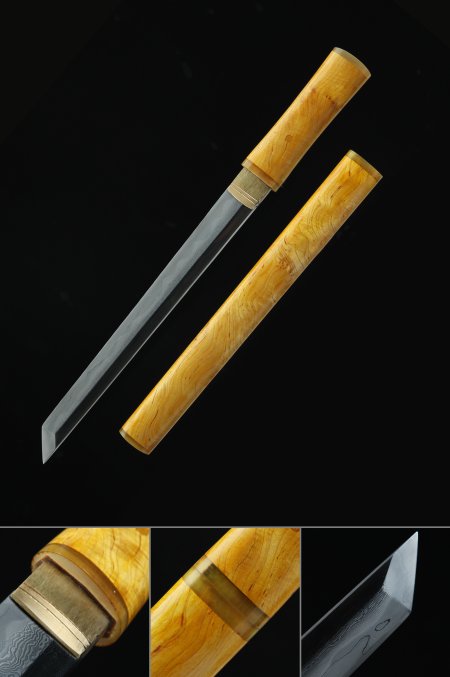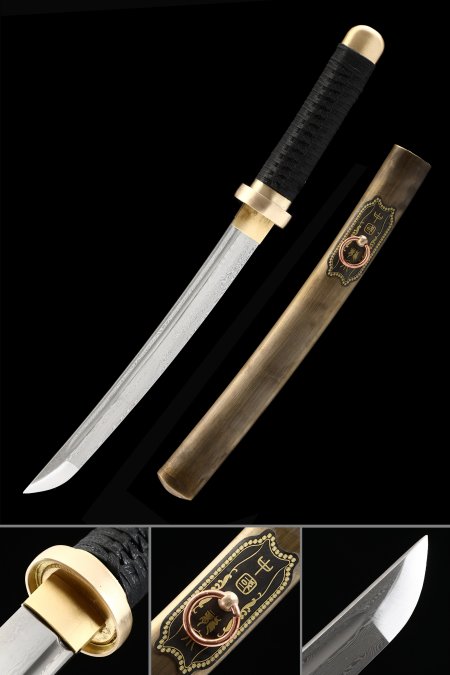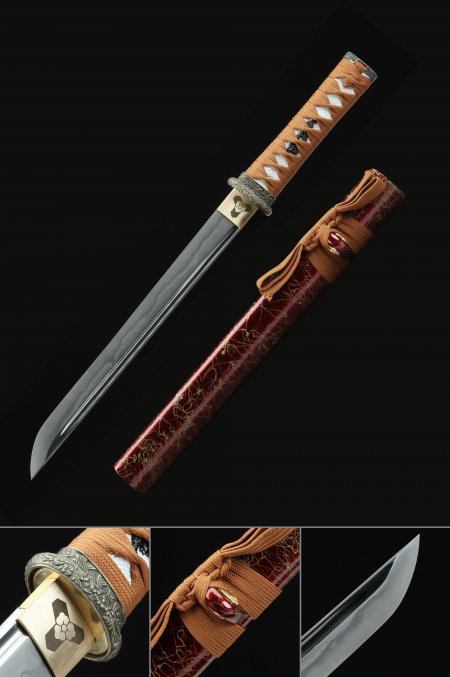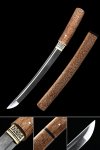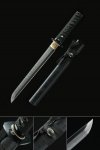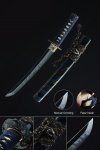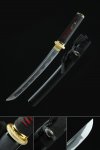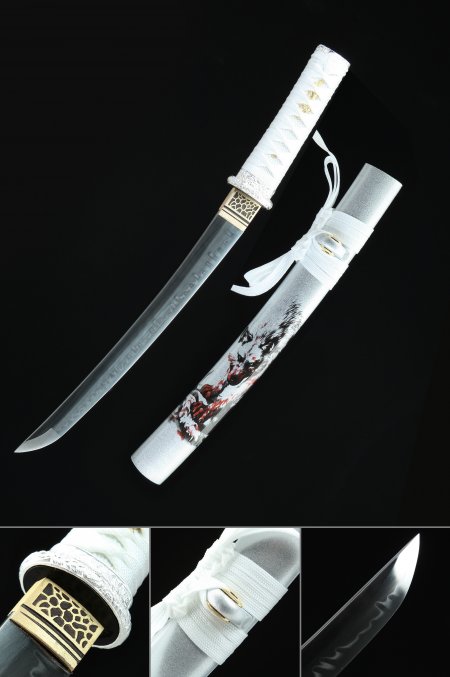
Real Hamon Tanto

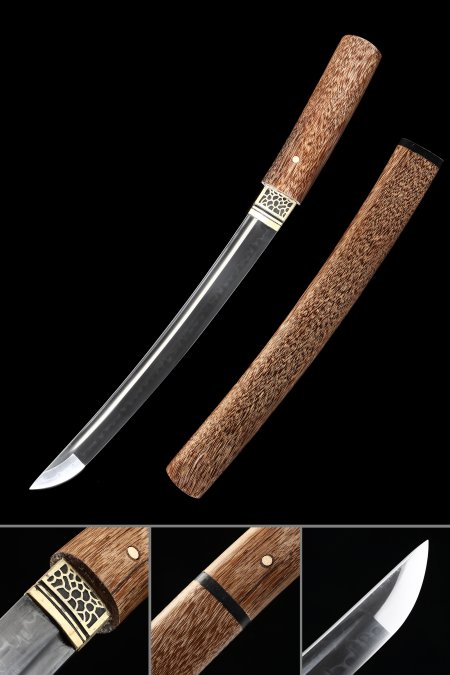
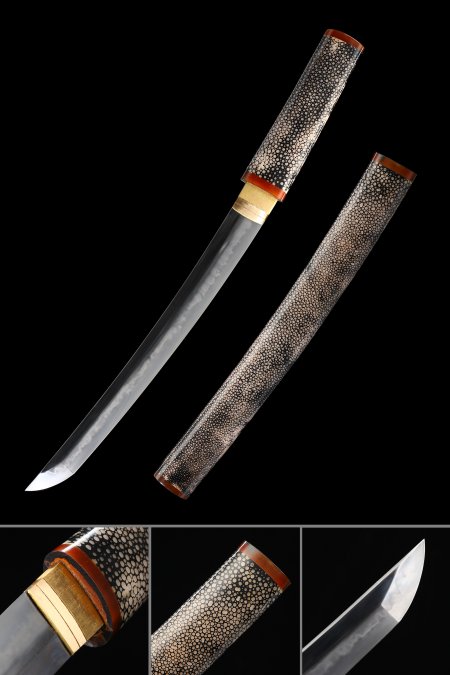
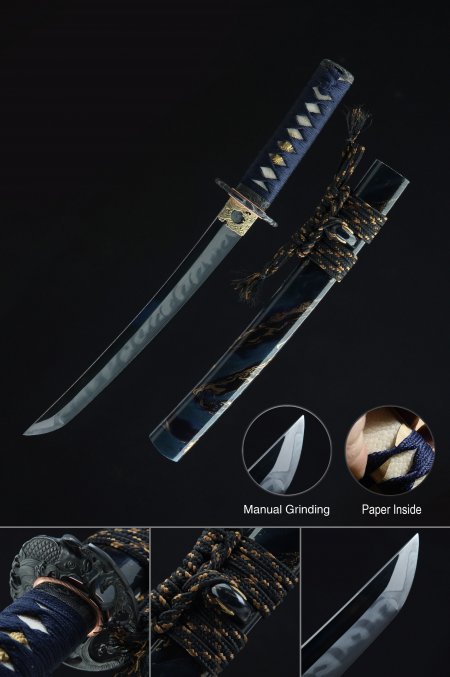
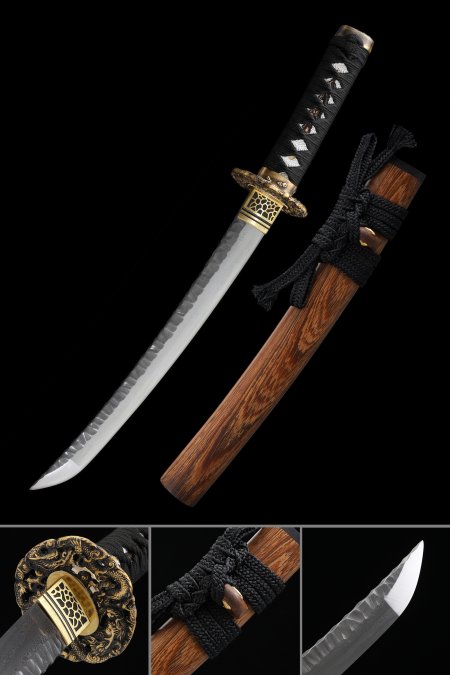
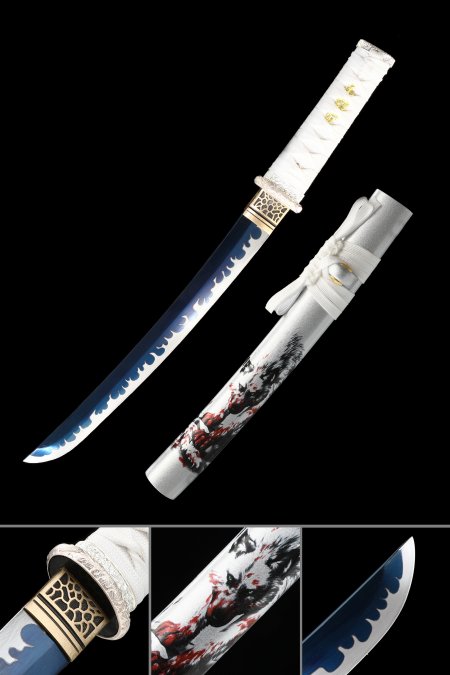
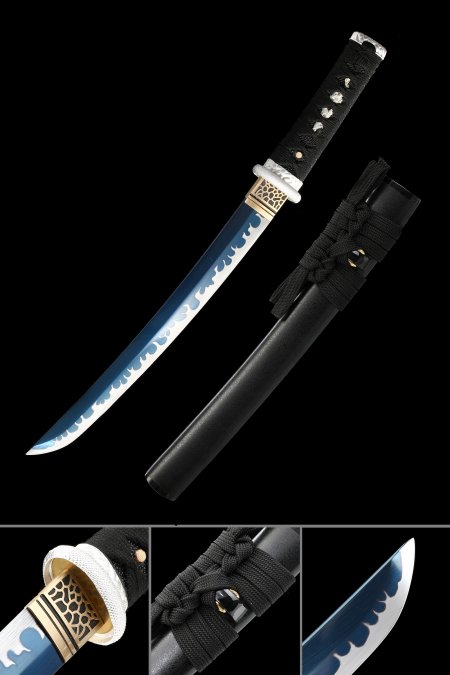
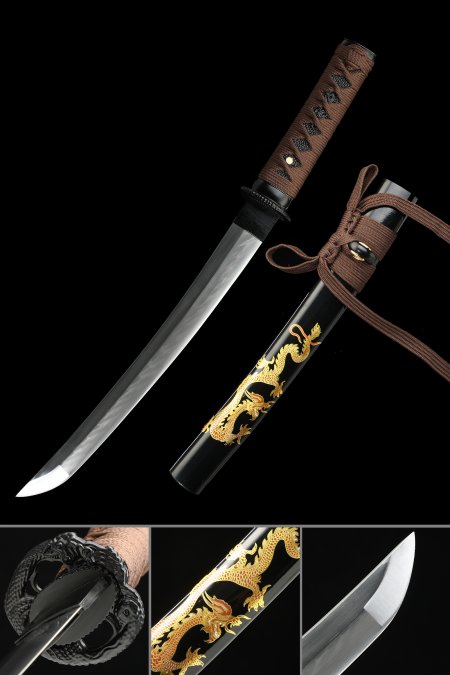
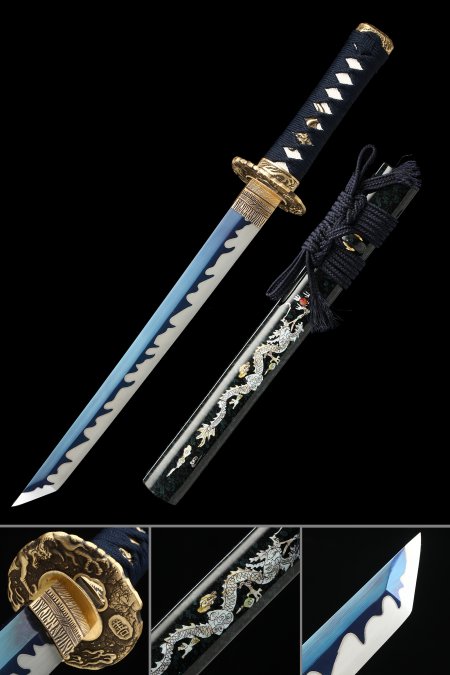
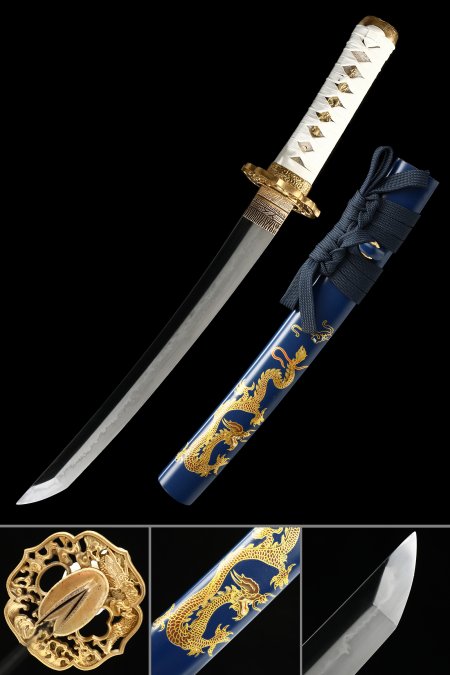
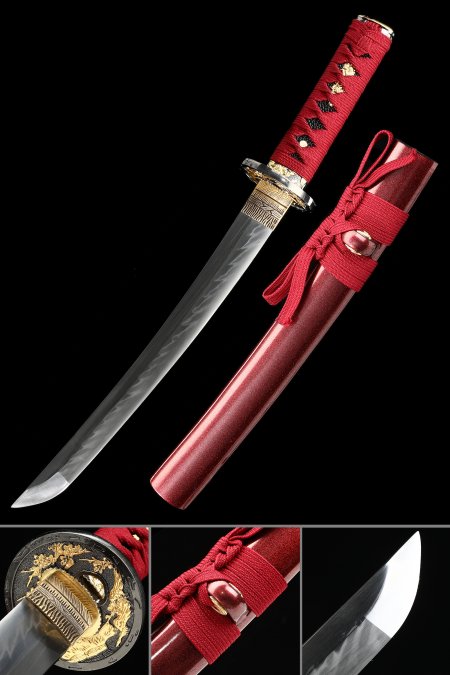
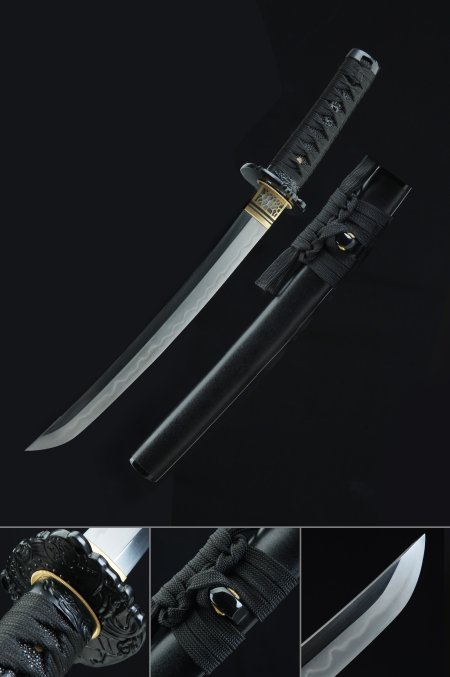
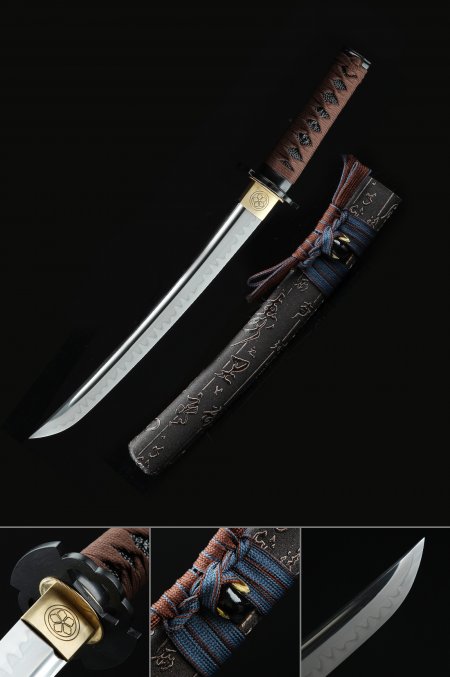
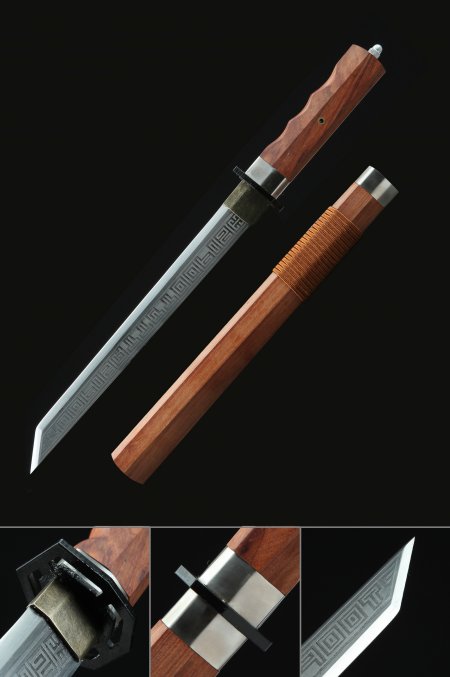
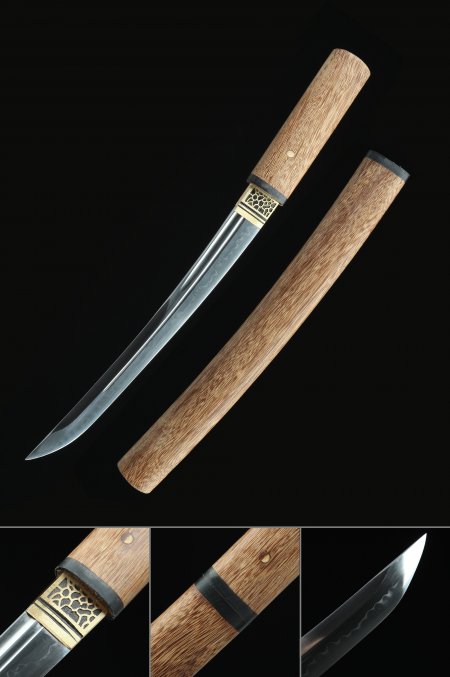
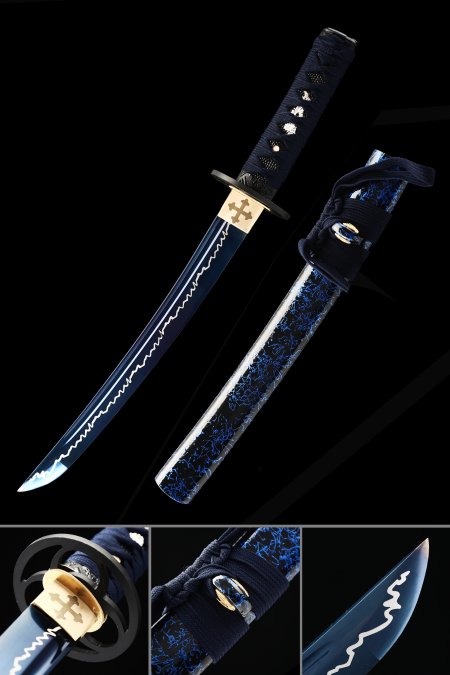
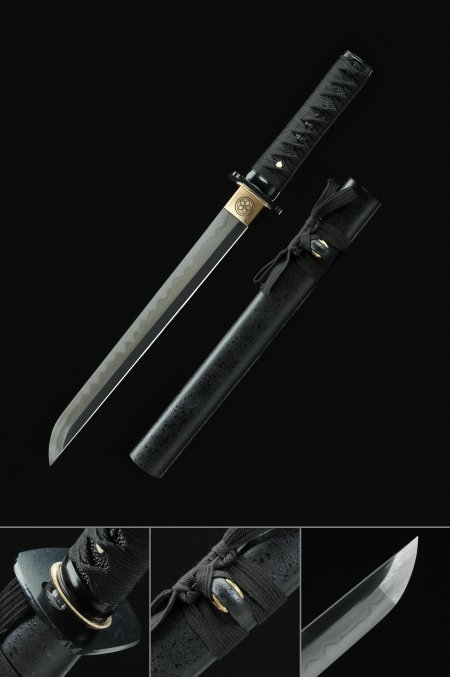
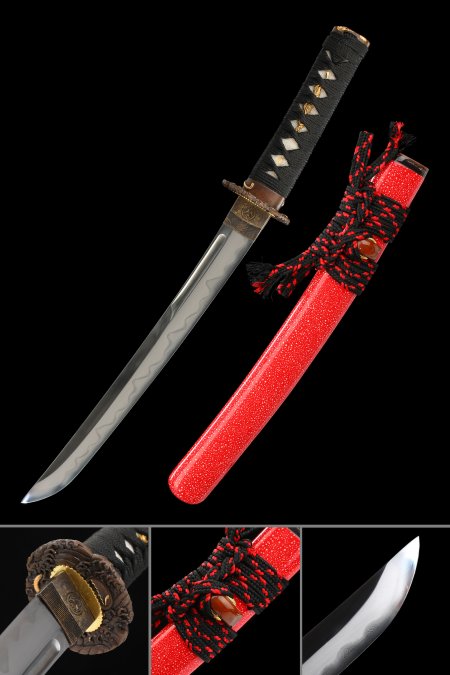
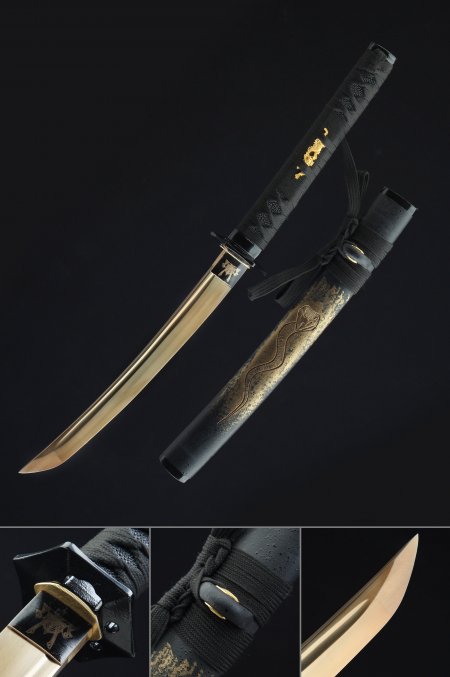
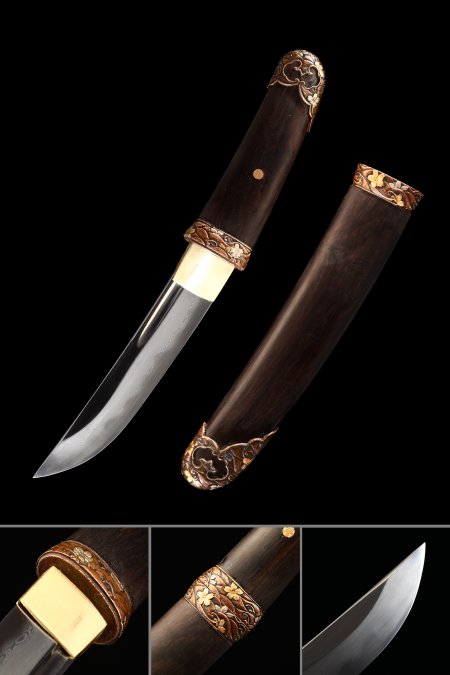
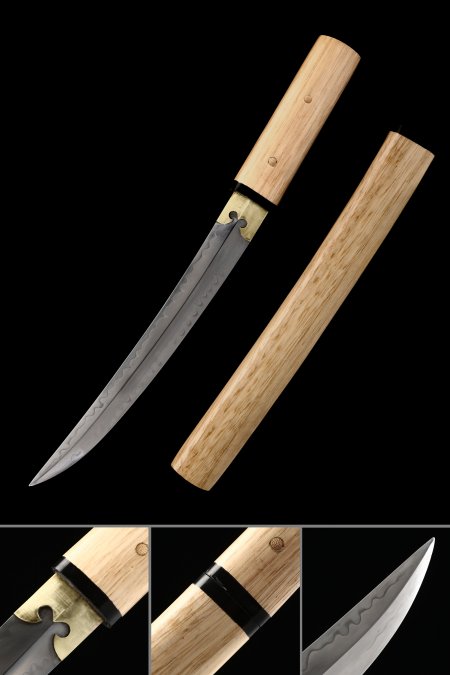
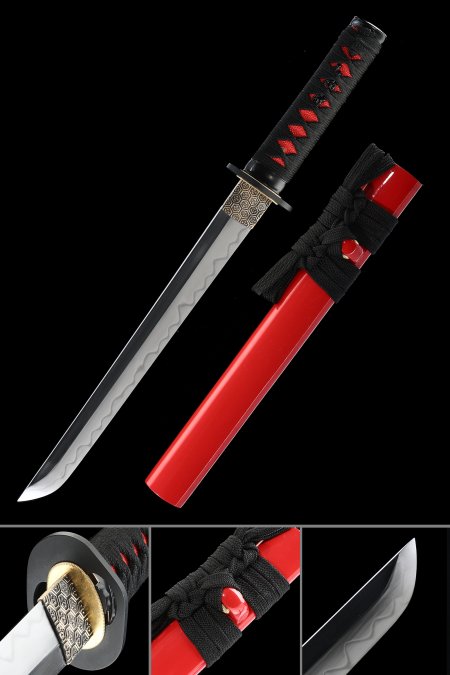
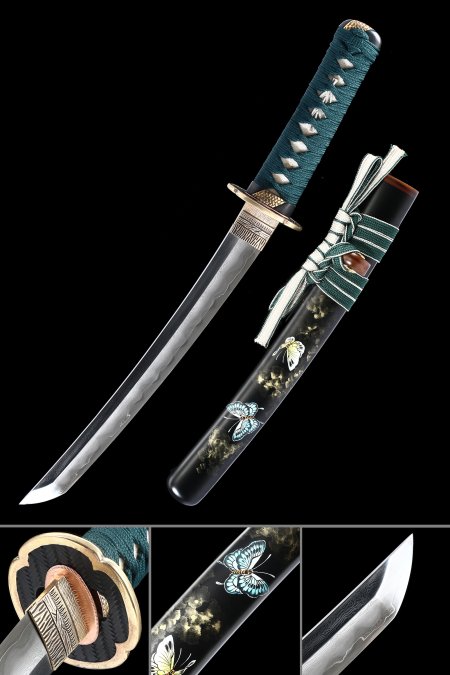
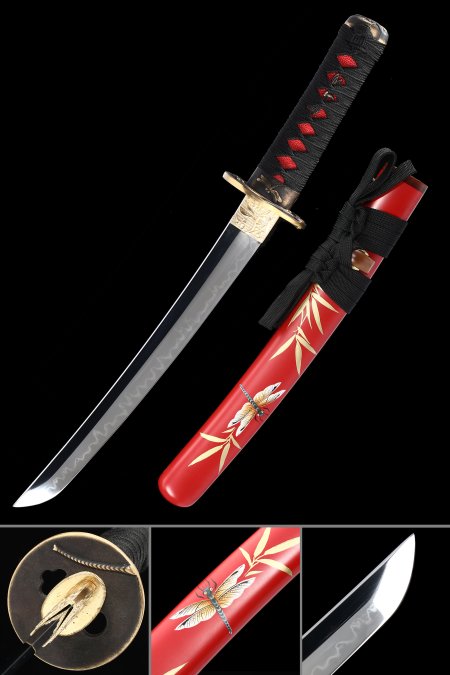
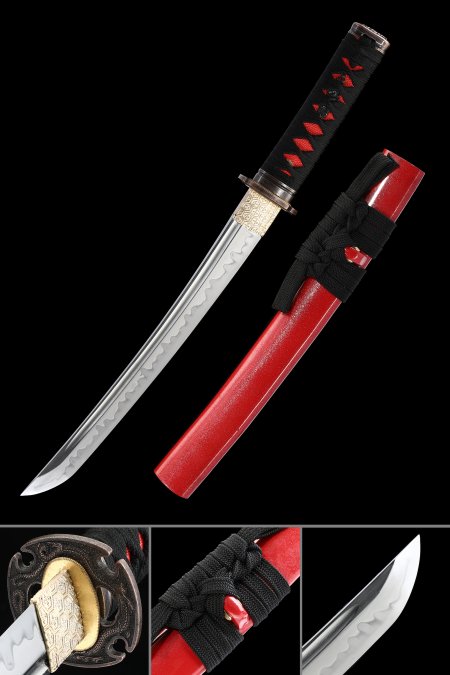
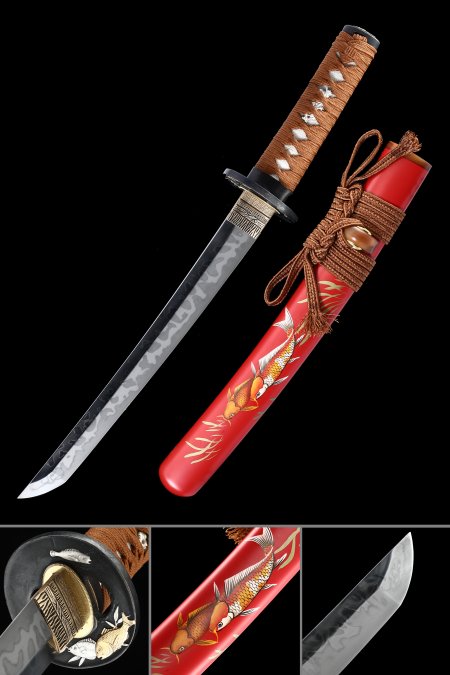
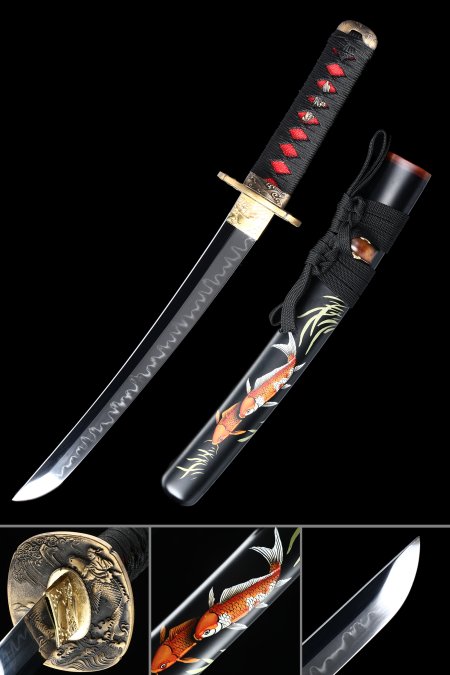
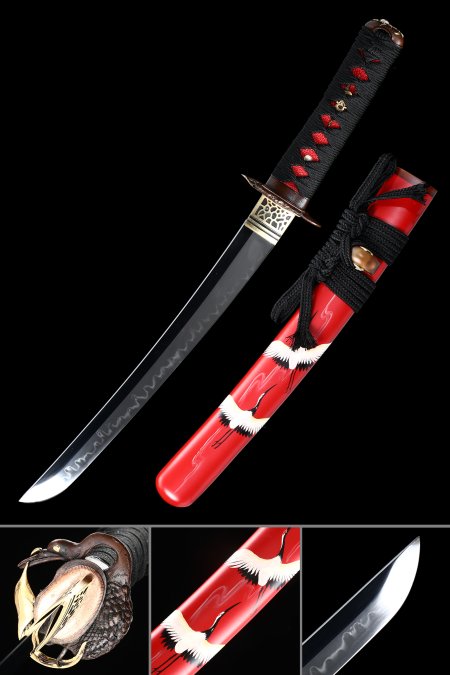
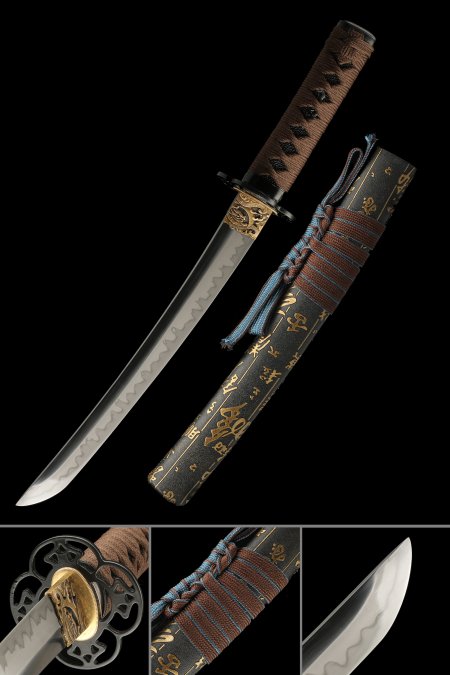
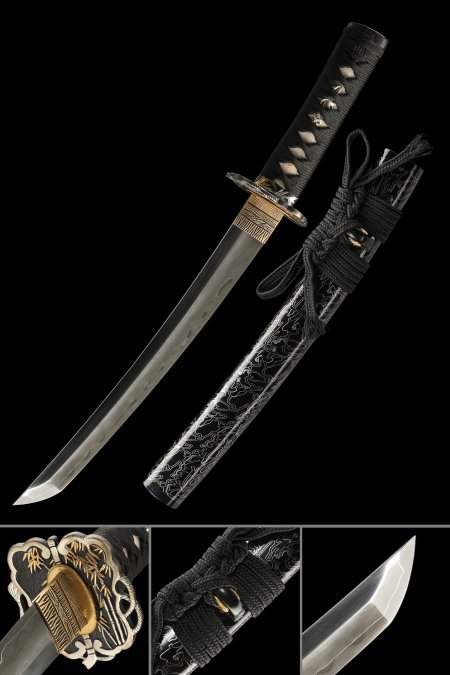
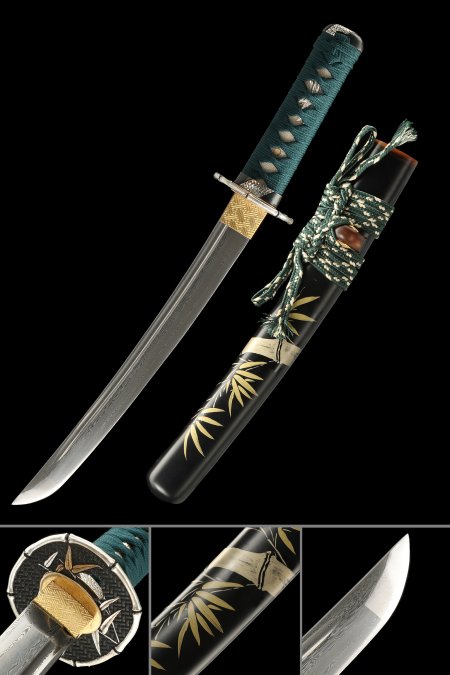
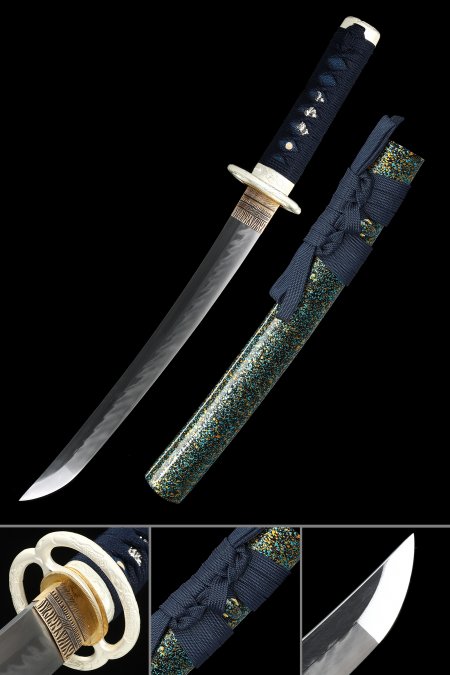
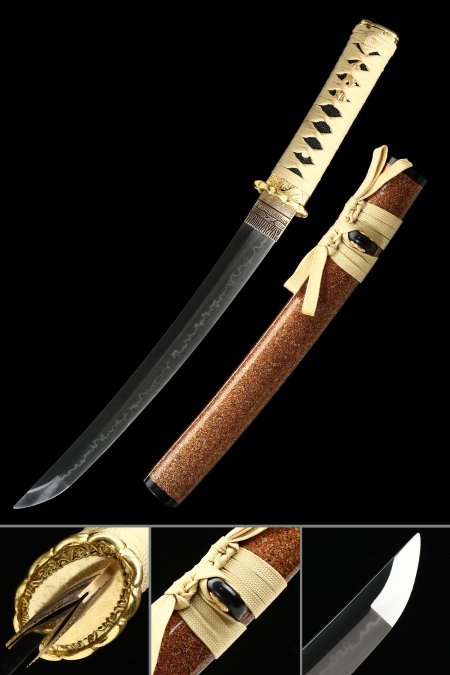
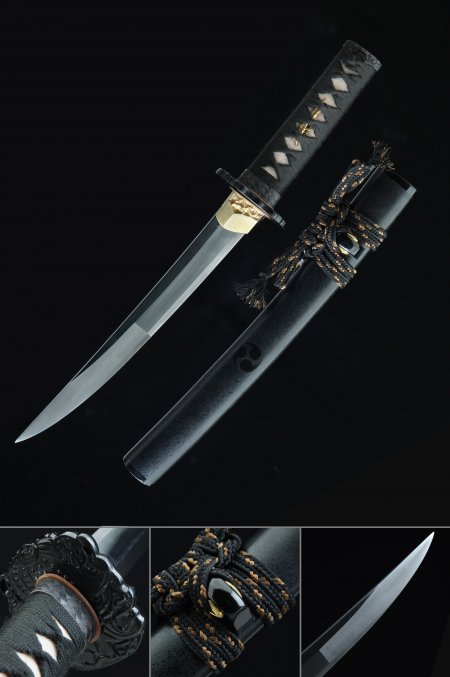
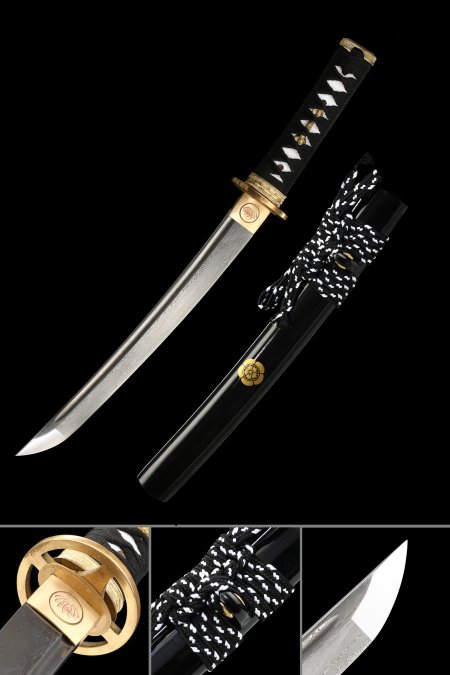
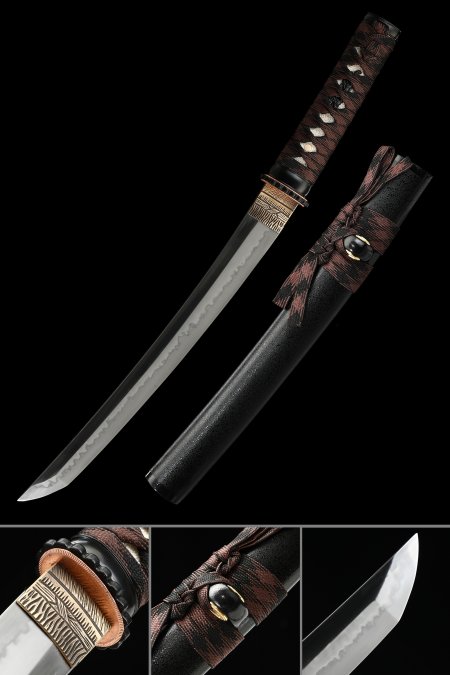
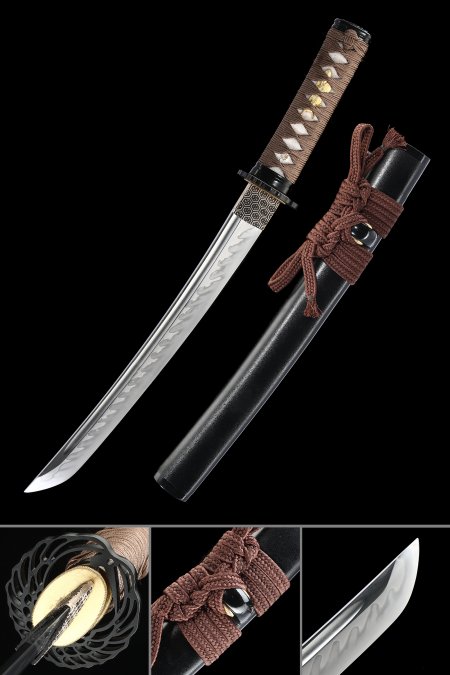
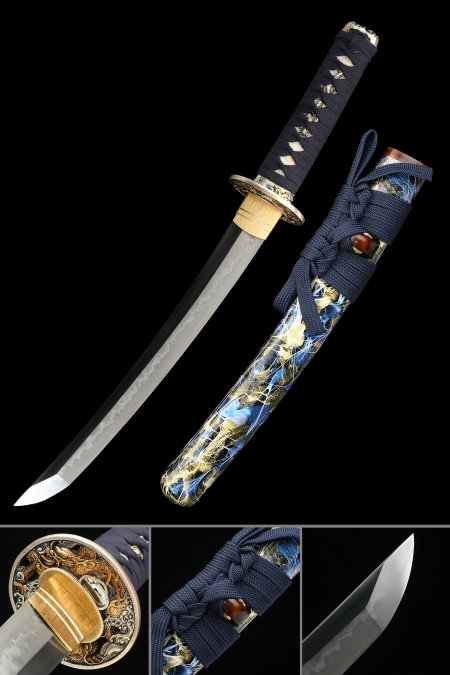
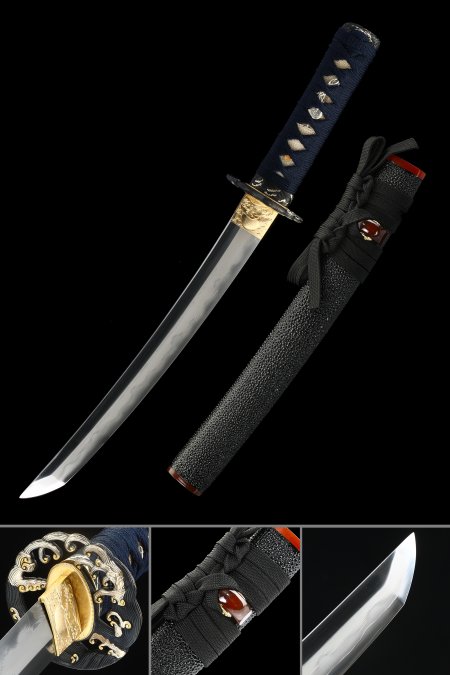
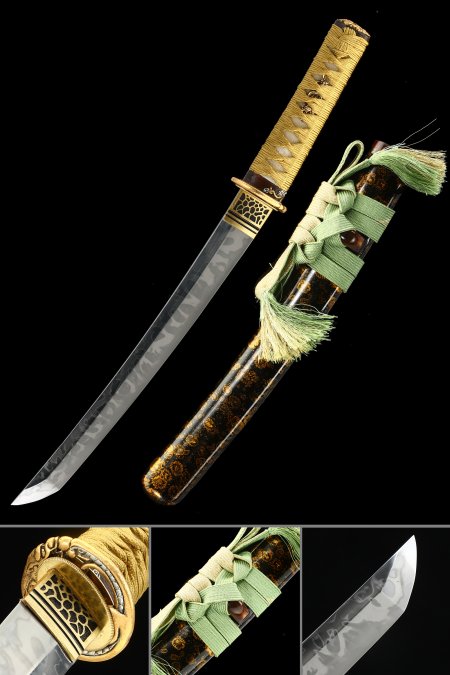
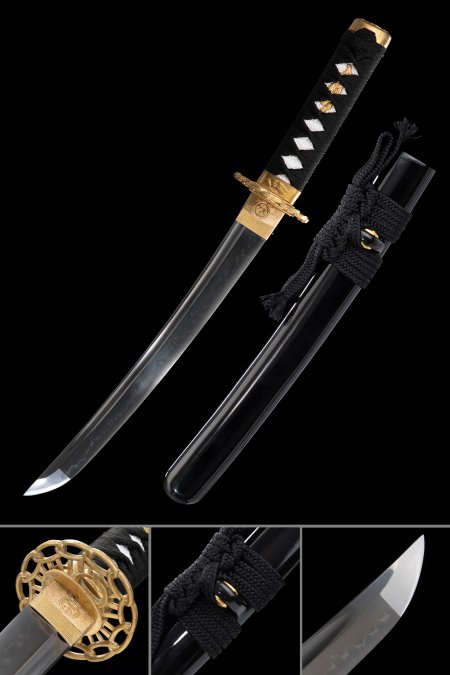
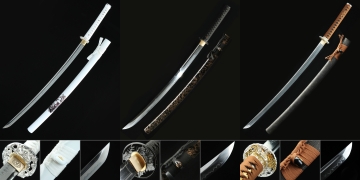
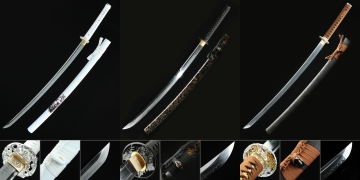
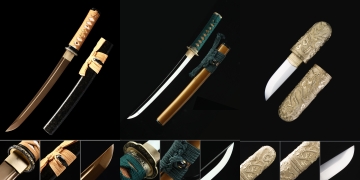
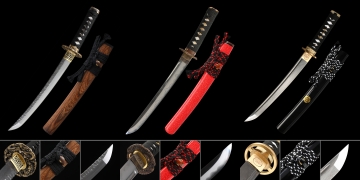
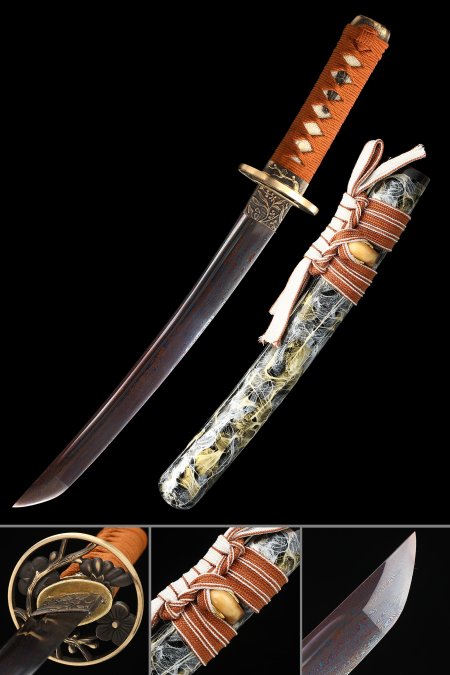
Explore our Real Hamon Tanto collection — hand-forged Japanese short swords featuring authentic clay-tempered hamon lines produced through traditional differential hardening. Crafted from premium steels including T10, Damascus, and high-carbon varieties, each tanto displays a unique temper pattern that reflects genuine mastery of classical metallurgy. Every order ships with free shipping and hassle-free returns.
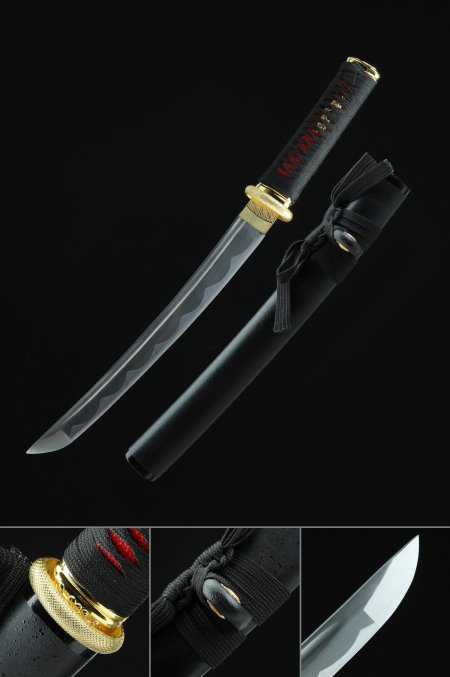
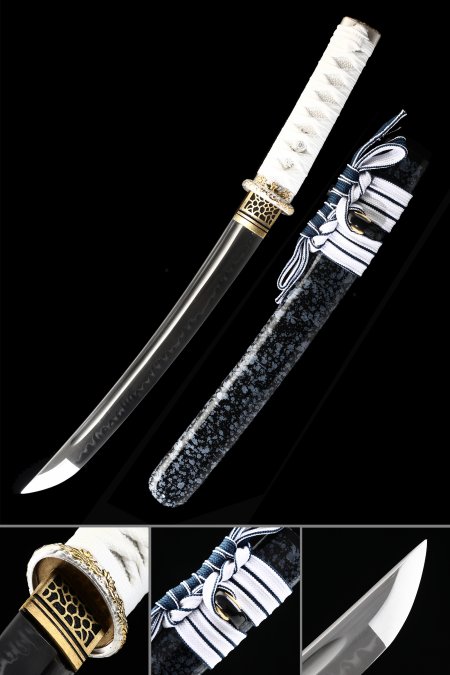
Showing 114 Products

Related Collections

Real Samurai Sword119 items


352 Reviews

Real Katana86 items


247 Reviews

Golden Tanto3 items


13 Reviews

Damascus Japanese Tanto25 items


17 Reviews

Frequently Asked Questions

What makes a real hamon different from an etched hamon?
A real hamon is created through differential clay tempering during the quenching process. The smith coats the spine and flat of the blade with a thick layer of refractory clay while leaving the edge thinly coated or exposed. When the heated blade is plunged into water or oil, the edge cools rapidly and forms hard martensite, while the insulated spine cools slowly into softer pearlite. The visible boundary between these two crystalline structures is the hamon. An etched hamon, by contrast, is a cosmetic pattern applied with acid on a uniformly hardened blade — it has no structural significance. You can distinguish a genuine hamon by examining it under different lighting angles: the line will show depth and subtle texture changes rather than a flat, printed appearance, because it reflects an actual transition in the steel's microstructure.
Which steel types are used in these real hamon tanto?
This collection features several steels chosen for their compatibility with clay tempering. T10 tool steel is the most common — its elevated carbon content (around 0.95–1.04%) plus trace tungsten allows it to form dramatic, high-contrast hamon lines and hold an edge well. Damascus steel billets, folded from alternating layers of high- and low-carbon steel, produce visible grain patterns that interact beautifully with the hamon beneath. You will also find 1045 carbon steel models that offer a balance of toughness and affordability, as well as manganese steel pieces valued for their resilience. Each steel responds slightly differently to the clay-tempering process, which means no two hamon patterns are identical even within the same steel category.
How should I care for a clay-tempered tanto on display?
Regular maintenance keeps the hamon visible and the blade in excellent condition. After handling, wipe the entire blade with a soft, lint-free cloth to remove fingerprint oils, then apply a thin coat of choji oil (clove oil) using a flannel pad. This prevents oxidation and enhances the contrast of the temper line. Store the tanto in its saya in a room with stable humidity — ideally between 40% and 55% relative humidity — to protect both the steel and any natural wood or lacquer components. Avoid silicone-based sprays, as they can leave a film that obscures the hamon over time. If you display the tanto on an open stand, re-oil it every two to four weeks depending on your local climate.
What is an aikuchi mount and how does it differ from a tsuba mount?
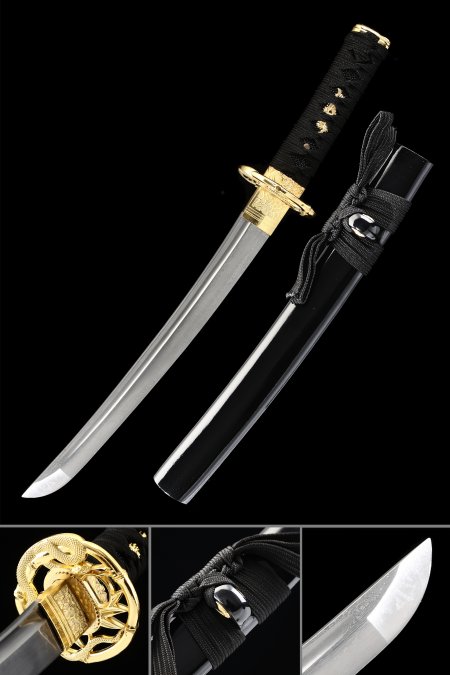
An aikuchi is a traditional Japanese mounting style that omits the tsuba (hand guard) entirely, creating a sleek, uninterrupted transition from handle to saya. The habaki collar fits flush against the mouth of the scabbard, giving the tanto a streamlined silhouette historically associated with court tanto and concealed carry pieces in feudal Japan. A tsuba-mounted tanto, on the other hand, features a metal guard between the handle and blade that adds visual weight and a distinct design element — often featuring motifs like eagles, dragons, or clan crests in gold-tone alloy or iron. Both styles in this collection are full-tang constructions, so the choice comes down to aesthetic preference and the historical period you wish to represent in your display.
Are these real hamon tanto suitable as collectible gifts?
Absolutely. A clay-tempered tanto with a genuine hamon makes a meaningful gift for anyone interested in Japanese culture, traditional metalwork, or edged-art collecting. Each piece arrives with its own fitted saya and is ready for immediate display, so the recipient does not need additional accessories. Models with distinctive finishing — such as piano-lacquer scabbards, kanji-engraved leather wraps, or gold-fitting koshirae — add a presentation-quality touch. Because every hamon pattern is one of a kind, the gift carries an inherent uniqueness that mass-produced replicas cannot match. Pairing a tanto with a complementary piece from the Damascus Tanto Sword or Real Short Sword collections can elevate the gift into a curated starter set for a new collector.

Customer Reviews