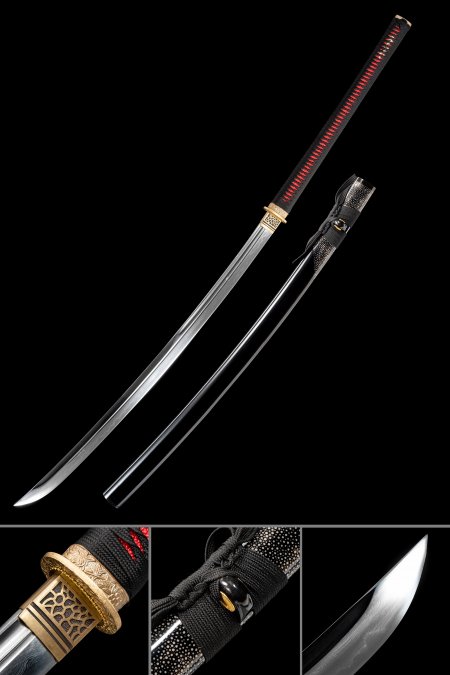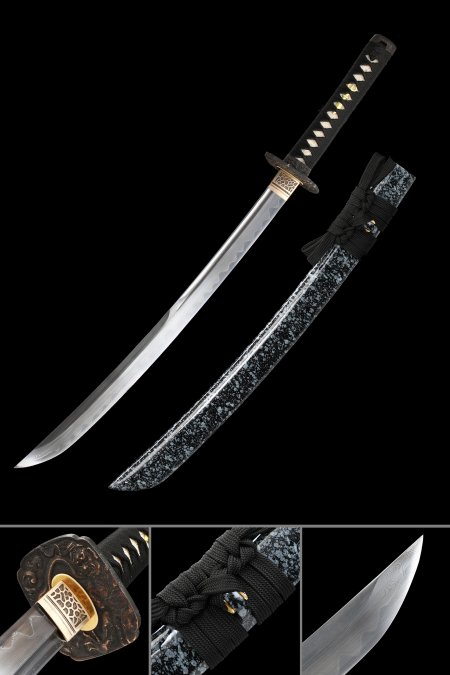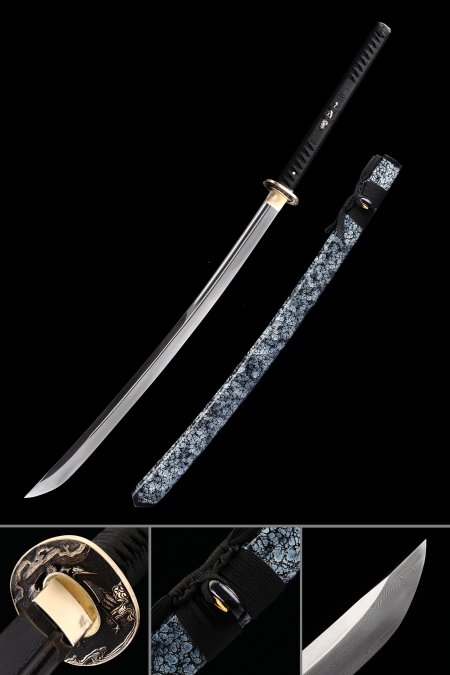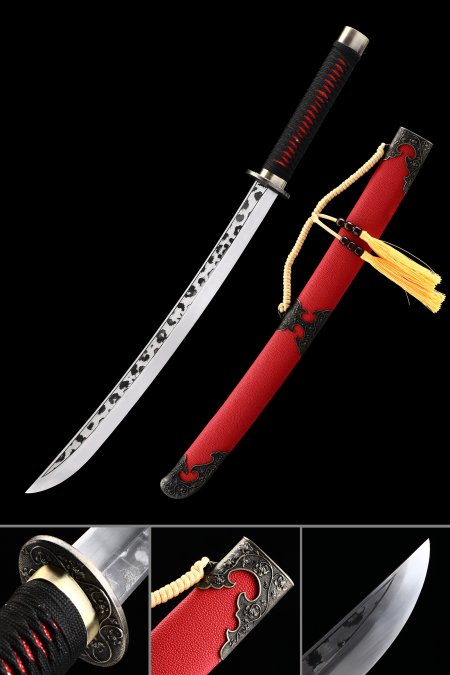
Samurai Naginata

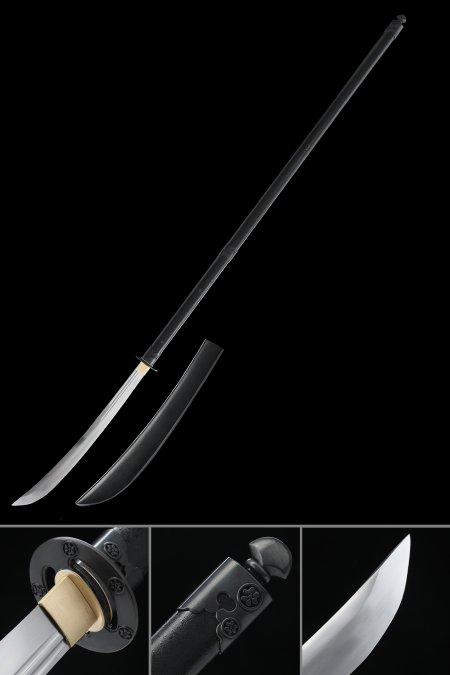
Explore our collection of samurai naginata swords - hand-forged Japanese naginata polearm blades in T10 carbon steel, Damascus steel, and Manganese Steel with full-tang construction, featuring the traditional long curved blade on an extended pole handle that was a primary weapon of the Japanese samurai and warrior monks for centuries. Free US shipping and hassle-free returns included.
Showing 12 Products

Related Collections

1065 Katana31 items


192 Reviews

Beautiful Katana84 items


887 Reviews

Frequently Asked Questions

What is the historical role of the naginata in Japanese samurai culture?
The naginata occupied a distinctive role in Japanese samurai culture that was both martial and social. In battle, the naginata was used extensively by samurai infantry and cavalry across the Heian, Kamakura, and early Muromachi periods: the extended reach of the polearm blade made it effective for sweeping cuts against cavalry horses and for controlling space against multiple opponents in a way that the shorter katana could not replicate. The warrior monks of powerful Buddhist temples such as Enryakuji on Mount Hiei were particularly associated with the naginata, and these sohei warrior monks were among the most feared forces of the medieval period. From the Muromachi period onward, as firearms changed the nature of Japanese warfare, the naginata gradually shifted from a primary battlefield weapon to a martial art studied by women of the samurai class - naginatajutsu was taught to samurai daughters as a defensive art appropriate to protecting the home estate. This female martial association means the naginata occupies a unique position in Japanese sword culture as both a powerful historical military weapon and a martial form associated with female samurai warriors.
What steel grades are used in samurai naginata blades?
Samurai naginata blades in this collection are built from high-carbon steel grades appropriate to serious Japanese sword collecting. T10 carbon steel is used in clay-tempered naginata pieces where the differential heat treatment creates a visible hamon along the blade length. On a naginata blade, the hamon runs the full extended blade length without the interruption of a tsuba guard, creating a particularly dramatic and visually compelling temper line presentation. The long blade surface of the naginata allows the hamon pattern to develop through its full sequence of activity, from the habaki area through the mid-blade to the kissaki tip, in a way that can be thoroughly appreciated on examination. Damascus steel naginata blades feature fold-forged layered patterning visible across the full curved blade surface, creating individual pieces where the blade pattern is unique to each specific item. Manganese Steel is used in the red blade treatment naginata for its exceptional surface hardness and the vivid finish quality appropriate to the bold color configuration.
How does the naginata blade construction compare to a katana of the same steel grade?
Naginata blade construction and katana construction share the same fundamental requirements - high-carbon steel, proper heat treatment, full-tang construction through the pole handle - but differ in blade length, proportions, and the handle system. A naginata blade is typically shorter than a katana blade in absolute length because the naginata's total reach comes from the combination of blade and extended pole handle rather than from blade length alone. The naginata blade's curvature is designed for sweeping cuts at polearm reach, which produces a slightly different blade geometry than the katana. The full-tang construction on a naginata runs from the blade's tip through the blade's base into a socket or tang system that fits within the wooden pole handle, securing the blade with a mekugi-equivalent retention system. The wooden pole handle is typically significantly longer than a katana's handle, extending the total reach of the complete piece to dimensions that require dedicated display and storage solutions.
What display options work for a samurai naginata in a sword collection?
Displaying a samurai naginata requires planning for its extended total length, which is significantly greater than any katana or wakizashi in the same collection. Floor-standing sword racks designed to accommodate polearm lengths are the most practical display solution for naginata: a dedicated floor rack positions the naginata vertically or at an angle that shows the full blade and pole combination. Some collectors prefer a horizontal wall mount using extended brackets that can support the full naginata length horizontally - this presentation shows the blade curvature and the full profile of the blade-to-pole assembly simultaneously. The naginata's extended format means it typically functions as a statement piece in the collection rather than one piece among many: its physical presence commands significant display space and attention relative to the katana and other Japanese swords alongside it. In terms of display context, a naginata is most effectively displayed alongside katana and wakizashi pieces that represent the same Japanese sword tradition, where the naginata's distinctive format creates visual contrast with the shorter blade forms while remaining within the same cultural and aesthetic framework.

Customer Reviews

Eli Mohr New York, United States

Overall good weapon nice cutting and feel but something wrong with the glue job inside the saya as it would keep getting on the blade no matter how many times said saya cleaned it and washed it out with soap and water until I cut it in half and removed it and did my own glue job which seemed to fix that but yea cause of that I can’t give it a 5 star I’m sure you’d understand
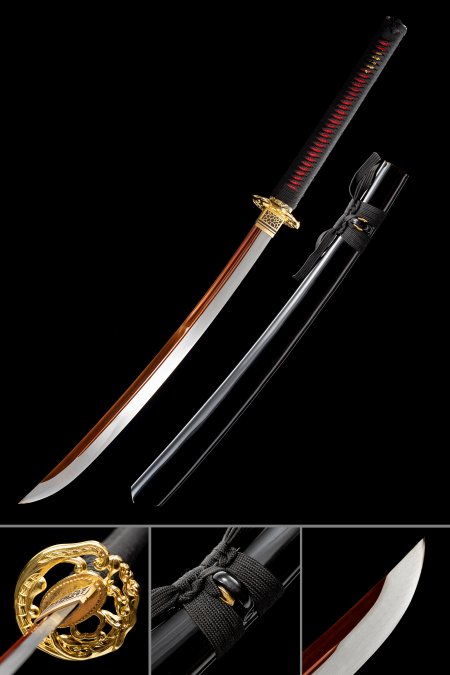
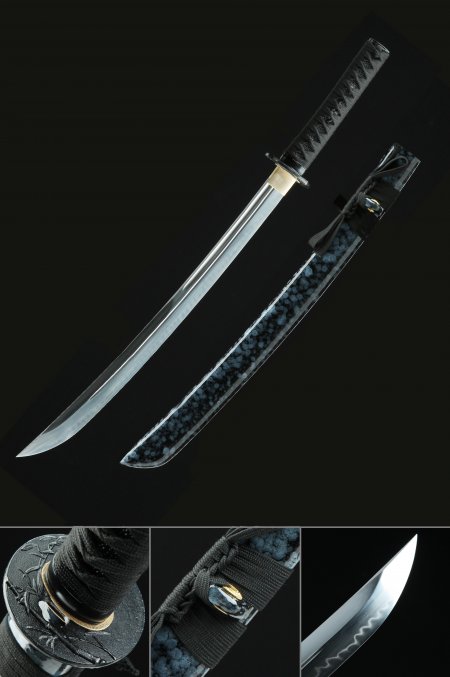
1060 Carbon Steel Japanese Naginata - Black Hardwood Saya, Full Tang, Hand Forged Polearm 1060 Carbon Steel Japanese Naginata - Black Hardwood Saya, Full Tang, Hand Forged Polearm
Michael E Glass Indiana, United States

The swords arrived 7-8 days after they were shipped. I had received an email confirming the order when I placed it, however I did not receive an email when it shipped, so I didn't know to look for them. They may have been outside a day before I noticed the boxes. With that said the boxes arrived in good shape with no obvious shipping damage. I'm not the biggest fan of the all styrofoam containers, due to it being a little messy when opening the packaging, but I can't deny it did an excellent job in protecting the swords as they arrived in perfect condition. I haven't had a chance to cut any water bottles yet, but all of the swords seem reasonably sharp. Everything seems well built with no obvious defects that I can tell at this time.

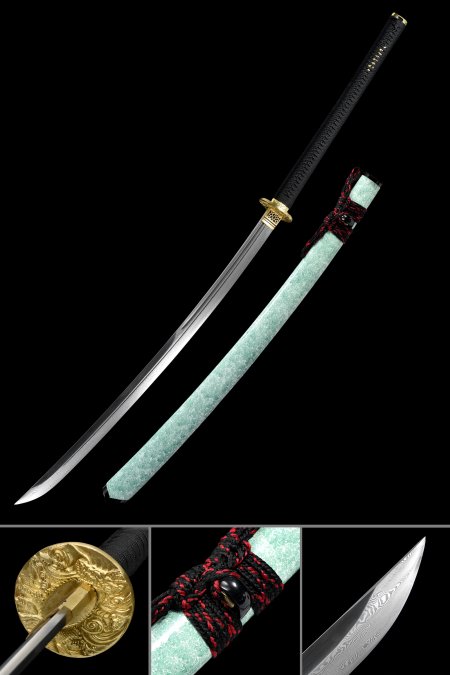
Fuuun Kairyuu Damascus Naginata - Pattern Steel, Green Saya, Copper Tsuba, Full Tang Fuuun Kairyuu Damascus Naginata - Pattern Steel, Green Saya, Copper Tsuba, Full Tang
Cosmos Wrenn Tennessee, United States

My first Naganata. I'm hooked. The most solid and we'll balanced sword I have purchased yet. The wooden Saya is a thing of beauty. The entire sword is gorgeous from top to bottom. It came perfect out of the box. Sharp, no rattles, fits perfectly in the saya. It will be my main blade to practise with going forward. Great job!
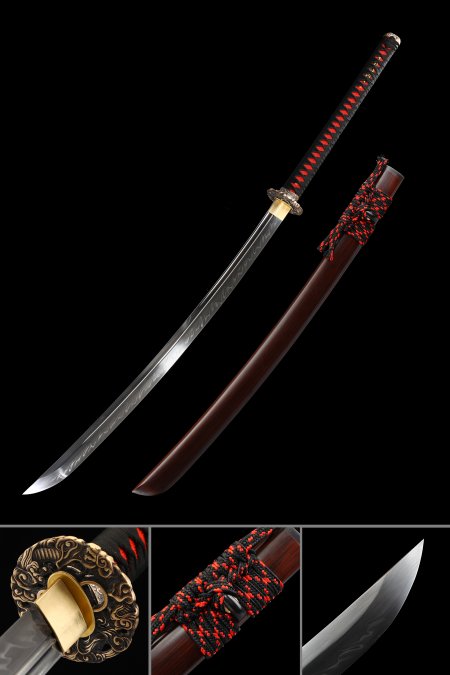
T10 Naginata - Handcrafted Clay Tempered Steel, Real Hamon, Red Saya, Wave Tsuba, 118cm T10 Naginata - Handcrafted Clay Tempered Steel, Real Hamon, Red Saya, Wave Tsuba, 118cm
Shawn P Franco New Mexico, United States

I have to say I'm impressed with the high quality and astounding prices. Here is my latest acquisition on the top tier. Extremely satisfied with this company's vast array of offerings. Very good business model ends up a win for all involved in any transaction. TRUEKATANA HAS IT NAILED!! Many thanks.
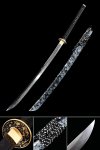
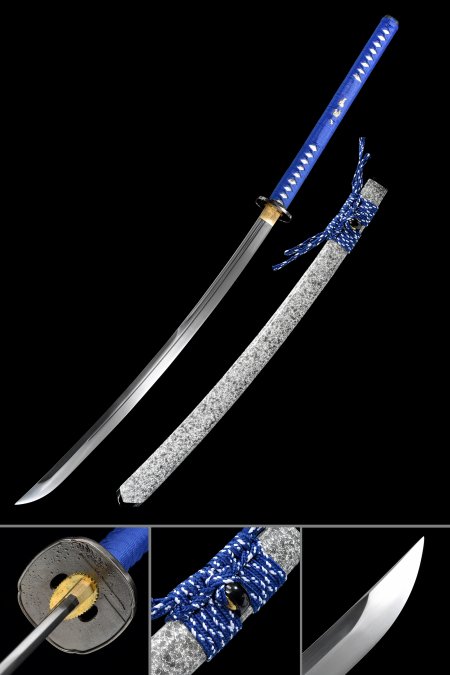
T10 Clay Tempered Naginata - Handcrafted Folded Steel, Real Hamon, Blue Saya, 118cm T10 Clay Tempered Naginata - Handcrafted Folded Steel, Real Hamon, Blue Saya, 118cm