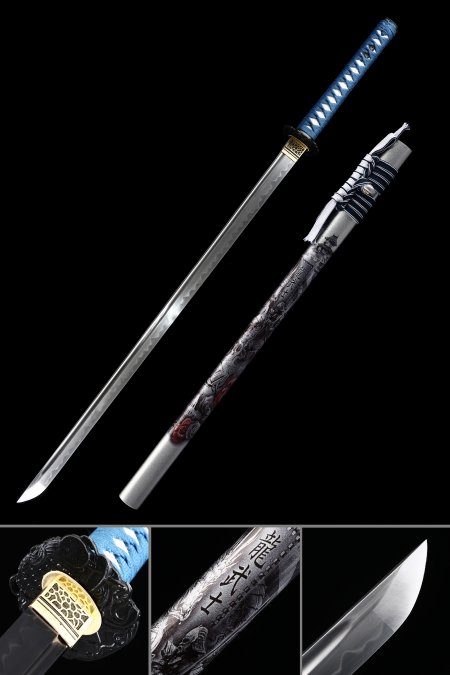
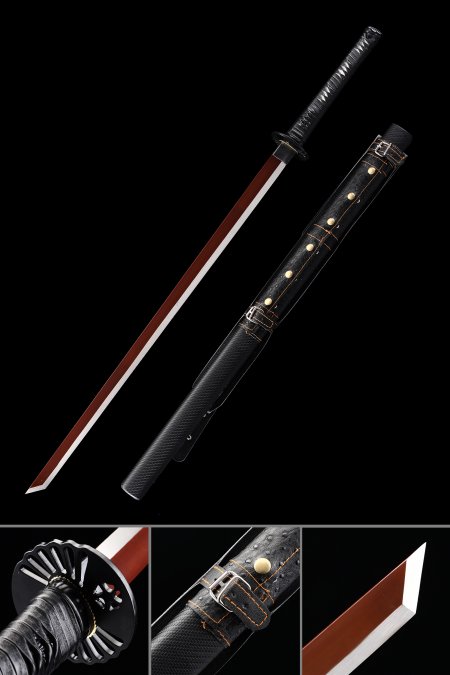
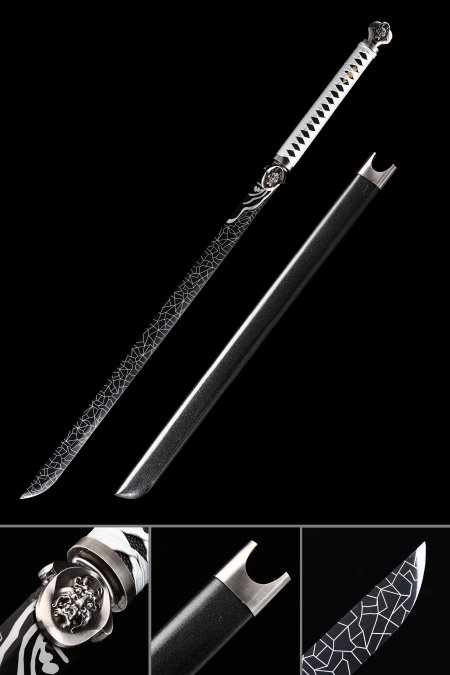
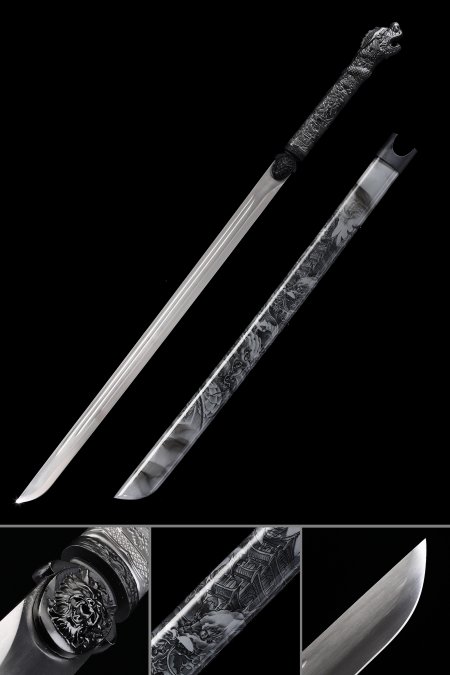
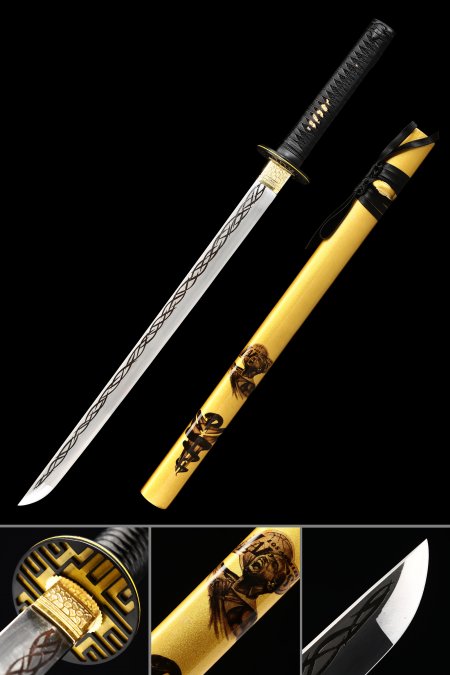
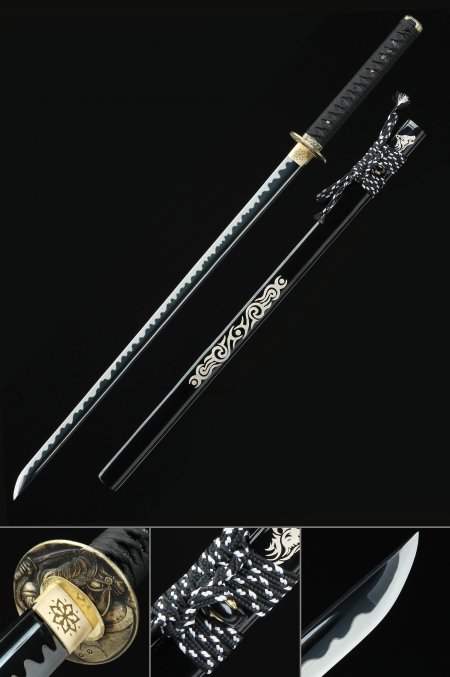
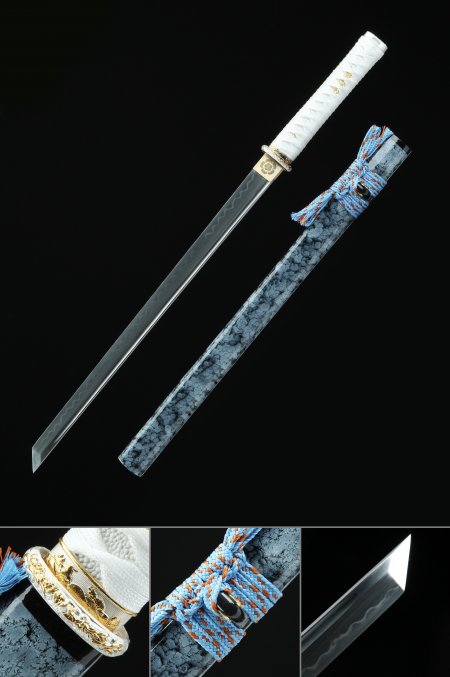
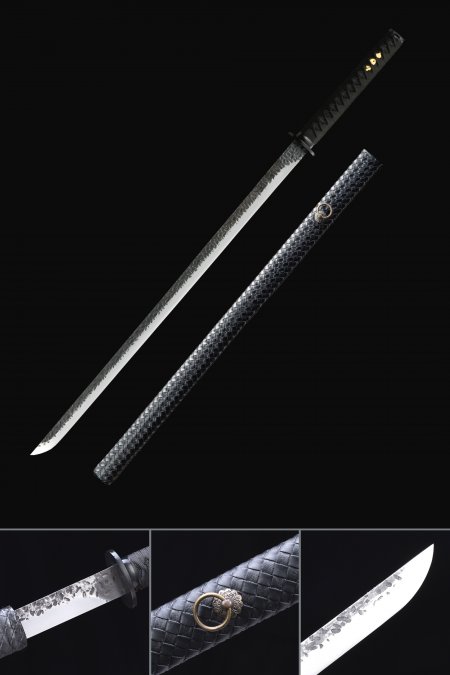
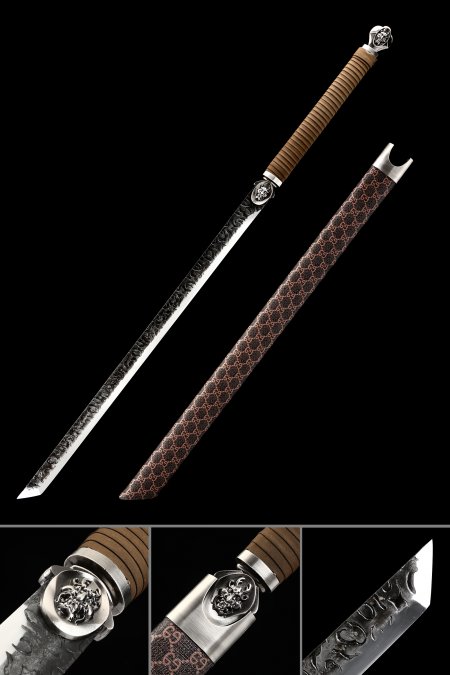
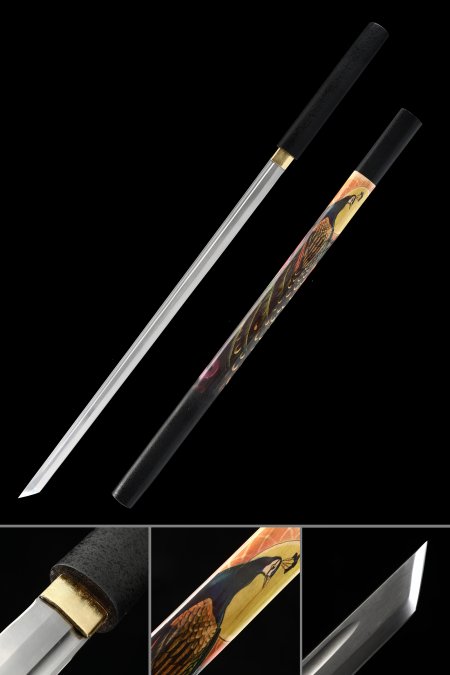
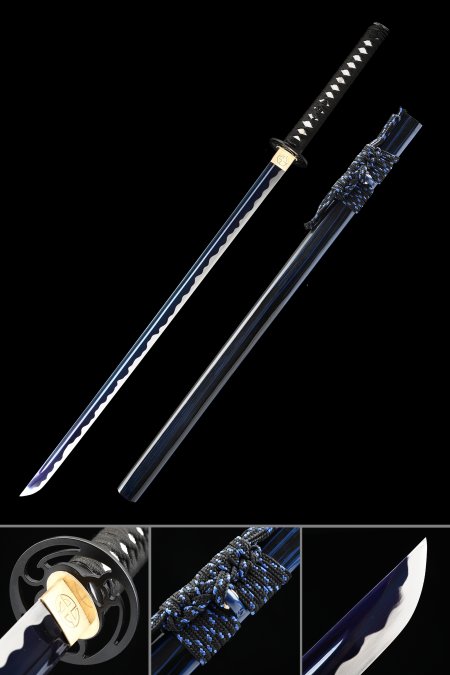
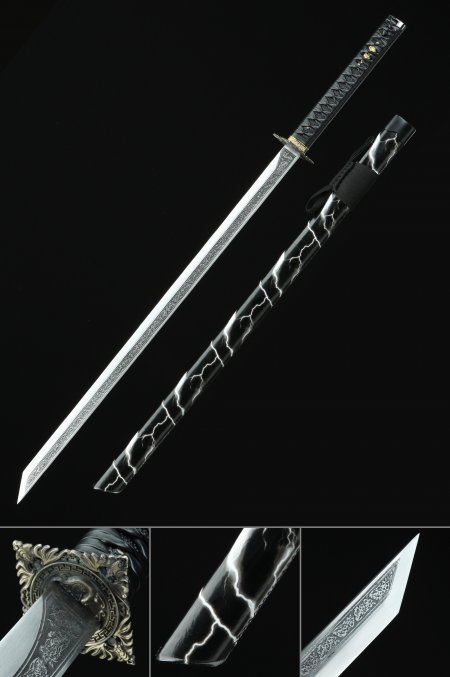
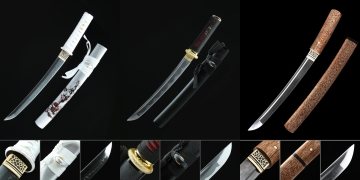
How does sharpening technique differ between straight ninjato blades and curved katana blades in pra
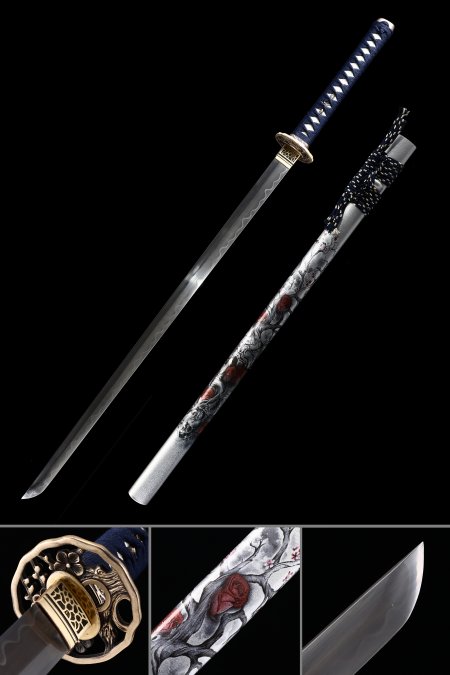
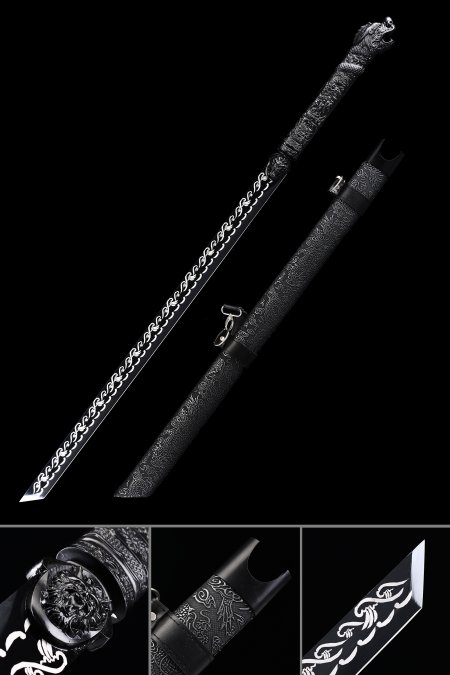
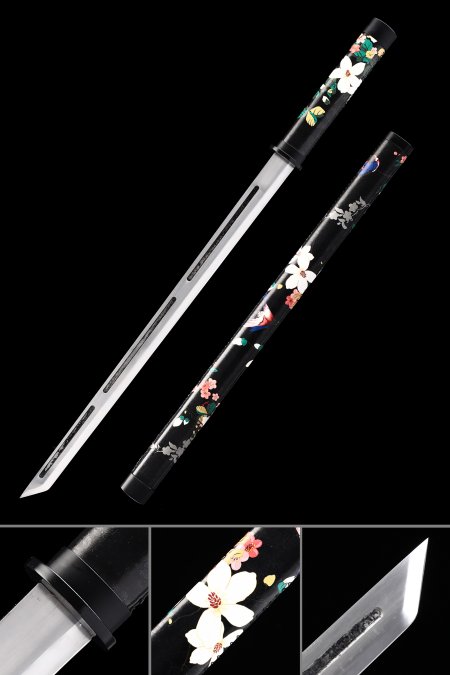
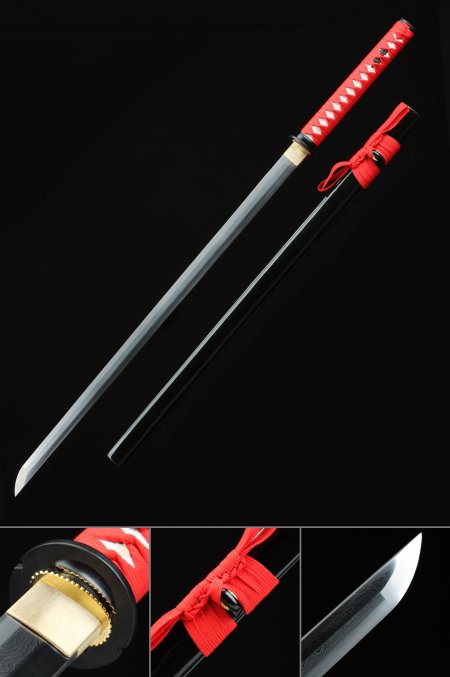
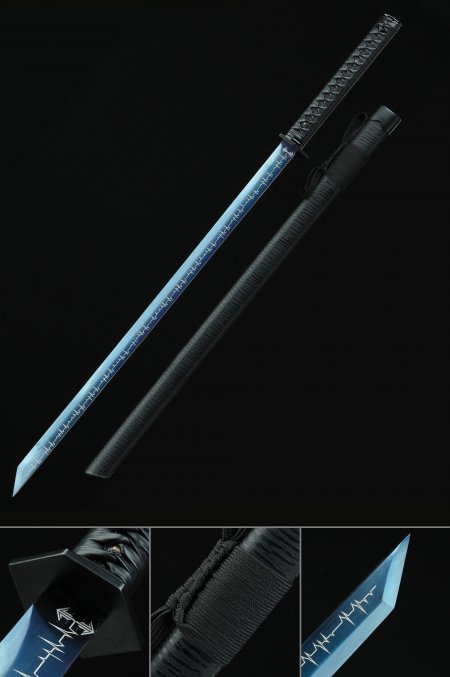
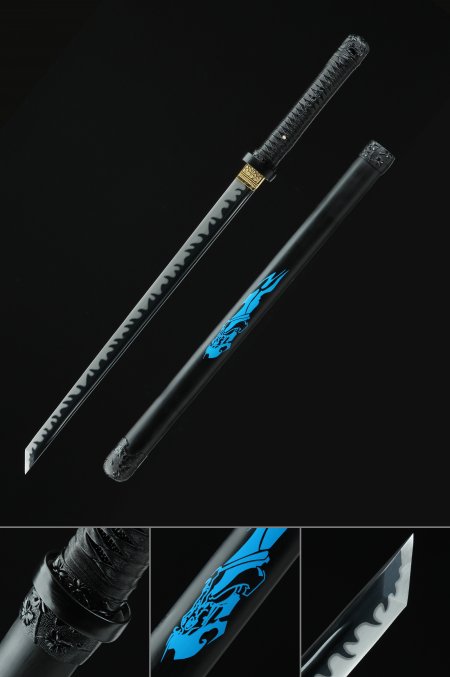
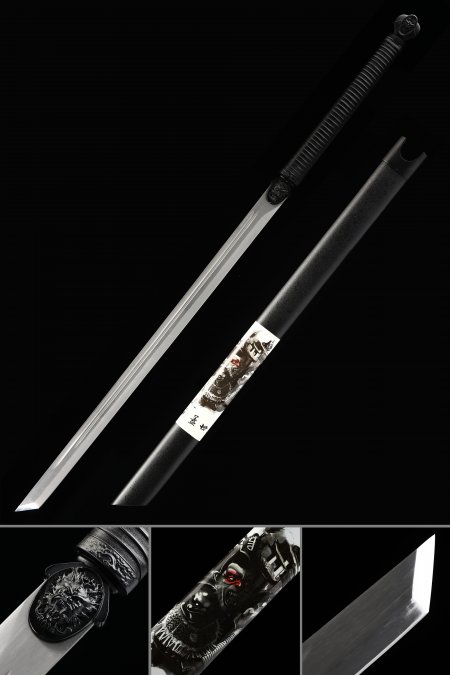
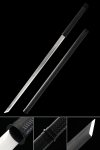
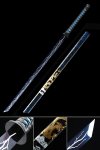
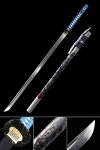
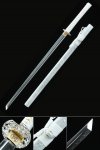
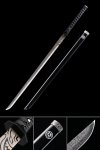
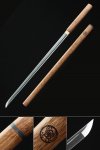
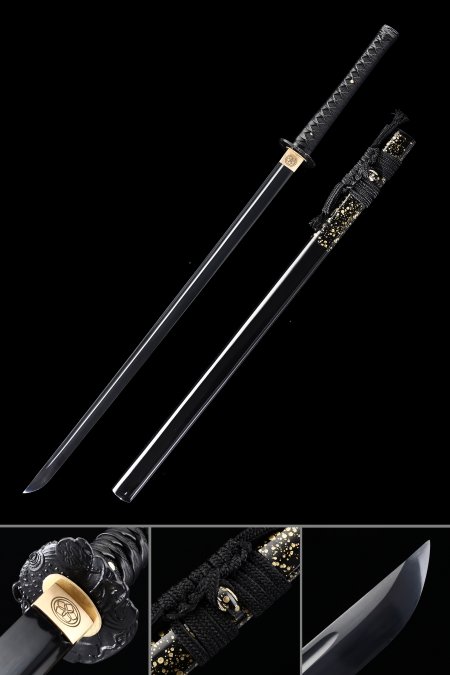
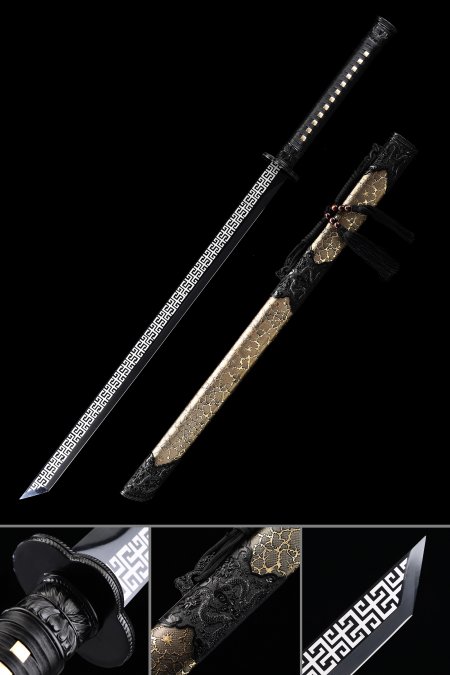
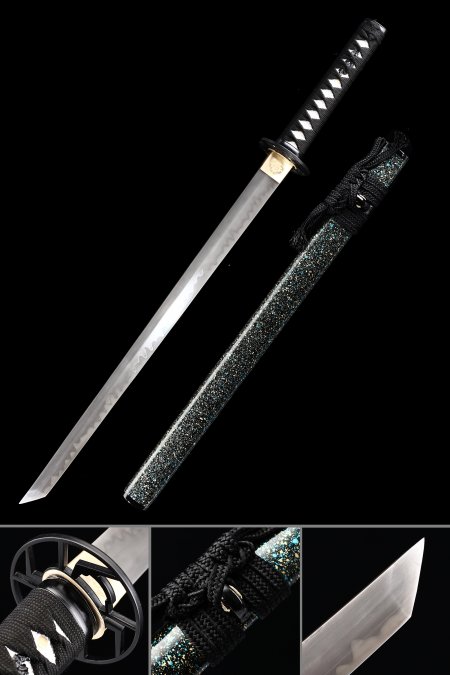
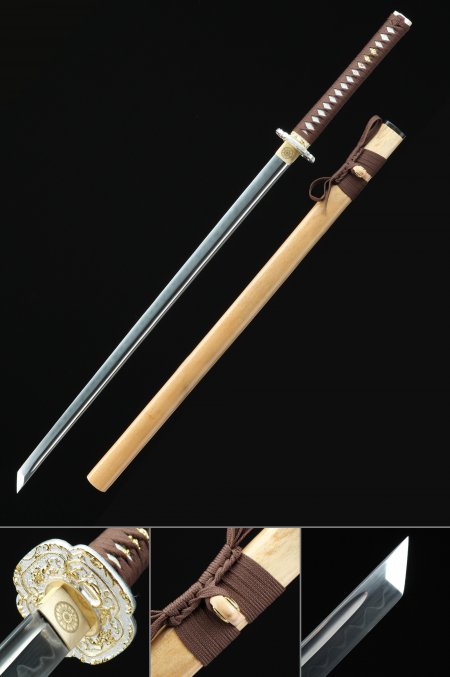
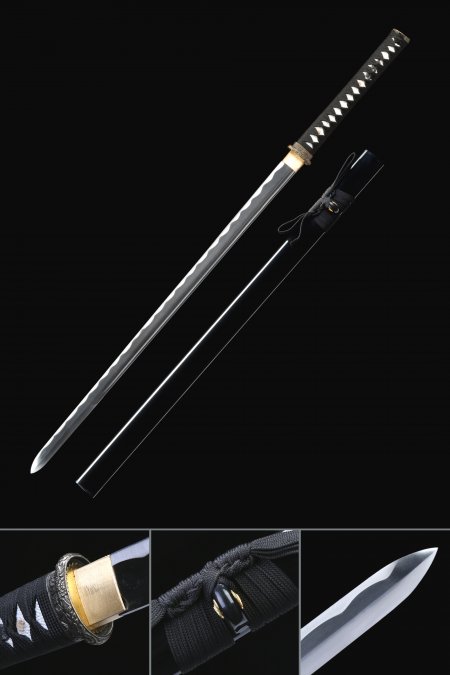
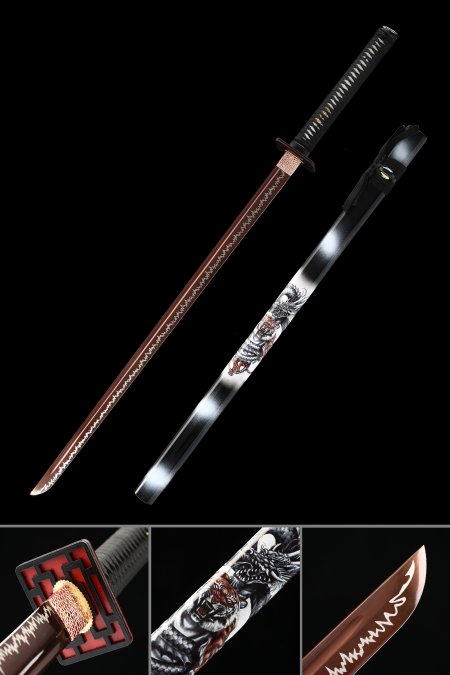
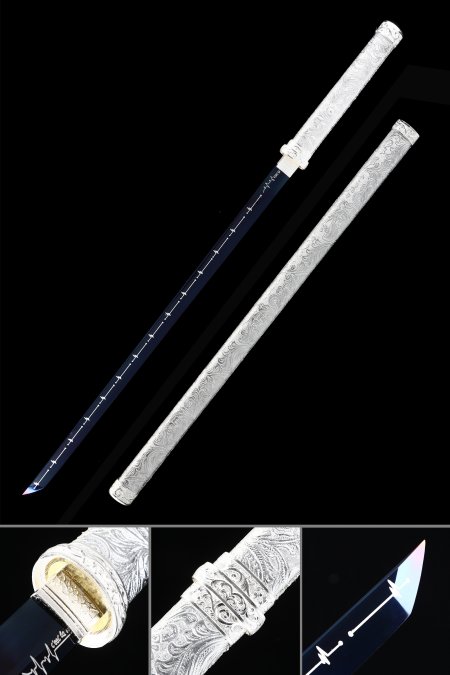
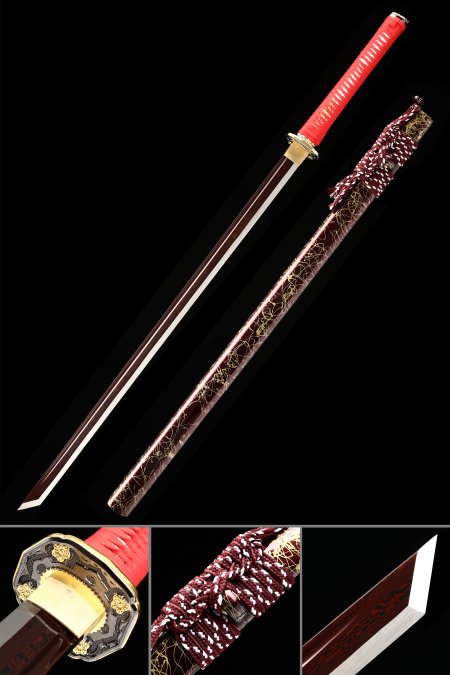
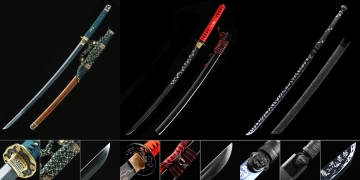
The fundamental difference lies in how the sharpener manages the blade’s geometry during the progressive grinding and polishing stages. On a curved katana, the natural arc means the sharpening angle subtly changes as the stone moves along the blade length, and the sharpener must continuously adjust their hand position and pressure to maintain consistent edge geometry through the curve. This requires experience and a developed feel for how the blade’s curvature interacts with the sharpening surface. On a straight ninjato, the sharpening angle remains constant from one end of the blade to the other, which might suggest that straight blades are easier to sharpen. In reality, the consistent geometry means that any imperfection in the sharpener’s technique is uniformly visible rather than hidden by curvature transitions. A straight blade displays its edge quality with complete transparency — every microscopic variation in angle or pressure leaves its mark along the entire edge line with nowhere to hide. This means a well-sharpened ninjato is actually a stronger demonstration of sharpening skill than an equivalent katana, because the straight geometry provides no forgiveness for inconsistency.
Which steel types achieve the finest hand-sharpened edges on ninjato, and does straight geometry aff
The steel hierarchy for edge refinement on ninjato follows the same principles as katana but with one important geometric consideration. Among our steels, 1095 high-carbon achieves the absolute finest edge because its fine grain structure allows sharpening to extremely acute angles without microchipping. T10 tungsten-carbon steel comes very close to 1095 in initial sharpness while offering superior edge retention, making it arguably the best overall performer for sharpened ninjato. Damascus pattern steel achieves excellent edges with the visual bonus of grain patterns, though the layered structure creates very minor edge irregularity at the microscopic level. The straight geometry of the ninjato does affect the sharpening outcome in one meaningful way: because the edge maintains a constant angle along its length, the sharpened edge is more uniformly refined than on curved blades where subtle angle changes through the curve create microscopic variations in edge quality. This means that when a ninjato is properly sharpened, the cutting capability is more consistent from base to tip than on a curved blade. For collectors who prioritize edge quality as a collecting criterion, straight ninjato in 1095 or T10 represent some of the most uniformly refined edges in our entire catalog.
What progressive sharpening stages are involved in achieving verified sharp status on these ninjato
Progressive hand sharpening follows a systematic sequence of increasingly fine abrasive stages, each one refining the work of the previous stage. The process typically begins with coarse stones in the range of 200 to 400 grit that establish the primary edge angle and remove any irregularities from the forging and heat treatment process. This stage creates the basic cutting geometry but leaves visible scratches from the coarse abrasive. Next, medium stones around 800 to 1000 grit refine the edge geometry and begin smoothing the scratch pattern from the coarse stage. Fine stones at 2000 to 3000 grit further refine the edge angle and produce a surface approaching polish quality. The final stages use very fine media at 4000 grit and above to create the refined, sharp edge that defines verified quality. Each stage must completely remove the scratch pattern of the previous stage before progressing — skipping or rushing any stage leaves subsurface damage that undermines the final edge quality even if it appears visually clean. The entire process requires sustained attention and consistent technique, which is why hand-sharpened blades carry a quality distinction that factory-ground edges, which typically involve only one or two coarse stages, cannot match.
How should collectors safely handle, display, and maintain the sharpened edges on these ninjato long
Long-term ownership of sharp ninjato requires establishing consistent habits across three areas: handling, display, and ongoing maintenance. For handling, develop the discipline of always gripping the sword by the tsuka handle, never touching the blade surface. When drawing from the saya, point the edge upward and draw slowly with control. When returning to the saya, guide the blade mouth with the back of the scabbard opening rather than by feel — this prevents accidental edge contact with the saya mouth that can damage both the edge and the scabbard over time. For display, ensure your sword stand provides stable horizontal support on a level surface away from high-traffic areas, and consider a display case if children or pets are present. The straight ninjato profile sits particularly naturally on horizontal stands because there is no curvature to manage. For ongoing maintenance, oil the blade with choji or mineral oil after each handling session and on a monthly schedule when displayed. Use a soft, lint-free cloth to apply oil in straight strokes along the blade length. Avoid circular motions or aggressive wiping that could gradually affect the sharpened edge. Inspect the edge periodically for any signs of oxidation, which appears as small dark spots along the edge line, and address these immediately with gentle oil application. In humid environments, increase the oiling frequency and consider adding silica gel packets near the display area.