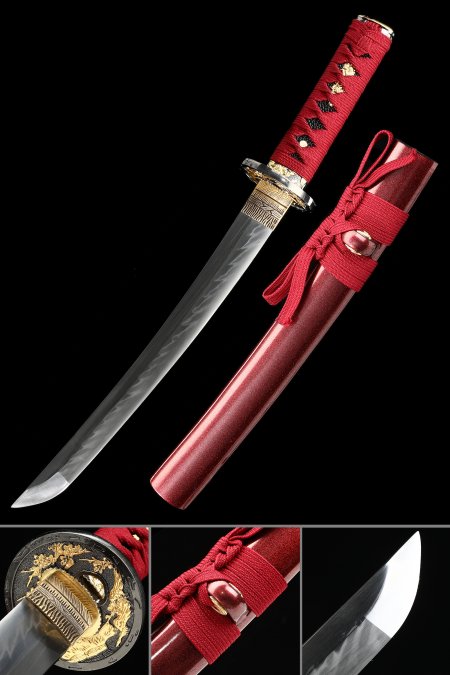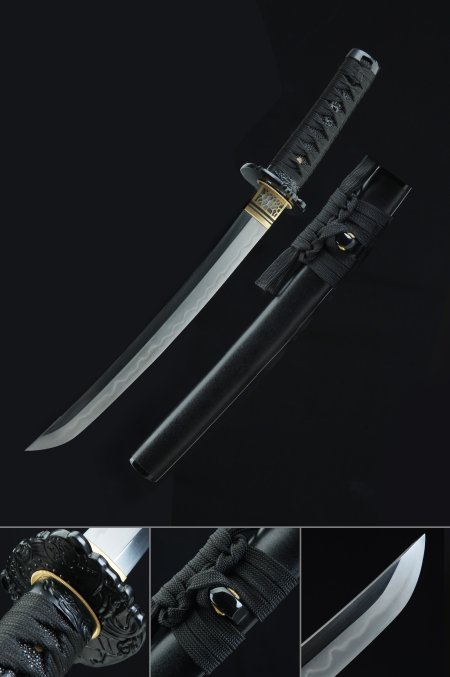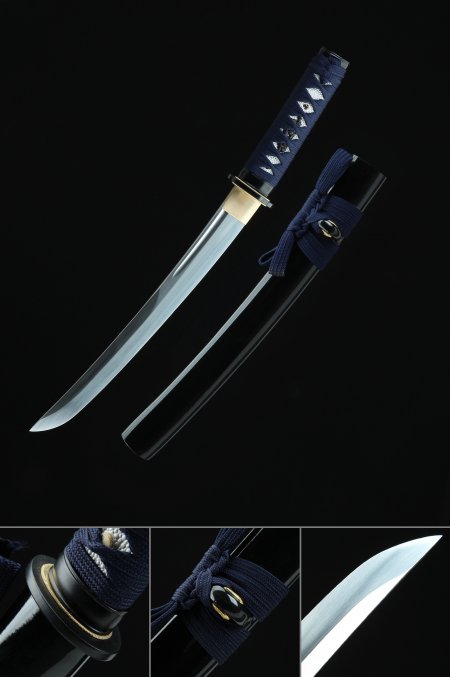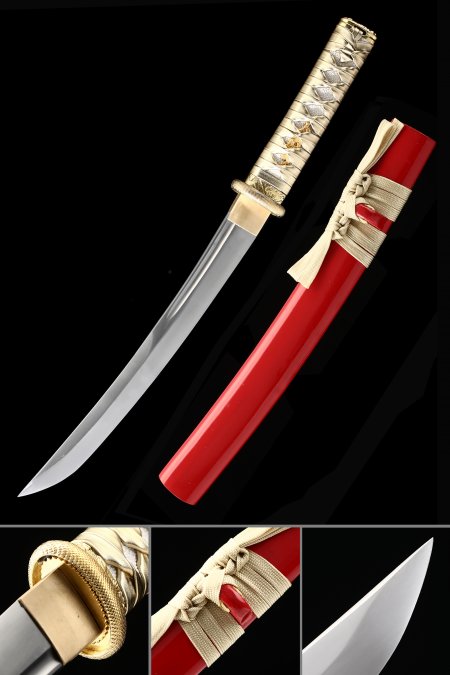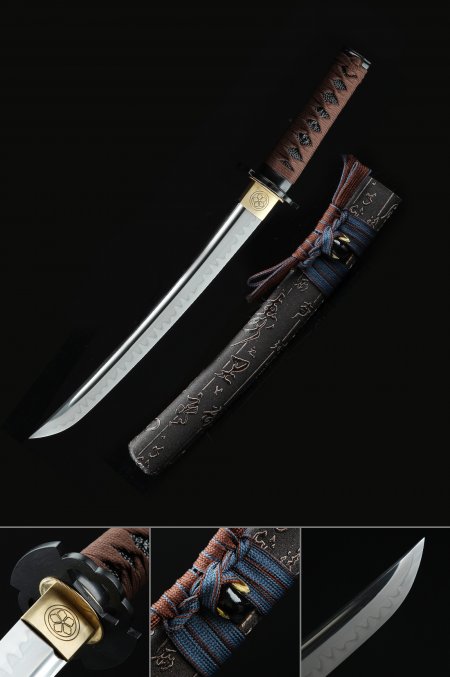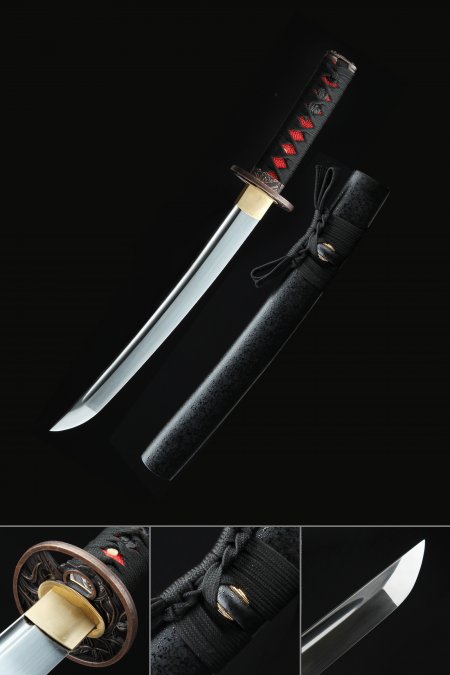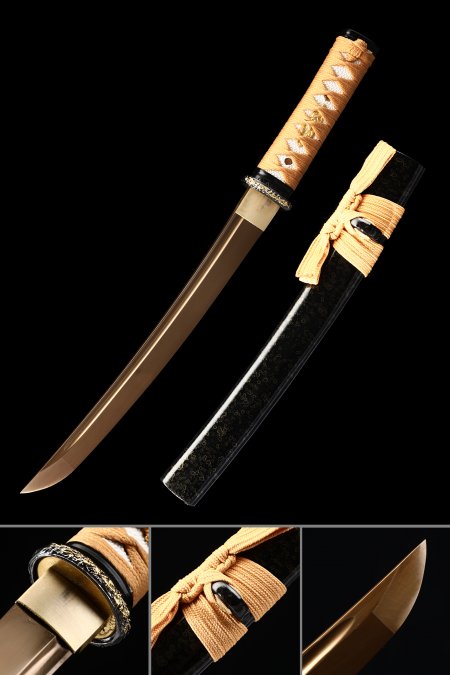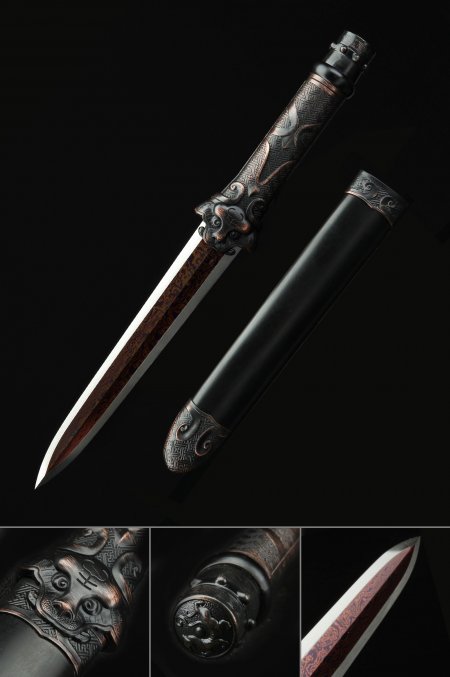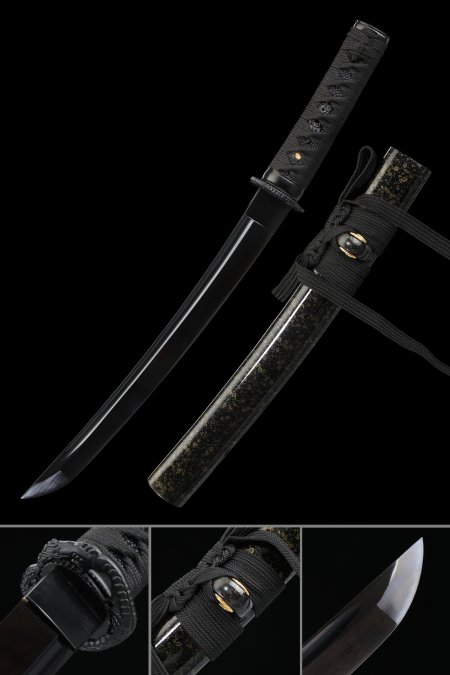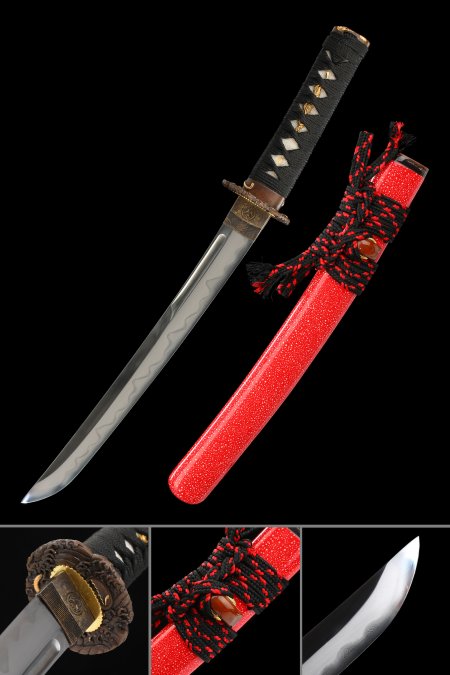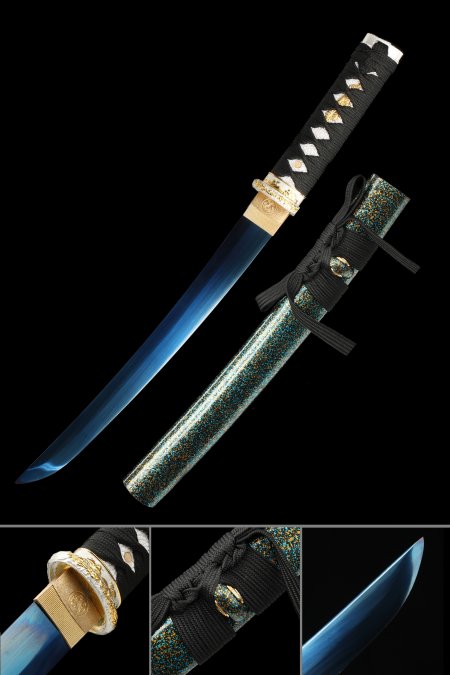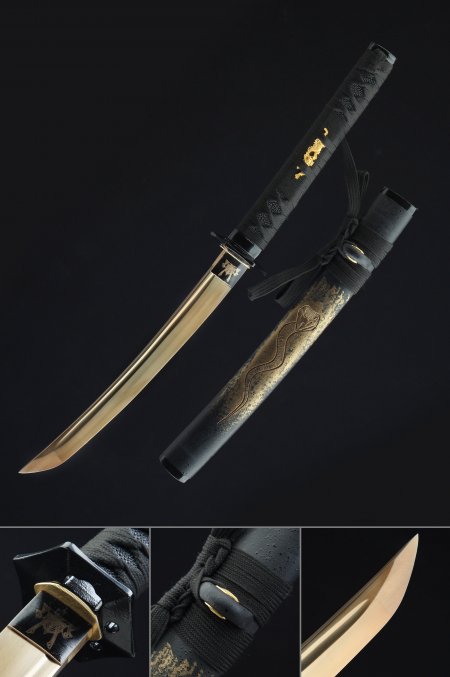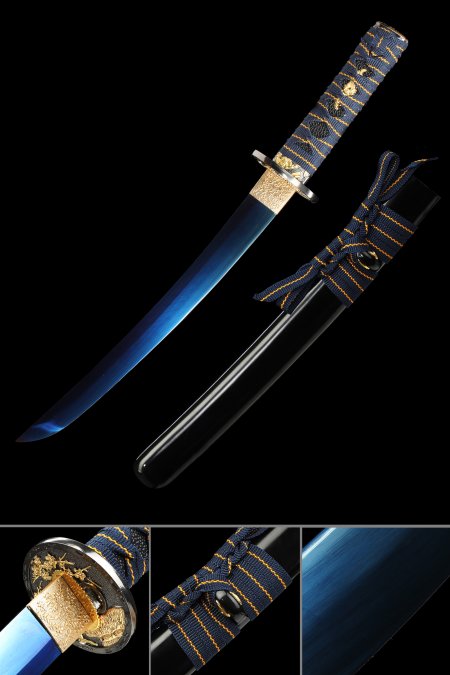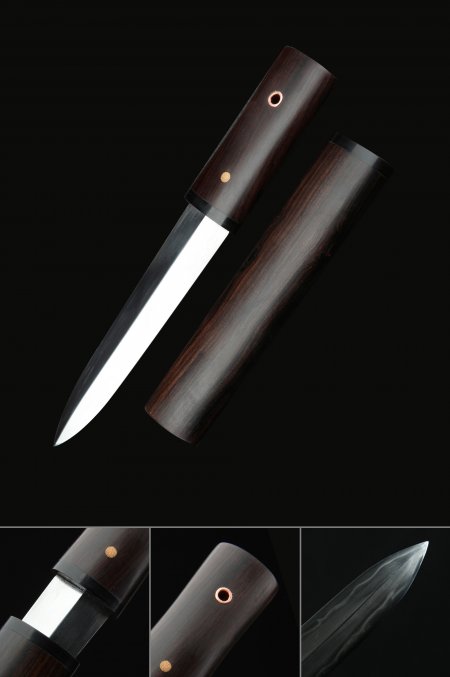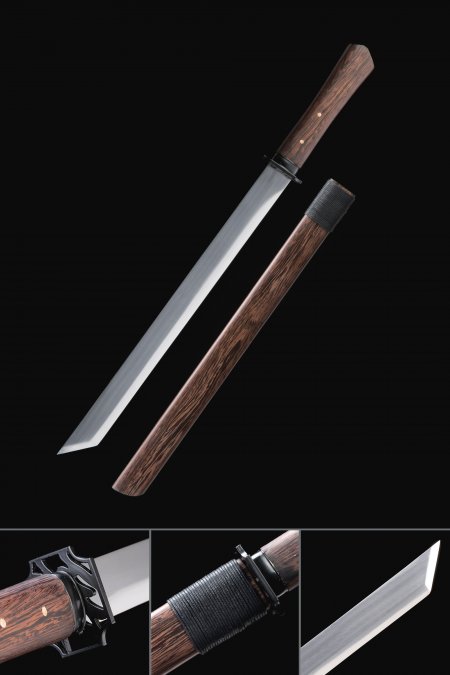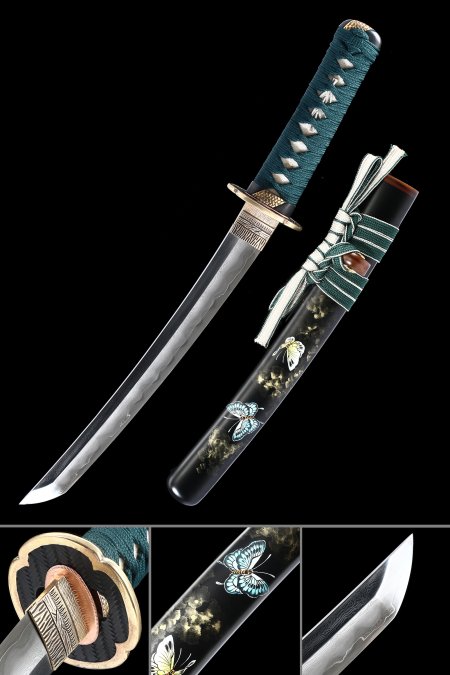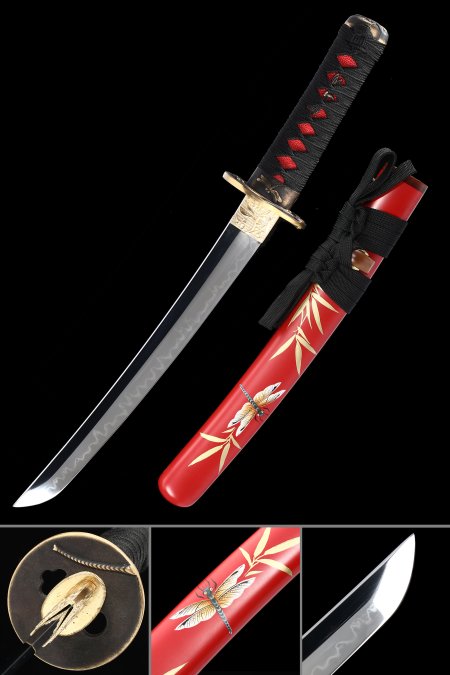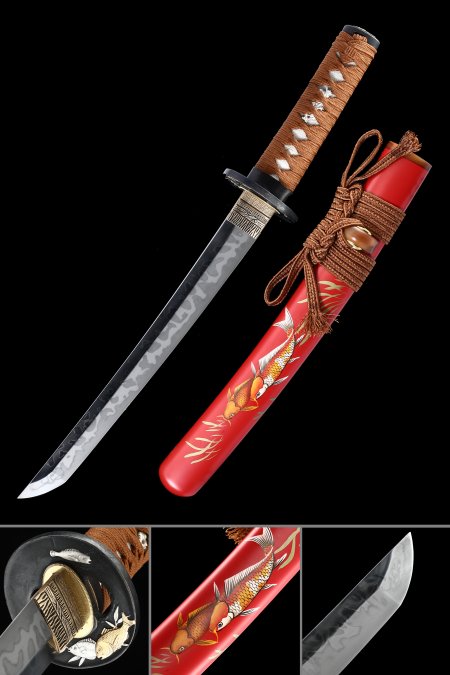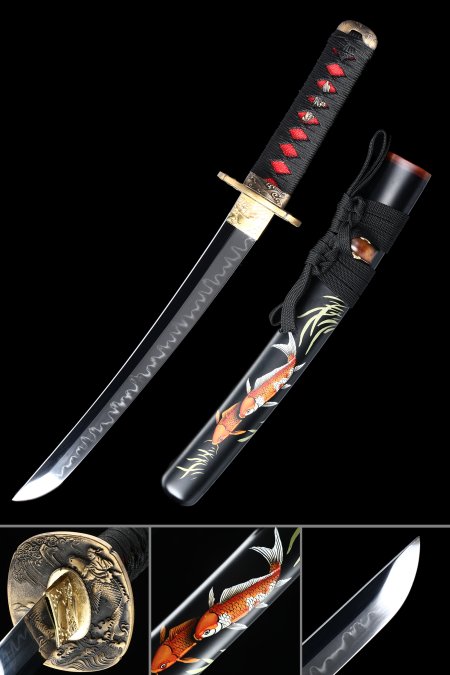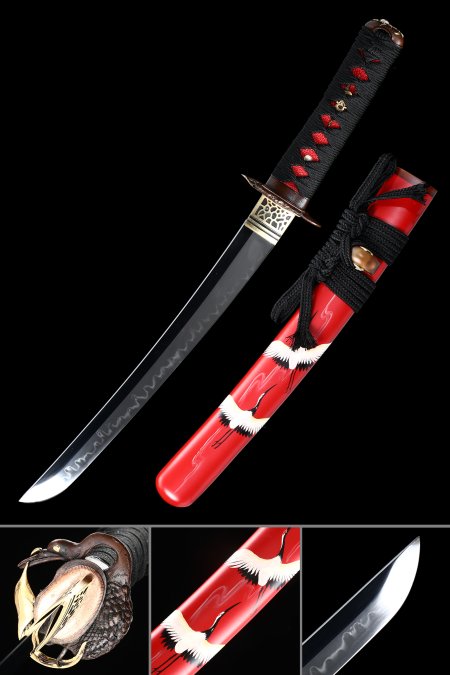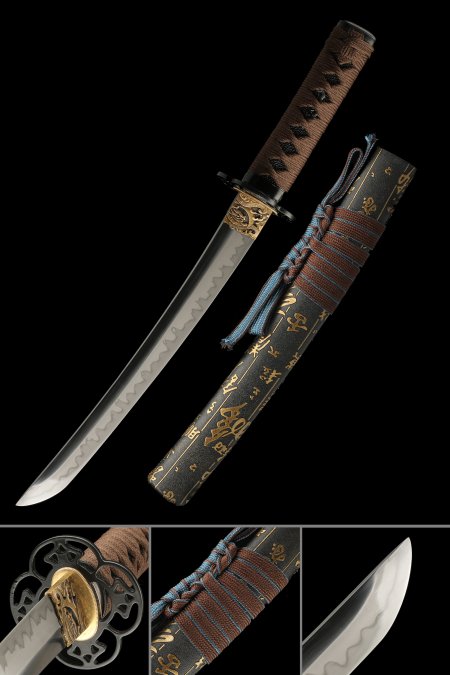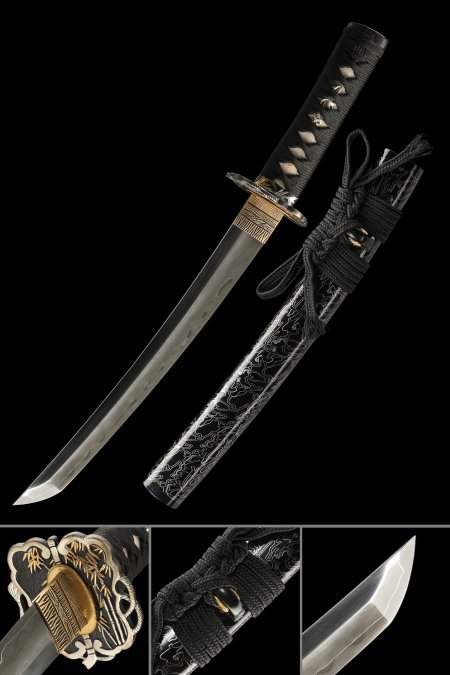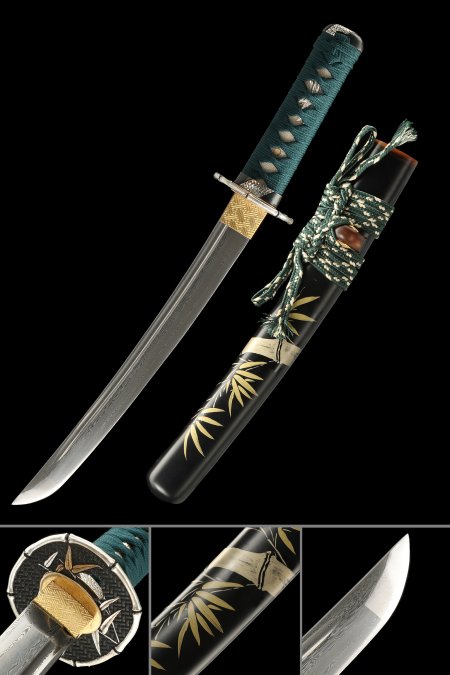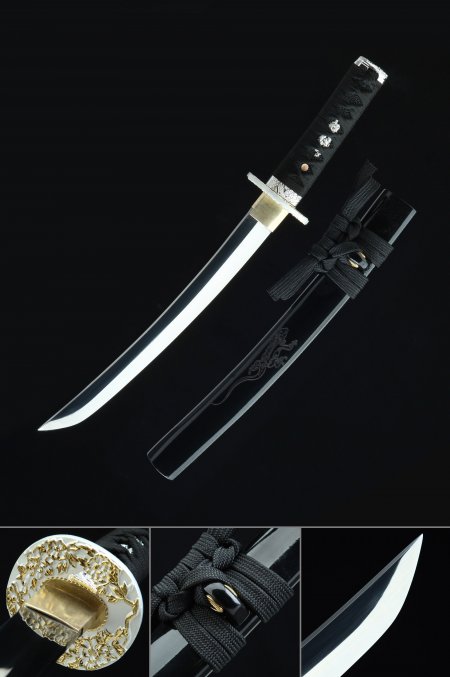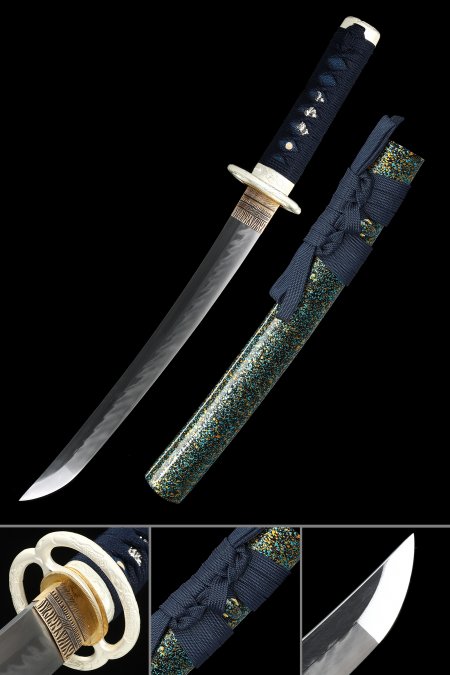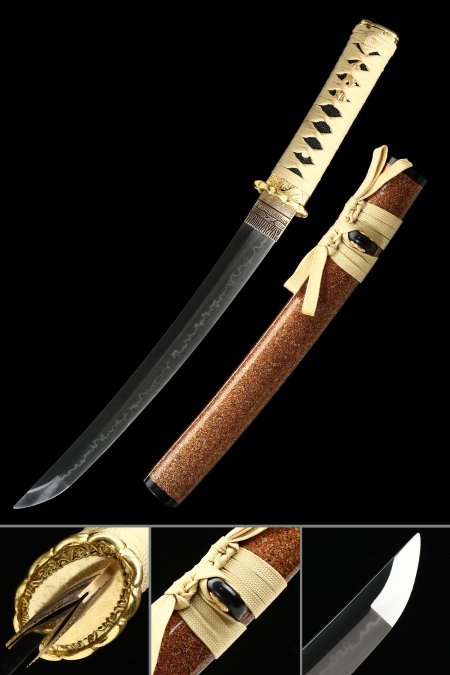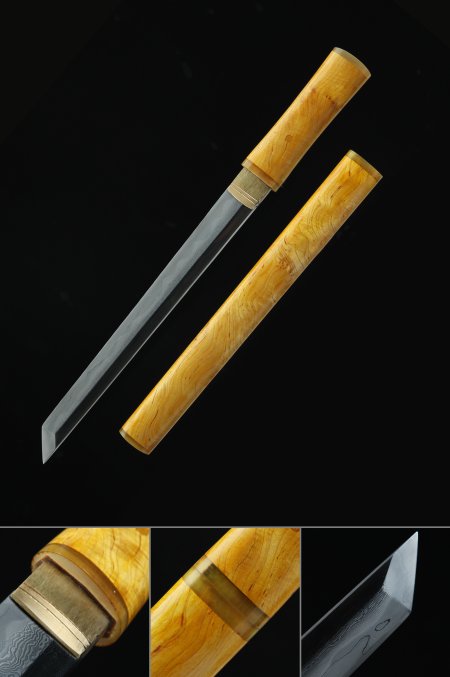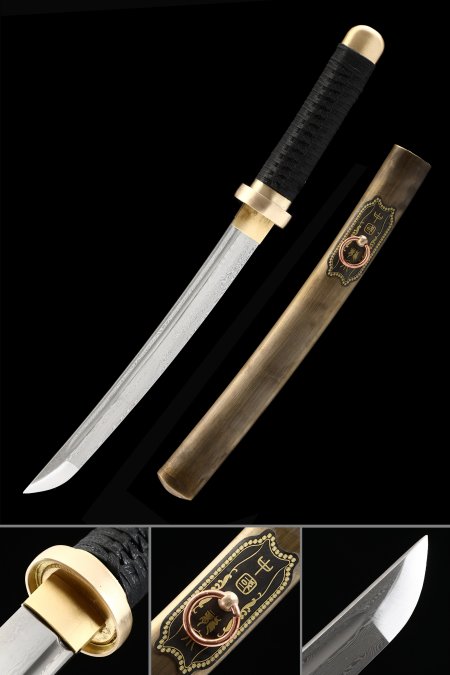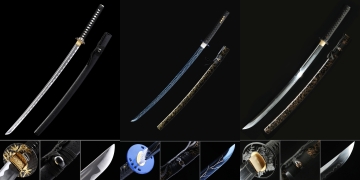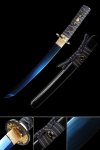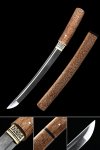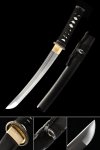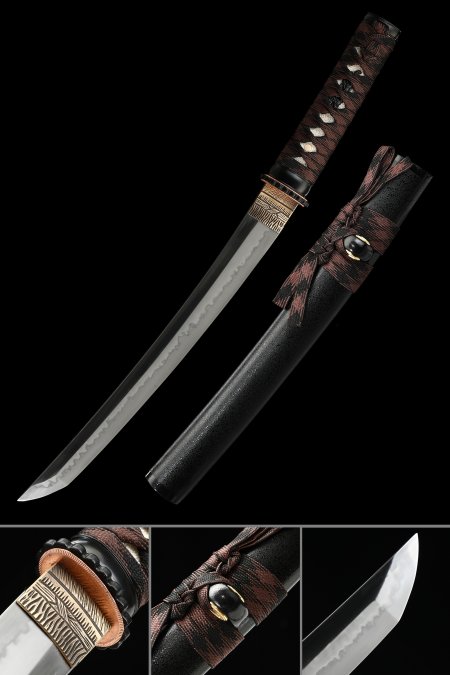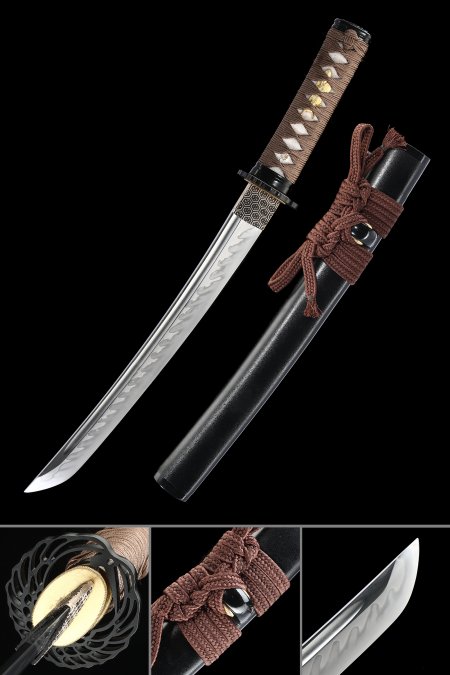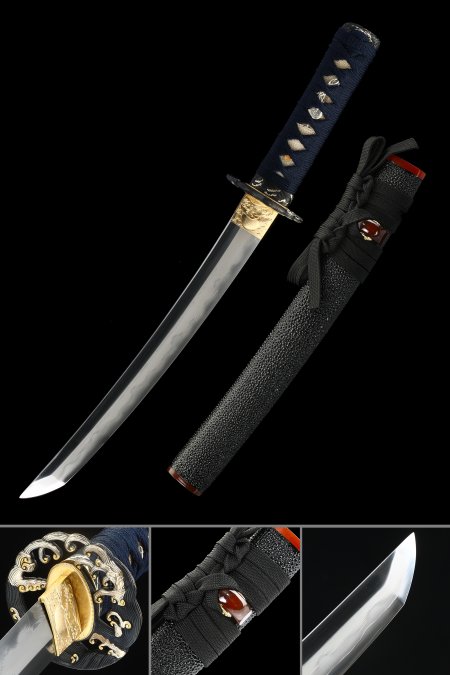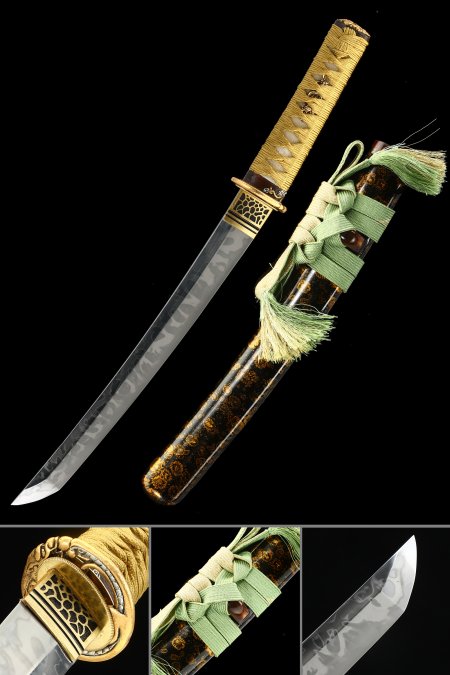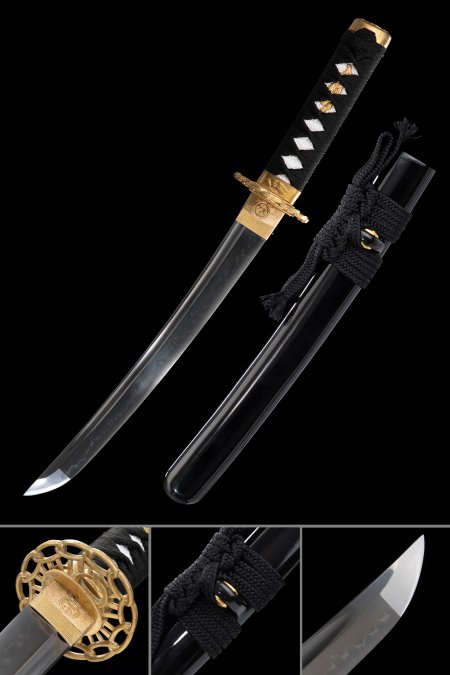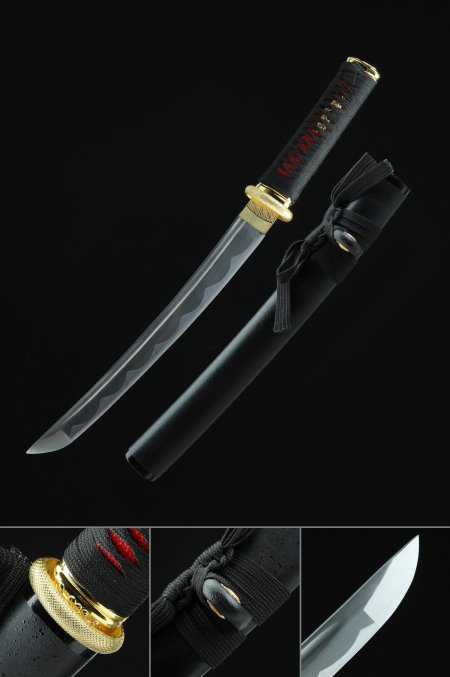
Short Japanese Tanto Sword

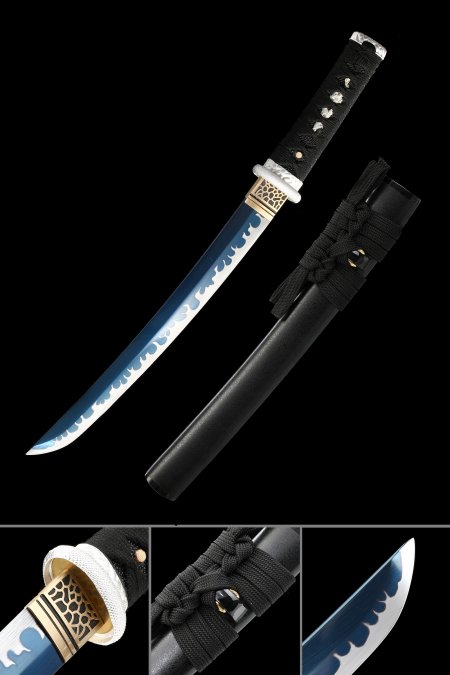
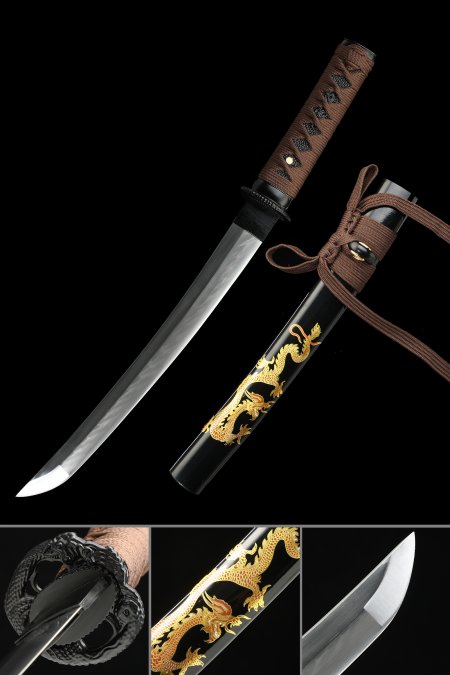
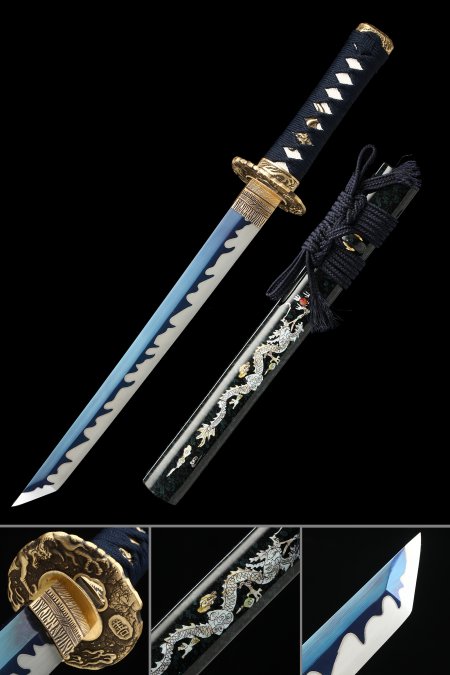
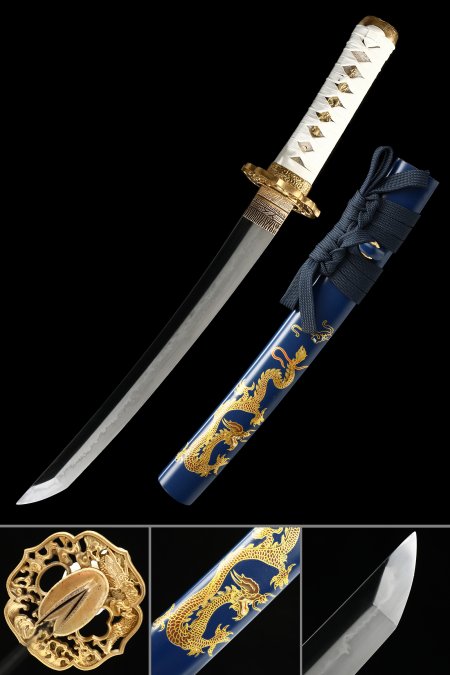
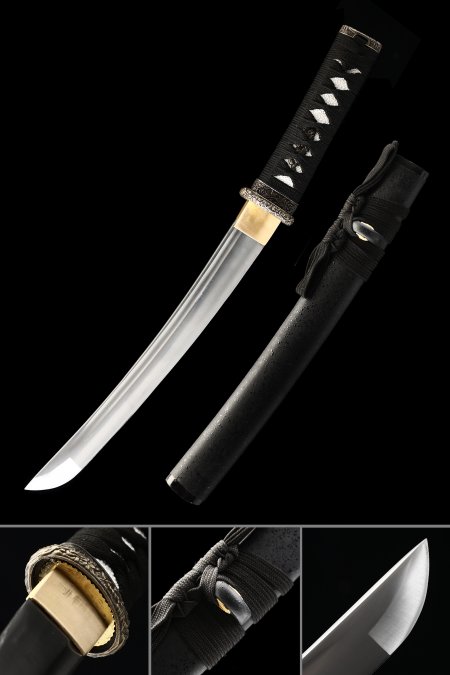
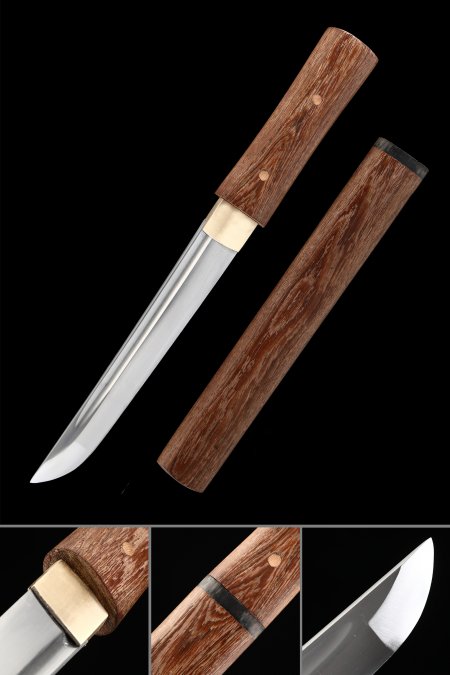
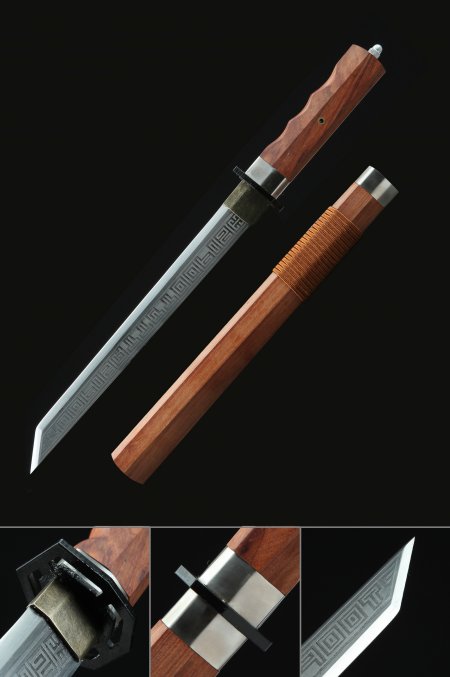
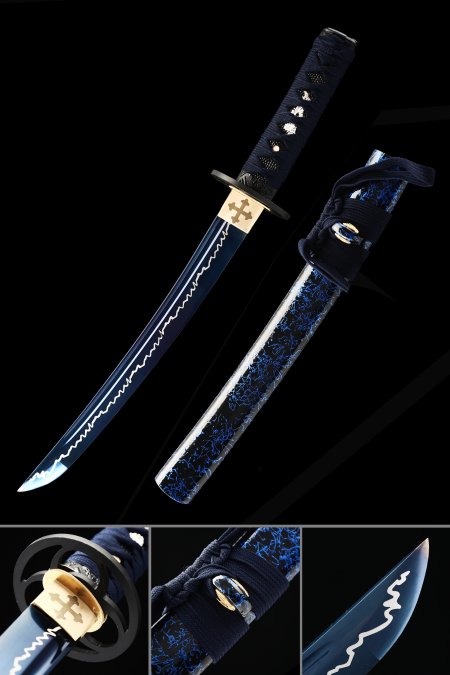
Browse our collection of short Japanese tanto swords - authentic hand-forged tanto collectibles representing the full range of Japanese short-blade traditions, from classic 1045 and T10 carbon steel tanto to clay-tempered shirasaya and hamidashi styles. Each piece is built with full-tang construction and delivers the detailed craftsmanship that the tanto's compact scale rewards at close inspection. Free US shipping and hassle-free returns are included on every order.
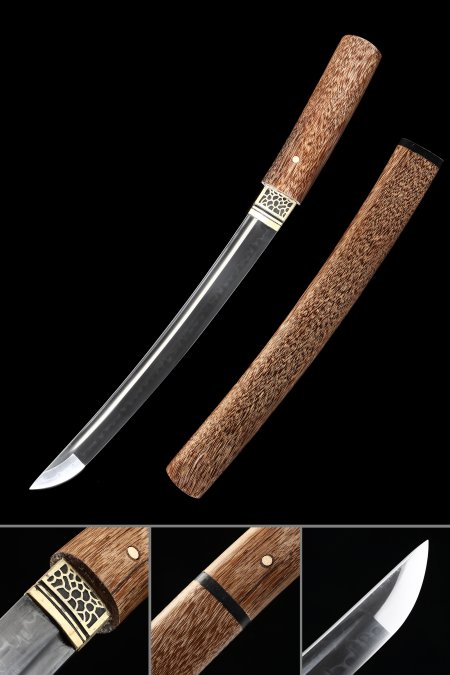
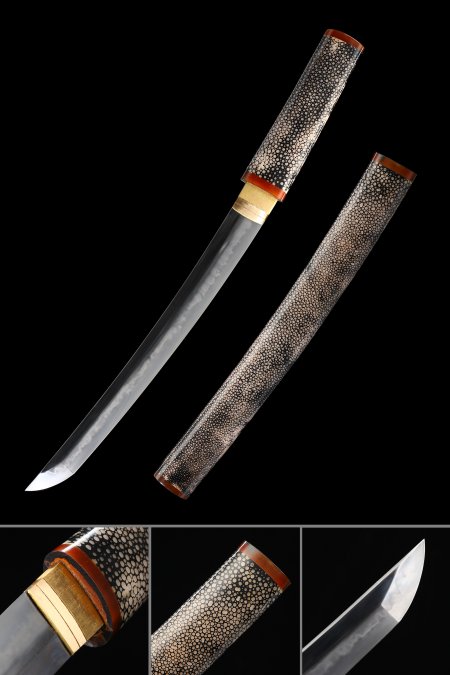
Showing 112 Products

Related Collections

Black Tanto61 items


365 Reviews

Damascus Tanto Sword46 items


55 Reviews

Short Japanese Sword10 items


10 Reviews

Short Sharp Katana92 items


625 Reviews

Frequently Asked Questions

What distinguishes a high-quality Japanese tanto from an entry-level one?
Several construction and material characteristics distinguish a high-quality short Japanese tanto from an entry-level piece. The most important single indicator is the steel grade and heat treatment: a T10 carbon steel tanto that has undergone proper differential heat treatment will display a visible hamon temper line - the wave-patterned boundary along the blade edge - whose presence confirms genuine craft-quality forging. Entry-level tanto in 1045 carbon steel are also properly constructed but are less likely to show a defined hamon. Full-tang construction is the baseline quality standard for any serious tanto: the blade steel must run from the tip through the complete handle, confirmed by a mekugi retention pin. Partial tang or rat-tail tang construction indicates a decorative-grade piece not appropriate for serious collecting. Handle wrapping quality is the third area to examine: consistent, tight ito wrapping with no gaps or loose sections indicates careful assembly. Tip geometry is the fourth: the tanto tip should be cleanly formed with a precise angle where the edge bevel meets the blade back, not rounded or imprecise. Each piece in this collection meets these quality standards.
What is clay-tempered steel and why is it used in Japanese tanto?
Clay-tempered steel refers to a blade that has been heat-treated using the traditional Japanese differential hardening method, where a layer of clay is applied to the blade spine before the quenching step. During quenching, the clay-coated area cools more slowly than the uncoated edge, creating a blade with a harder edge section and a tougher spine - the ideal combination for a sword that needs to hold a sharp edge without being brittle throughout. The boundary between the hard edge zone and the softer spine zone is where the hamon forms: the visible wave or cloud-like line that appears on the blade after polishing is the marker of this differential hardening zone. On T10 carbon steel - which has the ideal grain structure to display a well-defined hamon - clay tempering produces particularly clear and visually impressive hamon activity. For tanto collectors, a clay-tempered T10 blade with a well-defined hamon is among the most desirable configurations available, as it combines premium steel with the most traditional and visually compelling heat treatment method used in Japanese sword-making.
What tanto styles are in the short Japanese tanto sword collection?
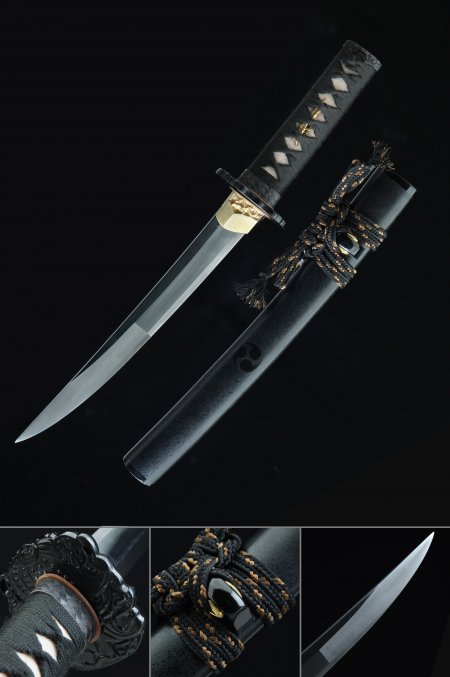
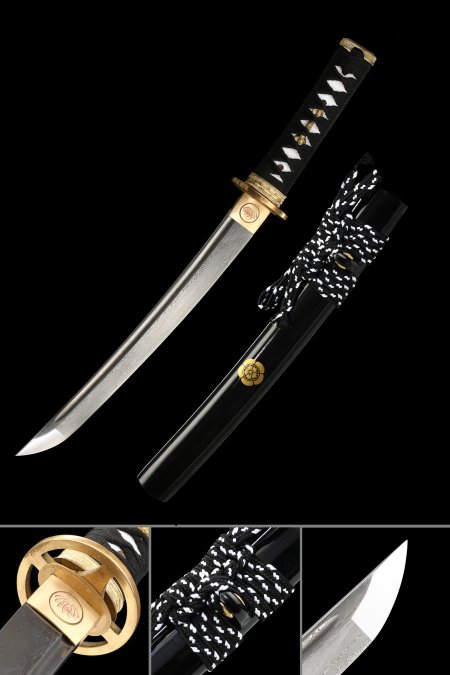
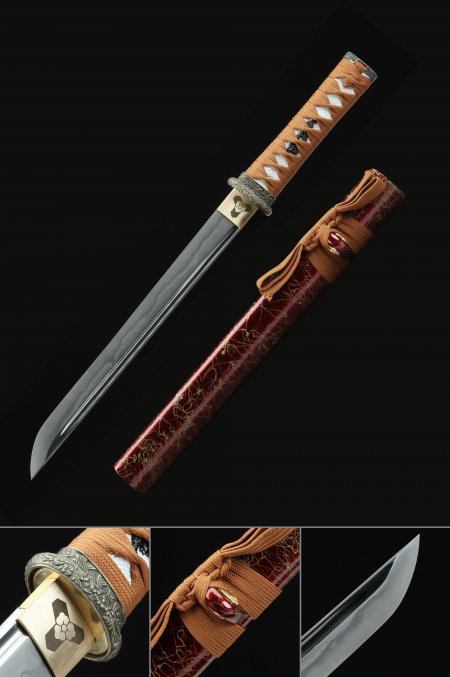
The short Japanese tanto sword collection includes several distinct tanto styles that reflect the historical variety of the form. Standard tanto pieces feature the classic configuration: a single-edged blade with the distinctive angular Japanese tanto tip, a tsuba guard, ito-wrapped handle, and matching lacquered scabbard. Hamidashi tanto pieces are distinguished by a very small guard fitted flush with the handle collar, providing elegant minimal separation between blade and grip - a style historically associated with civilian tanto carried under formal dress. The shirasaya presentation is also represented: tanto blades fitted in plain unadorned wooden handles and scabbards that present the blade without any ornamental fitting, emphasizing the steel itself. Steel grades across the styles include 1045 carbon steel, T10 carbon steel in both standard and clay-tempered configurations, and Manganese Steel. Color options across the collection range from classic black and natural wood to brown and other natural tones consistent with traditional tanto aesthetics.
How do I care for and maintain a short Japanese tanto sword?
Caring for a short Japanese tanto sword requires the same fundamental approach as any high-carbon steel Japanese blade, with one advantage specific to the tanto's compact size: the shorter blade is easier to handle and maintain than a full-length katana or wakizashi. After every handling session, wipe the entire blade surface with a soft, clean lint-free cloth to remove fingerprints and any moisture. Follow with a very thin application of camellia oil or quality mineral oil using a separate cloth, buffing away excess until only a barely-visible film remains. Pay particular attention to the area just above the habaki blade collar, where moisture tends to accumulate and where rust spots most commonly begin. For a clay-tempered T10 tanto with a visible hamon, the same oil routine applies - the oil protects the steel without affecting the hamon's appearance. Store the tanto in its scabbard or on a display stand in a room with stable temperature and low humidity. Check the mekugi pin periodically to ensure it has not loosened. The tanto's compact dimensions make the full maintenance routine quick to complete, and with consistent care the blade will remain in excellent condition for many years.

Customer Reviews