
White Japanese Mask
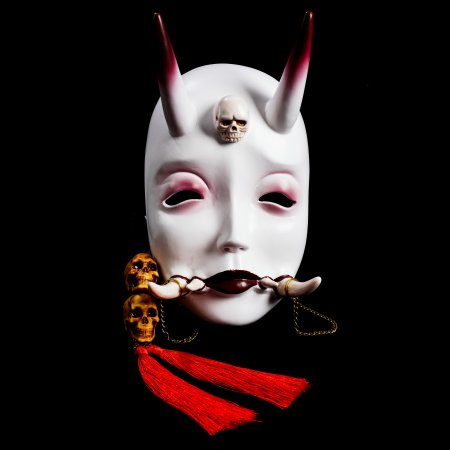
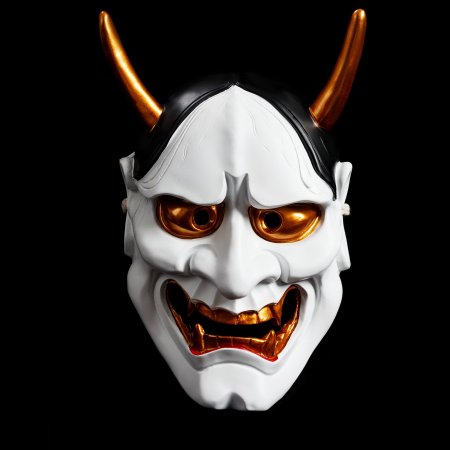
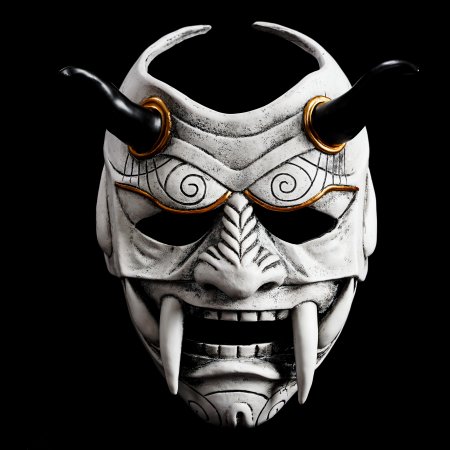
Few art objects carry the layered symbolism of a white Japanese mask — whether Oni, Hannya, Noh, or Kabuki in origin, each piece reflects centuries of theatrical and spiritual tradition. Our white masks are crafted from quality resins and hand-finished with meticulous painted detail, making them equally compelling as wall displays, cosplay statement pieces, or curated collectibles. Every mask ships free, and we back each order with a no-hassle return policy so you can collect with complete confidence.


Related Collections
Frequently Asked Questions
What makes Oni and Hannya masks different?
Though both are rooted in Japanese supernatural tradition, Oni and Hannya masks represent distinct archetypes. Oni are demonic figures from folklore — typically depicted with horns, exaggerated tusks, and a ferocious expression meant to embody punishment and raw supernatural force. Hannya masks originate specifically from Noh theater and portray a female spirit transformed by overwhelming jealousy and sorrow. The Hannya's features — curved horns, a leering mouth, and hollow eyes — are designed to convey psychological anguish rather than brute power. In white colorways, this distinction becomes even more nuanced: a white Oni reads as spectral and otherworldly, while a white Hannya leans into themes of grief and the spirit realm. Collectors who understand this difference tend to display the two forms as deliberate contrasts, pairing fierce Oni pieces with more mournful Hannya designs to represent opposite poles of Japanese supernatural iconography.
Why is white specifically significant on Japanese masks?
In Japanese cultural and artistic tradition, white (shiro) is closely associated with purity, the sacred, and the boundary between the living world and the afterlife. Shinto ritual garments are white; funeral rites have historically involved white dress; and spirits in classical Japanese art are frequently rendered in pale or colorless tones to signal their otherworldly nature. When applied to a mask — already a liminal object meant to transform the wearer's identity — a white finish amplifies this threshold quality. A white Oni or Hannya mask does not simply look ghostly by accident; it is invoking a specific visual language that Japanese audiences would have immediately recognized. For collectors, understanding this symbolism adds interpretive richness to display choices and makes white masks particularly meaningful objects within a broader Japanese art or folklore collection.
How should I display a white Japanese mask at home?
White Japanese masks are best displayed in settings where their tonal contrast and surface detail can be fully appreciated. A dark-painted wall or deep-stained wood mounting board creates strong visual contrast that makes white detailing stand out. Shadow boxes with interior lighting are an excellent option — low-temperature LED strips placed above or below the mask create dramatic shadow play across the carved features without generating heat that could affect the finish over time. Avoid placing masks in direct sunlight, as prolonged UV exposure can cause painted surfaces and fabric ties to fade or yellow. For dust management, a soft dry brush or gentle microfiber cloth is sufficient for routine cleaning; avoid water or solvent-based cleaners on painted resin surfaces. If displaying multiple pieces together, grouping by theme — Oni forms together, Noh-inspired pieces as a separate cluster — creates a more intentional curatorial arrangement.
Are these masks suitable as gifts for Japanese culture enthusiasts?
White Japanese masks make thoughtful and distinctive gifts for anyone with genuine interest in Japanese art, theater, folklore, or design. Unlike generic souvenir-style pieces, the masks in this collection are designed with attention to iconographic accuracy — each form references a recognizable tradition, whether Noh theater, Oni folklore, or Kabuki visual language. That specificity gives them real conversational and educational value for a recipient who appreciates context. They are also visually striking enough to satisfy collectors who simply love Japanese aesthetic traditions without deep subject-matter knowledge. For a more cohesive gift, consider pairing a white mask with a matching display piece from our blade arts collections — the visual harmony of a unified white-toned arrangement makes the gift feel considered and curated rather than incidental.
Do white masks require any special long-term care?
White-finished surfaces can show scuffs, yellowing, or dust accumulation more visibly than darker pieces, so a modest amount of preventive care goes a long way. Store or display masks away from direct sunlight and high-humidity environments — a climate-controlled interior room is ideal. Humidity fluctuations can affect resin and any fabric or cord elements over time. For routine maintenance, a soft dry brush once every few weeks is typically sufficient to remove surface dust without risk of scratching the finish. If a white painted surface picks up a minor scuff, a light touch with a white artist's correction pen or acrylic touch-up paint in the appropriate shade can restore the finish without requiring professional restoration. Avoid stacking or storing masks face-down, as contact pressure against painted surfaces can cause transfer marks or micro-abrasion that dulls the finish.