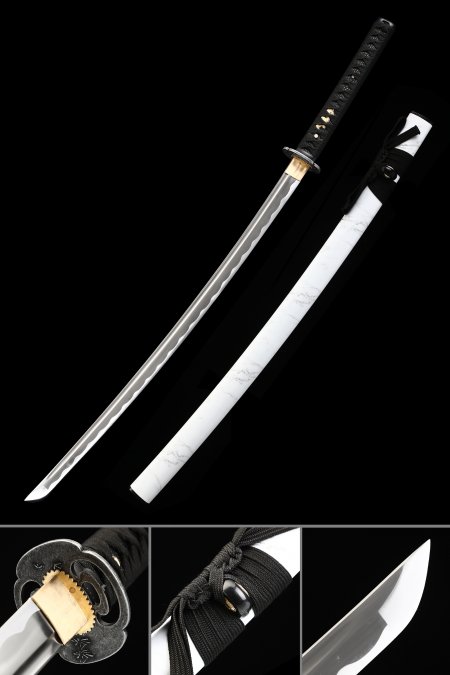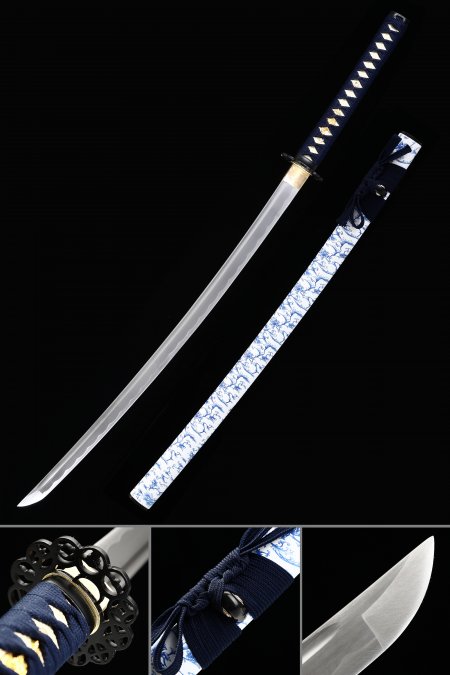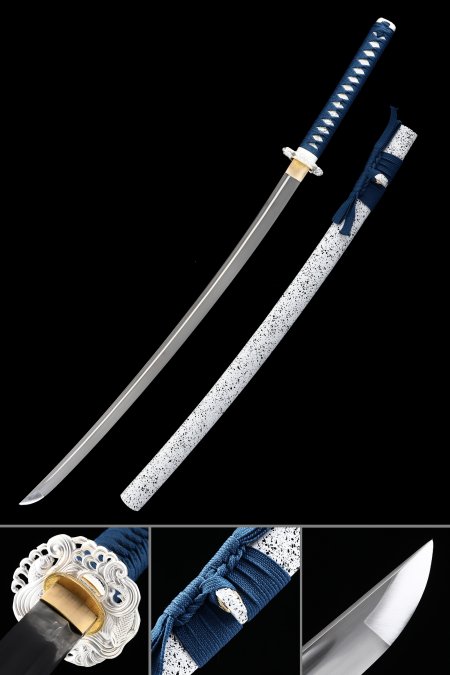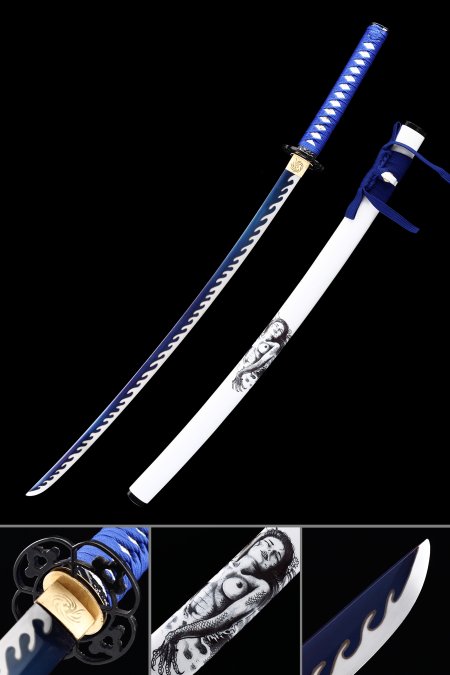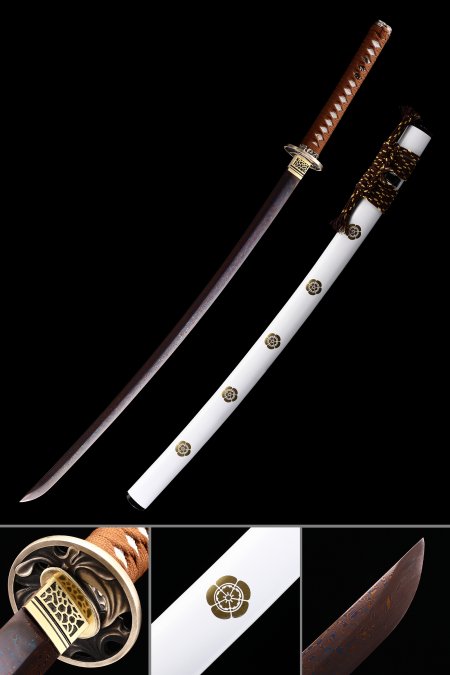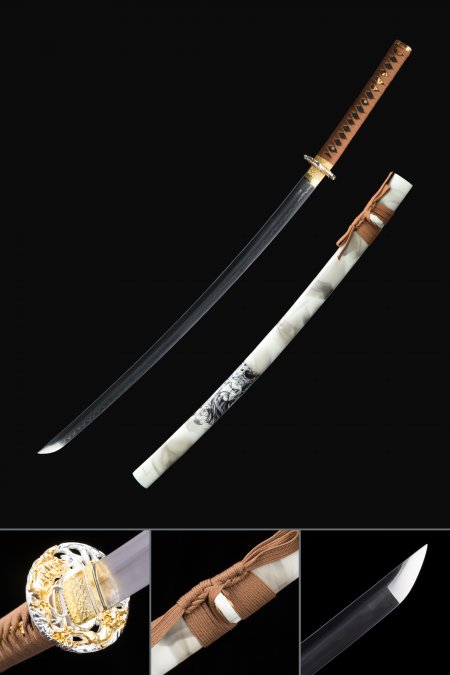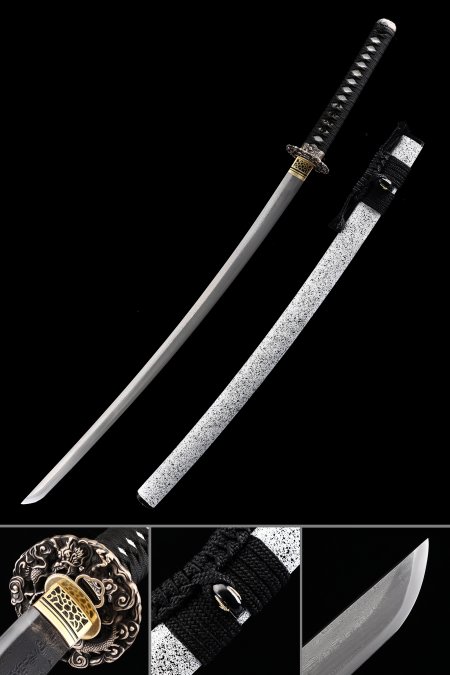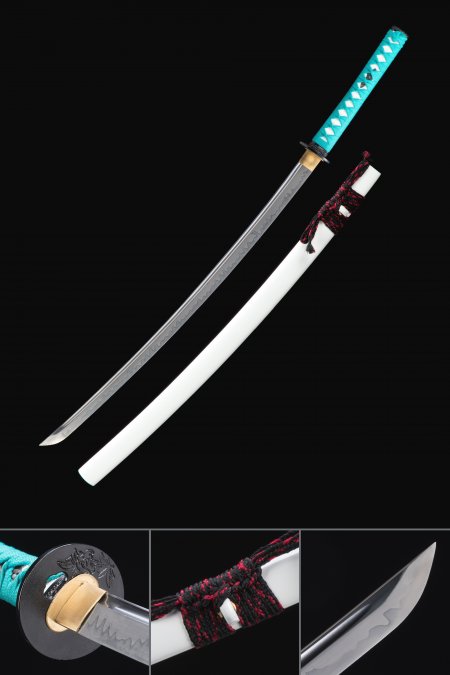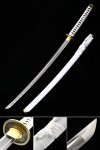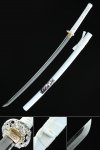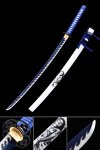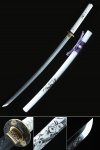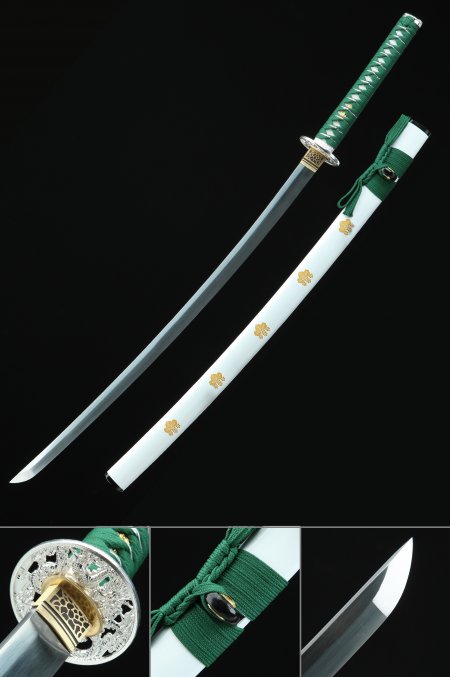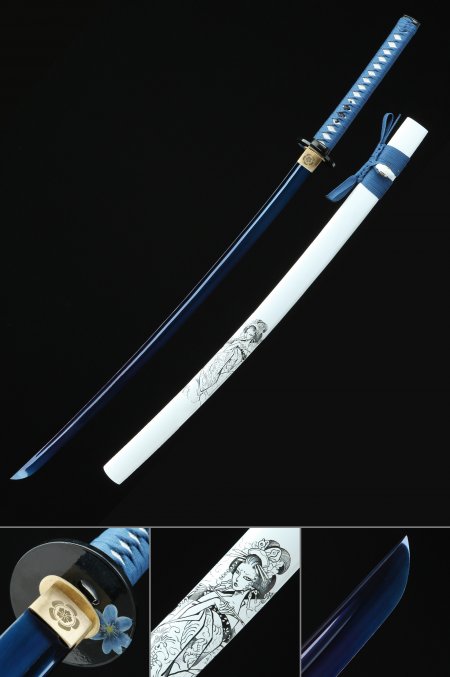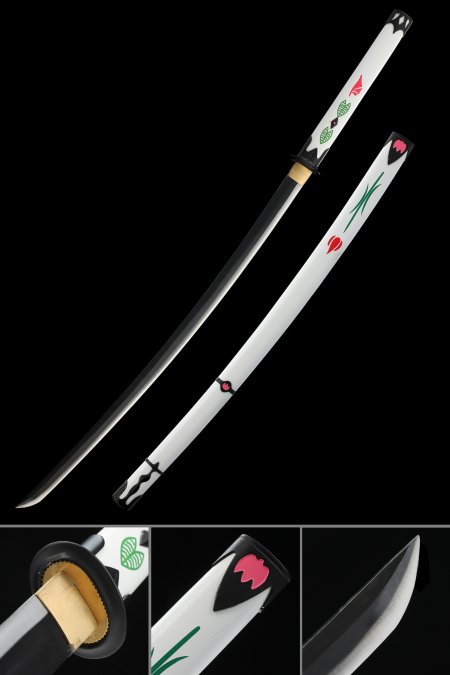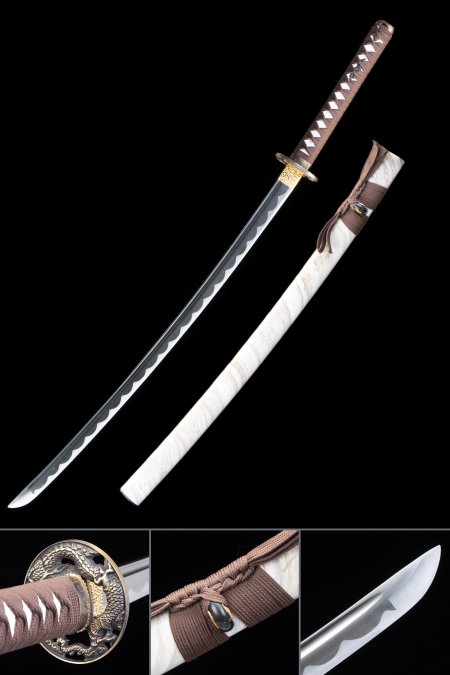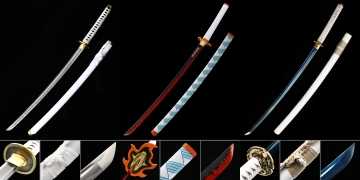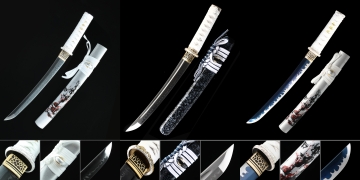
White Katana Sword

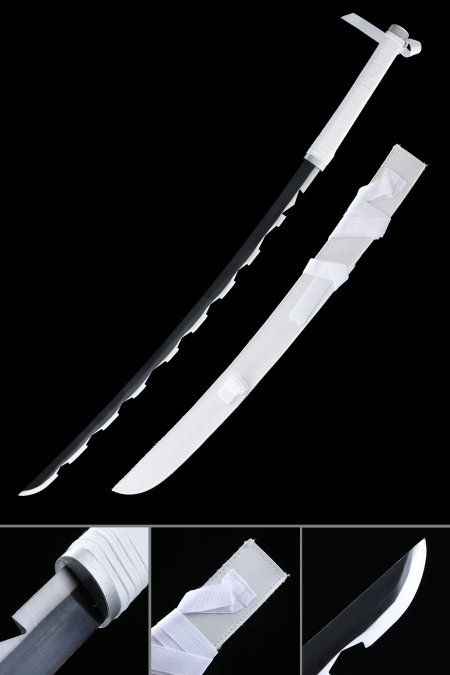
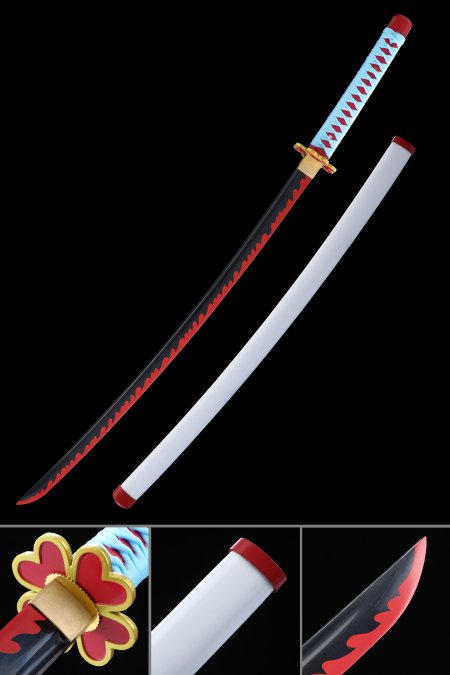
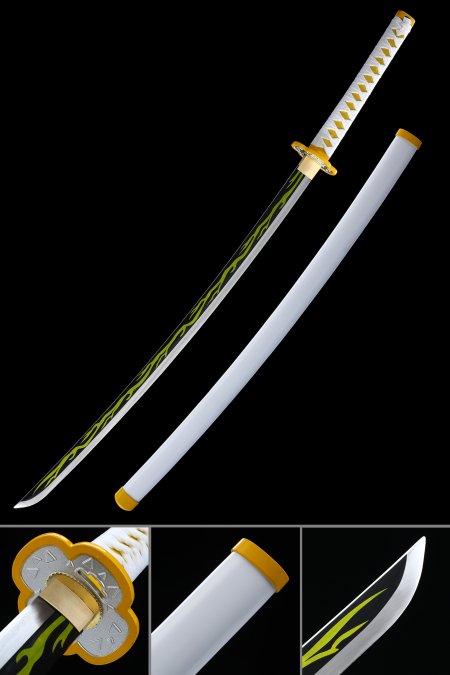
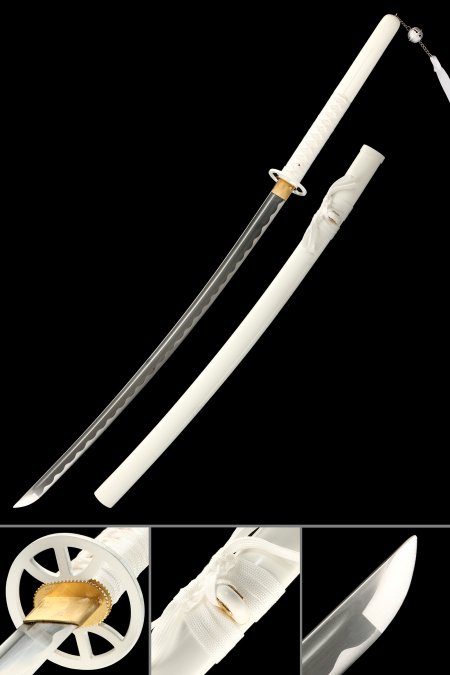
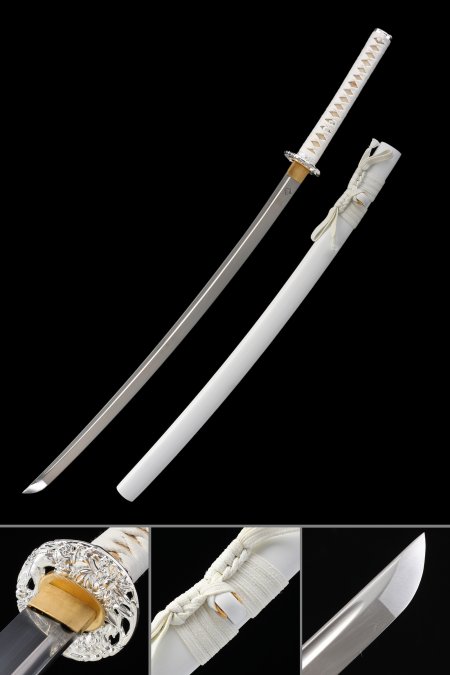
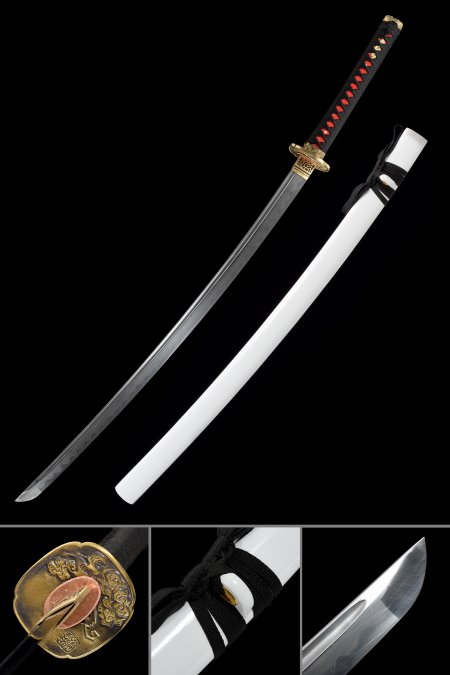
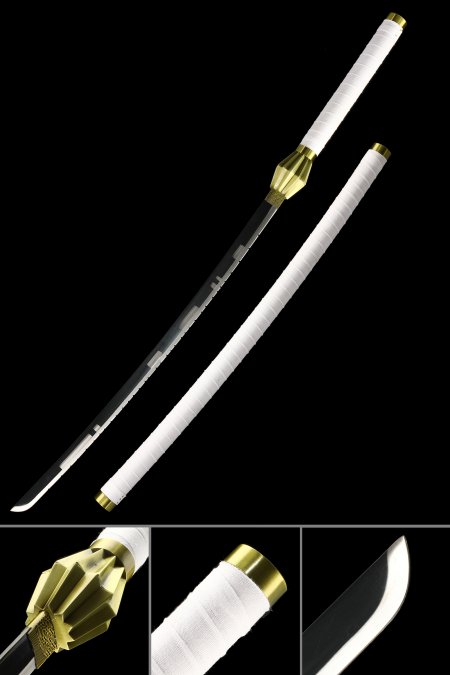
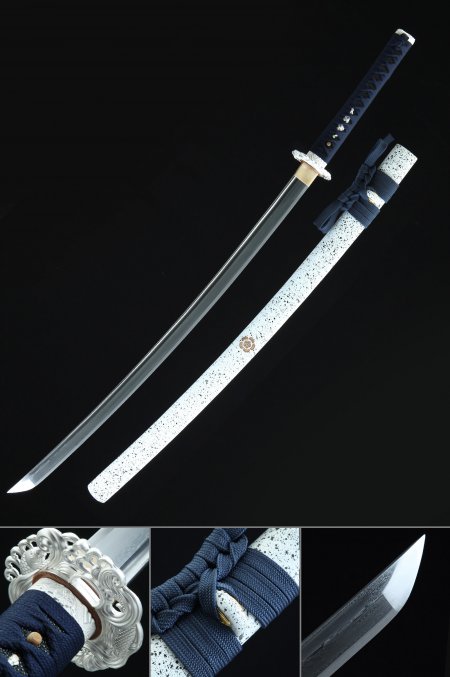
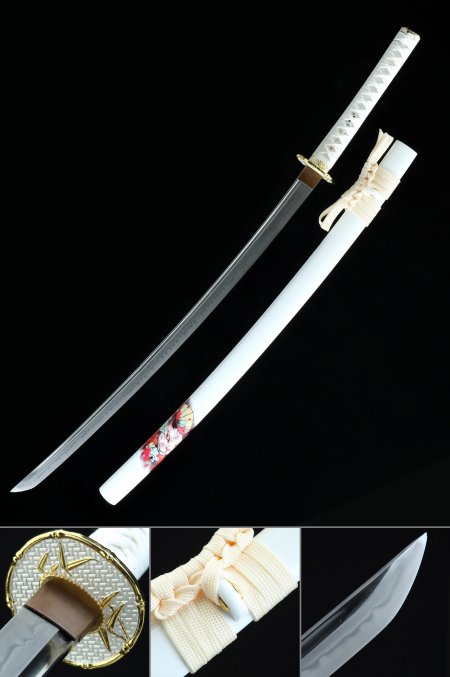
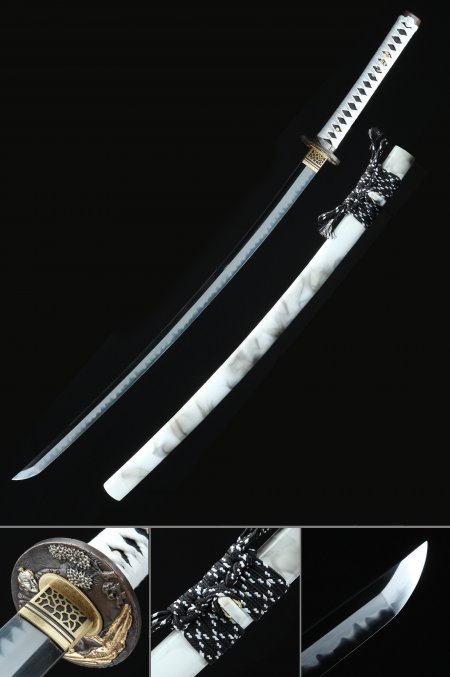
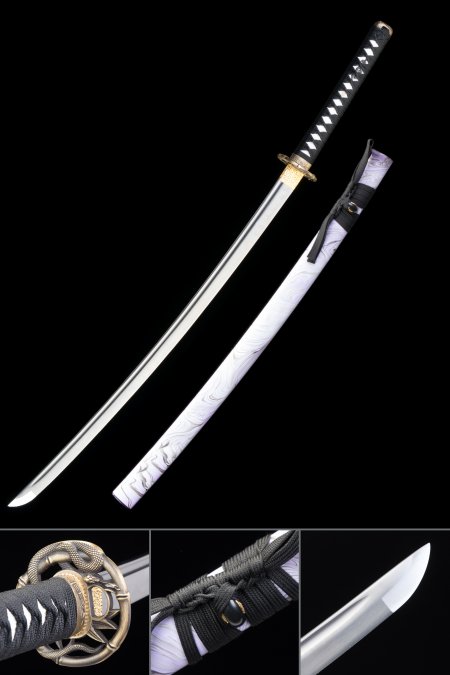
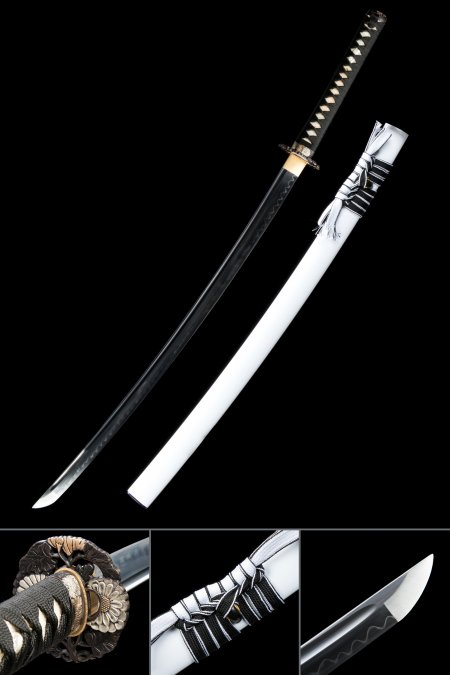
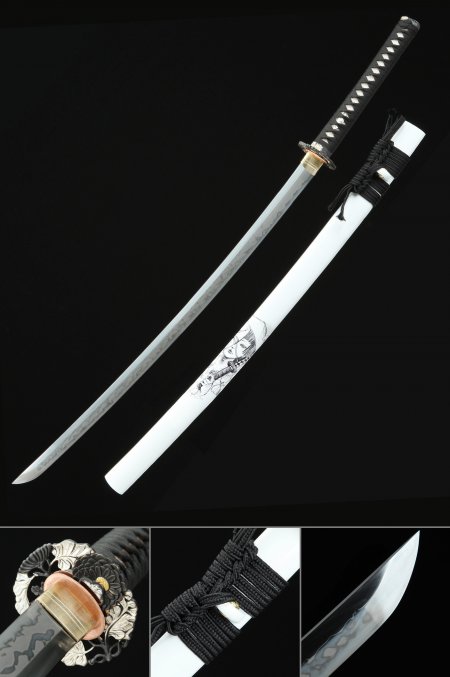
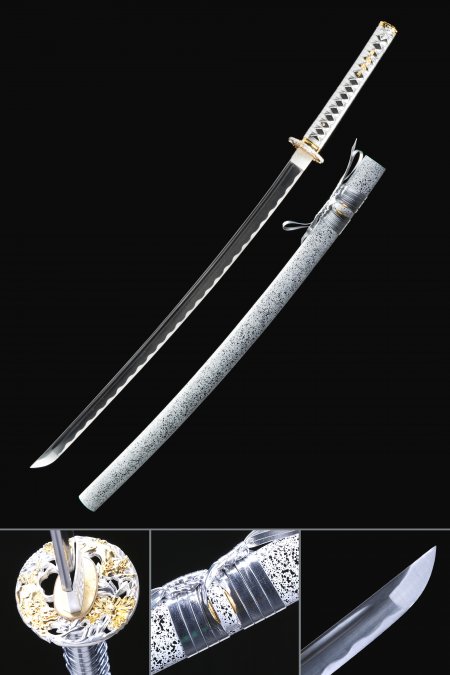
Browse our collection of white katana swords - hand-forged Japanese katana featuring white scabbard lacquer, white ito handle wrapping, and white blade configurations, available in T10, 1095, 1045, and 1060 carbon steel and Damascus steel with full-tang construction. White katana create a display presence of exceptional purity and elegance, where the cool-tone neutral color aesthetic allows the blade geometry and hamon to read with maximum clarity. Free US shipping and hassle-free returns included.
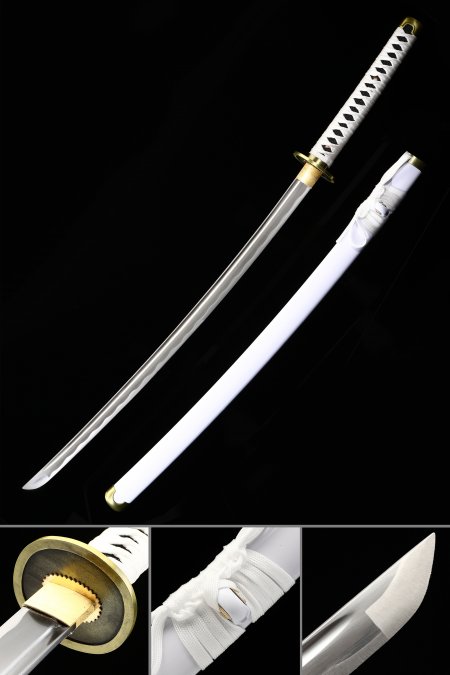
Showing 56 Products

Related Collections

White Damascus Katana4 items


3 Reviews

White Tachi Sword44 items


88 Reviews

White Cord Handle Tanto18 items


201 Reviews

Frequently Asked Questions

What white color configurations are available in the white katana collection?
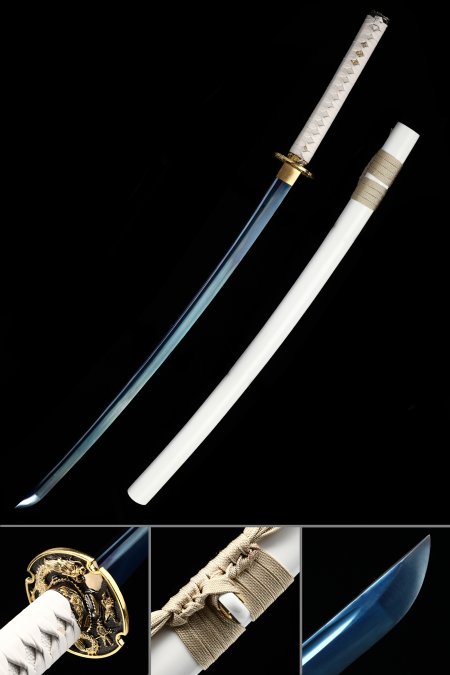
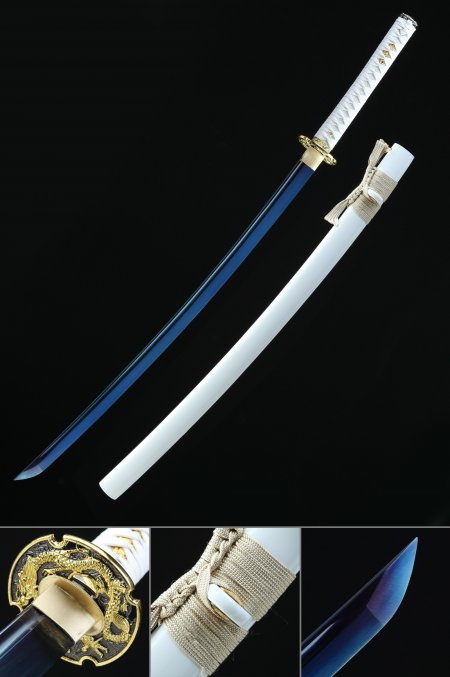
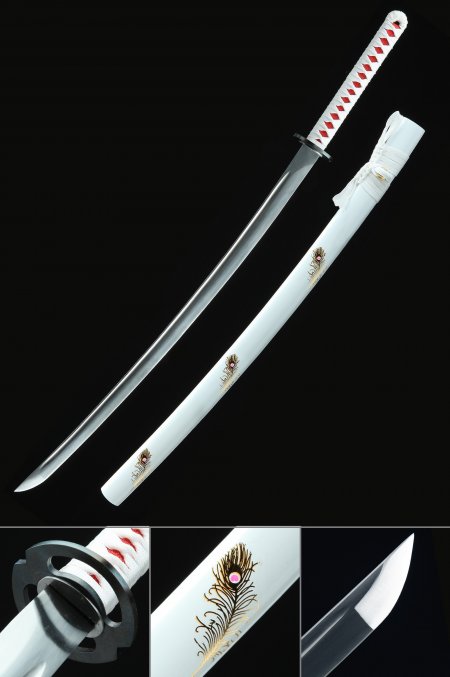
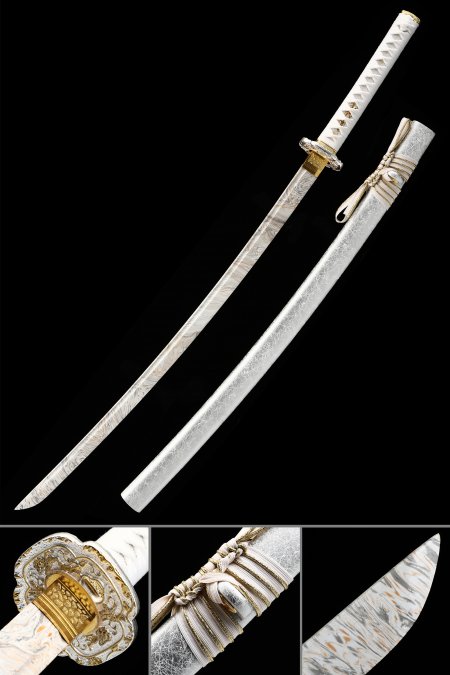
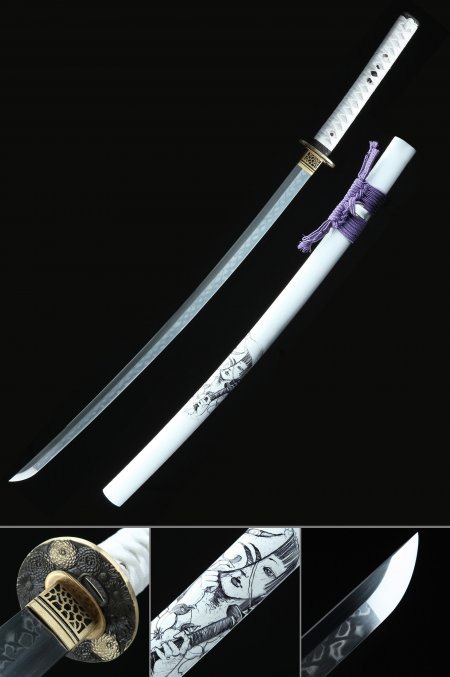
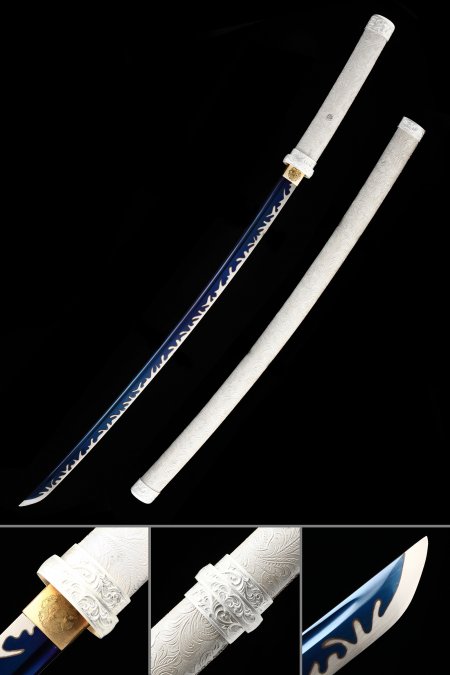
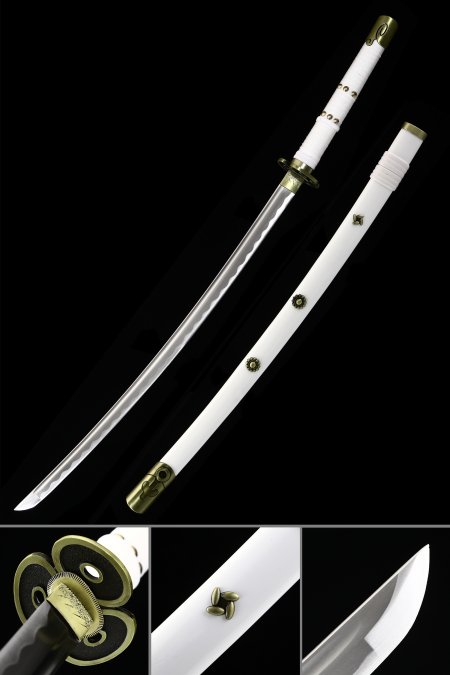
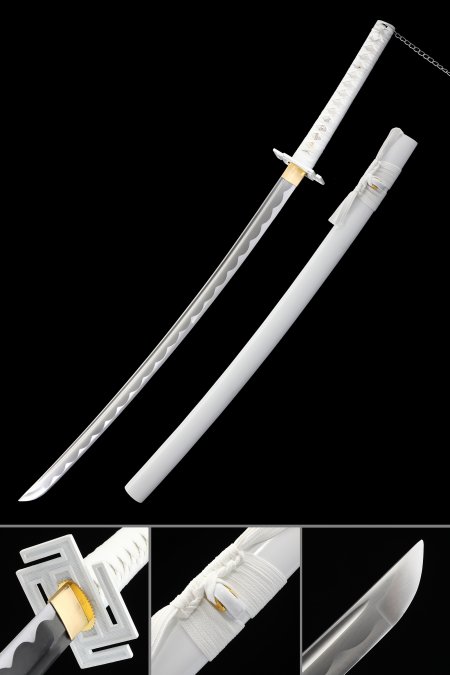
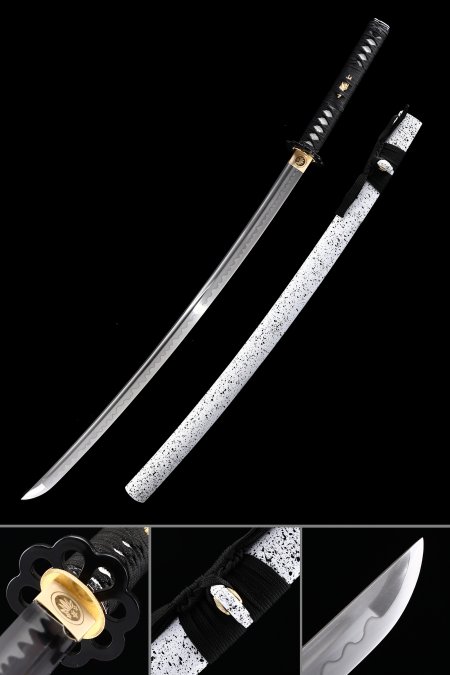
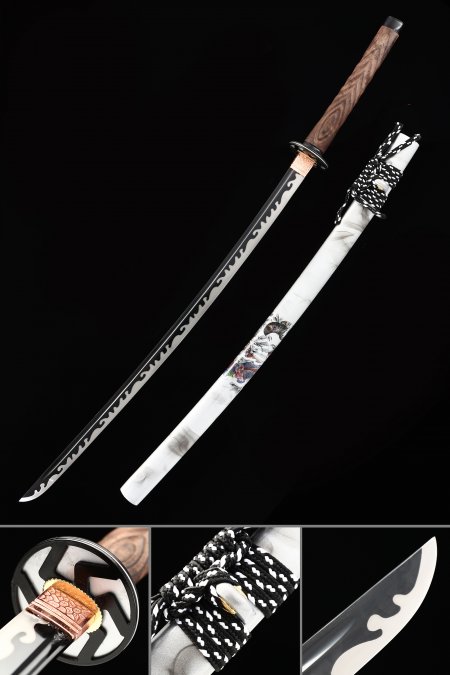
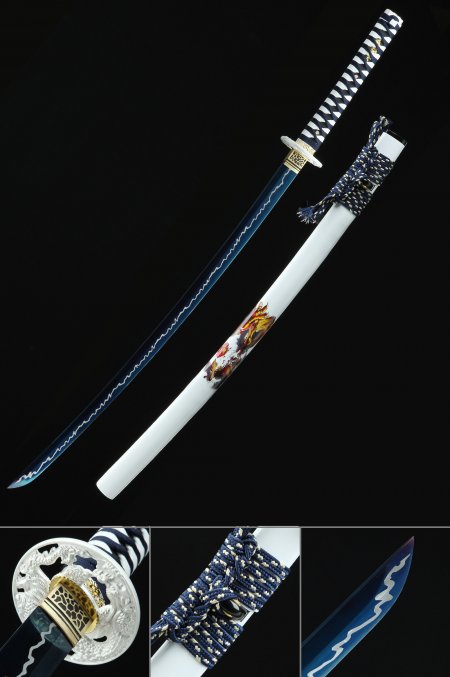
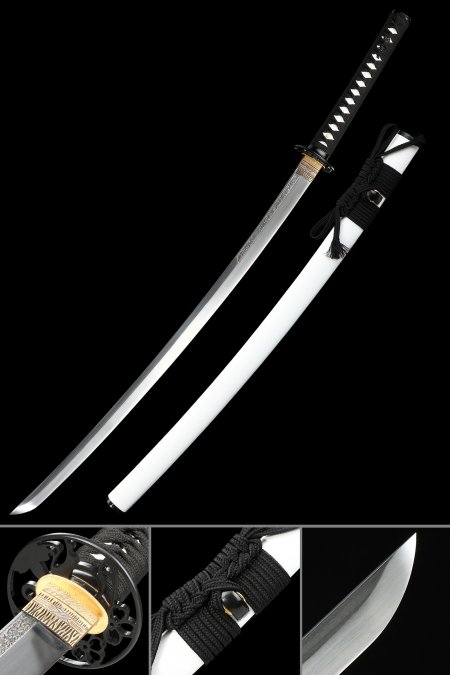
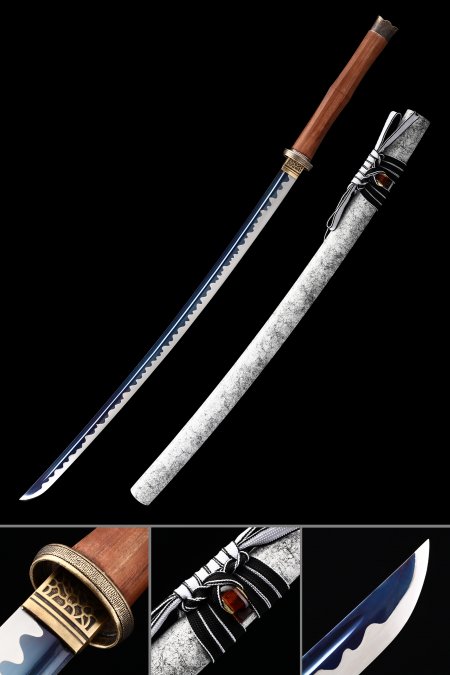
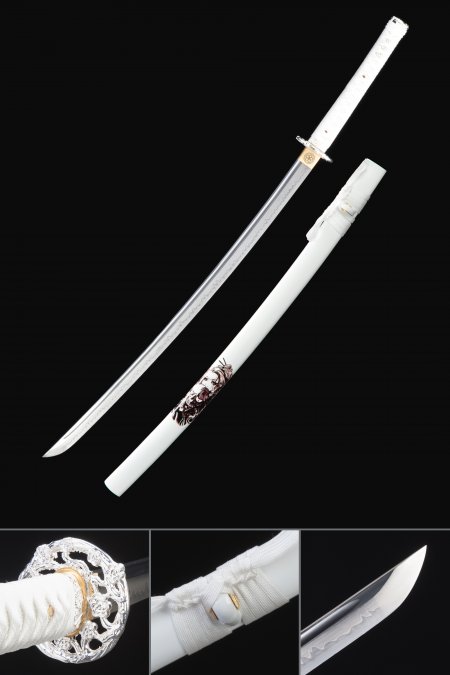
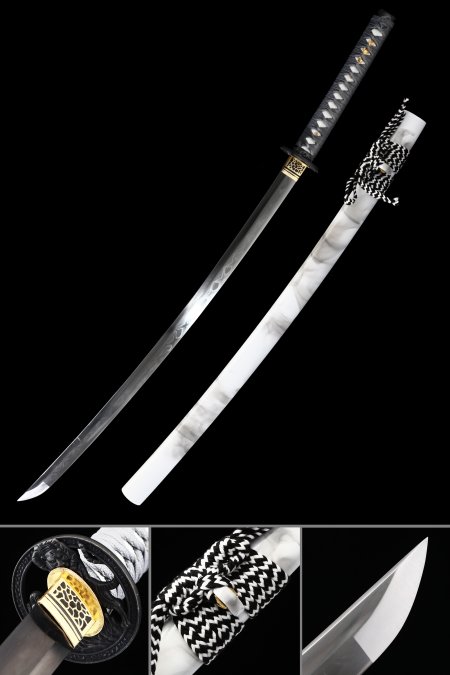
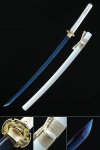
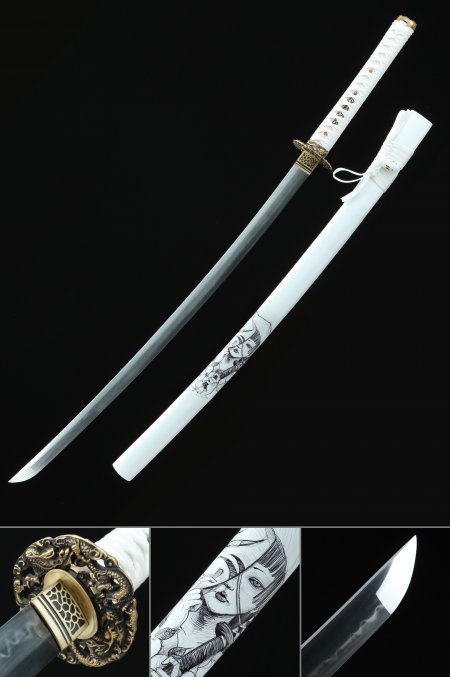
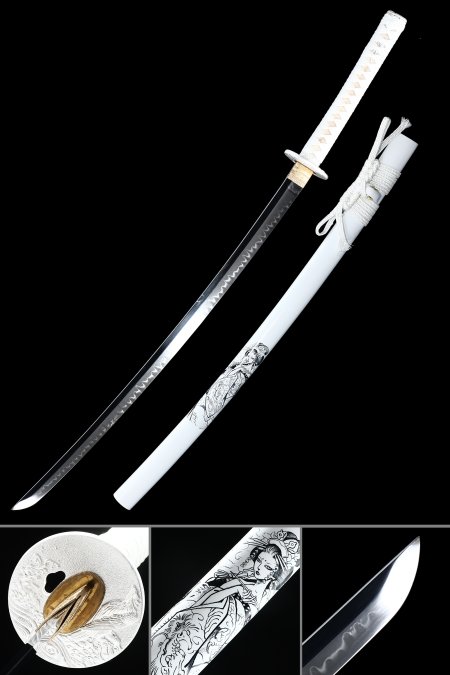
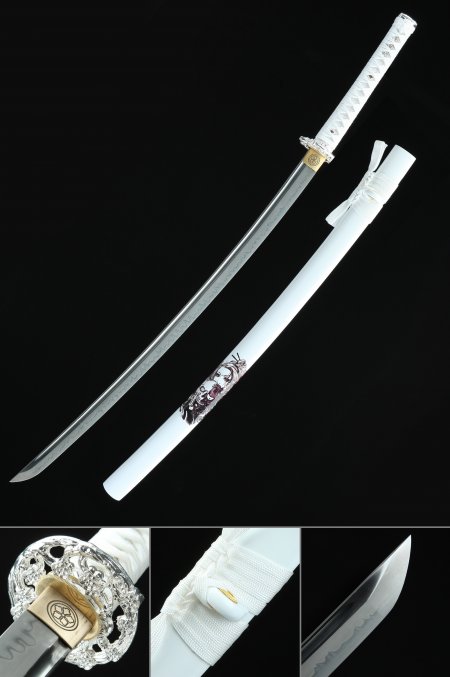
White katana in this collection are available in several distinct approaches to the white color aesthetic. Full white configuration pieces - white scabbard lacquer, white ito handle wrapping, and pale or white fittings - create the most complete white aesthetic where every component contributes to the unified cool-tone presentation. White scabbard pieces with conventional metallic or color blades create a white-focused sheathed presentation while the drawn blade offers a contrasting visual element. White scabbard with blue blade treatment creates a cool-tone two-color composition that pairs the white lacquer with a vivid blue blade - one of the most striking two-color configurations in the katana category. T10 clay-tempered pieces in white mounting show the hamon with particular clarity because the neutral white of the mounting draws no visual attention away from the blade. Damascus steel white katana combine layered blade patterning with white mounting.
Why is a T10 clay-tempered katana particularly effective in a white mounting?
A T10 clay-tempered katana in white mounting is particularly effective as a display piece because the white scabbard and handle components create a completely neutral visual frame around the drawn blade. When a T10 hamon katana is displayed in a dark or colored mounting, the mounting's color and visual texture compete with the blade for the viewer's attention, even if the competition is subtle. In a white mounting, there is no such competition: the white components recede visually, directing all attention to the steel blade and its hamon. The hamon temper line - the differential hardening zone visible as a white or misty line along the lower blade - reads with maximum clarity and definition against the backdrop of a white-mounted display. The pale scabbard also creates the optimal comparison context for examining the hamon: the white of the blade's hamon zone and the white of the scabbard create a visual dialogue that reinforces the traditional aesthetic of the Japanese katana blade as the primary object of attention in the complete sword composition.
What cultural significance does the white color carry in Japanese sword aesthetics?
White occupies a complex and significant position in Japanese cultural aesthetics as they relate to the sword tradition. In Shinto religious tradition, white is the color of purity, ritual cleanliness, and spiritual significance - white is the color of the offering cloth, the shrine maiden's inner garment, and the ritual implements of many Shinto ceremonies. The association of white with purity and spiritual significance transfers to the sword context: a white-mounted katana carries connotations of spiritual refinement and ritual purity that darker configurations do not. In the martial tradition, white is also associated with a form of aesthetic restraint - the refinement of the true swordsman who does not need ornate decoration to communicate mastery. The shirasaya plain wooden mounting, which is closely related to the white katana aesthetic, originated partly as a pure storage mounting that stripped away decoration to protect the blade itself, and the aesthetics of this functional purity became valued in their own right. For collectors drawn to the depth of Japanese sword culture beyond material and construction, the white katana's cultural resonance adds a dimension of meaning to its considerable visual appeal.
How do I care for a white lacquered scabbard on a white katana?
The white lacquered scabbard on a white katana requires specific care to maintain its appearance and protect the wooden body beneath the lacquer. White lacquer is particularly susceptible to showing contact marks, minor scratches, and discoloration from oils, dirt, and environmental exposure, making regular gentle cleaning an ongoing care requirement. After handling the scabbard, wipe it gently with a soft dry lint-free cloth to remove any fingerprints or surface dust - skin oils will eventually discolor white lacquer if left in contact with the surface. Keep the white scabbard away from moisture: water exposure can damage the lacquer layer and, more seriously, cause the wooden body to warp, which changes the fit of the blade in the scabbard. Avoid direct sunlight, which causes white lacquer to yellow or develop an uneven tone over time. For minor surface marks, a soft cloth with very light pressure is the only appropriate cleaning tool - never use solvents, cleaning sprays, or abrasive materials on lacquered surfaces. Store in a stable-humidity environment and handle the scabbard by the grip areas rather than the body when possible.
Customer Reviews