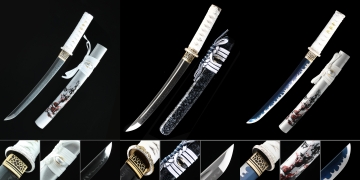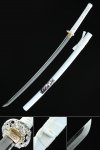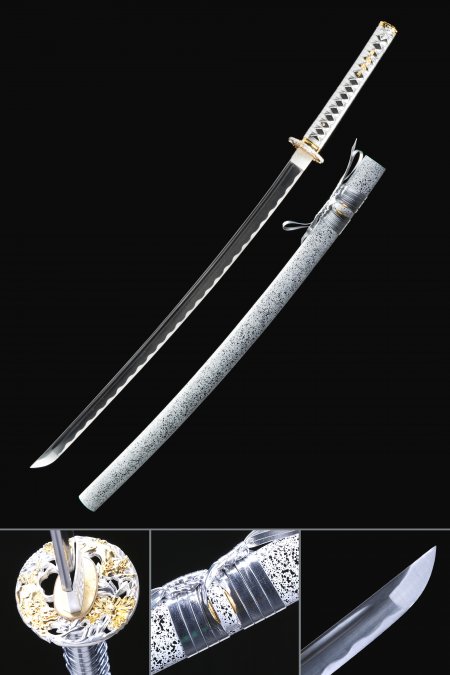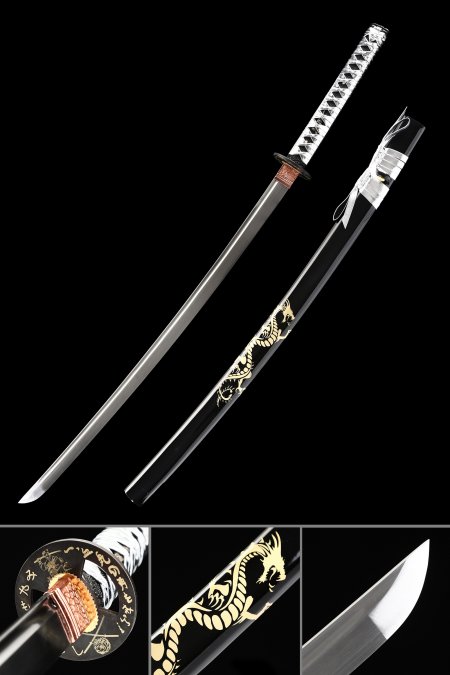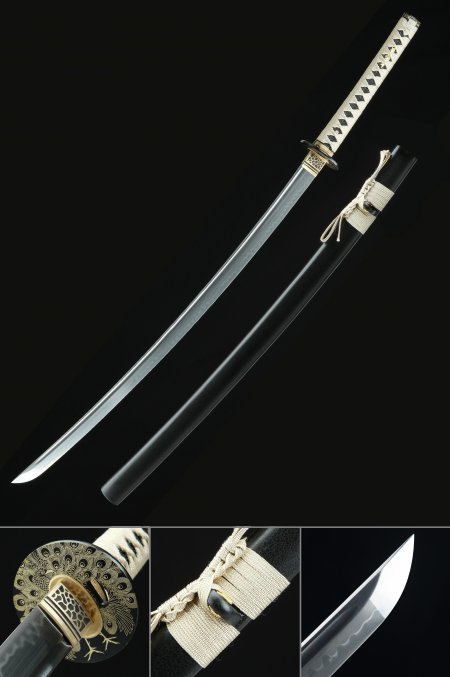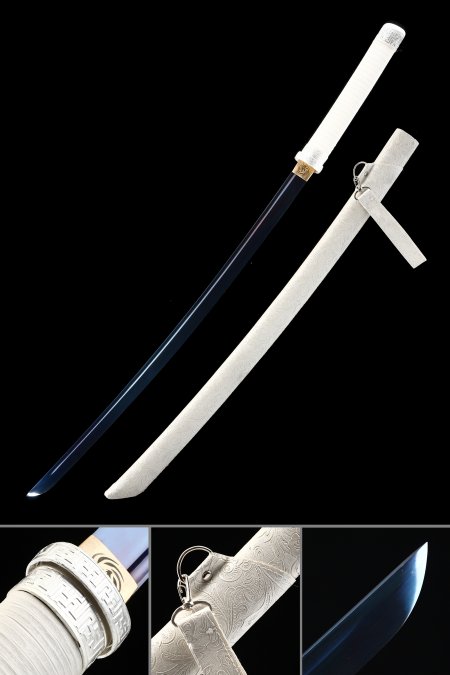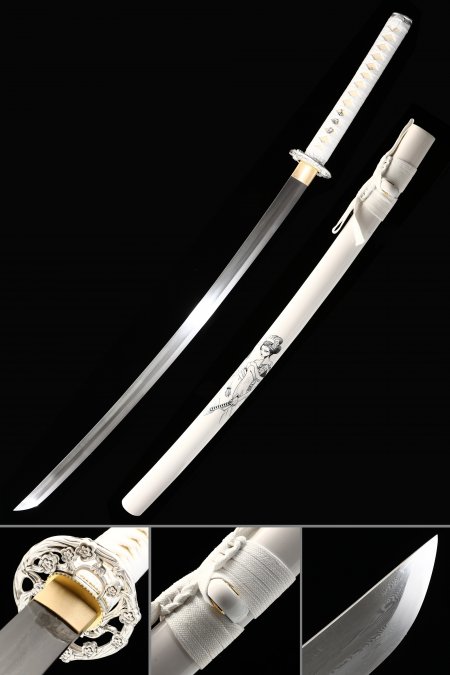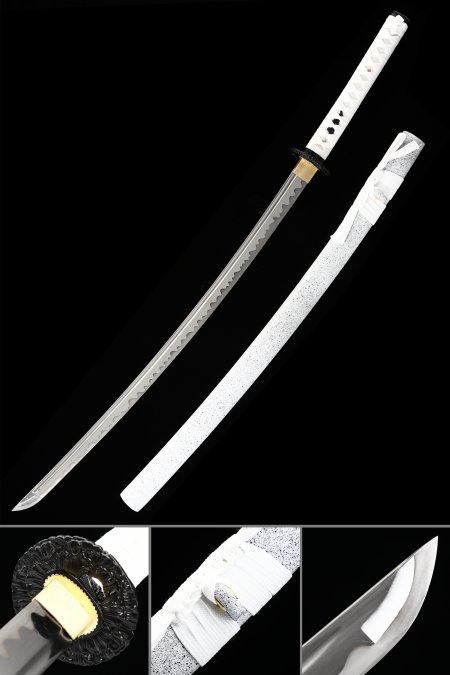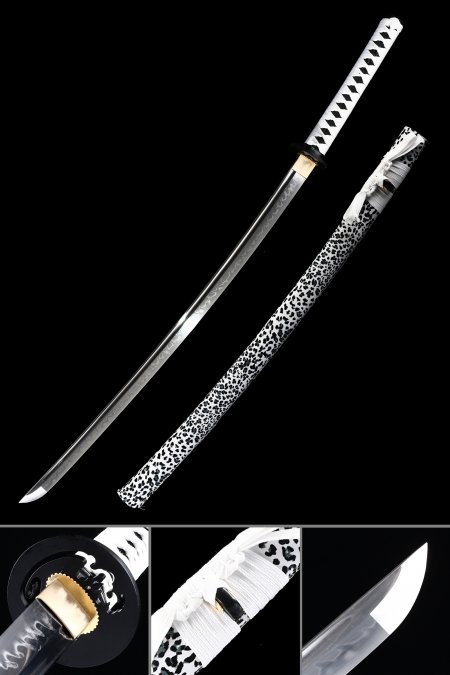
White Sageo Katana

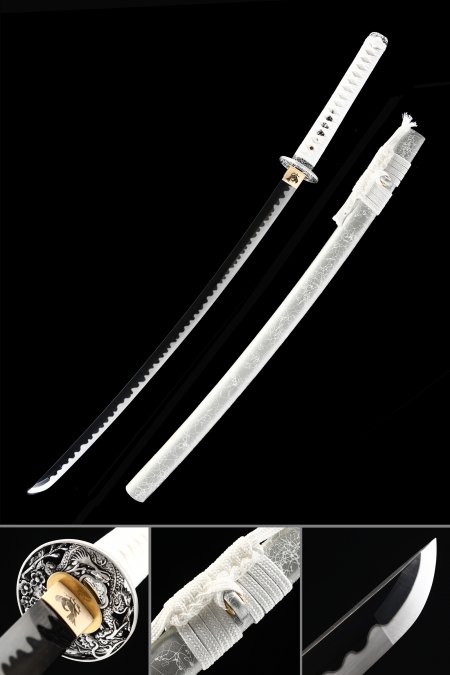
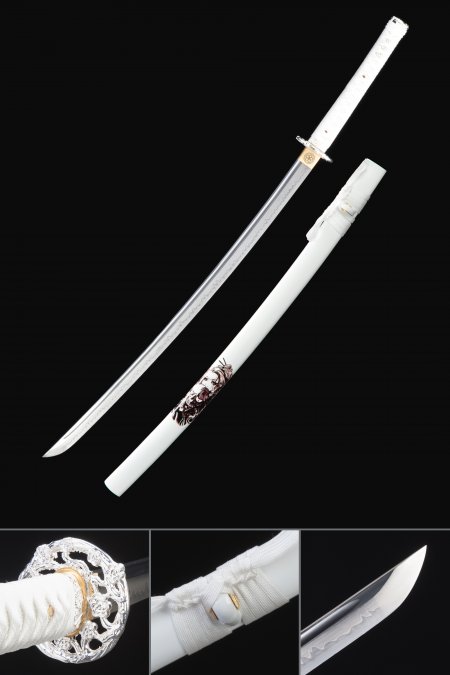
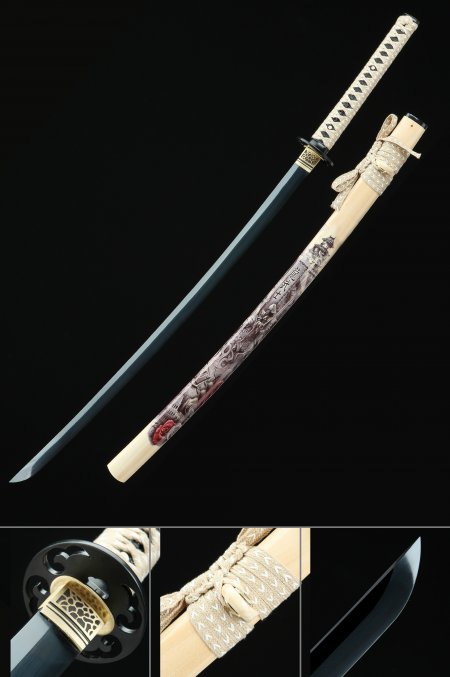
A white sageo is more than a decorative cord - it signals intention, restraint, and refined aesthetic sensibility in Japanese sword tradition. Every katana in this collection pairs hand-forged blades in high-carbon or clay-tempered steel with crisp white sageo and thoughtfully matched saya, from piano-lacquer finishes to crackle patterns. Whether you're building a display collection or seeking a meaningful gift for a fellow enthusiast, these pieces carry genuine craftsmanship in every detail. Enjoy free shipping on your order, backed by our hassle-free return policy.
Showing 58 Products

Related Collections

White Samurai Katana56 items


783 Reviews

White Rayskin Saya Tanto14 items


13 Reviews

Frequently Asked Questions

What makes white sageo significant on a katana?
The sageo is the braided cord threaded through the kurigata - the knob on the saya - and in traditional koshirae it served a functional role securing the scabbard to the obi. Over time it became one of the most expressive aesthetic elements of a katana's full mounting. White specifically carries associations with purity and formal intention in Japanese aesthetics. On a finished piece, a white sageo creates a sharp visual contrast against both dark and light saya finishes, drawing the eye along the scabbard in a way that colored cords rarely achieve. Collectors who understand koshirae composition often evaluate the sageo alongside the ito wrapping and tsuba design as part of a unified aesthetic system rather than treating it as an afterthought.
How does clay tempering affect a katana blade?
Clay tempering, known as tsuchioki in Japanese smithing tradition, involves applying a clay mixture unevenly along the blade before the final quench - typically heavier on the spine, lighter near the edge. When quenched in water or oil, the lightly coated edge cools rapidly and hardens into a martensitic structure, while the clay-insulated spine cools more slowly and remains relatively tough. The boundary between these two zones produces the hamon - the visible temper line that runs along the blade and is considered one of the most distinctive marks of traditional Japanese sword craft. No two hamon are identical, making each clay-tempered blade genuinely unique. The process also gives the blade a slight upward curve as differential contraction occurs during cooling, contributing to the characteristic katana geometry.
What is the difference between T10 and 1095 steel in katanas?
Both are high-carbon steels well suited for katana construction, but they differ in composition and resulting character. 1095 steel contains roughly 0.95% carbon and is a relatively straightforward high-carbon steel known for reliable hardness and ease of polishing to a clean finish. T10 tool steel contains a similar carbon content but also incorporates trace amounts of silicon and tungsten, which improve wear resistance and contribute to a finer grain structure. In practical terms, T10 blades can achieve a sharper, more refined edge geometry and tend to hold fine surface polish better over time. For collectors, T10 is generally considered a step up in material quality, and it responds particularly well to clay tempering, producing well-defined hamon with greater visual clarity.
How should I store and maintain a white sageo katana for display?
Horizontal display on a dedicated katana stand is ideal - it distributes the saya's weight evenly and allows the sageo to hang naturally without creasing. Avoid prolonged direct sunlight, which can yellow white cord fibers and dull lacquer finishes over time. For the blade itself, apply a light coat of choji oil every few months using a clean cloth, working from the habaki toward the tip to prevent oxidation. Keep metal fittings like the tsuba and menuki dry, as trapped moisture accelerates surface patina. When handling, use gloves or hold the piece by the tsuka to avoid transferring skin oils to the polished blade. Storing the katana in its saya when not on display provides additional protection from airborne humidity and dust.
Is a Damascus steel katana a good collectible choice?
Damascus steel katanas are a compelling collectible option for one specific reason: the surface pattern. Created by folding and welding together steel layers with differing carbon content, then acid-etching the finished blade, Damascus construction produces flowing, cloud-like or water-ripple patterns that are entirely unique to each piece. No two blades are identical, which is a meaningful quality for collectors. In this collection, Damascus steel katanas are paired with white sageo and floral silver tsuba, creating a presentation where the visual complexity of the blade complements rather than overwhelms the refined cord and fitting choices. Damascus blades require slightly more attentive maintenance than mono-steel blades - the etched surface should be kept lightly oiled to prevent the pattern from fading - but they reward that care with lasting visual impact on any display.

Customer Reviews

Micheal Pfamatter Pennsylvania, United States

I had to order a gift last minute (12/16) and was super nervous but Truekatana pulled through, was true to their advertising and delivered as promised. My gift arrived on 12/23 and it is exactly what I expected/ordered, perfect. Thank you! My only critique, to show fairness is that I didn't receive a shipping confirmation (adding to the super nervousness). Considering the whole experience I will still give 5 stars and order from them in the future.
Inosuke Sword - Kimetsu No Yaiba Beast Hashira Nichirin Replica, 1045 Carbon Steel, Jagged Edge Inosuke Sword - Kimetsu No Yaiba Beast Hashira Nichirin Replica, 1045 Carbon Steel, Jagged Edge