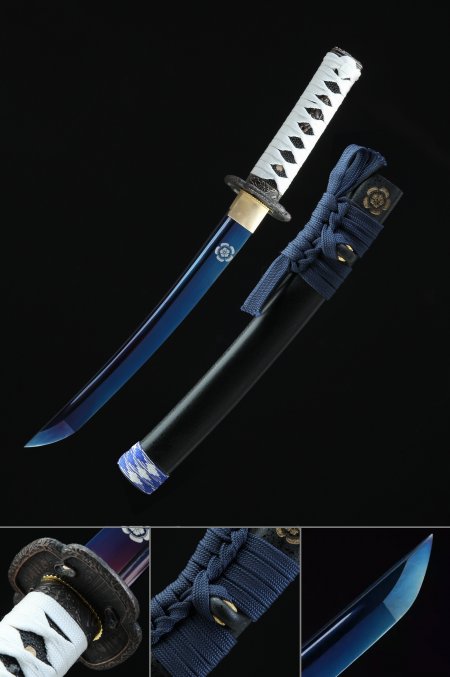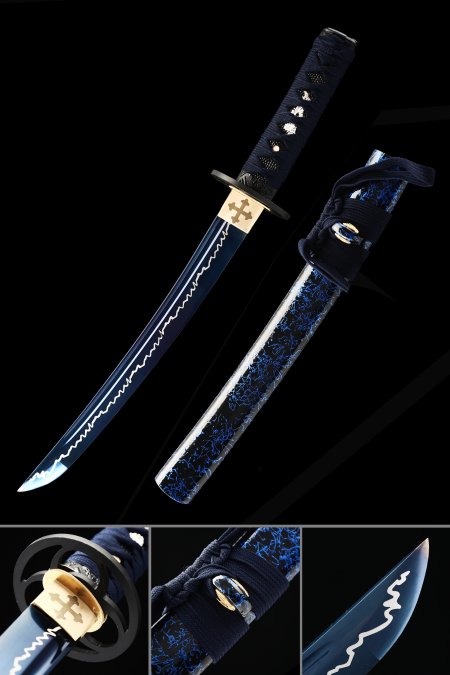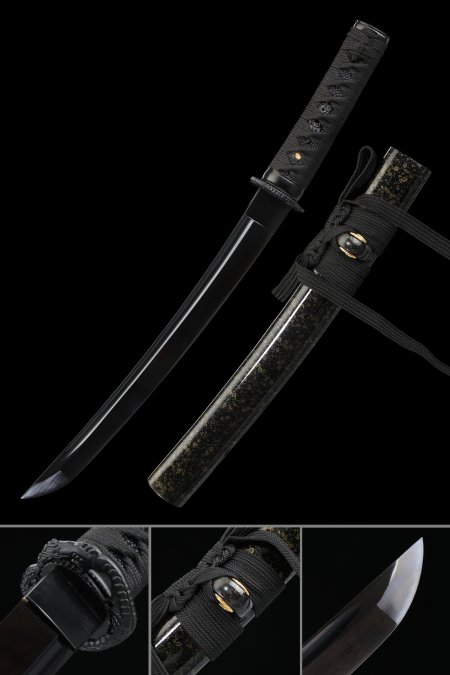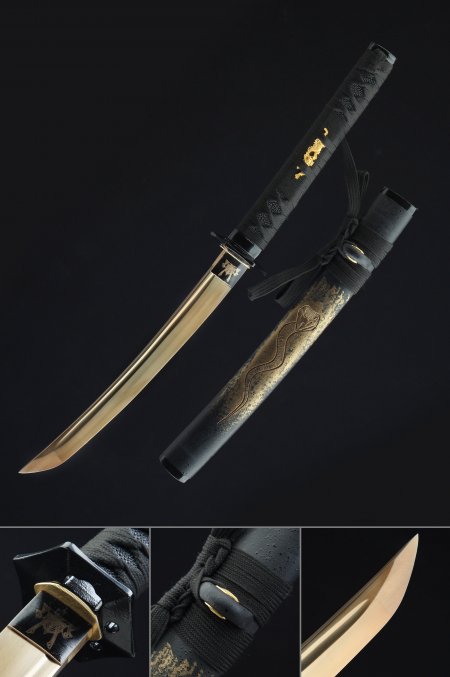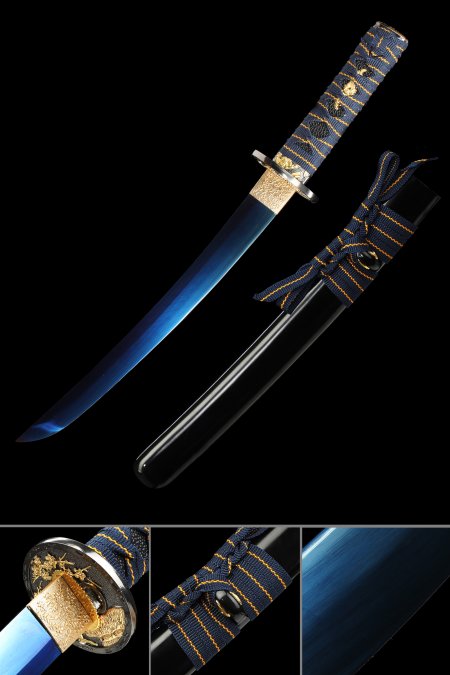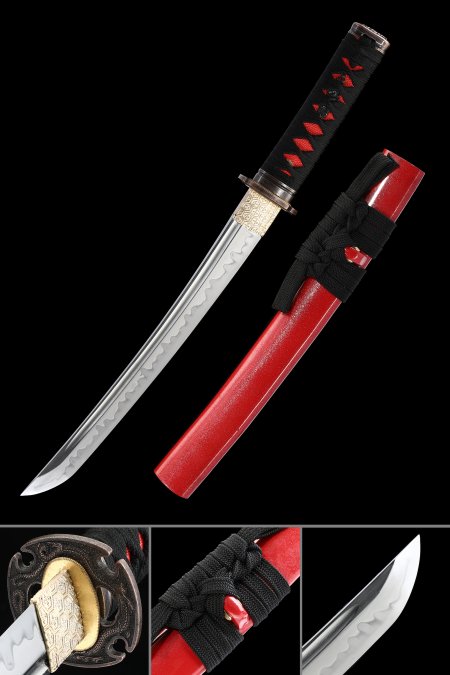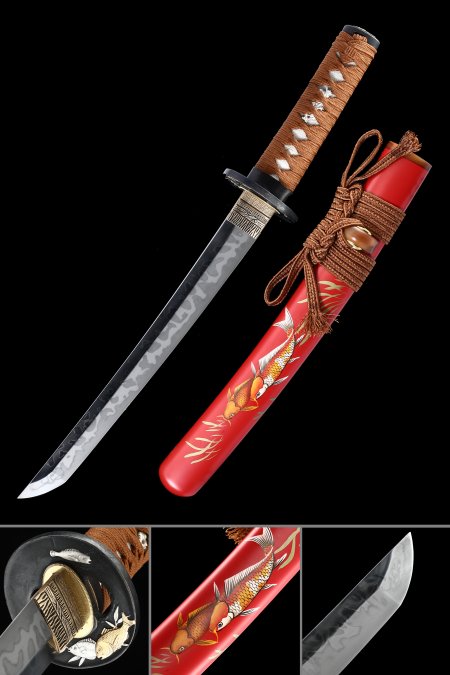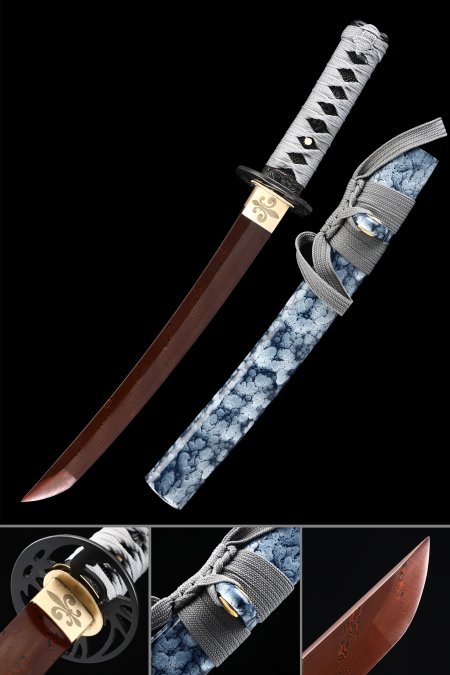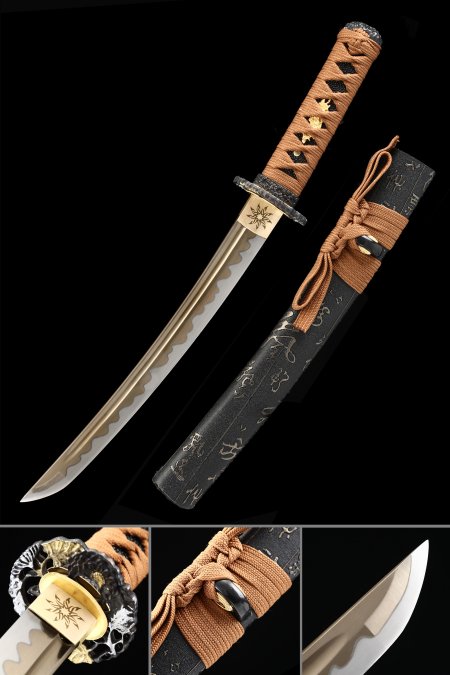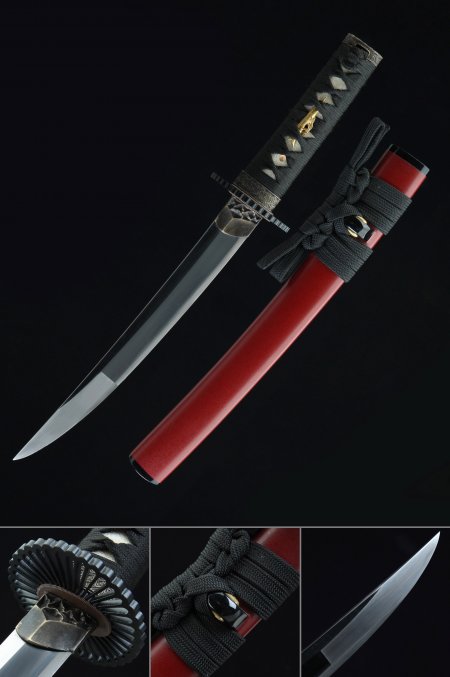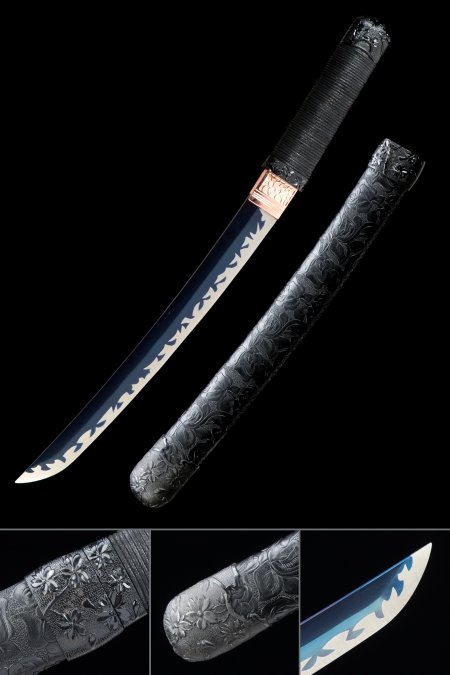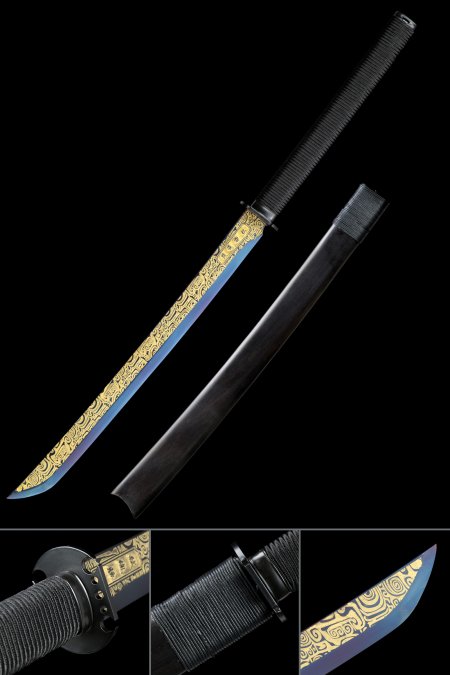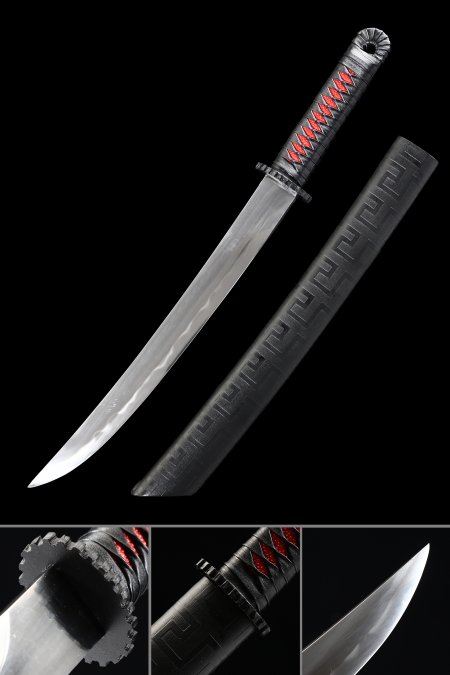
Black Tsuba Tanto

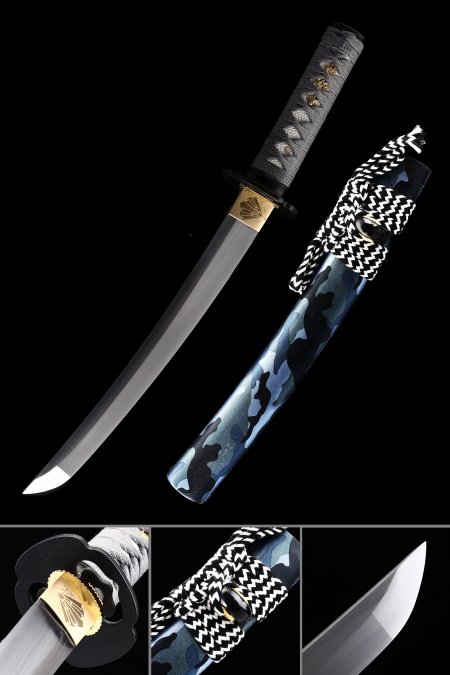
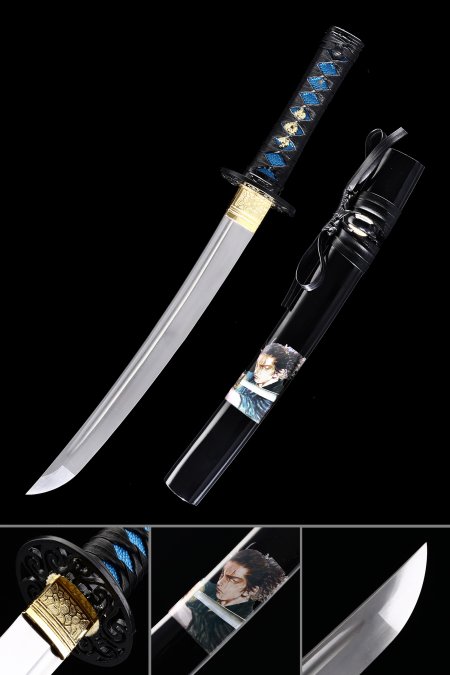
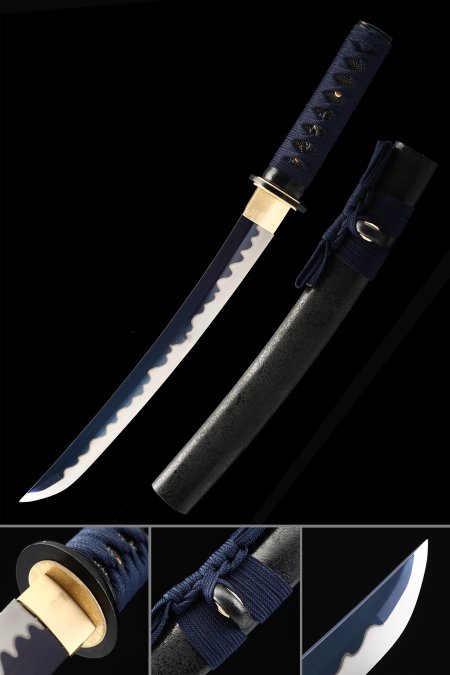
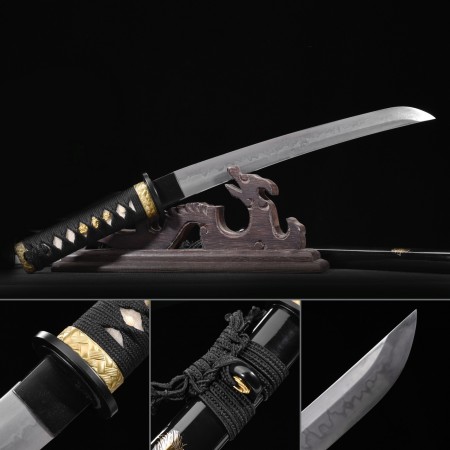
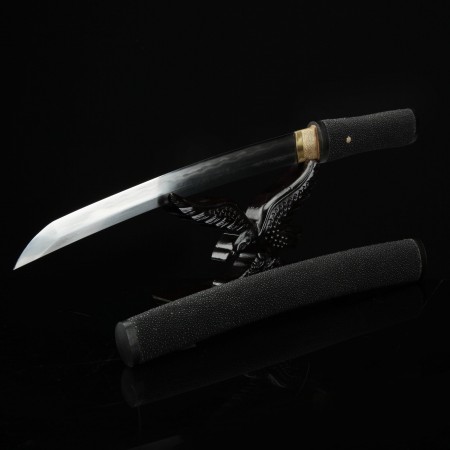
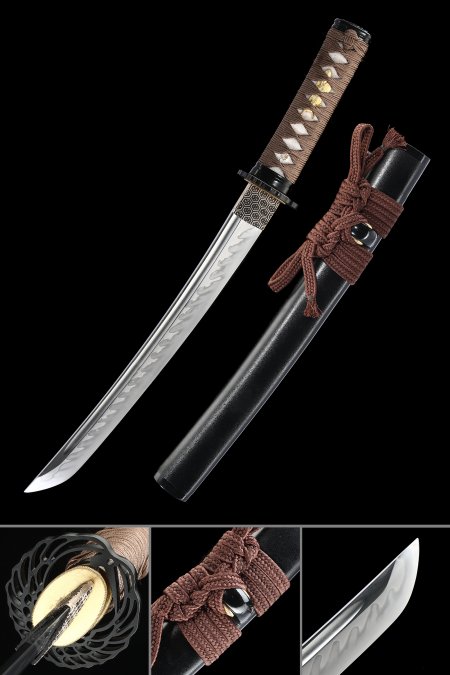
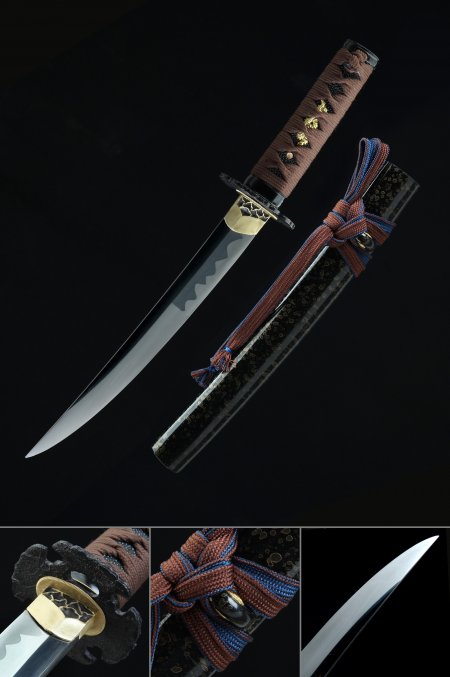
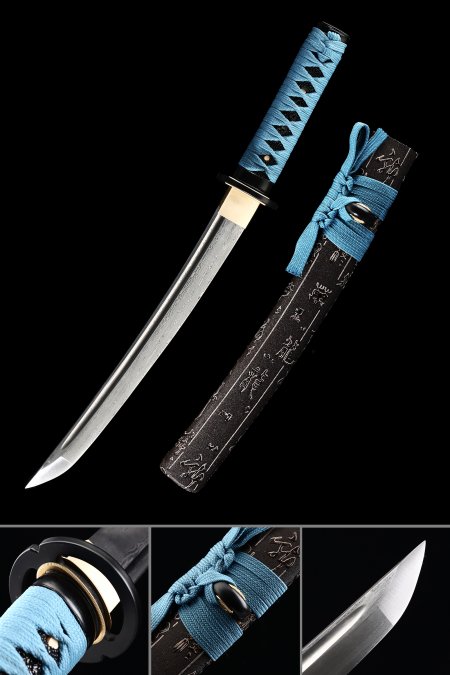
A black tsuba tanto brings together the refined silhouette of the traditional Japanese short sword and the striking visual weight of darkened fittings - a combination that serious collectors recognize immediately. Every piece in this collection is hand-forged with full-tang construction, premium high-carbon or Damascus steel blades, and hand-wrapped tsuka finished in coordinated ito and samegawa. Enjoy free shipping on your order, along with our hassle-free return policy.
Showing 24 Products

Related Collections

Black Chokuto39 items


289 Reviews

Black Odachi11 items


14 Reviews

Black Sageo Katana619 items


3376 Reviews

Black Saya Katana590 items


3139 Reviews

Frequently Asked Questions

What makes a tanto 'black tsuba' style distinct?
The term refers to tanto collectibles fitted with a darkened tsuba - the hand guard - typically finished in blackened iron, oxidized alloy, or lacquered metal. This distinguishes them from natural iron or polished silver-tone guards. The black tsuba creates a high-contrast focal point between the blade, the ito wrap, and the saya, giving the piece a more unified, dramatic presentation. Historically, darkened fittings were associated with subdued, purposeful aesthetics favored by samurai who preferred understated elegance over ornamentation. On a display piece today, that same restraint reads as sophisticated and intentional.
How does T10 steel differ from manganese steel in a tanto?
T10 is a high-carbon tool steel with approximately 1.0% carbon content and a small tungsten addition that refines grain structure. When clay-tempered, T10 produces a visible hamon - the temperline that separates the hardened edge from the softer spine - which is one of the most sought-after visual and functional characteristics in Japanese-style blades. Manganese steel, by contrast, relies on manganese content for toughness and flexibility rather than differential hardening. It does not typically produce a natural hamon through clay tempering, but it handles dynamic stress exceptionally well. For display-focused collectors who want authentic hamon aesthetics, T10 is generally the preferred choice. For collectors who also intend occasional supervised test-cutting sessions, manganese steel offers a more forgiving grain structure.
What is the best way to store a tanto collectible long-term?
Long-term storage should prioritize three factors: controlled humidity, minimal handling, and proper blade coating. Store the tanto horizontally on a padded rack or in its saya inside a paulownia wood box if available - paulownia naturally regulates moisture and resists insects. Apply a thin, even coat of choji oil or food-grade mineral oil to the blade every three to six months to prevent oxidation, especially in humid climates. Avoid storing the piece in a leather-lined case long-term, as leather can trap moisture against the steel. Keep the tanto away from direct sunlight to preserve the lacquer finish on the saya and prevent fading of the ito wrap.
Can a black tsuba tanto work as a display gift for non-collectors?
Absolutely. The compact size of a tanto - typically 25 to 35 cm in blade length - makes it one of the most practical Japanese sword formats for display in a standard living space. Unlike a full-length katana, a tanto fits comfortably on a desktop stand, a bookshelf, or inside a shadow box frame. The visual impact of blackened fittings, a decorated saya, and a hand-wrapped handle reads clearly even to someone unfamiliar with sword terminology. Pairing the tanto with a simple horizontal stand and a brief card explaining the steel type and fittings adds context that elevates the gift from decorative object to genuine collectible. It requires no special display infrastructure and suits a wide range of interior aesthetics.
What is an aikuchi mounting and how does it differ from standard tanto fittings?
An aikuchi is a traditional Japanese mounting style in which the tsuba - the hand guard - is omitted entirely, with the saya fitting flush against the fuchi collar. The name translates roughly as 'meeting mouth,' describing how the saya mouth meets the handle without a guard in between. This style originated in civilian and court contexts where a full guard was considered unnecessary or aesthetically disruptive. On a display tanto, aikuchi mounts produce an exceptionally clean, uninterrupted profile that many collectors find more elegant than guard-fitted versions. The Damascus Steel Tanto with Black Rayskin Saya and Eagle Tsuba in this collection references both traditions - the eagle tsuba provides decorative presence while the overall proportions remain compact and refined.

Customer Reviews

David Boles Georgia, United States

The Sword I ordered was a gift for my son that he picked out. I was skeptical since I was unfamiliar with the company. I even tried to get him to wait and do some research before making a purchase, but he said this sword was the one he wanted. The shipping time was reasonable and the quality of the sword was honestly a lot more than I was expecting The blade is solid and the handle is also well made. It is a beautiful sword, my son loves it, and I would definitely order from this company again in the future.

Ghost of Tsushima Tanto - Jin Sakai Short Sword Replica, 1065 Carbon Steel, Blue Blade Ghost of Tsushima Tanto - Jin Sakai Short Sword Replica, 1065 Carbon Steel, Blue Blade