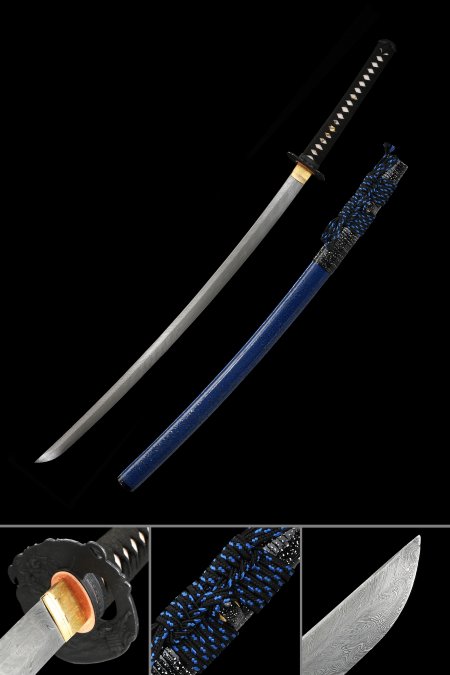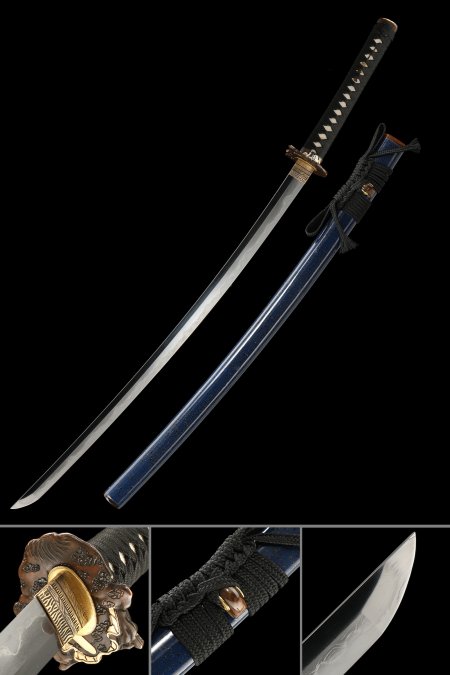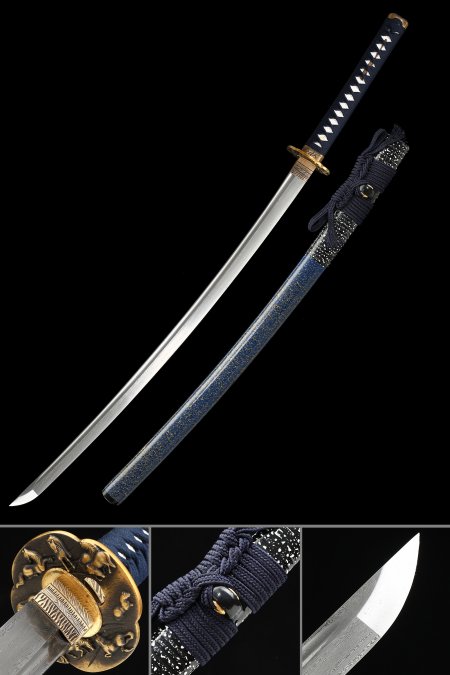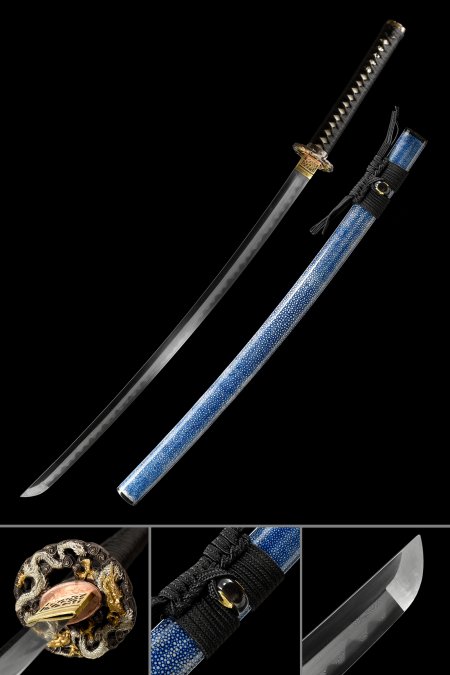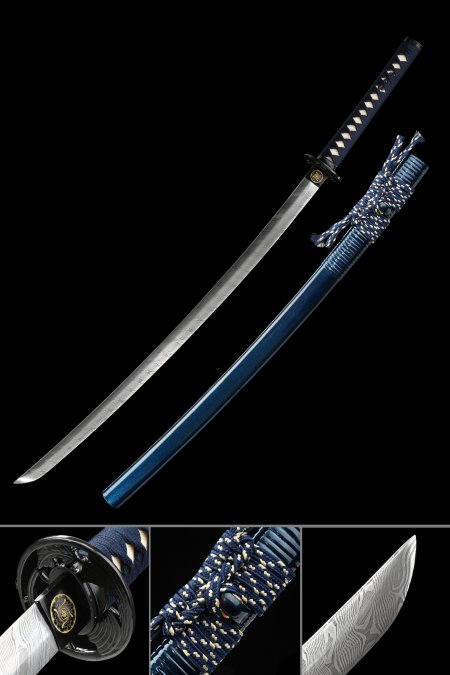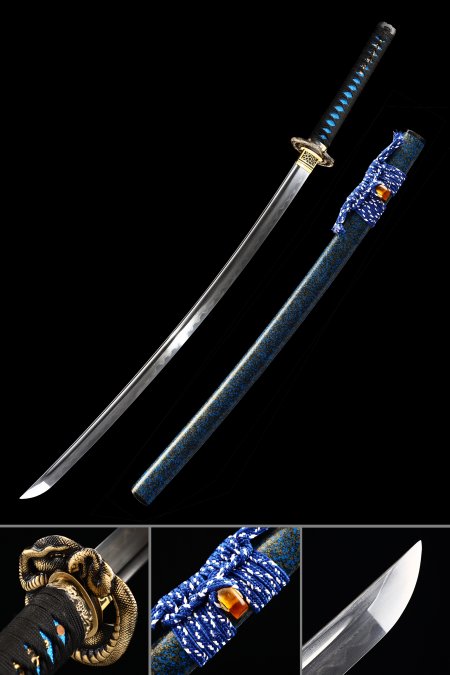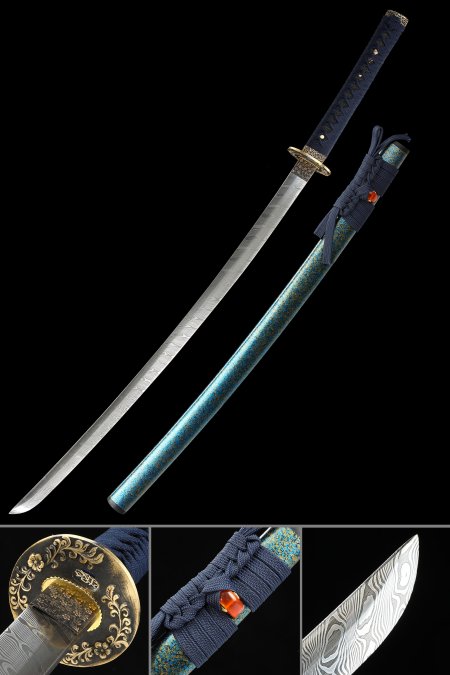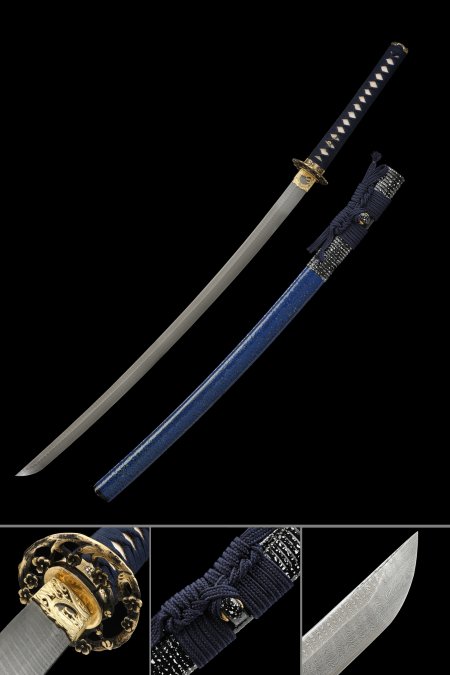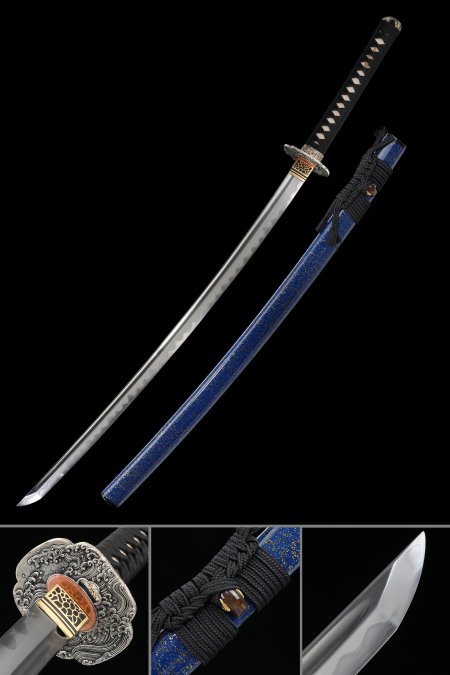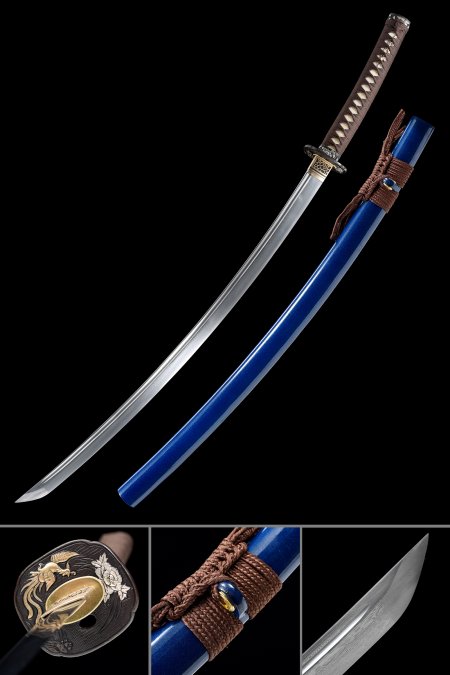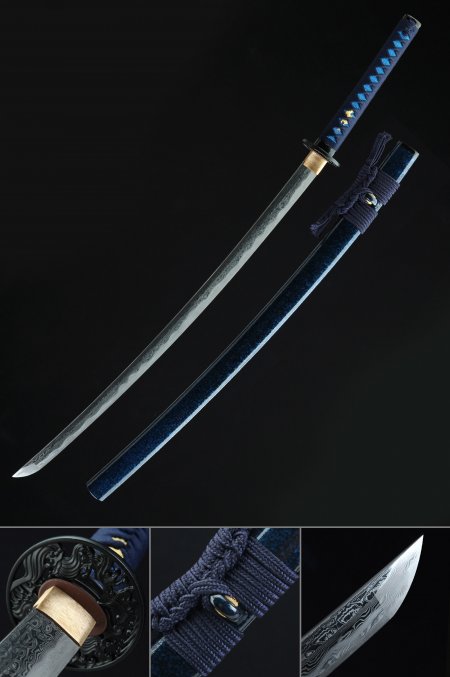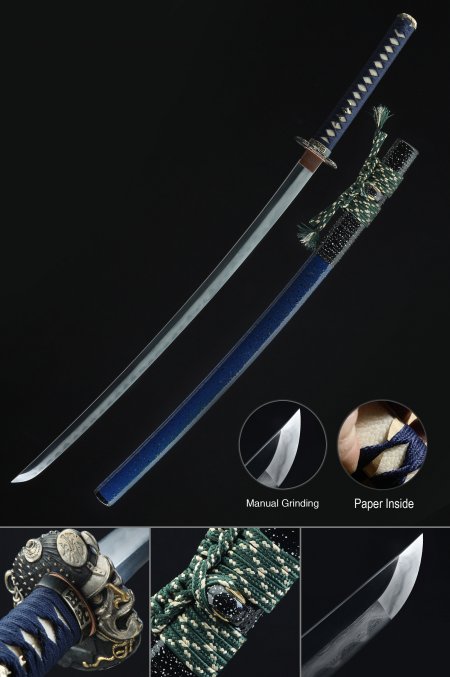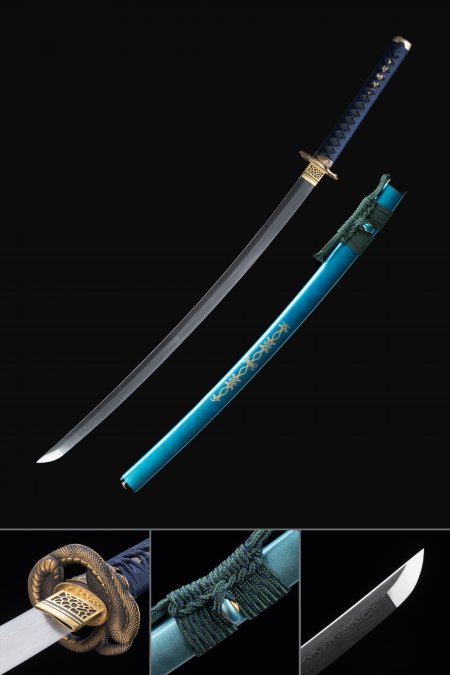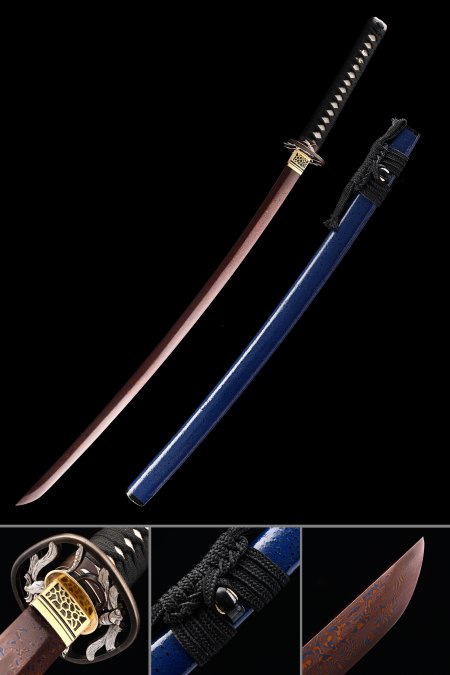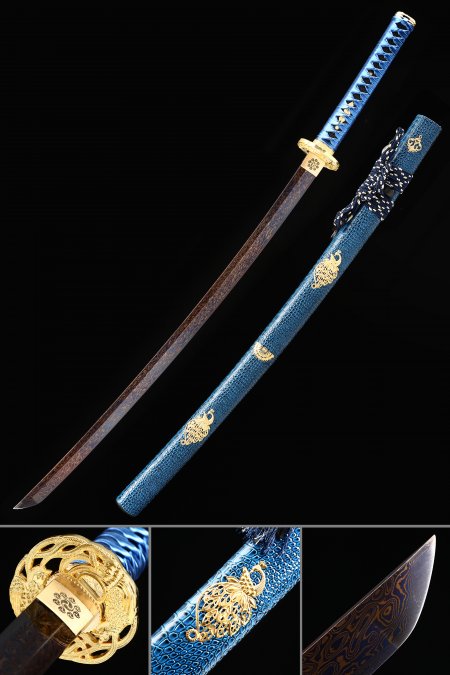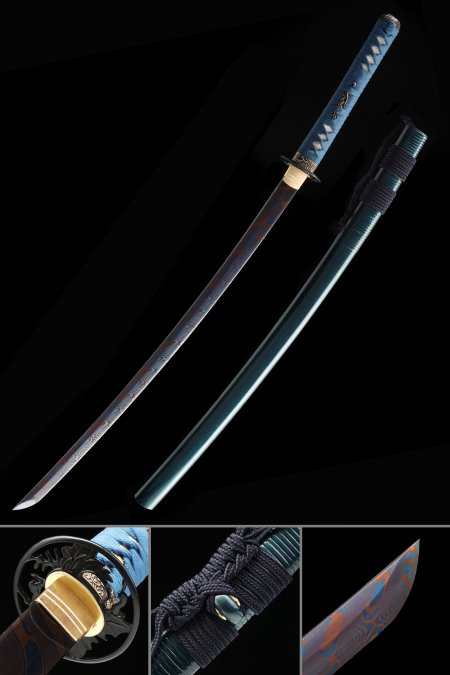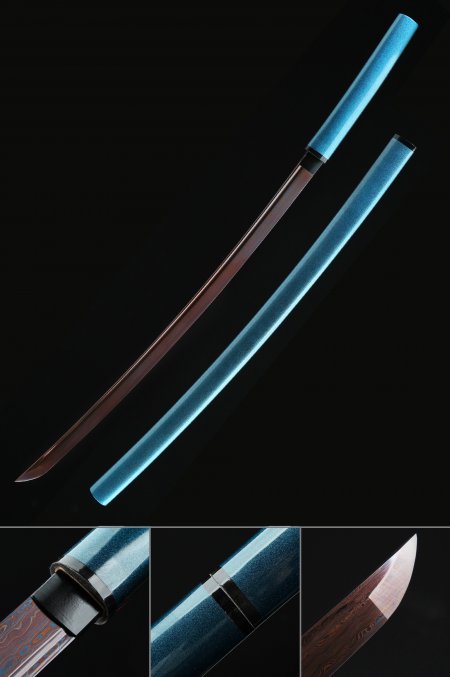
Blue Damascus Steel Katana

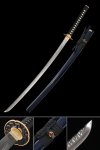
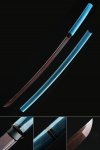
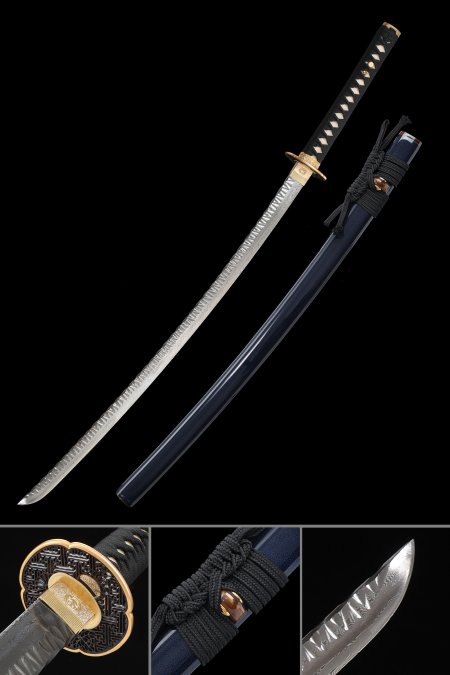
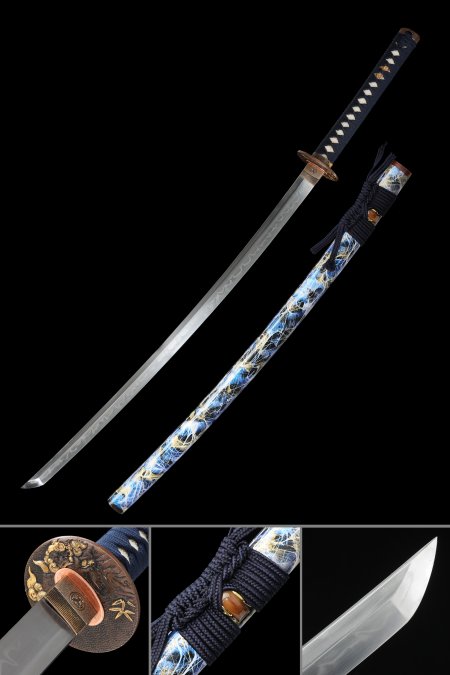
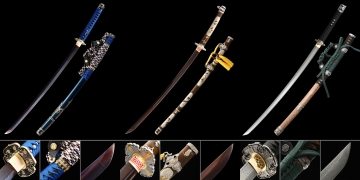
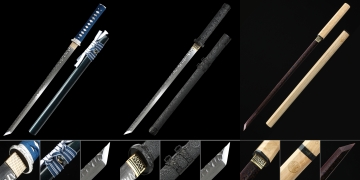
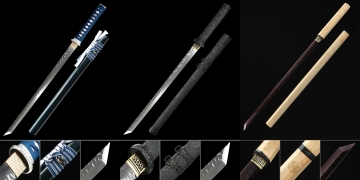
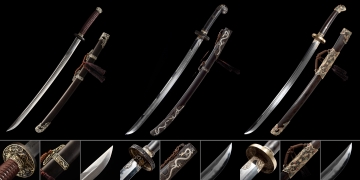
Blue Damascus Steel Katanas unite centuries-old folding technique with a vivid, jewel-toned aesthetic that no single-steel blade can replicate. Each piece showcases flowing layered patterns across a hand-forged full-tang blade, paired with lacquered saya and ornate tsuba crafted for display distinction. Every order ships free with hassle-free returns, so adding a statement collectible to your showcase has never been more straightforward.

Showing 19 Products

Related Collections

Damascus Katana74 items


191 Reviews

Damascus Steel Wakizashi25 items


87 Reviews

Damascus Ninjato19 items


19 Reviews

Damascus Katana Sword120 items


226 Reviews

Frequently Asked Questions

What makes Damascus steel visually different from other blade types?
Damascus steel is produced by folding and forge-welding two or more steel alloys together repeatedly, then drawing the billet into blade shape. When the surface is etched with acid — or treated with heat-bluing — the different alloys react at different rates, revealing the flowing, layered grain pattern Damascus is known for. In Blue Damascus katanas specifically, that etching or bluing step is calibrated to bring out cool blue and dark charcoal tones across the pattern, a result no monosteel blade can replicate. The effect is structural, not painted or coated, meaning the pattern runs through the steel rather than sitting on its surface.
How does a Damascus katana compare to a hamon katana for display?
A hamon katana displays its character through a single temper line — the boundary where the clay-coated edge was differentially hardened during quenching — which produces a misty or crystalline line visible along the lower portion of the blade. A Damascus katana, by contrast, carries visible patterning across the entire blade face. Some pieces in this collection combine both: a real hamon line along the edge and full Damascus layering across the flat, giving collectors two distinct visual features to appreciate at the same time. For a display case meant to showcase forging artistry, Damascus offers a broader visual surface area, while hamon katanas reward the viewer who studies the blade from a low angle in good light.
What tsuba styles are common in this Blue Damascus collection?
The collection features tsuba in several recurring motifs: dragon, phoenix, wave, and snake designs, each cast in finishes ranging from bright silver and aged bronze to warm gold. These motifs were historically significant in Japanese sword furniture — dragons symbolizing strength and transformation, phoenixes representing renewal, waves evoking the natural world central to Japanese aesthetics. For display purposes, matching the tsuba finish to the saya lacquer color creates a cohesive presentation. A teal lacquer saya pairs naturally with bronze fittings, while a midnight blue piano lacquer saya tends to complement silver or dark steel tsuba finishes.
How should I oil and maintain a Damascus blade in long-term storage?
Damascus blades that have been etched or treated to bring out their layered pattern need light but consistent oil maintenance. Apply a thin coat of camellia oil or traditional choji oil every two to three months using a soft, lint-free cloth. Work along the grain direction rather than across it to avoid trapping particles in the layer boundaries. After oiling, store the katana horizontally in its saya with the edge facing upward — this prevents the edge from pressing against the saya interior over time. Keep the storage environment below 60% relative humidity and away from direct sunlight, which can fade lacquer on the saya. Avoid fingerprints on the blade face, as skin oils are mildly acidic and can leave marks on the etched surface.
Is a Blue Damascus katana a good gift choice for a serious collector?
For a collector who already owns standard monosteel or hamon katanas, a Blue Damascus piece offers something genuinely different — a forging method, visual character, and color treatment they may not yet have represented in their display. The combination of hand-forged layered steel, coordinated lacquer saya, and ornate tsuba gives these katanas a high perceived craftsmanship value that reads immediately when displayed. Because each katana's Damascus pattern is unique, the recipient receives something no one else owns in identical form. Pairing a katana with a shorter companion piece from the Damascus Tanto category creates a matched display set that collectors of Japanese-influenced blade art tend to find compelling as a grouping.

Customer Reviews