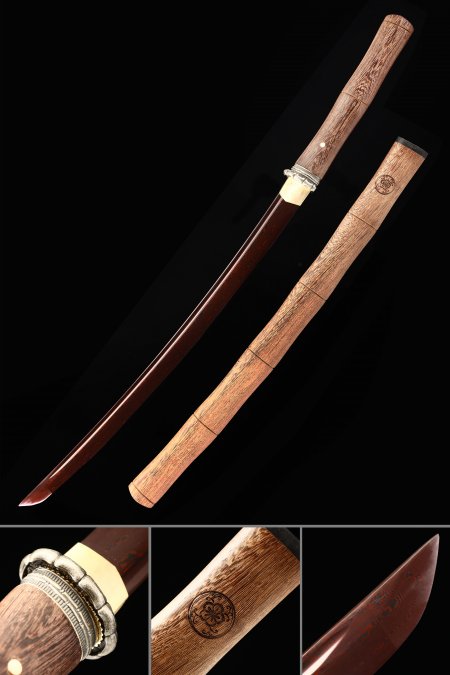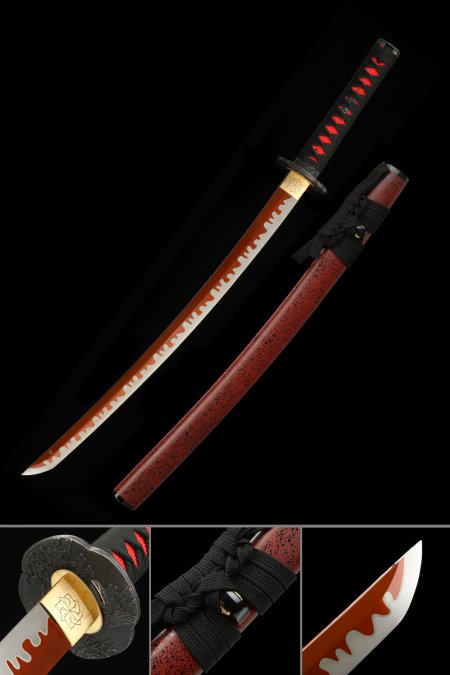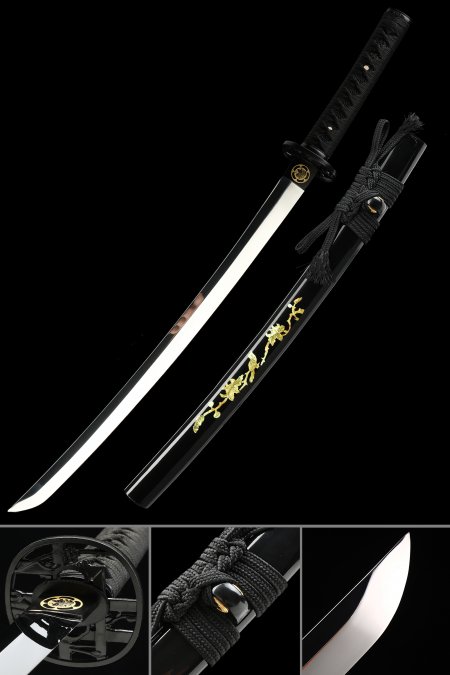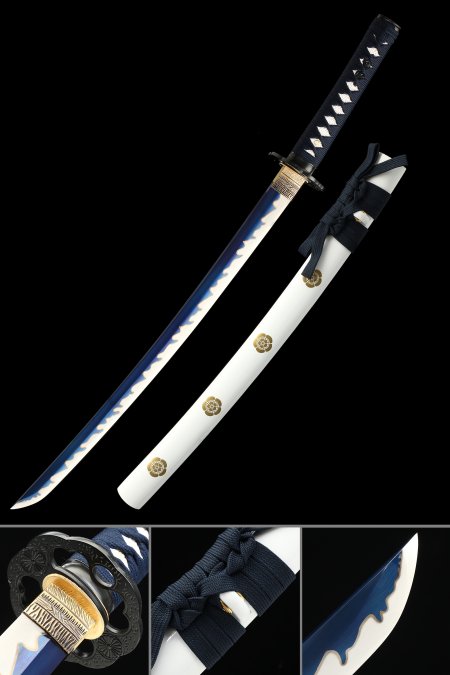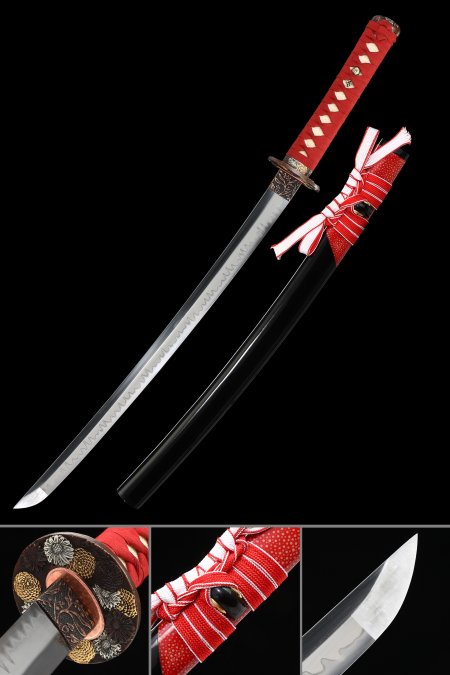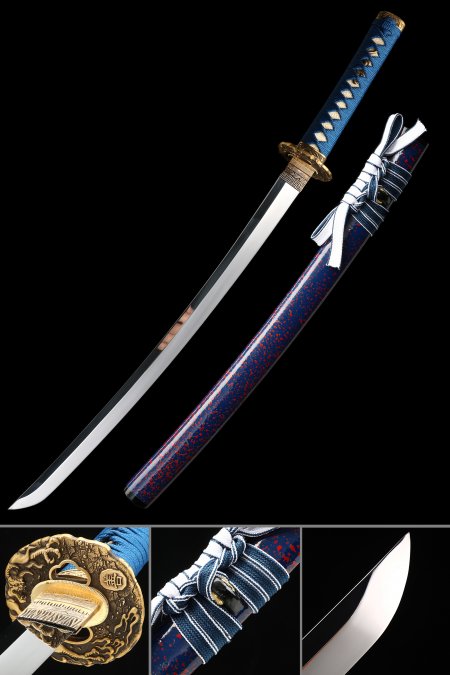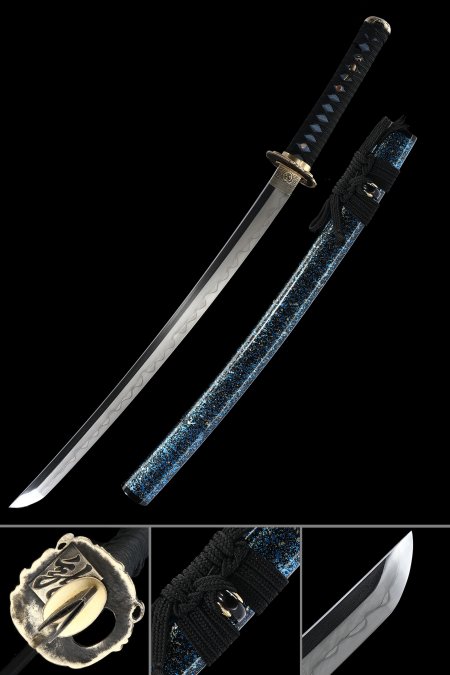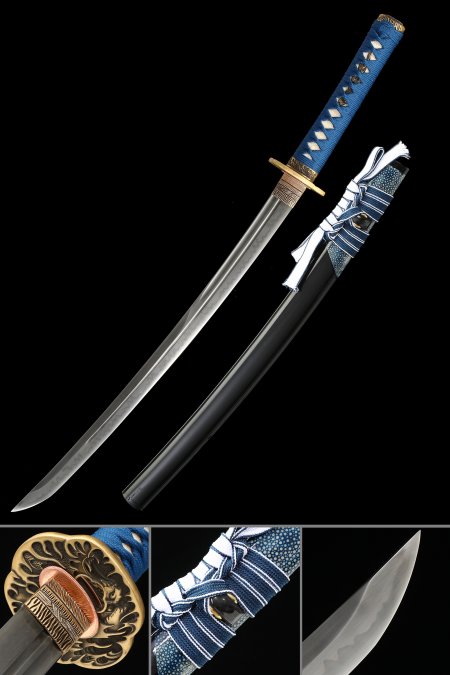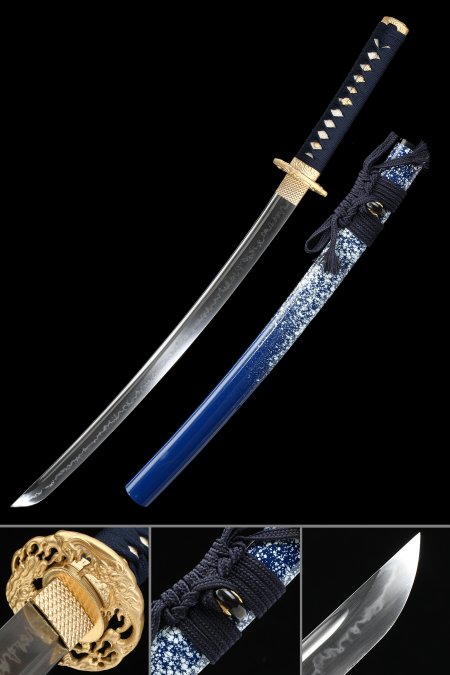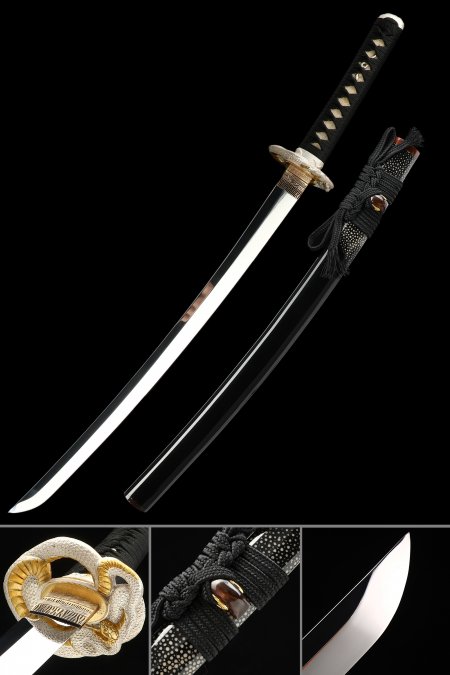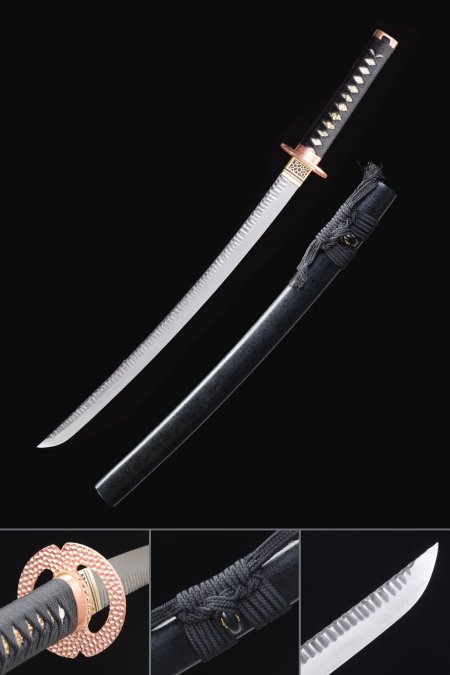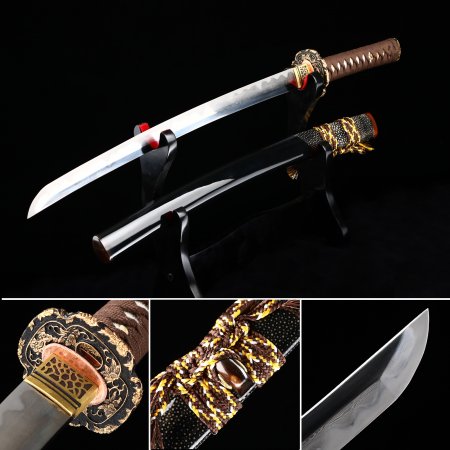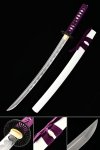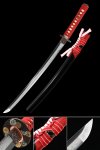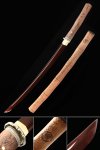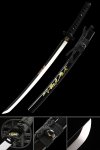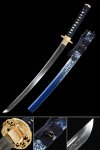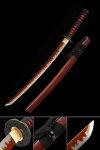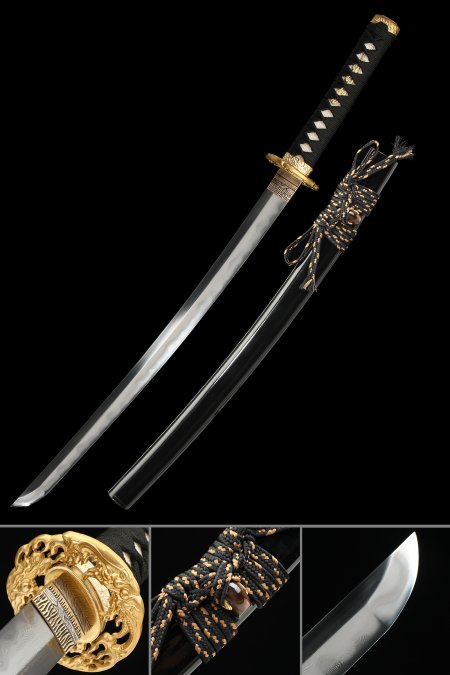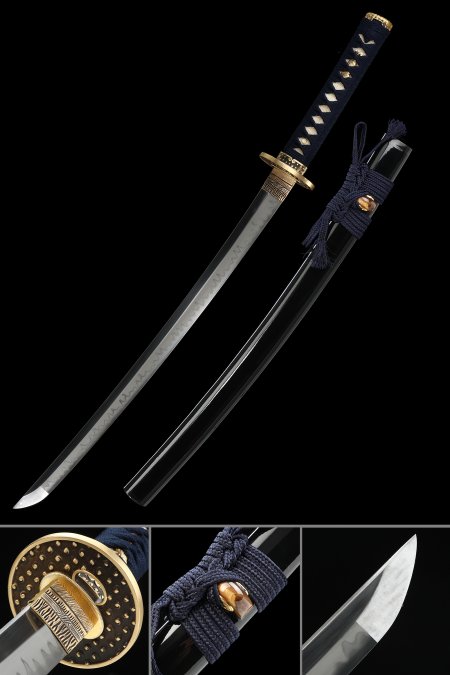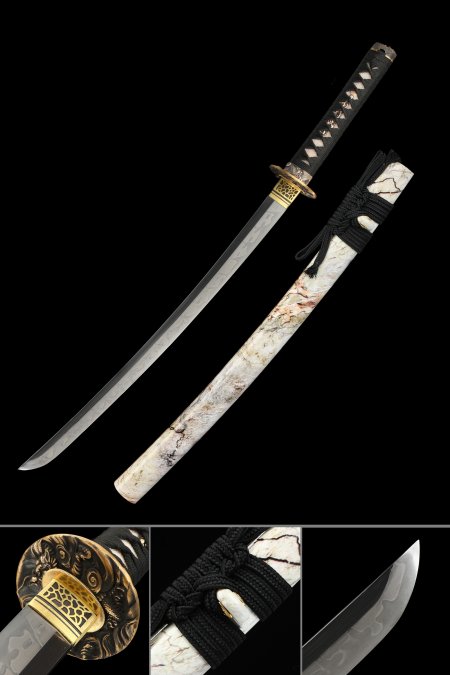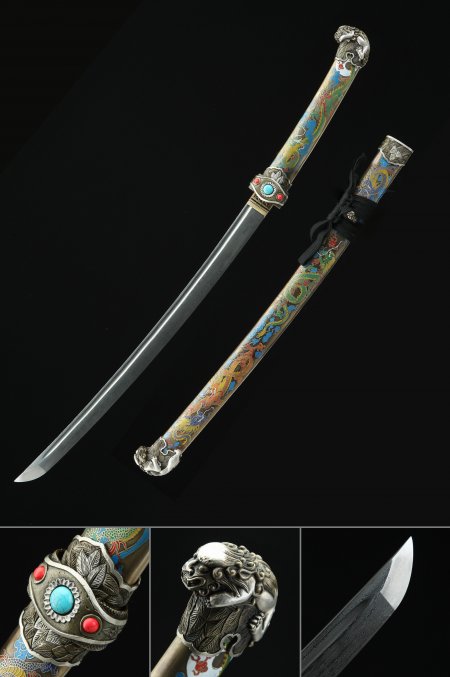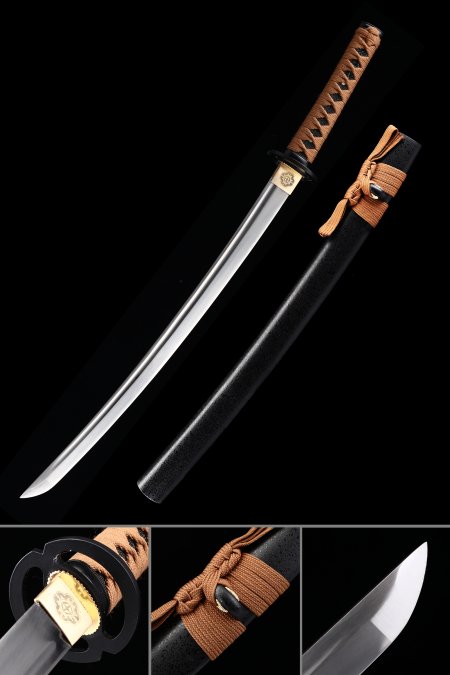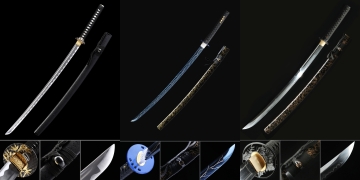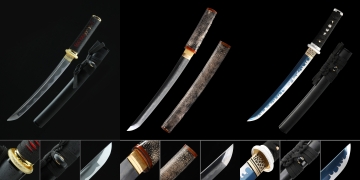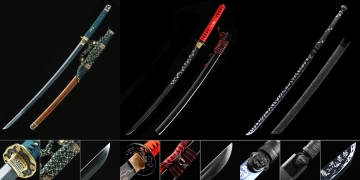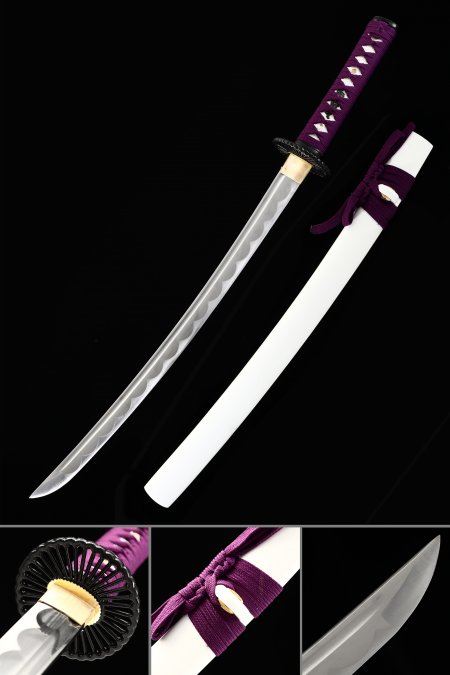
Full Tang Wakizashi Sword

Shop our collection of full-tang wakizashi swords - Japanese companion blades built with the full-tang construction standard that serious collectors require, featuring high-carbon steel in Manganese Steel, 1045 carbon steel, and T10 grades across a diverse range of wakizashi styles including daisho sets, shirasaya configurations, and conventional fitting arrangements. Every piece confirms full-tang integrity with a mekugi retention pin. Free US shipping and hassle-free returns included.

Showing 18 Products

Related Collections

Full Tang Sword100 items


1673 Reviews

T10 Steel Wakizashi43 items


206 Reviews

Carbon Steel Wakizashi57 items


246 Reviews

Full Tang Katana Sword104 items


1277 Reviews

Frequently Asked Questions

Why is full-tang construction essential in a wakizashi sword?
Full-tang construction is essential in a wakizashi because it is the only construction method that provides the mechanical integrity appropriate to a sword intended for display, handling, and practice use over an extended period. In a full-tang wakizashi, the blade steel runs from blade tip through the complete handle length, creating a continuous steel core that is mechanically secured by a mekugi retention pin through the handle body. This means the blade-to-handle junction can withstand the repetitive stresses of handling, drawing, sheathing, and any practice use without the risk of the handle separating from the blade. In a partial-tang or rat-tail-tang wakizashi, the blade steel tapers to a narrow rod or stub inside the handle, connected to the handle scales only by adhesive or a small threaded attachment. Under the stresses of regular handling and use, these adhesive or thin-metal connections will eventually loosen and fail. For a collector who wants a wakizashi that will remain structurally sound for decades of display and handling, full-tang construction with a mekugi pin is not optional - it is the essential construction standard.
What steel grades are available in full-tang wakizashi swords?
Full-tang wakizashi swords in this collection are available in three steel grades that span the range of high-carbon steel quality appropriate to Japanese sword collecting. Manganese Steel is widely featured across the collection, valued for its exceptional surface hardness and deep, consistent finish quality - Manganese Steel wakizashi typically show a particularly rich and even blade surface that displays well at close inspection distance. Daisho set pieces pairing katana and wakizashi are available in Manganese Steel, providing both blades of the traditional samurai long-and-short pair in a consistent and high-quality steel grade. T10 carbon steel is the premium option for collectors who prioritize blade character: T10's controlled grain structure enables the differential heat treatment that produces a visible hamon temper line, and shirasaya-presentation T10 wakizashi with hamon are among the most sought-after configurations in the collection. 1045 carbon steel provides reliable full-tang construction at the most accessible price point and is used across a range of scabbard and fitting styles including white, black, and natural wood configurations.
What is a daisho set and how does a full-tang wakizashi fit into one?
A daisho set is the traditional Japanese matched pair of long and short swords that samurai were entitled and expected to wear as a marker of their warrior class status. The daito (long sword, typically a katana) and the shoto (short sword, typically a wakizashi or tanto) together make up the daisho, and in the Edo period their wearing became formalized as a symbol of samurai identity. Full-tang wakizashi daisho sets in this collection pair a katana and wakizashi in matching Manganese Steel construction and complementary finishing - both pieces built to the same full-tang standard with coordinated scabbard and fitting aesthetics that give the pair visual cohesion as an intentional matched set. Displaying a daisho set on a two-tier wall mount - katana on the upper tier, wakizashi below - recreates the traditional samurai paired sword presentation in a home display context that is both historically resonant and visually compelling. The full-tang construction of both pieces in the set ensures both the katana and wakizashi can be handled and used consistently over many years without structural degradation.
How do I confirm full-tang construction when evaluating a wakizashi?
Confirming full-tang construction in a wakizashi involves examining the handle for the specific features that indicate the blade steel runs through the complete handle body. The most reliable indicator is the mekugi pin: a genuine full-tang wakizashi will have one or more mekugi pins visible on the handle surface - typically small bamboo or metal cylinders pressed through holes that pass completely through the handle and the blade tang simultaneously. The pin prevents the handle from separating from the blade under stress. To identify a mekugi pin, look for a small circular feature on one or both sides of the handle body, approximately one-third to one-half of the way along the handle length from the tsuba guard. A second confirming indicator is handle weight: a full-tang handle with blade steel running through it will feel noticeably heavier than a partial-tang alternative with only a narrow rod inside. If a product description does not explicitly confirm full-tang construction with a mekugi pin, it is appropriate to verify this through the product details or customer service before purchasing. Every piece in this collection is confirmed full-tang by both the mekugi pin criterion and explicit product description.

Customer Reviews