FAST SHIP
Free Shipping
199.00 USD
ON SALE! 15% OFF
Was: 229.00 USD

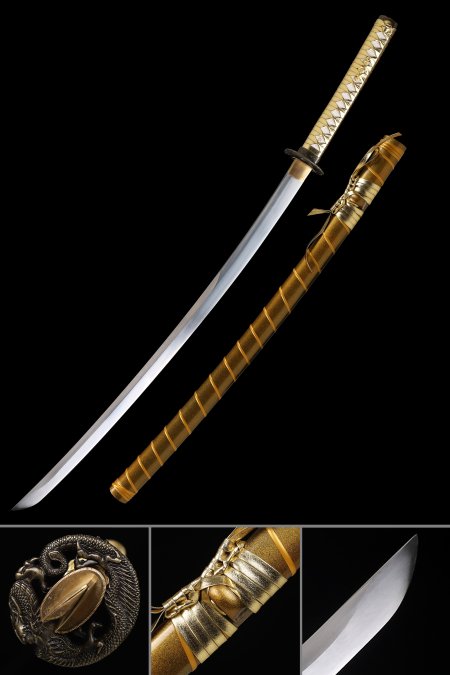
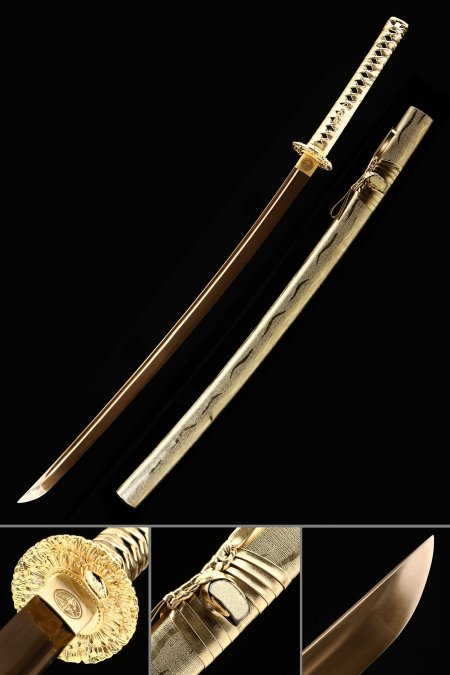
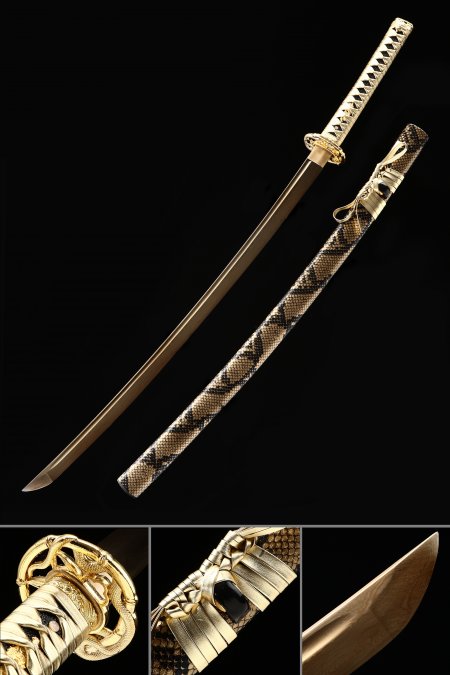
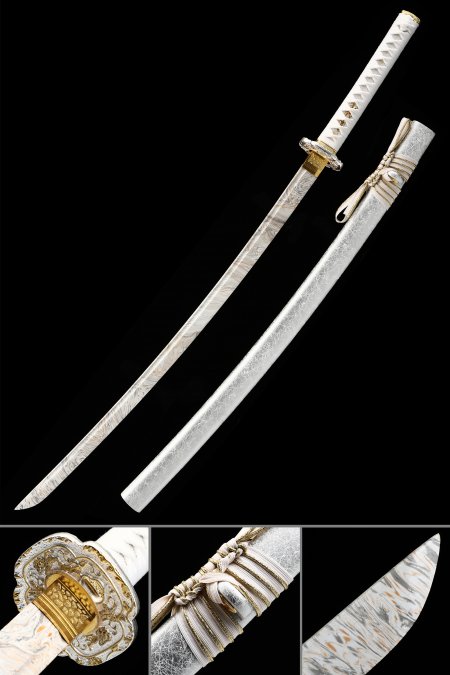
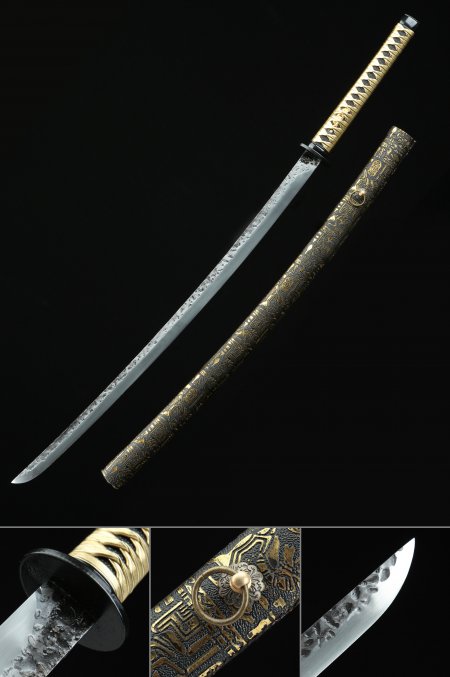
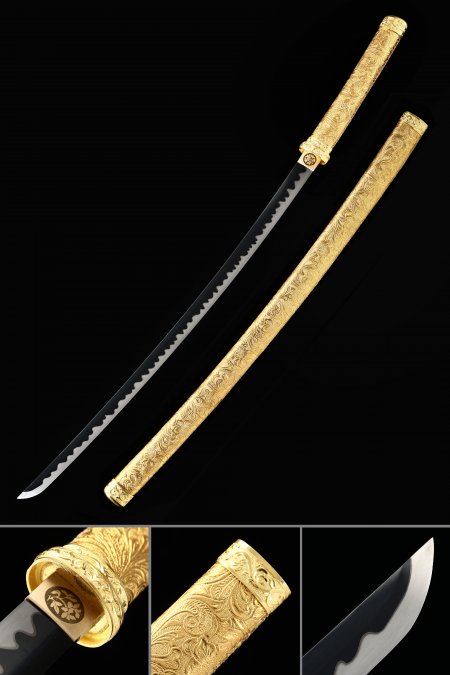
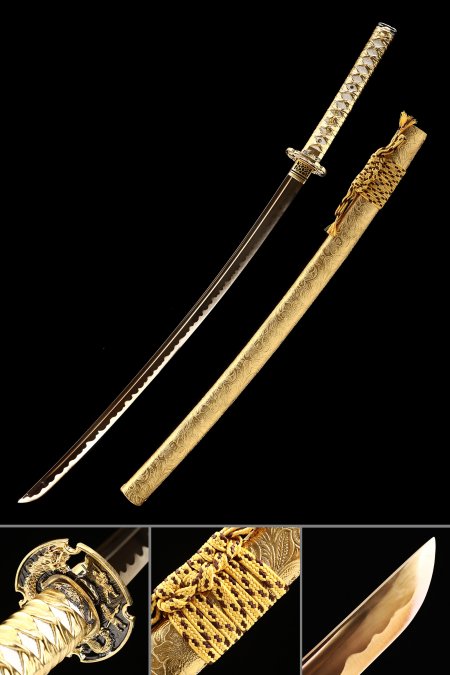
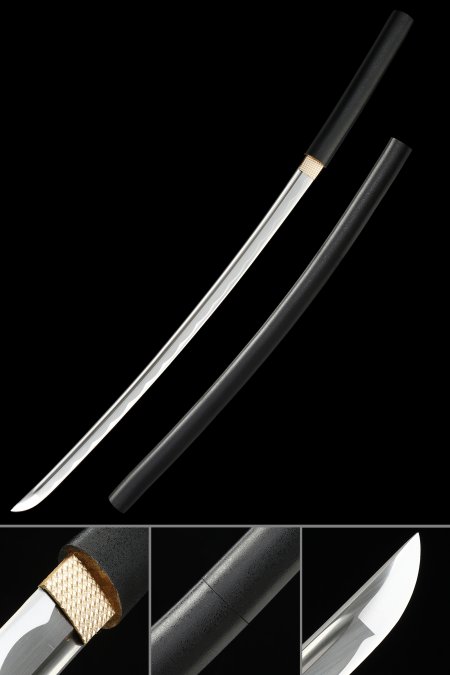
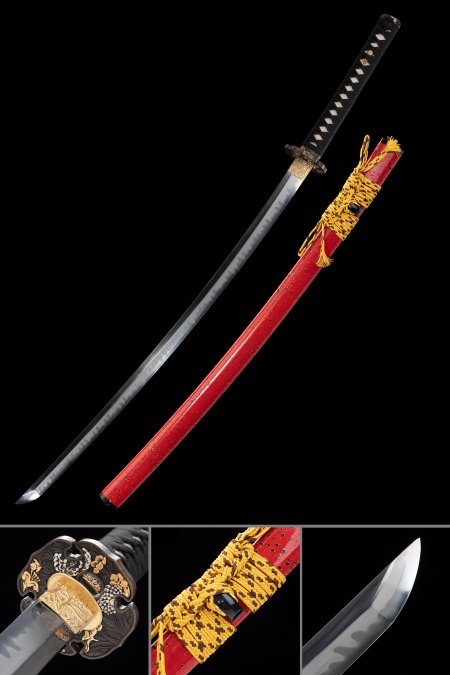
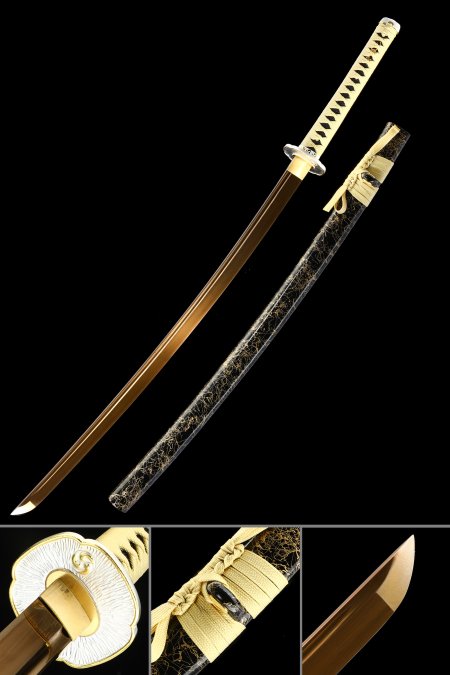
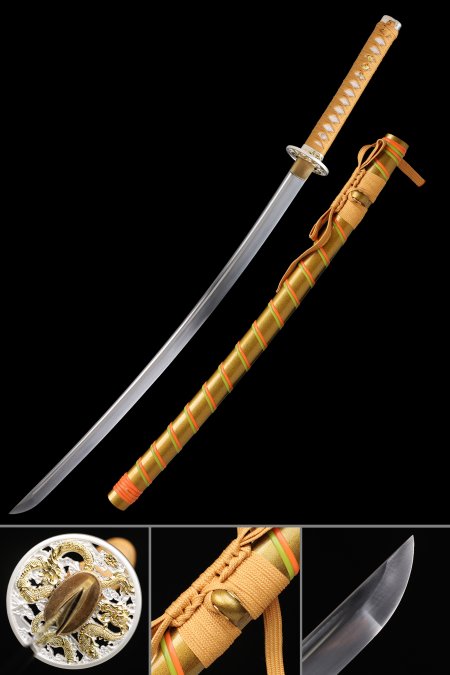
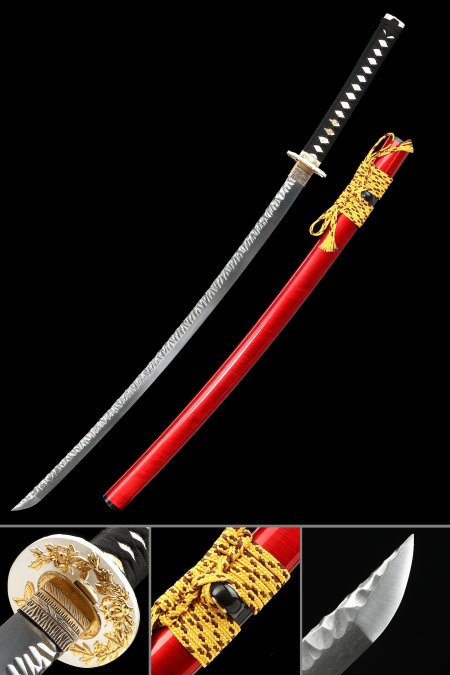
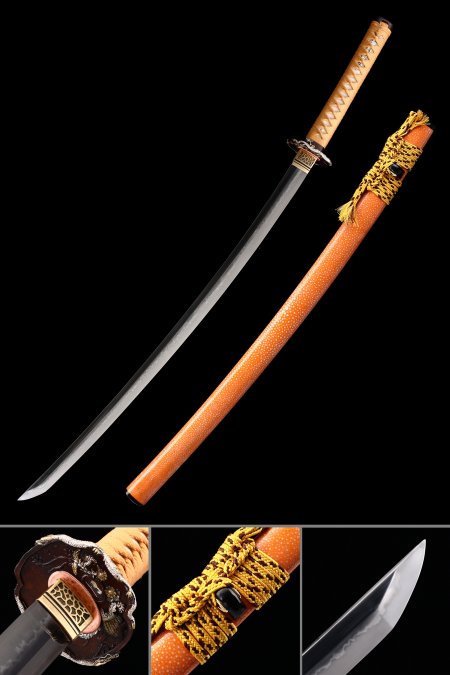
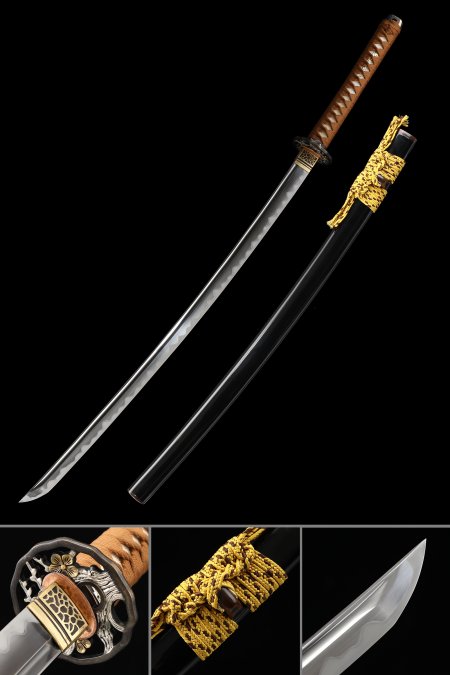
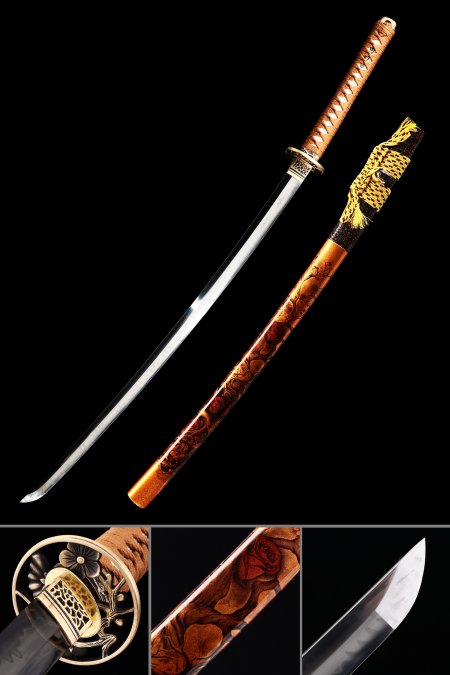
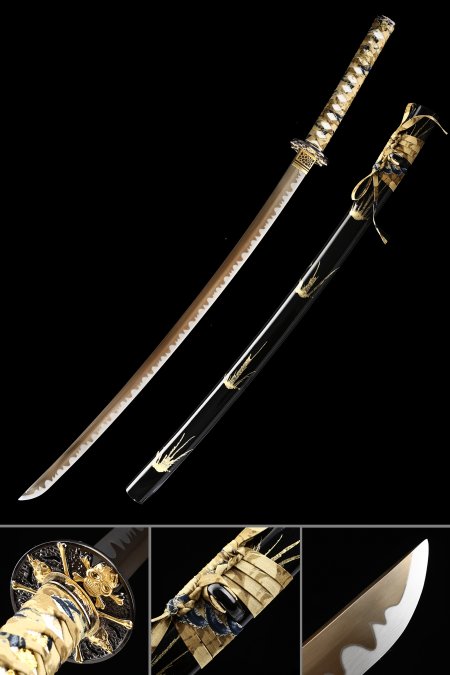
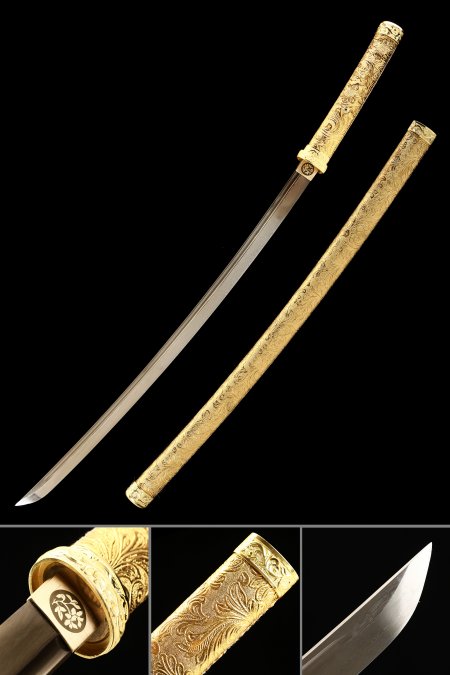
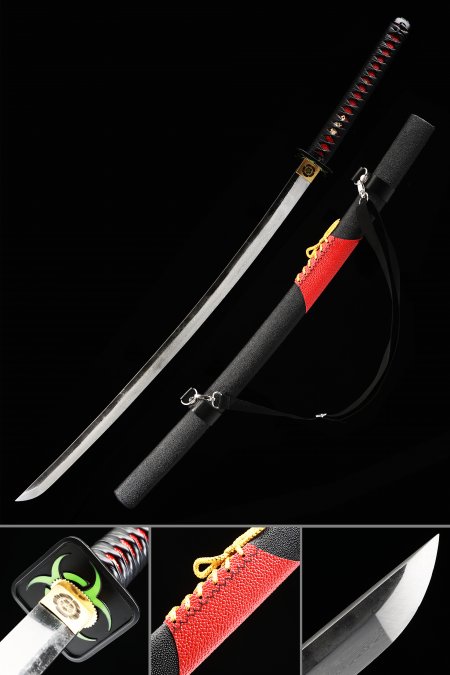
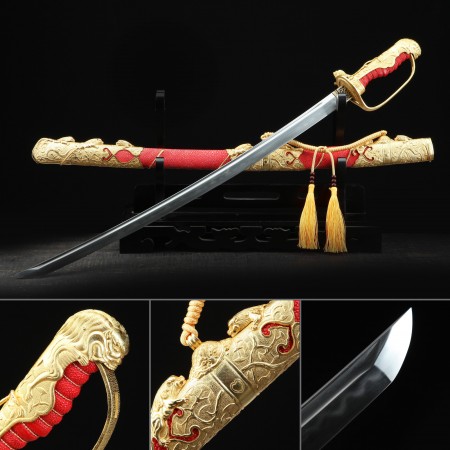
Gold sageo katana collections occupy a distinctive niche where traditional Japanese sword craftsmanship meets refined decorative artistry. Each piece in this lineup is hand-forged from premium steel - including Damascus, T10 carbon, and spring steel - and dressed with gilded sageo cord, ornate tsuba, and lacquered or PU leather saya that elevate the sword from study piece to display centerpiece. Fittings range from snake-motif tsuba and python-pattern scabbards to dragon-engraved gold saya and cherry blossom kashira, giving every collector a genuinely individual statement piece. Enjoy free shipping on your order and hassle-free returns, so acquiring your next prized display katana is completely risk-free.
The blade was well made with good detail from the show it's inspired by and came at a timely manner it was a lovely gift to give to a family member.
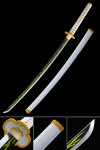 |
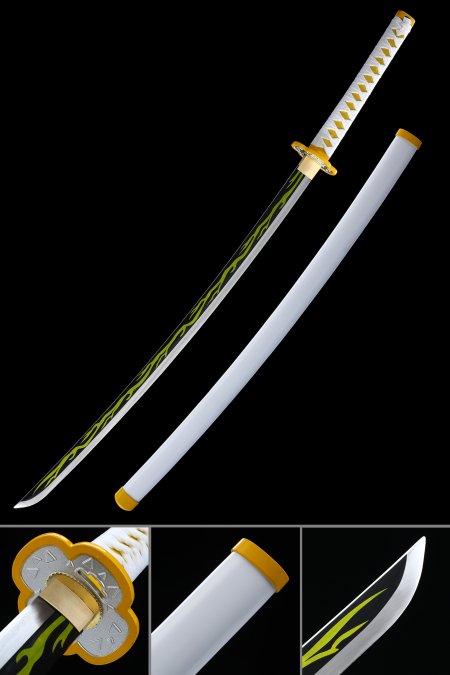
Zenitsu Agatsuma Sword - Kimetsu No Yaiba Thunder Breathing Nichirin, 1045 Carbon Steel, Yellow Blade |
Love my Cortana play wish they had a smaller one to go with it
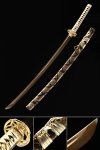 |
Golden Damascus Steel Katana with Snake Tsuba and Python-Pattern Saya - Full Tang Collectible Sword |
Good shipping, good quality steel, expect that the black coating was actually kinda painted and it fell off the very moment i cleaned the sword from oil residue.r
r
The overall quality seems kinda good, expect aint anything extraordinary.r
Just worth the actual sale price, nothing more.r
r
Sword arrived not sharpened.
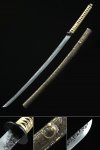 |
Manganese Steel Katana with Bronze Totem Leather Saya in Gold and Dark Blue - Collectible Samurai Sword |
The sword came fast, its nice and sharp and I love how detailed it is
|
Zenitsu Agatsuma Sword - Kimetsu No Yaiba Thunder Breathing Nichirin, 1045 Carbon Steel, Yellow Blade |
Great swords, bought one for both of my sisters as a Christmas gift. Very good quality and they loved them
|
Zenitsu Agatsuma Sword - Kimetsu No Yaiba Thunder Breathing Nichirin, 1045 Carbon Steel, Yellow Blade |
Came in perfectly and was securely wrapped. The only thing I would be aware of is that the packaging it comes in is Styrofoam wrapped in tape, as it does hold up well it was a pain to open without making a mess. Other than the packaging they were really nice and there was no damage to them.
|
Zenitsu Agatsuma Sword - Kimetsu No Yaiba Thunder Breathing Nichirin, 1045 Carbon Steel, Yellow Blade |
Great overall, arrived super fast! However, I don't know if it was meant like that, but the blade would often hit the scabbard when drawing or sheathing and when sheathing, the fit it a little too tight. Aside from those tiny issues, the blades were crafted very well !
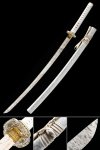 |
Folded Damascus Steel Katana with White Marble Saya and Gold Bamboo Tsuba - Collectible Sword |
Really beautiful sword and was made perfectly to order, Its just what I needed.
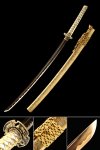 |
Golden Katana - Clay-Tempered T10 Steel Sword with Dragon Tsuba and Engraved Gold Saya |