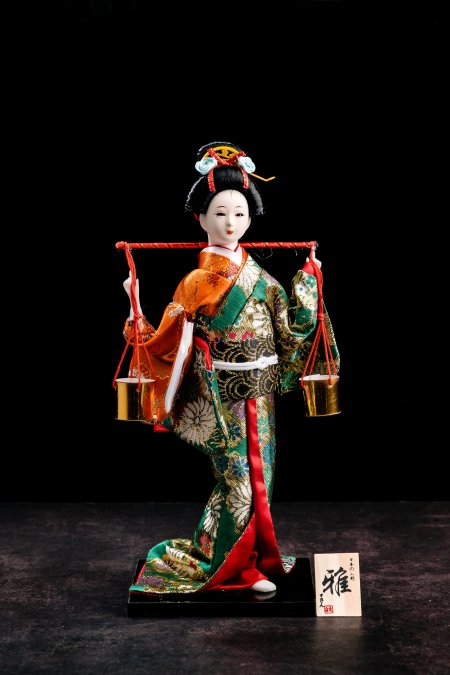
Green Fabric Japanese Geisha Dolls
Graceful, intricate, and steeped in cultural tradition, our Green Fabric Japanese Geisha Dolls are crafted for collectors who appreciate the artistry of authentic Japanese aesthetics. Each doll is dressed in hand-sewn green fabric kimono with layered textiles, detailed obi sashes, and hand-painted porcelain or resin faces that capture the timeless elegance of the geisha tradition. These are premium display collectibles — ideal for home décor, cultural gifting, or curated Japanese art collections. Enjoy free shipping on qualifying orders, with hassle-free returns for your peace of mind.
Related Collections
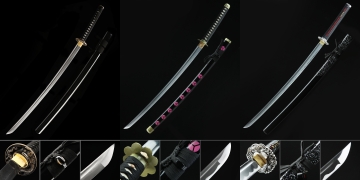
Black And Green Katana5 items
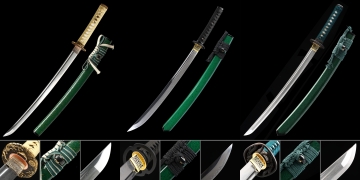
Green Short Wakizashi5 items
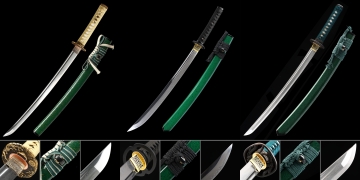
Green Scabbard Wakizashi7 items
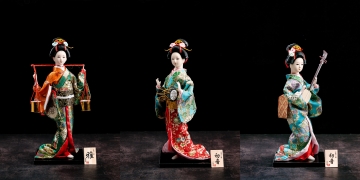
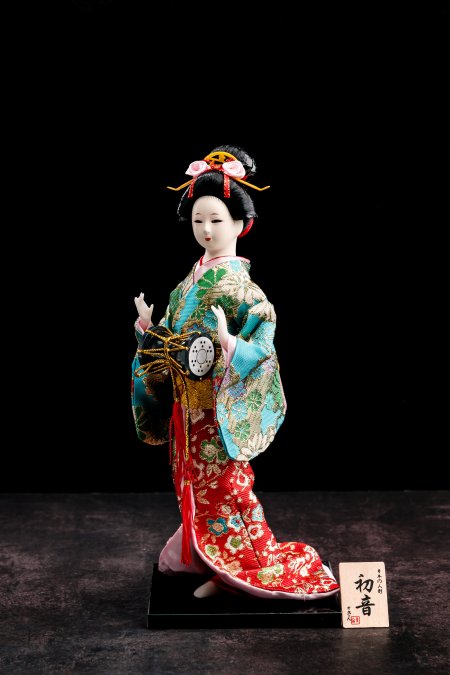
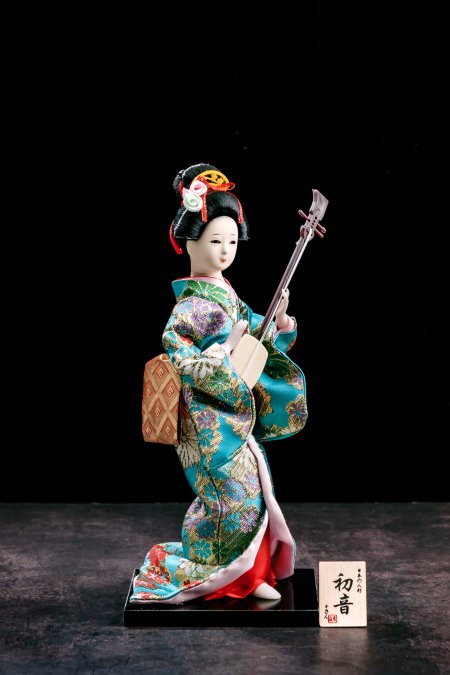
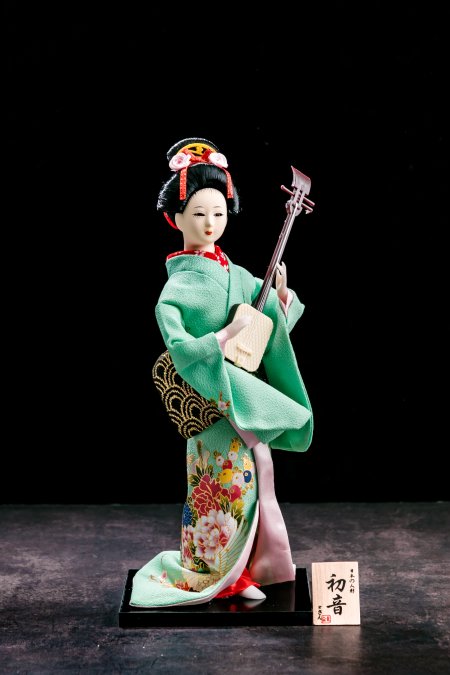
Green Japanese Geisha Dolls4 items
Frequently Asked Questions
What materials are used in these geisha dolls?
The dolls in this collection are constructed from either hand-painted porcelain or high-grade resin for the figure itself, with fabric kimono components made from textile materials selected for pattern accuracy and drape quality. Porcelain figures tend to have a finer surface finish and greater weight, lending them a more formal display presence, while resin construction allows for more intricate figure poses. The green kimono fabric varies by piece — some feature solid silk-like material, others use brocade with woven floral or geometric patterns consistent with traditional Japanese textile design. Obi sashes and hair accessories are assembled separately and attached with care to maintain the authenticity of the overall presentation.
How do geisha dolls differ from standard Japanese ningyo?
Ningyo is the broad Japanese term for all traditional dolls, encompassing many regional and ceremonial styles — including Hina dolls used in the Hinamatsuri festival, Kokeshi wooden figures from northern Japan, and Ichimatsu child-form dolls. Geisha-style dolls are a specific subcategory that depicts a female figure in the formal dress, makeup, and hairstyle associated with the geisha profession. They typically feature elaborate multi-layer kimono, lacquered hair ornaments called kanzashi, and a composed, stylized facial expression. Unlike Hina dolls, which are displayed seasonally, geisha dolls are designed as year-round display collectibles and tend to place greater emphasis on fabric craftsmanship and realistic figure detail.
What is the best way to display and preserve a fabric geisha doll?
To maintain the quality of a fabric geisha doll over time, display it away from direct sunlight, which can fade both painted surfaces and textile dyes — particularly greens and reds. Humidity is another consideration: excessive moisture can cause fabric to distort and painted features to deteriorate. A glass display case provides ideal protection, limiting dust accumulation while maintaining stable air conditions around the piece. When handling the doll, avoid touching the painted face or fabric sections with bare hands, as skin oils can transfer to porous surfaces. If light dusting is needed, use a soft, dry brush rather than any liquid cleaner. Storing the doll upright rather than on its side helps preserve the kimono's layered structure.
Are these dolls appropriate as cultural gifts?
Yes — a geisha doll in a green kimono is a genuinely meaningful gift for a wide range of occasions. In Japanese cultural tradition, dolls are associated with elegance, artistry, and good wishes, making them suitable for housewarmings, milestone birthdays, cultural enthusiasts, or anyone with an appreciation for Japanese art and design. The green color palette carries associations with harmony and nature in Japanese aesthetics, adding an additional layer of thoughtfulness to the selection. These dolls are packaged and presented as collector-grade display items rather than toys, which makes them appropriate for adult recipients and serious collectors. For those who appreciate the full range of Japanese aesthetic tradition, pairing a geisha doll with a complementary piece from our Green Wakizashi Sword collection creates a visually cohesive thematic display.
Do the kimono colors on these dolls follow historical accuracy?
The green kimono designs in this collection draw from documented Japanese textile traditions rather than arbitrary color choices. In historical Japan, the dyeing of kimono fabric in various green shades — from pale celadon to deep moss — was associated with certain seasons, artistic guilds, and social aesthetics. The multilayer kimono construction depicted on these dolls reflects the practice of kasane no irome, or layered color combinations, which was a refined art form in Japanese court and entertainment culture. While each doll is a display collectible rather than a museum reproduction, the design choices reflect research into traditional silhouette, collar layering, and obi-tying conventions. Collectors with a specific interest in textile history will find genuine craft intent in the fabric selections across this range.