Free Shipping
209.00 USD

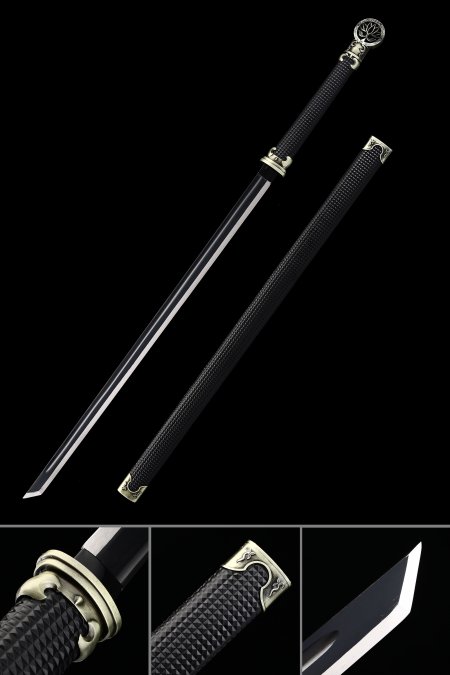
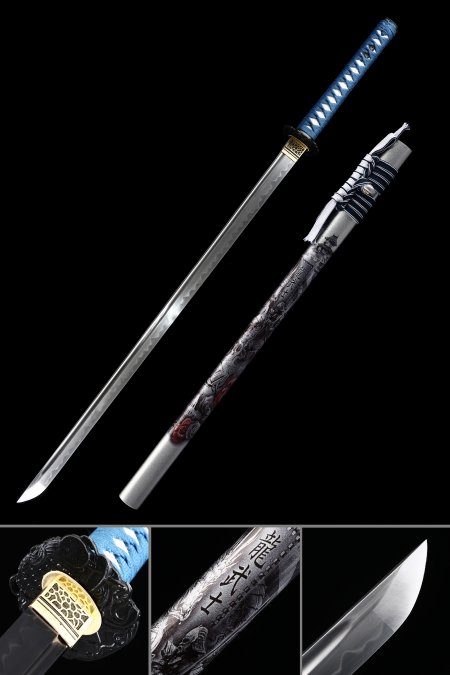
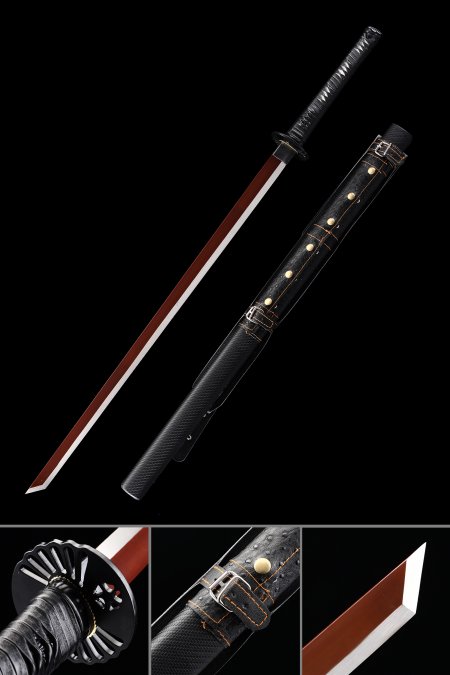
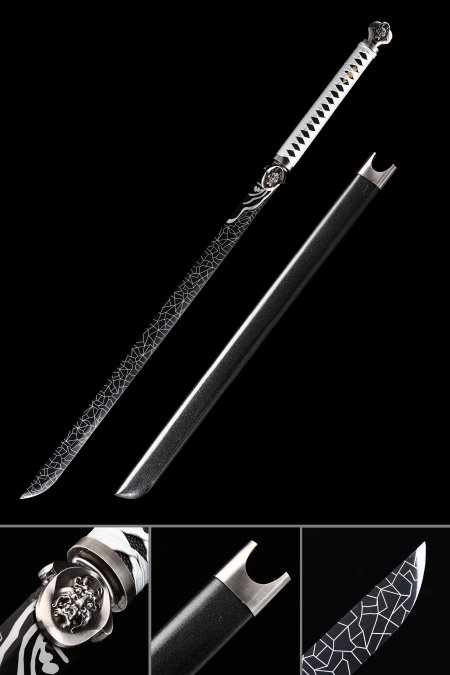
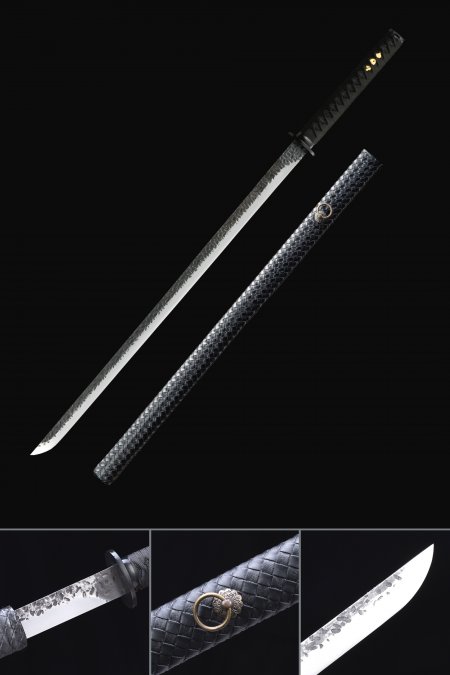
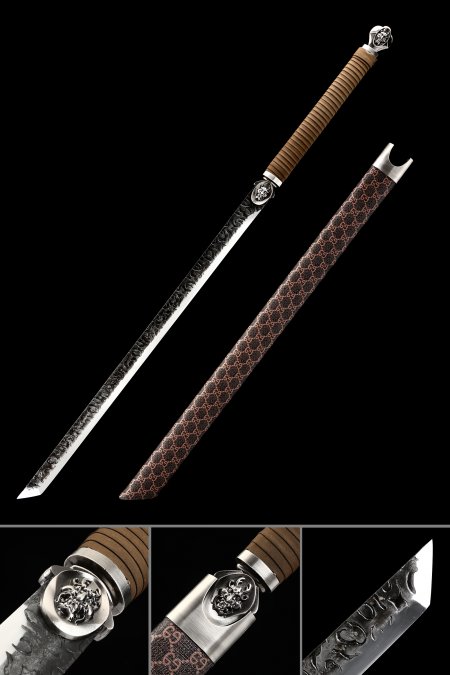
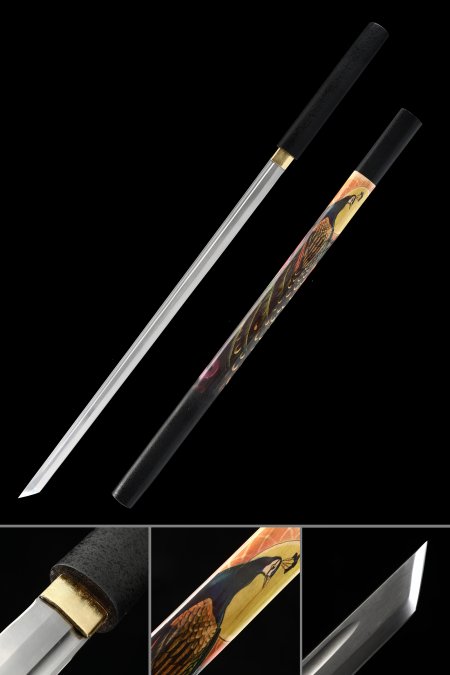
Explore our collection of hand-forged metal ninja swords, featuring authentic ninjato and chokuto designs crafted for serious collectors and display enthusiasts. Each piece is built with a full-tang blade forged from premium high-carbon steel - including 1045, 1060, T10, and Damascus variants - delivering striking visual appeal alongside long-lasting structural integrity. Every order ships free anywhere in the US, and hassle-free returns are always included so you can shop with complete confidence.
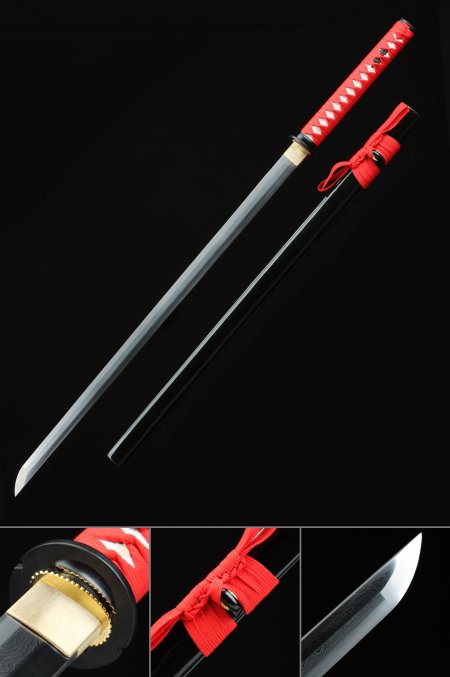
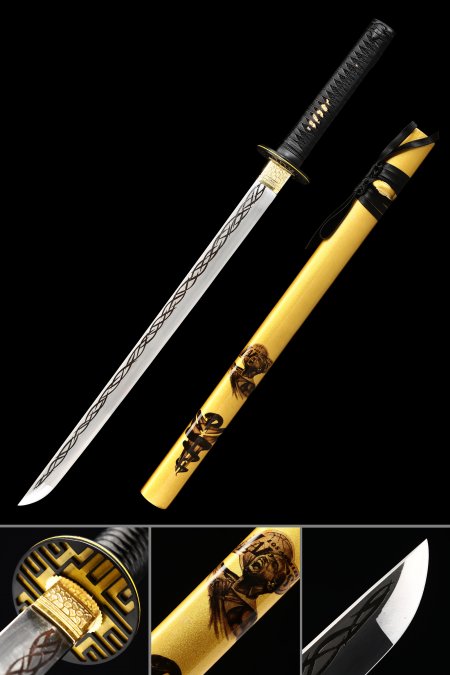
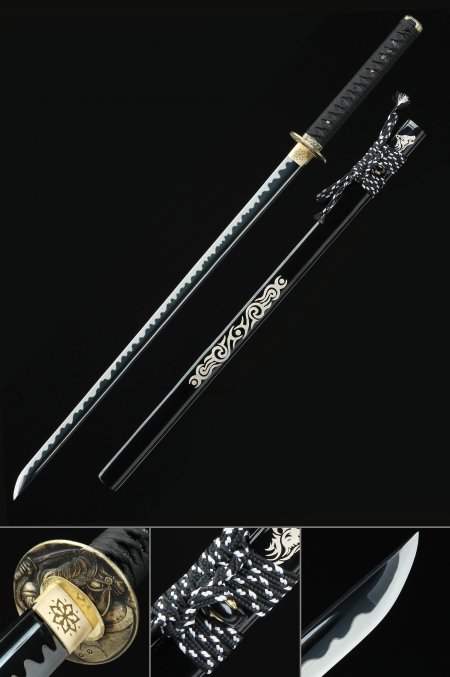
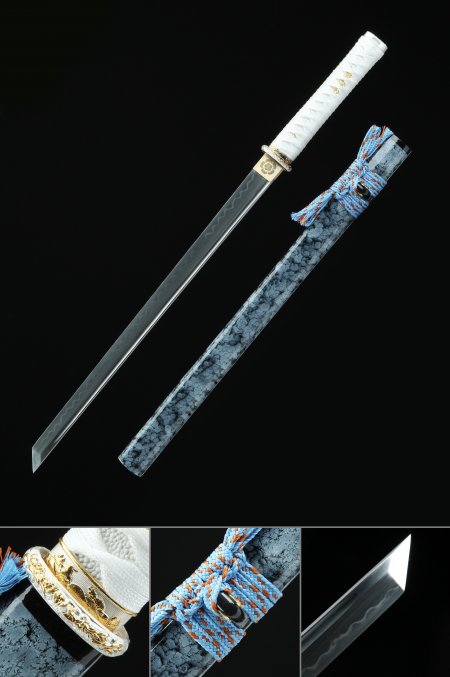
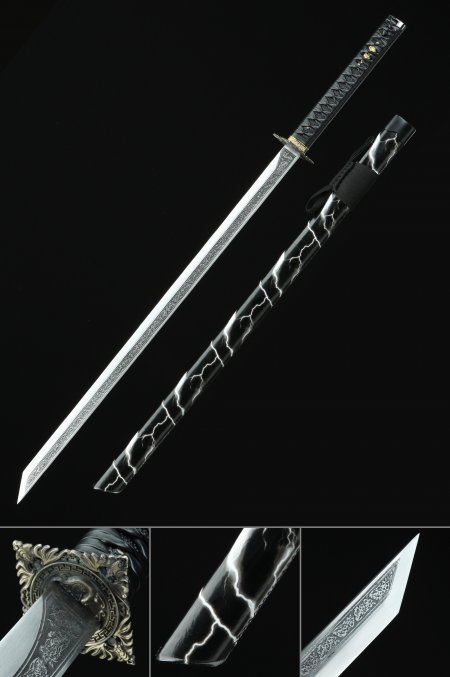
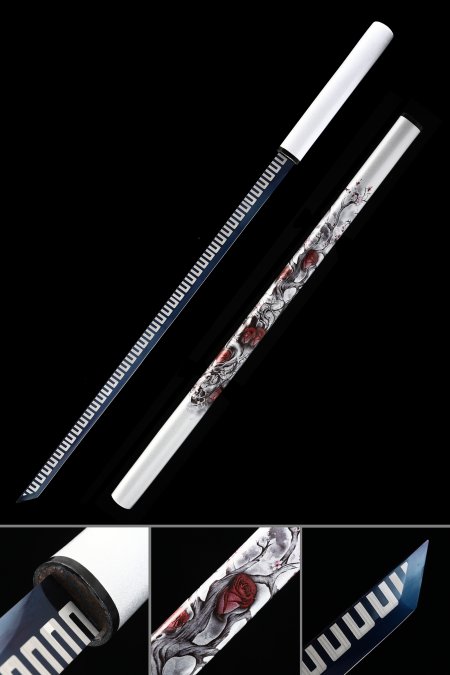
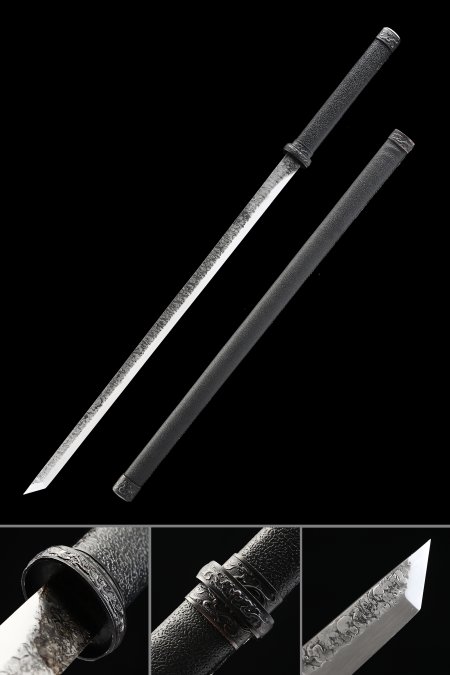
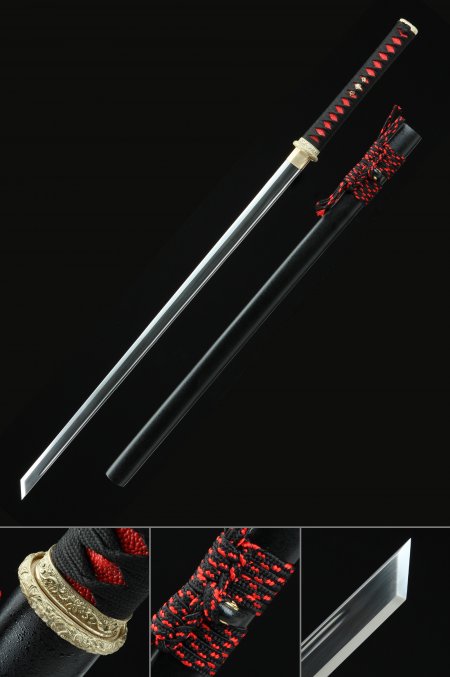
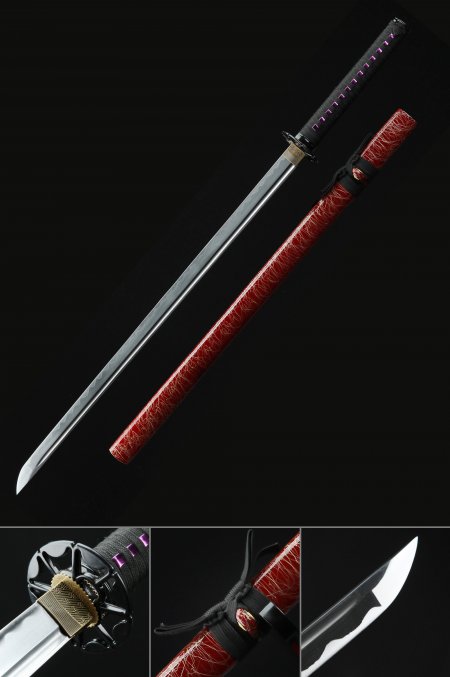
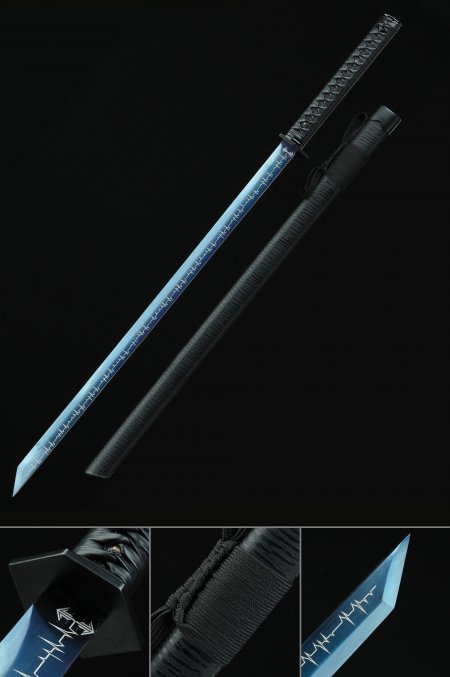
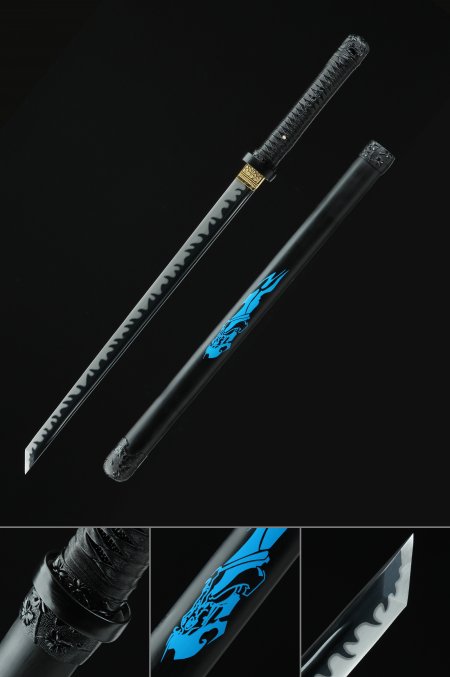
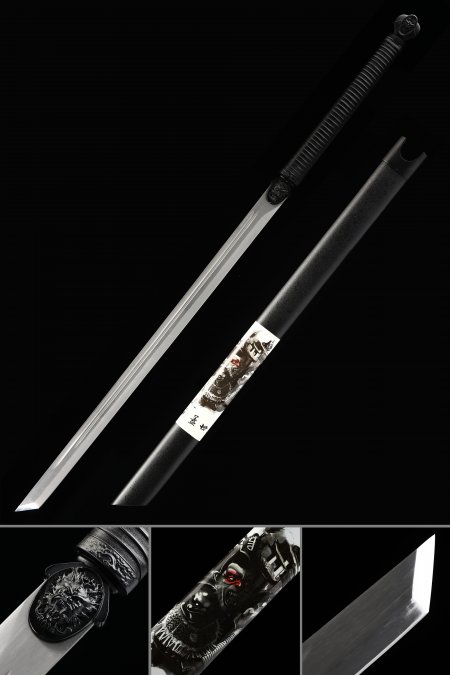
I am not a swordsman so I can't comment on how good it is but as an amateur I'm very happy it looks sturdy and made with quality materials
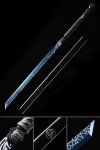 |
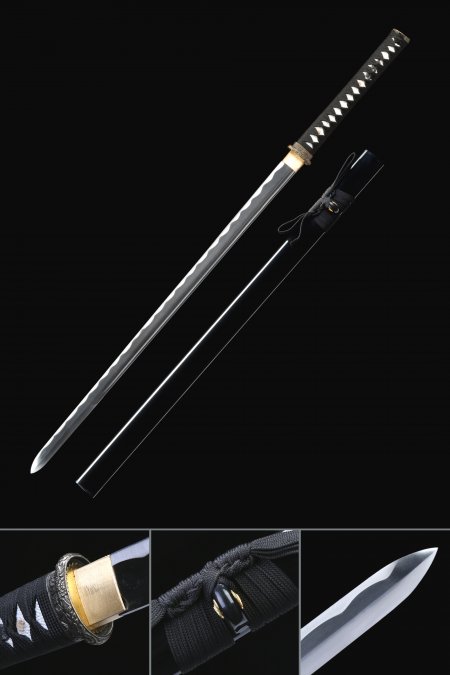
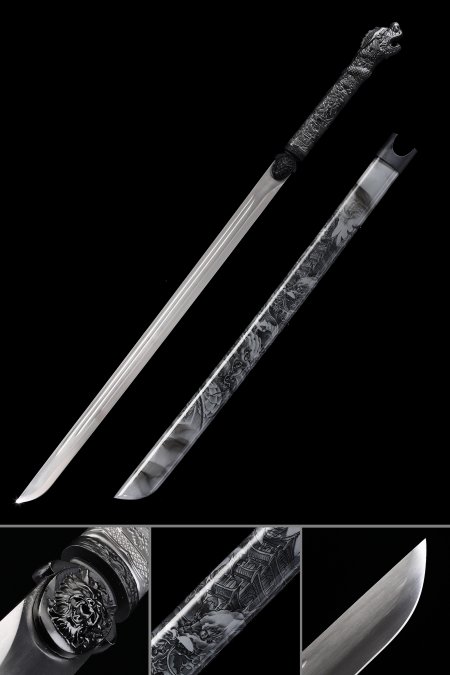
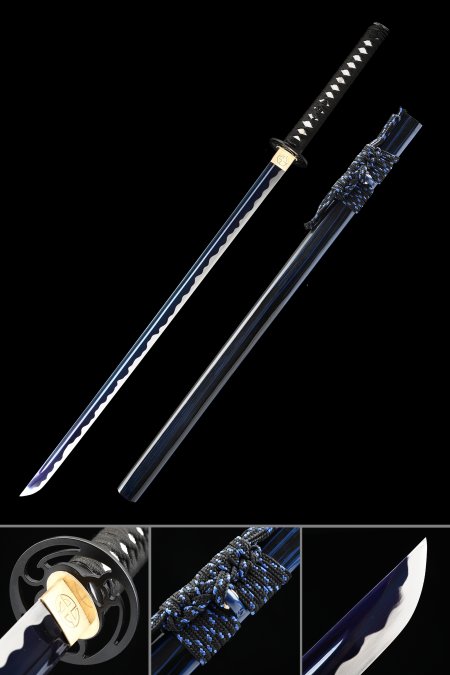
Blue Blade Manganese Steel Ninjato Sword Full Tang with Black Leather Handle and Dragon Pommel |
Really love the sword. Better than I expected. Will definitely be a returning customer
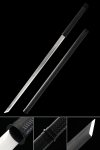 |
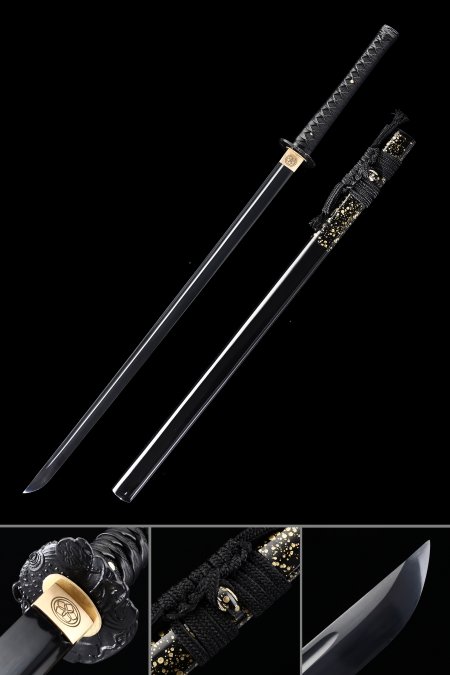
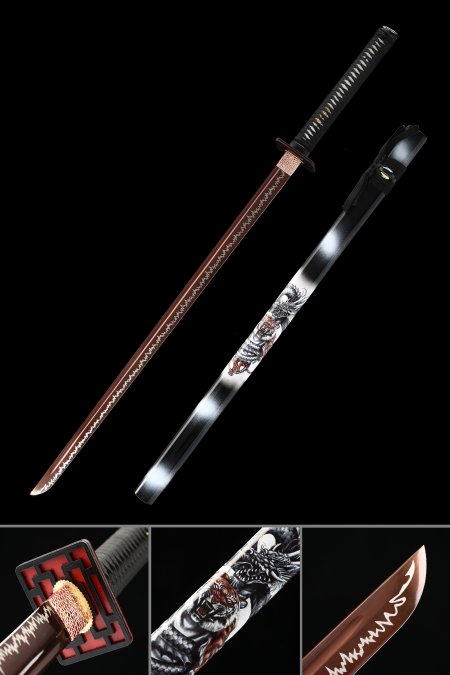
1045 Carbon Steel Ninjato Sword with Black Faux Leather Wrapped Saya in Full Tang Construction |
Outstanding craftsmanship and attention to detail, I am very pleased.
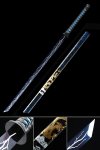 |
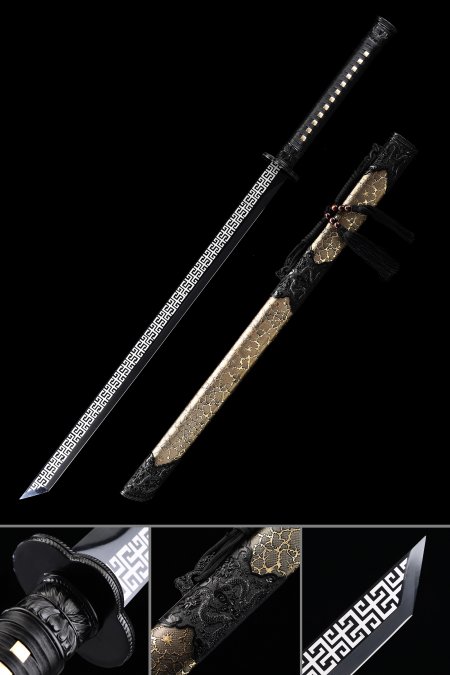
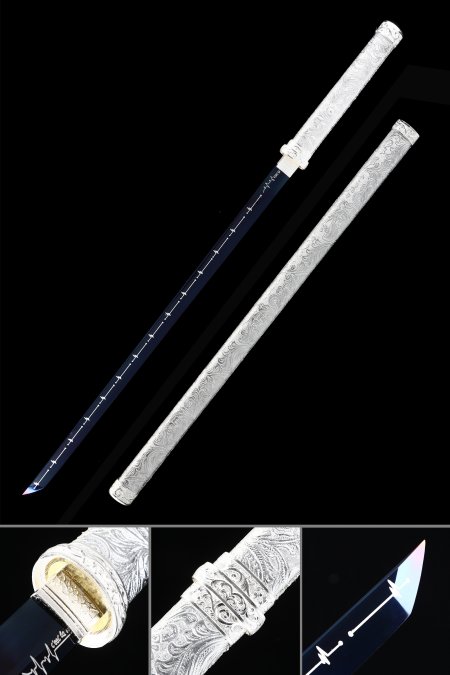
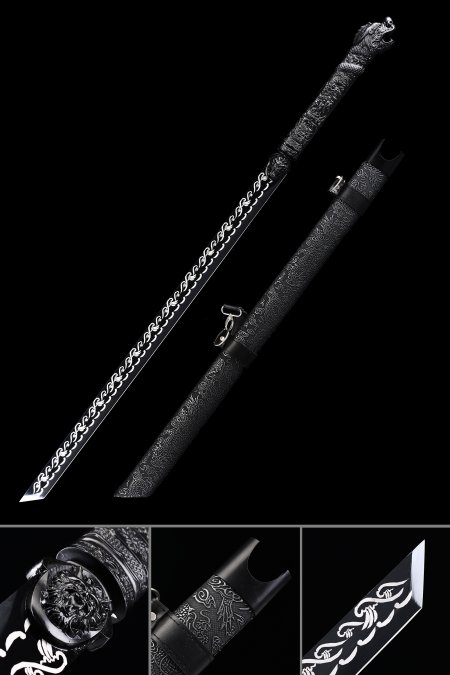
Chokuto Ninjato Straight Sword in Manganese Steel with Blue Lightning Blade and Dragon Saya |
Received my Shinai in record time, very satisfied with the quality. Will definitely shop there again.
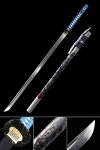 |
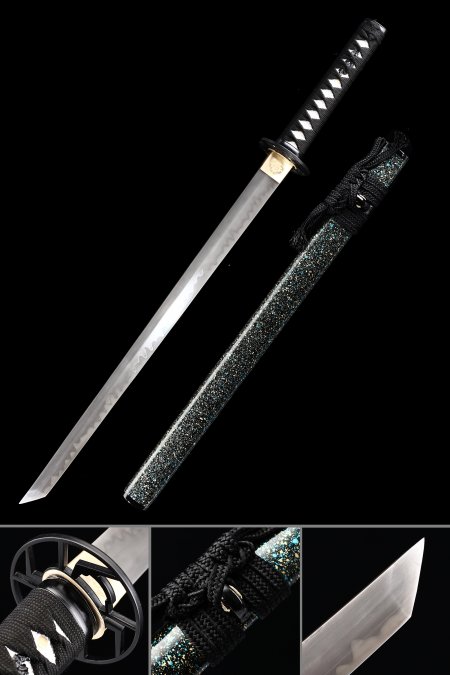
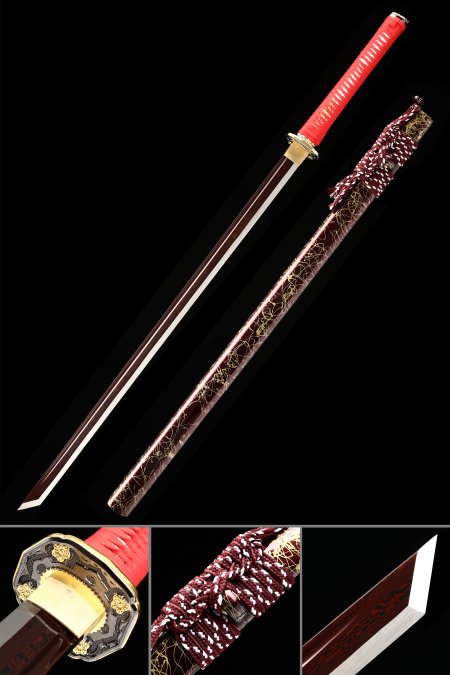
T10 Carbon Steel Ninjato with Real Hamon, Blue Ito & Dragon-Engraved Silver Saya |
Very nice quality sword. Very well crafted, sharp, and looks great on display. Came packaged very well. Over, very nice product and will certainly purchase more in the future.
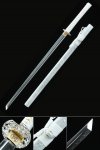 |
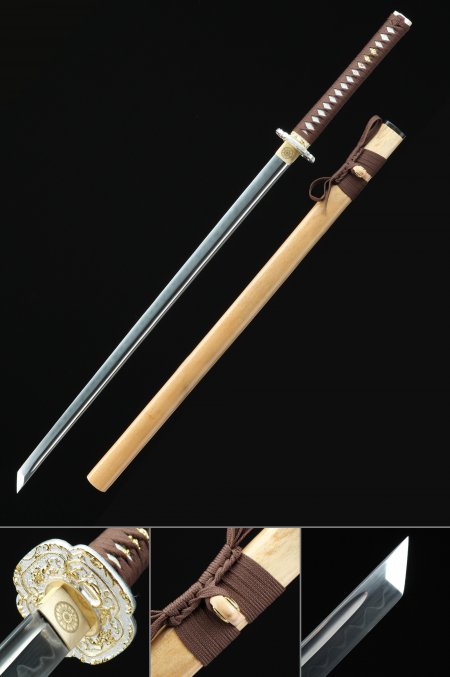
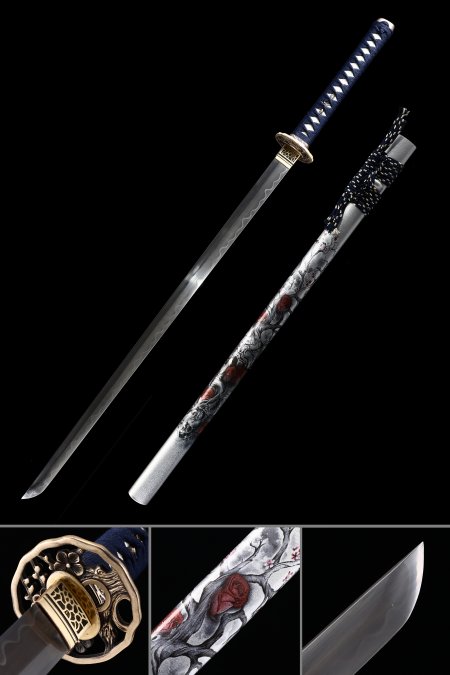
T10 Carbon Steel Chokuto Ninjato with Real Hamon in White Saya - Silver Orchid Tsuba Collectible Sword |
This is another great addition to my collection all purchased from TrueKatana. The swords are beautifully crafted and the designs are remarkable. Highly recommended.
|
Chokuto Ninjato Straight Sword in Manganese Steel with Blue Lightning Blade and Dragon Saya |
The quality is superb. I love the sharpness of the blade and it matches the other 2 blade that are almost identical to one another. By far one of the best purchases i made thus far when it comes to collecting blades.
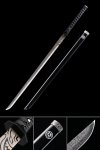 |
Kokushibo Ninjato in Manganese Steel with Crackle Hamon, Black Lacquer Saya & Dragon Kojiri |
Its been years since I got this word and its as nice as when I first got it. TRULY QUALITY WORK.
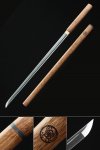 |
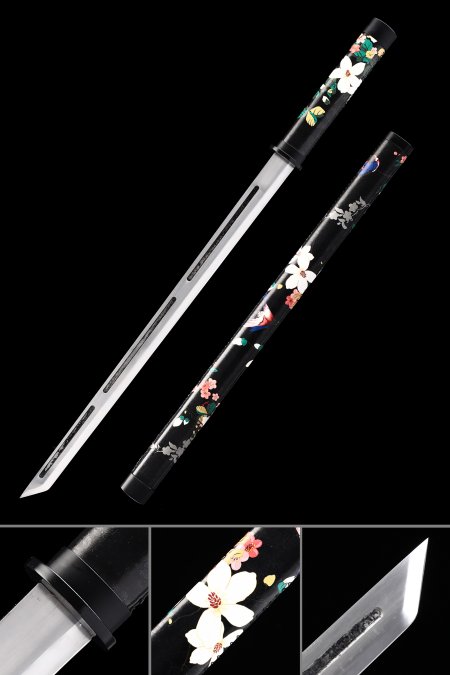
T10 Steel Clay-Tempered Shikomizue Sword with Natural Rosewood Saya and Engraved Floral Crest |