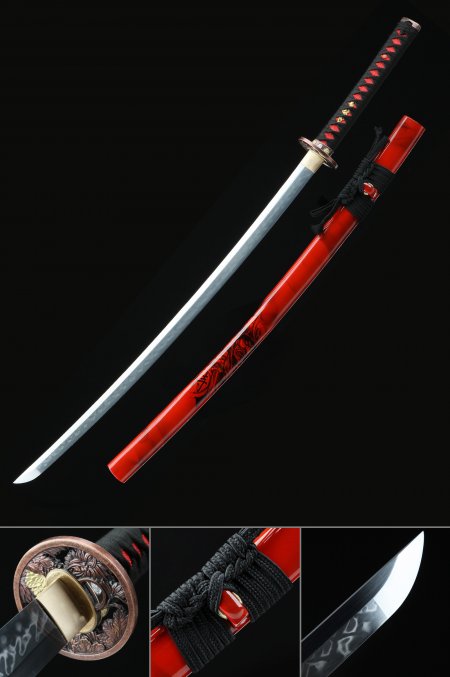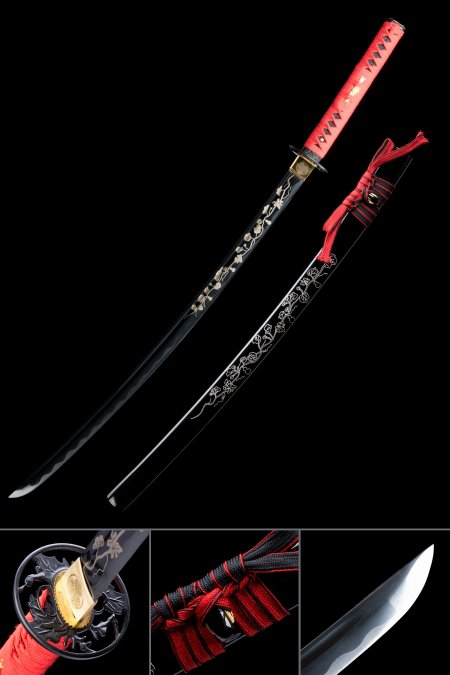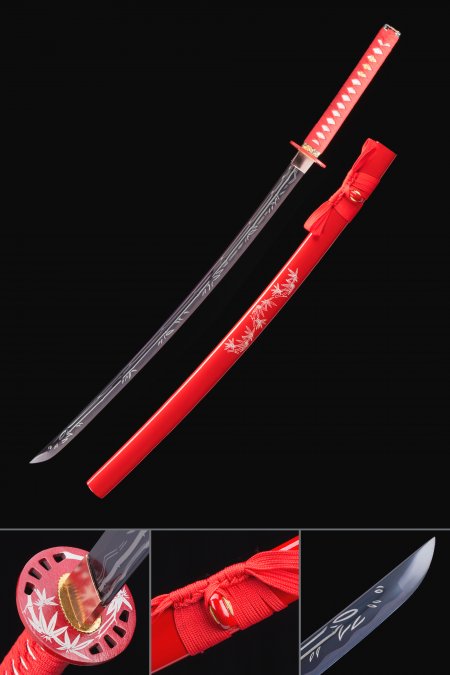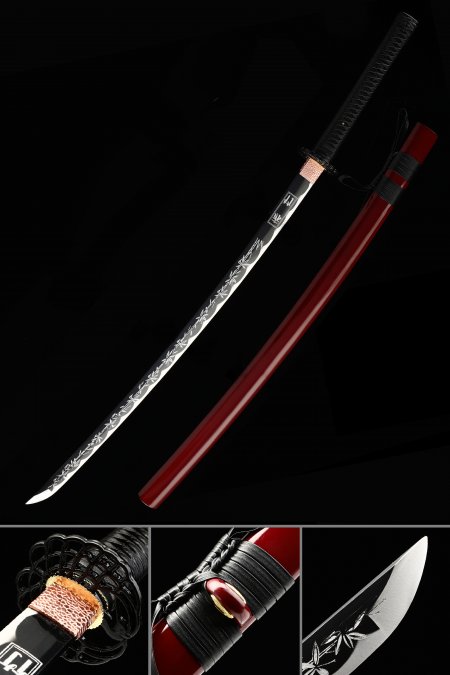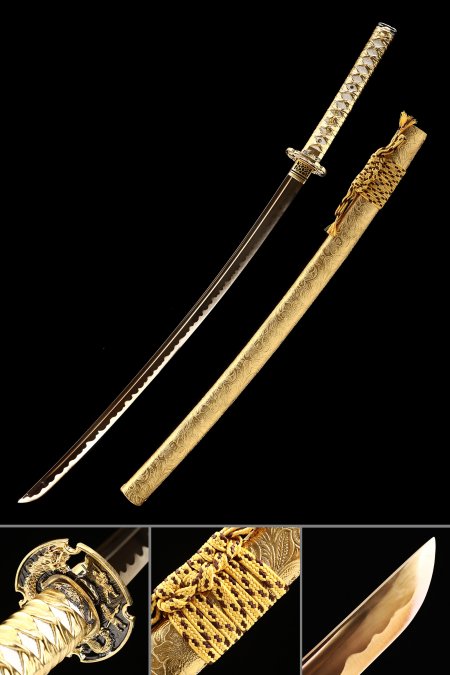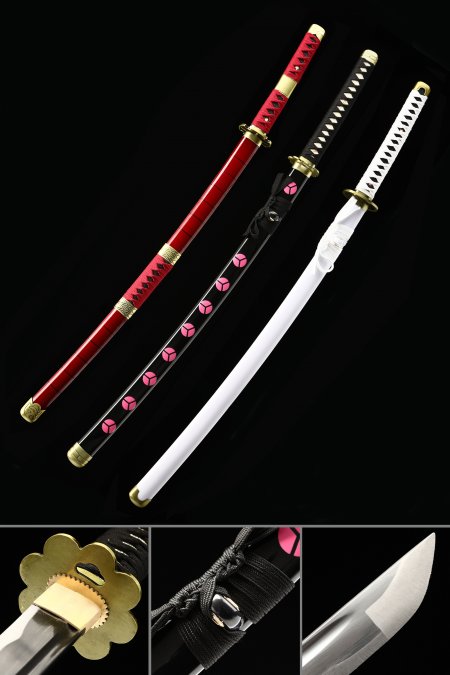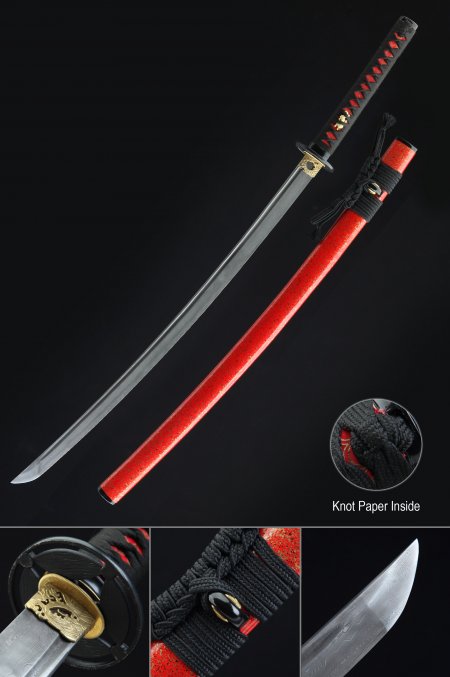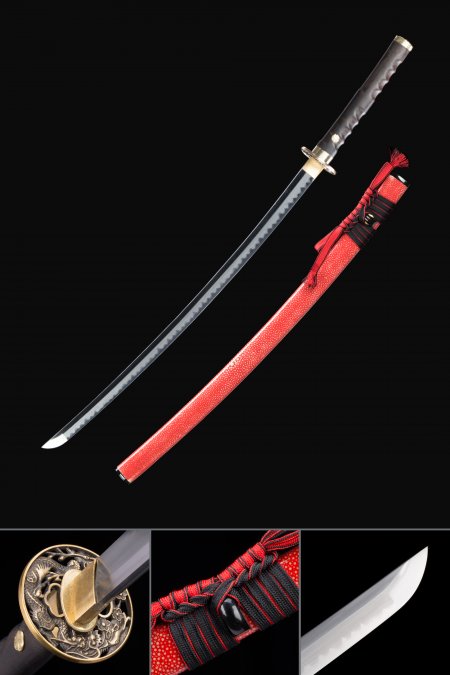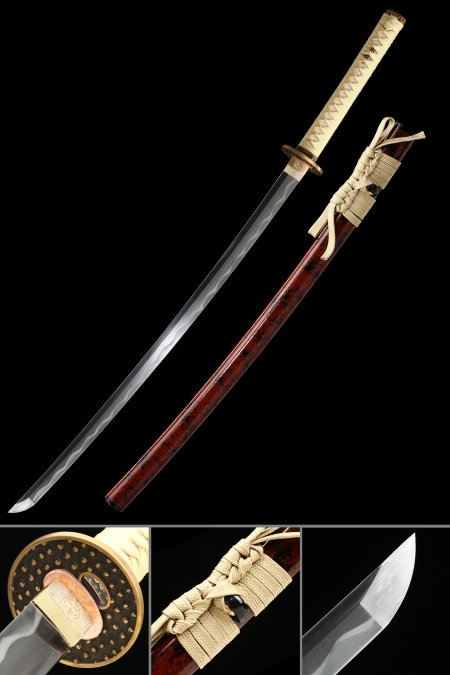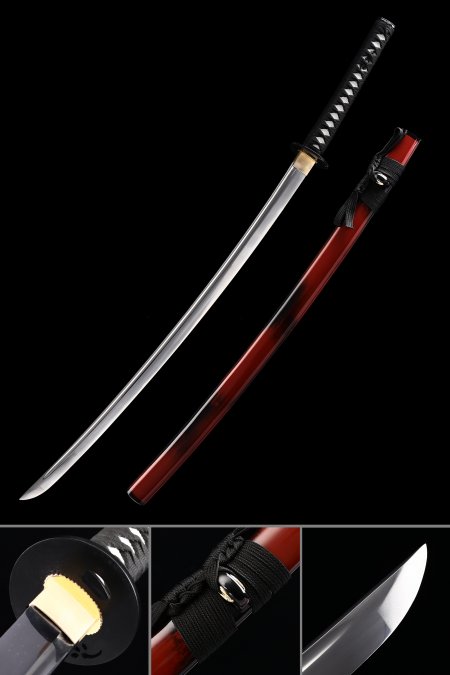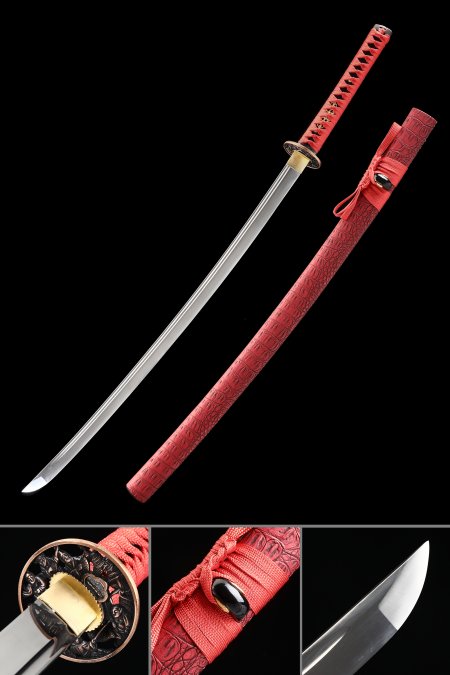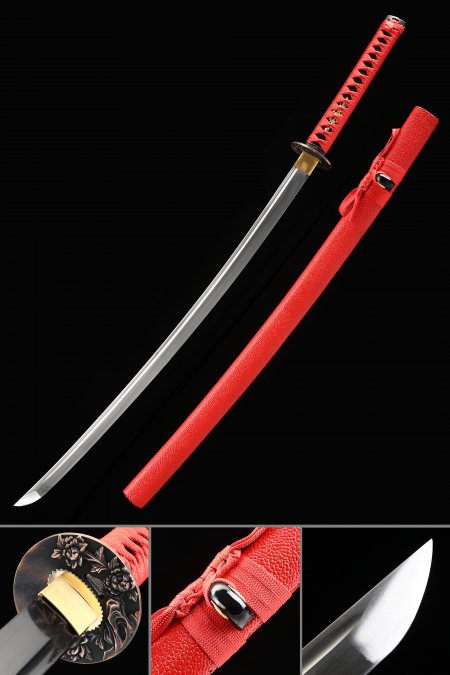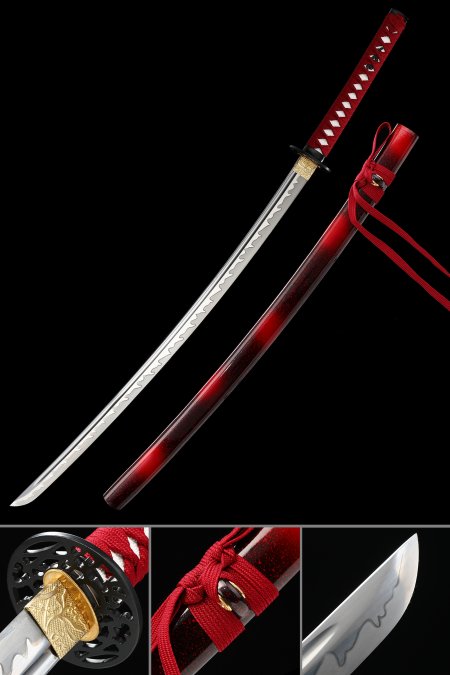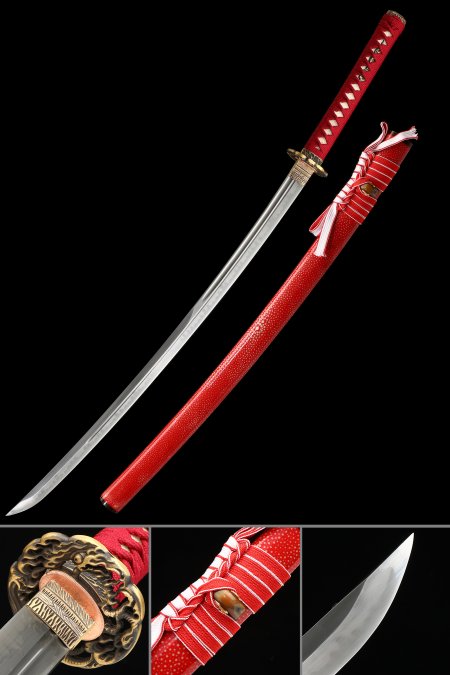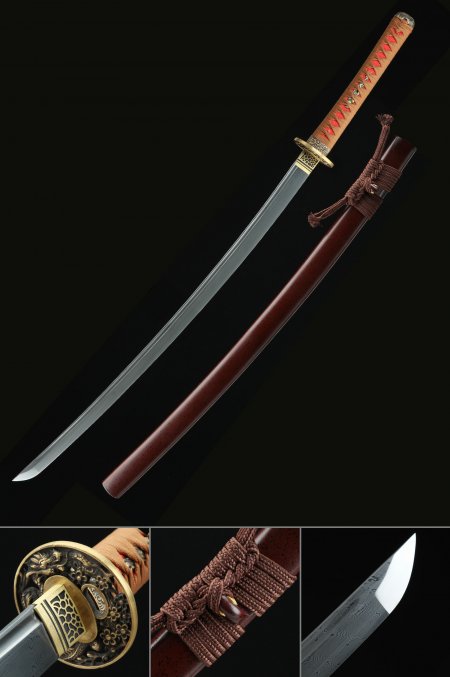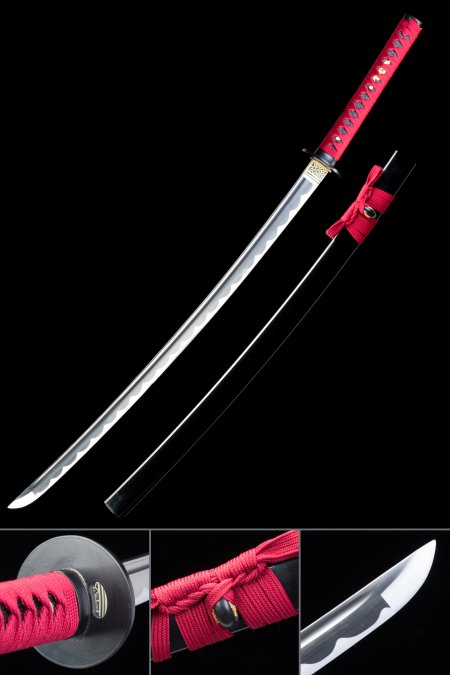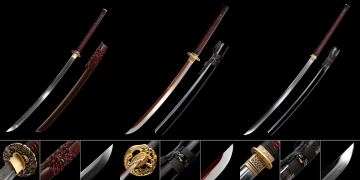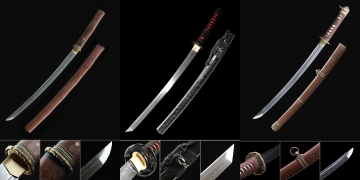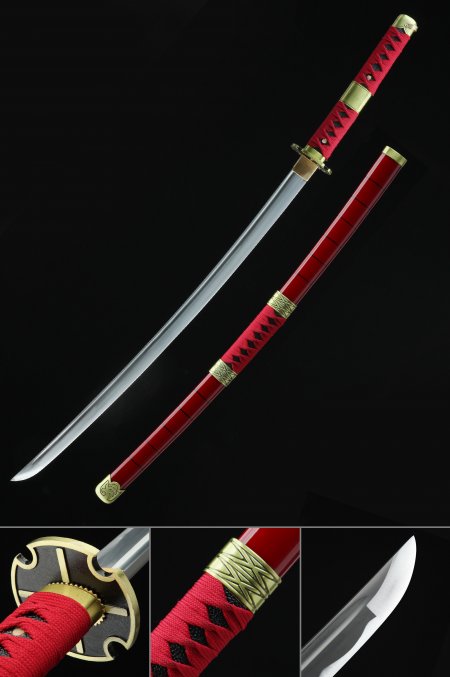
Red And Gold Katana

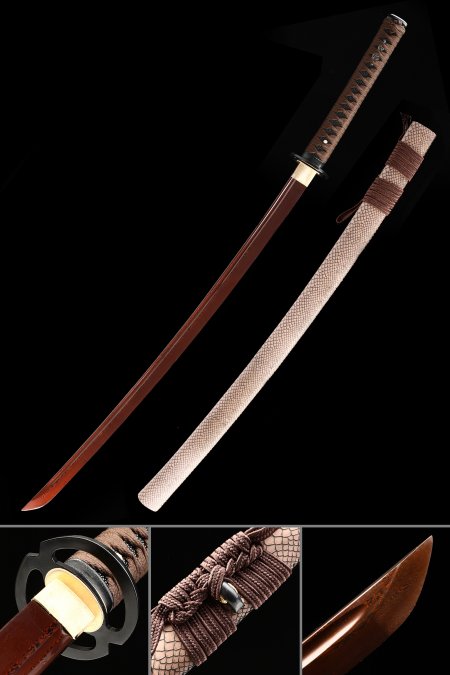
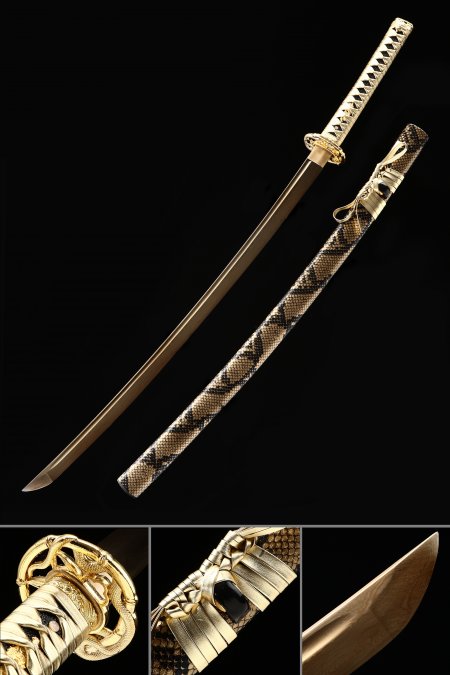
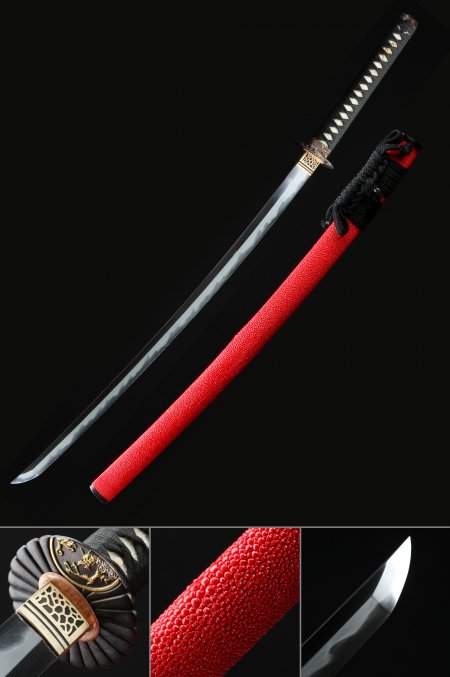
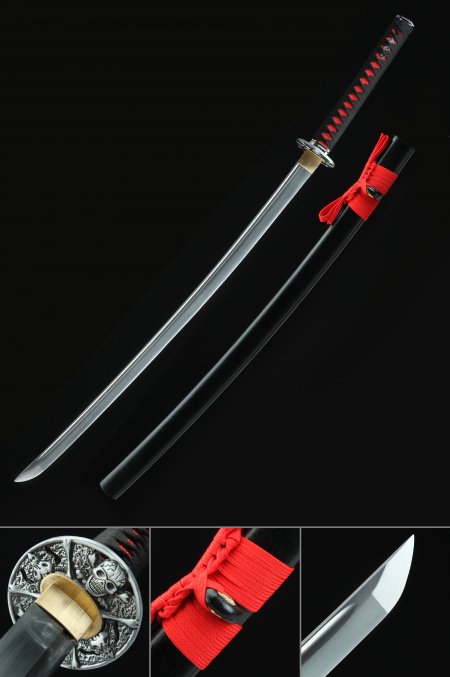
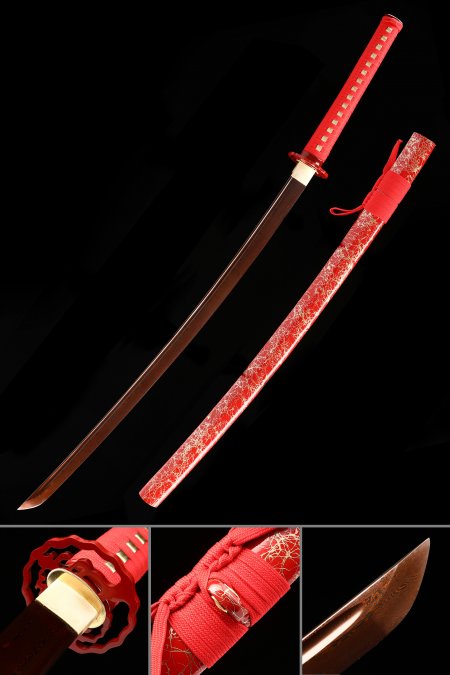
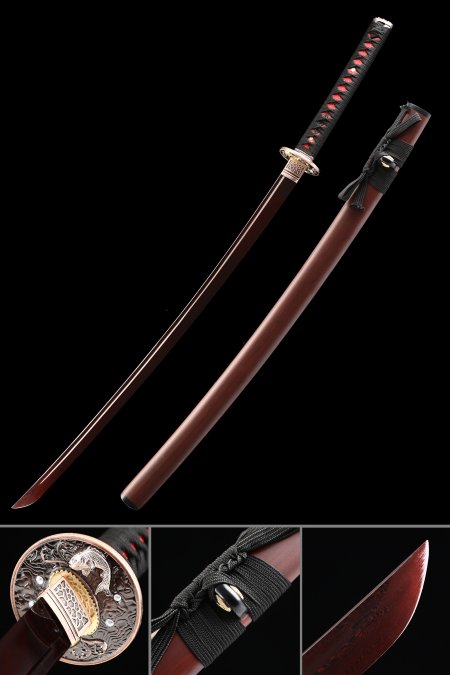
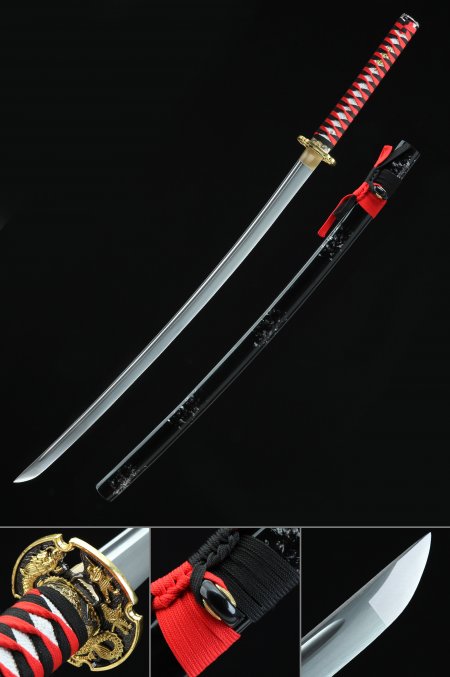
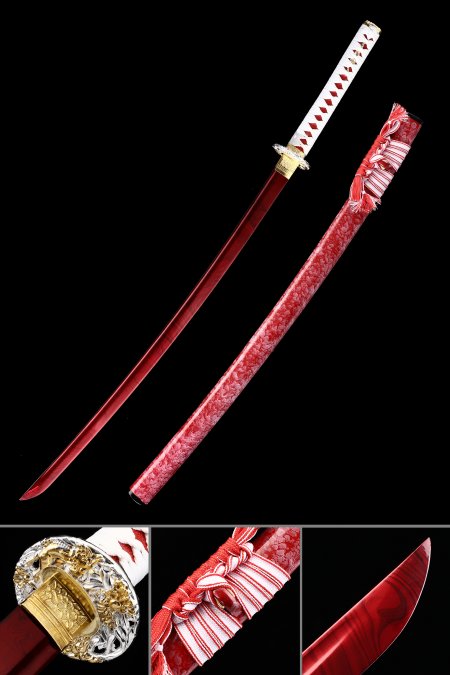
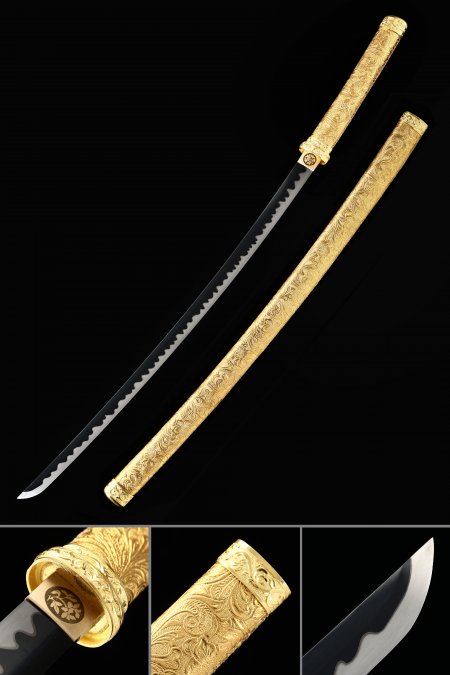
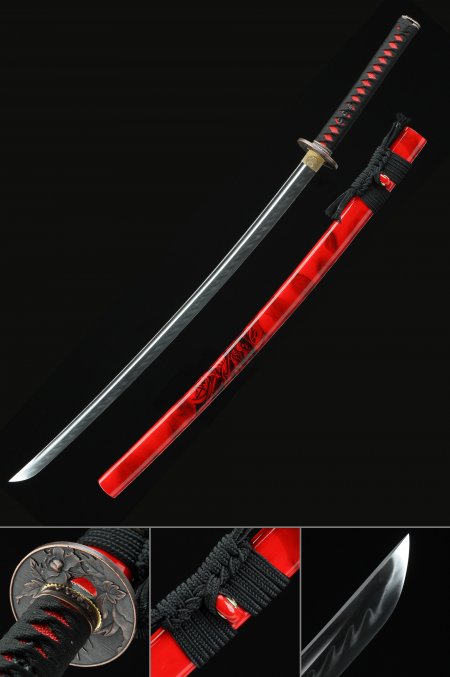
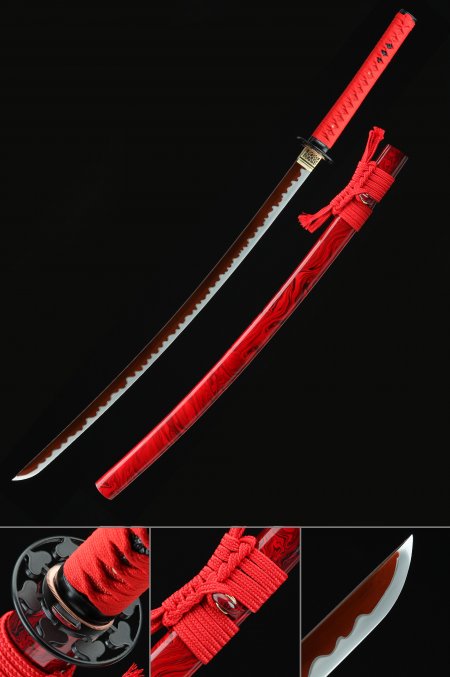
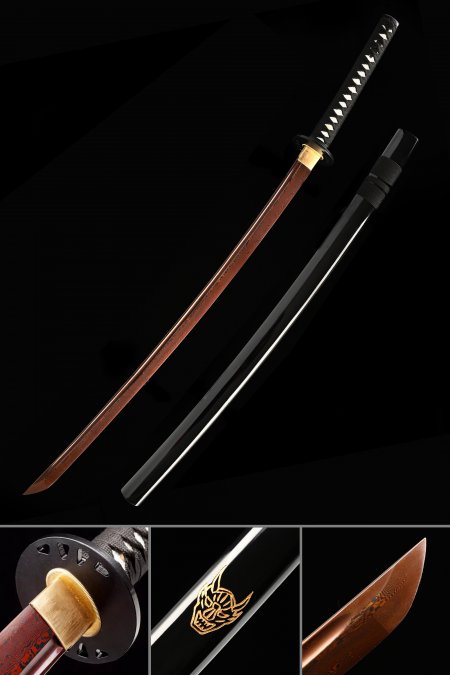
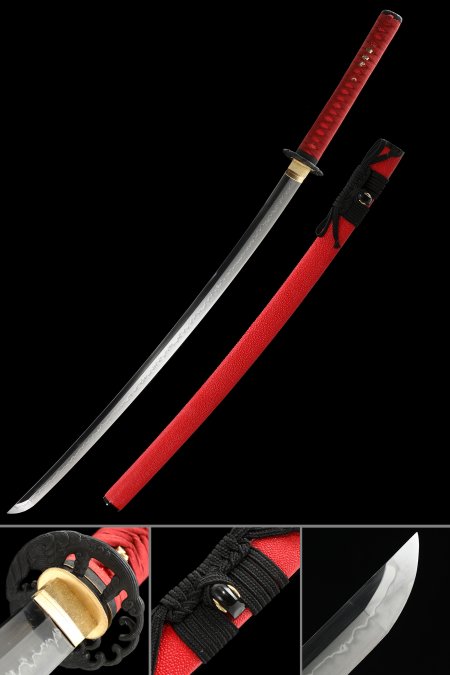
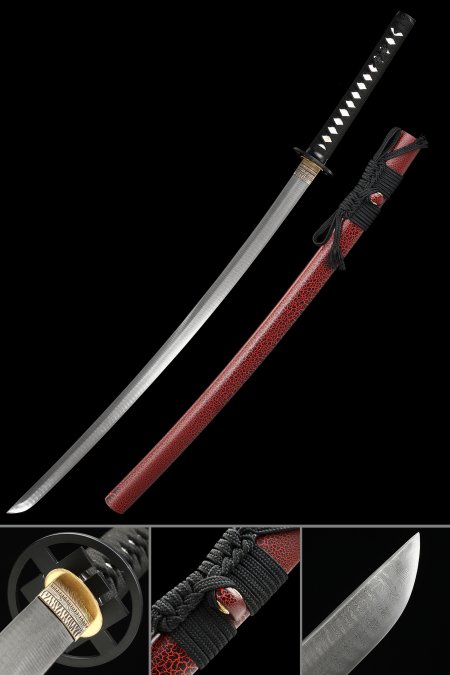
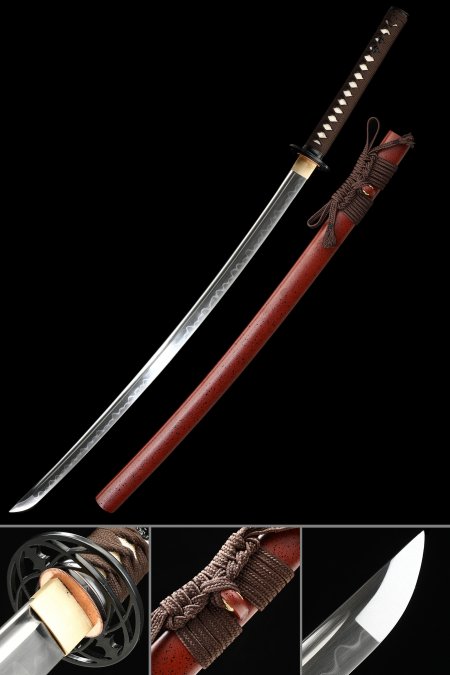
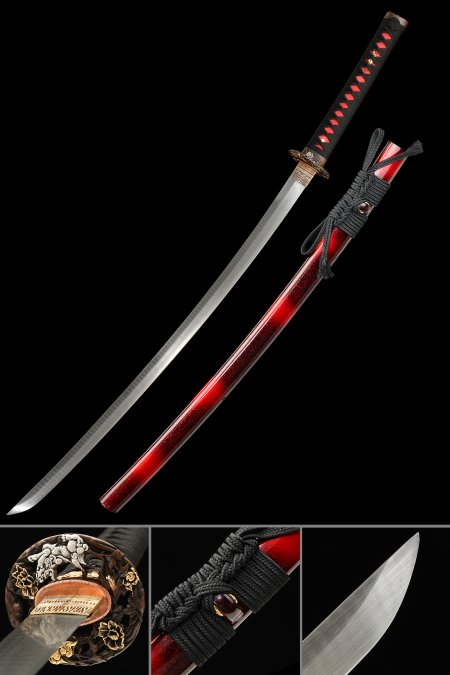
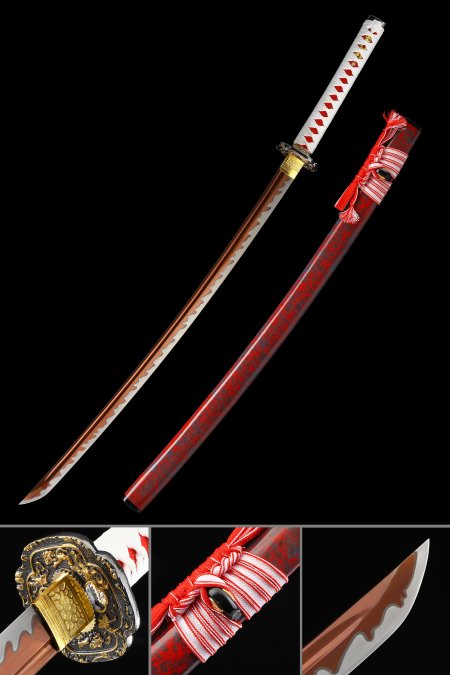
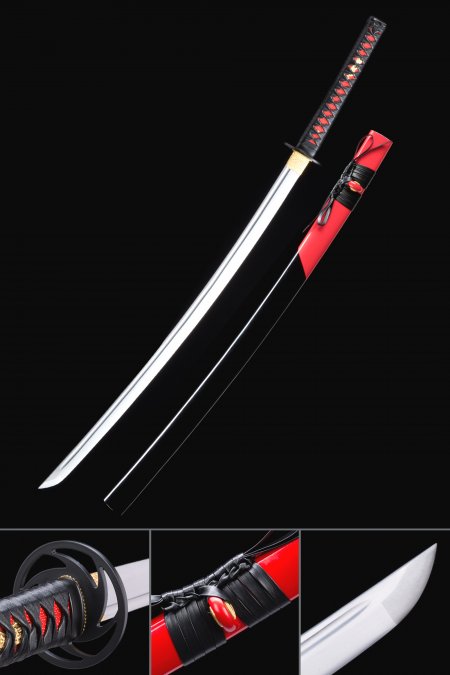
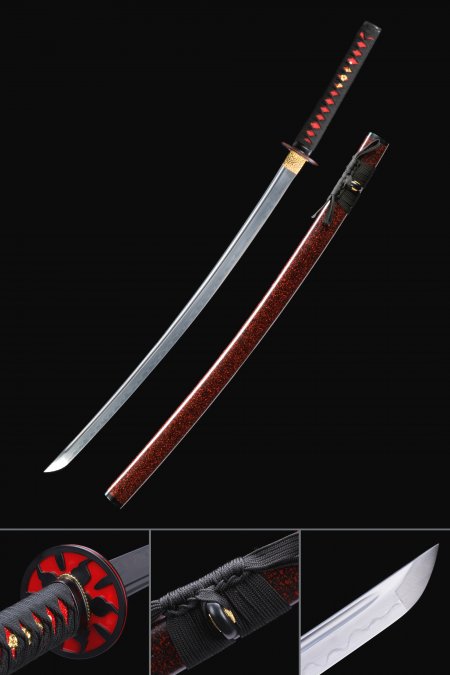
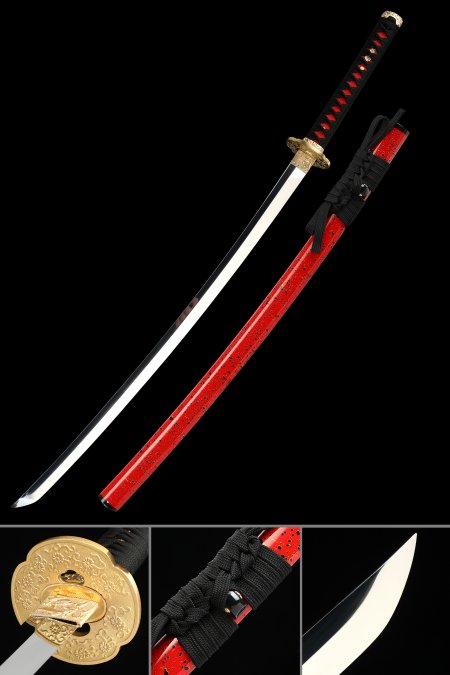
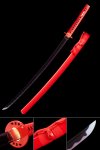
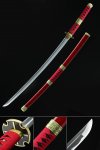
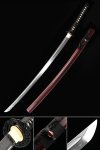
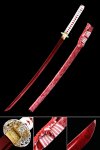
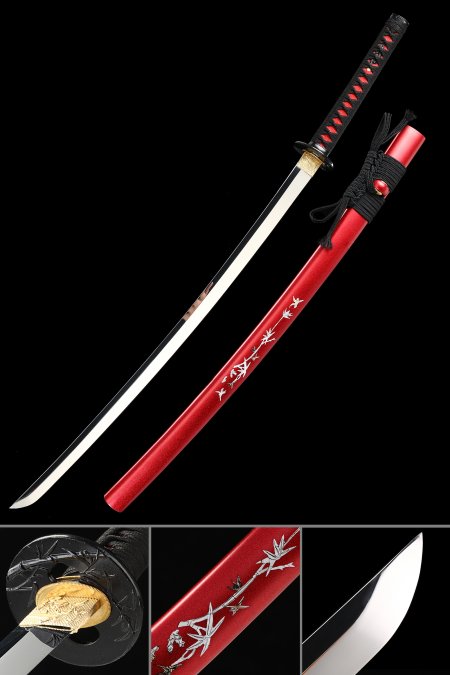
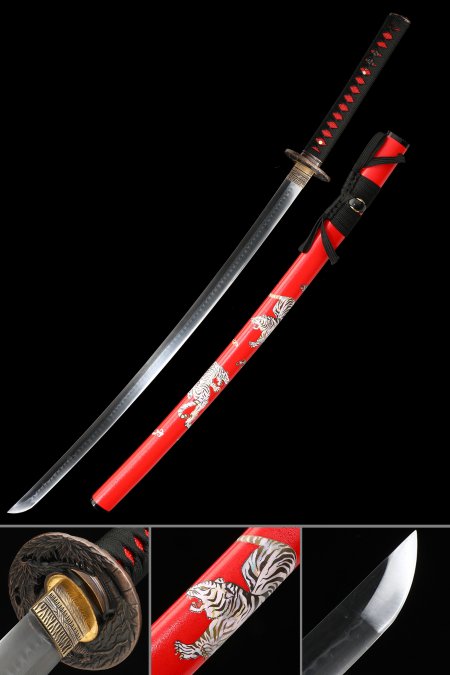
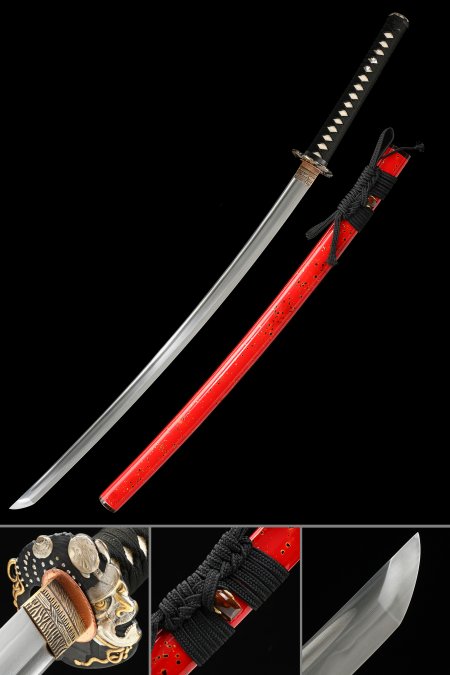
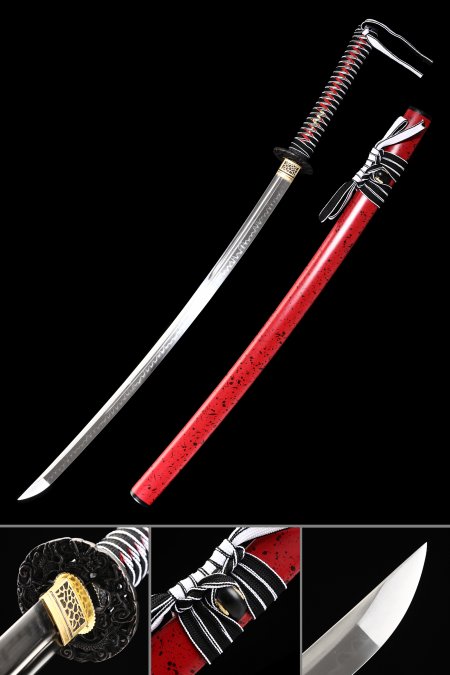
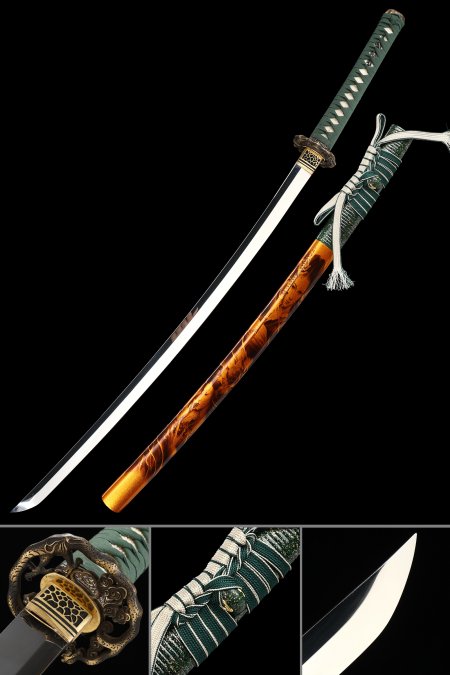
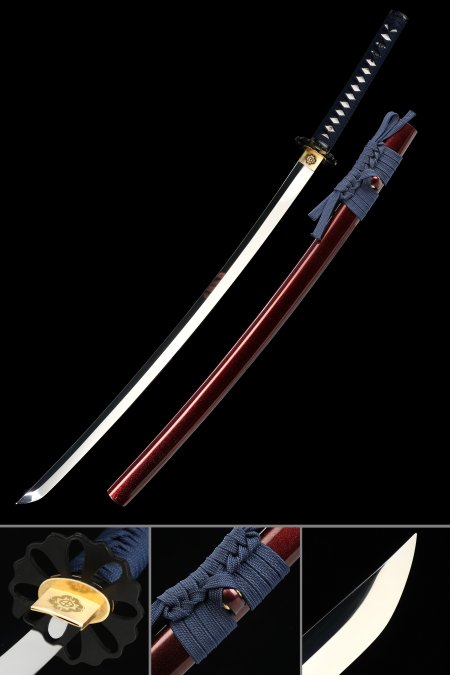
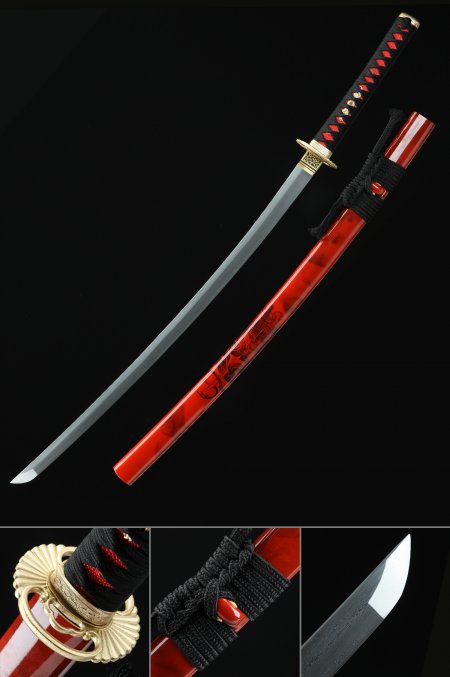
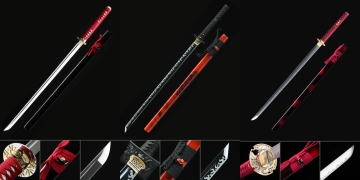
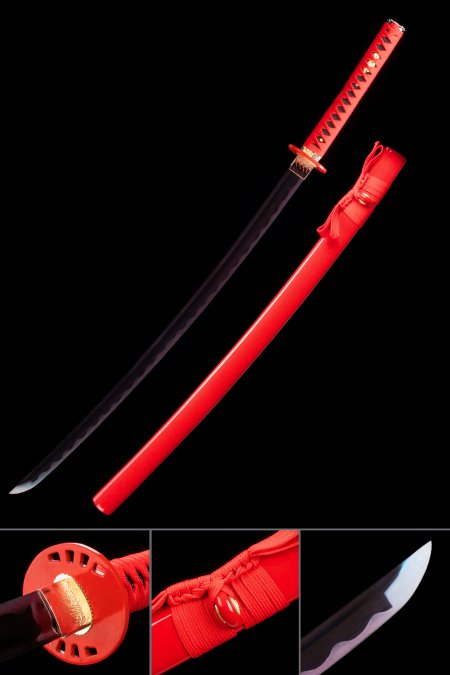
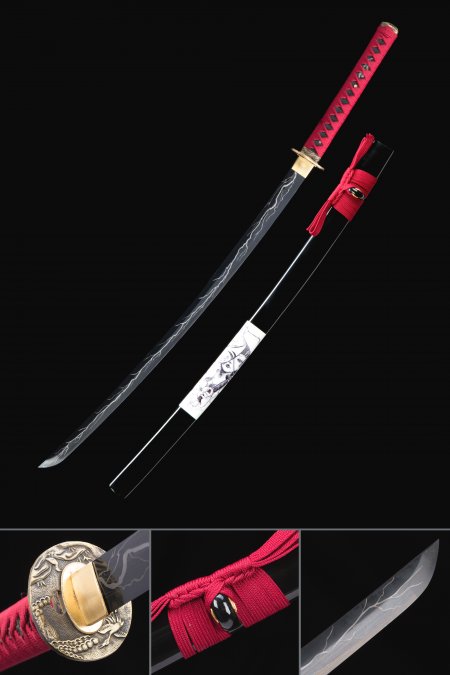
Red and gold katanas bring together two of the most commanding colors in samurai tradition — the deep vitality of crimson and the prestige of gold-toned metalwork. Each piece in this collection is hand-assembled with period-inspired fittings: dragon and koi fish tsuba cast in gold alloy, lacquered saya in rich piano finishes, and carefully wrapped ito that mirrors classical Japanese aesthetics. Blades range from 1045 carbon steel to clay-tempered T10 and folded Damascus, offering collectors a genuine spectrum of smithing heritage. Every katana ships free with hassle-free returns, so adding a centerpiece to your display is entirely risk-free.
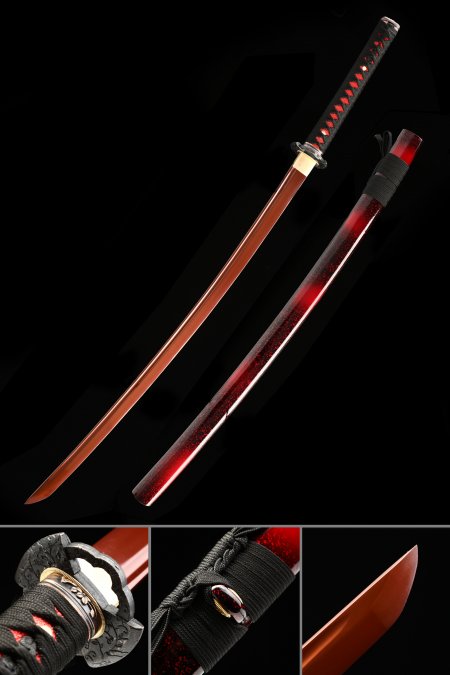
Showing 76 Products

Related Collections

Red Ninjato7 items


29 Reviews

Golden Tanto3 items


13 Reviews

Red Naginata1 items


Reviews

Gold Wakizashi6 items


73 Reviews

Frequently Asked Questions

What steel types are used in red and gold katanas?
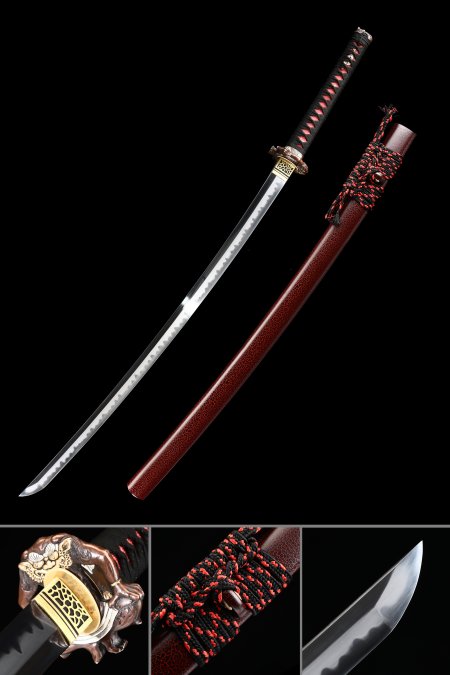
This collection spans several distinct steel grades, each with different characteristics worth understanding before you choose. 1045 carbon steel is a mid-range option with approximately 0.45% carbon content — it takes a good polish and holds up well as a display piece. 1060 and 1065 carbon steel sit higher on the hardness curve and produce a slightly more defined blade geometry. T10 tool steel is the most technically refined option here: its added silicon content improves toughness, and it responds exceptionally well to the clay tempering process, producing an authentic hamon temper line that collectors particularly value. Folded Damascus steel offers a layered billet construction where two or more steel types are forge-welded together, creating the flowing surface grain patterns visible after acid etching. Each steel type tells a different story about the smith's process, and for serious collectors, that story is a meaningful part of the piece's appeal.
What does clay tempering do, and why does it matter for collectors?
Clay tempering — known in Japanese as tsuchioki — is the technique that gives traditionally made katana blades their distinctive hamon, the undulating temper line running along the blade's length. Before the final quench, the smith applies a differential clay coating: thicker along the spine, thinner near the edge. When the blade is plunged into the quenching medium, the thinly coated edge cools rapidly and achieves a harder crystalline structure called martensite, while the thickly coated spine cools more slowly and remains tougher and more flexible. The boundary between these two zones becomes the hamon. For collectors, a real hamon produced through genuine clay tempering is a mark of authentic craftsmanship — it is physically embedded in the steel's metallurgy, not an etched or painted cosmetic effect. T10 steel clay-tempered pieces in this collection carry that distinction, and it is one of the primary reasons they command more attention among discerning buyers.
How does a red and gold katana differ from a standard black-mounted one?
The difference is primarily in the koshirae — the collective term for all the fittings and mountings outside the blade itself. A standard black-mounted katana typically features a black lacquer saya, black or dark navy ito wrap, and a iron or darkened steel tsuba, presenting a subdued, utilitarian aesthetic associated with practical Edo-period mountings. Red and gold katanas invert that restraint entirely: the saya is lacquered in crimson or dark red piano finishes, the tsuba is cast in gold-tone alloy with sculptural motifs like dragons or koi fish, and the sageo cord and ito wrap are coordinated in matching red tones. This style of mounting draws more closely from ceremonial and presentation swords of the feudal period, where color and gilded metalwork signaled rank and occasion. For display collectors, the red and gold aesthetic creates a much stronger visual focal point in a room setting and pairs naturally with other red-themed pieces like tanto or wakizashi in a cohesive thematic arrangement.
How should I store and maintain a red lacquer saya?
Red piano lacquer saya require a bit more mindful storage than plain wood or fabric-covered scabbards. The lacquer surface, while durable, can develop micro-scratches from contact with hard surfaces or other objects, so store the katana on a dedicated sword stand or in individual soft-lined pouches rather than loose in a case with other pieces. Humidity is the primary environmental concern: lacquer can crack or lift at its edges if exposed to prolonged dryness below 40% relative humidity, or can soften and become tacky in excessively humid conditions above 70%. A stable indoor environment — ideally 45–60% RH — is ideal. Clean the saya surface occasionally with a soft, dry microfiber cloth; avoid any solvent-based cleaners that could dull or cloud the gloss finish. For the blade itself, apply a thin coat of choji oil or a neutral mineral oil every few months to prevent oxidation, especially if the display environment fluctuates seasonally.
Does a red and gold katana make a good gift for a collector?
It can be an excellent gift, provided you match the piece to the recipient's existing collection focus and knowledge level. For a collector who already owns more subdued, historically austere pieces, a boldly appointed red and gold katana offers a striking visual contrast and opens up conversations about ceremonial versus everyday mountings in Japanese sword culture. For someone newer to the hobby, the visual drama of a crimson lacquer saya and gold dragon tsuba makes an immediately compelling first display piece that holds genuine craft value. The range of steel options in this collection — from accessible 1045 carbon steel to clay-tempered T10 — means you can calibrate the technical depth of the gift to the recipient's enthusiasm level. Pairing a full-length red and gold katana with a matching Red Wakizashi Samurai Sword creates a daisho display set that any collector would find memorable and meaningful.

Customer Reviews

Cart 0 Items

Your cart is empty