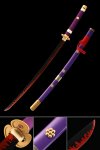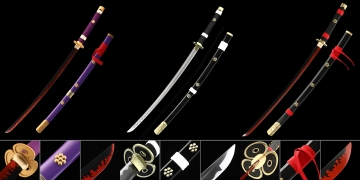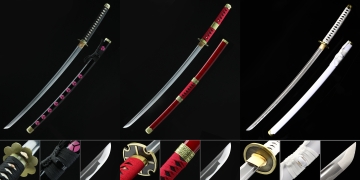
Zoro Purple Katana

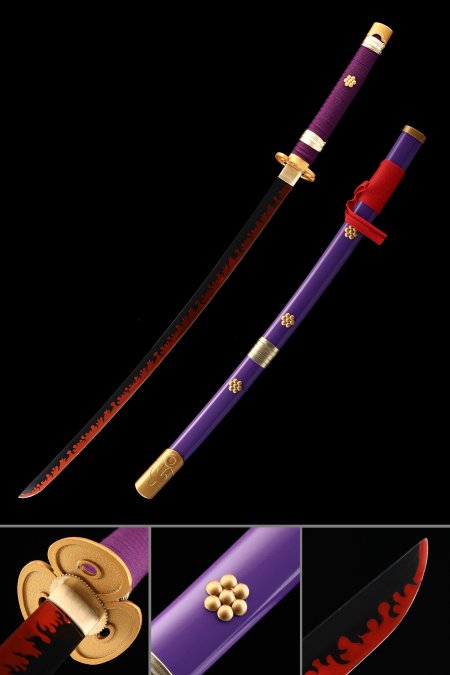
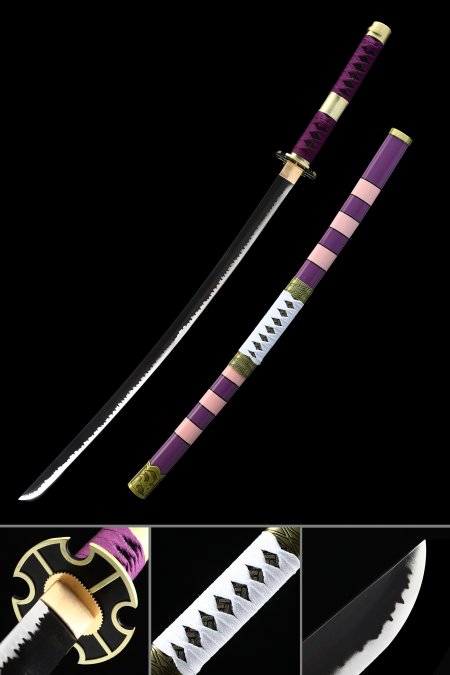
The Zoro Purple Katana collection brings together meticulous hand-forged craftsmanship and the iconic aesthetic of One Piece's most celebrated swordsman. Each piece features 1045 carbon steel construction paired with richly lacquered purple saya, honoring both traditional Japanese sword-making heritage and the bold visual identity of Roronoa Zoro. From the cursed legacy of Nidai Kitetsu to the legendary Enma, these collectibles are crafted for discerning fans and serious display collectors alike. Every order ships free with hassle-free returns.
Showing 2 Products

Related Collections

Sandai Kitetsu Sword7 items


1096 Reviews

One Piece Sword13 items


1240 Reviews

Enma Sword3 items


91 Reviews

Shusui Sword7 items


1096 Reviews

Frequently Asked Questions

What steel is used in the Zoro Purple Katana replicas?
Both katanas in this collection are constructed from 1045 carbon steel, a mid-to-high carbon alloy containing approximately 0.45% carbon content. This grade is a popular choice for collectible and display katanas because it offers a meaningful balance between hardness and structural durability. It holds a defined edge geometry well and responds favorably to traditional heat-treatment processes, producing a blade with visible grain characteristics that collectors appreciate. While it sits below the carbon content of premium tamahagane or high-carbon 1095 steel, 1045 provides excellent visual authenticity and long-term structural stability for display purposes.
How does Nidai Kitetsu differ from the Enma replica in this collection?
Though both pieces share the same 1045 carbon steel foundation and purple saya finish, they differ significantly in blade profile, fittings, and visual character. The Nidai Kitetsu replica reflects the rawer, more ominous personality of a cursed blade — its geometry and tsuba design lean into a darker, more restrained aesthetic. The Enma replica, by contrast, carries a more refined and prestigious presence, echoing the blade entrusted to Zoro by the swordsmith Hitetsu as a representation of Oden's legendary legacy. The fittings, handle wrapping pattern, and overall silhouette of each piece are distinct, making them visually complementary rather than redundant when displayed side by side.
How should I care for the purple lacquered saya long-term?
The purple lacquered saya requires thoughtful care to maintain its finish over time. Avoid exposing it to prolonged direct sunlight, as UV radiation gradually fades and dulls lacquer pigment. Humidity extremes are equally damaging — too much moisture can cause bubbling or peeling, while overly dry conditions lead to fine surface cracking. Wipe the saya occasionally with a soft, dry cloth to remove dust without abrading the finish. Never use chemical cleaners or polishes on lacquered wood surfaces. The blade inside should also be lightly coated with a thin application of blade oil every few months to prevent any oxidation from affecting the interior of the saya over extended storage.
Are these katanas suitable as display gifts for One Piece fans?
These collectibles make a highly considered gift for serious One Piece enthusiasts, particularly those who appreciate the craftsmanship behind the swords rather than just the character association. The combination of hand-forged 1045 carbon steel construction, full-tang build, and authentic purple lacquer saya elevates them well above standard licensed merchandise. Each piece arrives ready for display and can be complemented with a traditional katana stand for immediate presentation. For fans who follow the series closely, the distinction between receiving a Nidai Kitetsu versus an Enma replica carries meaningful character significance — making the choice of which piece to gift a thoughtful decision in itself.
What does full-tang construction mean for a display katana?
Full-tang construction means the steel of the blade extends continuously through the entire length of the handle, rather than being attached only at the base. In display katanas, this is an important quality indicator because it reflects the same structural philosophy used in traditionally forged Japanese swords. The tang is typically pinned or pegged within the handle using a mekugi — a small bamboo or wood peg passed through aligned holes in the tsuka and nakago. This construction ensures the blade and handle remain a unified, stable piece rather than a decorative assembly that may loosen over time. For collectors, full-tang builds are widely preferred because they demonstrate a commitment to authentic construction standards regardless of the piece's display-only purpose.

Customer Reviews

Cart 0 Items

Your cart is empty