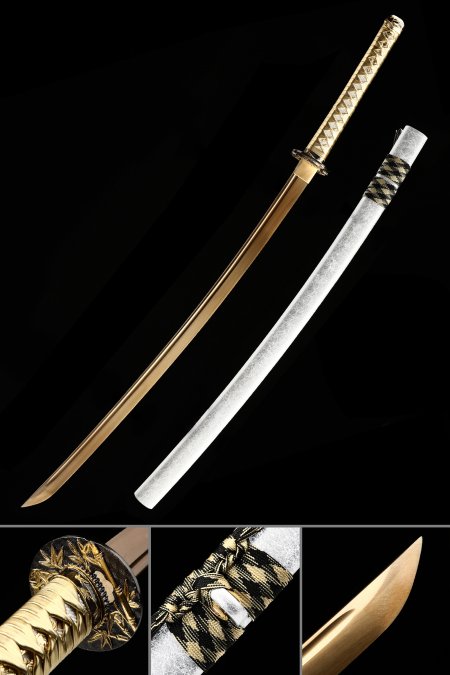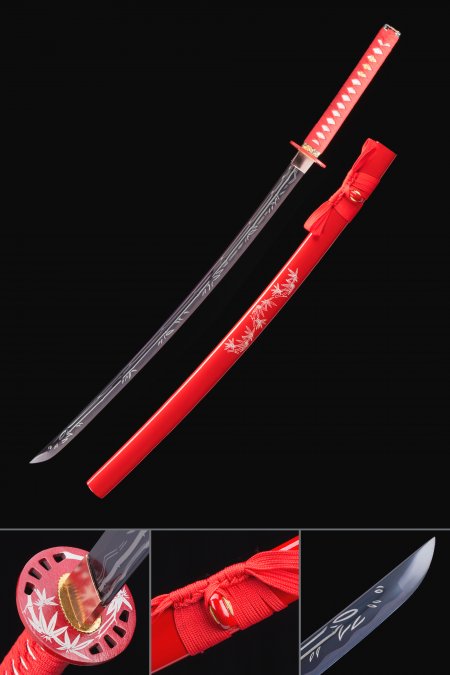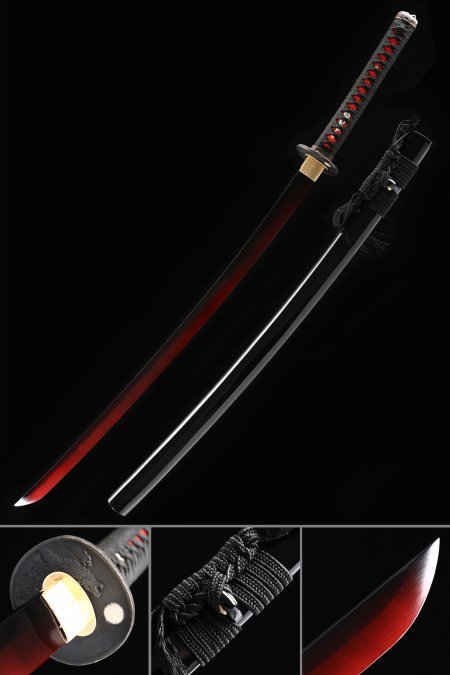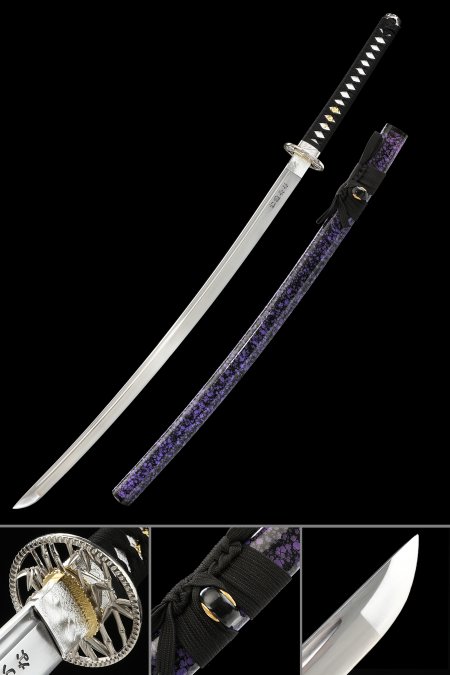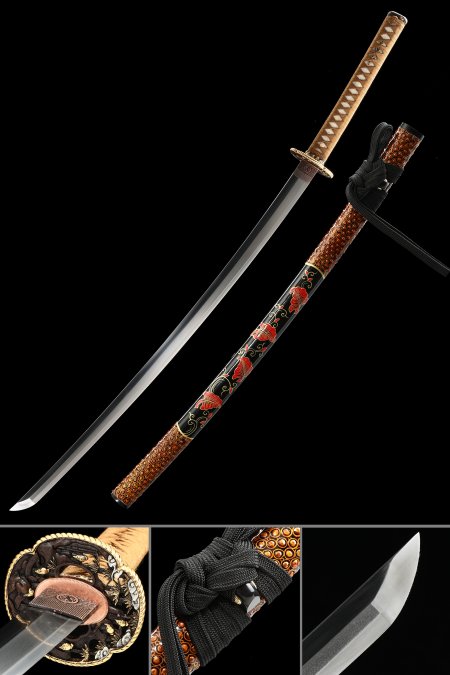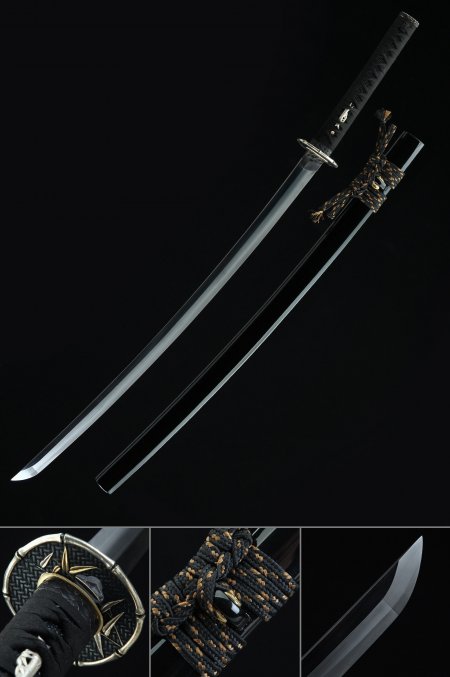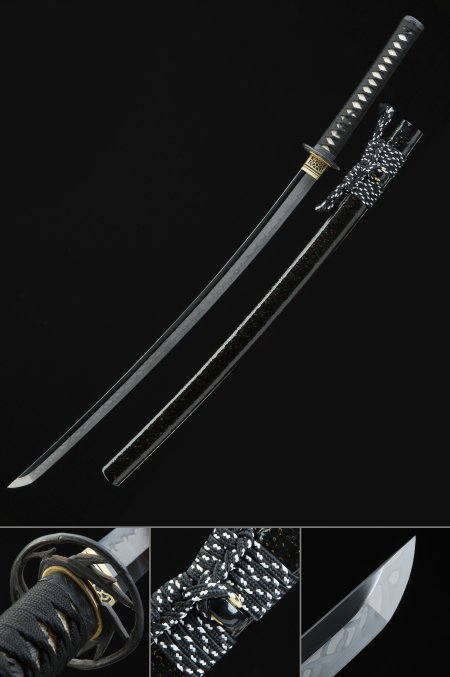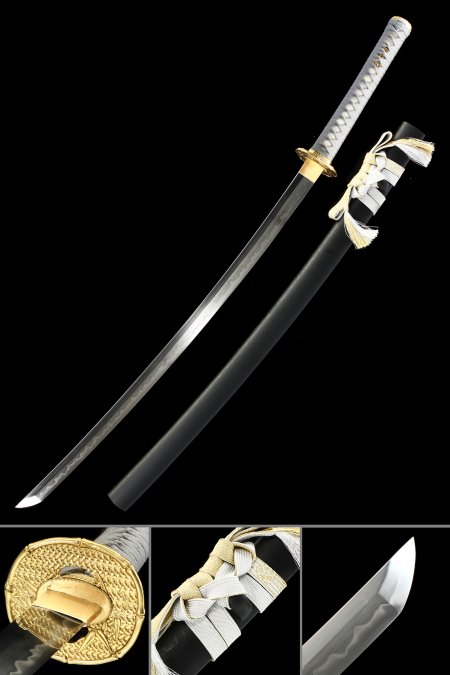
Bamboo Tsuba Katana

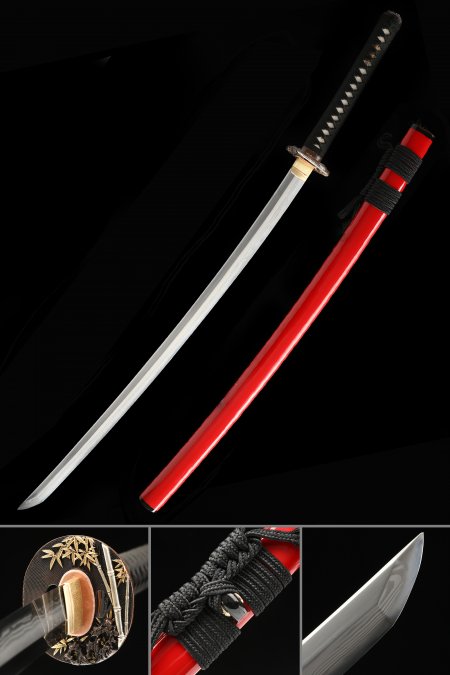
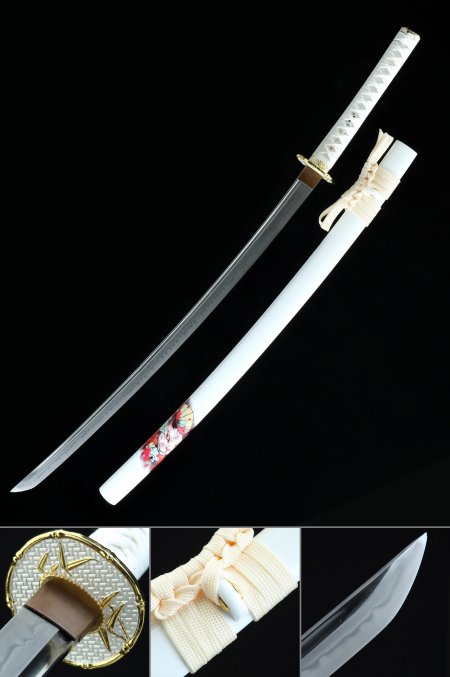
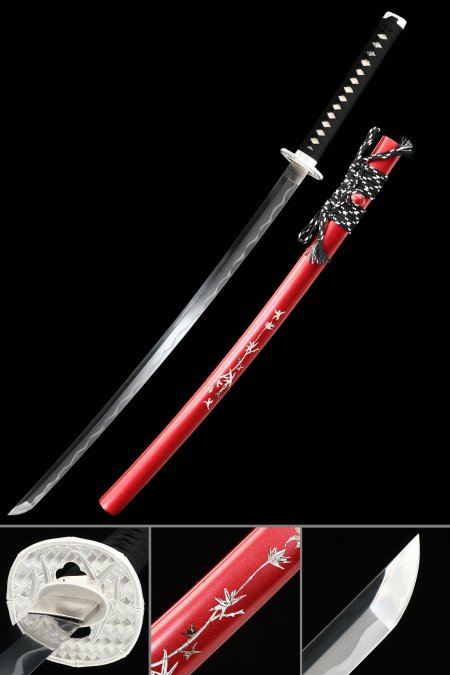
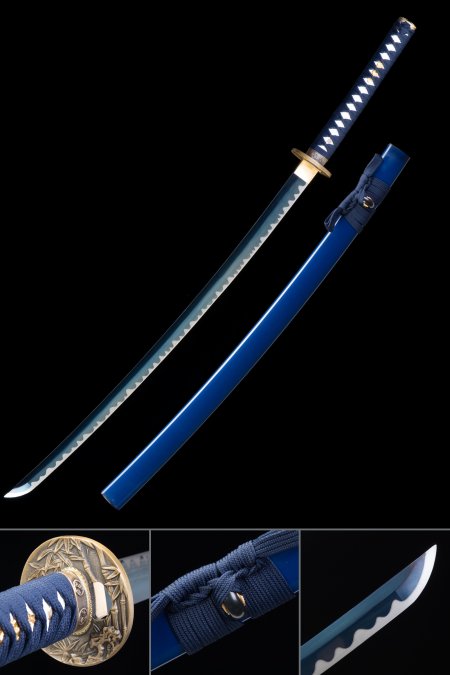
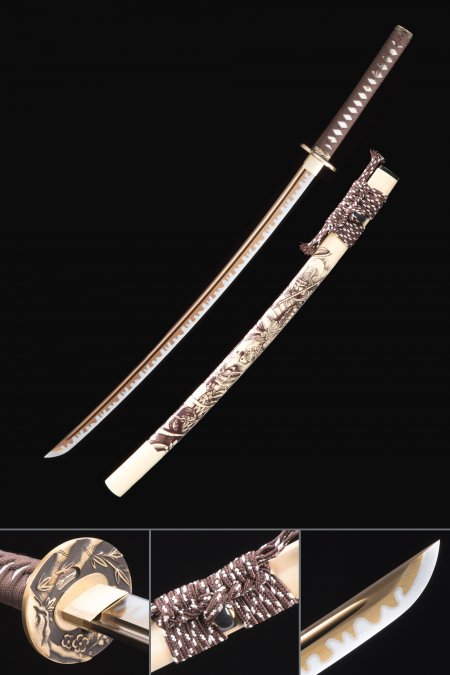
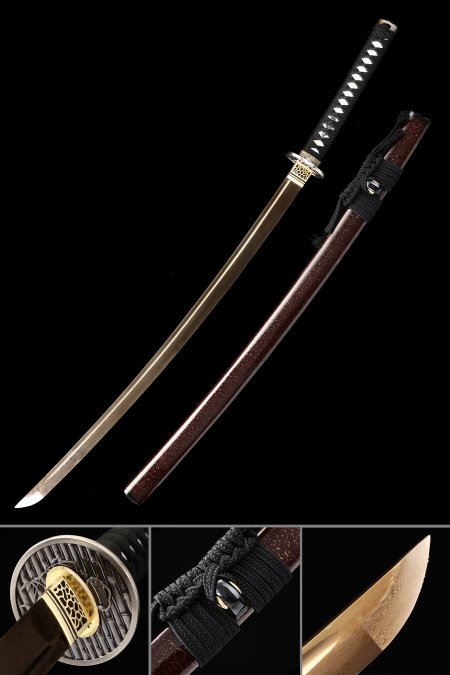
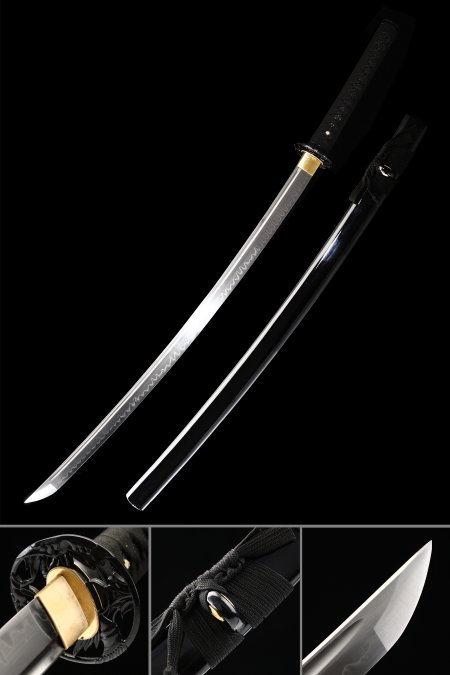
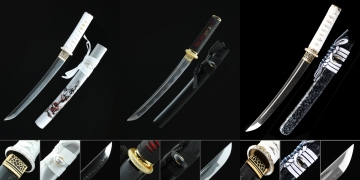
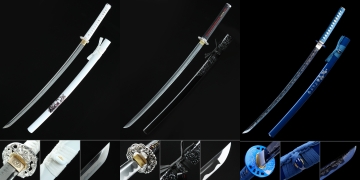
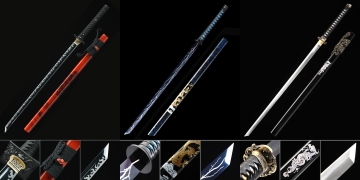
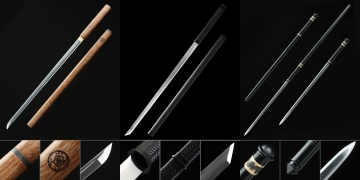
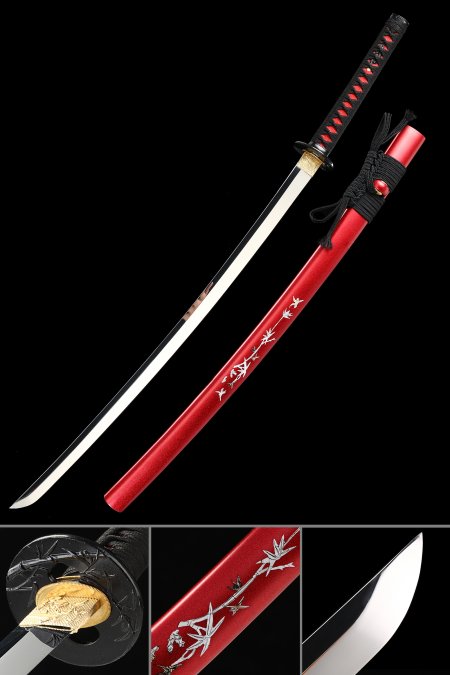
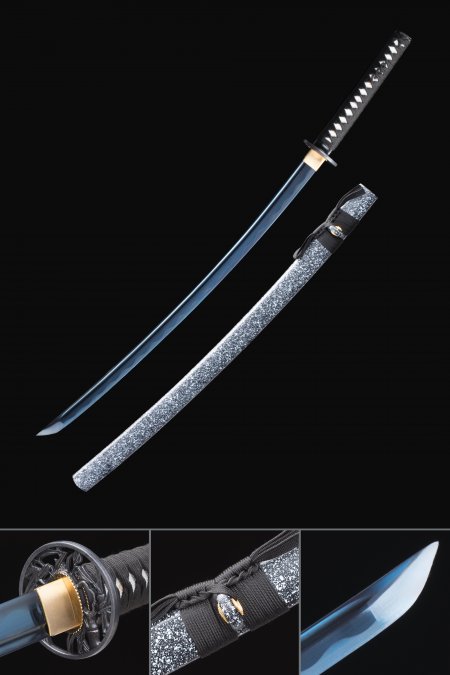
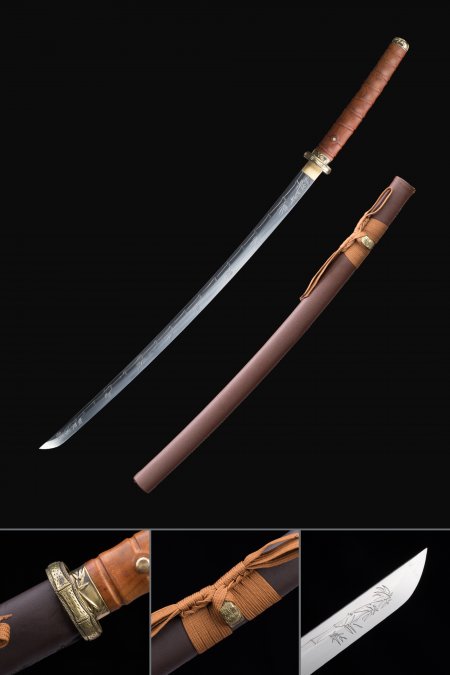
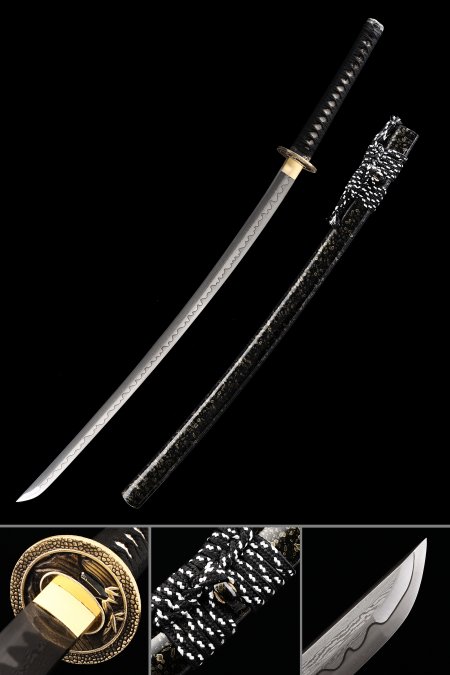
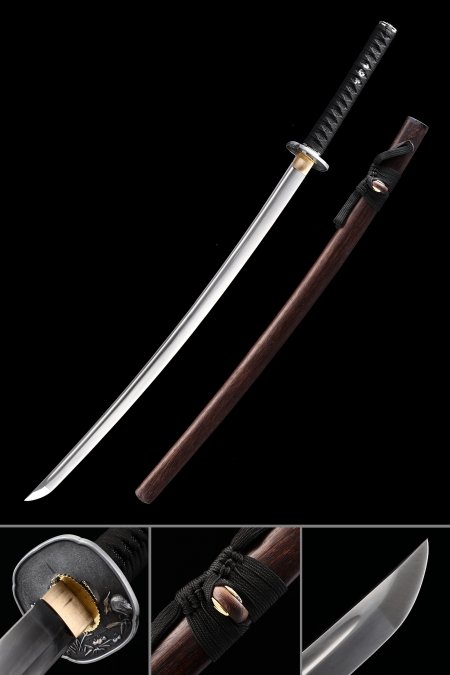
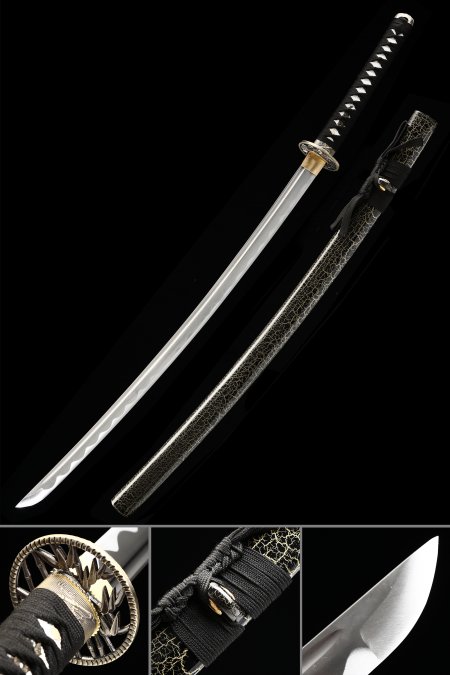
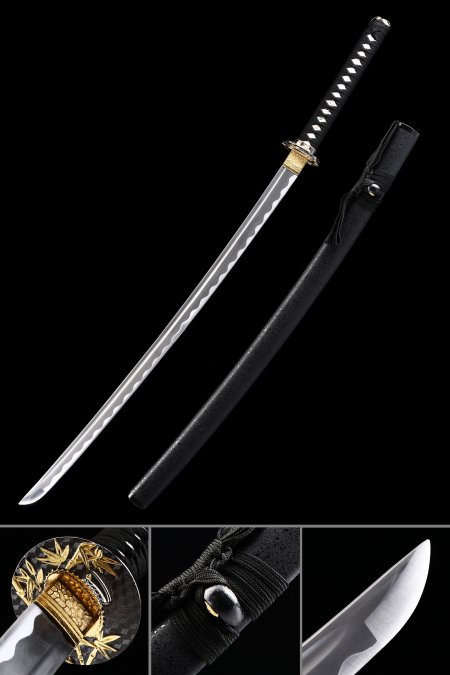
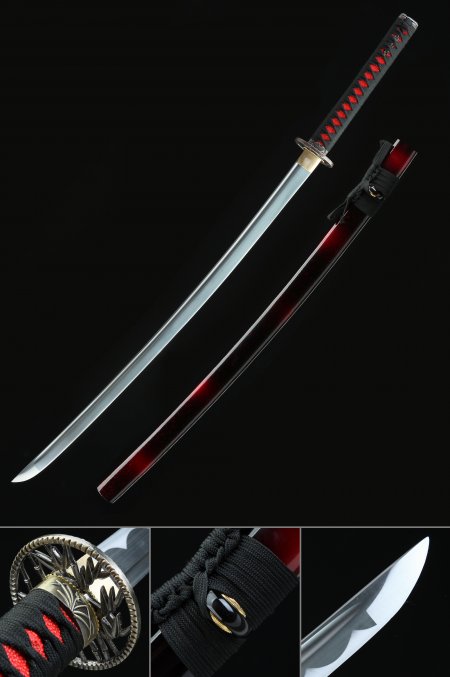
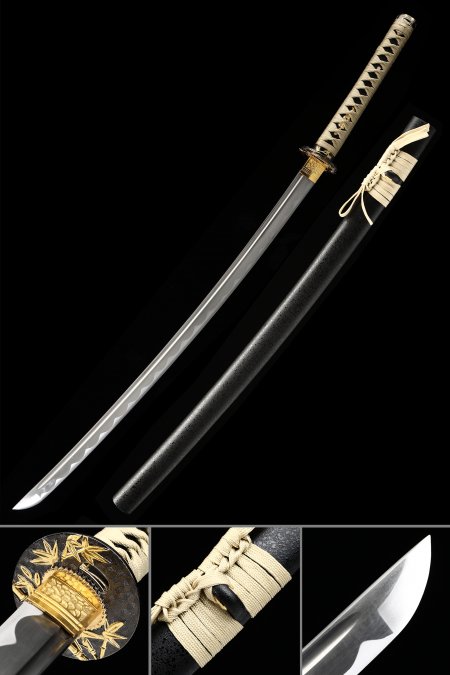
The Bamboo Tsuba Katana brings together one of Japan's most enduring natural motifs and the refined craft of hand-forged blade making. Each piece in this collection features a distinctively carved bamboo tsuba - the circular hand guard that defines the sword's aesthetic character - paired with premium carbon steel blades ranging from 1045 and 1060 to Damascus and T10 clay-tempered steel. Saya finishes span matte hardwood, piano lacquer, and crackle-pattern lacquer, giving every collector a distinct visual identity. Free standard shipping is included on all orders, and we stand behind every piece with a hassle-free return policy.
Showing 24 Products

Related Collections

Tanto Blade79 items


379 Reviews

Reverse Blade Sword128 items


1628 Reviews

Dragon Saya Ninjato32 items


83 Reviews

Plain Tsuba Ninjato47 items


500 Reviews

Frequently Asked Questions

What makes a bamboo tsuba different from other tsuba designs?
The tsuba is the hand guard positioned between the blade and the handle, and its design is one of the most expressive elements of a katana's overall aesthetic. Bamboo-motif tsuba stand apart from geometric or mon-crest designs because they draw directly from Japanese nature imagery - a visual tradition deeply embedded in samurai culture. The bamboo stalk, with its segmented nodes and tapered leaves, requires a higher degree of sculptural relief work than flat geometric patterns, making a well-executed bamboo tsuba a genuine test of the metalworker's skill. On the pieces in this collection, the bamboo carving is rendered in iron, brass, or copper alloy, each material lending a different tonal warmth to the guard. Iron reads cool and austere, brass adds golden warmth, and copper provides a reddish depth that ages beautifully into a rich patina over time. Collectors who pay close attention to tsuba craftsmanship will notice the quality of edge definition on the bamboo stalks and the depth of the relief as primary quality indicators.
How does T10 clay-tempered steel compare to 1045 in this collection?
The two steels represent different tiers of both metallurgical complexity and visual distinction. 1045 high-carbon steel is a workhorse material - consistent, well-behaved under heat treatment, and widely used across the collectible katana market. It produces a blade with reliable hardness and a clean, uniform appearance. T10 tool steel, by contrast, contains trace amounts of silicon and tungsten that increase wear resistance and allow for more nuanced heat treatment. The defining characteristic of T10, however, is not its composition but the clay-tempering process applied to it. During firing, clay is applied selectively to the blade to create differential cooling rates along the edge versus the spine. The result is a visible hamon - an undulating crystalline boundary line that forms where hard martensite meets softer pearlite microstructure. No two hamons are identical, which means every T10 clay-tempered blade in this collection is genuinely unique. For collectors who value authenticity and visual complexity in their display pieces, T10 represents a meaningful step above standard carbon steel offerings.
What saya finish best preserves a katana for long-term display?
The lacquered wooden saya serves as both an aesthetic statement and a protective housing for the blade. For long-term display purposes, the finish type affects both durability and maintenance requirements. Piano lacquer finishes - available in black and deep red across this collection - offer a hard, glossy surface that resists minor abrasion and is easy to wipe clean with a soft cloth. The high-gloss surface does show fingerprints more readily, so handling should be minimized. Matte hardwood saya in black or brown are slightly more forgiving in terms of surface marks and tend to look distinguished as they develop minor handling character over years of display. The crackle-pattern lacquer saya is the most visually distinctive option, deliberately mimicking aged surfaces, and pairs well with a patinated or Damascus blade for a cohesive antique aesthetic. Regardless of finish, all saya should be stored away from direct sunlight to prevent lacquer fading, and the blade inside should be lightly oiled every six to twelve months to prevent moisture interaction with the steel.
Is a bamboo tsuba katana a good gift for a Japanese sword enthusiast?
It is one of the stronger gift choices in the collectible sword category, particularly because the bamboo motif carries recognizable cultural significance without being so niche that it requires specialist knowledge to appreciate. A recipient who is new to katana collecting will immediately understand the beauty of the carved guard and the overall composition. A more experienced collector will appreciate the specific material pairing - for instance, a Damascus blade with a copper bamboo tsuba and a crackle-pattern saya represents a coherent aesthetic statement rather than a random assembly of components. When selecting a gift, the steel type is a meaningful differentiator: 1045 carbon steel is a solid choice for someone building their first display, while T10 clay-tempered steel with a visible hamon makes a more impressive statement for a serious enthusiast. A wall-mount display stand presented alongside the katana completes the gift and solves the immediate question of how to display the piece properly.
How should I care for the blade on a carbon steel katana display piece?
Carbon steel, unlike stainless steel, will develop surface oxidation if left untreated - a process that begins with light discoloration and can progress to rust if neglected over time. The standard maintenance routine for a display katana is straightforward: every three to six months, remove the blade from the saya, wipe it down with a clean soft cloth to remove any accumulated moisture or fingerprint oils, and apply a thin, even coat of high-grade mineral oil or dedicated choji oil (the traditional Japanese blade oil made from clove-infused mineral oil). The coat should be light enough that no visible film remains - excess oil can drip and stain the ito wrap or saya interior. Store the assembled katana horizontally or at a shallow angle, edge upward if mounted on a traditional stand, in a low-humidity environment. Avoid display locations near kitchen areas, exterior walls in humid climates, or direct airflow from HVAC vents. Damascus and T10 steel require the same basic routine, with particular attention to the hamon area on T10 blades, where the microstructural boundary can be slightly more reactive to humidity than the uniform spine steel.

Customer Reviews

David L Harrington Florida, United States

Wow, what a fabulous sword for the price!r
I practice Iaido and generally utilize an aluminum-bladed specific katana. I purchased this katana to have a reasonably priced live blade for kata and demonstrations. I also teach Kobudo and utilize a live blade for demonstrations and for more advanced students (Bo, Tonfa, and Sai). I couldn't be happier considering the cost of this katana. The blade, fitings and assembly quality are several notches above the price. Sharpness is adequate for showing the live blade during demonstrations (water bottles, etc.), and I don't really want a true razor edge for demos. As the instructor, I generally act as "Tori" and have an advanced student act as "Uke" with the katana, so any risk from the live blade is on me. I'm not especially worried about damaging the blade edge, even with the Sai, and my Ukes have said they like the katana. I recommend this katana to anyone looking to minimize cost and needing a good basic katana.

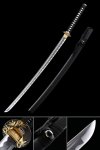
1045 Carbon Steel Katana Sword with Gold Bamboo Tsuba in Black Matte Hardwood Saya - Full Tang Collectible 1045 Carbon Steel Katana Sword with Gold Bamboo Tsuba in Black Matte Hardwood Saya - Full Tang Collectible