
Black Ninja Sword
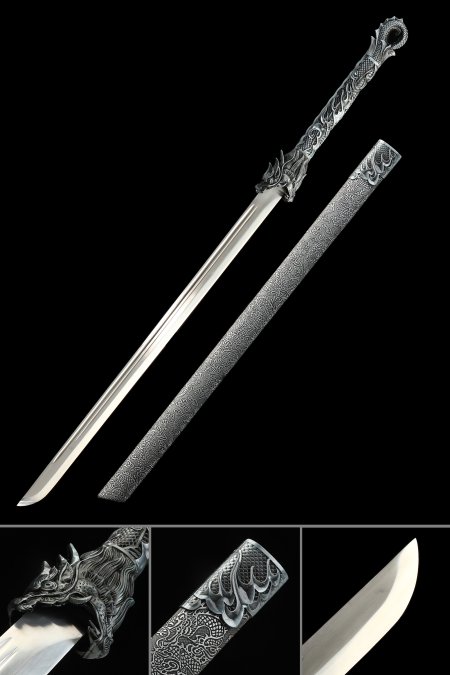
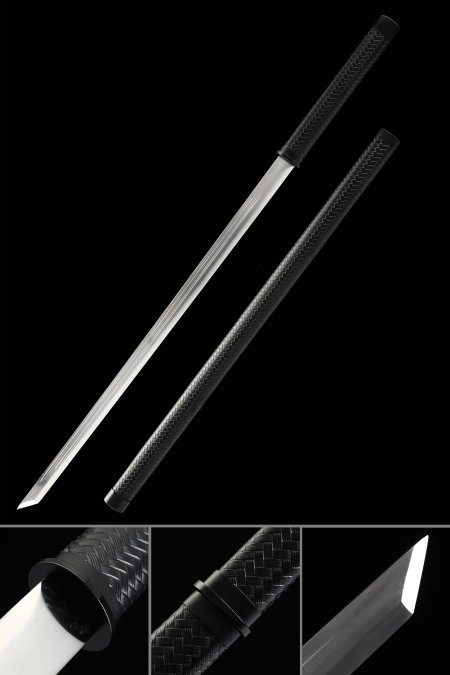
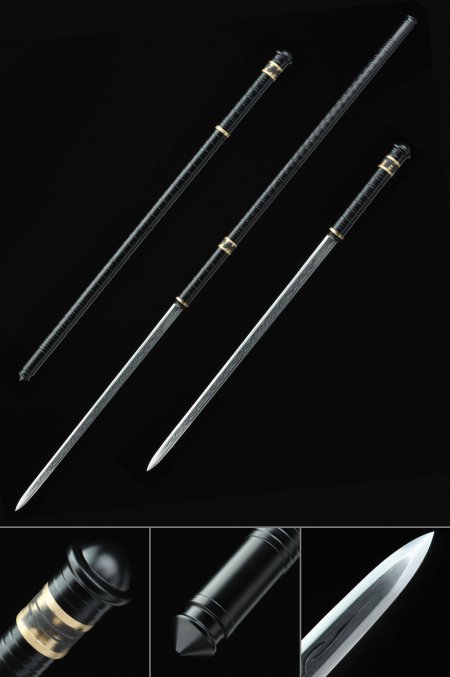
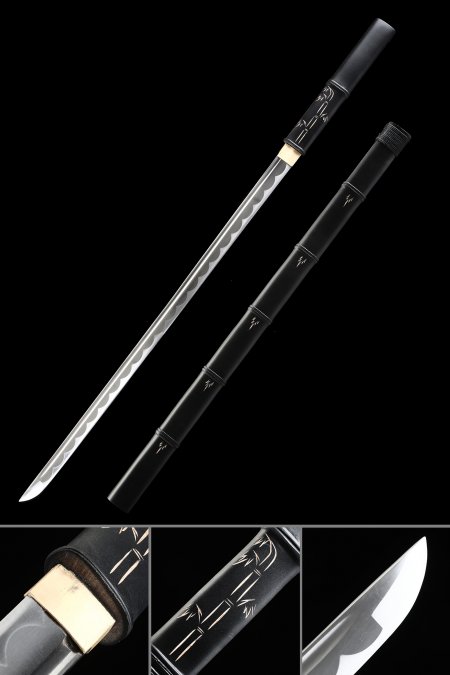
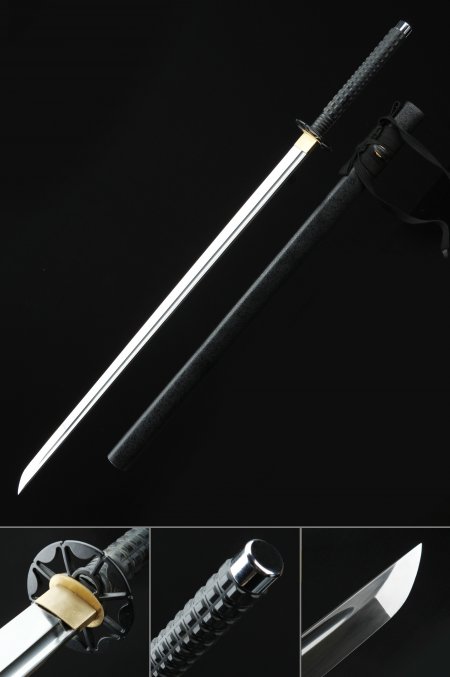
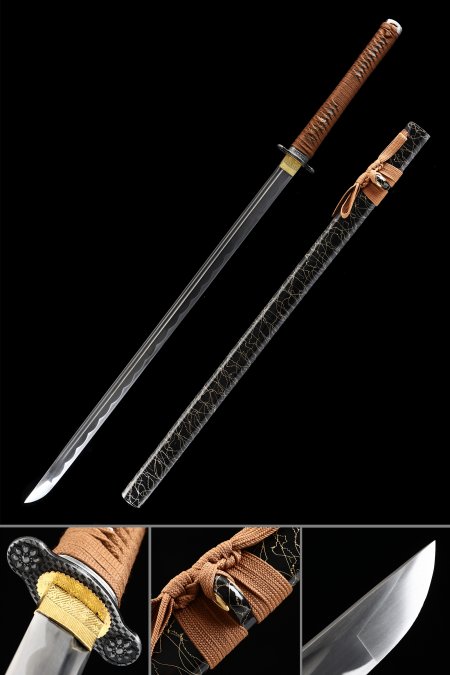
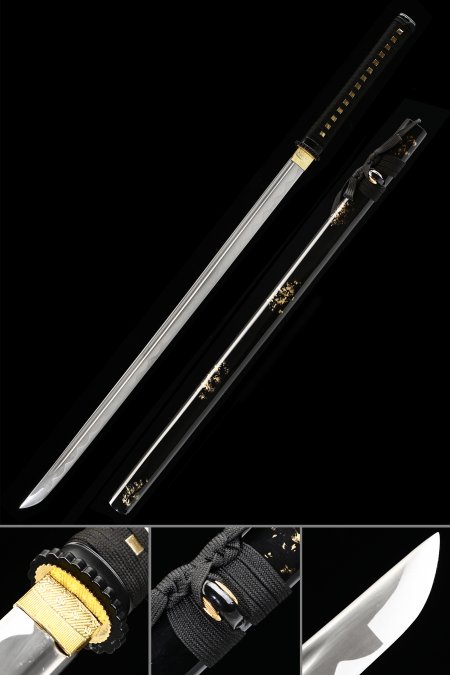
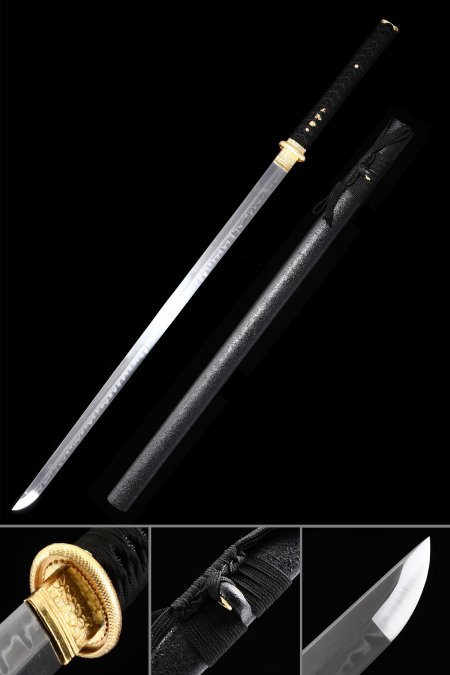
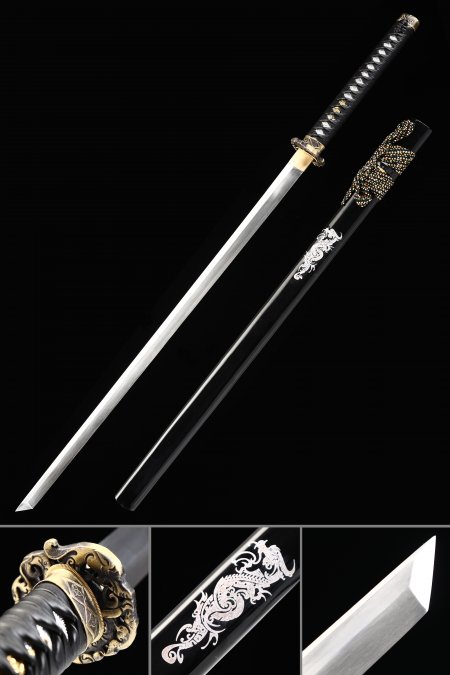
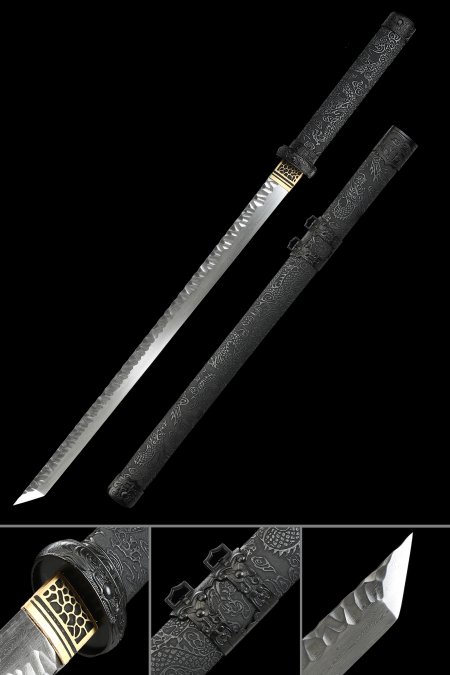
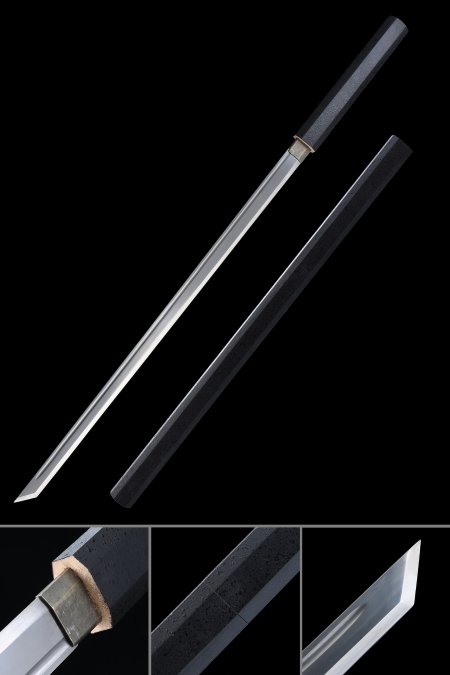
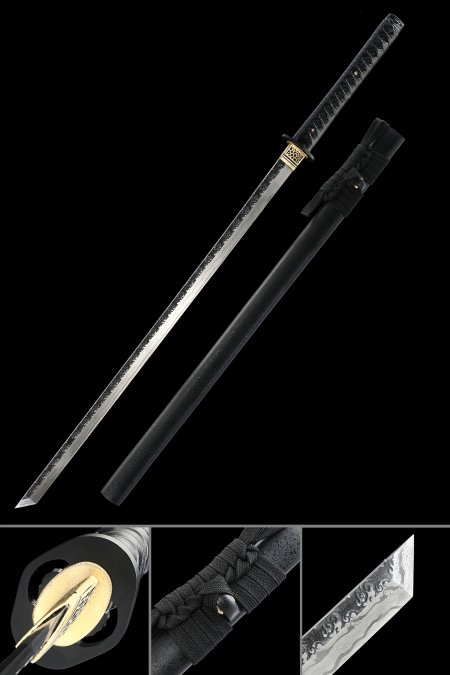
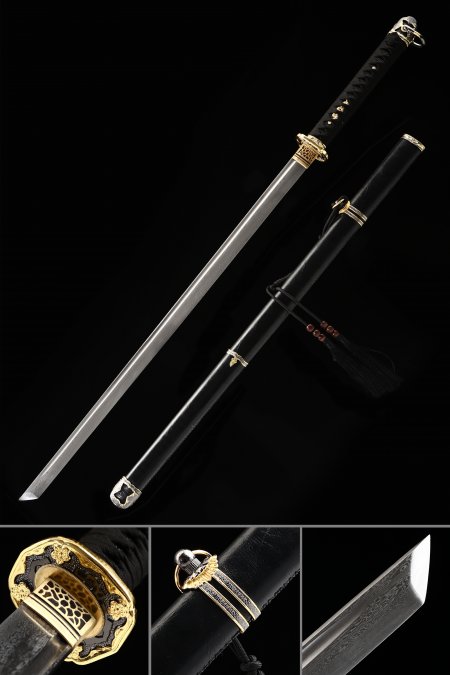
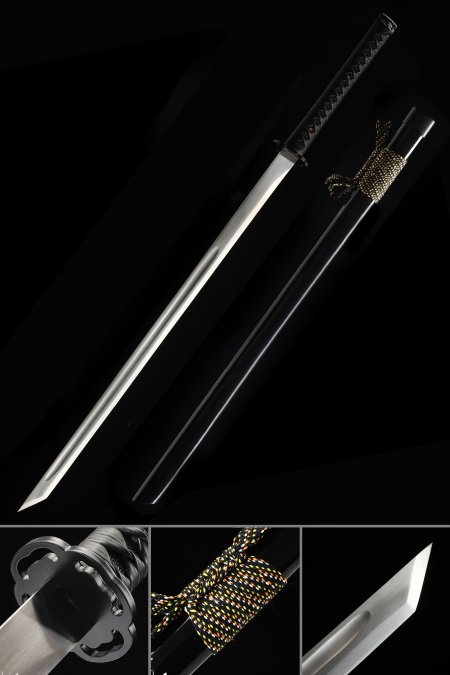
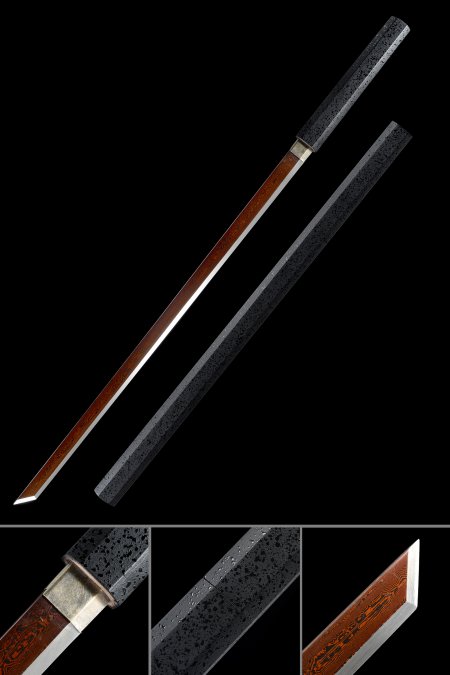
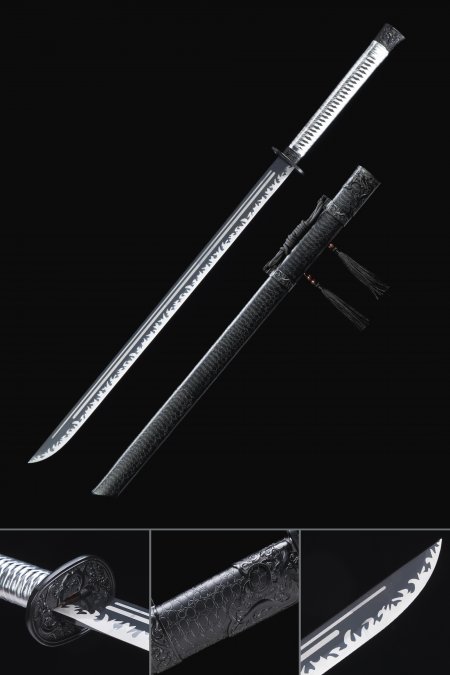
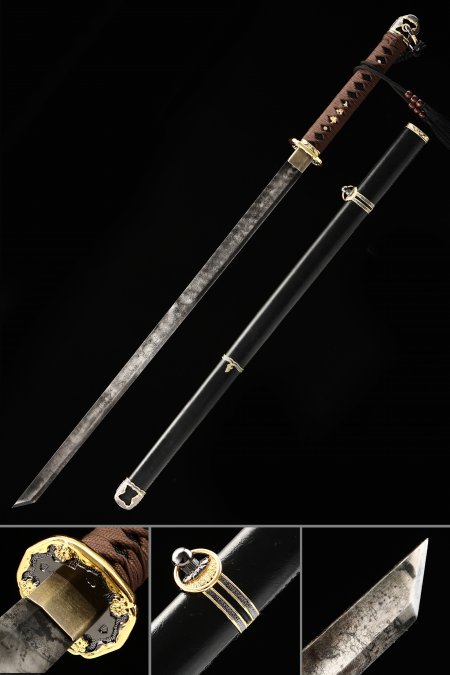
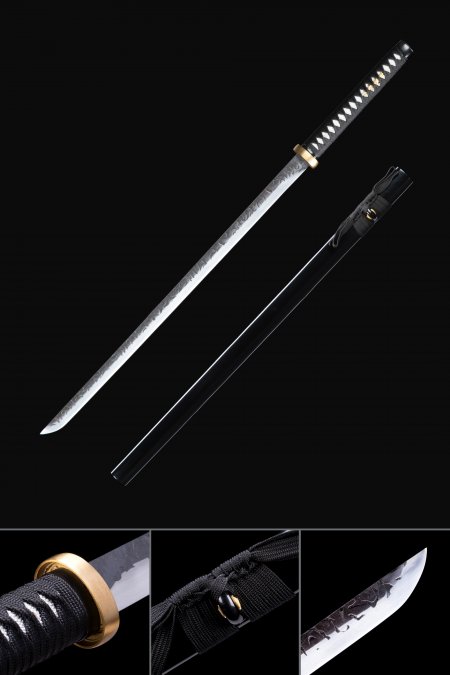
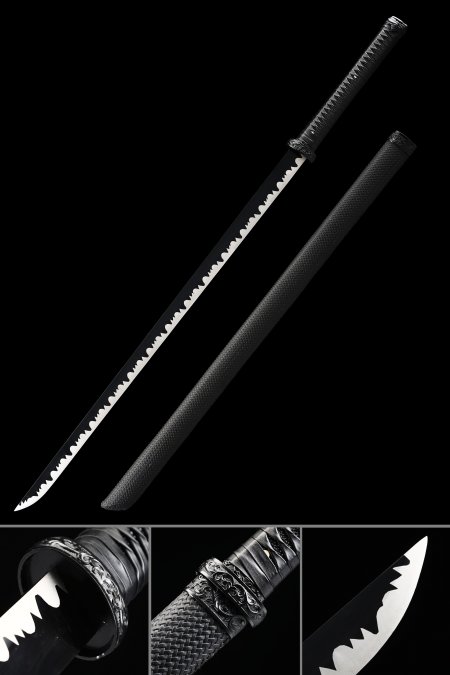
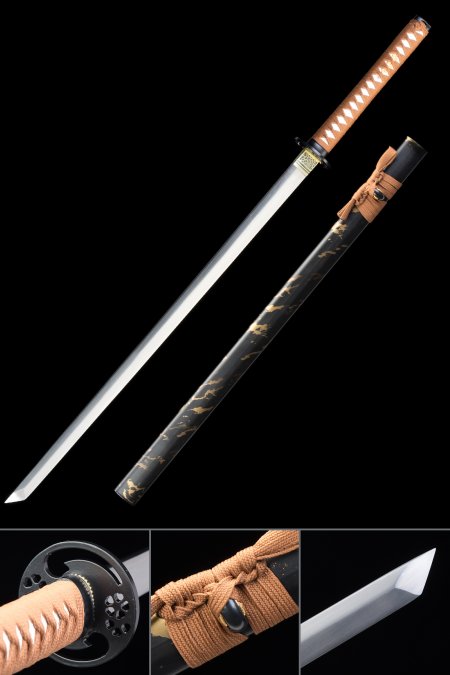
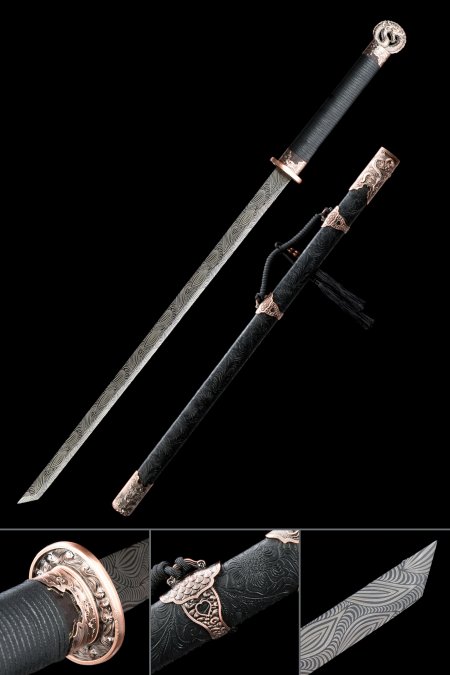
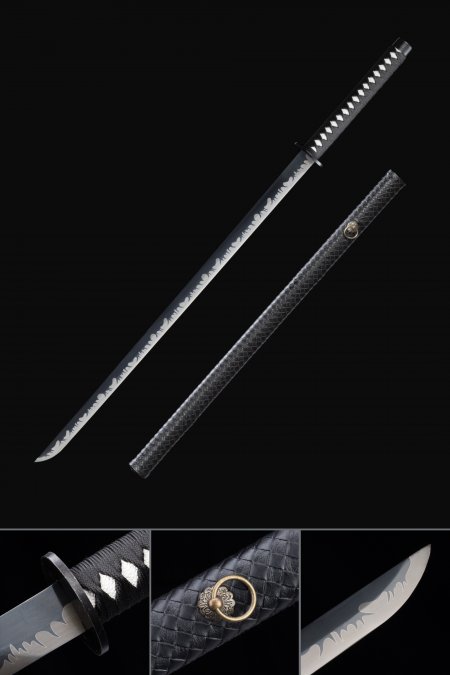
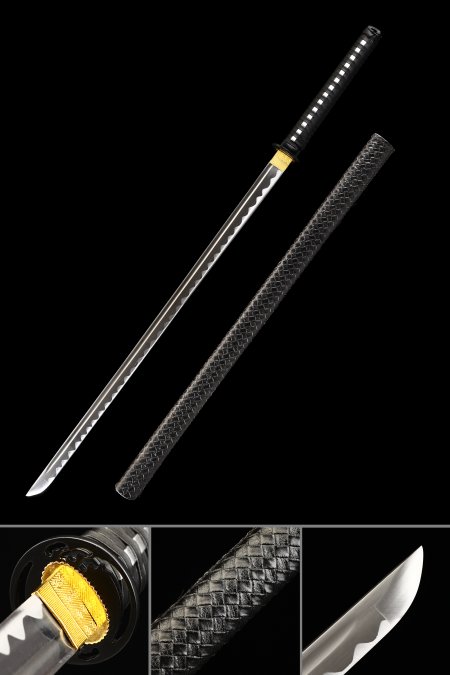
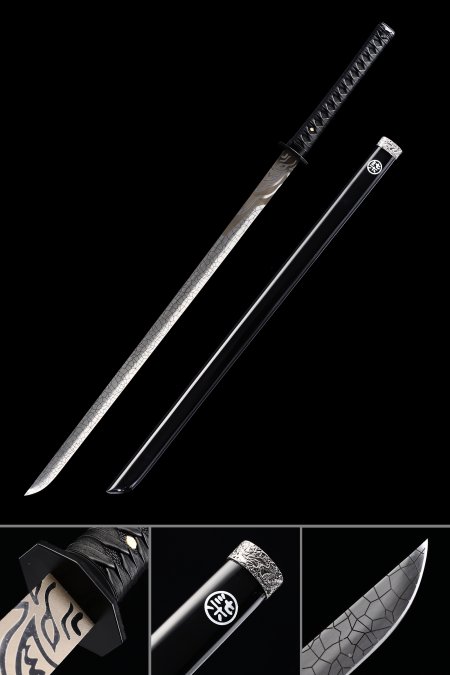
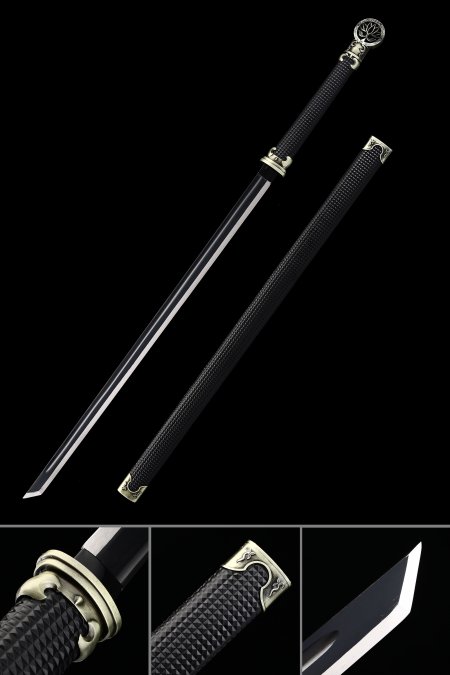
Black ninja swords in this collection are hand-forged straight-bladed ninjato in manganese steel and 1045 carbon steel with black blade finishes and all-black fittings. Full-tang construction with black tsuka ito, black scabbard, and complete fittings for a cohesive all-black display presentation. Free shipping and a 30-day return policy are included.
FAST SHIP
Free Shipping
139.00 USD
ON SALE! 15% OFF
Was: 169.00 USD
FAST SHIP
Free Shipping
169.00 USD
ON SALE! 15% OFF
Was: 199.00 USD
FAST SHIP
Free Shipping
139.00 USD
ON SALE! 15% OFF
Was: 169.00 USD
FAST SHIP
Free Shipping
169.00 USD
ON SALE! 15% OFF
Was: 199.00 USD
Free Shipping
139.00 USD
ON SALE! 15% OFF
Was: 169.00 USD
FAST SHIP
Free Shipping
139.00 USD
ON SALE! 15% OFF
Was: 169.00 USD
FAST SHIP
Free Shipping
189.00 USD
ON SALE! 15% OFF
Was: 219.00 USD
FAST SHIP
Free Shipping
139.00 USD
ON SALE! 15% OFF
Was: 159.00 USD
Free Shipping
139.00 USD
ON SALE! 15% OFF
Was: 159.00 USD
FAST SHIP
Free Shipping
159.00 USD
ON SALE! 15% OFF
Was: 189.00 USD
FAST SHIP
Free Shipping
149.00 USD
ON SALE! 15% OFF
Was: 179.00 USD
FAST SHIP
Free Shipping
169.00 USD
ON SALE! 15% OFF
Was: 199.00 USD
FAST SHIP
Free Shipping
159.00 USD
ON SALE! 20% OFF
Was: 199.00 USD
Free Shipping
179.00 USD
ON SALE! 15% OFF
Was: 209.00 USD
Free Shipping
169.00 USD
ON SALE! 15% OFF
Was: 199.00 USD
Free Shipping
199.00 USD
Free Shipping
199.00 USD
Free Shipping
119.00 USD
ON SALE! 30% OFF
Was: 169.00 USD
Free Shipping
279.00 USD
Free Shipping
179.00 USD
ON SALE! 15% OFF
Was: 209.00 USD
Free Shipping
279.00 USD
Free Shipping
249.00 USD
Free Shipping
239.00 USD
Free Shipping
229.00 USD
Free Shipping
219.00 USD
Free Shipping
229.00 USD
Free Shipping
219.00 USD
Free Shipping
219.00 USD
Free Shipping
219.00 USD
Free Shipping
209.00 USD
Free Shipping
209.00 USD
Free Shipping
209.00 USD
Free Shipping
199.00 USD
Free Shipping
129.00 USD
ON SALE! 30% OFF
Was: 179.00 USD
Free Shipping
159.00 USD
ON SALE! 15% OFF
Was: 189.00 USD
Free Shipping
199.00 USD
Free Shipping
209.00 USD
Free Shipping
179.00 USD
Free Shipping
189.00 USD
Free Shipping
189.00 USD
Free Shipping
209.00 USD
Related Collections
Frequently Asked Questions
Why is an all-black ninjato considered a particularly cohesive display choice?
An all-black ninjato achieves display coherence through the elimination of color contrast as a design variable. Most swords create visual interest through the contrast between different elements: silver blade against black saya, red tsuka ito against metallic tsuba, colored handle against natural steel. The all-black ninjato eliminates these contrasts and creates interest instead through the variation in surface texture and material within a single color register - the smooth lacquer of the saya against the wrapped cord texture of the tsuka, the matte black blade against the slightly different surface of the metal fittings. This material-within-color approach creates a more sophisticated and formally consistent display than contrast-based designs, and it suits collectors who prefer understated, considered presentation over visual drama. The all-black presentation also photographs consistently well - the uniform color scheme produces clean images under a wide range of lighting conditions without the exposure challenges that metallic or highly reflective blade finishes can create.
What is the difference between the manganese steel and 1045 carbon steel black ninjato?
The manganese steel and 1045 carbon steel black ninjato differ in the steel composition beneath the black surface treatment. Manganese steel provides exceptional toughness - it resists deformation and absorbs impact energy, making it suitable for a sword that will be regularly drawn, examined, and handled. The black treatment applies cleanly over the uniform grain structure of manganese steel, producing an even surface color. The 1045 carbon steel version responds to conventional heat treatment - the blade can be hardened through quenching and tempered, producing a blade with greater edge hardness than manganese steel. The 1045 chokuto variant also uses the black finish, but the slightly different grain character of heat-treated carbon steel may show subtle variation in the surface texture under the treatment. For a display collectible that is primarily appreciated visually and handled carefully, both materials perform equivalently. For a collector who values the traditional heat treatment response and edge characteristics of carbon steel alongside the display finish, the 1045 version provides those properties under the black surface presentation.
How do I verify that a black ninja sword has genuine full-tang construction?
Verifying full-tang construction on a black ninja sword involves examining the handle assembly at the pommel end. On a genuine full-tang sword, the steel of the blade extends continuously through the handle to the kashira - the cap fitting at the handle's end. To verify, look at the kashira: on a full-tang sword, you will see the peened or threaded end of the tang at the center of the kashira fitting. The tang end may be peened over the kashira surface, visible as a small raised circular area of steel, or it may be threaded and capped with a nut under the kashira depending on the construction method. On a rat-tail tang sword - a construction where only a narrow extension of the blade projects into the handle rather than the full blade width - the handle feels lighter than expected and the distribution of weight in the hand differs from a properly full-tang construction. For the black ninjato in this collection, full-tang construction is the standard and is verifiable by the tang visibility at the pommel as described.
Does a black blade finish require different maintenance than a polished silver blade?
A black blade finish requires slightly different maintenance than a plain polished steel blade, primarily in avoiding the abrasive cleaning and polishing products that are appropriate for plain steel. For a polished steel blade, mild metal polish can be used to remove light surface marks and maintain the reflective finish. For a black treated surface, any abrasive product will cut through the thin treatment layer and reveal the silver steel beneath, creating permanent light-colored marks in the black finish. Maintenance for a black blade is therefore limited to soft cloth cleaning after handling to remove fingerprint oils and a periodic thin oil application for moisture protection. The oil application should be light - just enough to provide a protective layer without excess pooling at the surface treatment. A standard choji oil or similar neutral blade oil is appropriate. Storage in the saya away from direct sunlight and humidity extremes provides the environmental protection that keeps the black finish stable over time. With these precautions, the black treated surface maintains its depth and evenness reliably for long-term display use.
Customer Reviews
Goku A
California, United States
Really happy with the purchase. Great craftsmanship for the price, and customer service got back to me quickly.
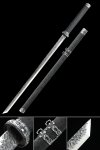 |
Ninjato 1090 Carbon Steel Hand-Hammered Blade with Black Dragon-Engraved Saya and Silver Scroll Tsuba |
Goku A
California, United States
Really happy with this purchase. Great craftsmanship for the price, and customer service was quick to respond.
|
Ninjato 1090 Carbon Steel Hand-Hammered Blade with Black Dragon-Engraved Saya and Silver Scroll Tsuba |
Kareem Andrews
Ohio, United States
Really love the sword. Better than I expected. Will definitely be a returning customer
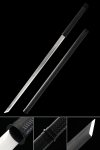 |
1045 Carbon Steel Ninjato Sword with Black Faux Leather Wrapped Saya in Full Tang Construction |
Deimos Boone
Georgia, United States
The quality is superb. I love the sharpness of the blade and it matches the other 2 blade that are almost identical to one another. By far one of the best purchases i made thus far when it comes to collecting blades.
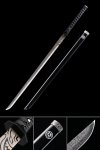 |
Kokushibo Ninjato in Manganese Steel with Crackle Hamon, Black Lacquer Saya & Dragon Kojiri |
Karen Mcmaster
Idaho, United States
My sons were very excited to get these katanas! Great service and I would recommend TrueKatana.com
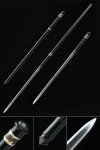 |
1045 Carbon Steel Expandable Spear Sword with Black Iron Saya and Brass Accents - Ninjato Collectible |
Jerome Wilson
Florida, United States
Second sword from these guys and I look forward to my third purchase!
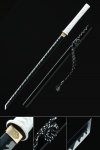 |
1095 Carbon Steel Straight Ninjato with Black Blade & White Ito - Piano Lacquer Saya |
William Ginipro
New Jersey, United States
2nd year I purchased my so one of the swords. He absolutely loves them. Becoming a Christmas tradition. Ordering easy, quality product, and quick delivery.
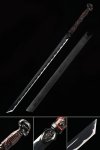 |
T10 Steel Clay-Tempered Ninjato with Skull Pommel in Black PU Leather Saya - Straight Ninja Sword |
Karoly Pum
Soer Troendelag, Norway
The sword is beautiful a bit heavy for single hand use i don't know yet how durable in real fight shortly will figure out.r
Was a very quick international delivery akso i surprised how cheap. Here in norway a quality sword start from 1000 $ for 170$ from usa i very happy with the company.
|
T10 Steel Clay-Tempered Ninjato with Skull Pommel in Black PU Leather Saya - Straight Ninja Sword |