FAST SHIP
Free Shipping
139.00 USD
ON SALE! 15% OFF
Was: 169.00 USD

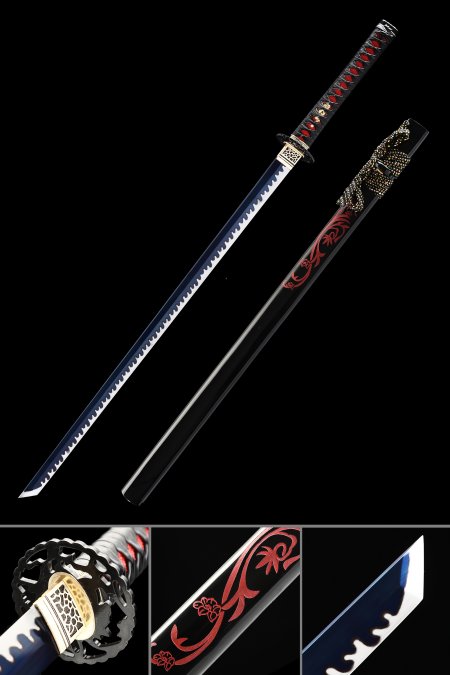
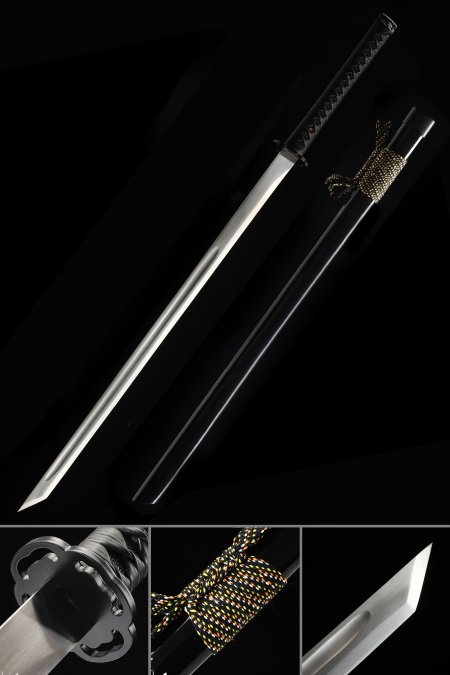
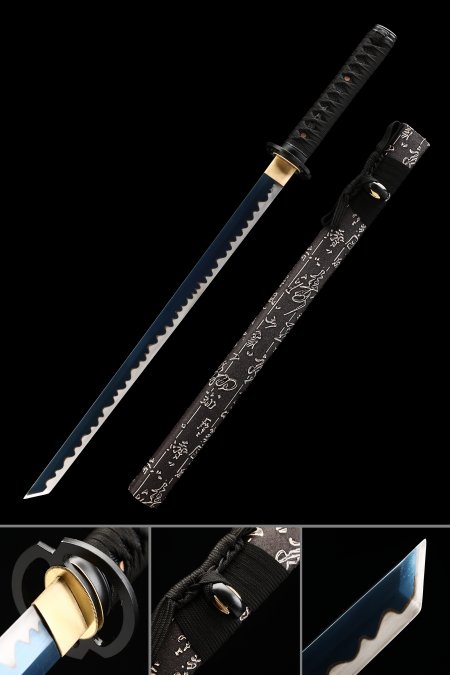
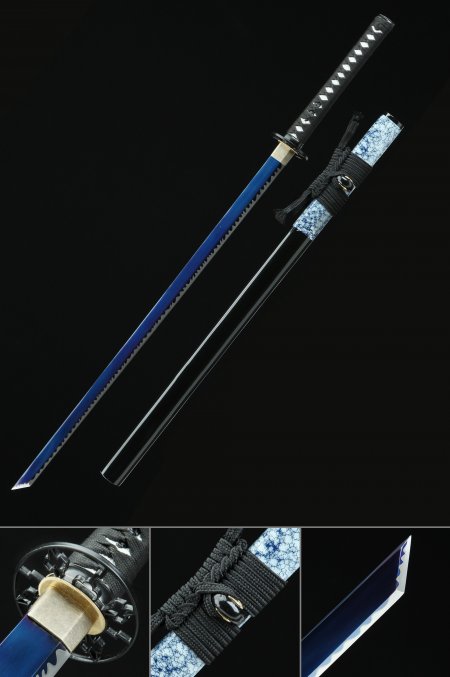
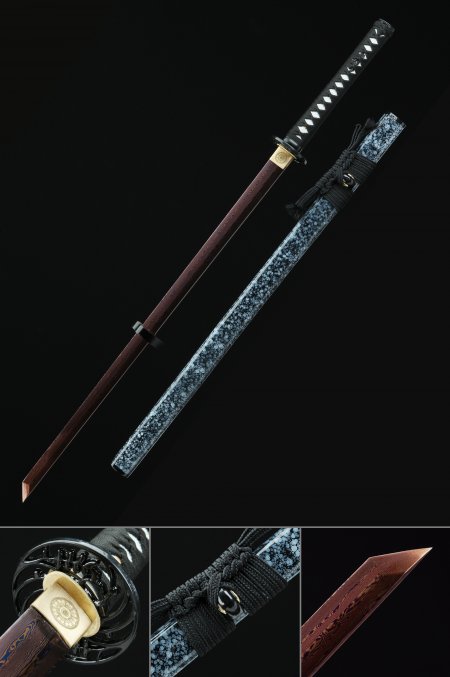
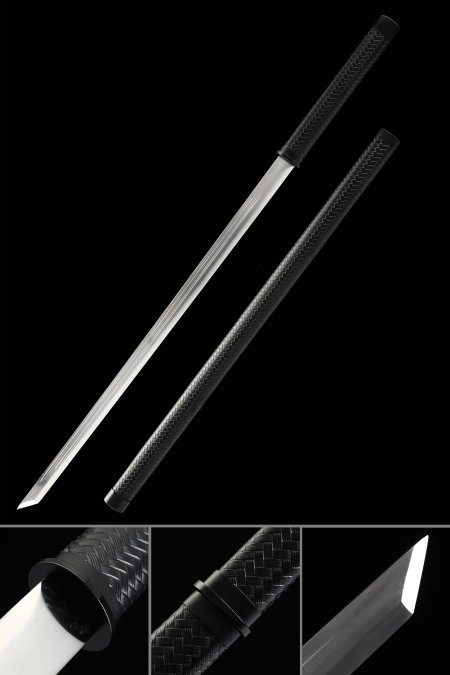
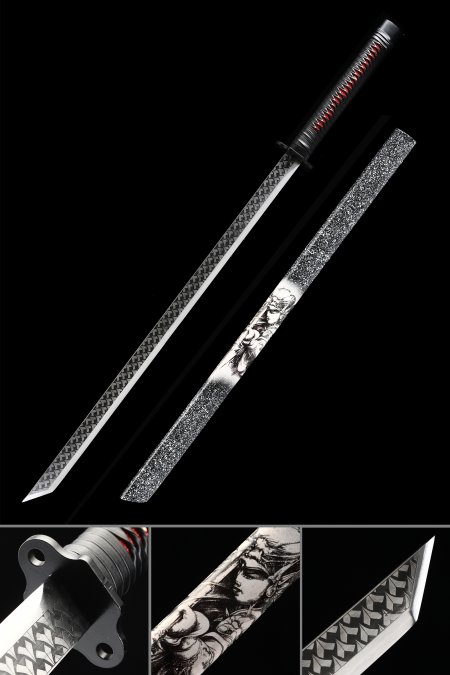
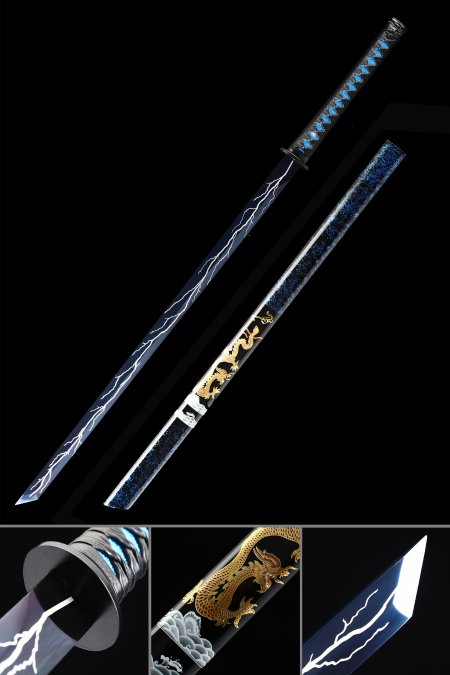
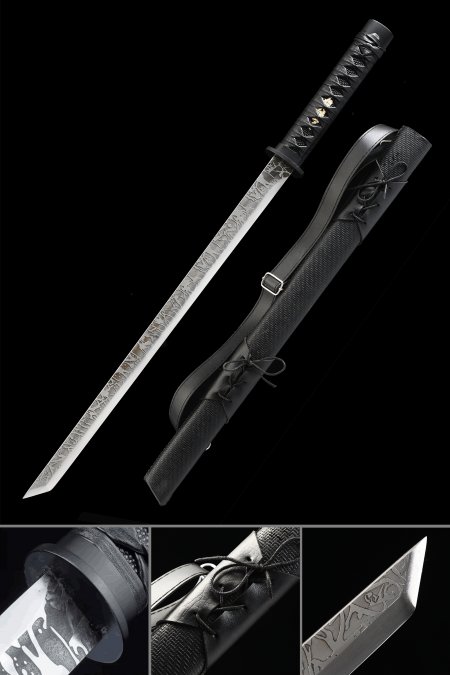
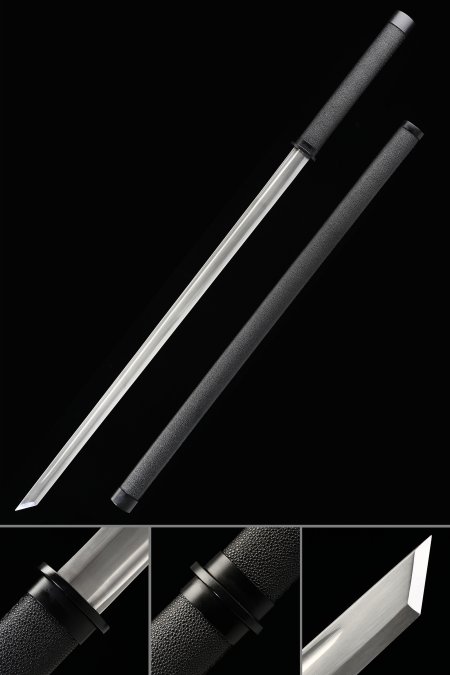
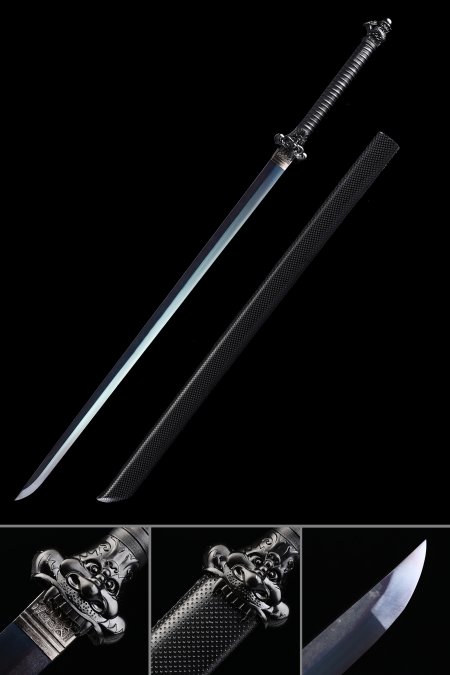
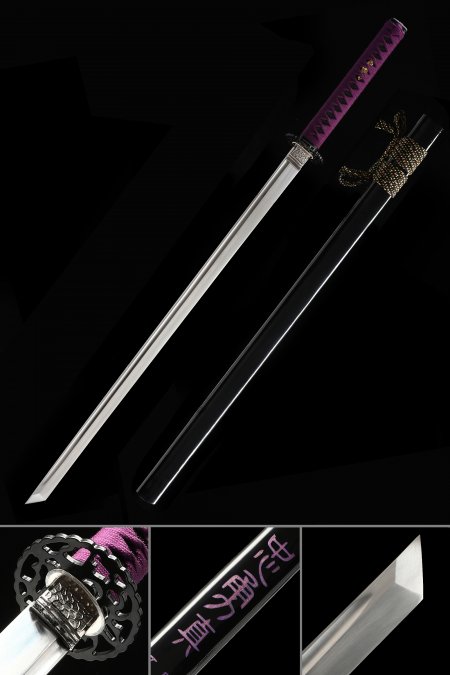
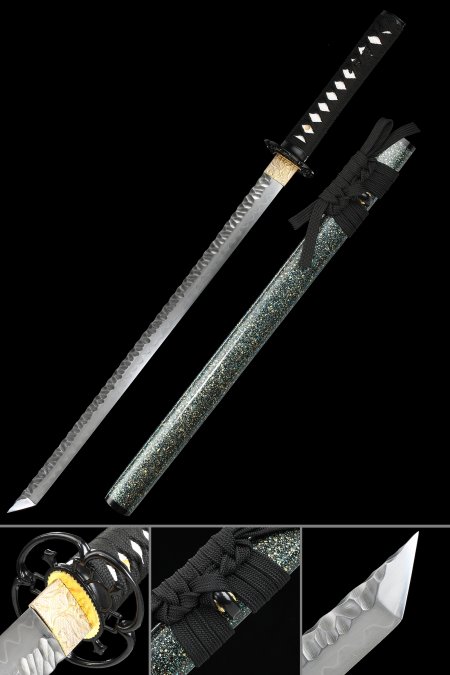
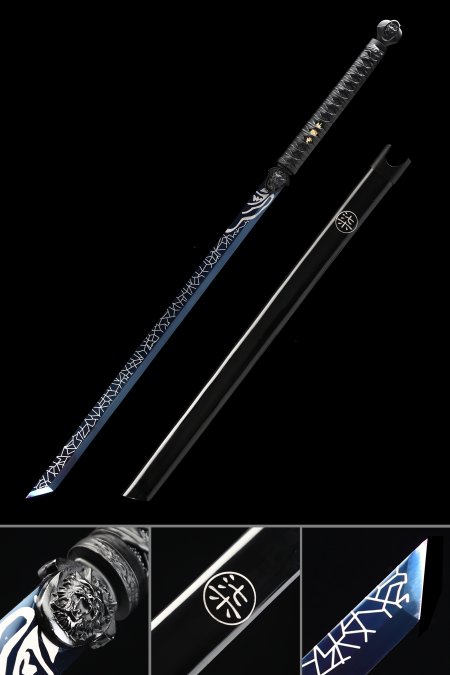
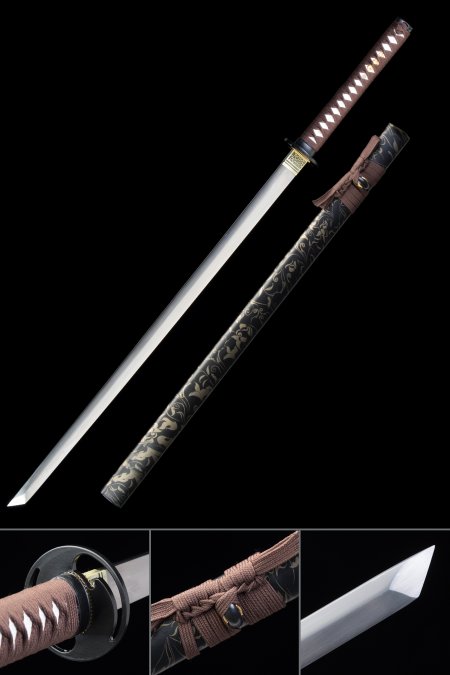
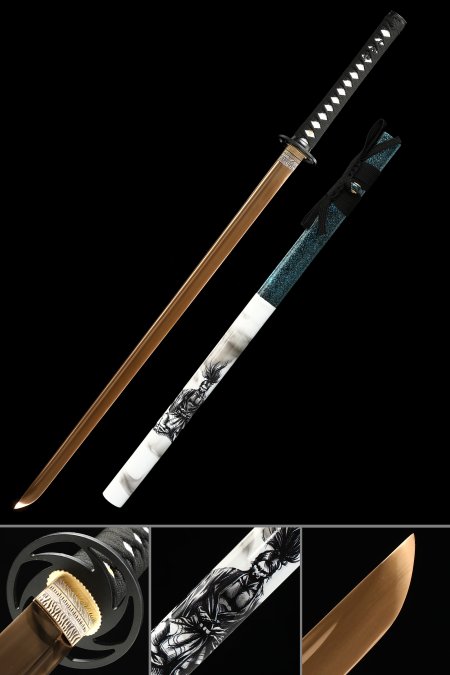
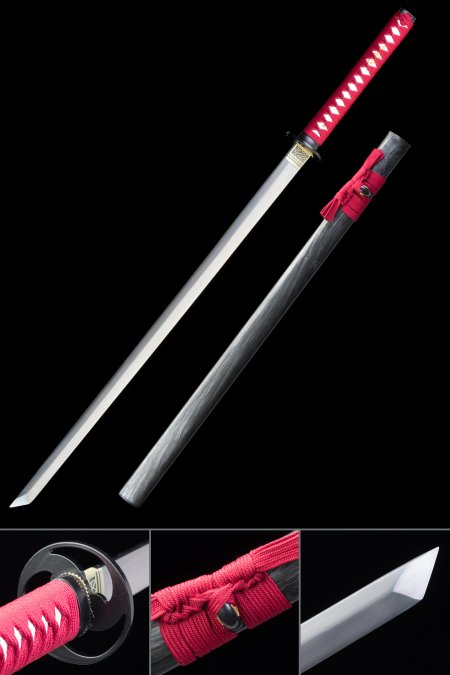
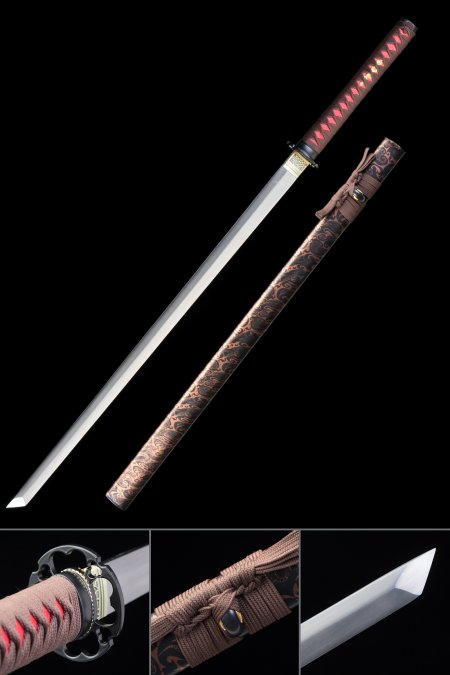
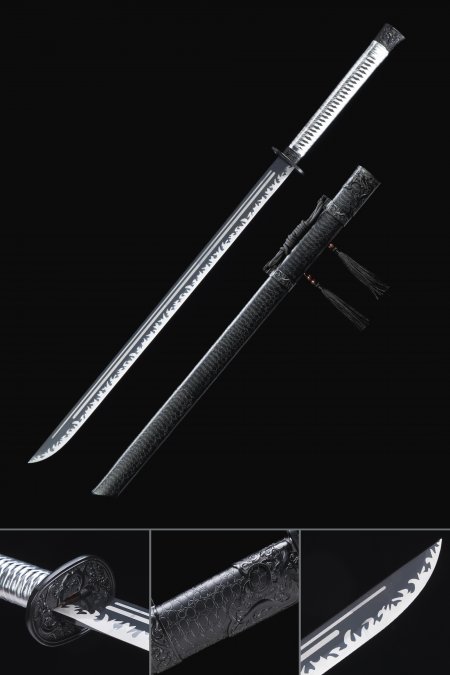
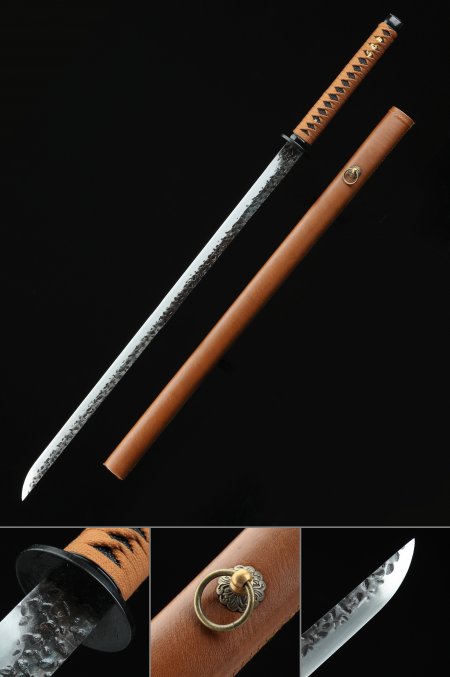
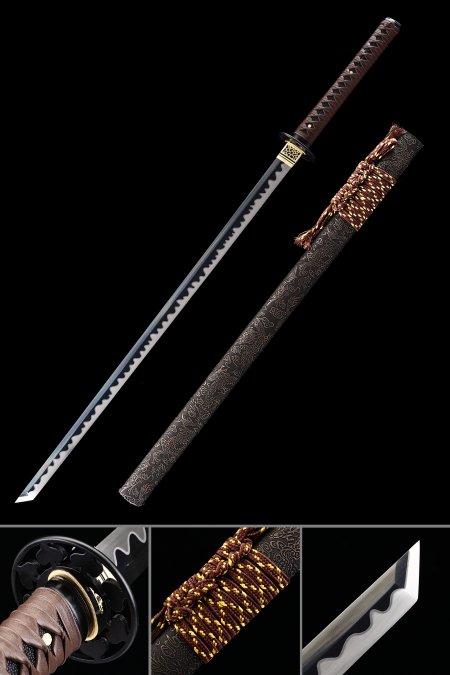
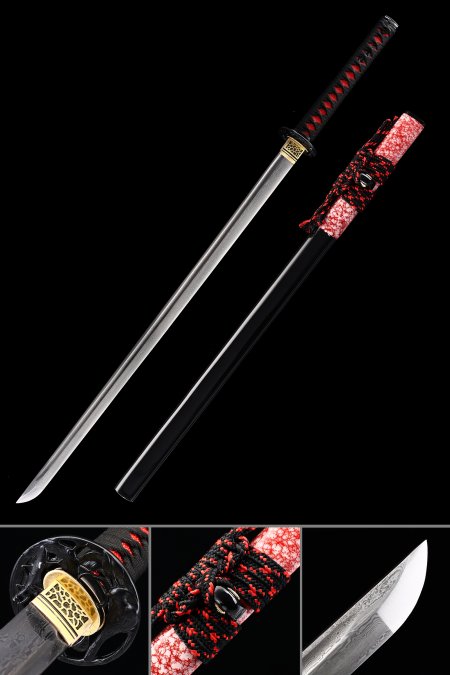
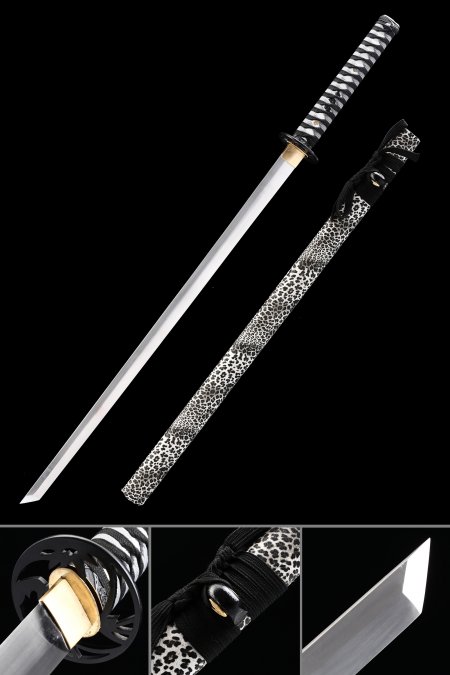
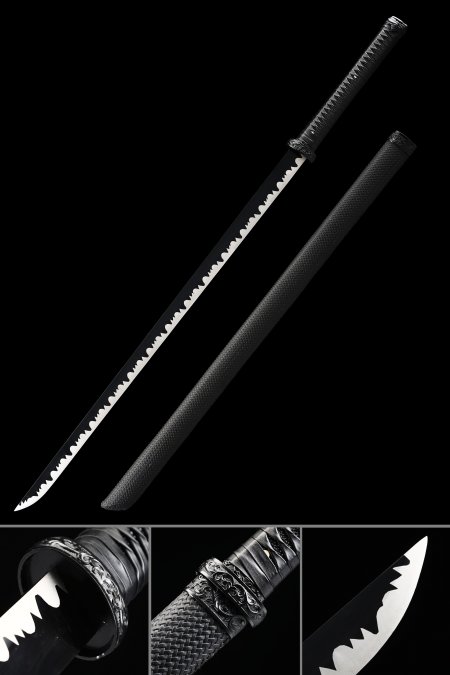
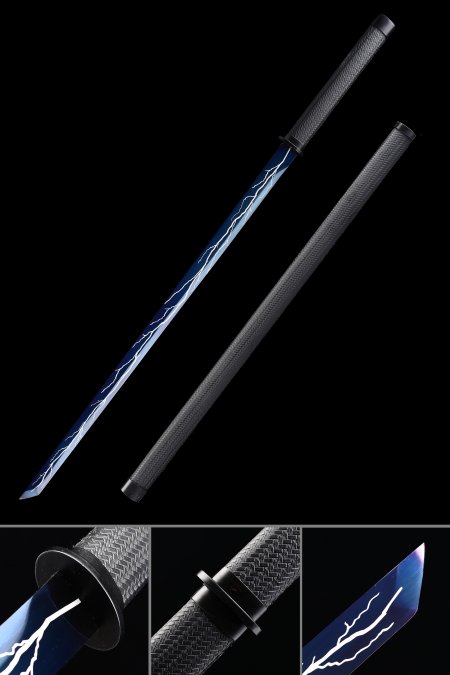
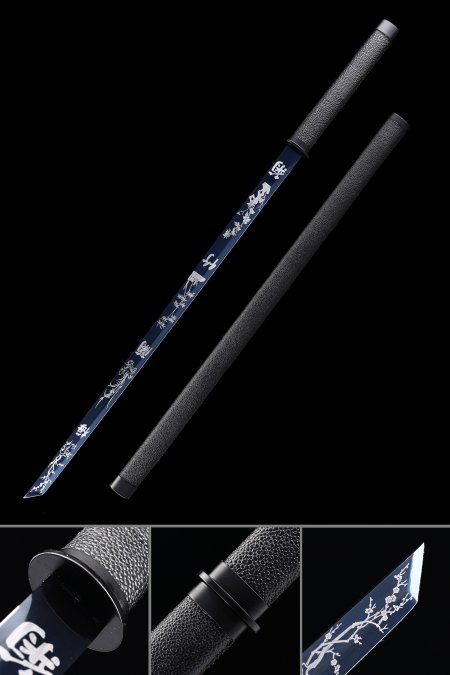
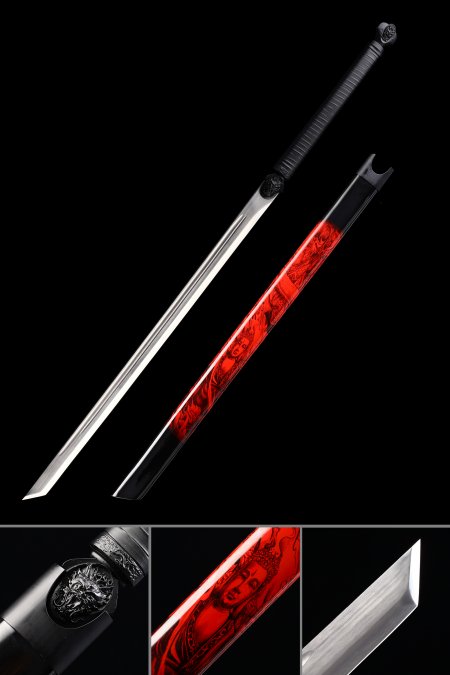
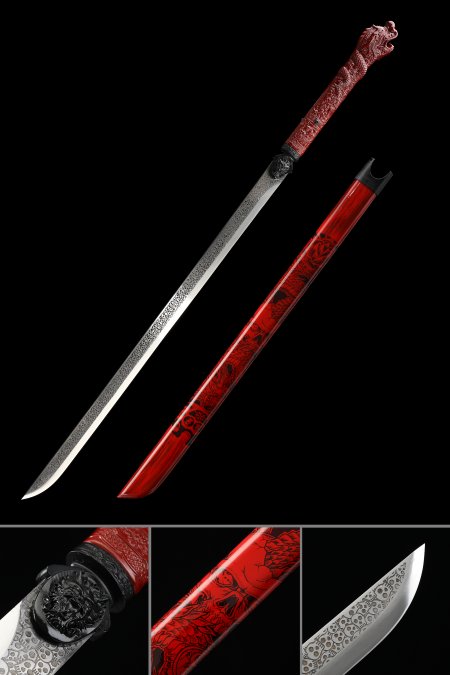
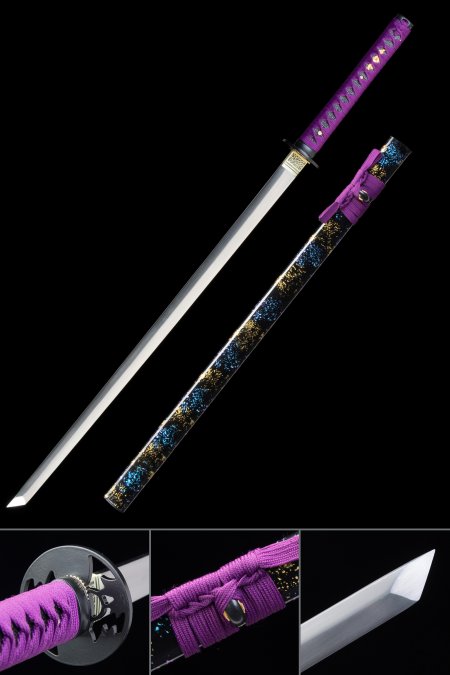
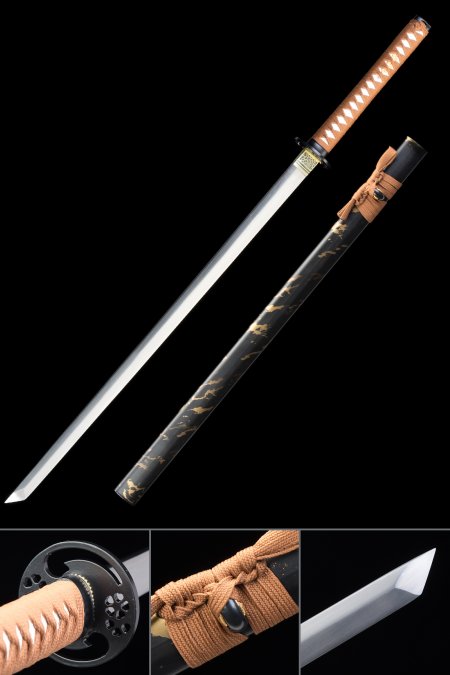
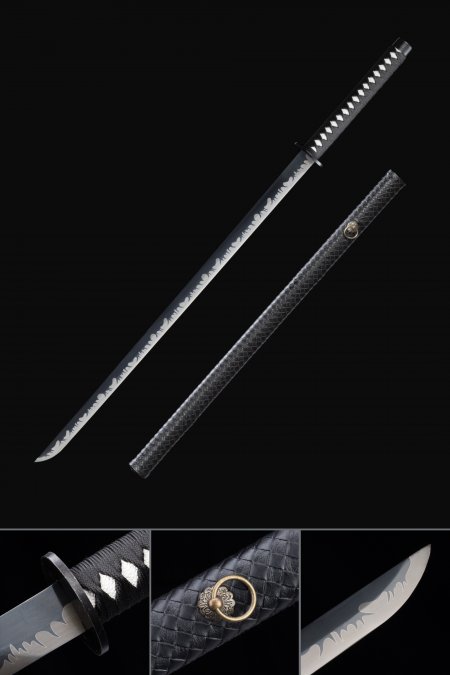
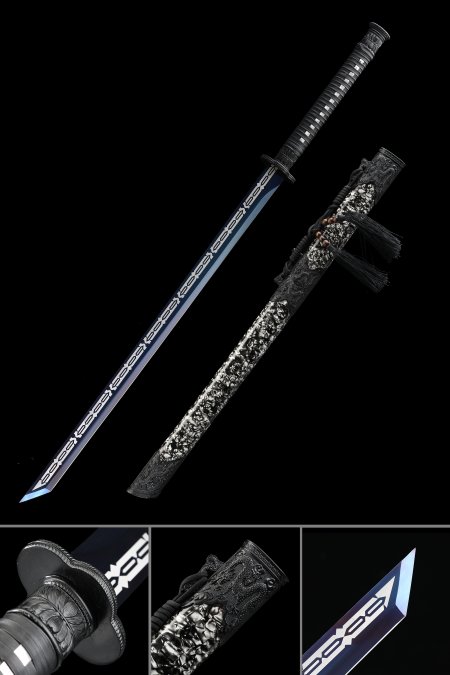
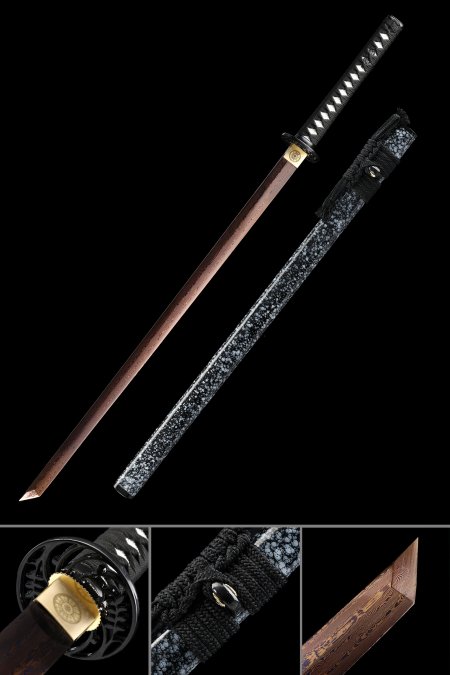
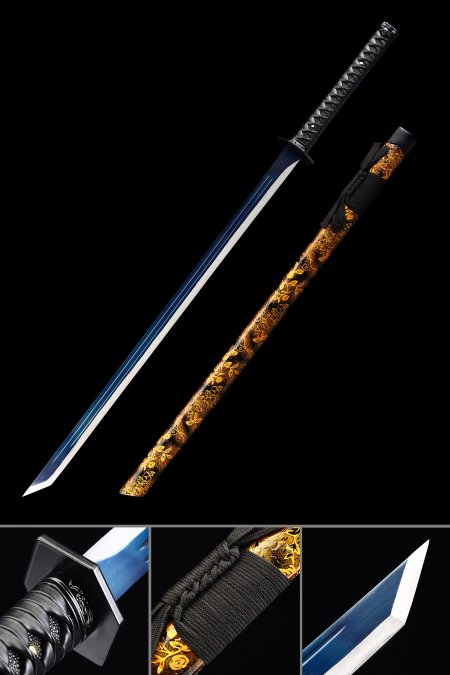
A black tsuba ninjato brings together the straight-bladed geometry of classical chokuto design and the understated elegance of darkened fittings — a combination that resonates deeply with serious collectors of Japanese edged arts. Every piece in this collection is hand-forged from quality carbon or manganese steel, fitted with a genuine full-tang construction, and finished with hand-wrapped handles and lacquered or leather-clad saya for display-ready presentation. Enjoy free standard shipping on your order, and shop with confidence knowing returns are covered.
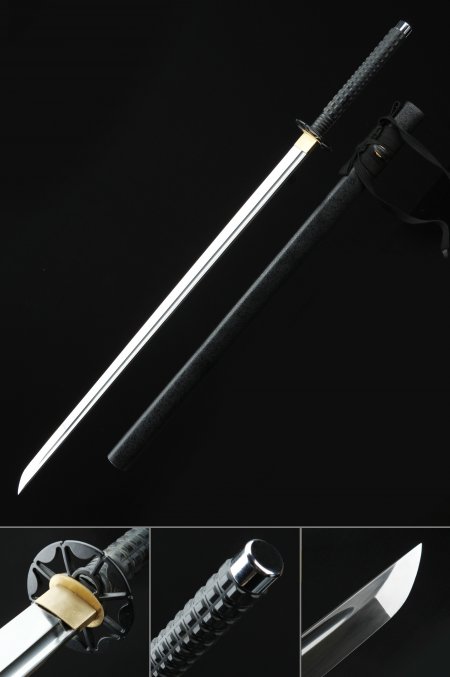
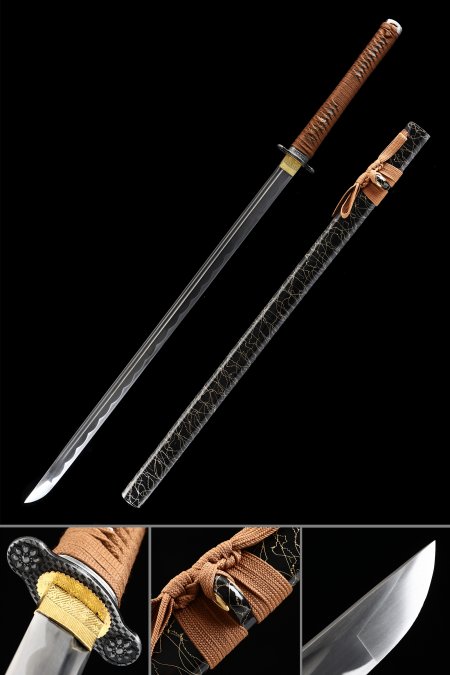
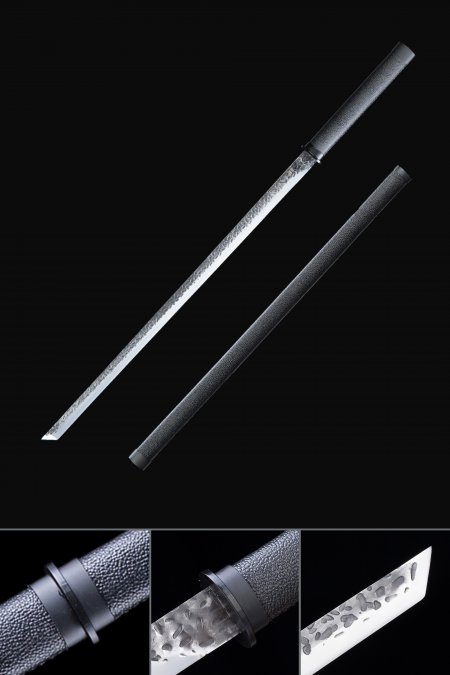
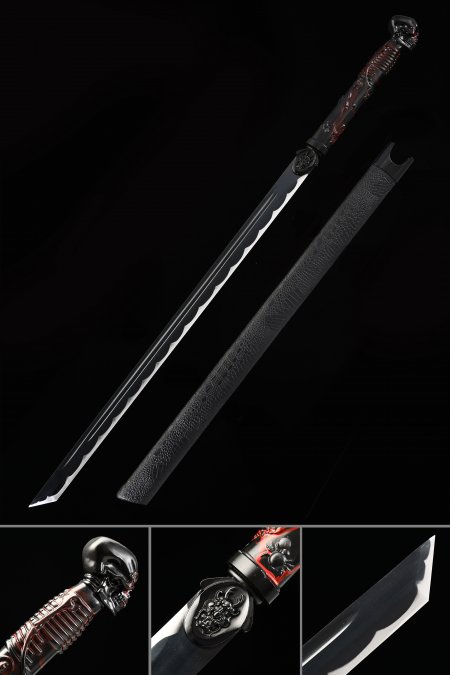
I am not a swordsman so I can't comment on how good it is but as an amateur I'm very happy it looks sturdy and made with quality materials
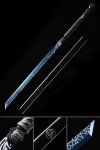 |
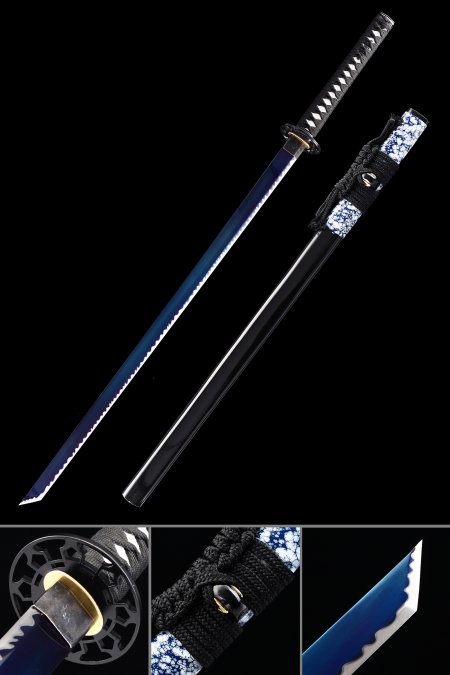
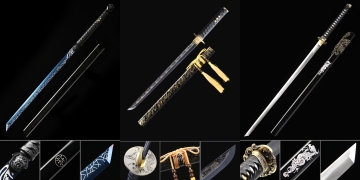
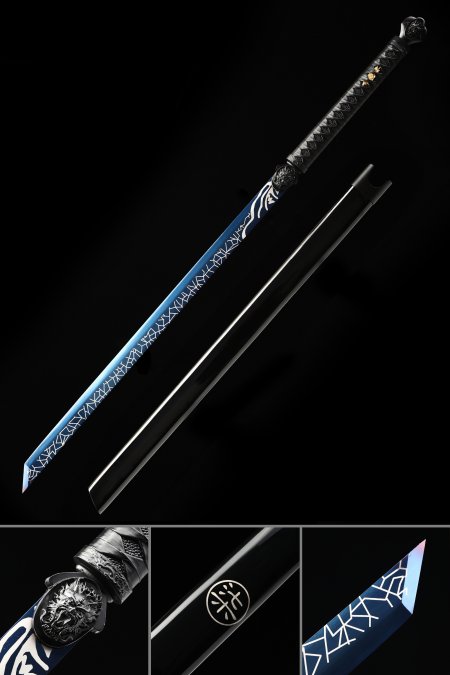
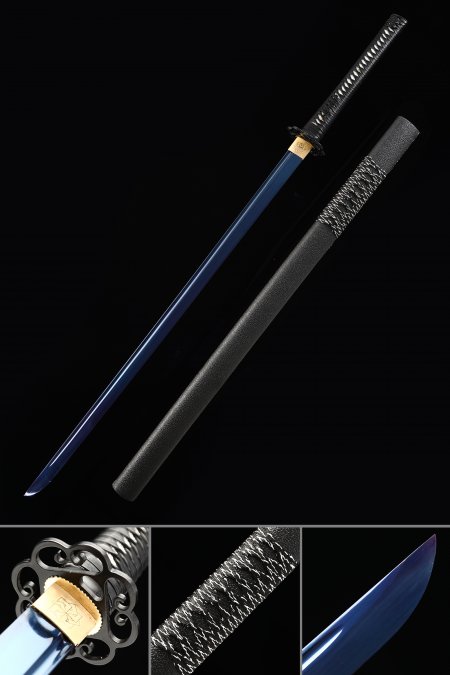
Blue Blade Manganese Steel Ninjato Sword Full Tang with Black Leather Handle and Dragon Pommel |
Really love the sword. Better than I expected. Will definitely be a returning customer
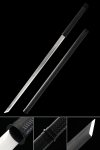 |
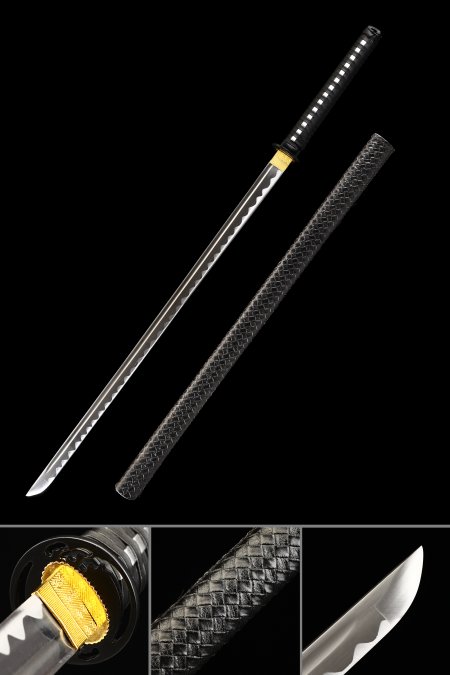
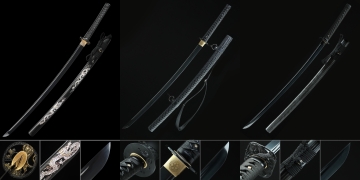
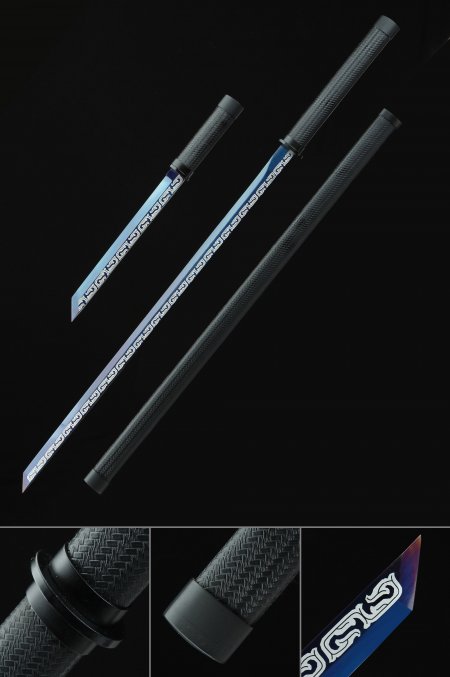
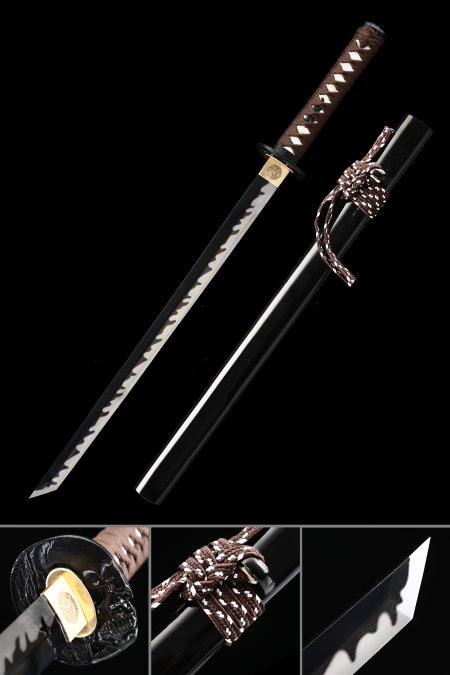
1045 Carbon Steel Ninjato Sword with Black Faux Leather Wrapped Saya in Full Tang Construction |
Outstanding craftsmanship and attention to detail, I am very pleased.
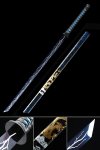 |
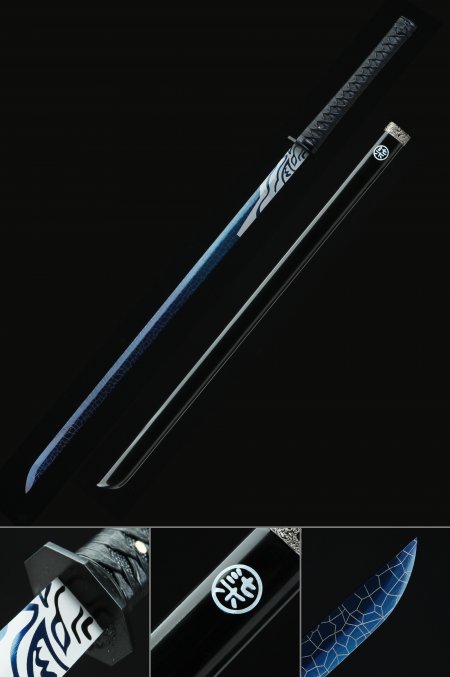
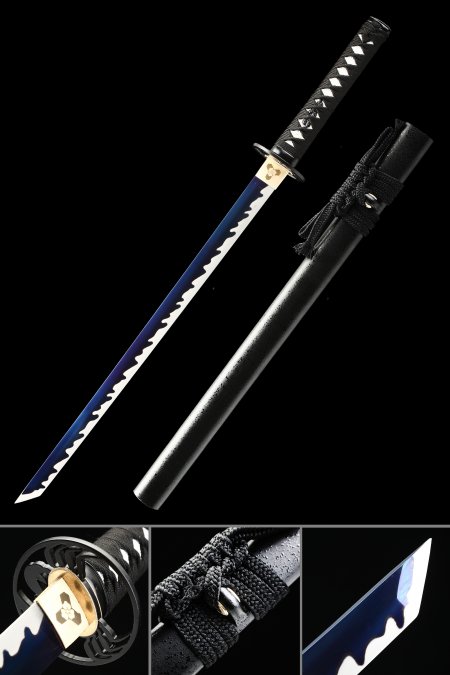
Chokuto Ninjato Straight Sword in Manganese Steel with Blue Lightning Blade and Dragon Saya |
This is another great addition to my collection all purchased from TrueKatana. The swords are beautifully crafted and the designs are remarkable. Highly recommended.
|
Chokuto Ninjato Straight Sword in Manganese Steel with Blue Lightning Blade and Dragon Saya |
The quality is superb. I love the sharpness of the blade and it matches the other 2 blade that are almost identical to one another. By far one of the best purchases i made thus far when it comes to collecting blades.
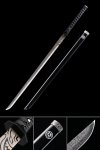 |
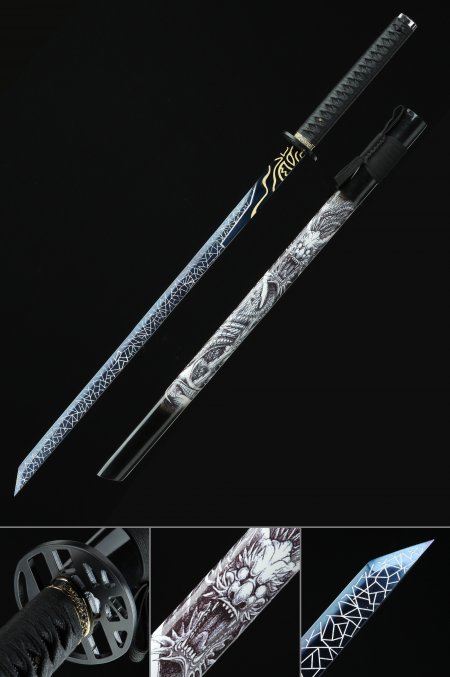
Kokushibo Ninjato in Manganese Steel with Crackle Hamon, Black Lacquer Saya & Dragon Kojiri |
My sons were very excited to get these katanas! Great service and I would recommend TrueKatana.com
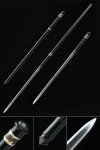 |
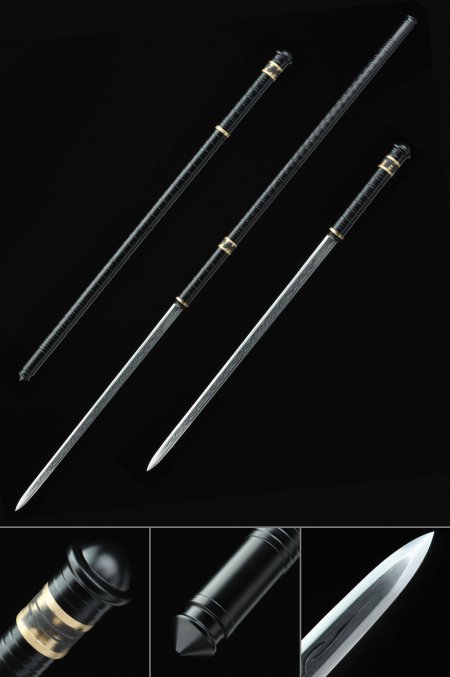
1045 Carbon Steel Expandable Spear Sword with Black Iron Saya and Brass Accents - Ninjato Collectible |
Order was delivered FAST! Great quality, I will definitely order again!
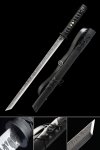 |
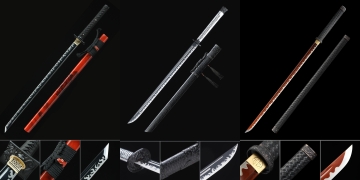
T10 Steel Clay-Tempered Ninjato Sword with Black Leather-Wrapped Saya and Alloy Tsuba |
2nd year I purchased my so one of the swords. He absolutely loves them. Becoming a Christmas tradition. Ordering easy, quality product, and quick delivery.
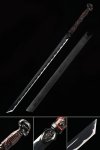 |
T10 Steel Clay-Tempered Ninjato with Skull Pommel in Black PU Leather Saya - Straight Ninja Sword |