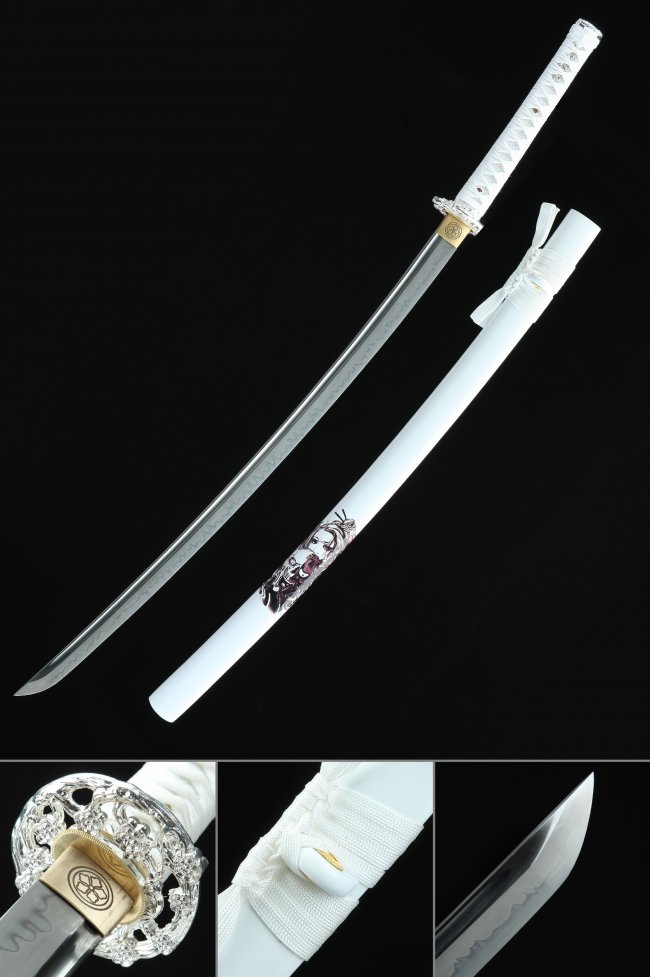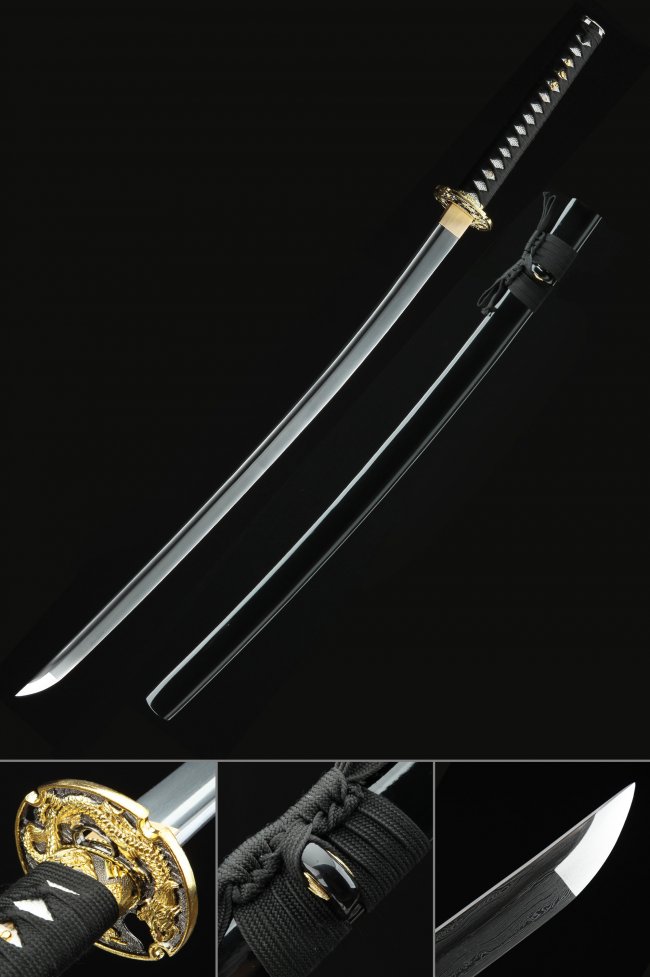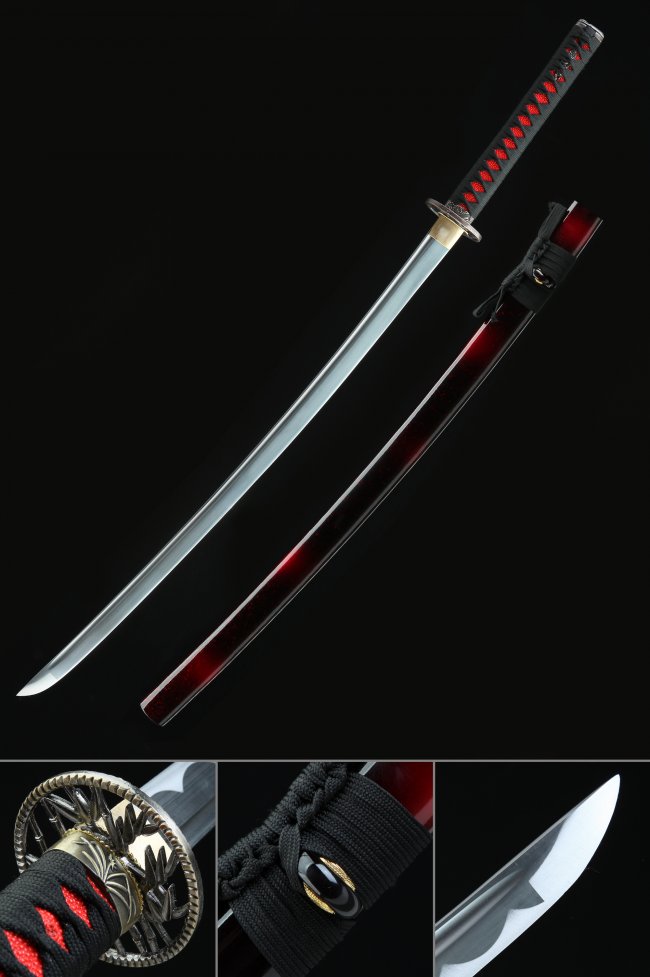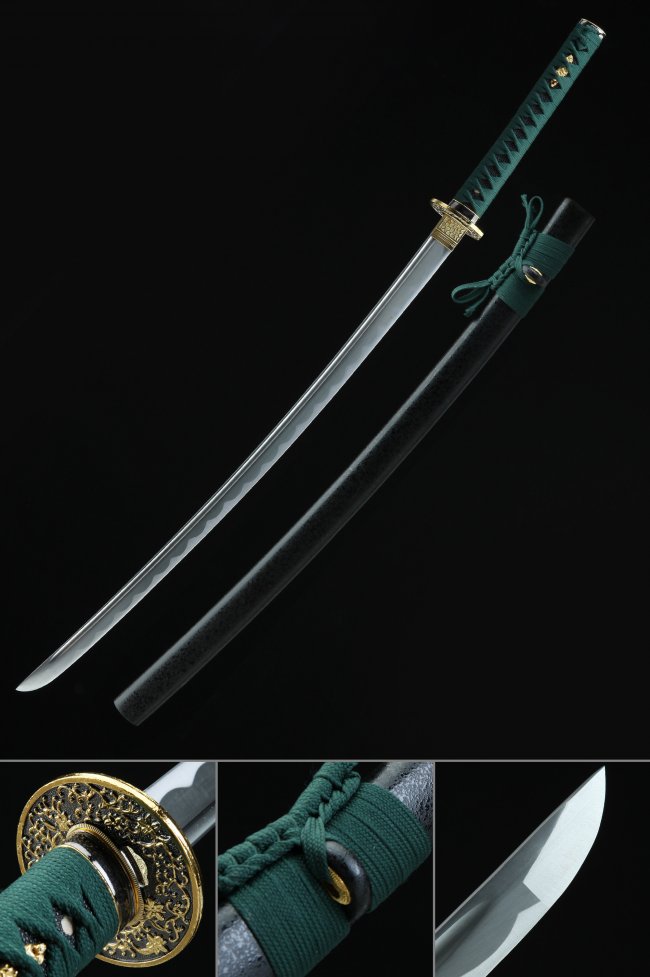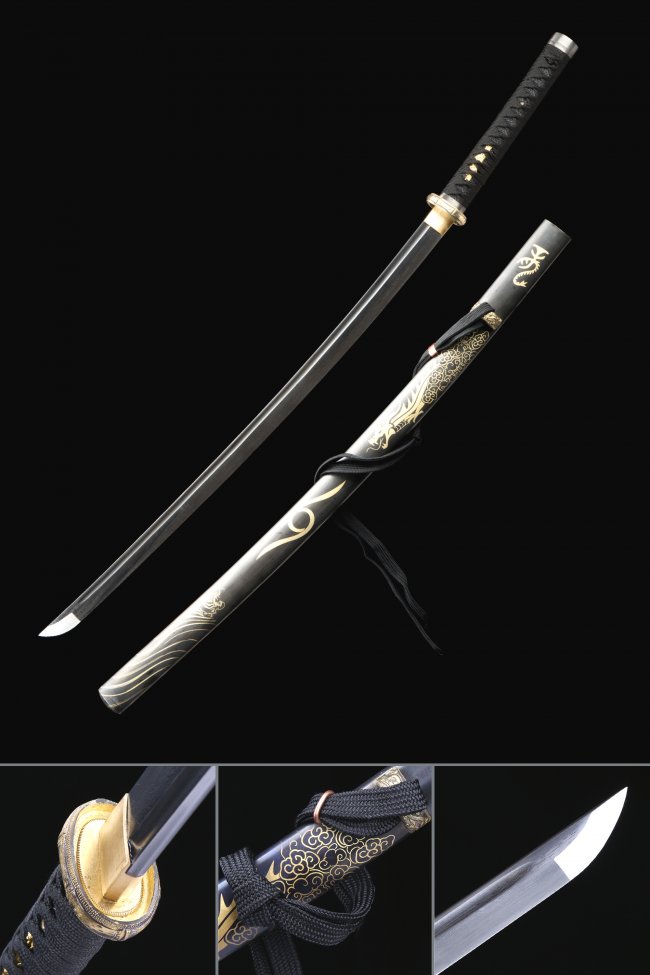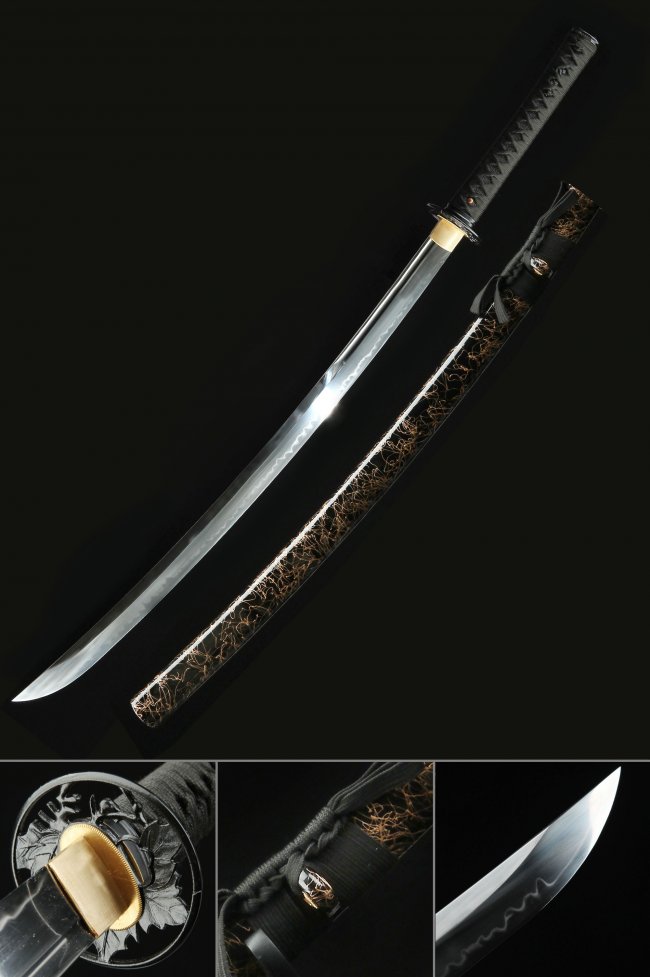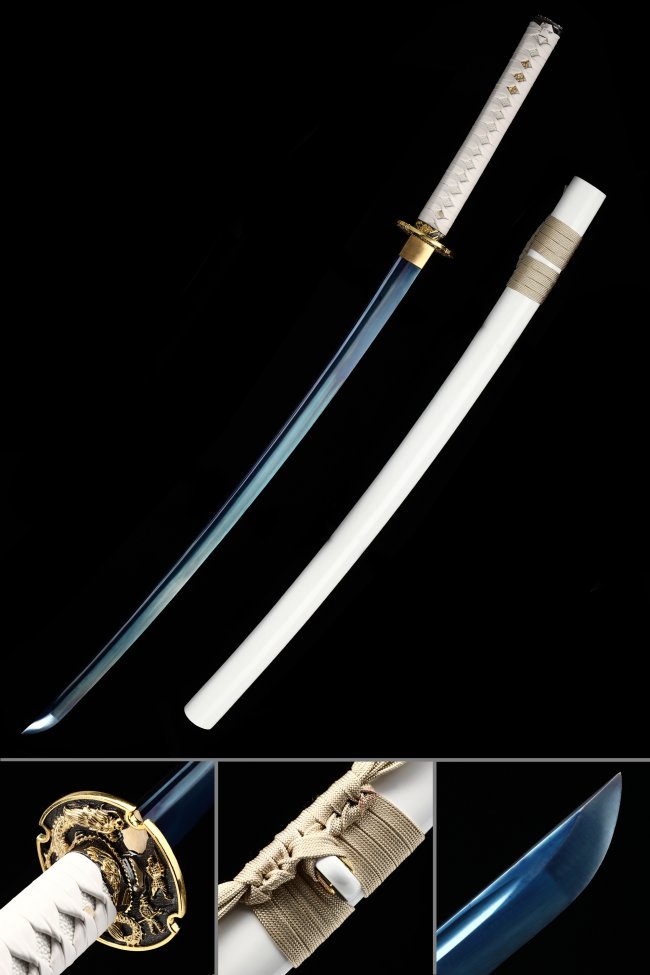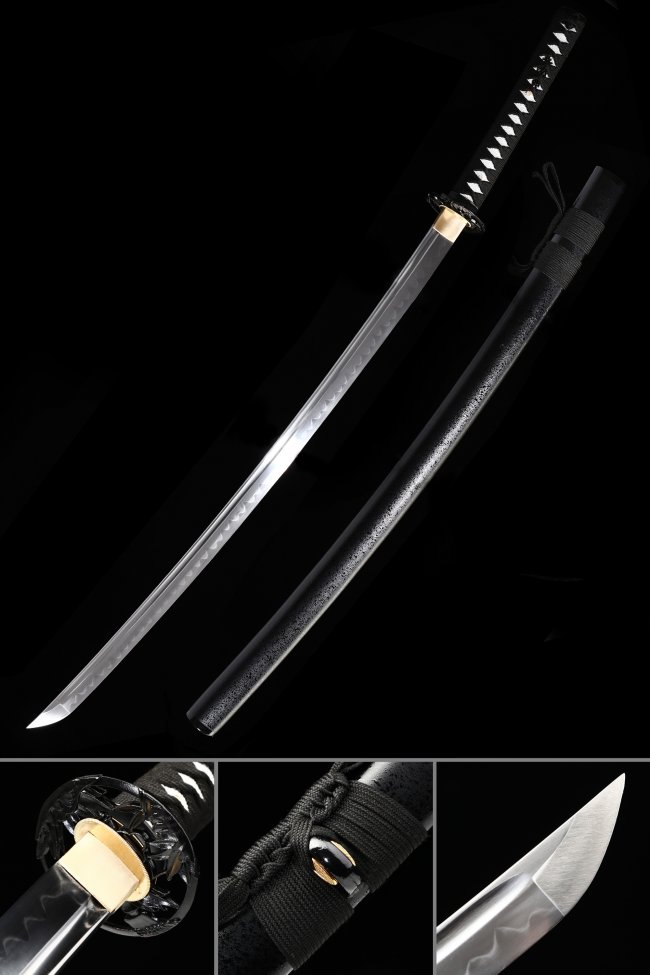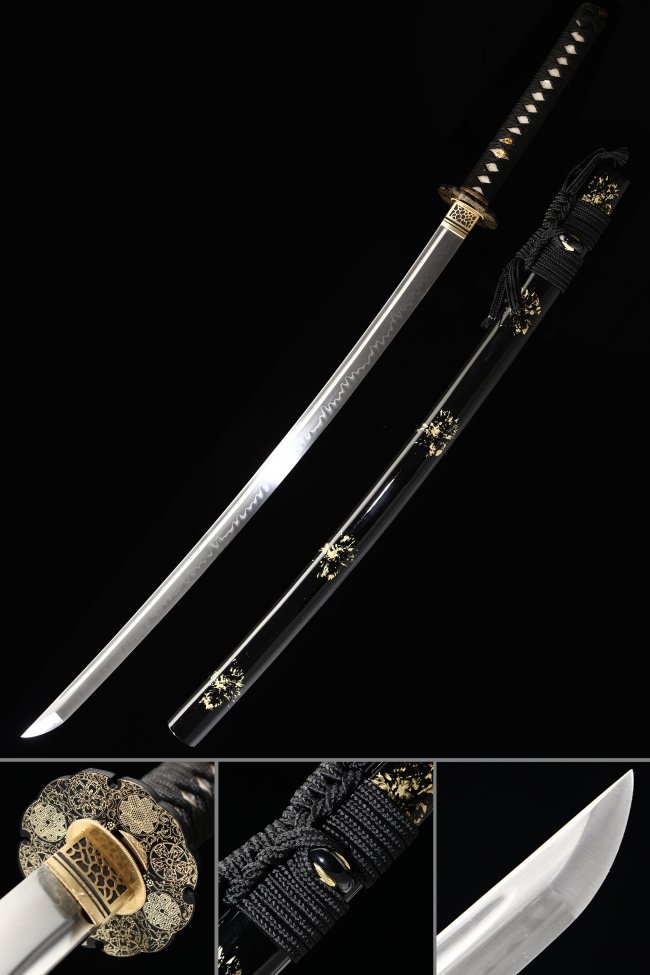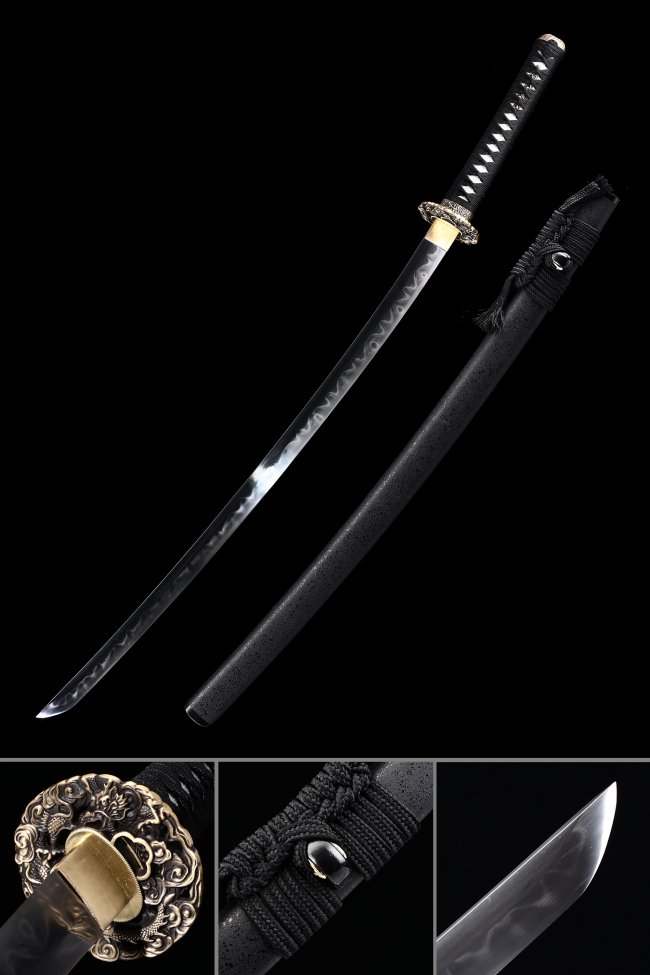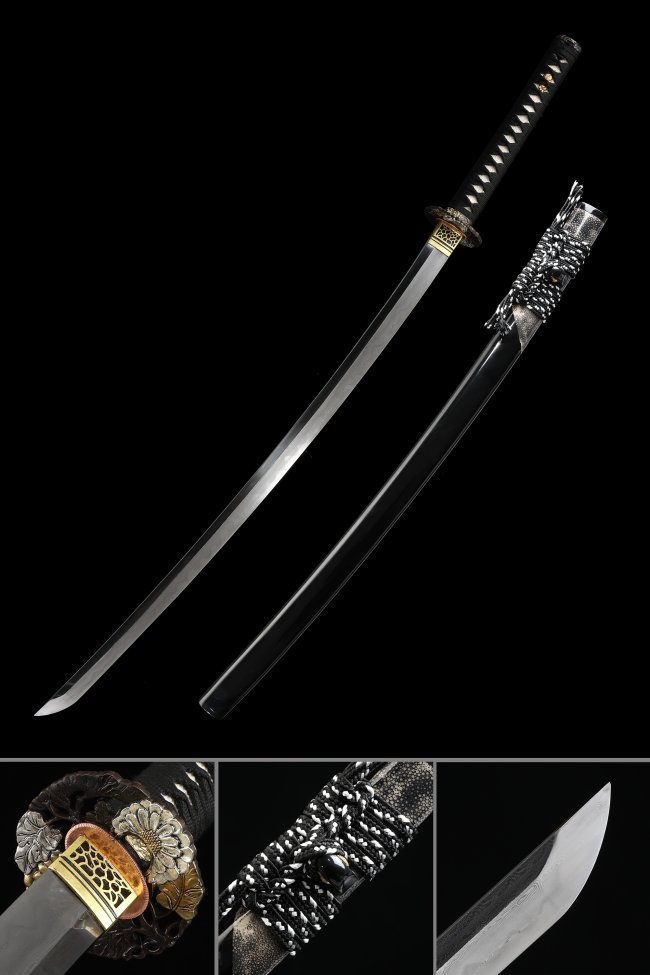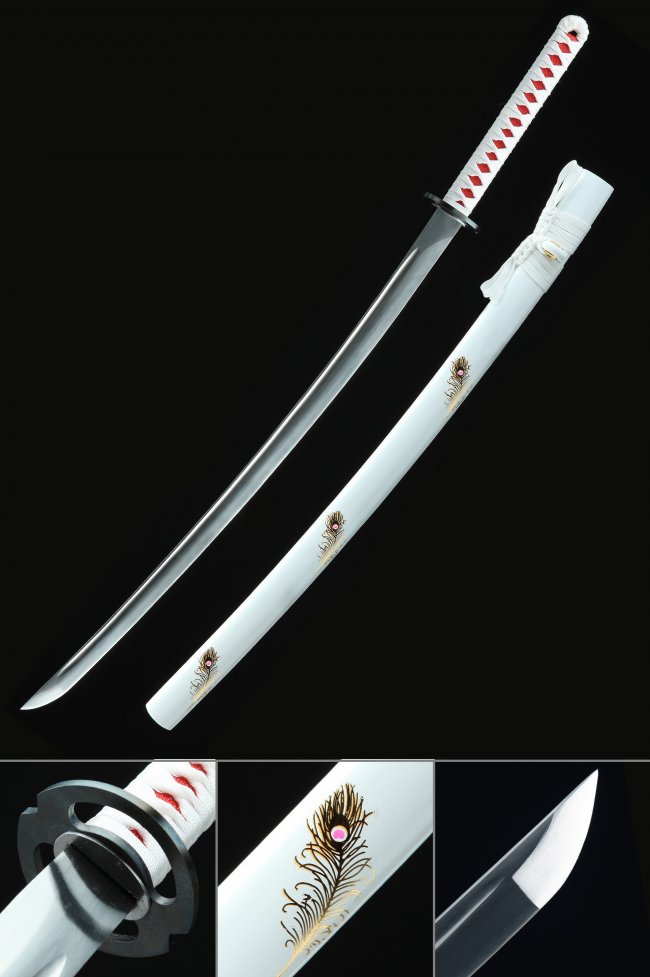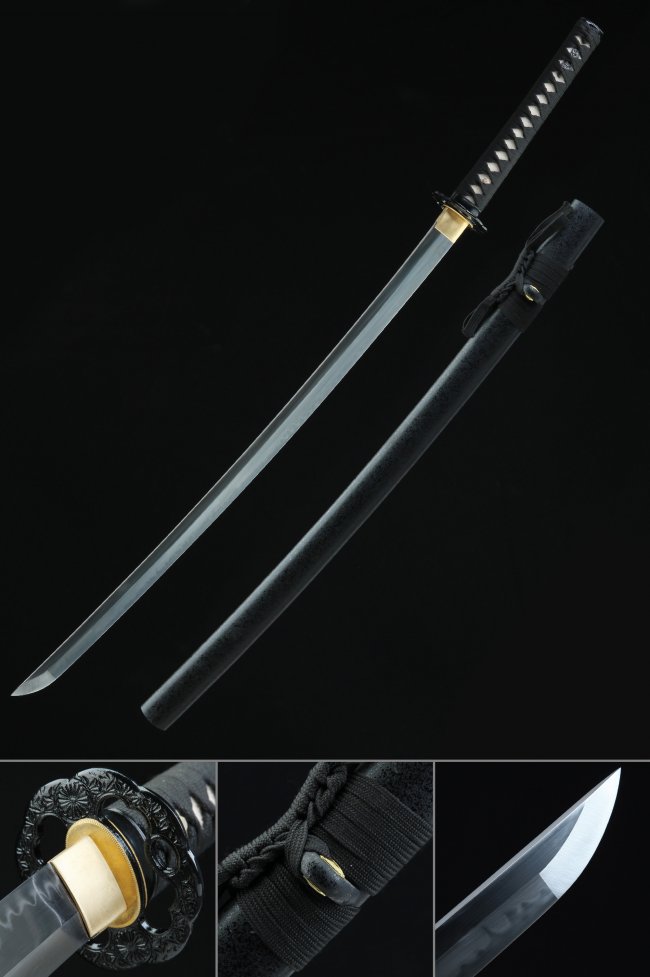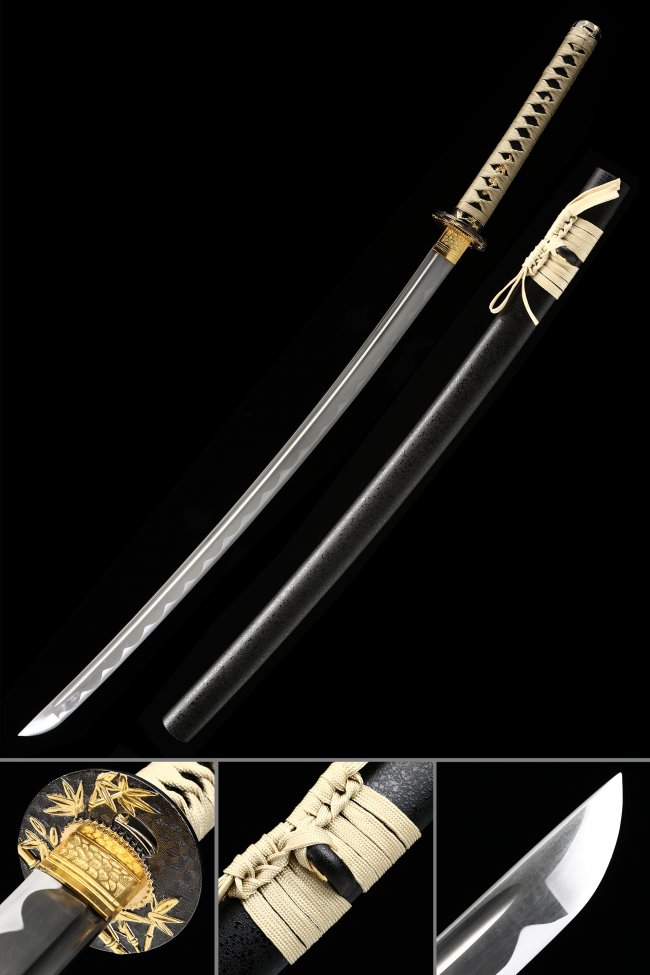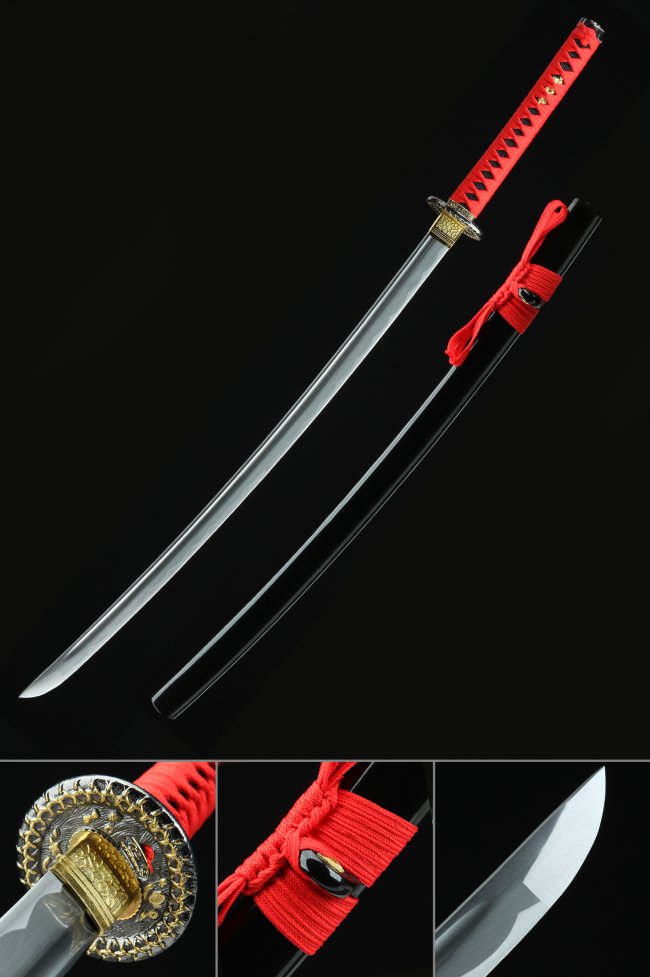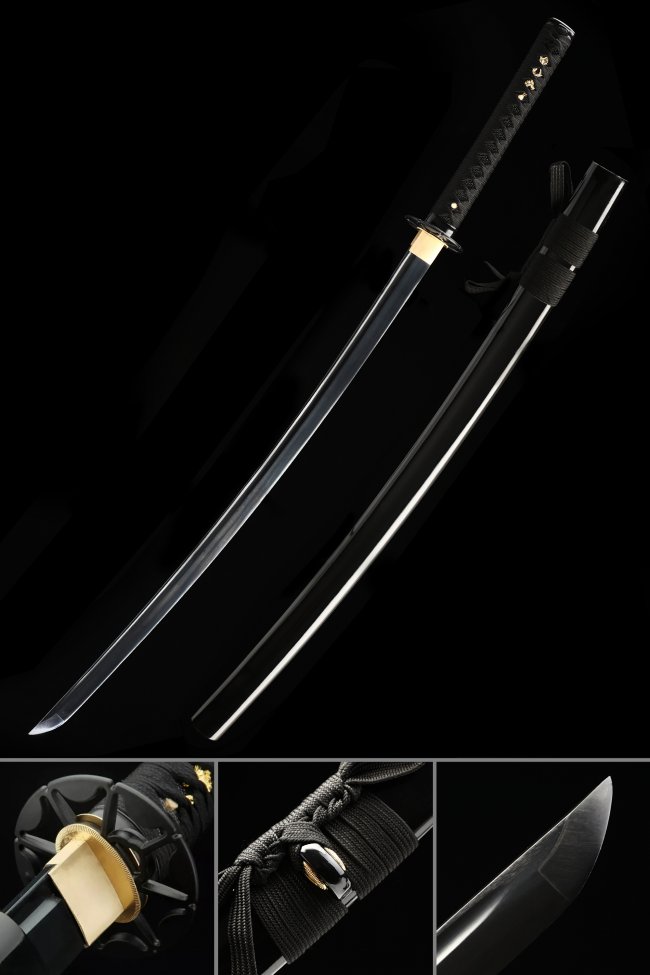
Black And White Katana

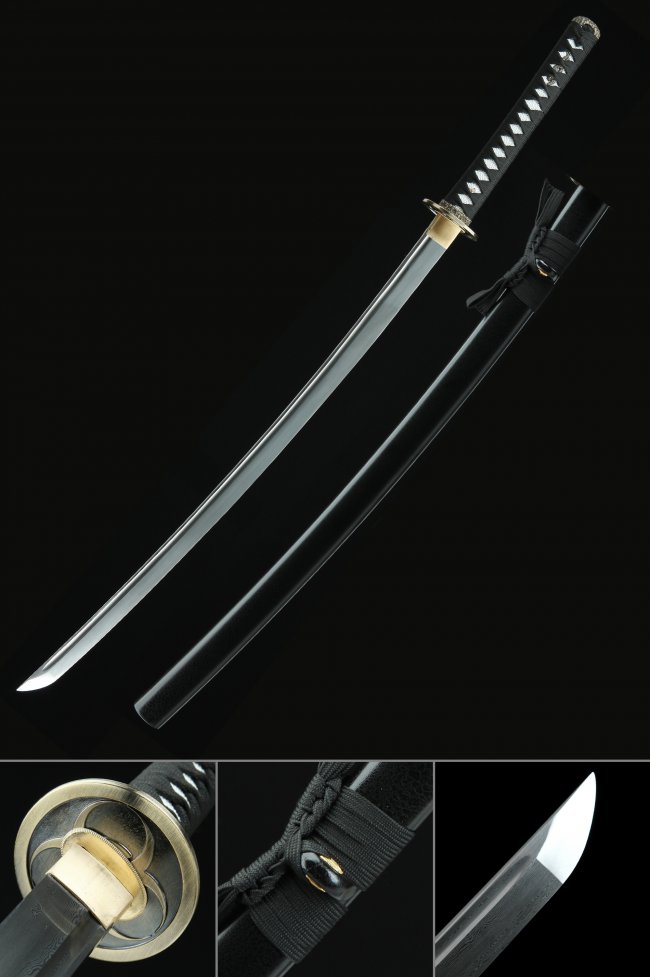
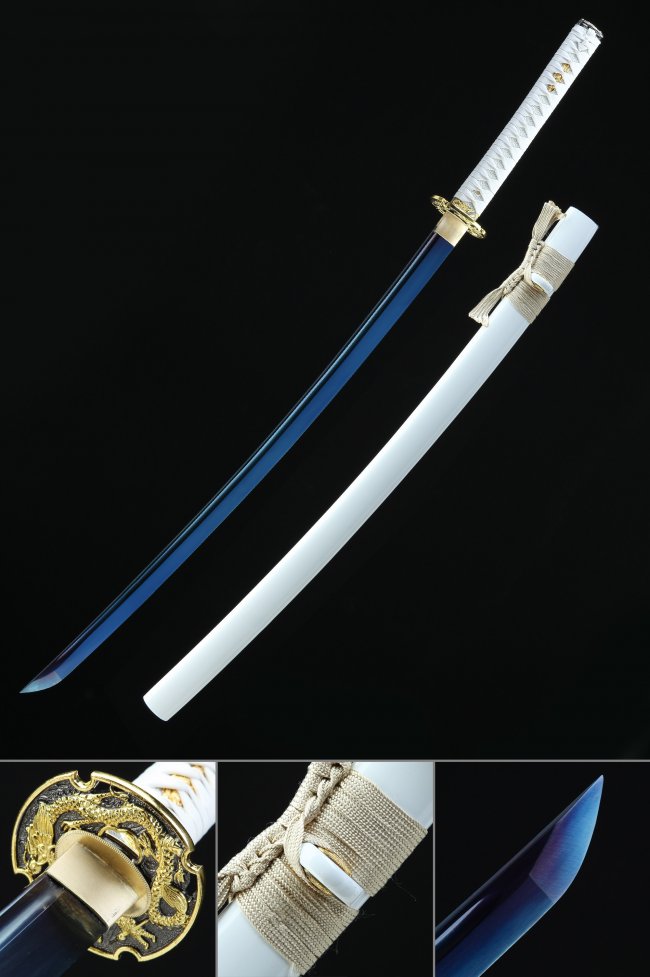
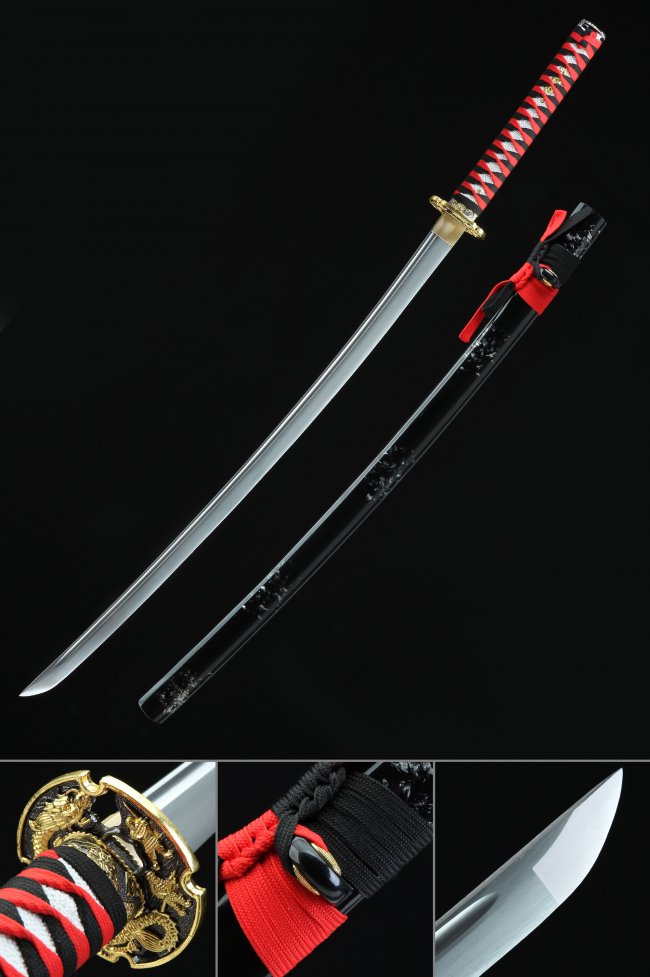
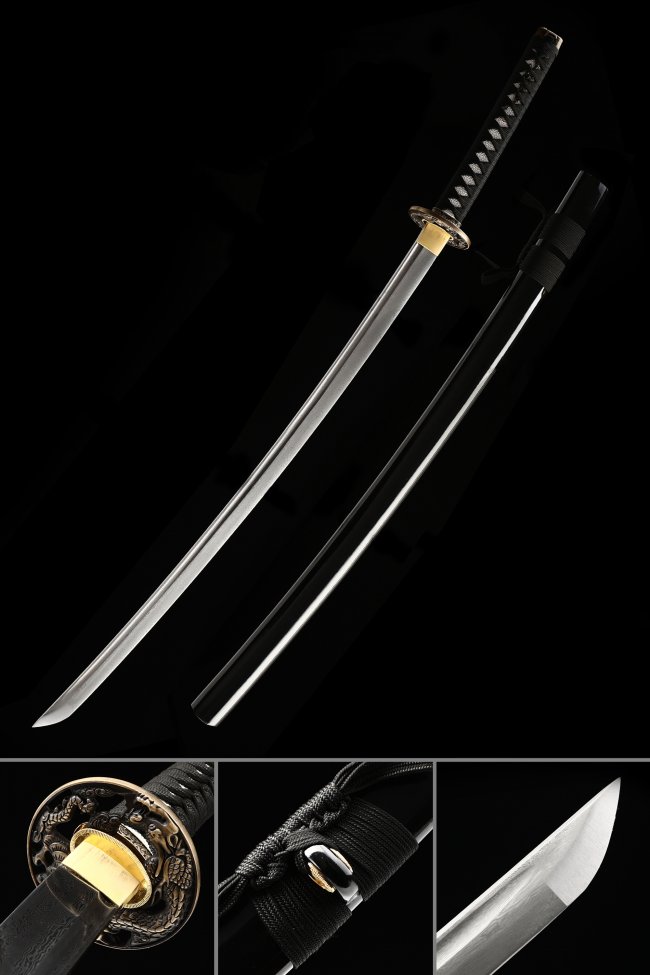
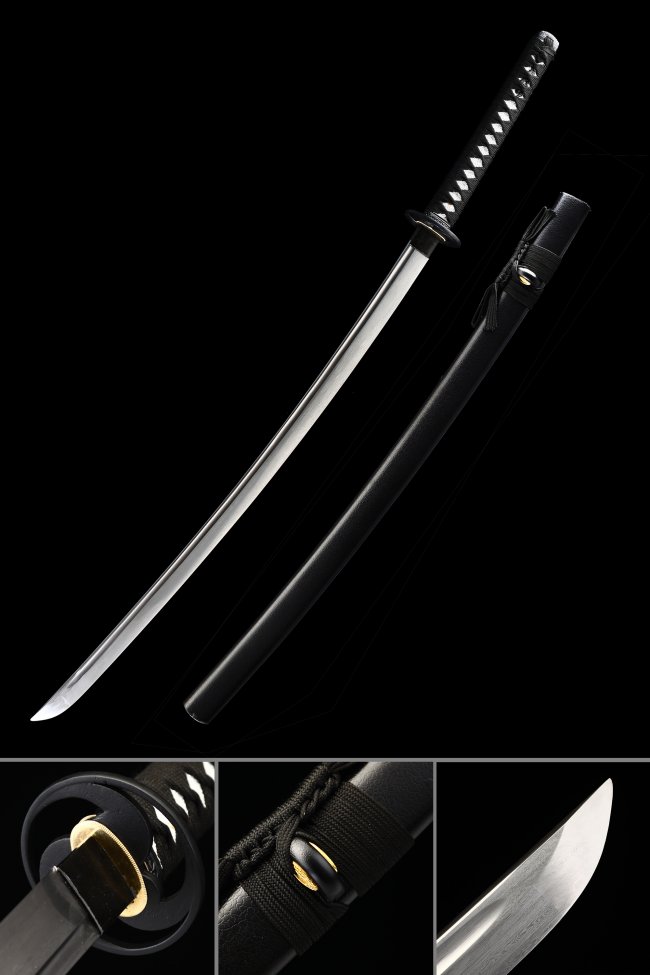
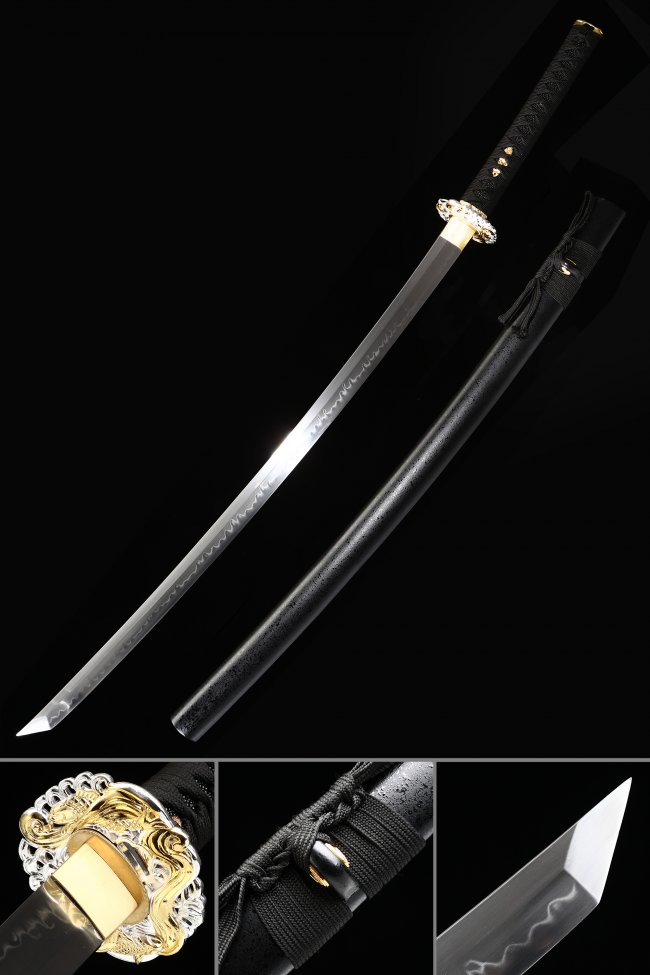
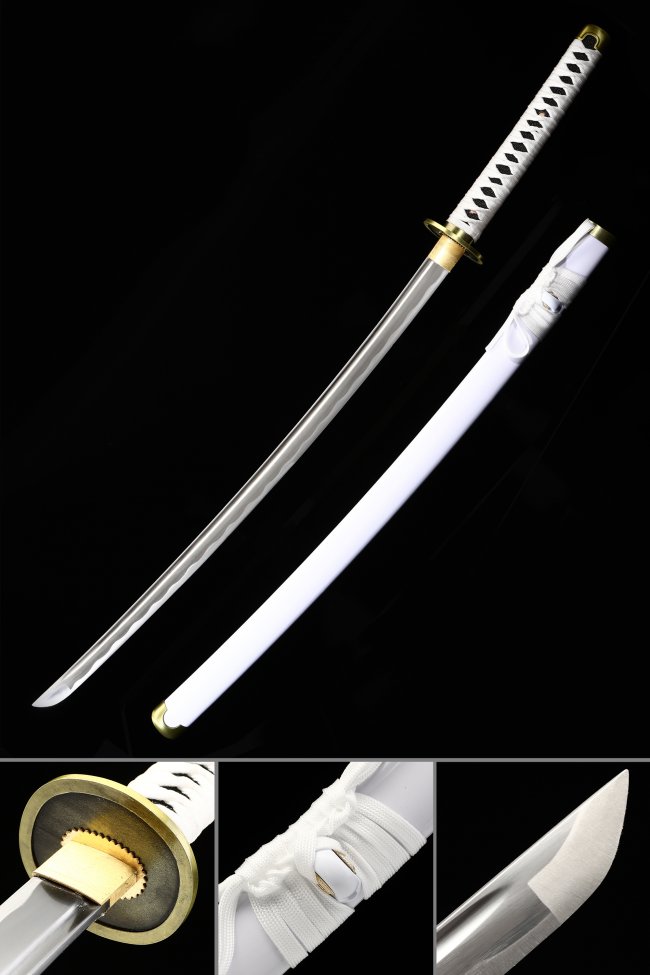
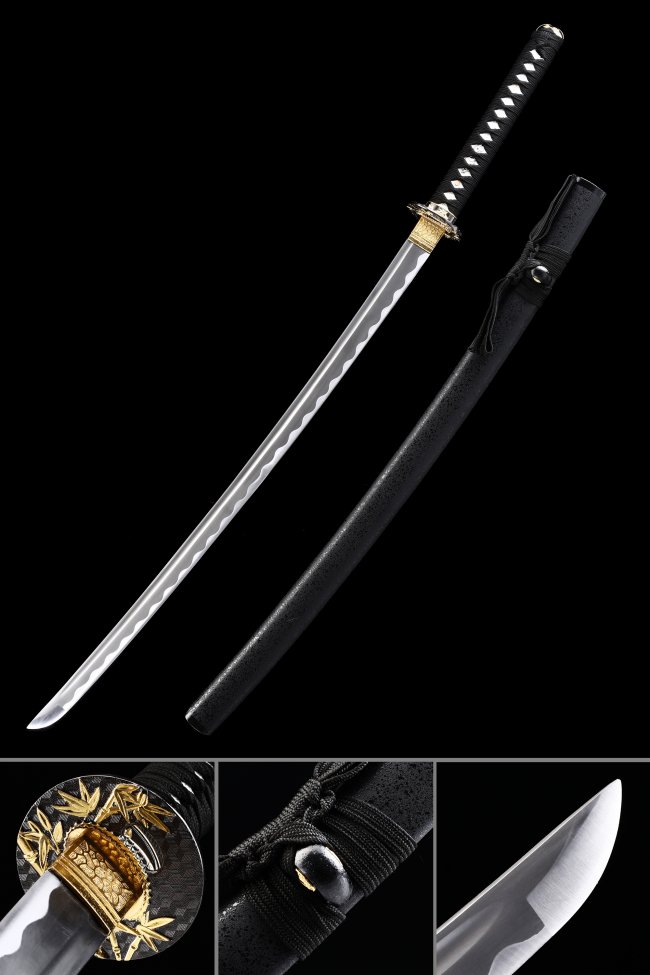
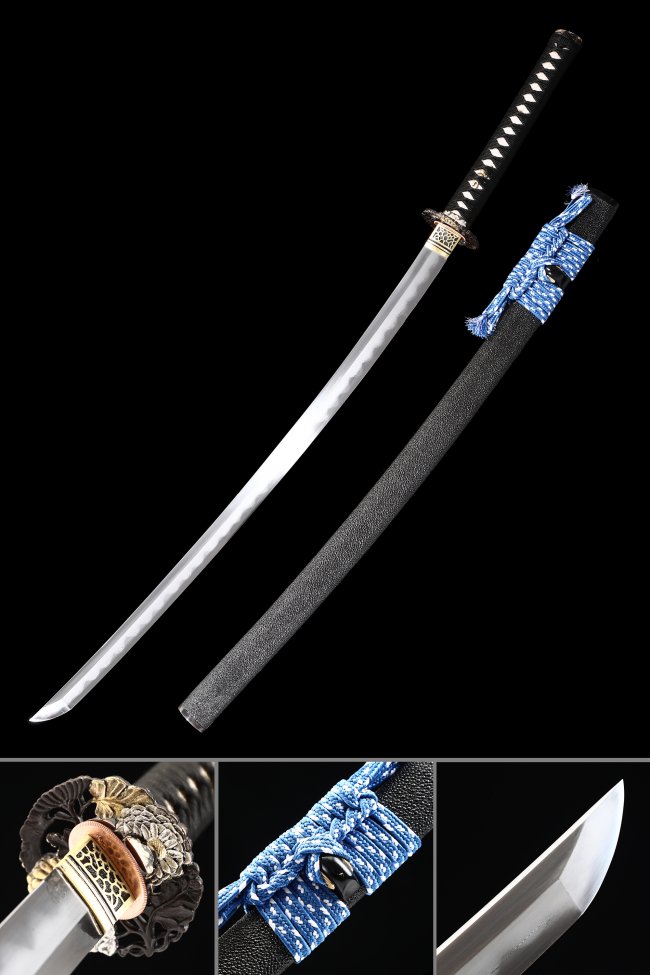
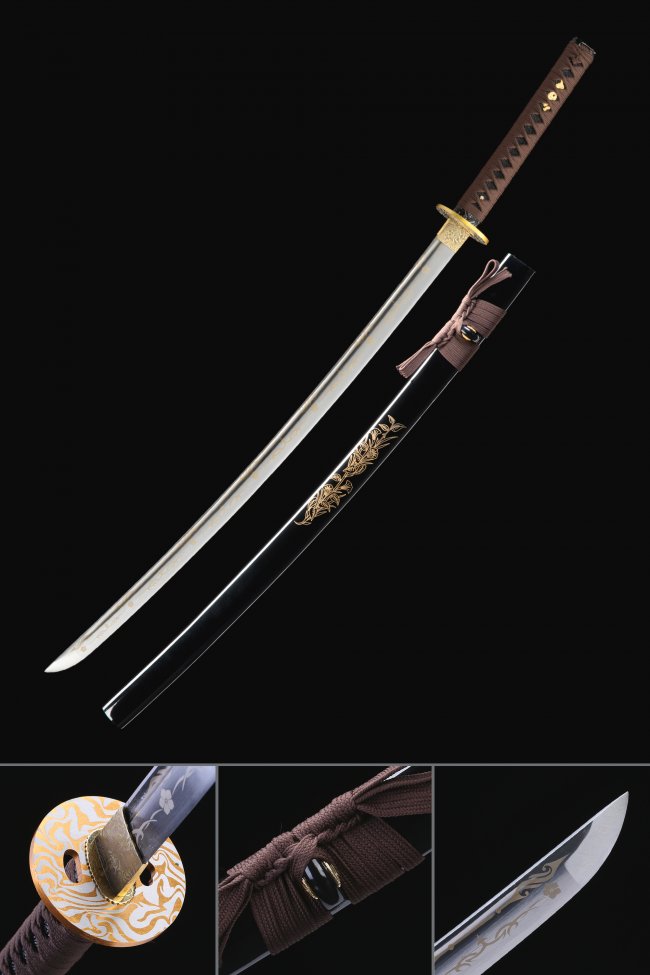
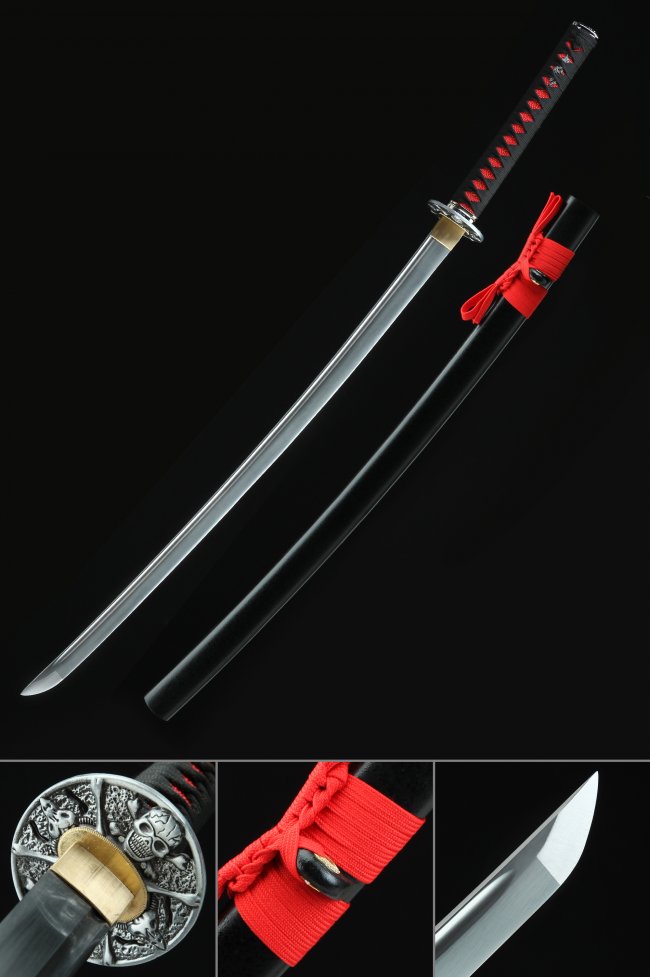
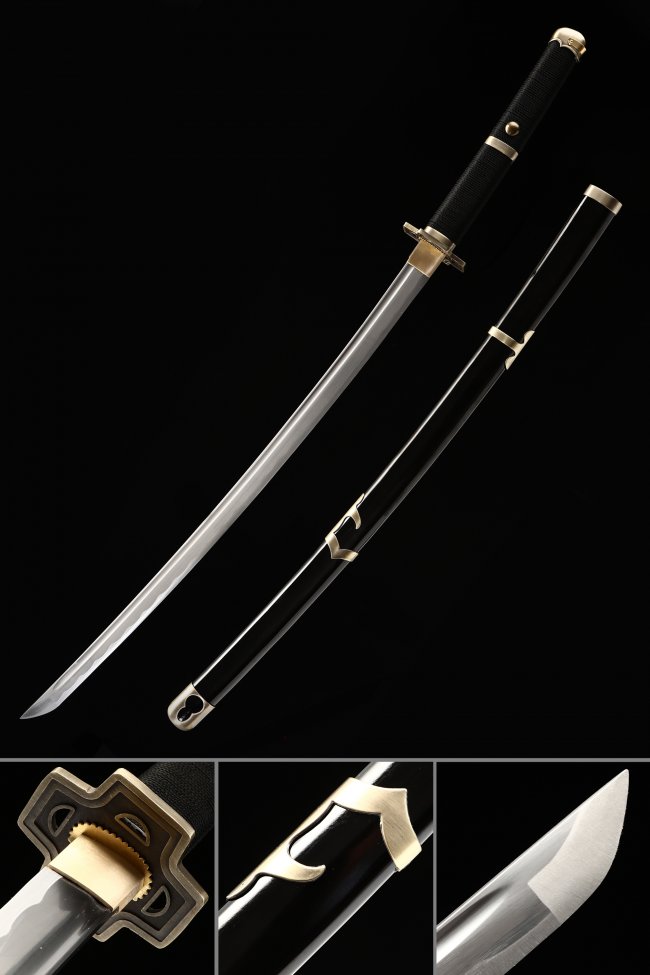
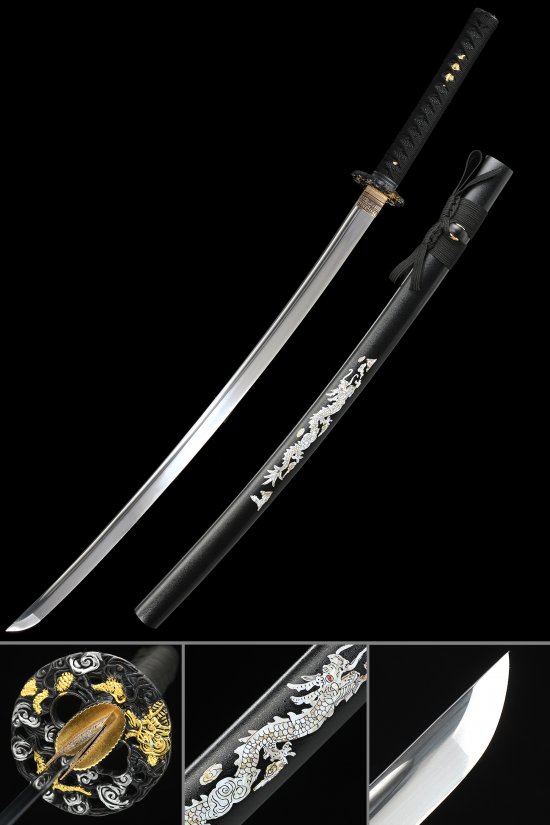
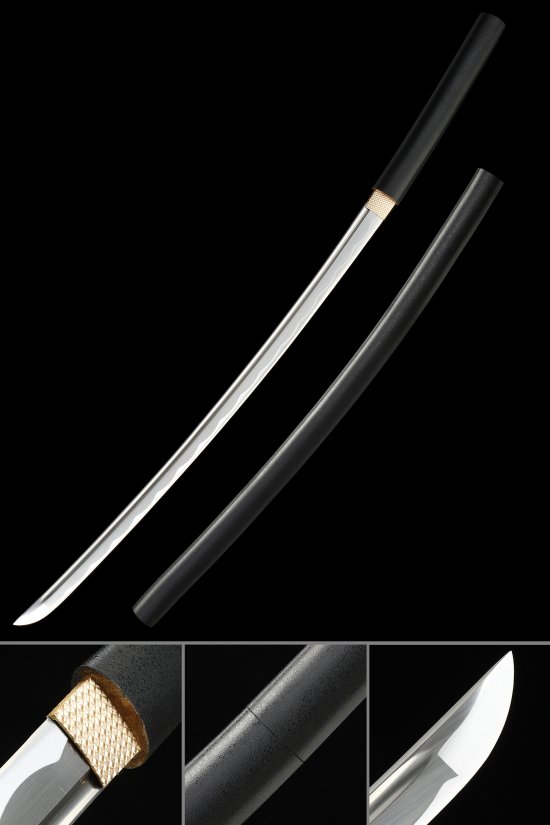
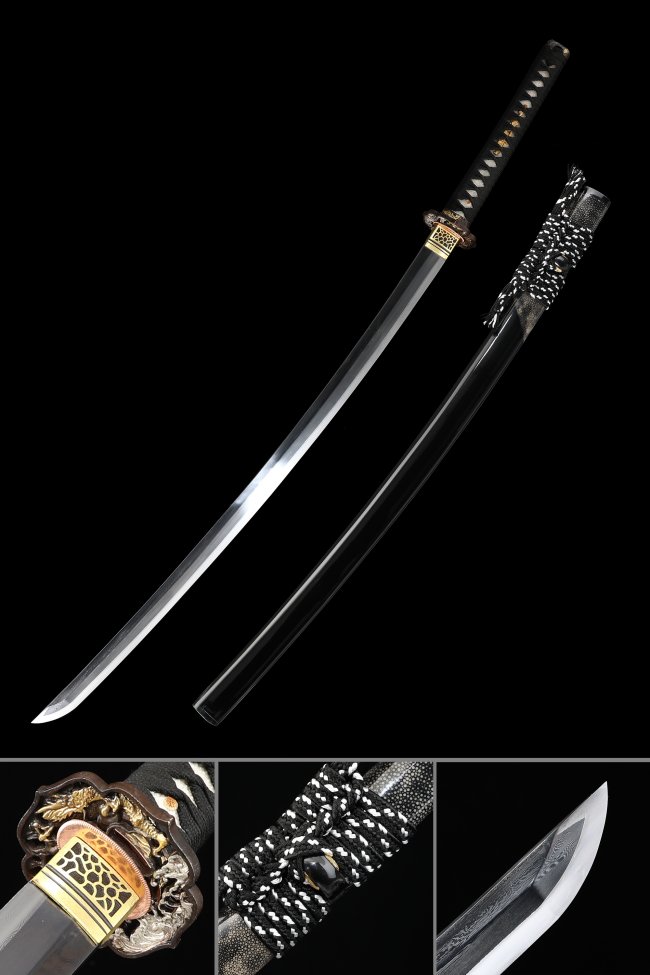
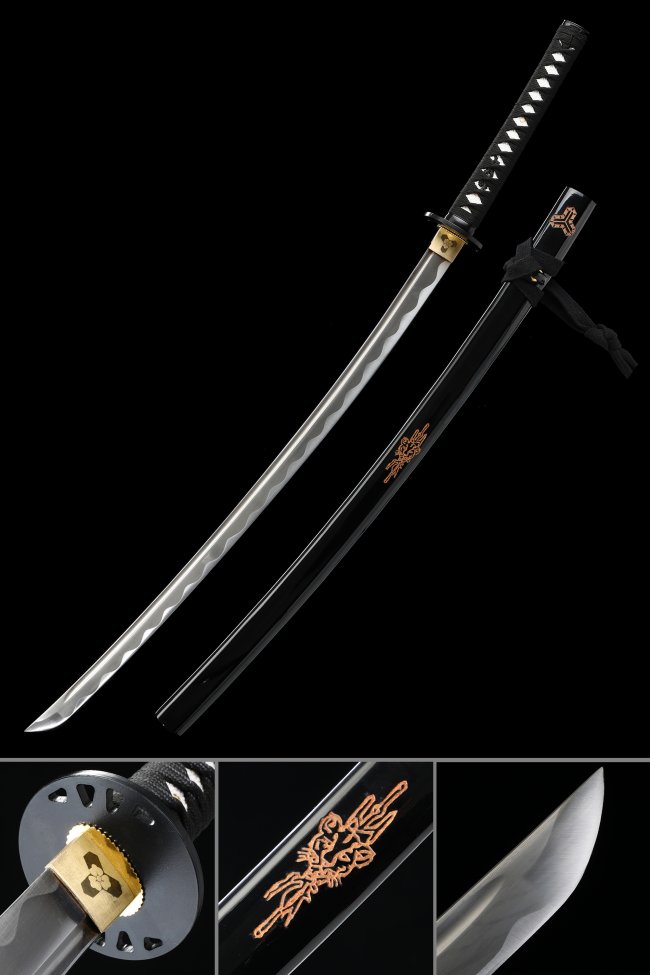
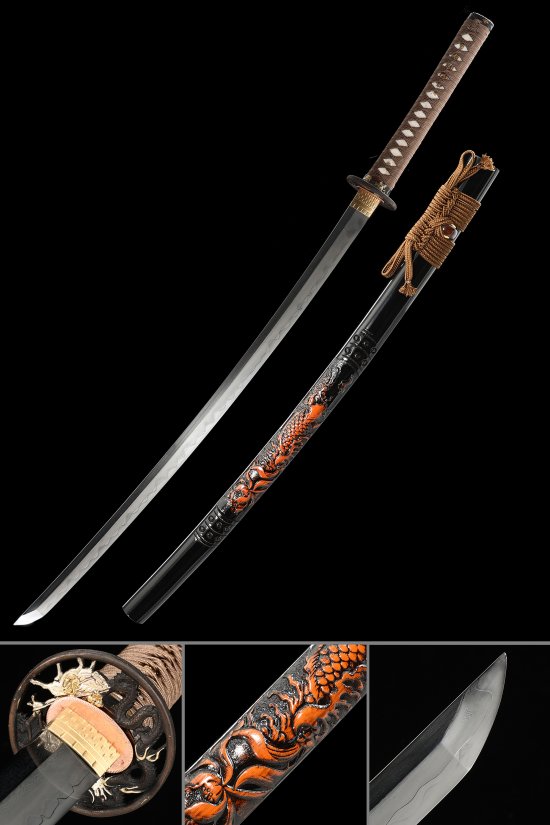
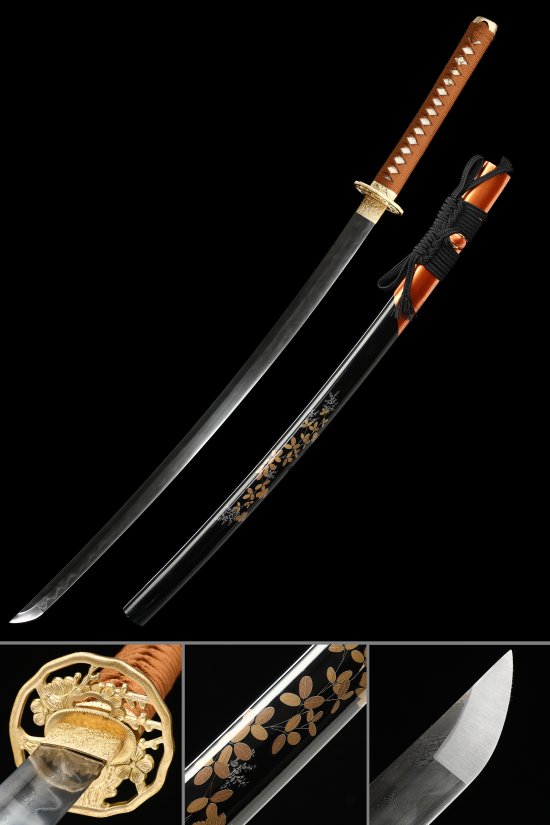
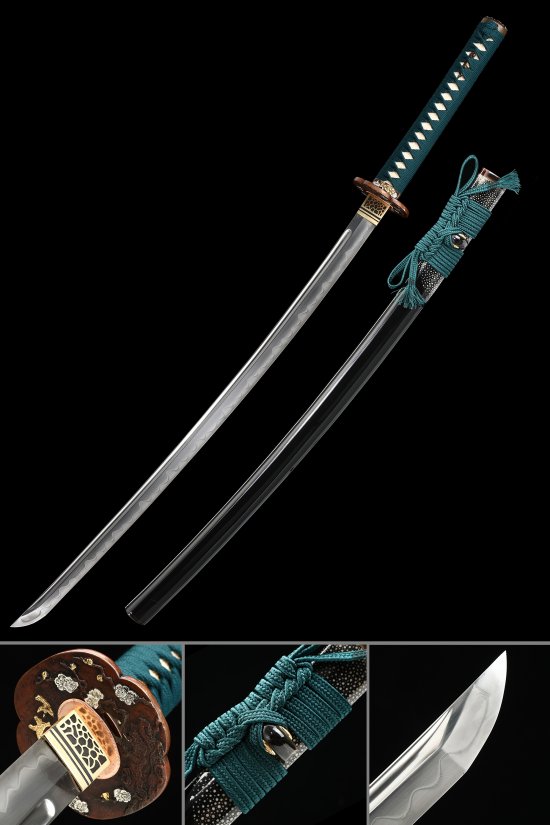
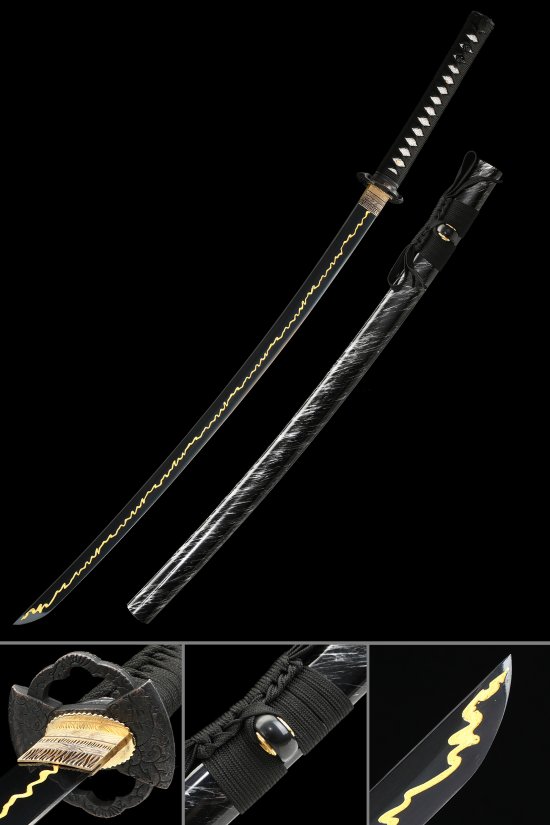
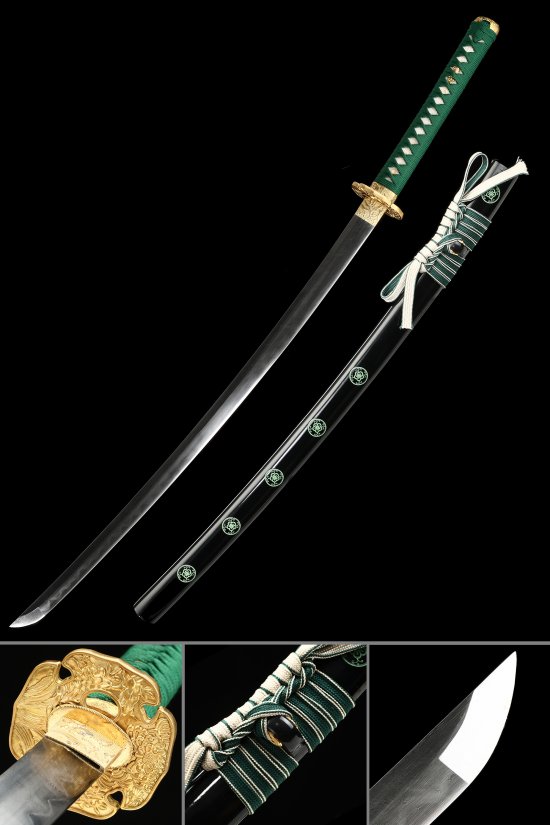
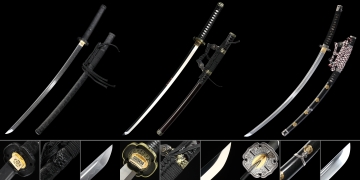
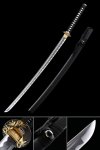
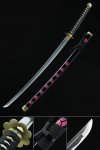
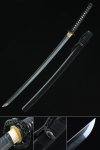
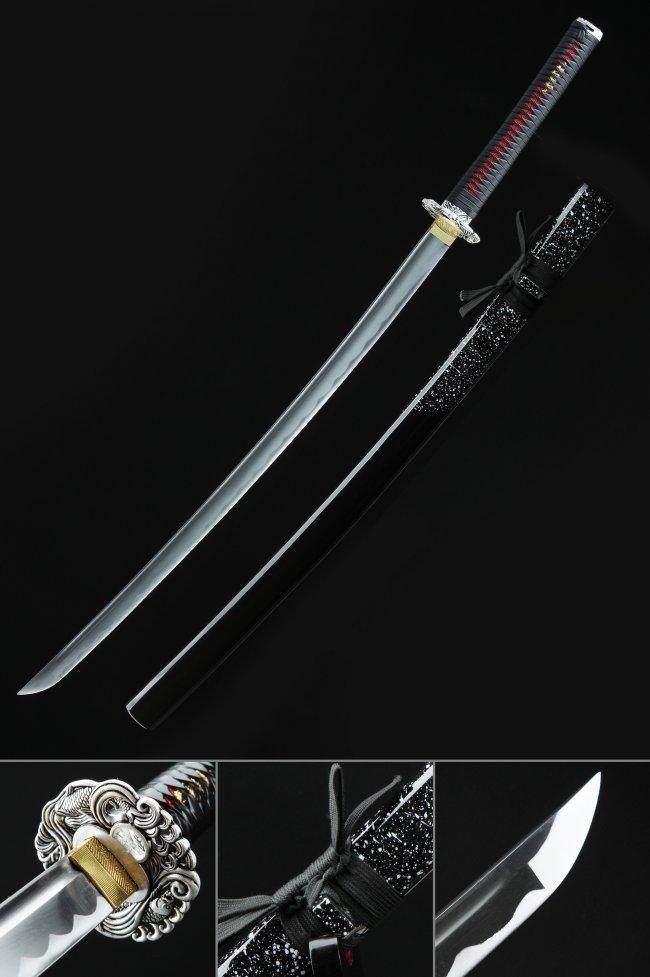
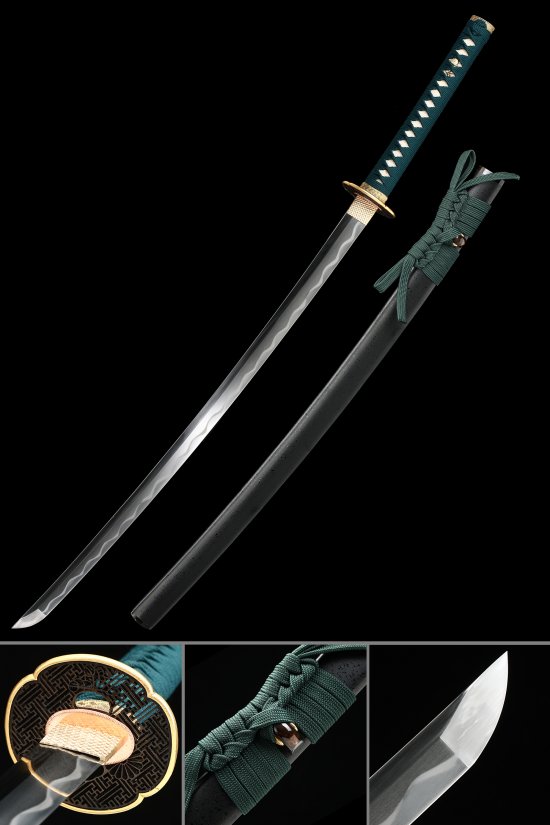
Black and white katana pieces in this collection are defined by their bold two-tone aesthetic — contrasting lacquered sayas, dual-wrapped ito, and monochrome tsuba designs that turn each sword into a conversation-worthy display piece. Crafted from proven steels including 1060 carbon, Damascus, and T10 folded clay-tempered blades, every piece is built full-tang for structural integrity and long-term collectibility. Free standard shipping is included on all orders, and we stand behind every piece with a hassle-free return policy.
Showing 118 Products

Related Collections

Black Katana426 items


2471 Reviews

Black And Purple Katana73 items


868 Reviews

Honshu Black Wakizashi40 items


98 Reviews

Black Saya Aikuchi8 items


10 Reviews

Frequently Asked Questions

What makes a katana qualify as 'black and white'?
The designation refers to a coordinated two-tone presentation across the sword's mountings and, in some cases, the blade finish itself. Typically this means a deep black lacquered saya (scabbard), black-wrapped or black-core tsuka (handle), and white or cream ito wrapping over rayskin — creating a high-contrast grip. Some pieces extend the theme to the tsuba, with blackened iron guards or white alloy accents. The blade itself is usually left in its natural polished steel finish, which reads as a cool silver-white against the black fittings. It's a deliberate aesthetic system, not just a color accent on an otherwise standard build.
How does 1060 carbon steel compare to T10 in these collectibles?
Both are high-carbon steels well-suited to katana construction, but they serve slightly different collector priorities. 1060 carbon steel contains roughly 0.6% carbon, making it tough, relatively easy to maintain, and forgiving of temperature and humidity changes — a practical choice for display pieces that may be handled regularly. T10 steel, sometimes called tool steel, has a higher carbon content around 1.0% along with trace tungsten, which allows it to take and hold a very fine edge geometry. When clay-tempered, T10 develops a genuine hamon — the undulating temper line along the blade's edge — that is visually distinct and highly valued by serious collectors. T10 pieces typically require more attentive maintenance (light oiling every few months) but reward that care with blade activity and surface character that 1060 doesn't replicate.
Does the piano lacquer saya require any special care?
Piano lacquer (sometimes called gloss lacquer or urushi-style lacquer) produces the hard, mirror-smooth black finish seen on premium sayas in this collection. It's more resistant to surface scratching than matte finishes, but it will show fingerprints readily and can develop fine surface marks if stored in contact with abrasive materials. To maintain the finish, wipe the saya with a soft, lint-free cloth — microfiber works well — rather than paper towels or rough fabric. Avoid storing the sword in direct sunlight for extended periods, as UV exposure can cause lacquer to yellow or crack over time. Keep the saya in a stable humidity environment; extreme dryness can cause the wooden core beneath the lacquer to contract and crack the outer finish.
Is a black and white katana a good choice as a display gift?
It's one of the more versatile gift formats in Japanese sword collecting precisely because the two-tone aesthetic communicates intent clearly — this is a piece chosen for visual impact, not a generic display item. The contrast reads well in almost any interior context, from minimalist modern spaces to traditional Asian-inspired rooms. For a first-time recipient who may not be a deep collector yet, a full-tang 1060 carbon steel piece with piano lacquer saya and a dragon or geometric tsuba offers substantial visual presence without demanding specialized maintenance knowledge. For a more advanced collector, a T10 folded clay-tempered piece with a genuine hamon signals a meaningful upgrade in metallurgical craft. Including a wall mount or display stand alongside the sword completes the gift as a ready-to-display presentation.
How should I store a black and white katana long-term?
Long-term storage of any carbon steel katana — including black-and-white pieces — centers on three concerns: moisture control, blade protection, and UV exposure. Apply a thin coat of choji oil or neutral mineral oil to the blade every two to three months to prevent surface oxidation; too much oil can attract dust, so a light, even application with a soft cloth is sufficient. Store the sword horizontally or at a gentle angle (edge upward if on a traditional stand) rather than vertically, which can stress the habaki and saya fit over time. Avoid storage near exterior walls in humid climates, as temperature fluctuation accelerates moisture intrusion. For the lacquer saya and wrapped handle, a breathable storage bag or padded case is preferable to an airtight container, which can trap residual moisture against the wood and fittings.

Customer Reviews