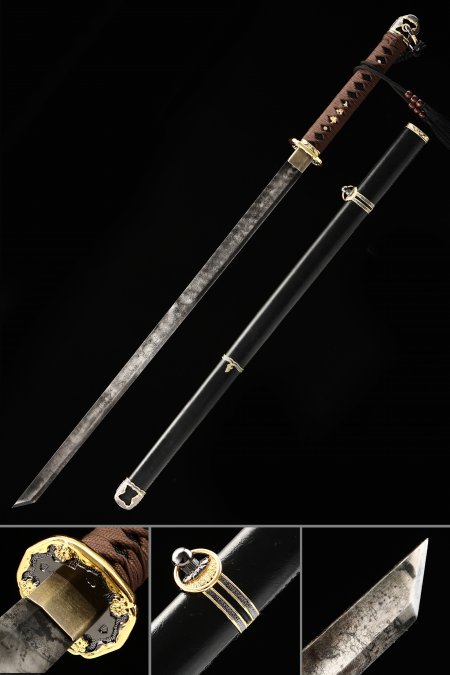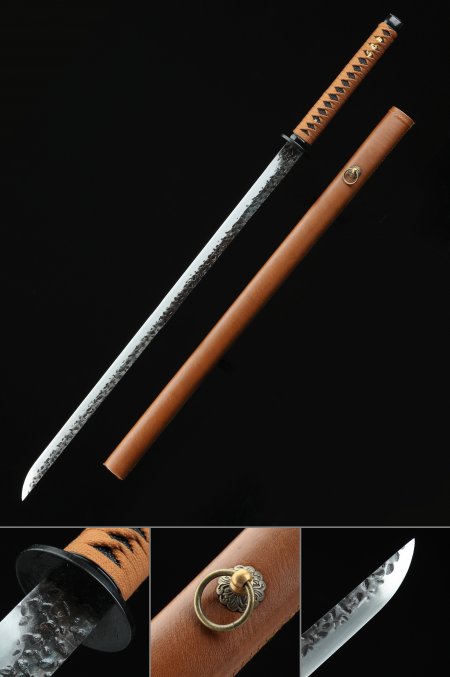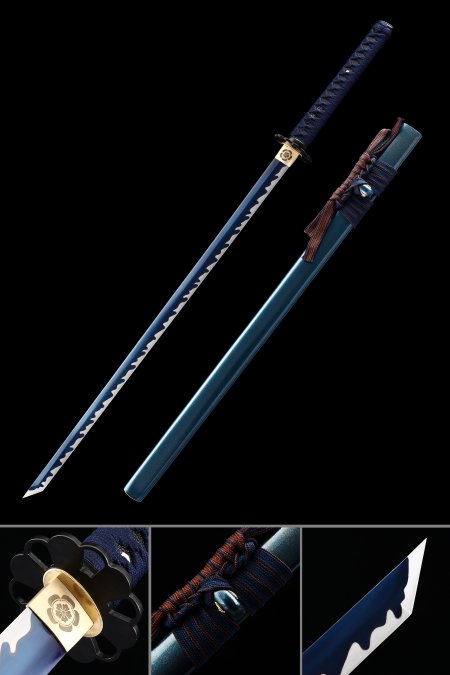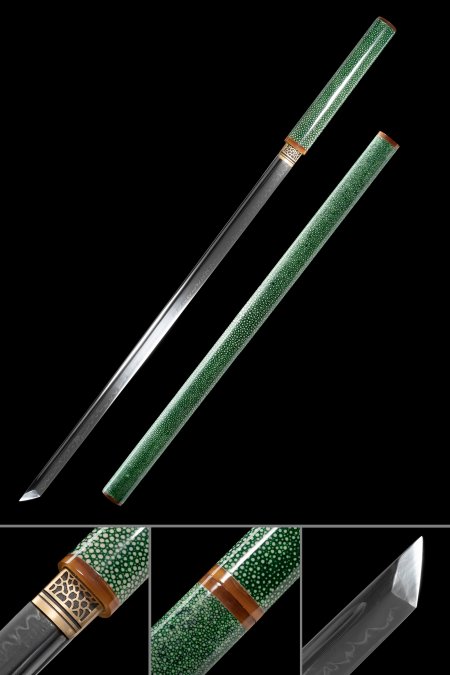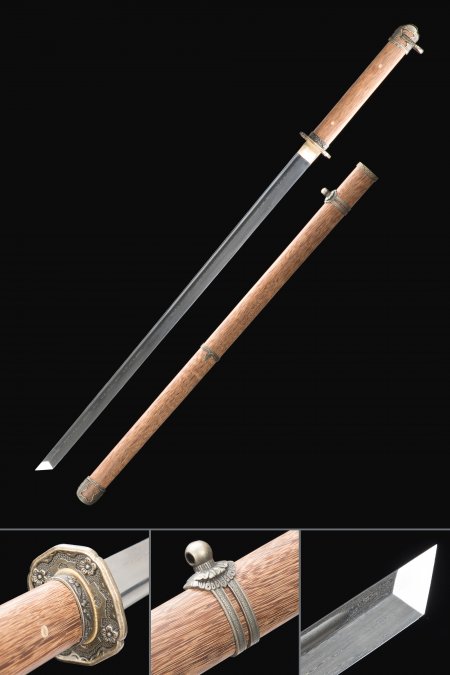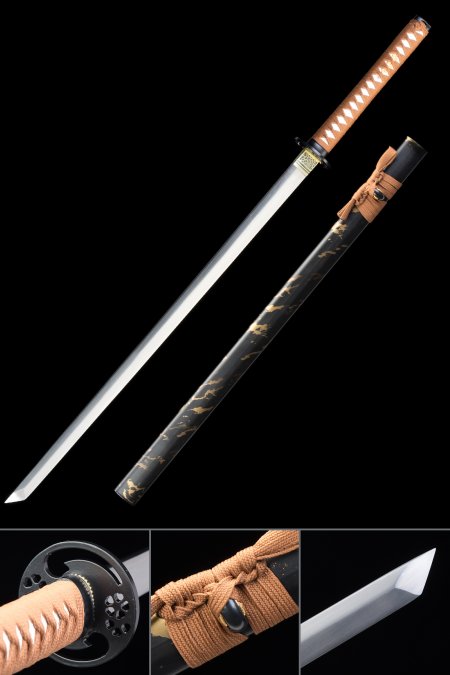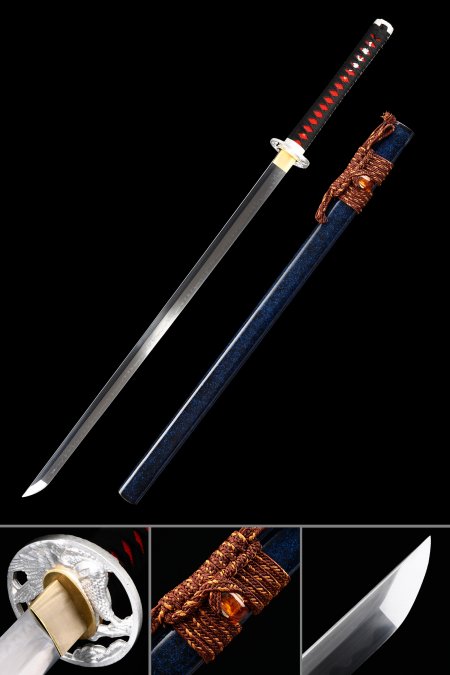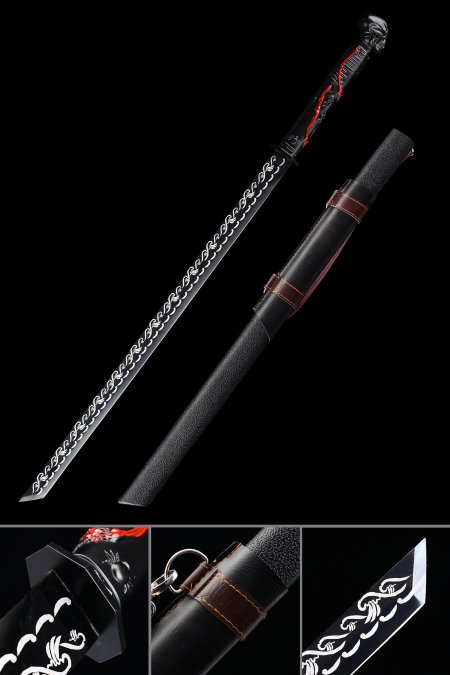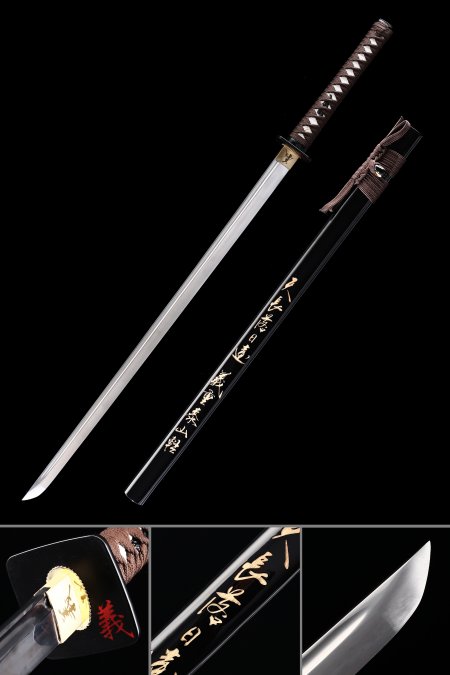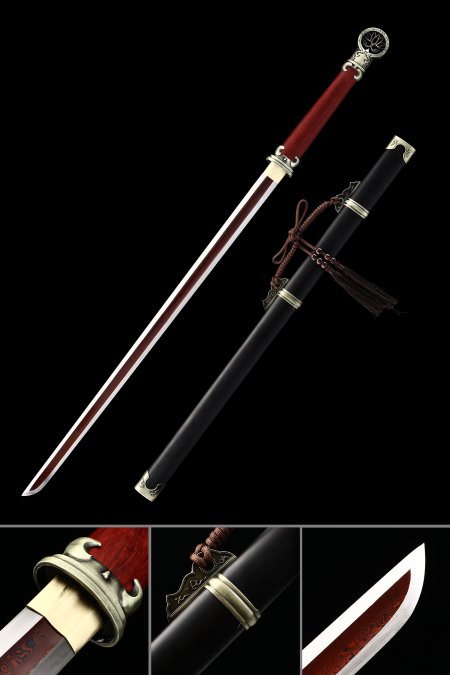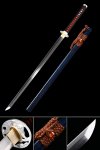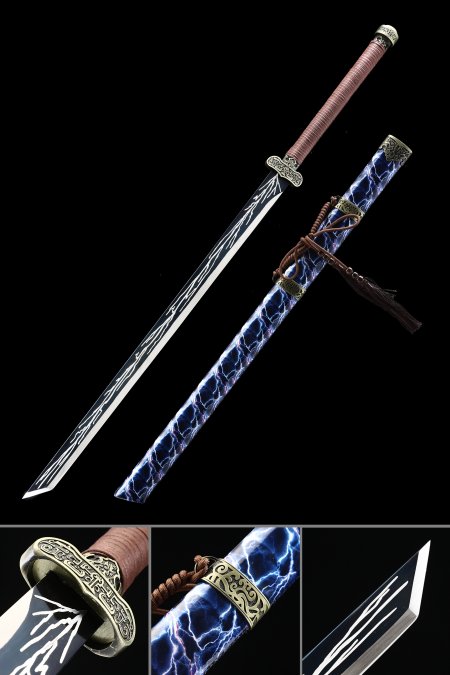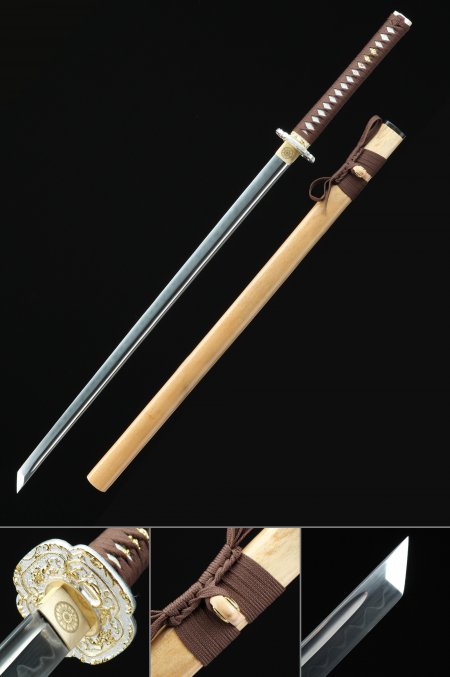
Brown Sageo Ninjato

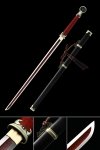
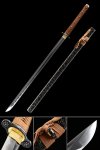
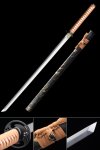
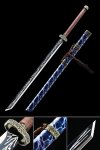
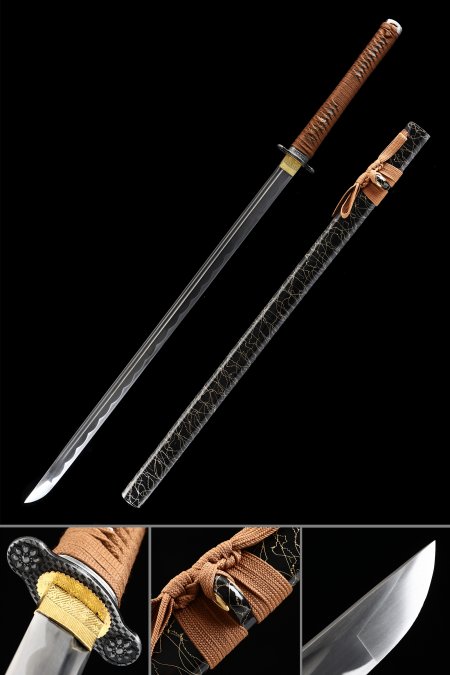
A brown sageo ninjato brings together the understated elegance of earth-toned cord work and the clean, straight-bladed silhouette that defines ninja-inspired sword craft. Each piece in this collection is hand-assembled with carefully selected steel - from high-carbon 1045 and T10 to hammered manganese and layered Damascus - finished with brown ito wraps, brown cord handles, or matching saya accents that tie the entire koshirae together. These are fully crafted, full-tang collectibles built for serious display and cutting practice alike. Enjoy free shipping on your order, backed by our hassle-free return policy.
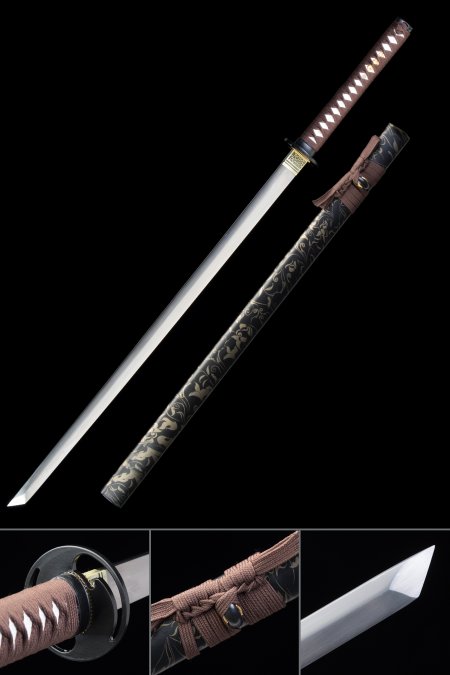
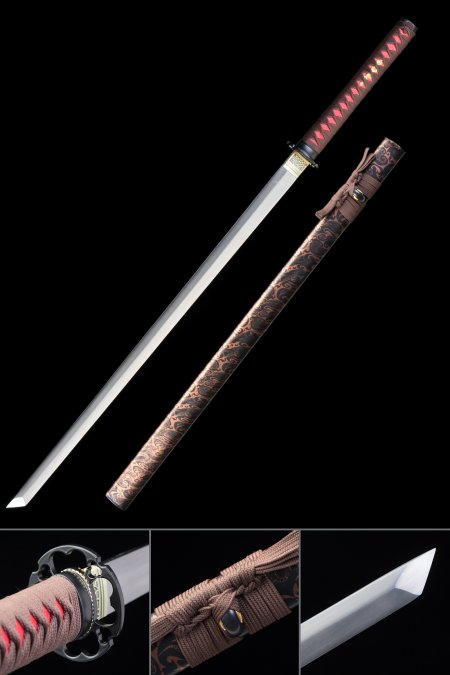
Showing 15 Products

Related Collections

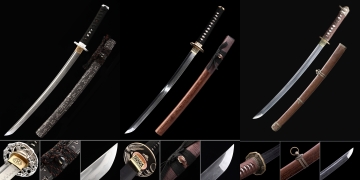
Brown Tanto15 items


43 Reviews

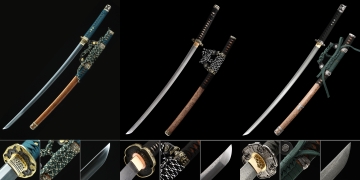
Brown Wakizashi6 items


71 Reviews

Brown Odachi7 items


36 Reviews

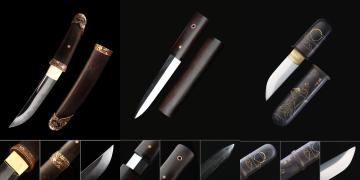
Brown Aikuchi5 items


9 Reviews

Frequently Asked Questions

What makes a ninjato different from a katana?
The most immediately recognizable difference is blade geometry. A katana features a pronounced curved blade optimized for drawing and cutting in a single fluid motion, while a ninjato has a straight or minimally curved blade with a squared-off tip - a shape that gives the sword a stark, utilitarian silhouette. The tsuba on a ninjato is often square rather than round, which is another visual marker collectors use to distinguish the two forms. From a construction standpoint, both can be built full-tang with quality high-carbon steel, and both support a genuine hamon when clay-hardening techniques are applied. For display purposes, the ninjato's straight blade reads as visually dramatic against a wall mount or sword stand, particularly when the koshirae features coordinated cord work and engraved fittings.
What does the sageo cord actually do on a ninjato?
The sageo is the cord threaded through the kurigata - a small knob on the side of the saya - and its traditional function was to secure the scabbard to the wearer's obi or belt, preventing the sword from shifting during movement. On a display collectible, the sageo serves a purely aesthetic role: it completes the koshirae by adding color, texture, and visual weight to the scabbard. Brown sageo cord is particularly versatile because its neutral, warm tone coordinates naturally with a wide range of saya finishes - lacquered black, natural hardwood, dark blue, and brown leather - without creating visual conflict. Collectors who care about the completeness of a sword's presentation often judge the sageo as the detail that either unifies or undermines the entire piece.
Is T10 steel significantly better than 1045 for a collectible ninjato?
They serve different collector priorities rather than sitting in a simple better-or-worse hierarchy. 1045 high-carbon steel is a reliable, tough alloy that responds well to heat treatment, holds a good edge, and is resistant to chipping under stress - making it practical for test cutting as well as long-term display. T10 tool steel contains slightly higher carbon content and trace tungsten, which contributes to a finer grain structure and superior edge retention. Most importantly for collectors, T10 is one of the few steels that produces a visible, authentic-looking hamon when clay-hardened - the distinct temper line along the blade's edge that is a hallmark of traditional Japanese sword craft. If the visual detail of a genuine hamon is important to your display, T10 is the more appropriate choice. If durability and value are the primary considerations, 1045 delivers consistent quality.
How should I store a brown sageo ninjato for long-term display?
Proper storage comes down to three factors: moisture control, physical support, and surface protection. Steel blades - regardless of alloy - are vulnerable to oxidation when exposed to humidity, so storing or displaying a ninjato in a climate-controlled environment away from external walls or windows is advisable. Apply a thin coat of blade oil (choji oil or a mineral-based equivalent) to the entire blade surface every few months, and use a soft cloth to remove fingerprints after handling, since the oils in skin accelerate surface corrosion over time. For display mounts, a horizontal rack that supports the saya without putting lateral pressure on the cord or fittings is ideal. Avoid storing the blade inside the saya for extended periods without periodic inspection - moisture can become trapped and cause rust at the habaki or inside the scabbard throat.
Can a brown sageo ninjato work as a display gift for someone new to collecting?
It is actually an excellent entry point for a new collector precisely because the ninjato's straight blade and bold koshirae make an immediate visual impression without requiring deep background knowledge to appreciate. A brown sageo ninjato with coordinated brown ito wrap presents as a complete, cohesive object - the kind of piece that looks intentional on a wall mount or display stand from day one. For gifting purposes, models featuring engraved blades, ornate tsuba designs, or distinctive saya finishes add visual storytelling that makes the sword feel personal rather than generic. Pairing a ninjato with a matching sword stand or a complementary piece from a Brown Samurai Sword collection creates a display set that grows with the recipient's interest in Japanese sword craft over time.

Customer Reviews