FAST SHIP
Free Shipping
139.00 USD
ON SALE! 15% OFF
Was: 169.00 USD

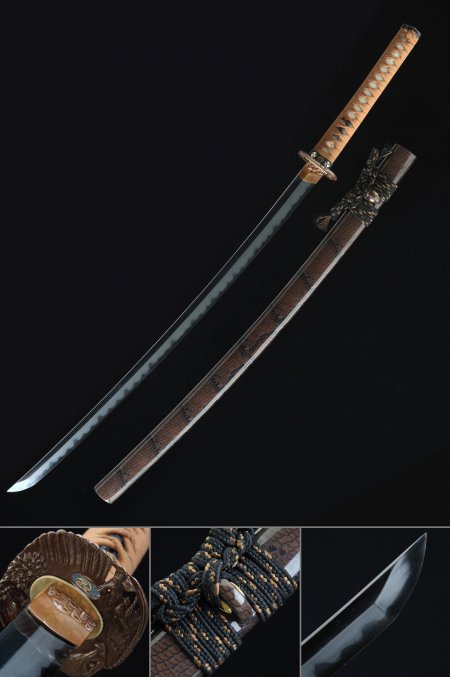
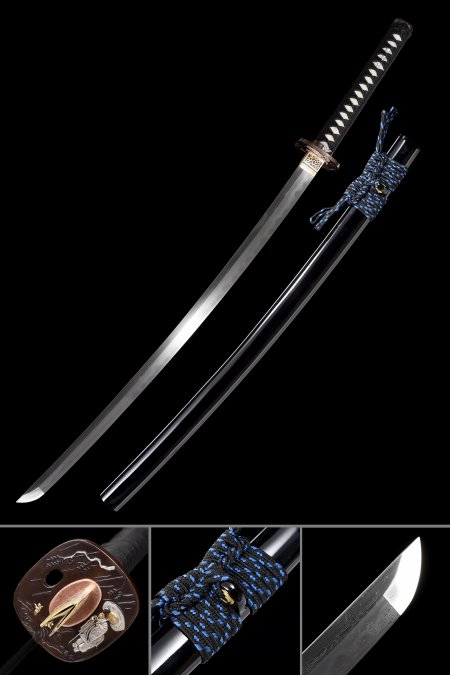
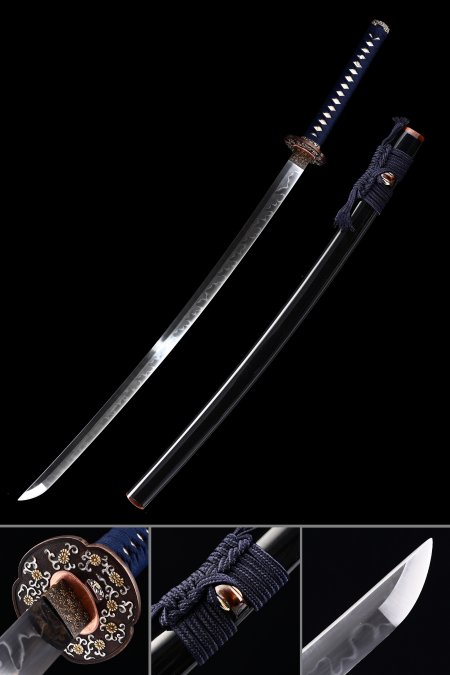
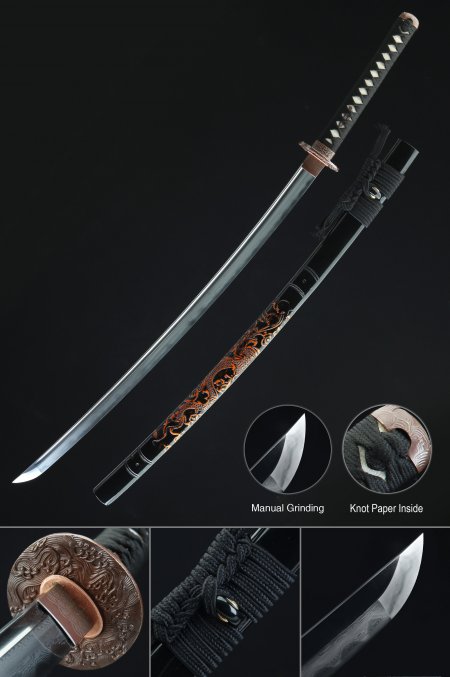
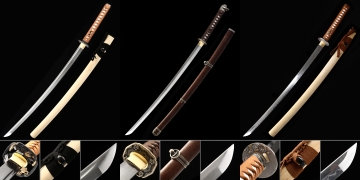
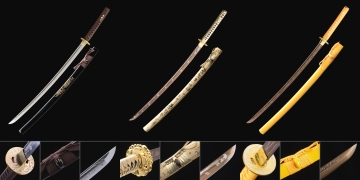
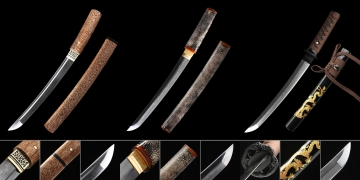
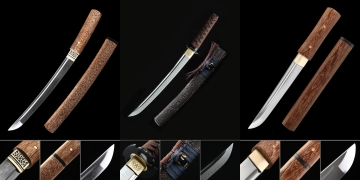
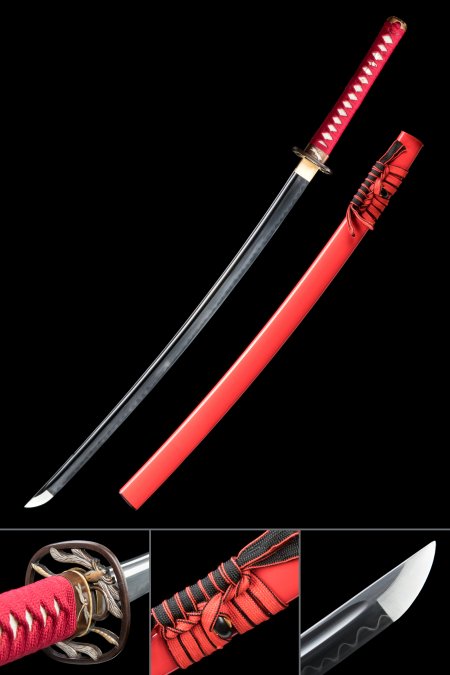
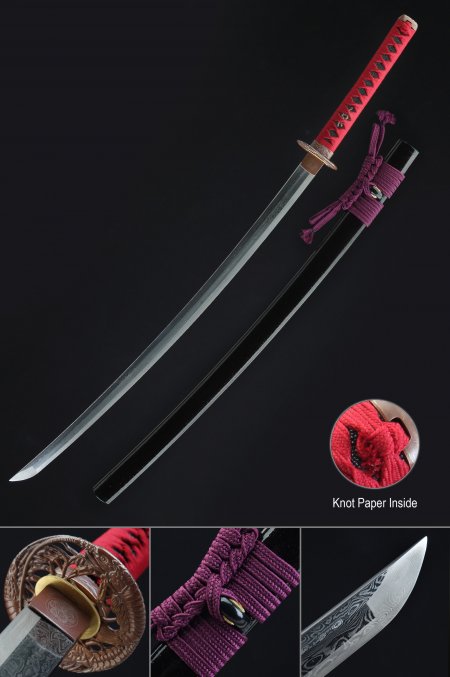
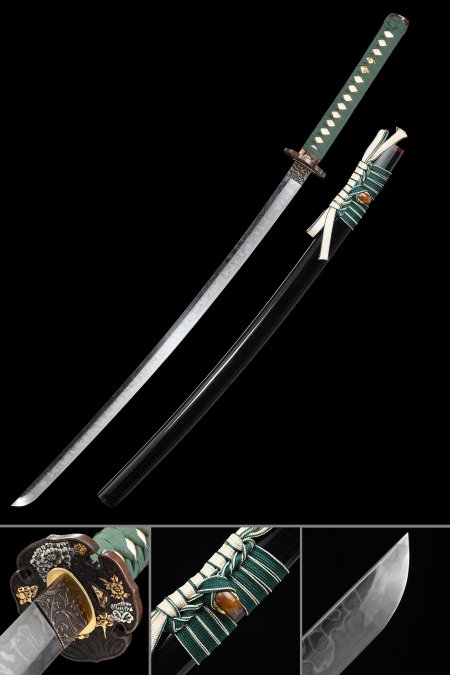
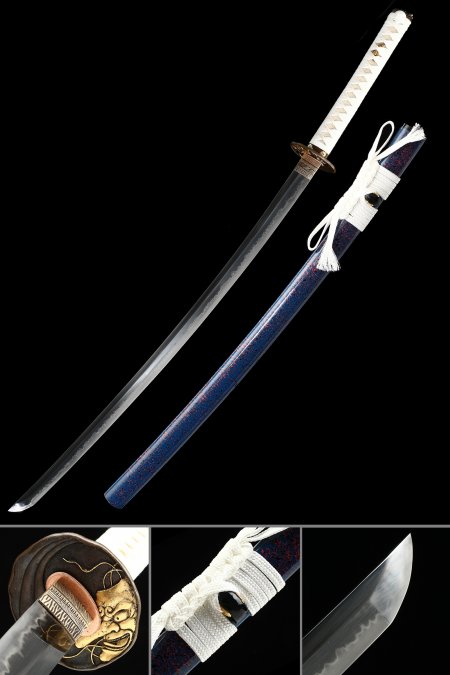
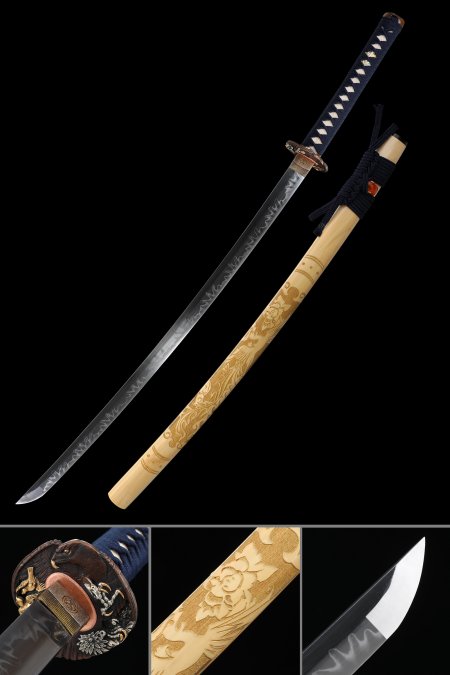
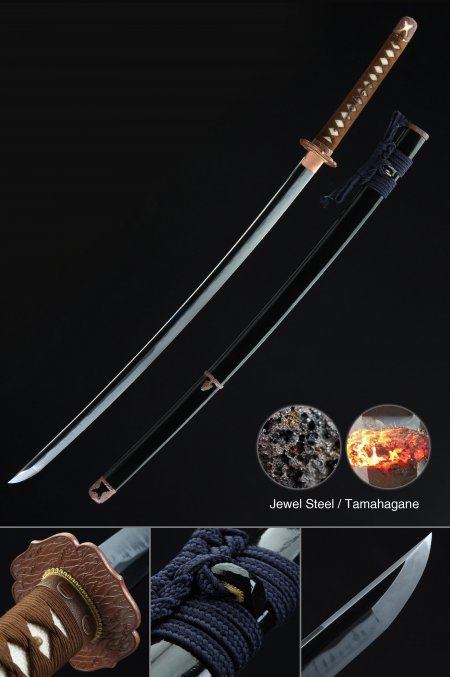
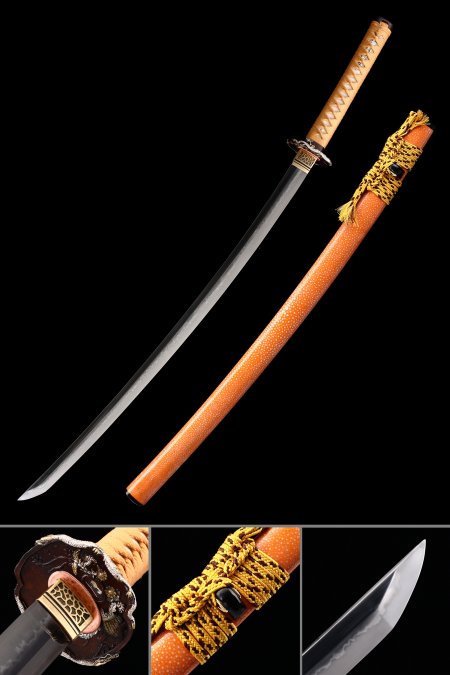
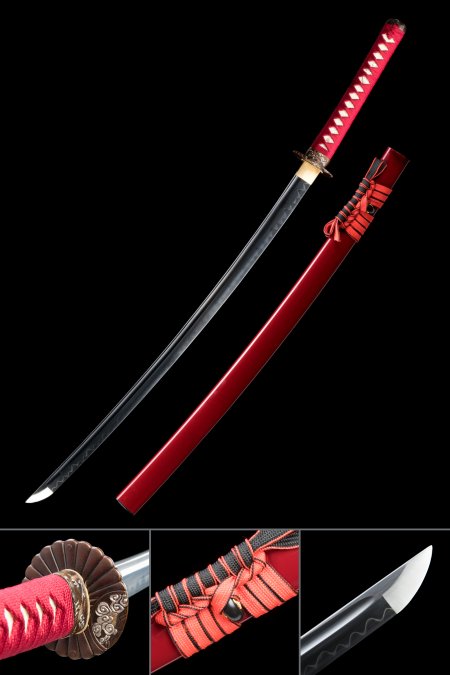
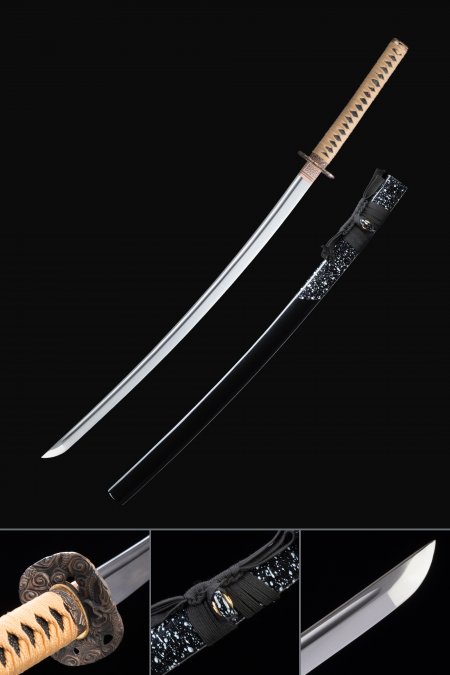
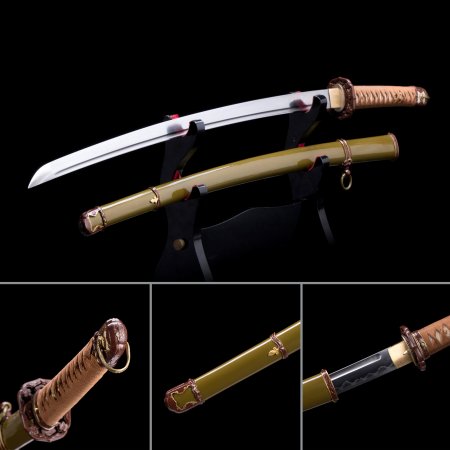
A brown tsuba anchors the entire aesthetic of a katana - grounding ornate dragon motifs, chrysanthemum engravings, and layered Damascus or T10 carbon steel blades in a warm, earthy elegance that stands apart from conventional black or silver fittings. Each piece in this collection is hand-forged with full-tang construction, clay-tempered blades, and genuine hamon activity, making them as compelling on a display stand as they are impressive to experienced collectors. Enjoy free shipping on your order, and if anything falls short of expectations, our hassle-free return policy has you covered.
Did not send me the right sword, or more likely sent me a sword which quality you can tell is not the same piece in picture. The sword is way sub par especially after I spent over a thousand dollars for this sword the blade clay tempering is a joke. I got ripped off make sure ur not next
 |
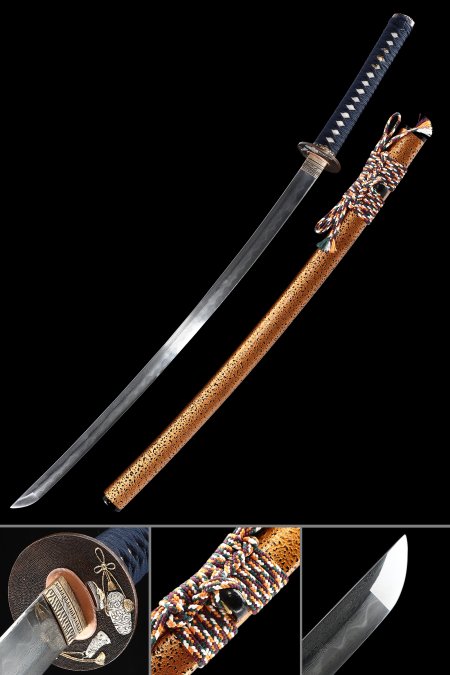
WWII Shin Gunto Type 98 Katana in Damascus Steel - Olive Saya, Clay Tempered, Full Tang |
I got a custom order done and the quality is very good, but I am giving this a 5 star because the support team was amazing and quick to respond not sure if it was really worth 500 usd but I enjoyed the support experience and the blade turned out very well.
 |
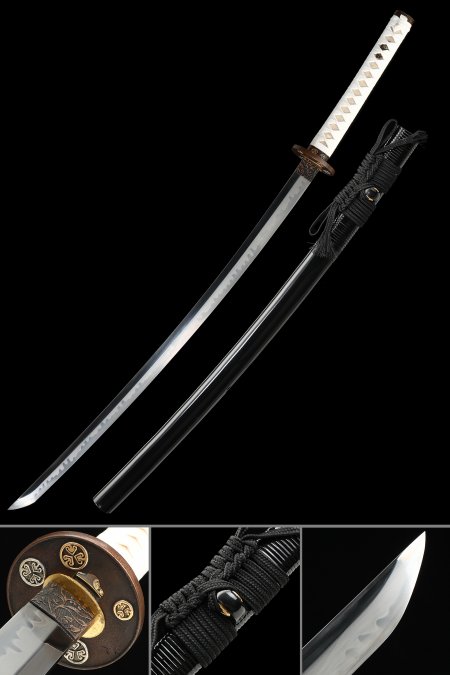
T10 Carbon Steel Katana with Real Hamon, Blue Cord Handle & Chrysanthemum Tsuba - Black Lacquer Saya |
Well balanced expertly made. r
The quality is amazing
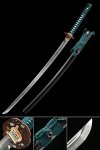 |
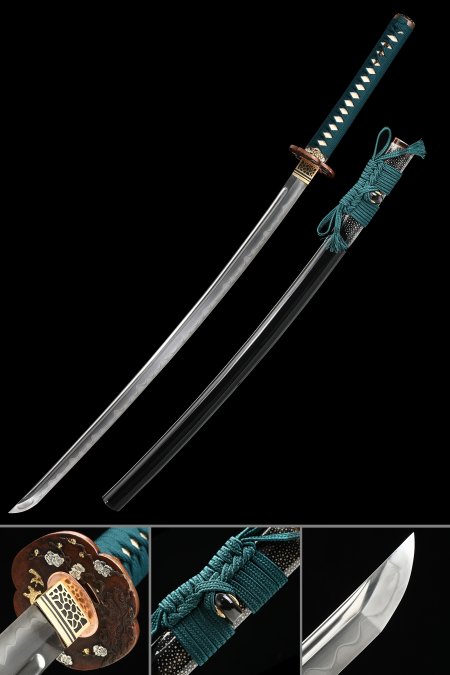
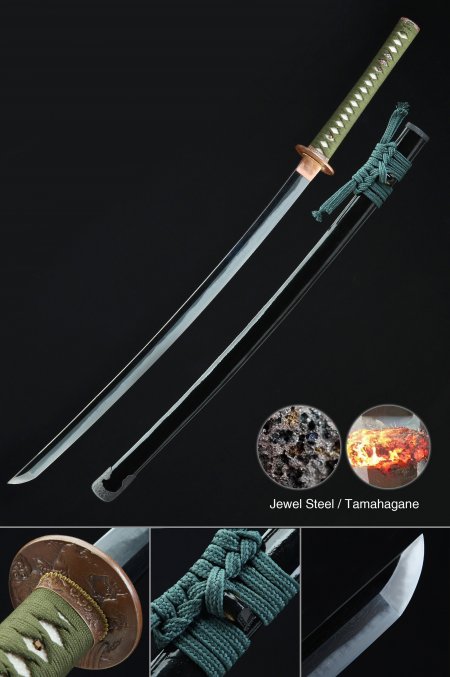
Manganese Steel Katana with Hamon in Teal Ito, Chrysanthemum Tsuba & Black Lacquer Saya |
Thia katana might be expensive, however the steel and the design is top notch! After i have held the blade and practice with it, I have to say that this blade will protect and serve me well.r
r
Thank you to true katana for the blade. Well made and well done!
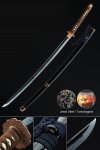 |
Tamahagane Steel Katana with Dragon Tsuba, Brown Cord Handle in Black Lacquer Saya |
Very satisfied, this Katana was nicely done , much better than I expected . Will be doing more business with True Katana.
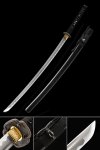 |
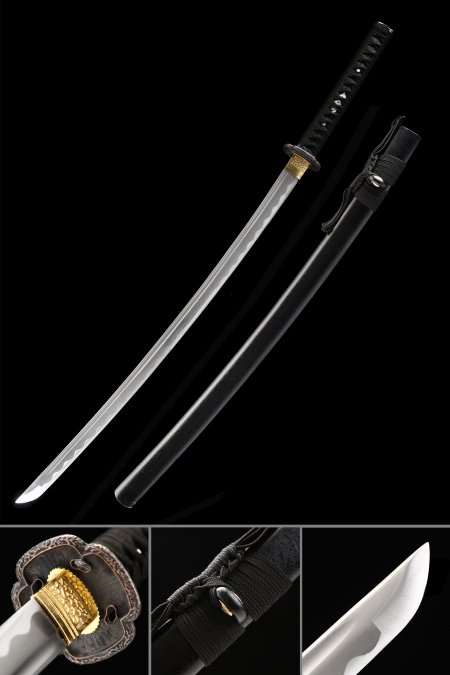
1045 Carbon Steel Katana Sword With Black Saya |
Impressive quality!
I realize this is not a $10,000–$20,000 sword from from the exclusive Japanese masters with long wait lists, but I have to say this is quite well crafted. I talked to a buddy about it who knows a bit about blacksmithing, and he says this is legit.
It also has a beautiful aesthetic pleasing to the eye.
Im very happy with my purchase.
(4 stars for not being a Masamune haha)
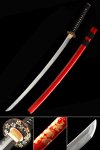 |
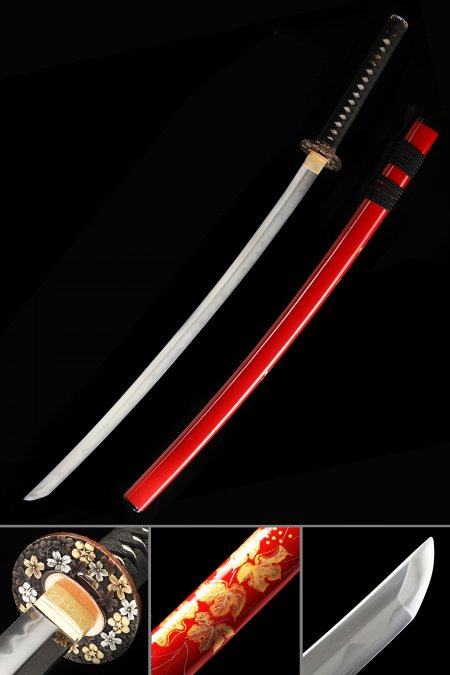
Sanmai Steel Katana with Red Lacquer Saya - Cherry Blossom Tsuba, Black Cord Handle |
Beautifully made, I fell in love the moment I opened the package!
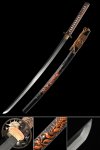 |
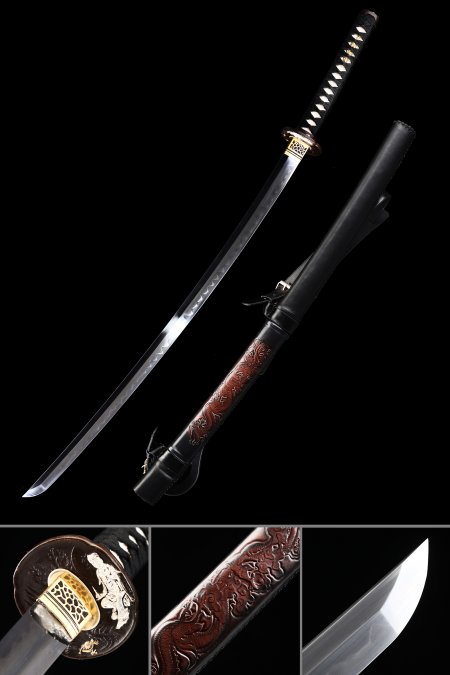
T10 Carbon Steel Katana with Dragon-Carved Black Saya - Full Tang Sanmai Blade, Real Hamon |
What a fantastic sword. I could wait to test it and out of the box it sliced 10 water bottles perfectly. Even better looking than the pictures.
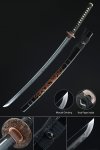 |
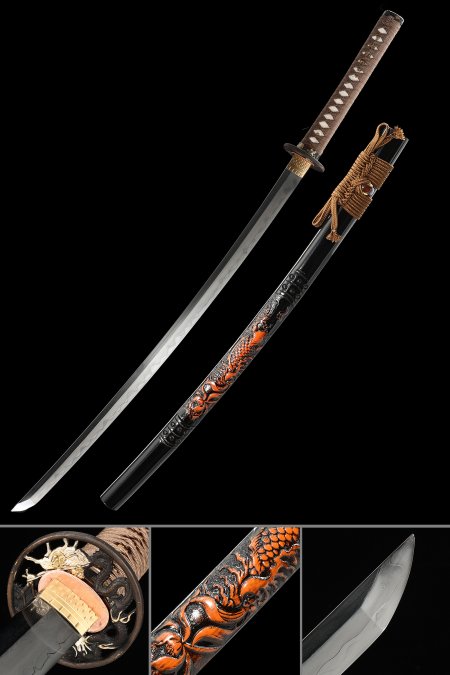
Damascus Steel Hamon Katana with Dragon Engraved Black-Orange Saya, Brown Dragon Tsuba, Full Tang |