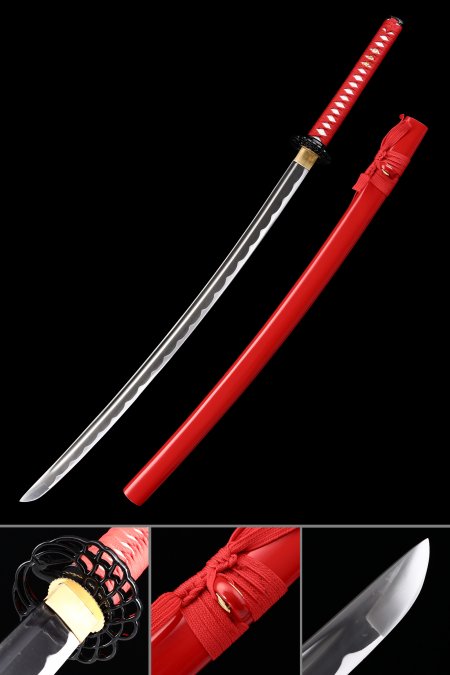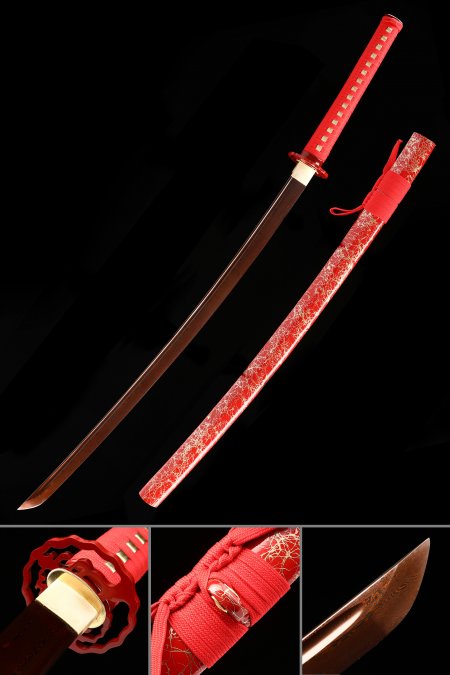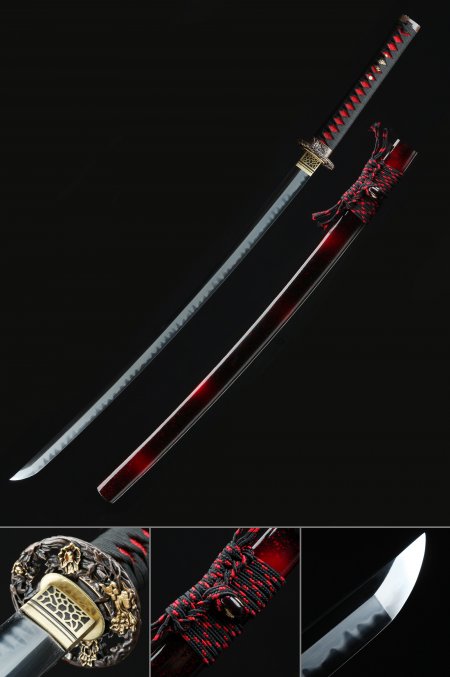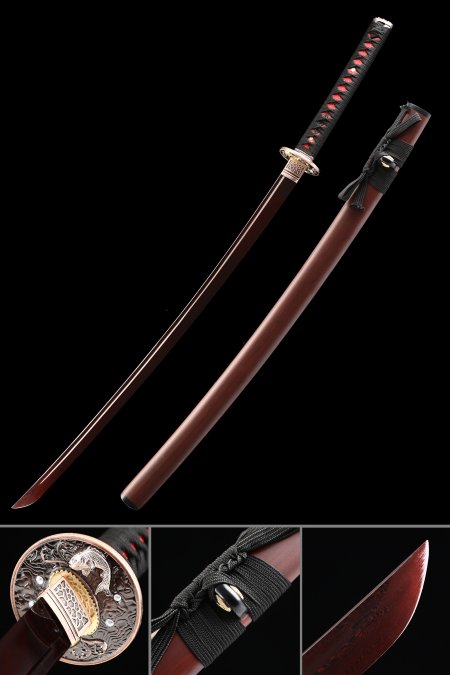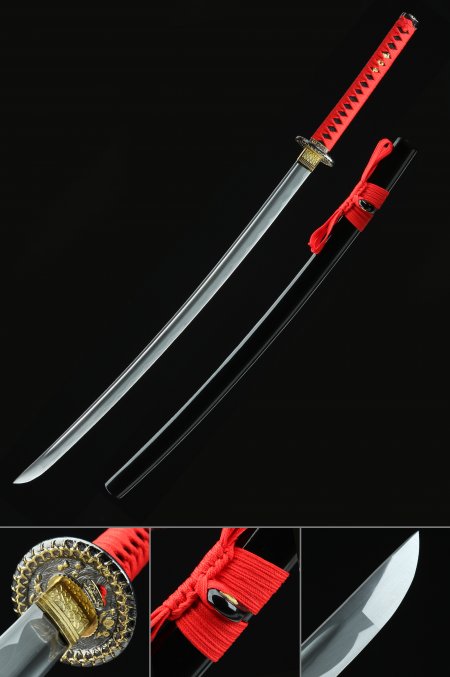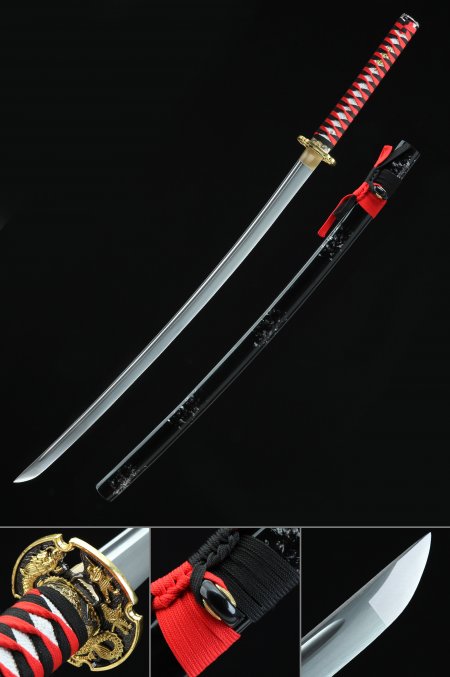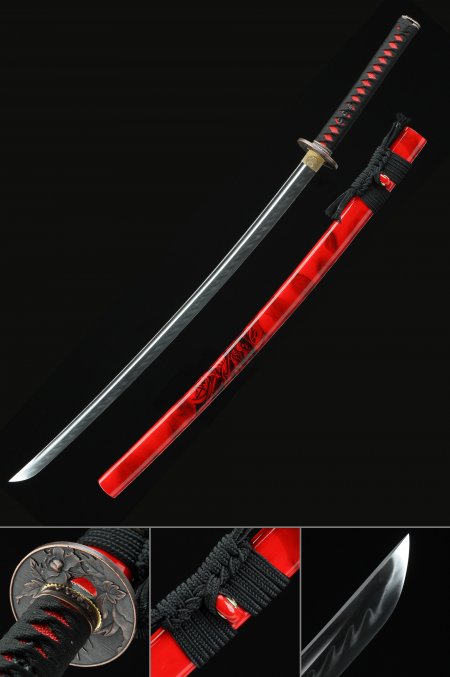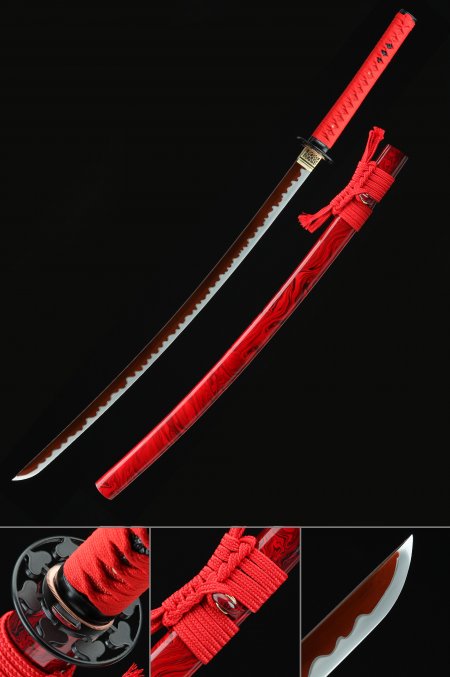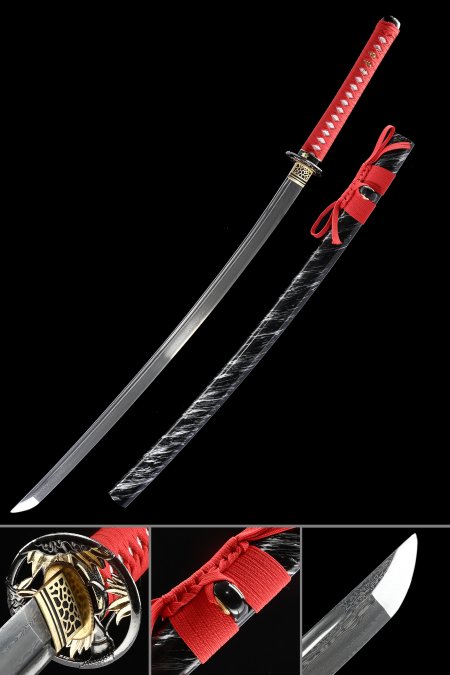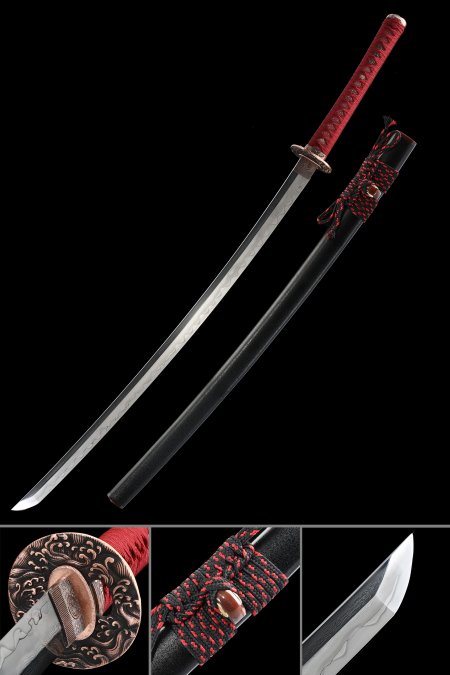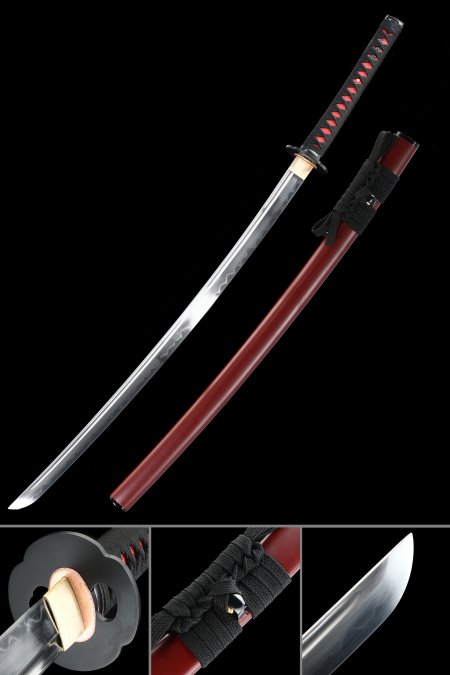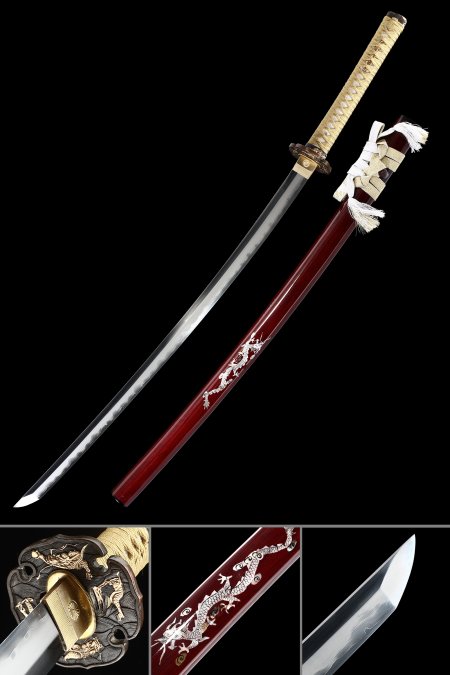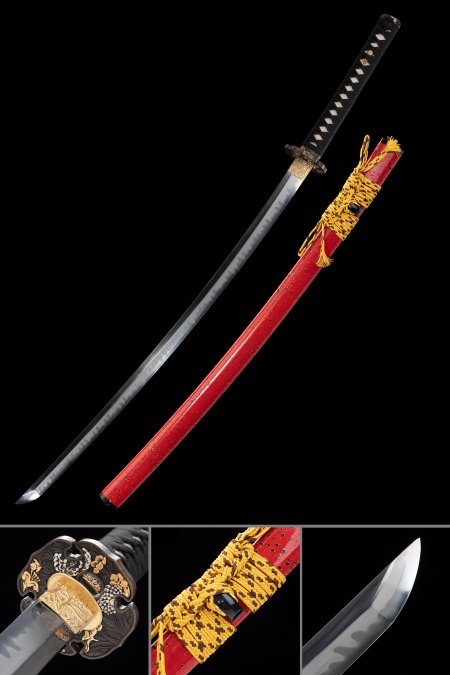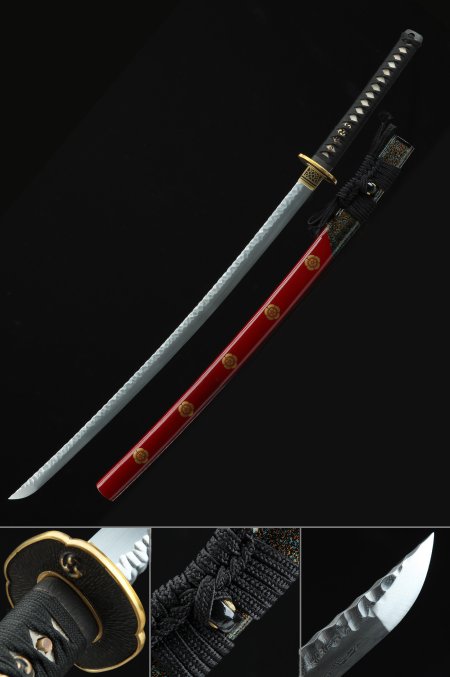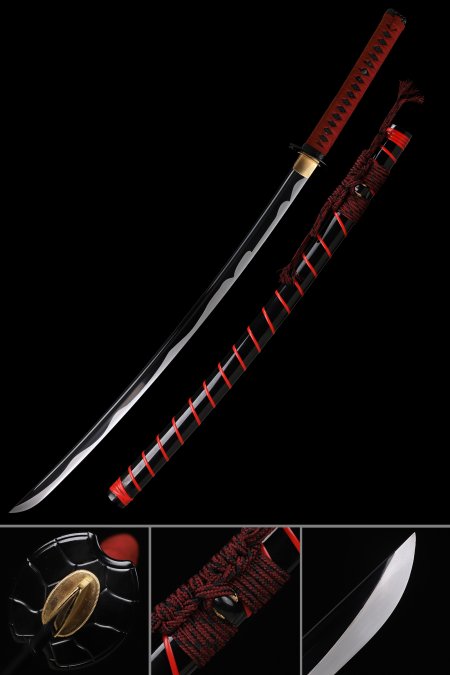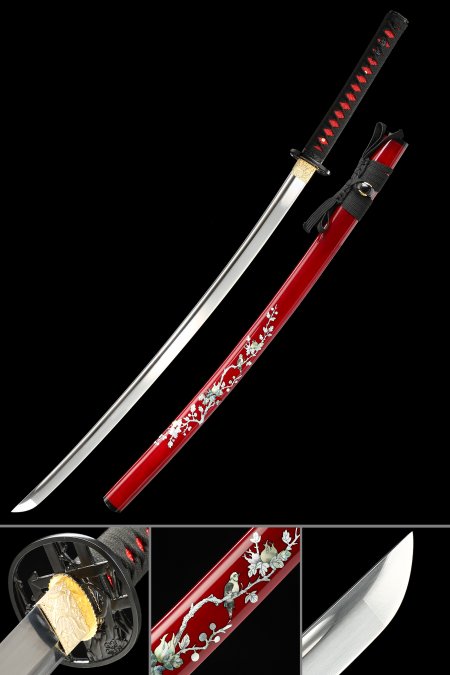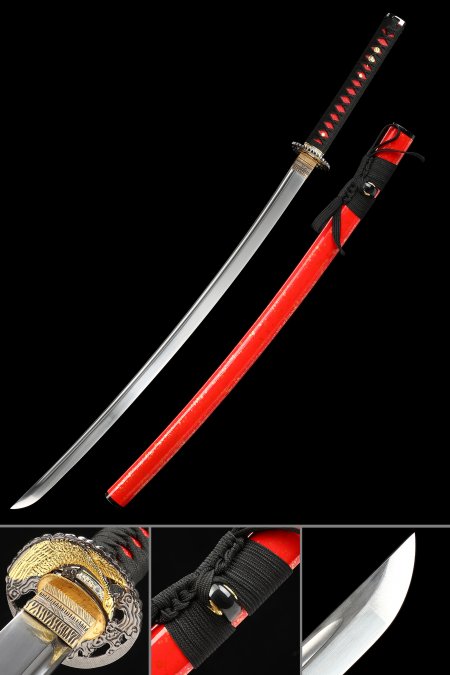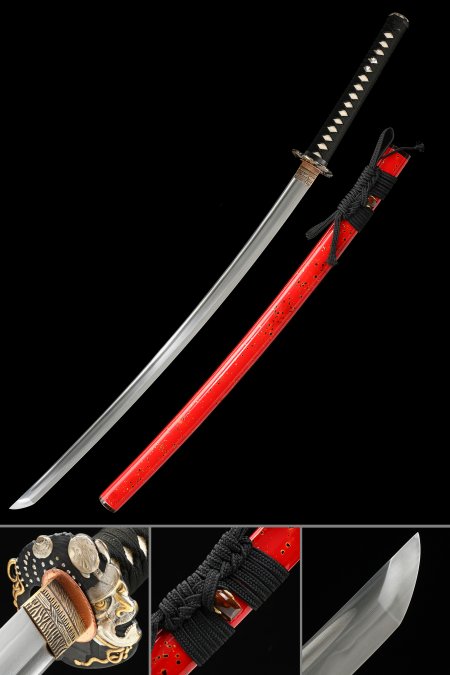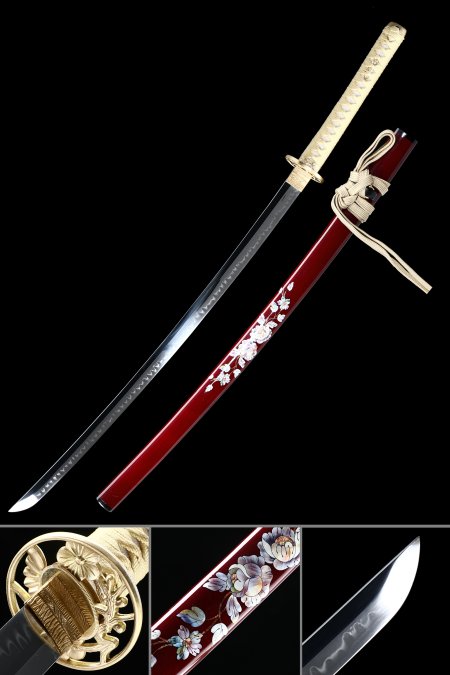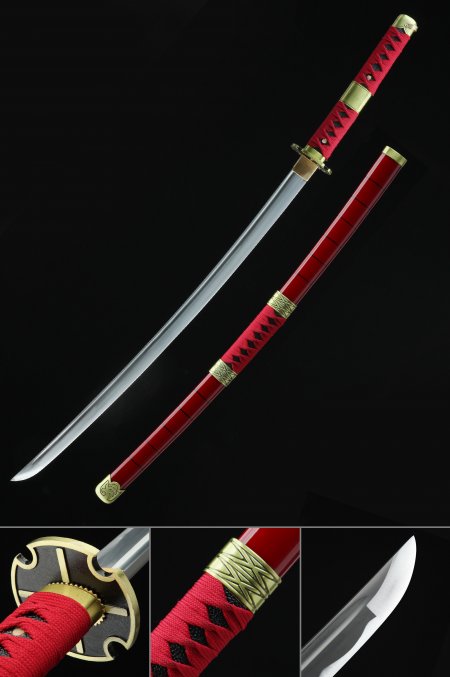
Dark Red Katana Sword

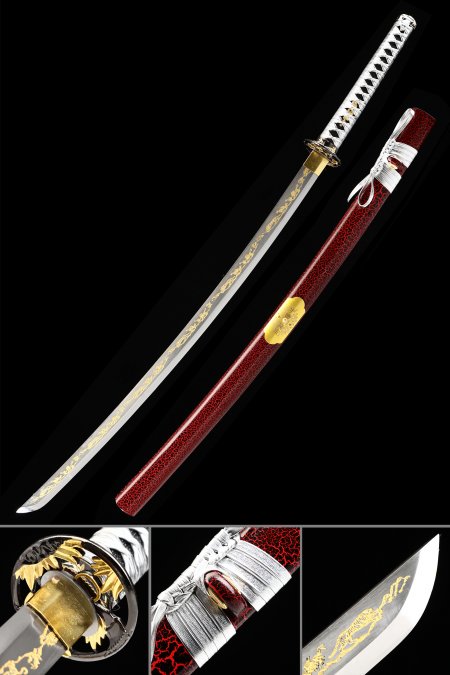
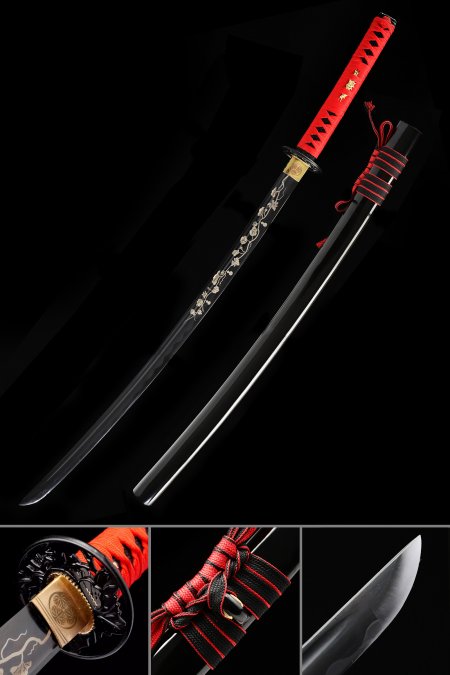
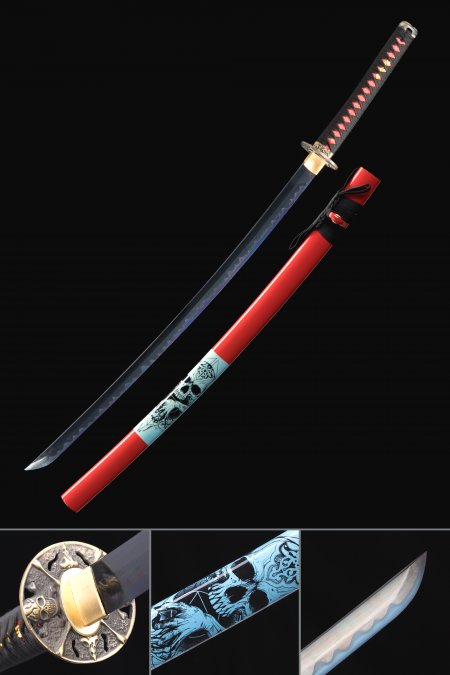
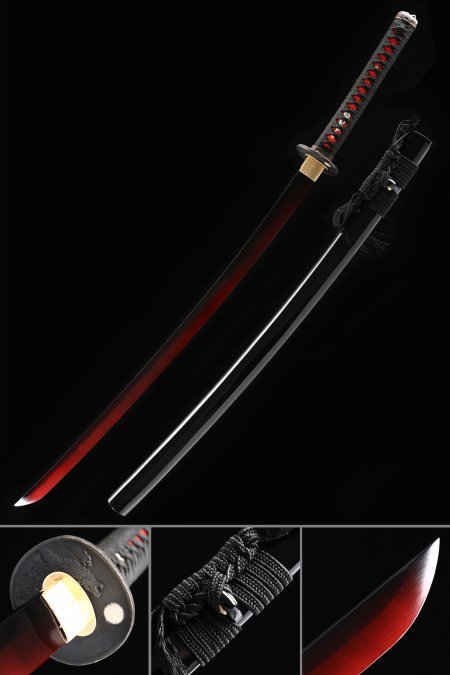
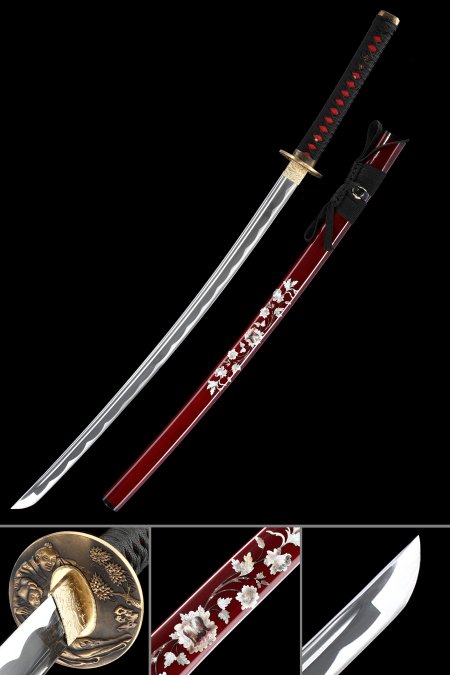
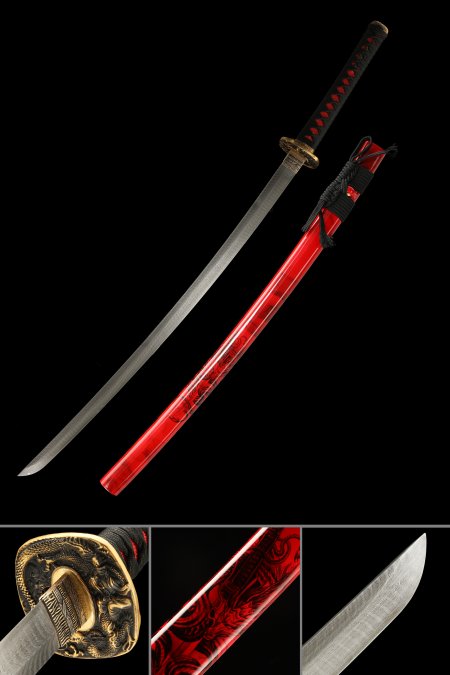
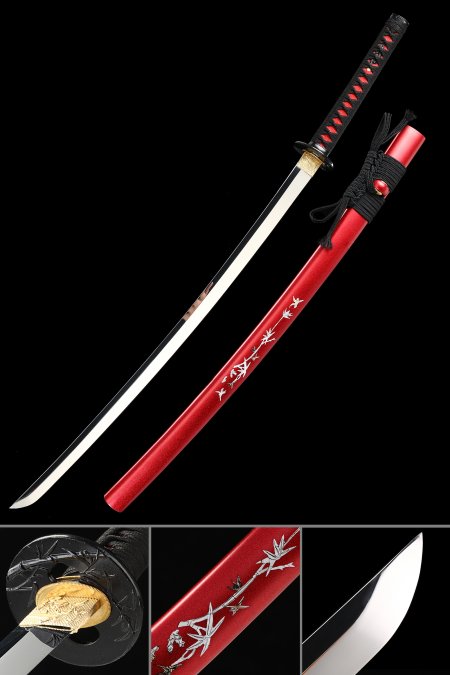
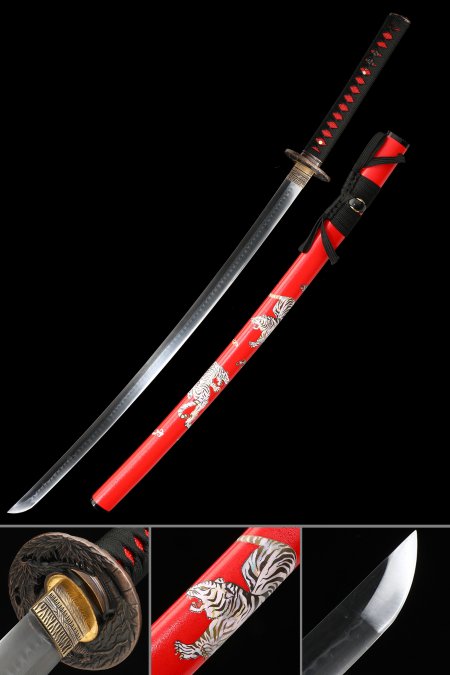
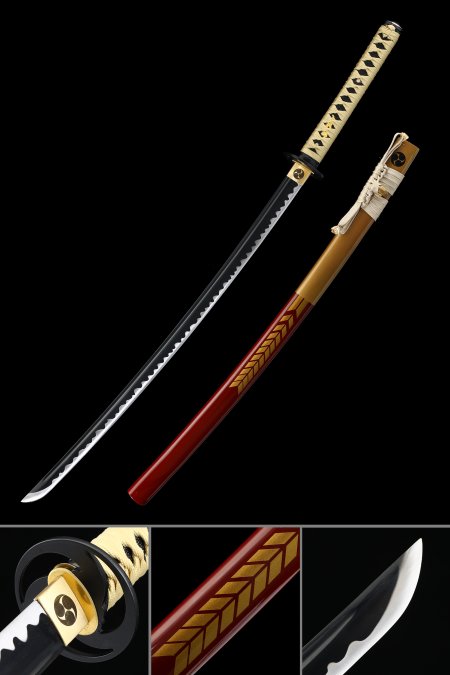
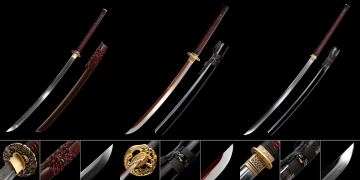
A dark red katana carries an unmistakable presence - deep lacquered sayas, crimson ito wraps, and hand-forged blades in 1045, T10, or Damascus steel that serious collectors immediately recognize. Every piece in this collection is full-tang, individually crafted, and finished with ornamental tsuba ranging from gold-alloy dragon motifs to copper floral engravings. Enjoy free standard shipping on your order, plus a straightforward return policy so you can collect with complete confidence.
Showing 124 Products

Related Collections

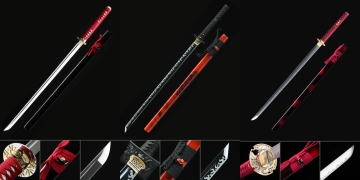
Red Ninjato7 items


29 Reviews

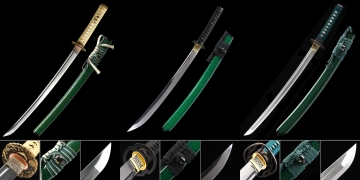
Green Wakizashi5 items


17 Reviews

Red Naginata1 items


Reviews

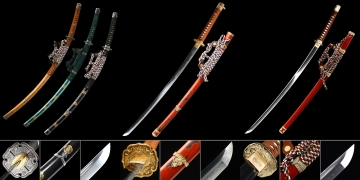
Red Odachi4 items


9 Reviews

Frequently Asked Questions

What steel types are used in dark red katana swords?
This collection spans four distinct steel grades. 1045 high-carbon steel is the most accessible - differentially hardened, stable, and easy to maintain for long-term display. 1060 manganese steel adds refined grain structure and slightly increased flexibility, making it a preferred choice among collectors who want a step up in material quality. T10 tool steel, often clay-tempered, produces a real hamon along the blade's edge - the organic temper line created during differential quenching that authenticates the forging method. Damascus folded steel constructions layer multiple alloys to create the distinctive banded surface pattern prized for its visual complexity. Each steel grade interacts differently with polishing and patina development over time, which is a meaningful consideration when selecting a piece intended for permanent display.
How is piano lacquer different from standard saya finishes?
Piano lacquer sayas are built on a hardwood core and finished through a multi-stage process: each lacquer coat is applied, allowed to cure, and then hand-sanded before the next coat is added. The result is a surface depth that standard spray finishes cannot replicate - light does not simply reflect off the surface but appears to travel into it before bouncing back, creating the signature glossy depth the name references. Crackle lacquer, another finish in this collection, deliberately interrupts that process to produce controlled surface fractures that reference traditional Japanese urushi texturing. For collectors, the finish type affects both visual presentation and long-term care requirements, as piano lacquer sayas should be kept away from direct sunlight and extreme humidity to prevent checking or clouding.
How should I store a dark red lacquer saya long-term?
Lacquered sayas are sensitive to two primary environmental stressors: ultraviolet light and humidity fluctuation. Prolonged UV exposure causes the pigment layer beneath the lacquer to fade and can cause the topcoat to yellow or cloud. Significant humidity swings - common in unconditioned storage spaces - cause the hardwood core to expand and contract, which eventually leads to hairline checking in the lacquer surface. Ideal storage keeps relative humidity between 45% and 55% and avoids direct sunlight or incandescent spotlighting aimed directly at the saya. For display, UV-filtering acrylic cases are widely available and significantly extend the finish life. The blade itself should be lightly coated with a neutral mineral oil before extended storage to prevent oxidation, and should rest horizontally or on a tilted stand rather than vertically to avoid putting stress on the habaki-koiguchi fit.
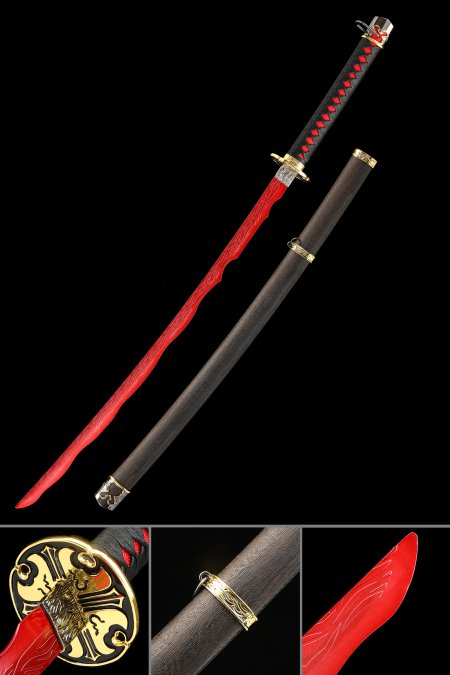
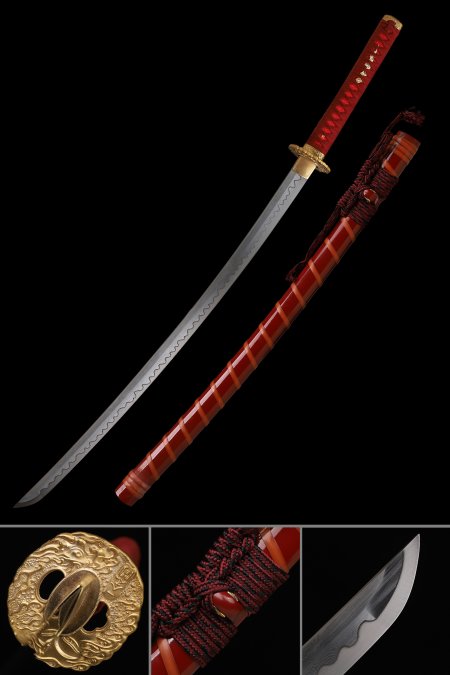
What tsuba styles are featured in this collection?
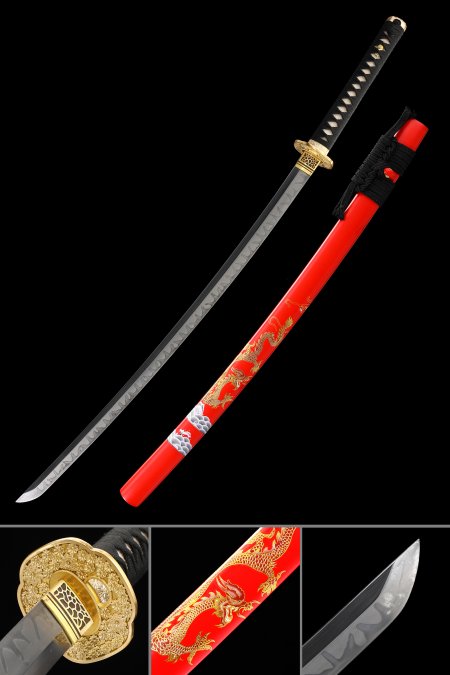
The ornamental tsuba across this collection represent four distinct casting traditions. Gold-alloy dragon tsuba use raised relief casting to depict scaled bodies in motion - the gold tone creates a strong visual contrast against dark red lacquer. Koi fish alloy tsuba reference an iconographic theme associated with perseverance in Japanese artistic tradition, cast with fin and scale detail that rewards close examination. Lotus motifs in gilt brass draw from Buddhist decorative vocabulary and pair particularly well with crackle-finish sayas. Floral copper tsuba offer a warmer, more subdued tone that allows the saya color to lead the composition. Each tsuba is fitted to the blade's habaki and secured to the handle assembly - they are functional components of the sword's construction, not surface-applied ornaments, which is why their material quality matters as much as their aesthetic design.
Can a dark red katana be gifted as a display piece?
Dark red katana swords are a well-regarded choice for display gifting precisely because the colorway reads immediately as intentional and visually distinctive - it does not require the recipient to be a technical expert to appreciate what they are holding. For gift presentation, full-tang construction and real hamon blades tend to carry the strongest impression because these features are visually and tactilely apparent even to non-collectors. Pairing a katana with a matching red wakizashi from the Red Wakizashi Sword collection creates a daisho set that makes a particularly strong display statement. Collectors who already own Japanese sword pieces often prefer receiving something thematically unified with existing display arrangements, so noting the recipient's current color palette or aesthetic theme before selecting is worthwhile.

Customer Reviews

Richard Maverick Robinson Georgia, United States

The blade looks outstanding and it has a really good practical edge. I am a combat haso no kamae fencing instructor with kenjutsu/kendo roots. I used it for test cutting 1 1/2 inch bamboo and tameshigiri with no issues. The katana is mounted solidly and is a good buy for the price point and practicality. It arrived in a timely manner and was well packaged. Is recommend orchard from true katana if you're in the market for a strong, sharp and affordable sword. (Please note that if you want a razor sharp blade then it won't stand up to the stress. The reason is that to get it that sharp the metal has to be thinned.) If you can cut bamboo with it and no damage then it's a good blade. Keep in mind that bamboo is hard and of you damage your T-10 blade or any blade, then it is through no fault of True Katana. Knowing how to cut raises a lot of practice. Grandmaster Maverick- Grovetown, Ga.
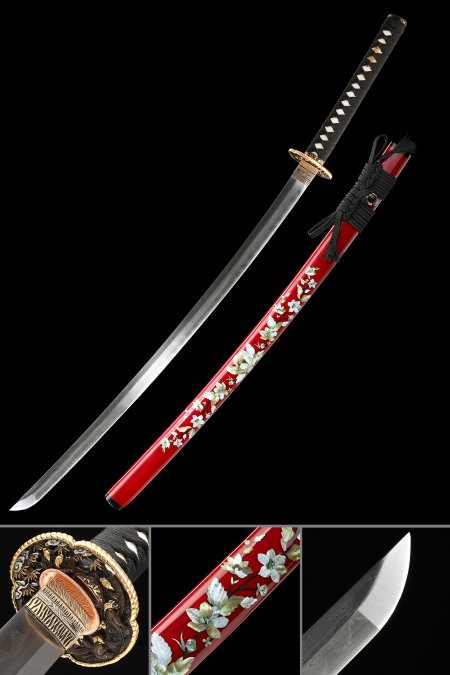
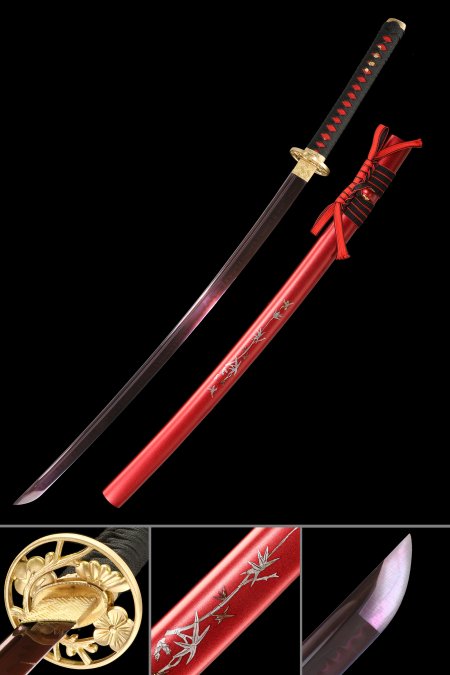
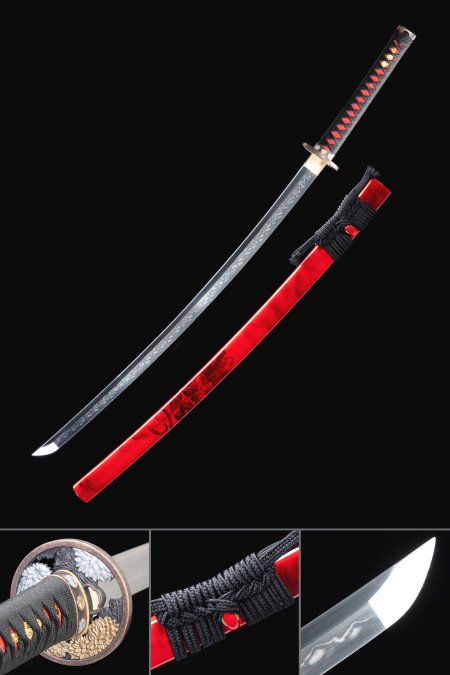
T10 Steel Katana with Purple Blade in Red Lacquered Saya - Gold Chrysanthemum Tsuba T10 Steel Katana with Purple Blade in Red Lacquered Saya - Gold Chrysanthemum Tsuba
Mv Elias Kansas, United States

TrueKatana has adequate blades, primarily T10... best bang for your buck; especially for tameshigiri.r
r
When you order your sword, pray that nothing ever goes wrong because the company has ZERO customer service.r
r
I've ordered 11 swords from this company. Despite that, they NEVER tried to make amends for selling me a shinobi sword once that was fucked up beyond repair. When I lodged my reasonable complaint, they acted like I was full of shit.r
r
Any decent company would spare NO expense in satisfiying a good customer. Not TrueKatana... they know their customer base needs what they have so they punish you for it.

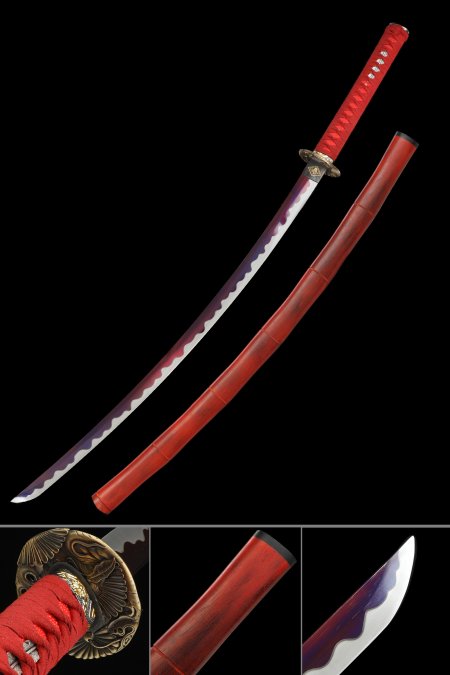
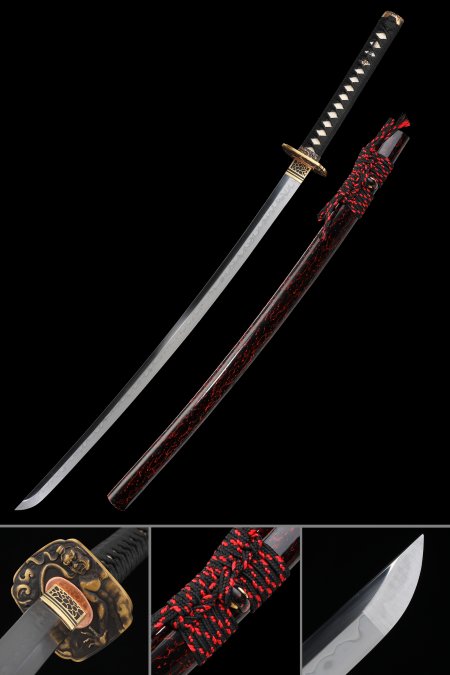
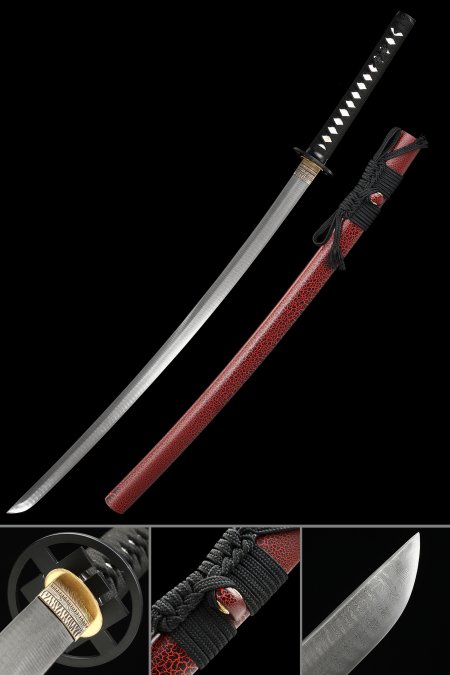
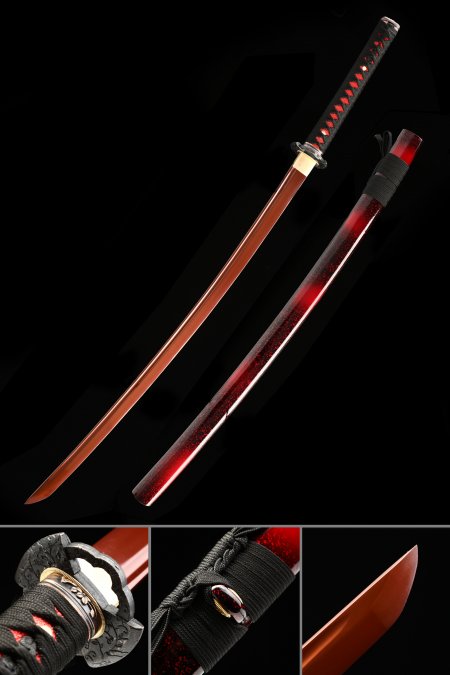
T10 Folded Clay Tempered Katana with Real Hamon in Dark Red Crackle-Finish Saya - Black Ito Full Tang Sword T10 Folded Clay Tempered Katana with Real Hamon in Dark Red Crackle-Finish Saya - Black Ito Full Tang Sword
Július Bakša Zilinsky, Slovakia

Mnou zakúpená katana je spracovaná na veľmi dobrej úrovni. Čepeľ vykazuje malé nedostatky v súmernosti, chrbát čepele nemá obidve polovice rovnako široké po celej dlžke a taktiež plochy medzi rebrami a hranami chrbta na oboch bokoch čepele nie sú rovnako široké po celých dlžkach. Nakoľko saya s habaki sú zlícované dosť na tesno, katana sa vyťahuje zo saye dosť ťažko (ale toto sa dá doladiť, nie je to večší problém. Zakončenie rukoväti (Kashira) nebolo nasadené kolmo na os čepele, čo som musel upraviť. Mekugi neboli namontované do rukoväte (Tsuky) moc esteticky.
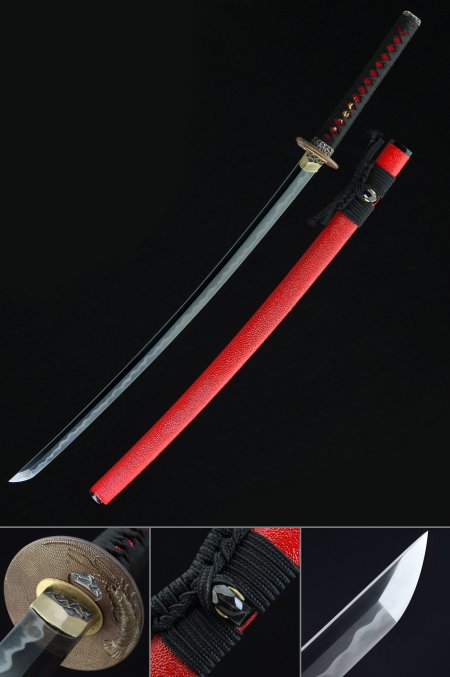
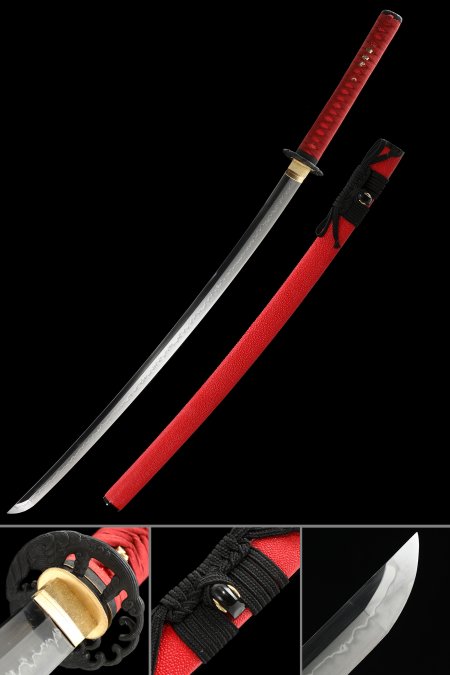
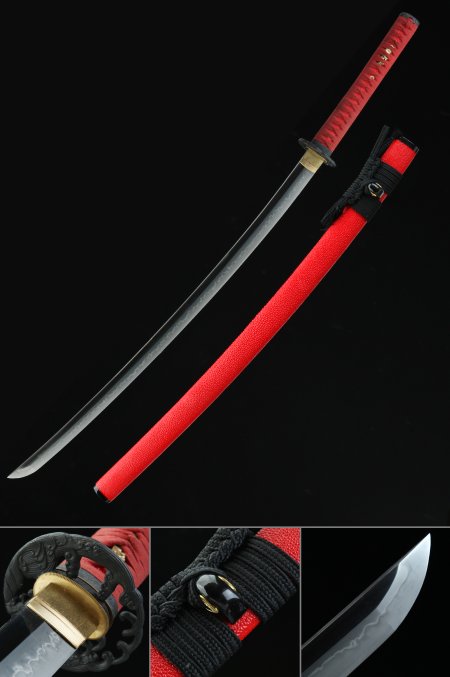
Tamahagane Steel Clay Tempered Katana with Real Hamon in Red Rayskin Saya and Black Cord Tsuka Tamahagane Steel Clay Tempered Katana with Real Hamon in Red Rayskin Saya and Black Cord Tsuka
Cart 0 Items

Your cart is empty