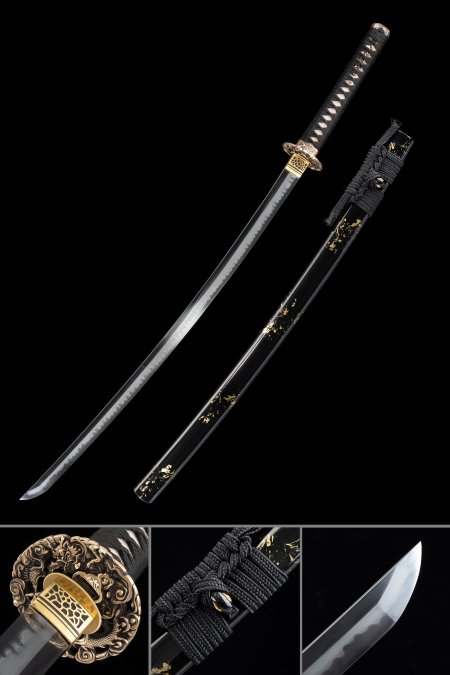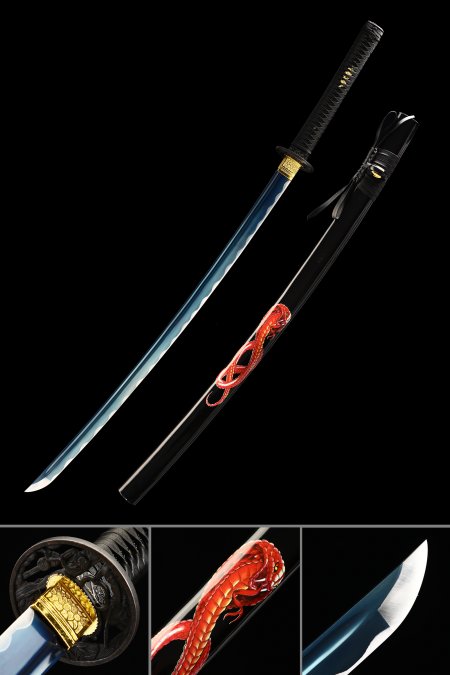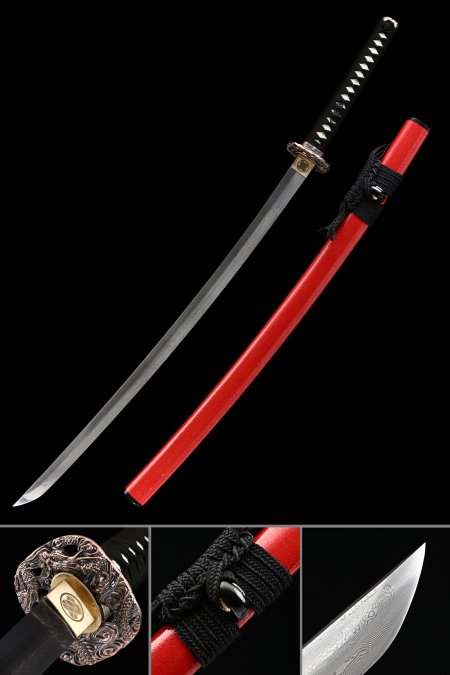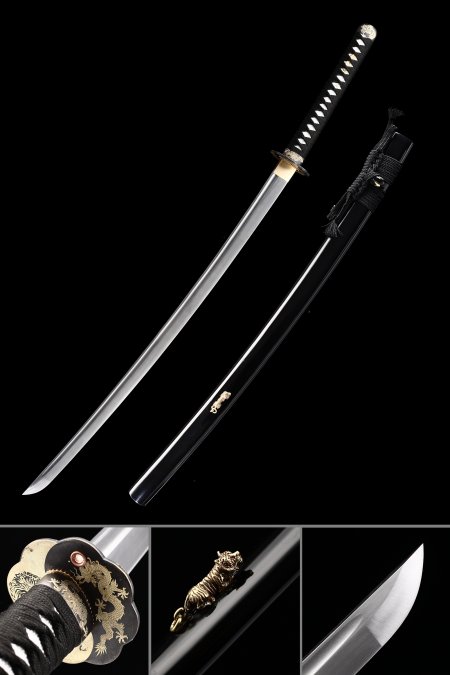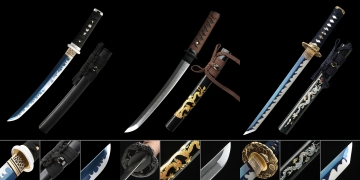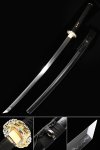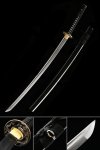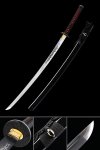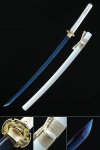
Dragon Katana

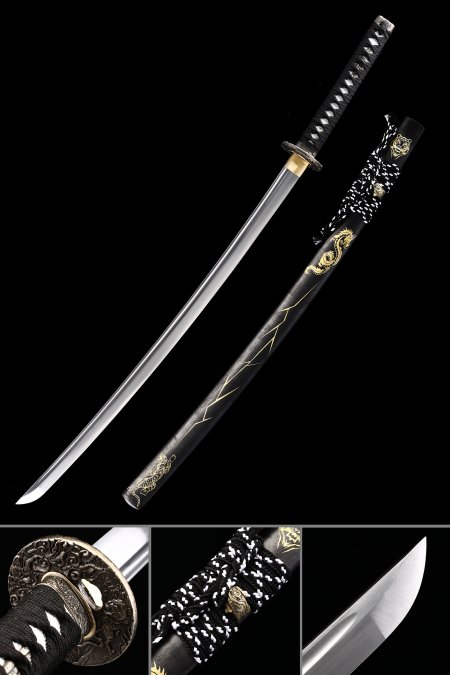
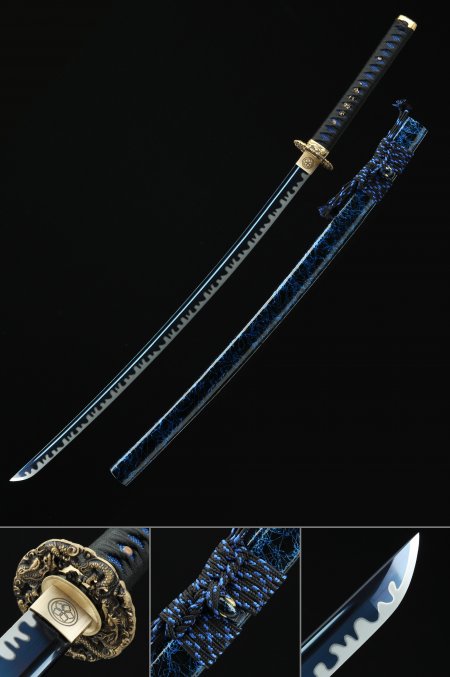
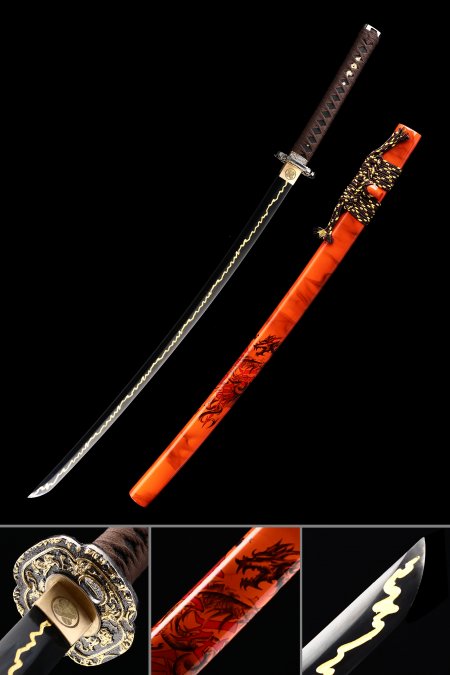
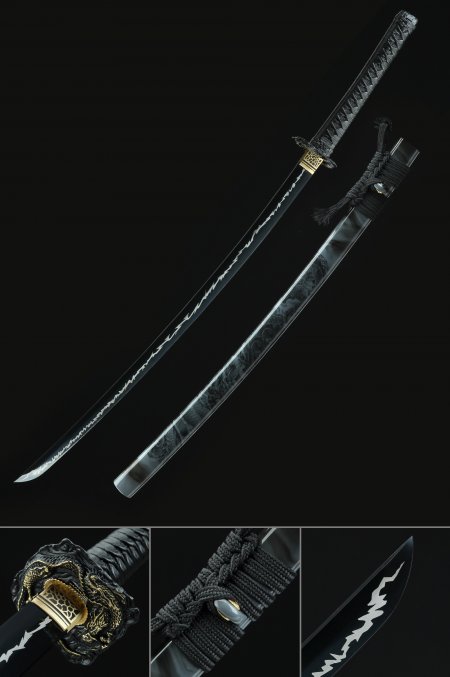
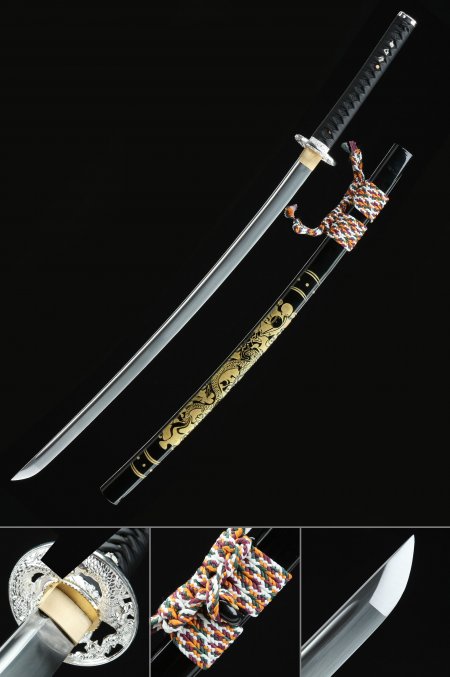
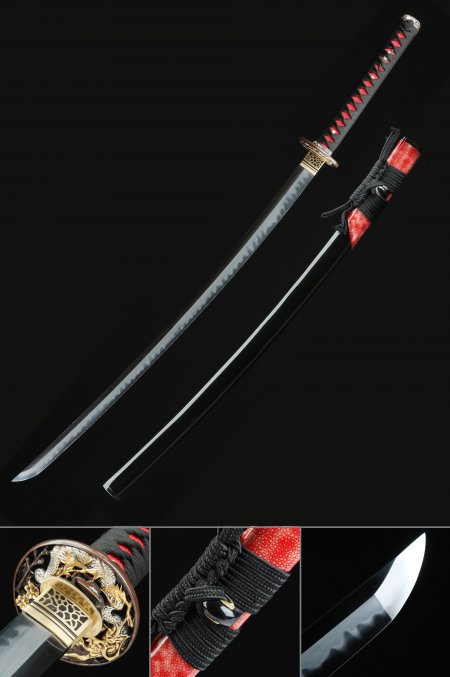
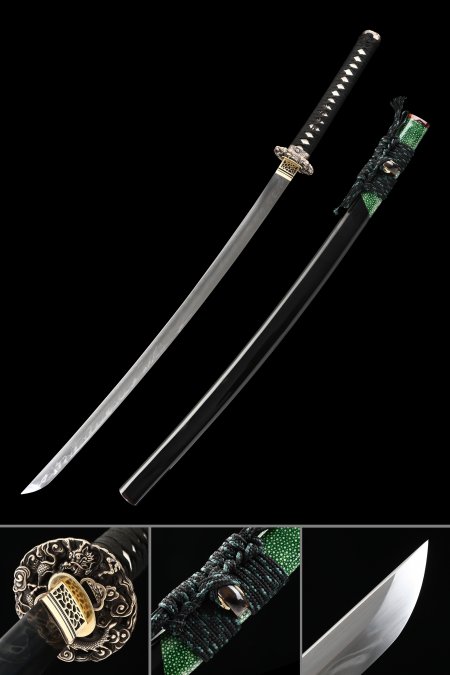
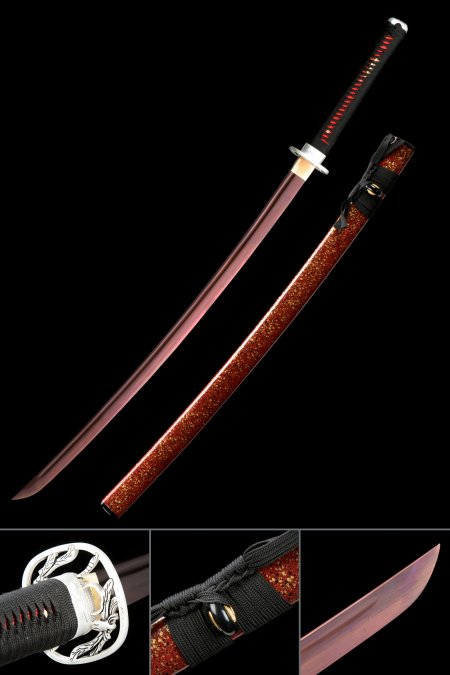
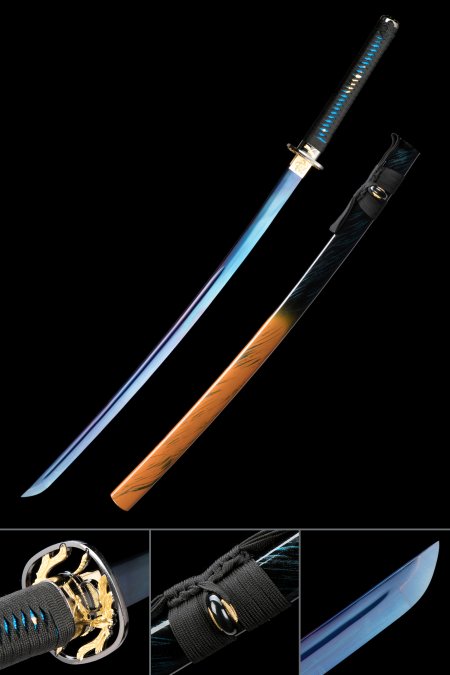
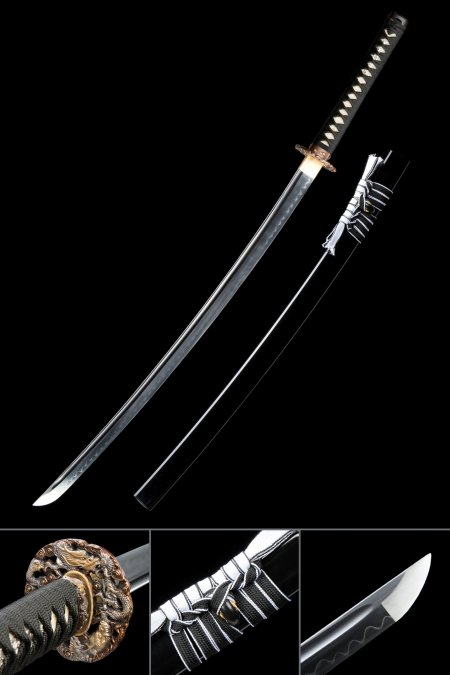
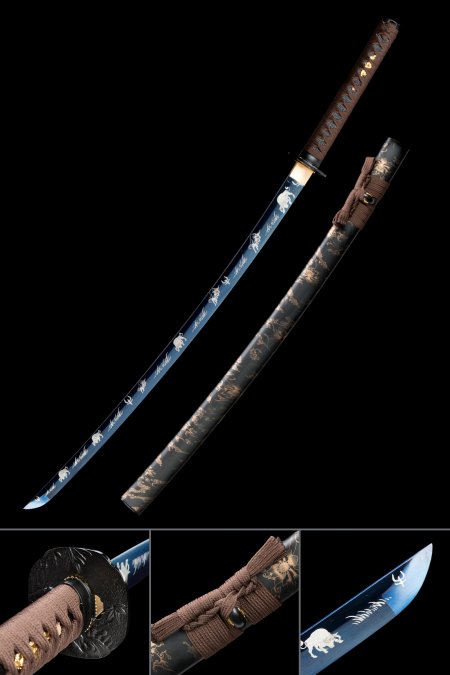
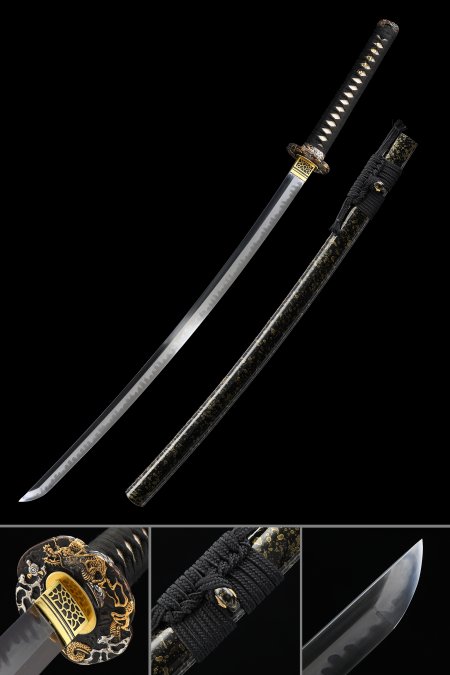
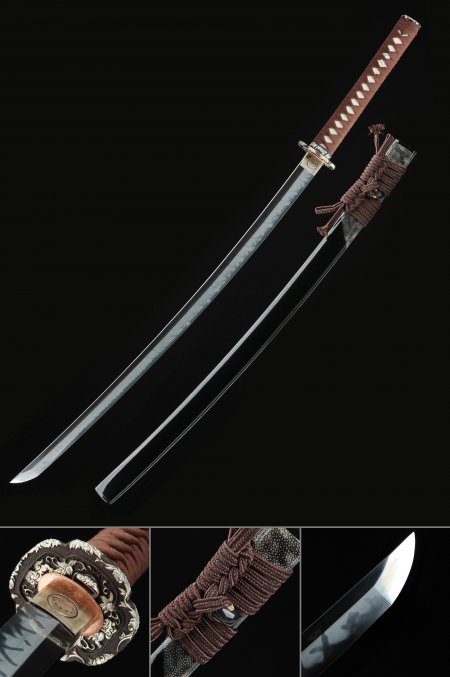
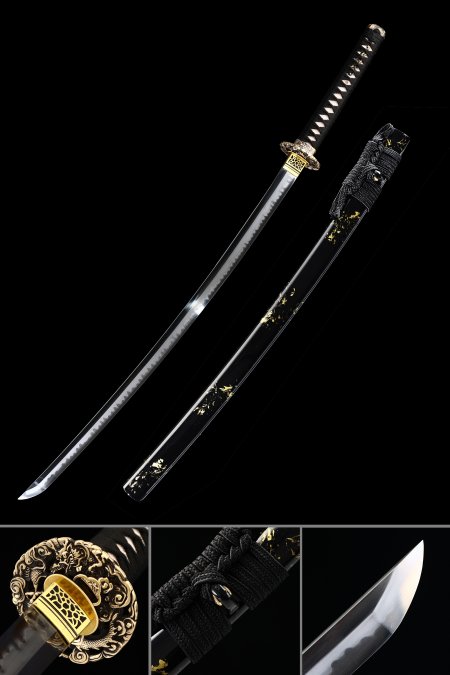
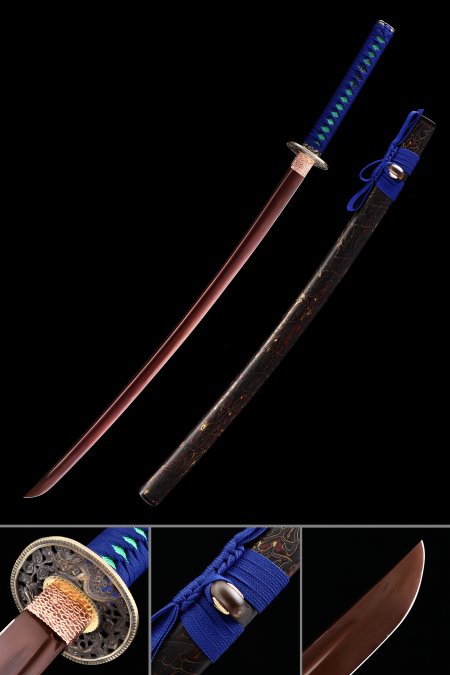
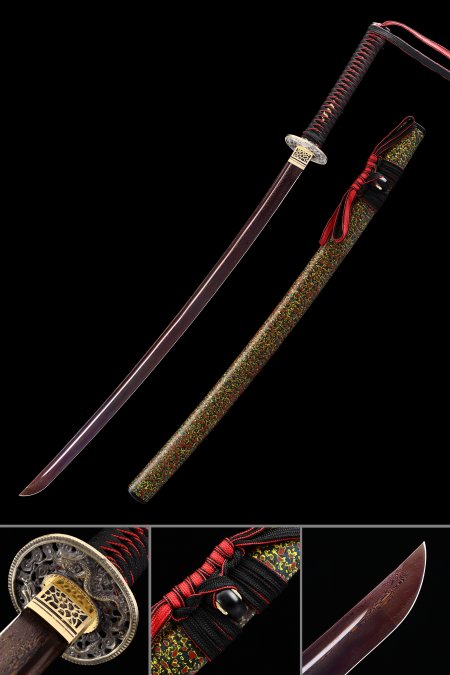
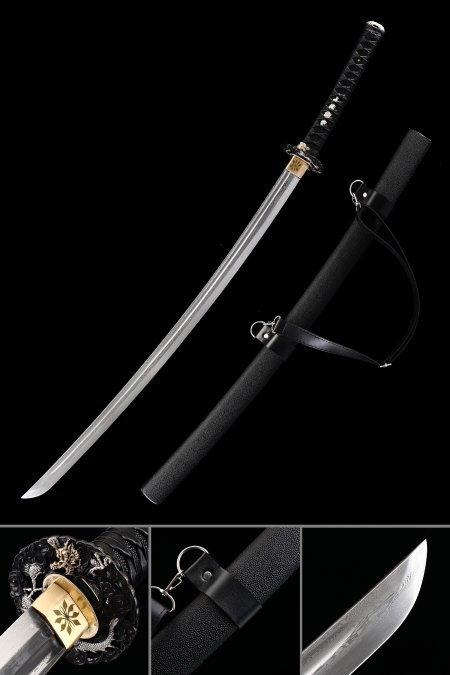
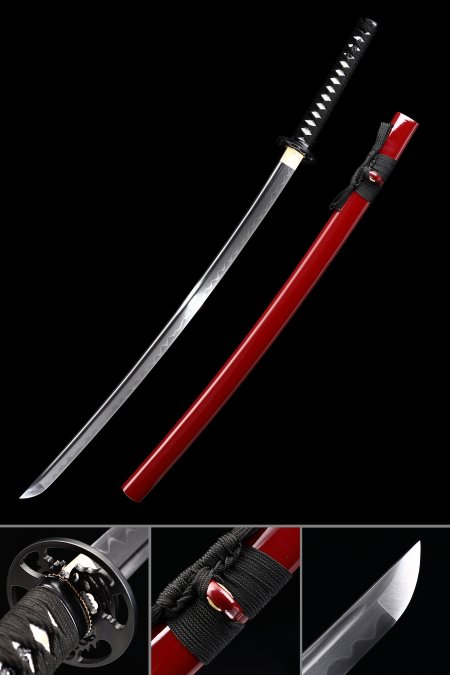
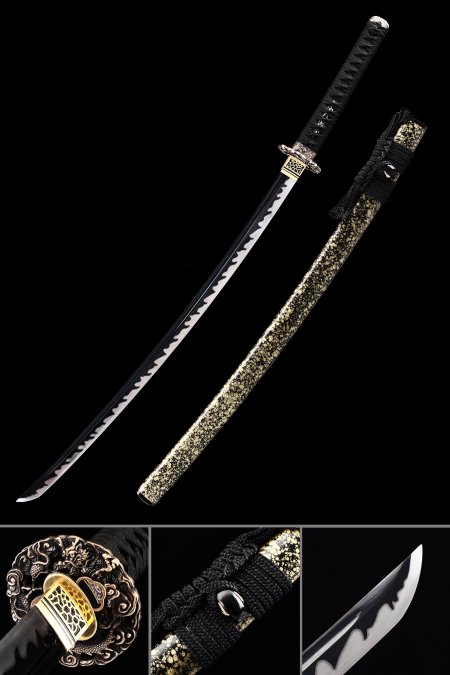
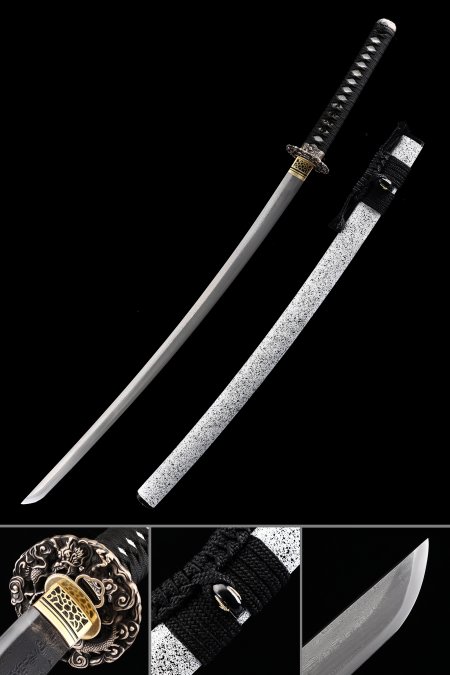
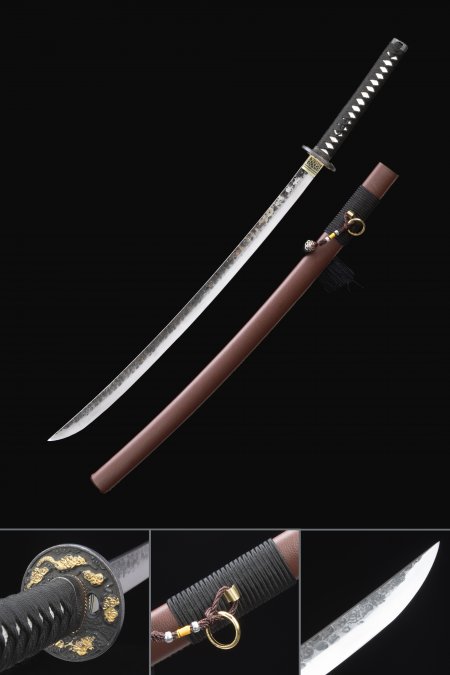
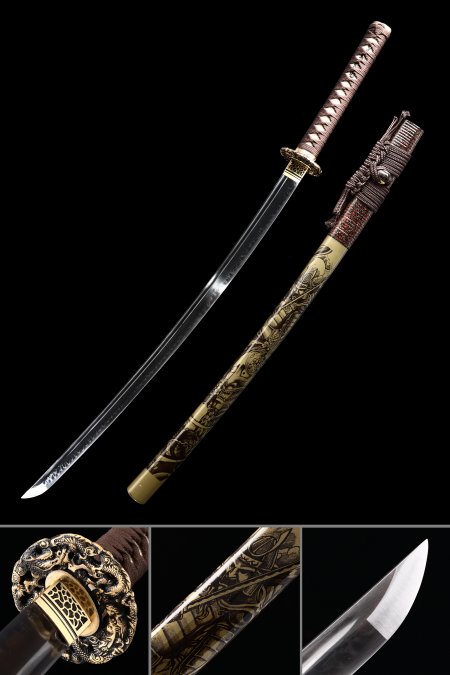
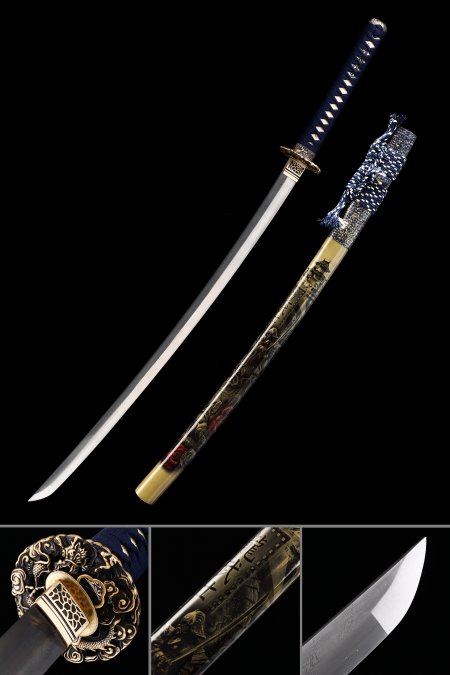
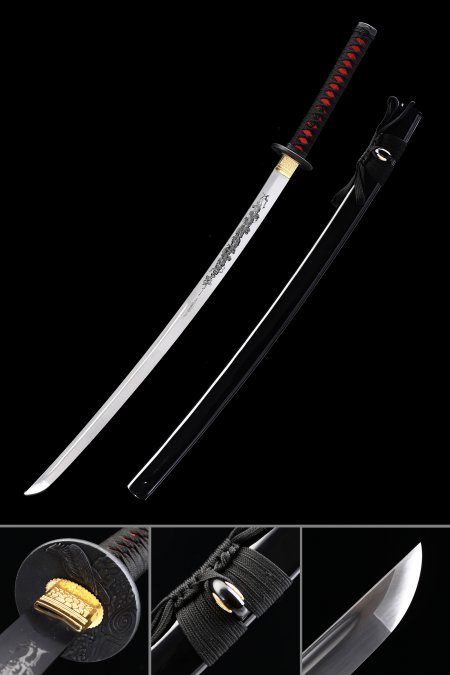
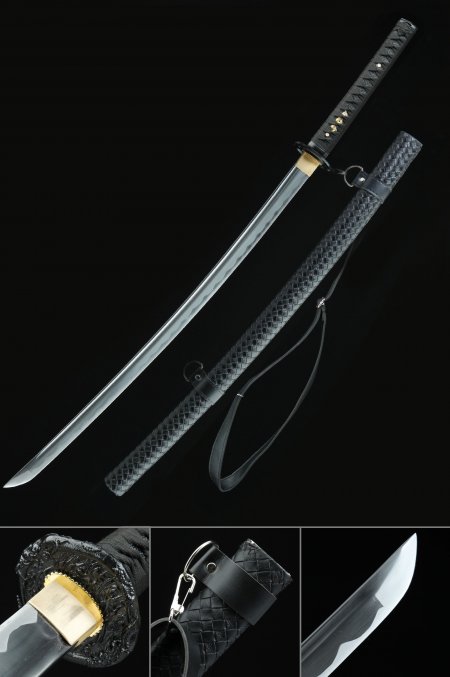
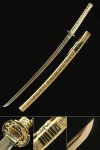
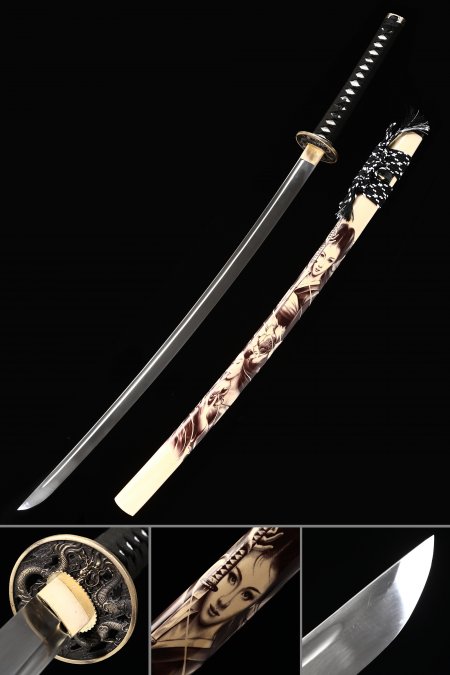
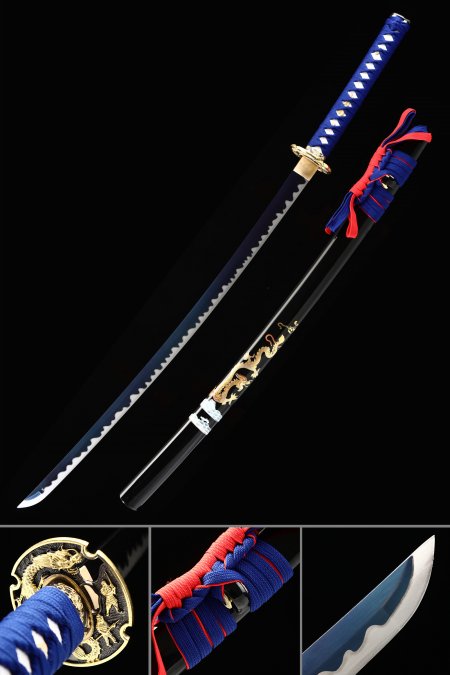
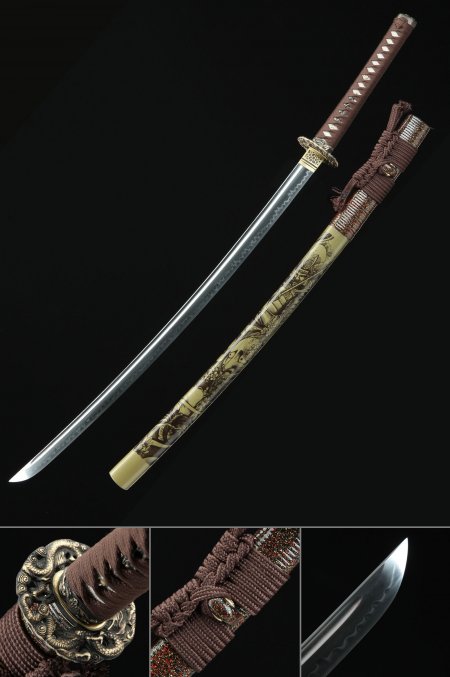
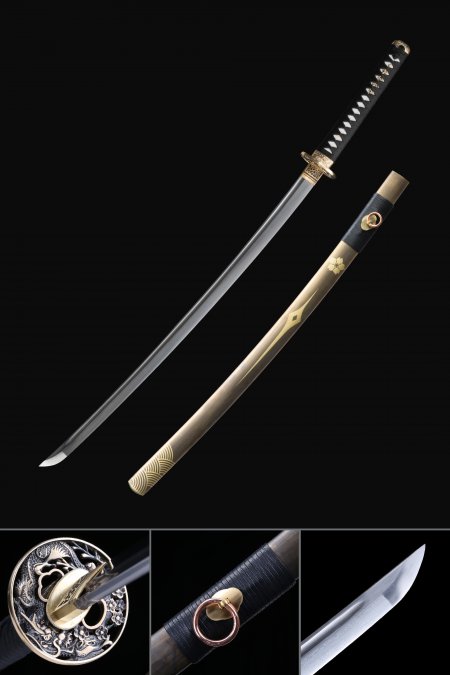
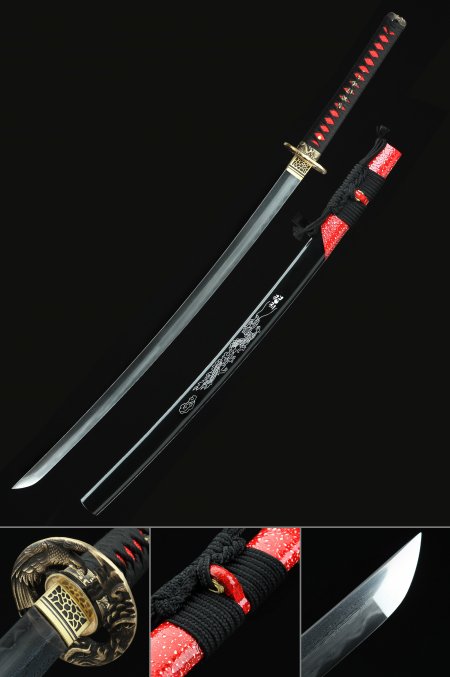
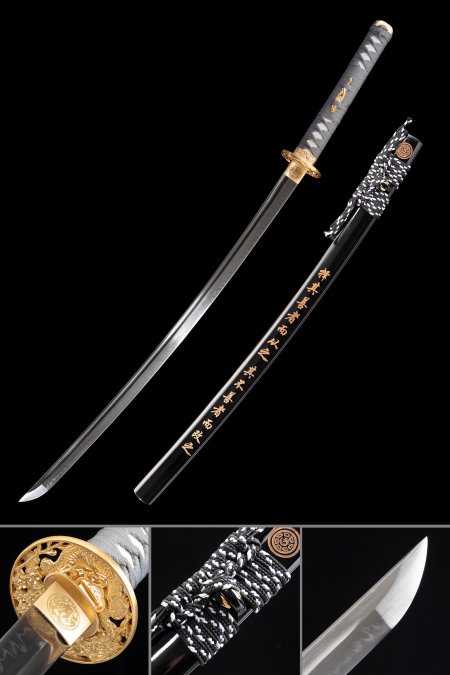
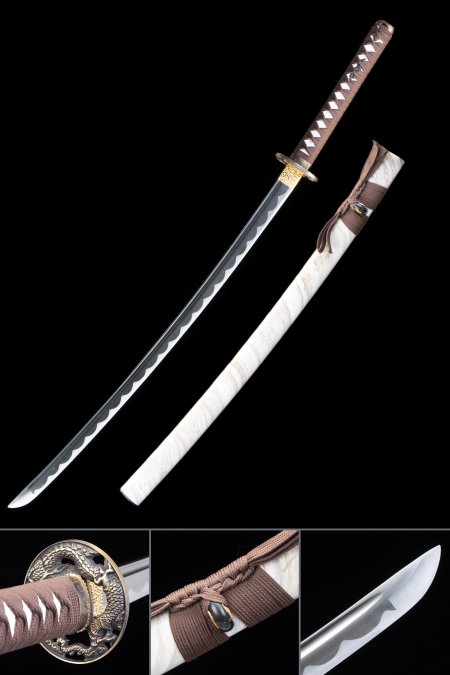
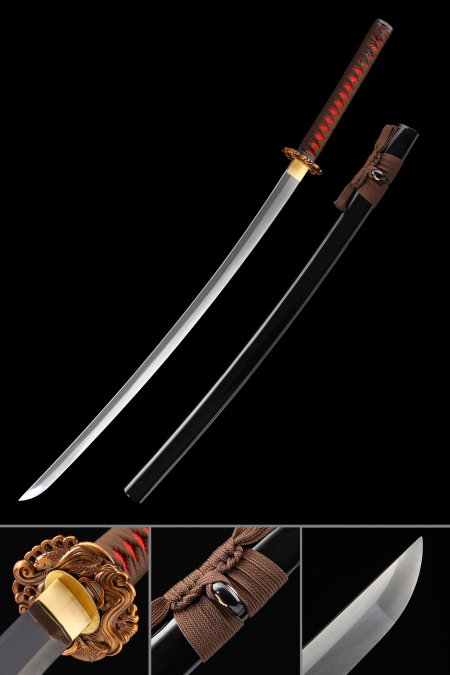
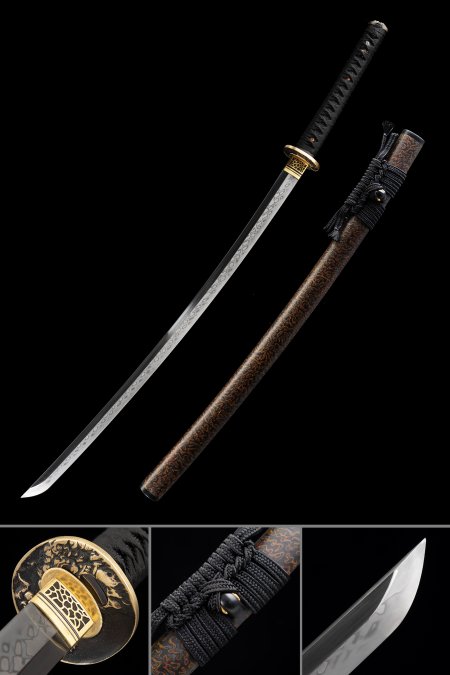
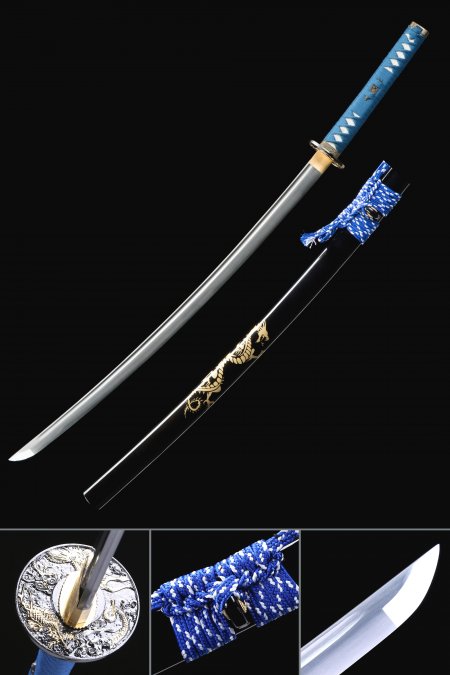
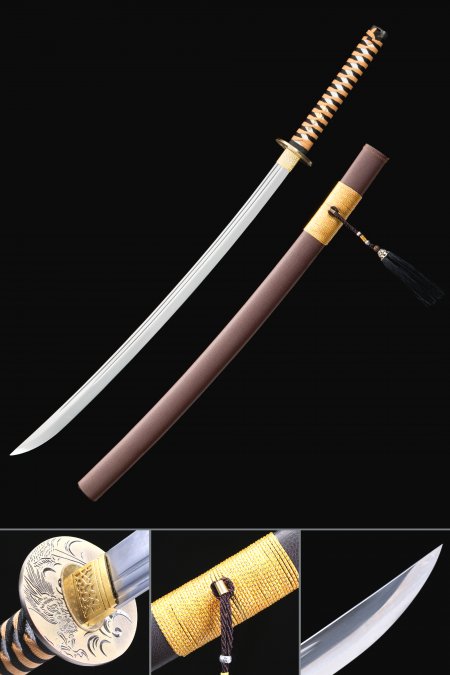
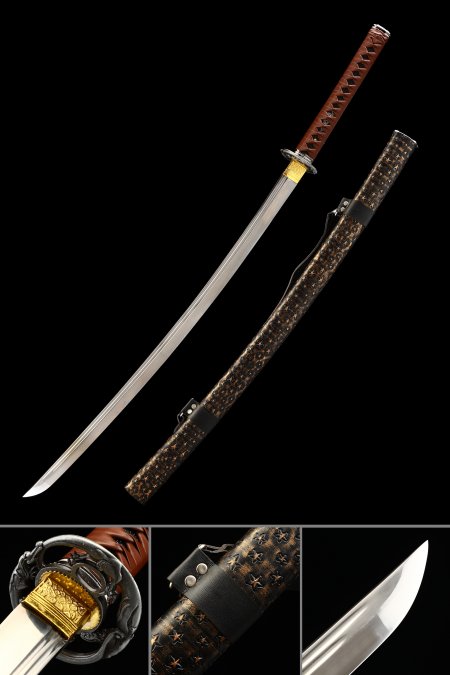
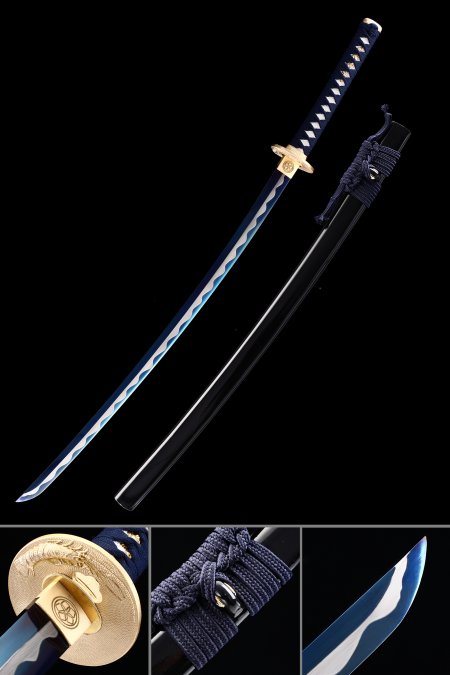
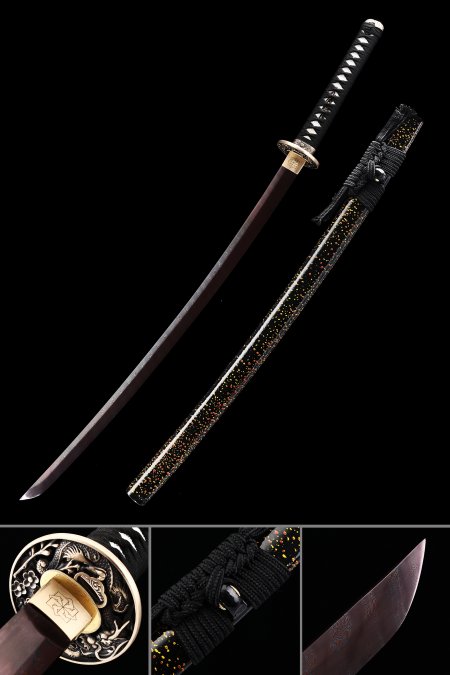
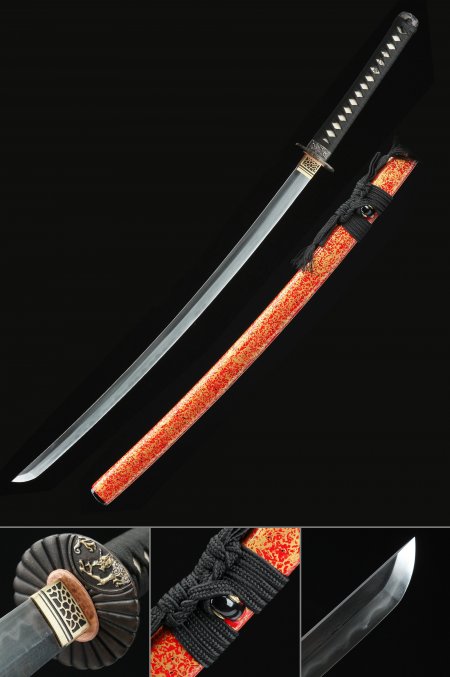
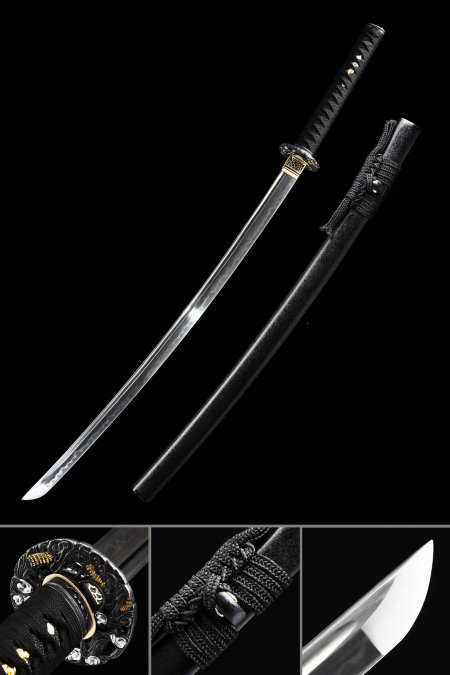
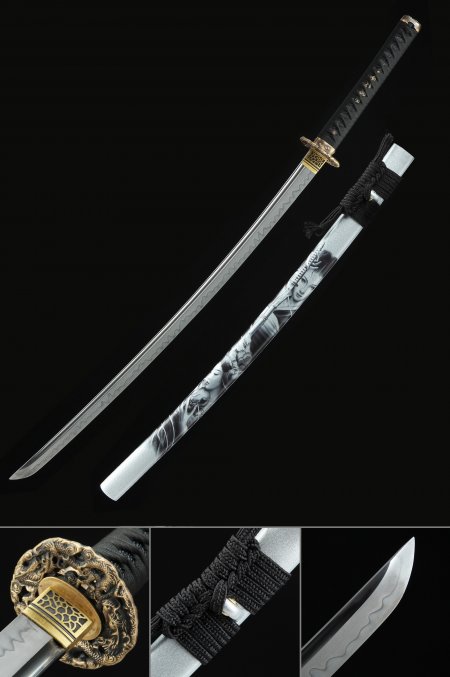
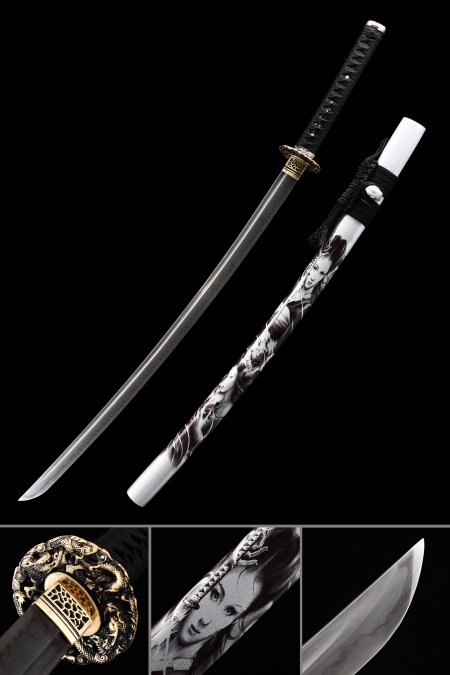
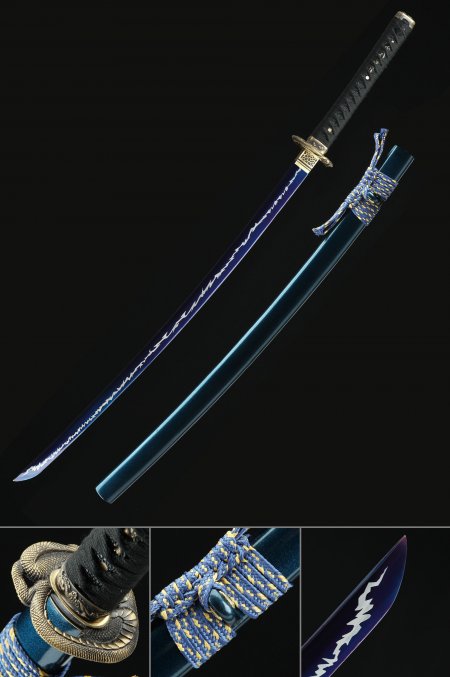
The Dragon Katana collection brings together two enduring traditions — the mythological symbolism of the dragon and the refined artistry of Japanese swordcraft. Each piece features hand-forged blades in Damascus or high-carbon steel, paired with sculpted dragon tsuba, engraved fittings, and coordinated saya that make every katana a statement display piece. A meaningful addition to any serious collection. Free U.S. shipping and 30-day returns on every order.
Showing 123 Products

Related Collections

Red Katana100 items


769 Reviews

Damascus Steel Katana257 items


526 Reviews

Shirasaya Katana19 items


129 Reviews

Handmade Japanese Tanto66 items


45 Reviews

Frequently Asked Questions

What makes a dragon katana different from a standard katana in terms of fittings and construction?
A dragon katana is distinguished primarily by its themed hardware — every component of the fittings is designed to carry the dragon motif cohesively rather than as a superficial add-on. The tsuba guard is typically cast or forged in brass, alloy, or iron with a sculpted dragon form, often with fine scale and claw detailing. Menuki ornaments embedded beneath the handle wrap also take dragon shapes, adding thematic continuity even where the eye barely reaches. Blade engravings — known as horimono — may feature a carved dragon running along the flat of the blade (ji) toward the tip. Beyond the decorative layer, the underlying construction follows the same standards as non-themed katanas: full-tang blade, genuine high-carbon or Damascus steel, ray-skin (sameē) handle base, and cord-wrapped tsuka. The dragon theme is an artistic overlay on top of a properly constructed collectible sword, not a compromise of the underlying craftsmanship.
How does a Damascus steel dragon katana compare to a T10 clay-tempered dragon katana for display col
Both are excellent display choices but they appeal to different collecting sensibilities. A Damascus steel dragon katana draws its visual impact from the blade itself — the folding and forging process creates a flowing grain pattern across the surface that catches light dramatically and, when paired with a dragon theme, creates a visual echo between the steel's movement and the serpentine motif. The result feels like the dragon is embedded in the metal. A T10 clay-tempered dragon katana, by contrast, focuses its authenticity in the hamon — the visible temper line along the edge produced by the differential hardening process. This wavy or irregular line of crystalline activity is a hallmark of traditional Japanese blade-making and gives the piece a more historically grounded aesthetic. Collectors who prioritize forging tradition and visible craft evidence often favor T10 with hamon; collectors drawn to visual drama and surface artistry tend to prefer Damascus. Both feature full-tang construction and are finished with dragon-themed fittings.
How should I store and maintain a dragon katana to keep the blade and fittings in top condition?
Proper care of a dragon katana involves two separate concerns: blade maintenance and fitting preservation. For the blade, apply a light coat of choji oil or mineral oil every two to three months using a soft cloth, working from the base toward the tip. This prevents oxidation on high-carbon and Damascus steel, both of which are more reactive than stainless steel. When wiping the blade, always use a clean cotton cloth or dedicated uchiko powder ball and avoid touching the surface with bare hands — skin oils initiate rust spots over time. For the fittings, the lacquered saya should be kept away from extreme humidity changes, which can cause the lacquer to crack or the wood underneath to warp. Store the katana horizontally on a display stand in an environment with stable humidity (ideally 45–55% RH). The dragon tsuba and metal fittings may be gently cleaned with a dry cloth; avoid water contact on alloy or brass components, as prolonged moisture can dull surface finishes. When storing long-term, do not keep the blade inside the saya indefinitely — trapped moisture between blade and saya is a common cause of spotting on carbon steel blades.
Is a dragon katana a good gift choice, and how should I present or display it?
Dragon katanas are one of the strongest gift options in Japanese sword collecting because they combine visual impact with cultural meaning that resonates even with recipients who are not dedicated collectors. The dragon is universally recognized as a symbol of strength and good fortune, which gives the piece relevance beyond niche sword enthusiasm. For gifting, most dragon katanas ship in fitted boxes that double as presentation packaging. For display, a traditional two-tier wooden katana stand allows the blade to be shown horizontally with the saya alongside, while a single-tier wall mount creates a dramatic focal point in a study, office, or dedicated display room. Pairing a dragon katana with a shorter companion piece — such as a matching dragon-themed wakizashi — creates a traditional daisho arrangement that carries additional historical resonance. For collectors building themed displays, grouping multiple pieces by steel type or fitting color (such as pairing gold-tsuba pieces together) creates visual cohesion. The combination of mythological symbolism and genuine forging craft makes a dragon katana a display object with lasting presence rather than a novelty item.

Customer Reviews